A fresh, invigorating interpretation of Rilke, one of the most enduringly popular poets of all time.
Lesley Chamberlain Bücher
26. September 1951


Arc of Utopia
- 220 Seiten
- 8 Lesestunden
Published to tie in with its centenary, Arc of Utopia provides an original account of the origins of the 1917 Russian Revolution. Lesley Chamberlain shows how Russian activists took the French revolutionary ideals, and combined them with German political philosophy, to forge a unique, new vision of liberty, equality and fraternity.
"Lesley Chamberlain describes Nietzsche's move to Italy in 1888 and the routines he followed during his year in Turin: their plainness throws the final flourishing of Nietzsche's talent into startling relief. This humane study is a moving reappraisal of one of the most influential thinkers on the present age." "Nietzsche emerges as a gentle, tortured man dominated by his rigorous mind and his love of music. Lesley Chamberlain argues against the monstrous figure whose popular image is falsely tainted with Nazism; his philosophy was centred not on power but on the problem of pain. She reassesses Nietzsche, not as a destructive anti-humanist, but as an individualist challenging the idea that human beings cannot bear too much reality. The world Nietzsche envisaged embraced fearlessness, decried all forms of escapism, and celebrated the colour, vigour and beauty of creative imagination."--Jacket
The Secret Artist: A Close Reading of Sigmund Freud
- 252 Seiten
- 9 Lesestunden
Exploring the mind of Freud, this biography blends literary criticism and personal insight to illuminate his profound impact on understanding the subconscious. Chamberlain argues that Freud's exploration of the subconscious was not only groundbreaking in psychology but also a significant artistic endeavor. By examining Freud's writings on art and incorporating perspectives from thinkers like Nietzsche and Trilling, she reveals how Freud's ideas transformed our perceptions of both mental health and artistic expression, ultimately enhancing individual creativity.
"There is nothing new about the Russian conservatism Putin stands for, acclaimed writer Lesley Chamberlain argues. Rather, as Ministry of Darkness reveals, the roots of Russian conservatism can be traced back to the 19th century when Count Uvarov's notorious cry of 'Orthodoxy, Autocracy, Nationality!' rang through the streets of Russia. Sergei Uvarov was no straightforward conservative; indeed, this man was at once both the pioneering educational reformer who founded the Arzamas Writers' Club to which Pushkin belonged, and the Minister who tyrannised and censored Russia's literary scene. How, then, do we reconcile such extreme contradictions in one person? Through Chamberlain's intimate examination of Uvarov's life and skilled analysis of Russian conservatism, readers learn how the many paradoxes that dominated Uvarov's personal and political life are those which, writ large, have forged the identity of conservative modern Russia and its relationship with the West. This fascinating book sheds new light on an often overlooked historical actor and offers a timely assessment of the 19th-century 'Russian predicament'. In doing so, Chamberlain teases out the reasons why the country continues to baffle Western observers and policymakers, making this essential reading both students of Russian history and those who want to further understand Russia as it is today."--Bloomsbury Publishing
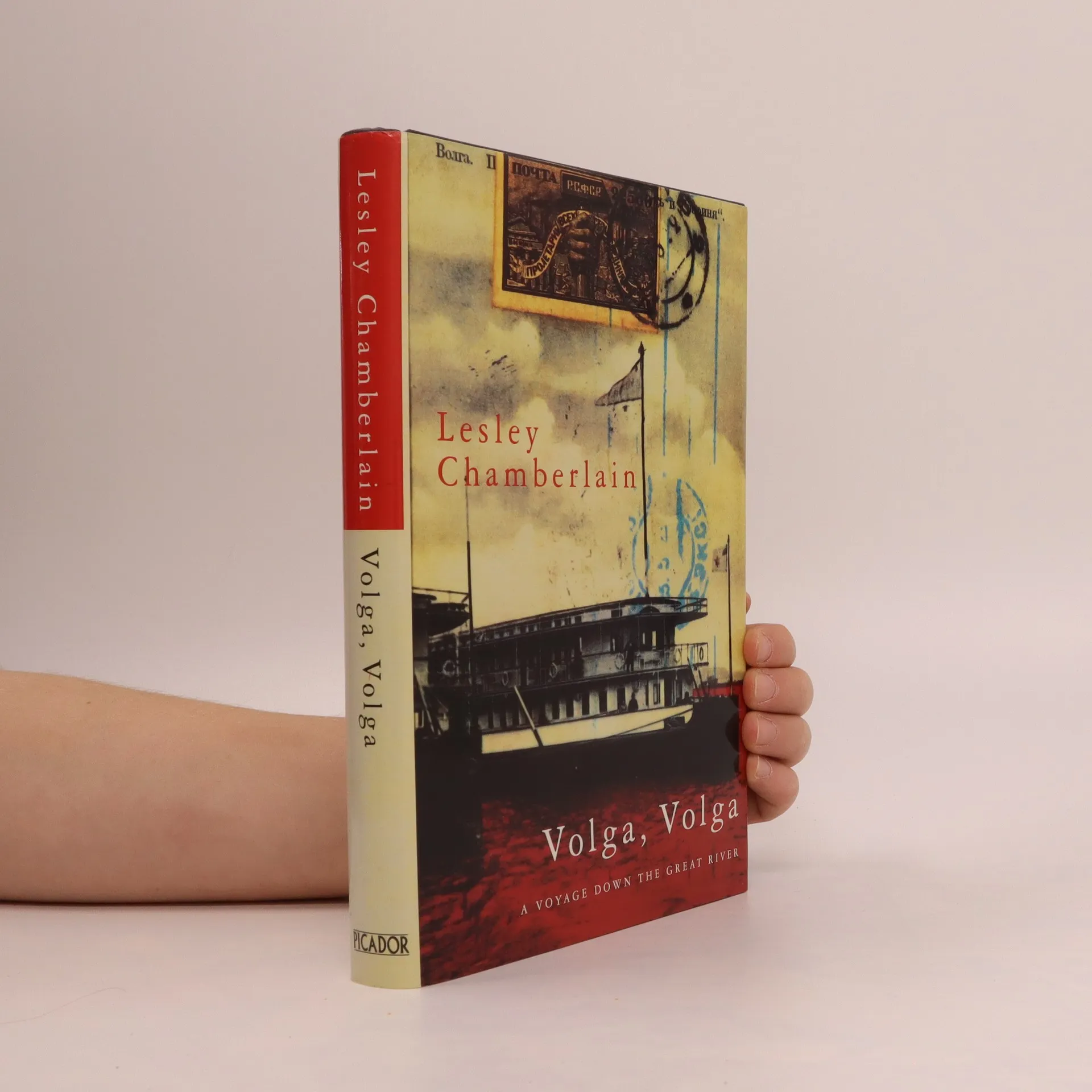
This is a personal, cultural journey down one of the greatest waterways in the world. The Volga rises north-west of Moscow and flows north, east and south through the heart of Russia, ending in the Caspian Sea. From source to mouth, it is 2290 miles long and is the 15th largest river in the world. Chamberlain's journey brings to life a picture of a people in violent transition determined to preserve their cultural and architectural heritage, and a river bearing the full complexity of Russia's medieval and modern history. Her search for the cultural identity of the Volga led her back to half-forgotten novels, pictures, films and songs, and she rekindles memories for the literature of Alexei Tolstoy and Maxim Gorky. This is a work of travel literature and social and cultural history for both the layman and the scholar.
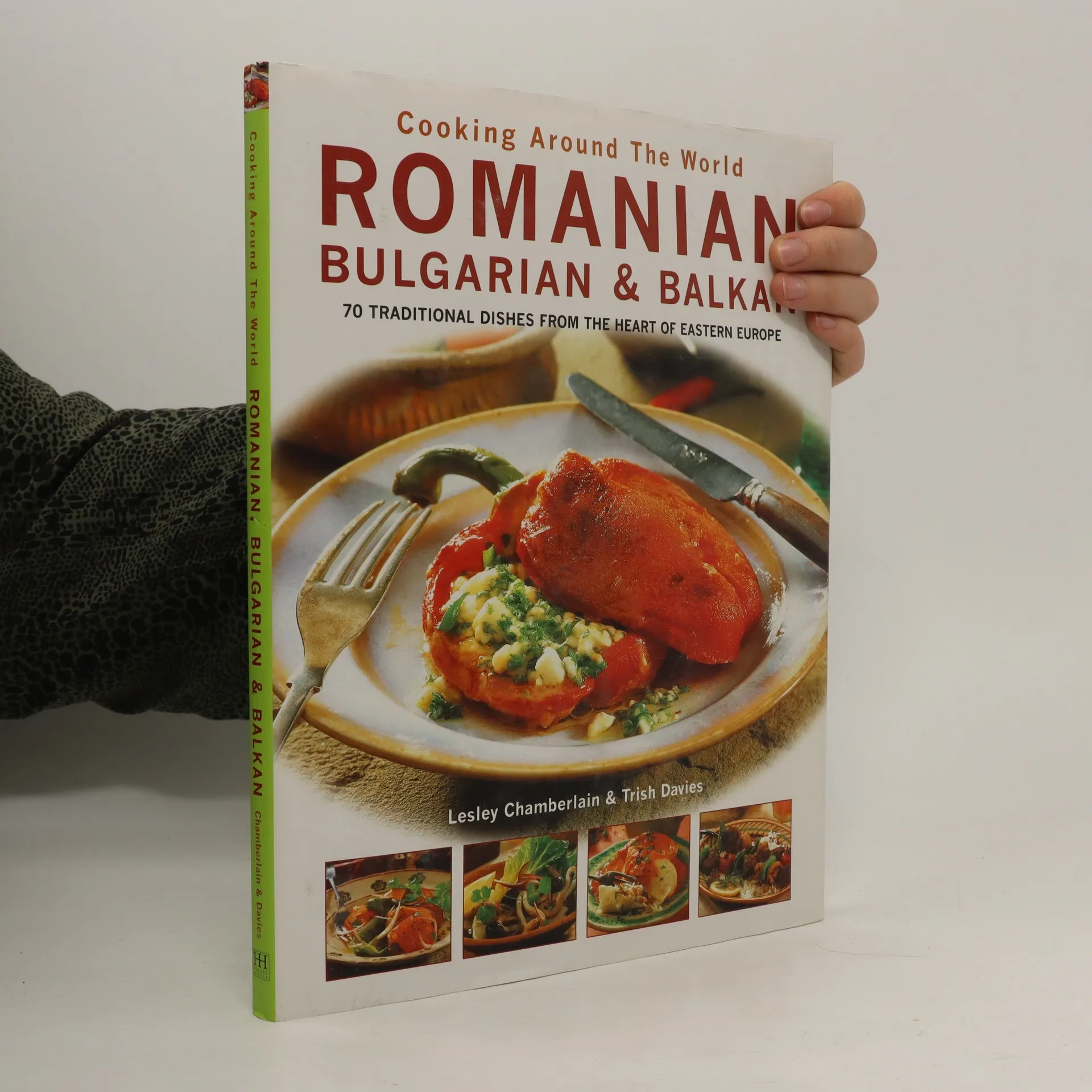
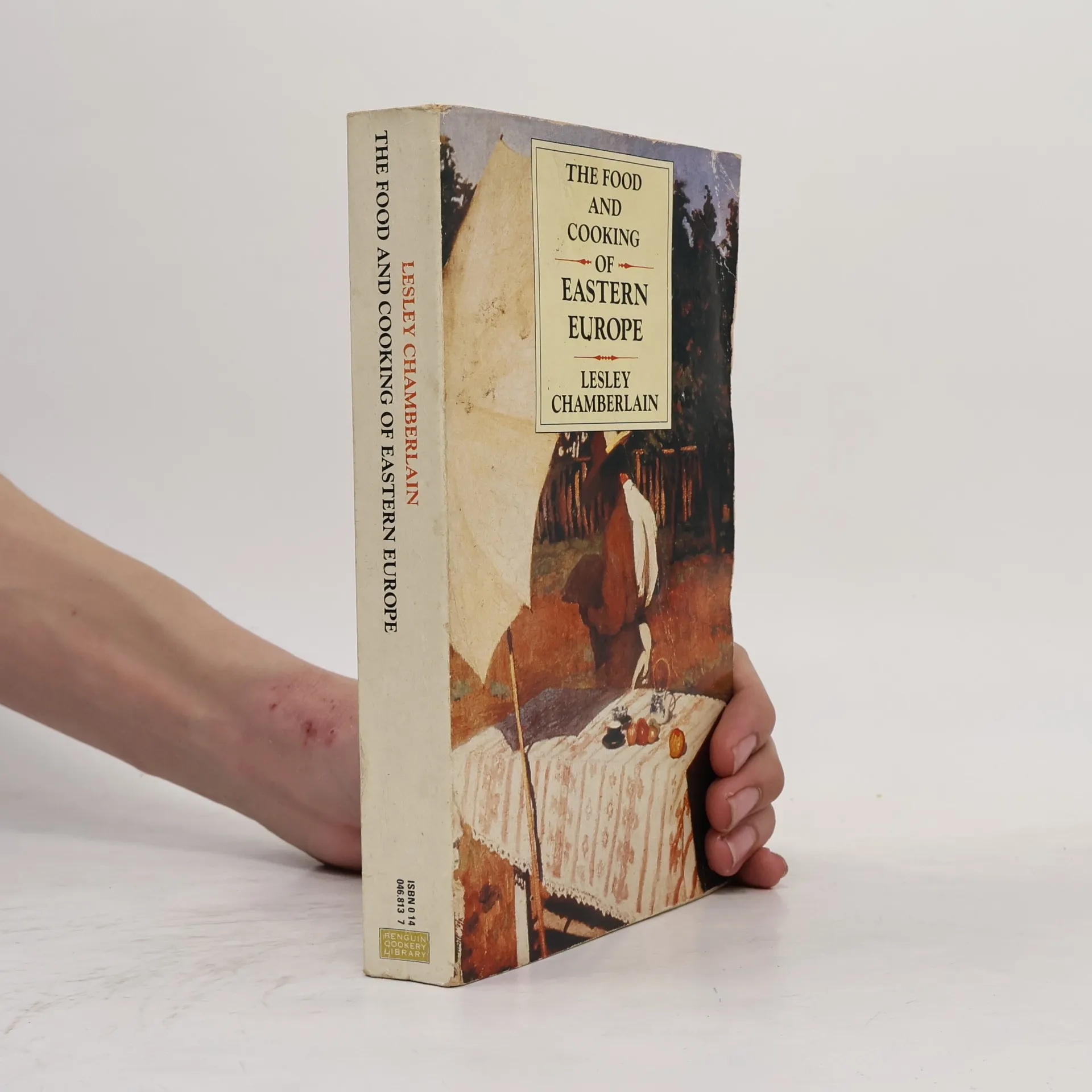
The Food and Cooking of Eastern Europe
- 480 Seiten
- 17 Lesestunden
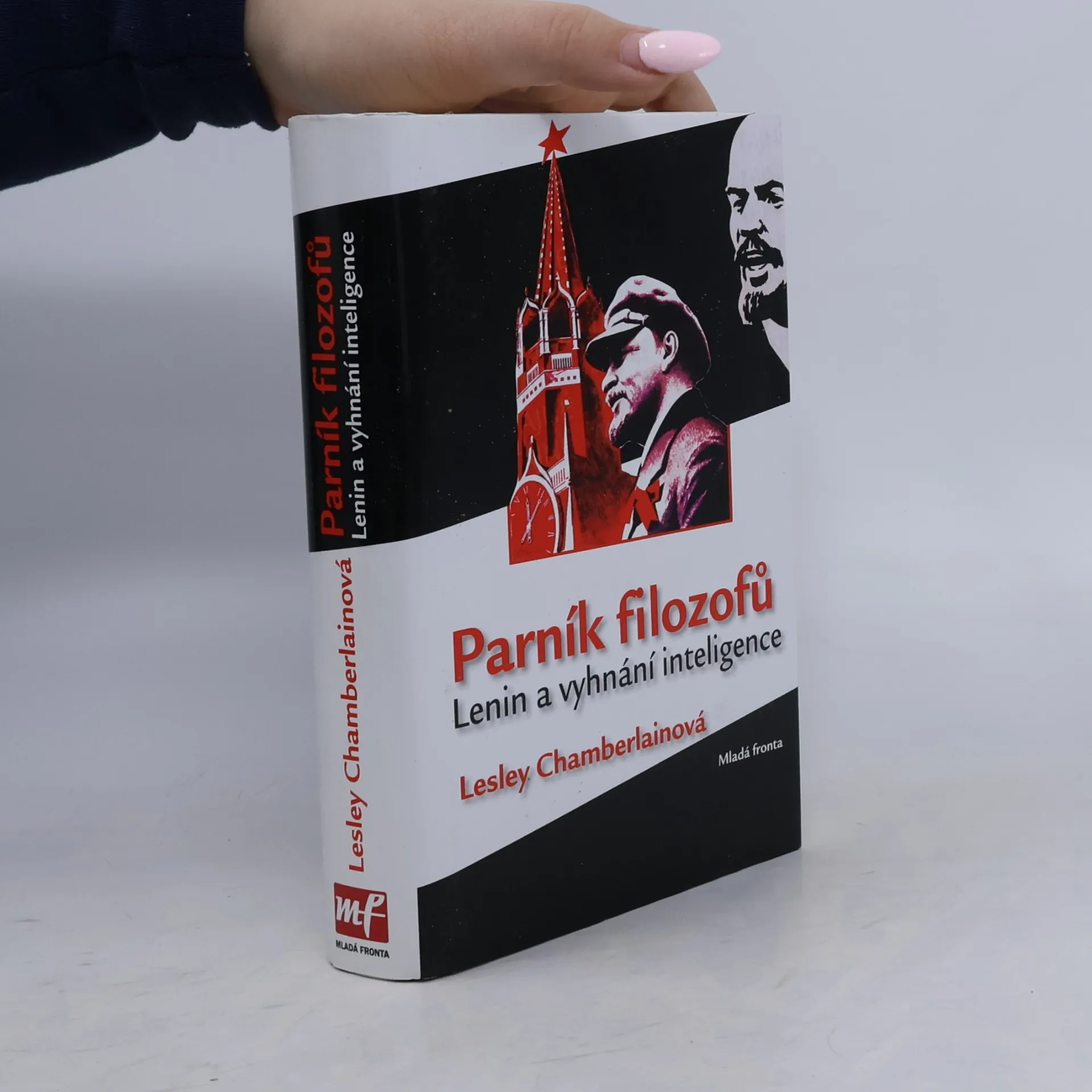
Parník filozofů. Lenin a vyhnání inteligence
- 389 Seiten
- 14 Lesestunden
Kniha přední anglické autorky literatury faktu Lesley Chamberlainové je první souhrnná práce o této temné pozapomenuté kapitole novodobé ruské historie V roce 1922 Lenin osobně sestavil seznam 160 nežádoucích ruských filosofů, akademiků, vědců a novinářů, jejichž deportací z nově vzniklého sovětského státu pověřil Iosifa Stalina. Na podzim roku 1922 vypluly z Petrohradu dva Parníky filozofů, na kterých zem se svými rodinami nuceně opustilo 59 významných osobností, z nichž nejslavnější byl filozof Nikolaj Berďajev a které nalezly útočiště v Berlíně, Praze či Paříži.