

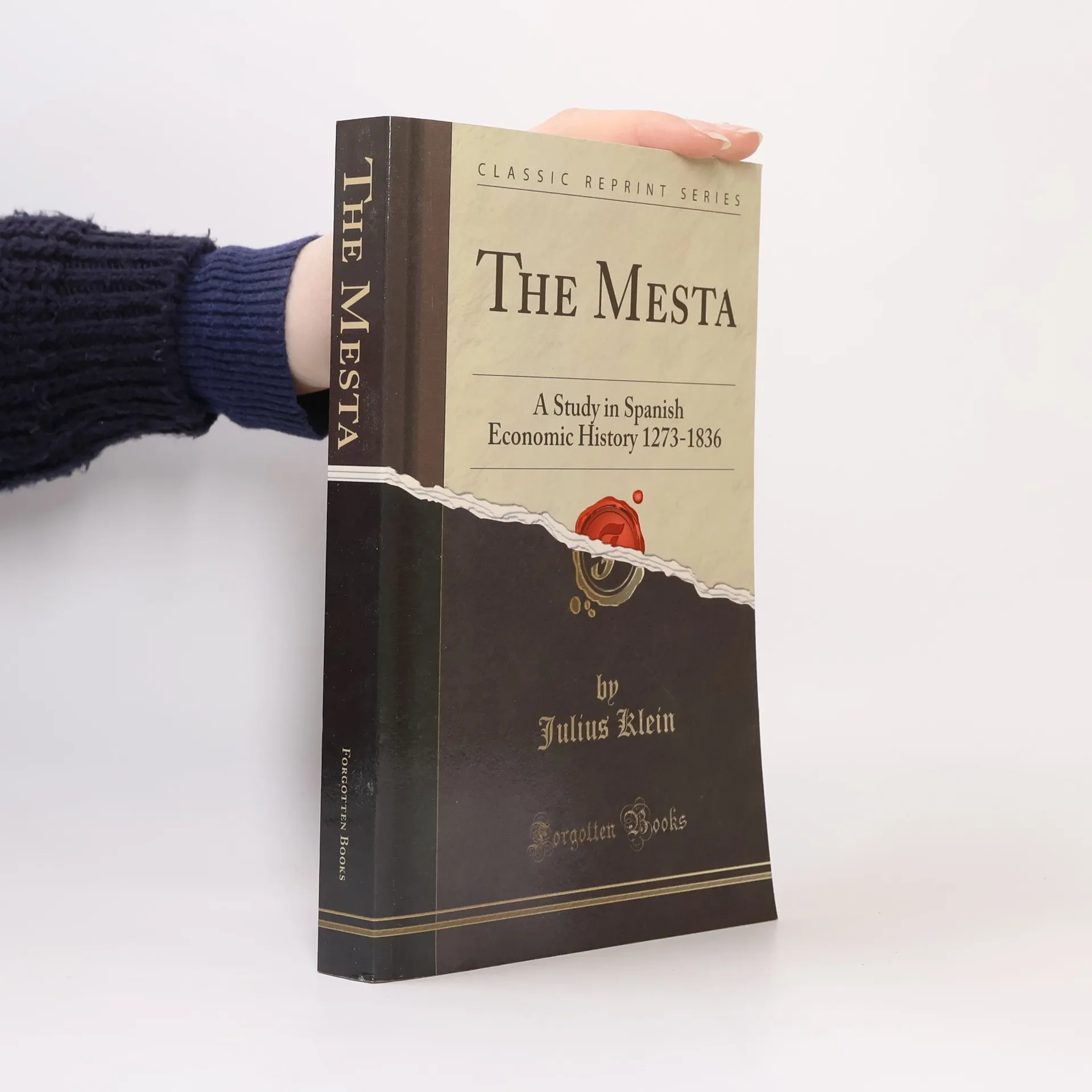
Classic Reprint Series: The Mesta
A Study in Spanish Economic History 1273-1836
- 468 Seiten
- 17 Lesestunden
Of the many economic problems arising from the war, two have garnered significant interest: national control of raw materials and the economic foundations of newly organized states. This exploration invites attention to these issues as they manifested in a different era. Spanish merino wool was a key commercial staple during the formation of modern Europe. The history of the Honorable Assembly of the Mesta, representing Castilian sheep raisers, illustrates six centuries of effort by a major European power to dominate the production and marketing of this vital raw material. While primarily focused on agrarian matters, this policy significantly impacted the mercantilistic ambitions of Castilian monarchs. The high value of wool, its exportable nature, and universal demand made it crucial for assessing the status of rival monarchies. The Mesta contributed to the foundation of the Castilian state emerging from the Reconquest, aiding sovereigns in their struggle against Spanish separatism—political, racial, and economic—to unify the peninsula. Its rise coincided with the efforts of warrior monarchs to consolidate their realms, while its decline began with the monarchy's collapse and the resurgence of separatist influences under the seventeenth-century Hapsburgs.