
Gratis Versand in ganz Deutschland
Bookbot

Carolyn Steel

    Carolyn Steel
    SITOPIA Jak jedzenie może ocalić świat
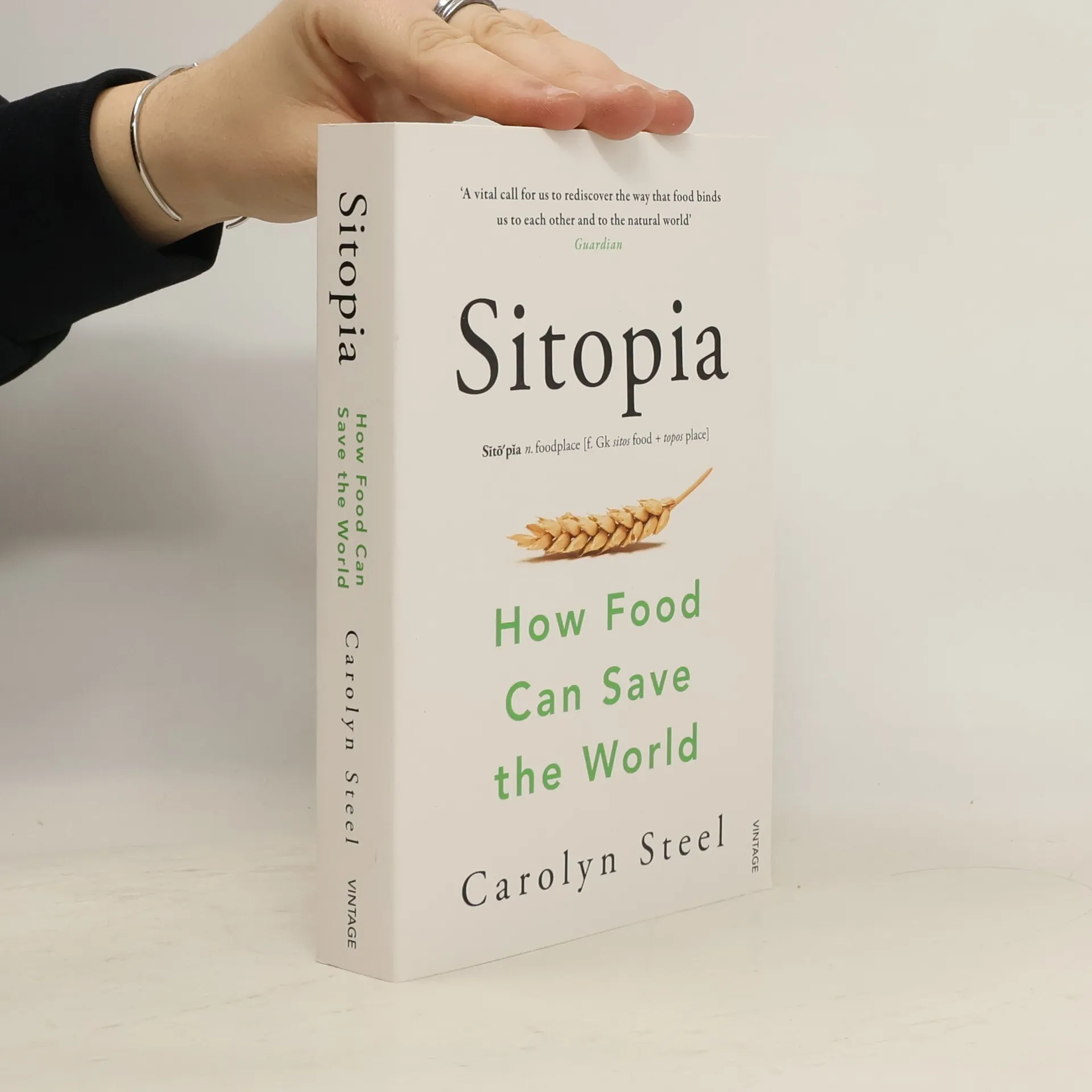
    Sitopia. How food can save the world
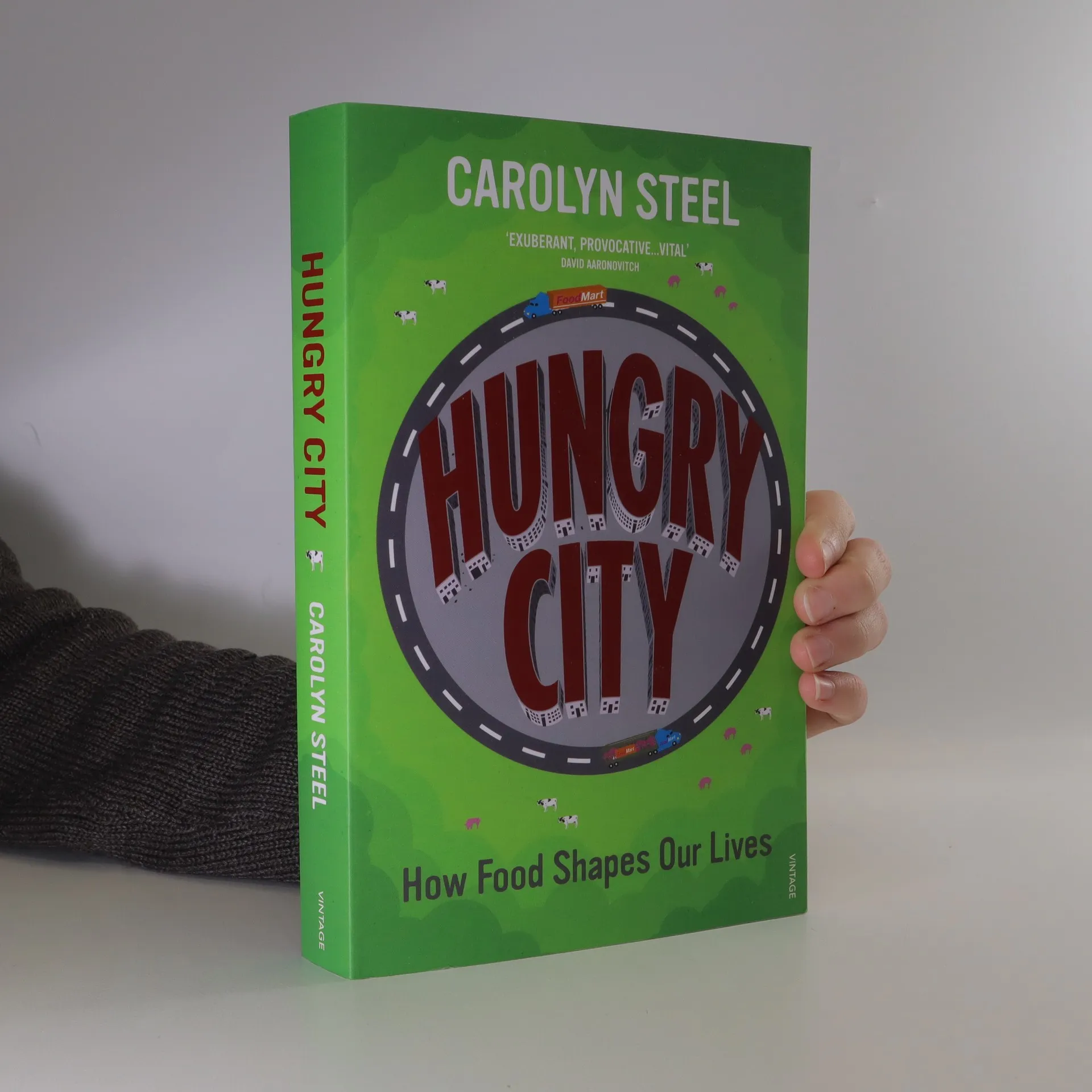
    Hungry city: how food shapes our lives
    • 3,8(15)Abgeben

      Cities occupy only 2% of the Earth's surface yet consume 75% of its resources. Despite a 145% increase in global food production over the last four decades of the 20th century, around 800 million people remain hungry. In 2005, British supermarkets discarded half a million tonnes of edible food, contributing to a total of 17 million tonnes wasted across the food sector. With one-quarter of the British population classified as obese and one in three meals being ready-made, the connection between food and urban life is crucial. Food not only shapes cities but also influences our lives and the countryside that sustains us. The immense effort required to feed urban populations significantly impacts both society and the environment, yet many remain unaware of the journey food takes to reach our plates. This exploration delves into how modern food production disrupts the balance of human existence, highlighting unresolved issues that contribute to obesity, the dominance of supermarkets, and environmental degradation. By tracing food from its origins through to consumption and waste, the author examines historical and contemporary challenges at each stage. Ultimately, it reveals how our lives and surroundings are affected and offers insights into potential positive changes. Engaging and thought-provoking, this work addresses an essential issue that resonates with everyone.

      Hungry city: how food shapes our lives
    • Sitopia. How food can save the world

      • 320 Seiten
      • 12 Lesestunden
      3,9(298)Abgeben

      'No writer asks more interesting questions about food than Carolyn Steel because no one takes more seriously the profound role of food at the heart of human life...destined to become a modern classic' BEE WILSON We live in a world shaped by food, a Sitopia (sitos - food; topos - place). Food, and how we search for and consume it, has defined our human journey. From our foraging hunter-gatherer ancestors to the enormous appetites of modern cities, food has shaped our bodies and homes, our politics and trade, and our climate. Whether it's the daily decision of what to eat, or the monopoly of industrial food production, food touches every part of our world. But by forgetting its value, we have drifted into a way of life that threatens our planet and ourselves. Yet food remains central to addressing the predicaments and opportunities of our urban, digital age. Drawing on insights from philosophy, history, architecture, literature, politics and science, as well as stories of the farmers, designers and economists who are remaking our relationship with food, Sitopia is a provocative and exhilarating vision for change, and how to thrive on our crowded, overheating planet. In her inspiring and deeply thoughtful new book Carolyn Steel, points the way to a better future. *A DAILY TELEGRAPH BOOK OF THE YEAR 2020*

      Sitopia. How food can save the world
    • Szacunek do jedzenia to coś więcej niż radość z organicznych produktów; to nasza jedyna droga przetrwania. Jedzenie ma moc ratowania świata, ponieważ wszyscy jemy, a wspólne gotowanie i jedzenie potwierdzają nasze człowieczeństwo. Proces produkcji żywności wpływa na planetę i nasze zdrowie, a zmieniając nasze menu, możemy wspierać siebie nawzajem. Industrializacja osłabiła nasze więzi z naturą, prowadząc do pogłębiania się nierówności – bogaci jedzą zdrowo, a biedni są zmuszeni do wyboru taniego, przetworzonego jedzenia, co negatywnie wpływa na ich zdrowie. Autorka ostrzega, że jeśli nie dostosujemy się do natury, zniszczymy naszą planetę. W siedmiu rozdziałach omawia rolę jedzenia w kontekście ciała, domu, społeczeństwa, miast, wsi, natury i czasu. Marzy o miastach z ogrodami na dachach i farmami wertykalnymi, analizując poglądy starożytnych filozofów oraz współczesną naukę. Dobra sitopia to zeroemisyjne społeczeństwo, w którym żywność pochodzi z natury, a rolnictwo wspiera naturalne cykle ekologiczne. Intuicja moralna podpowiada, że dobre życie wymaga troski o nasz świat. Możesz zacząć od swojej kuchni, zamiast czekać na uniwersalne rozwiązania. Zacznij od siebie, zacznij czytać.

      SITOPIA Jak jedzenie może ocalić świat