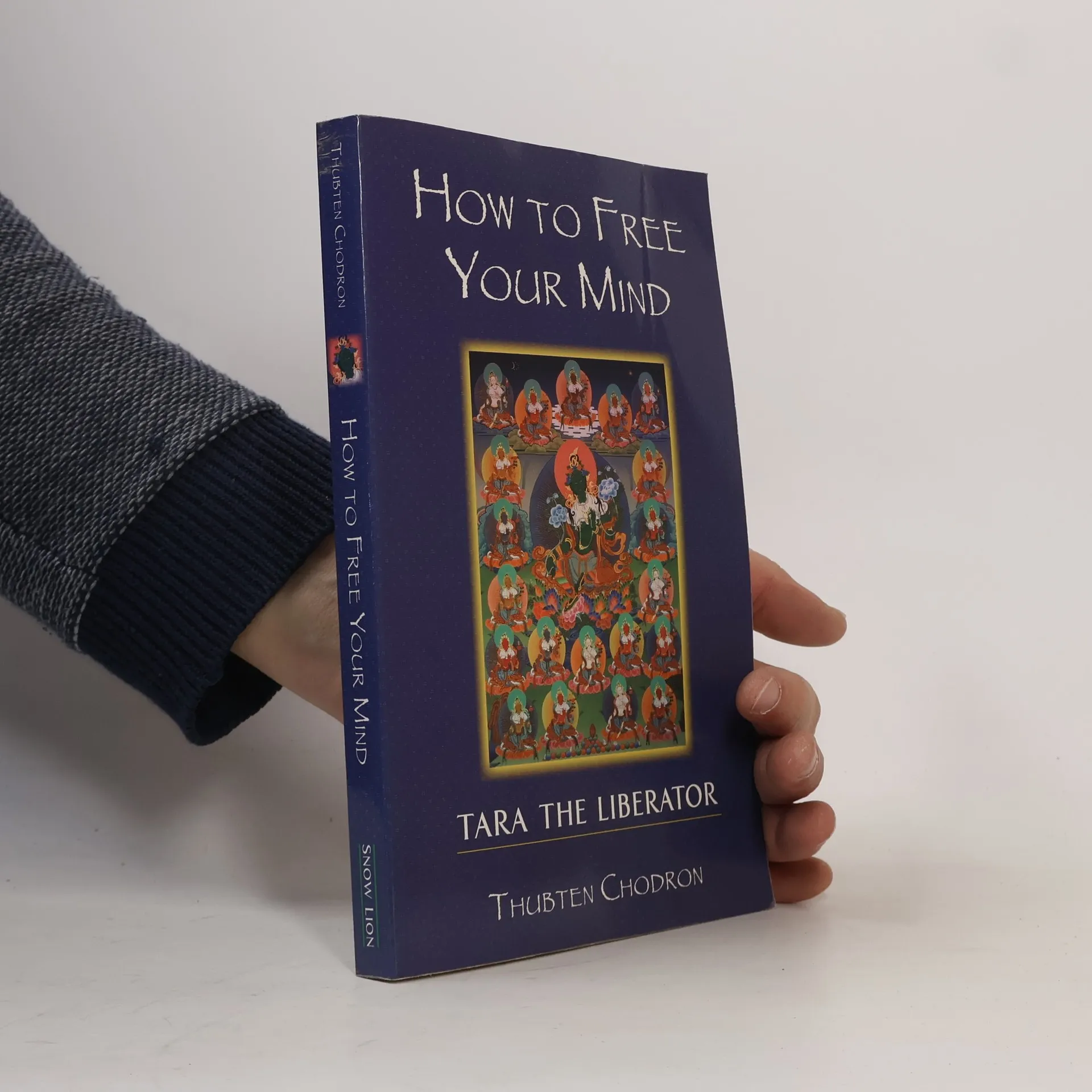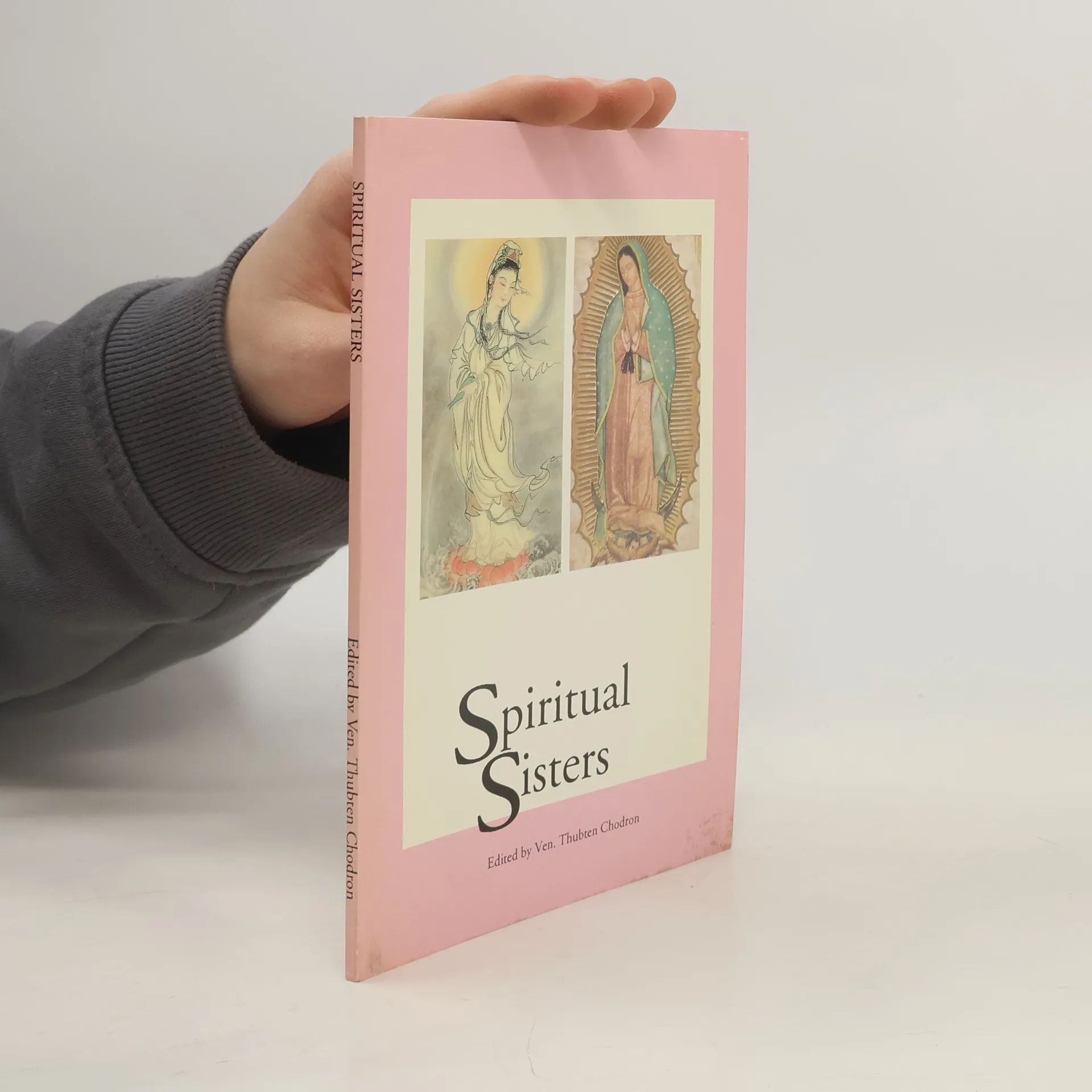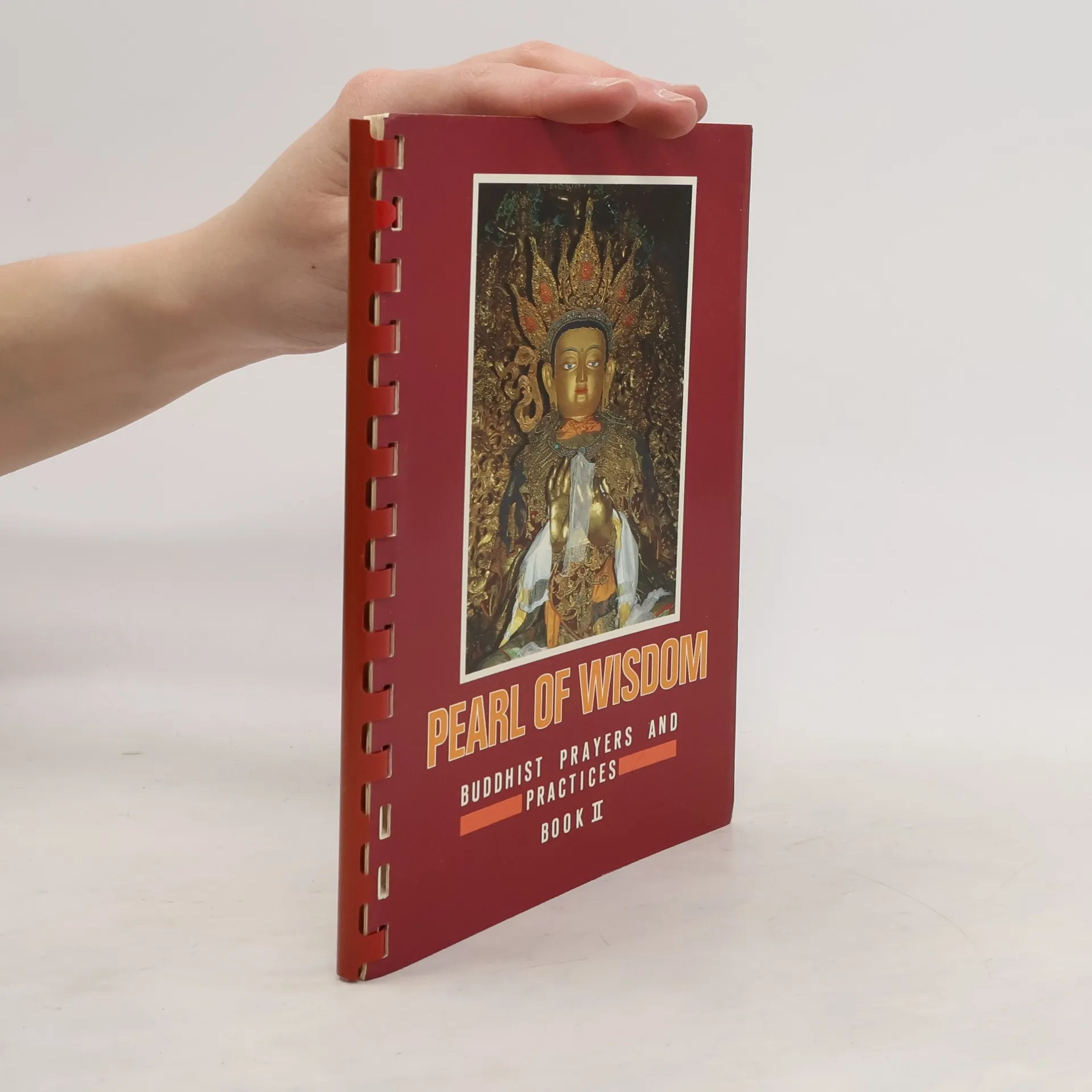

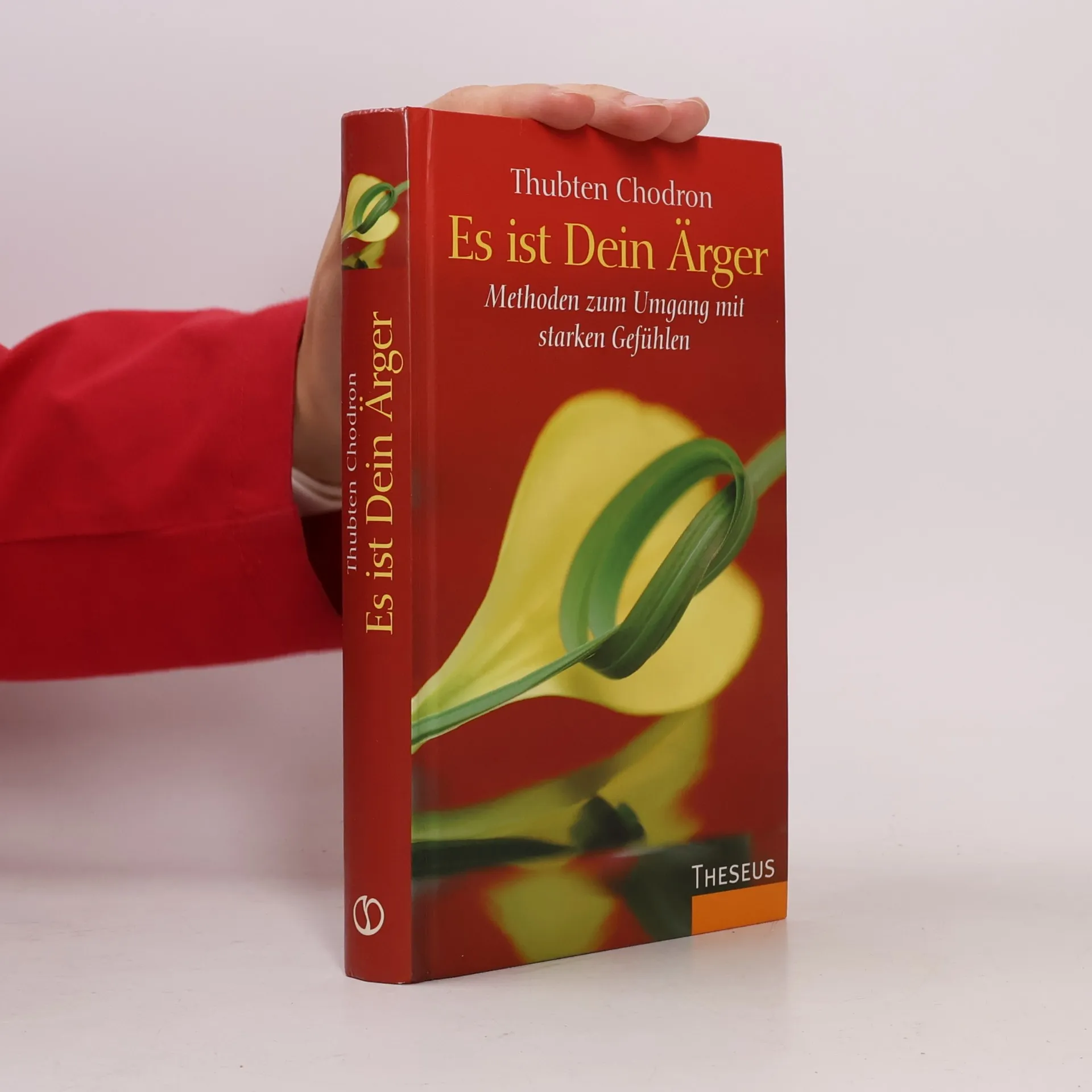
Ehrwürdige Bhikshuni Thubten Chodron versteht es meisterhaft, die praktische Anwendung der Lehren Buddhas für das tägliche Leben zu vermitteln. Sie teilt ihre Erkenntnisse auf eine klare und zugängliche Weise, die beim westlichen Publikum Anklang findet. Ihre Lehren sind bekannt für ihre herzliche, humorvolle und luzide Darbietung, die es den Lesern ermöglicht, die buddhistische Philosophie mühelos in ihr Leben zu integrieren. Sie gründete die Sravasti Abbey, um die Ausbildung in der tibetischen buddhistischen Tradition für westliche Praktizierende zu fördern.
The book offers a range of Buddhist techniques aimed at managing and transforming anger into constructive energy. It focuses on understanding and subduing angry tendencies, providing practical strategies for individuals to cultivate a more peaceful and productive mindset in their daily lives.
Od czasów działalności Buddy minęło kilkadziesiąt wieków. Wydawałoby się, że
wszystko się zmieniło. Ludzkość poczyniła znaczący postęp, ale wciąż nie
zdołała uwolnić się od cierpienia ani zapewnić sobie uczucia pewnego, trwałego
szczęścia. Ponieważ rozwój nauki i techniki do tego nie wystarczy. Konieczne
jest wejście na ścieżkę wewnętrznego rozwoju, gdyż transformacja umysłu wymaga
duchowej praktyki. Nie chodzi tu jednak o konkretne przekonania religijne czy
rytuały. Duchowość odnosi się do takich cech jak: współczucie, miłość,
łagodność i skromność. Innymi słowy, człowiek może być szczęśliwy, nie będąc
wierzącym, ale nie zdoła osiągnąć tego stanu bez wspomnianych cech. W książce
przedstawiono podstawy podejścia prezentowanego przez tradycję Nalanda -
klasyczny, indyjski obrządek buddyjski wyrastający z wielkich przyklasztornych
uniwersytetów z okresu klasycznego tejże cywilizacji. Dzięki zawartym w
publikacji treściom zyskasz wiedzę ułatwiającą poznawanie poszczególnych
stopni ścieżki. Znalazły się tu także nauki zebrane z innych buddyjskich
zwyczajów, co zapewni Ci szersze spojrzenie na dany temat. Stosowanie
buddyjskich zasad podczas pracy w świecie i dla świata umożliwia tylko
osiągnięcie duchowej transcendencji. Jest to również droga prowadząca do
zdrowszego i bardziej sprawiedliwego społeczeństwa.
Daily dharma teachings on compassion, wisdom, mindfulness, and joy--ideal for creating moments of peace and reflection in our chaotic world. Awaken Every Day offers reflections for each day of the year, helping readers cultivate meaning in our own lives and contribute to the well-being of others. Venerable Thubten Chodron is beloved for her ability to help people understand key Buddhist teachings and apply them to the everyday challenges of life. Awaken Every Day shares a quick daily dose of this wisdom, encouraging readers to understand the true causes of our suffering and the paths to freedom. Whether we read straight through or dip in, whether we look for a teaching in the morning or a reflection in the evening, Awaken Every Day helps us understand our minds, our connections to our communities, and how to become the people we aspire to be.

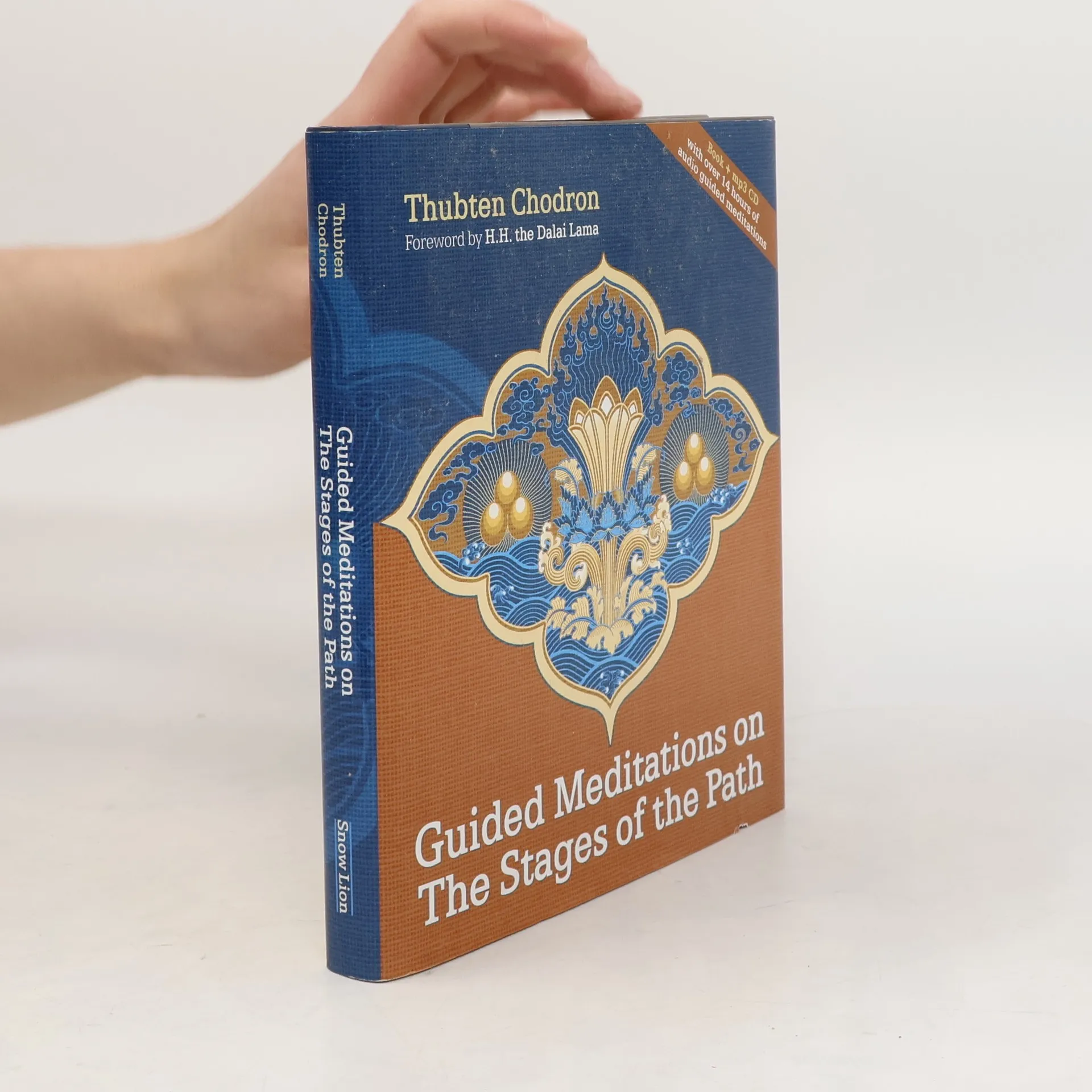
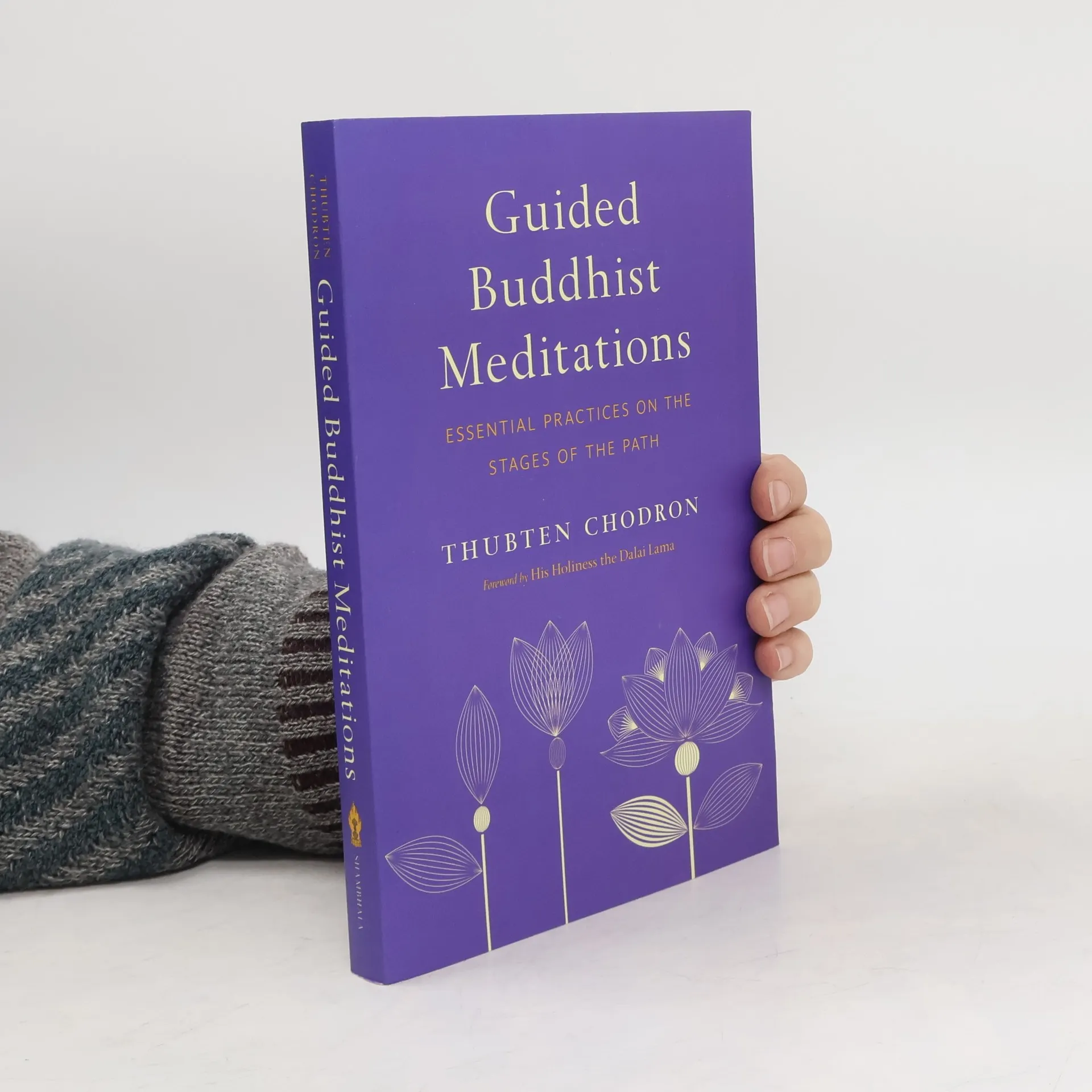
A new edition of a Buddhist classic, an accessible introduction to the stages of the path (lamrim)--including 14 hours of downloadable audio meditations. The Stages of the Path, or lamrim, presentation of Buddhist teachings (a step-by-step method to tame the mind) is a core topic of Buddhist study. The lamrim meditations remind us that the process of transforming the mind, unlike so much of our frantic modern society, is a slow and thoughtful one. Best-selling author and Buddhist teacher Thubten Chodron here provides clear explanations of the stages of the path, as well as an accompanying downloadable audio program containing over fourteen hours of guided meditations on each of the topics covered in the text. Chodron discusses how to establish a daily practice and presents the meditations in detail, followed by advice for newcomers, instructions for working with distractions, antidotes to mental afflictions, and suggestions on how to deepen Dharma practice. Each practitioner will find meaning and insight according to their own skill level.
Eating as a spiritual practice: wisdom from the Buddhist tradition that you can use at home.Every aspect of our daily activities can be a part of spiritual practice if done with compassion—and this compact guide offers wisdom from the Buddhist tradition on how eating mindfully can nourish the mind as well as the body.Thubten Chodron, abbess of Sravasti Abbey in Washington state, shows us that eating and activities related to it—preparation of food, offering and consuming it, and cleaning up afterward—can contribute to awakening and to increased kindness and care toward others. Chodron offers traditional Buddhist teachings and specific practices used at the Abbey, along with advice for taking the principles into our own home in order to make the sharing of food a spiritual intention for anyone. By eating consciously and mindfully—and by including certain rituals—we find ourselves less obsessive about food and can enjoy our meals more.
In his Precious Garland, a classic of Indian Buddhist philosophy, Nagarjuna advises a king on how best to secure a happy rebirth while making progress toward the ultimate goal of enlightenment. In Practical Ethics and Profound Emptiness, Khensur Jampa Tegchok walks us through the Precious Garland, drawing out the implications of its arguments and grounding its advice in our world today, with equal measures of penetrating explanation and inspiring encouragement.
Warum geschehen die Dinge in unserem Leben so und nicht anders? Wie können wir
die Ursachen für Glück erzeugen? In der buddhistischen Praxis der
Geistesschulung finden wir die Antwort auf diese Fragen: Unter anderem gehört
dazu, dass wir unsere Ichbezogenheit überwinden und an ihrer Stelle anderen
gegenüber eine Haltung der liebevollen Wertschätzung entwickeln. Dies wiederum
führt uns zu einer Art des Handelns, durch die wir auf ganz natürliche Weise
vom Leiden weg und hin zum Glück gelangen - kurzum gutes Karma erzeugen. In
ihrem Kommentar zu einem der großen buddhistischen Gedichte, Das Rad der
scharfen Waffen, zeigt Thubten Chodron klar und praxisnah, wie man die
Ursachen für Unruhe, Angst und Niedergeschlagenheit beseitigen und für sich
selbst und alle anderen die Ursachen für freudige Befreiung erzeugen kann.
Eine Synthese aus buddhistischer Praxis und westlicher Psychotherapie
406 Seiten
15 Lesestunden
Das Buch vermittelt, wie das bewusste Entwickeln von Mitgefühl unser Wohlbefinden steigern kann, basierend auf Erkenntnissen der westlichen Wissenschaft und buddhistischer Lehren. Es bietet leicht nachvollziehbare Geschichten und Reflexionen, die als Inspiration dienen, um die eigene Selbstbeziehung zu verbessern und negative Denkmuster abzubauen. Ziel ist es, durch Mitgefühl mehr Gelassenheit und inneren Frieden zu erreichen, wodurch Leser lernen, ein offenes Herz im Alltag zu kultivieren.
Training the mind in the habit of happiness--enlightening commentary on a classic Tibetan Buddhist teaching poem by a popular modern teaching nun. Lojong, or "mind-training" is a practice that has gained astonishing popularly in recent years--because it works in transforming hearts and minds. Here is a presentation of lojong teachings that predates the "slogan" practice with which people have become so familiar through the books of Pema Chödrön and others, and that is every bit as powerful for imbuing the mind with intelligence and the heart with compassion. It is Thubten Chodron's commentary on a Tibetan poem with the imposing title "Wheel of Sharp Weapons." It is, as the title of this book indicates, an explanation of how karma works in our lives. But in explaining how to create good karma and avoid the negative effects of bad karma, it shows us how to live our lives with kindness and honesty--which makes things better not only for ourselves, but also for everyone else in the world.
Exploring themes of vulnerability and emotional resilience, this book delves into the journey of embracing life with openness and authenticity. It offers insights into personal growth while navigating challenges, encouraging readers to cultivate compassion and connection. The narrative emphasizes the importance of living fully and the transformative power of love and acceptance. Through practical advice and reflective anecdotes, it serves as a guide to fostering deeper relationships and a more fulfilling existence.