

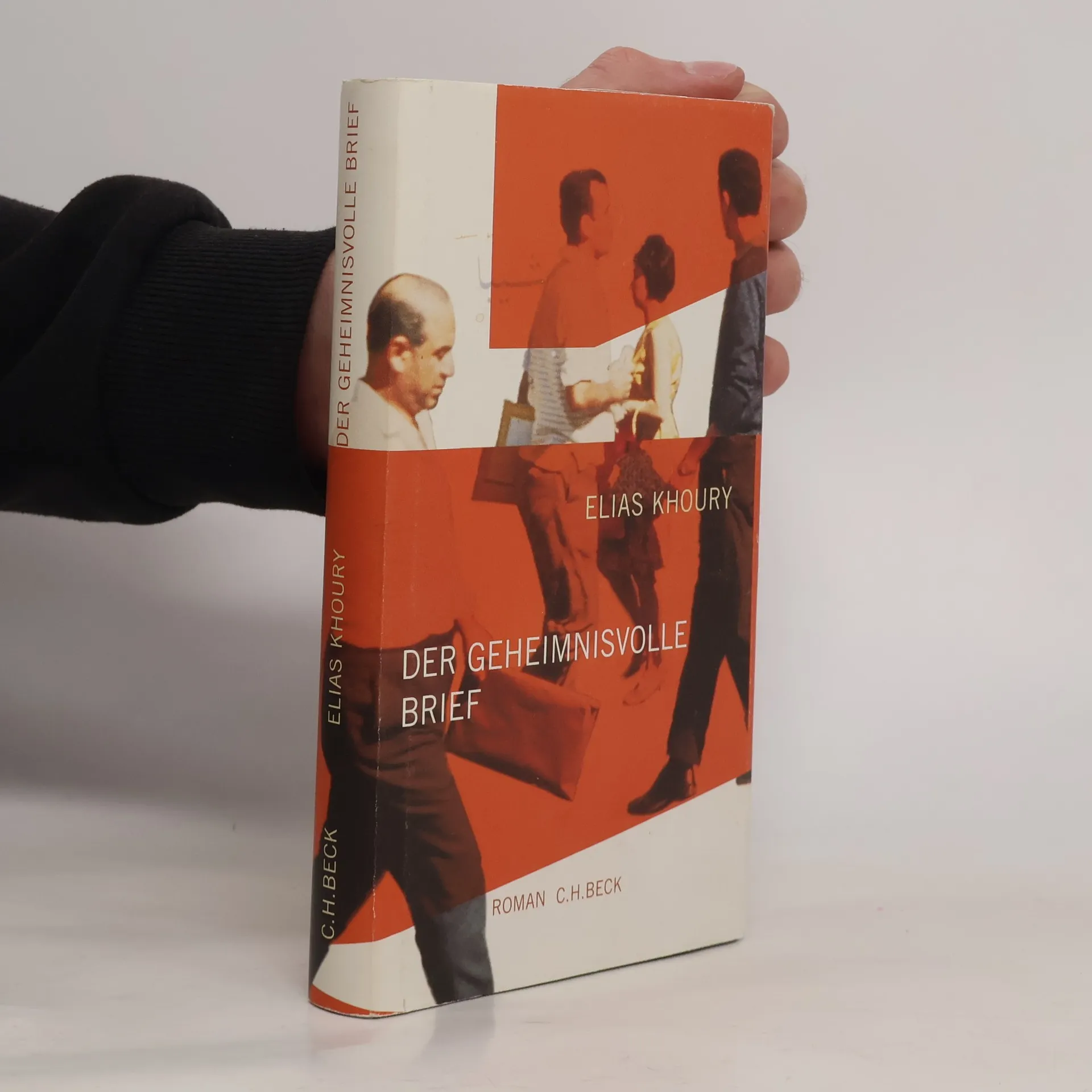
„האם ידע הסופר הקולומביאני גבריאל גרסיה מארקס שבכותבו את כרוניקה של מוות ידוע מראש הוא חושף את סוד המכתב...? כך שואל אליאס ח'ורי בפקעת של סודות, רומן מתעתע שמקצת מן הדמויות בו מופיעות גם ברומן של מארקס. מי קדם למי, והאם זה חשוב? שאלות אלו מלוות את רומן המפתח של ח'ורי, המאיר באור מיוחד ומקורי את הנסיבות שבעטיין פרצה מלחמת האזרחים בלבנון בשנת 1975. כהרגלו, ח'ורי יורד אל תעלות הביוב ובתי הבושת של ביירות כדי לספר את הסיפור מבעד לעיני אנשי השוליים של העיר המפתיעה.“
Elias Khoury Bücher
Elias Khoury ist ein libanesischer Romanautor, Dramatiker und Kritiker, dessen Werke in die Tiefen der menschlichen Erfahrung eintauchen. Sein Schreiben zeichnet sich durch einen scharfen Fokus auf Themen wie Identität, Geschichte und Kultur aus. Durch seine innovativen literarischen Techniken und seine scharfsinnige kritische Analyse bietet er den Lesern einzigartige Einblicke in die Komplexität der modernen Welt. Sein Gesamtwerk etabliert ihn als eine bedeutende Stimme in der zeitgenössischen arabischen Literatur und im intellektuellen Diskurs.

Das Tor zur Sonne
- 742 Seiten
- 26 Lesestunden
In den langen Wochen haben wir gemeinsam ein Haus mit Worten gebaut, wir haben ein Vaterland mit Worten gebaut und Frauen mit Worten. - In einem heruntergekommenen Wüstenlazarett erzählt ein Mann am Bett seines verwundeten Freundes gegen dessen Tod an. Er erzählt, um nicht zu verzweifeln und um nicht zu vergessen. Im Mosaik zahlreicher Lebensläufe von dem Krieg im Jahr 1948 bis weit in die 90er Jahre erkennt man auch das Portrait einer Stadt: Beirut. Elias Khoury durchleuchtet den palästinensisch- israelischen Konflikt mit Mut und Weitsicht. Ihm gelingt es, Krieg, Zerstörung und Leid auf die Geschichten von Menschen zurückzuführen, die ineinandergreifen und jede simple Schuldzuweisung unmöglich machen.
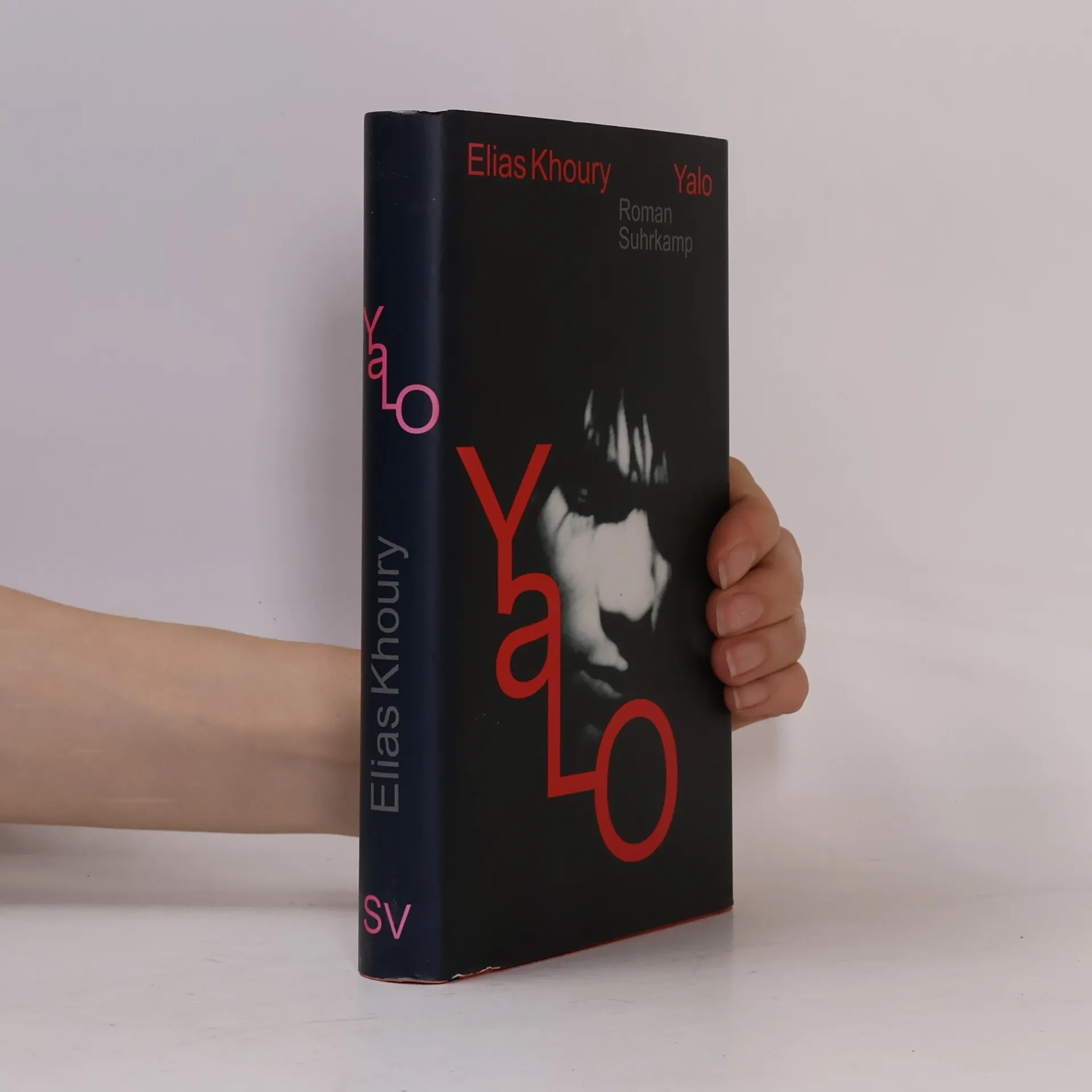
Yalo
Roman
So wie für Lawrence Durrell das alte Alexandria die Hauptstadt der Erinnerung war, ist für Elias Khoury das wiederaufgebaute Beirut die Hauptstadt der Amnesie. Yalo, der aus einer christlich-syrianischen Familie stammt, wächst in Beirut auf. Jung gerät er in eine der Milizen des Krieges. Nach dessen Ende wird er Wächter eines Waffenhändlers. In den Hügeln außerhalb Beiruts überfällt er nächtens Liebespaare, raubt und vergewaltigt – und verliebt sich in eines seiner Opfer, Shirin. Sie zeigt ihn an. Er wird festgenommen und gefoltert. Man zwingt ihn, sein Leben aufzuschreiben, immer neu, denn nie sind die Folterer zufrieden – selbst wenn er zugibt und ausmalt, was er gar nicht getan hat. So gerät Yalo außer sich. Im Schmerz trennt er sich von seinem Körper und erfindet sich im Geist. Mit jeder neuen Fassung verändert sich die Beschreibung, sie reichert sich an, sie franst aus, verschmutzt, färbt sich, oszilliert, sie nimmt ein Sprach- und Eigenleben an: Yalo – ein libanesisches Leben in Zeiten des Kriegs und Nachkriegs. Elias Khourys sprachmächtiger Roman erzeugt – mitreißend und erkenntnisstiftend zugleich – einen Taumel.
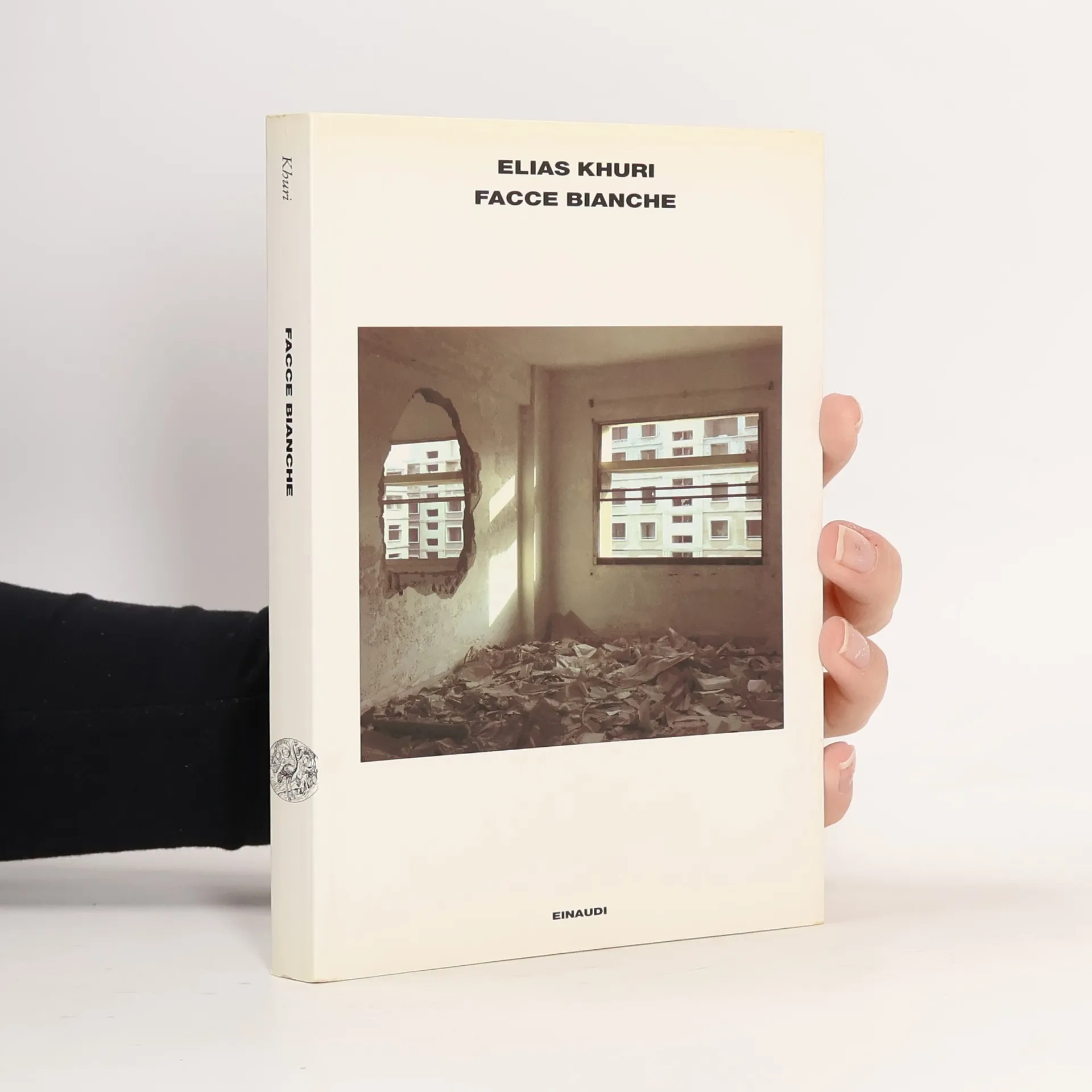
Facce bianche
- 278 Seiten
- 10 Lesestunden
Il 13 aprile 1980, nel centro di Beirut, viene rinvenuto tra le immondizie il cadavere di un uomo sulla cinquantina. Il corpo presenta segni di torture. Il narratore - un laureato in scienze politiche costretto dall'immanenza della guerra civile a riciclarsi in impiegato presso un'agenzia di viaggi - si improvvisa giornalista e decide di scoprire chi ha ucciso Khalíl Ahmad Jàbir, un cittadino qualsiasi, e perché. Ognuno dei sei capitoli centrali dà voce a un personaggio diverso, tra quanti hanno conosciuto o anche solo incontrato la vittima ed è attraverso le loro parole che l'autore cerca di ricostruirne la personalità e le traversie (sono la moglie, la figlia, un vicino, la portiera, un miliziano e un netturbino). Nelle loro storie sono così tante le morti violente, che la morte di Khalíl Jàbir perde quasi di significato e di eccezionalità.