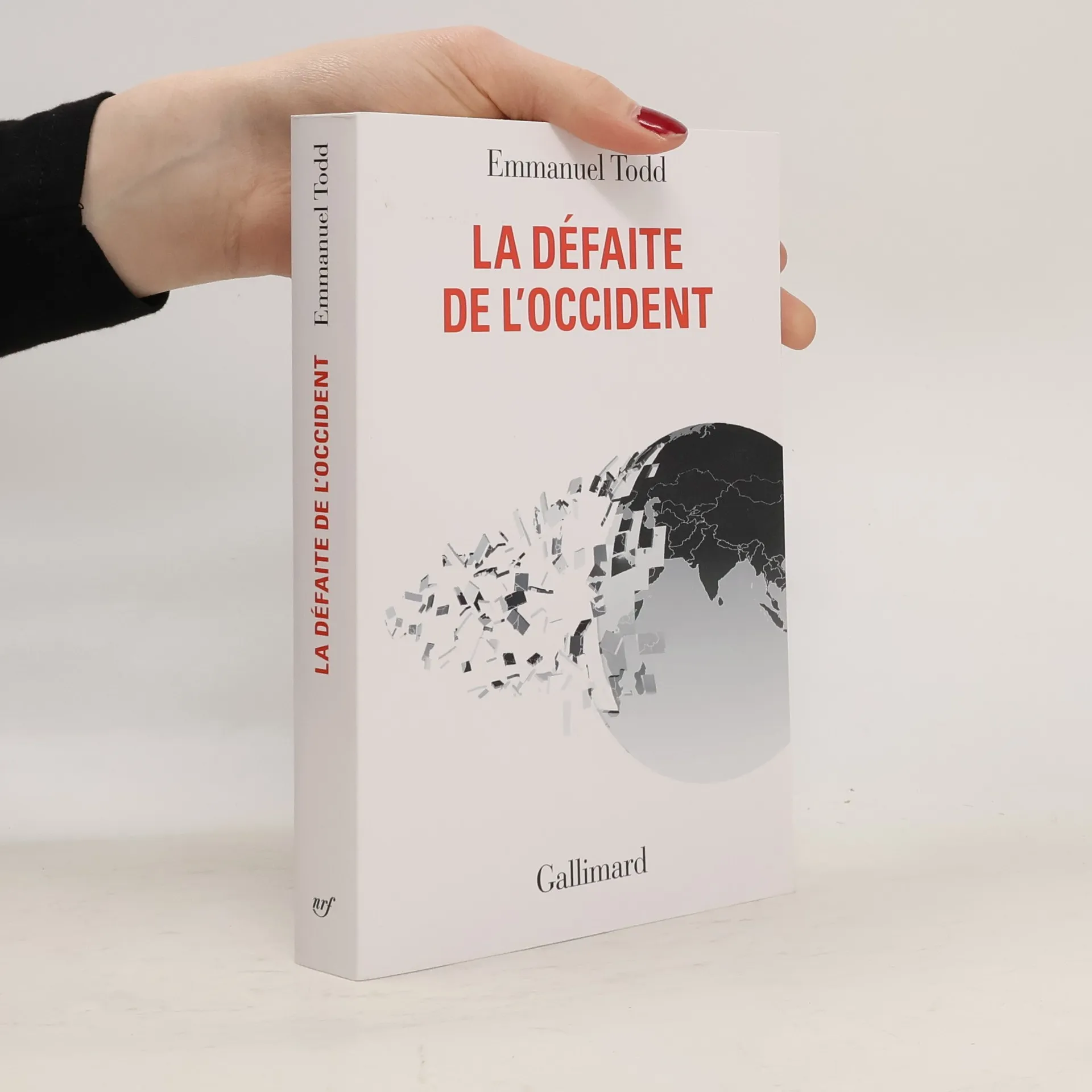
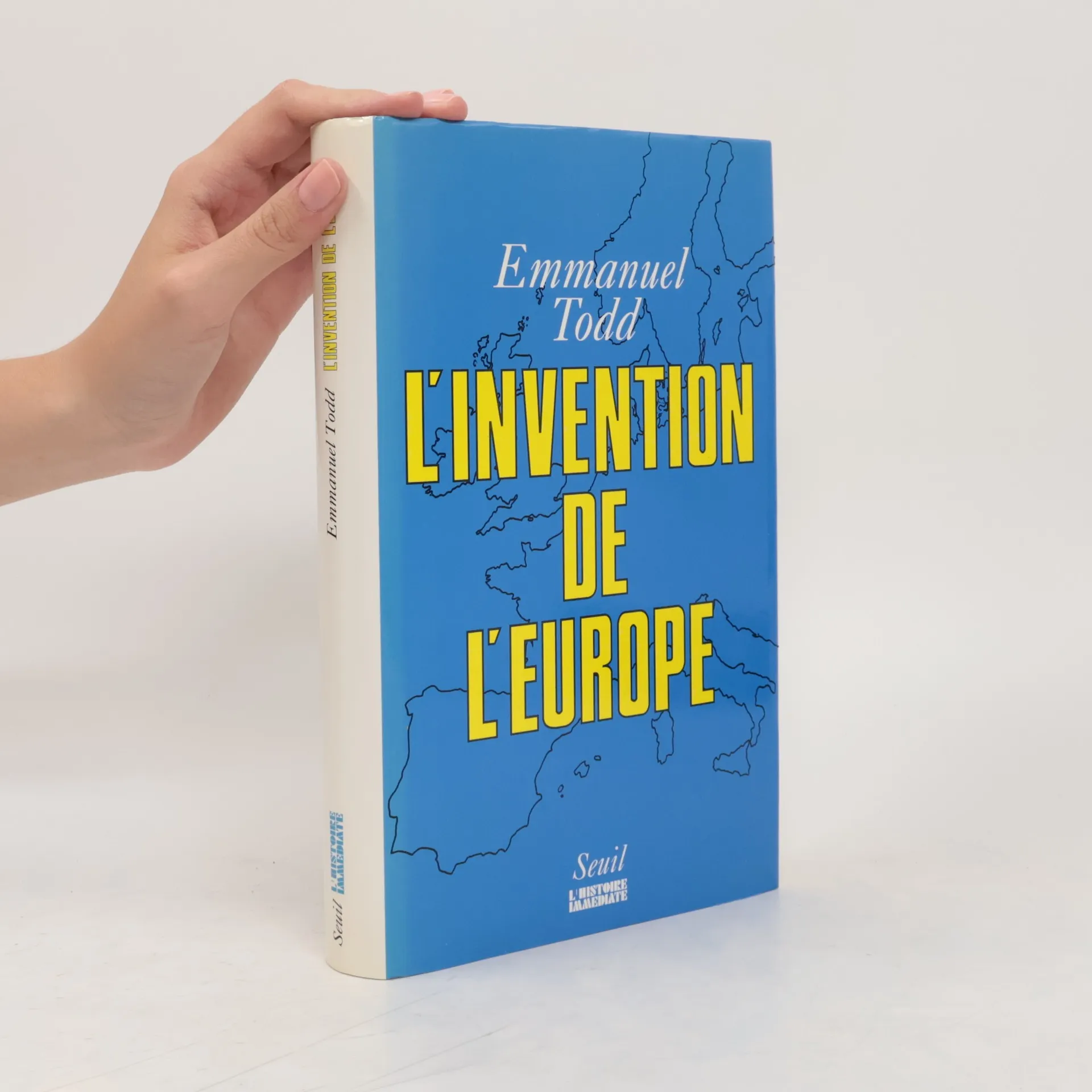
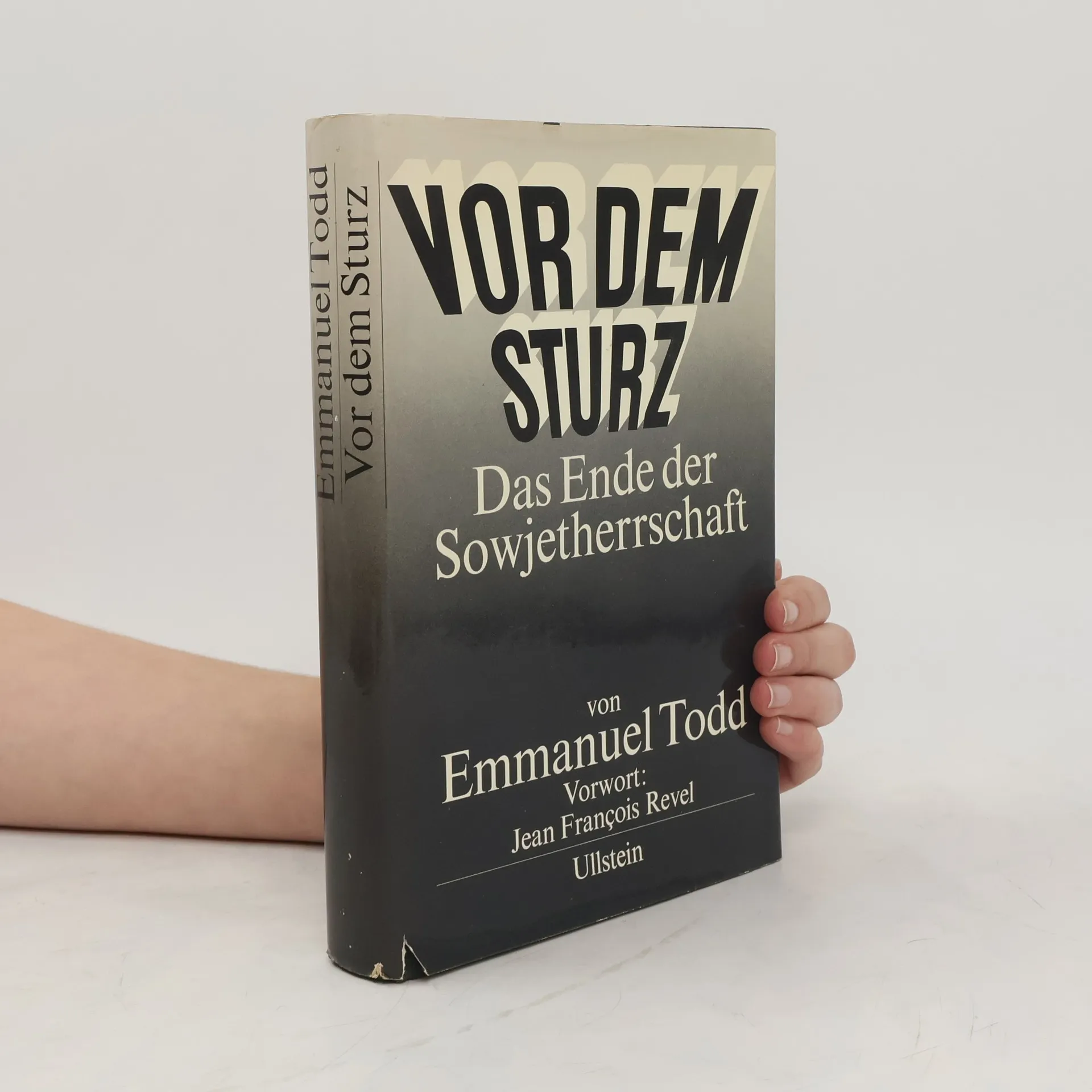
Porážka Západu
krize ekonomiky, kultury a náboženství


Emmanuel Todd ist ein französischer Historiker, Anthropologe und Soziologe, dessen Forschung sich auf weltweite Familienstrukturen und deren Verbindungen zu Glaubenssystemen, Ideologien und politischen Strukturen konzentriert. Er untersucht, wie historische Ereignisse diese Muster geformt haben und wie sie sich darin widerspiegeln. Todds Werk bietet durch die Linse familiärer Dynamiken eine einzigartige Perspektive auf globale kulturelle und politische Phänomene. Seine Analysen decken tiefgreifende Verbindungen zwischen persönlichen Lebensläufen und den breiteren gesellschaftlichen Prozessen auf, die die menschliche Entwicklung vorantreiben. Seine Forschung ist entscheidend für das Verständnis, wie sich Gesellschaften im globalen Maßstab bilden und verändern.

krize ekonomiky, kultury a náboženství
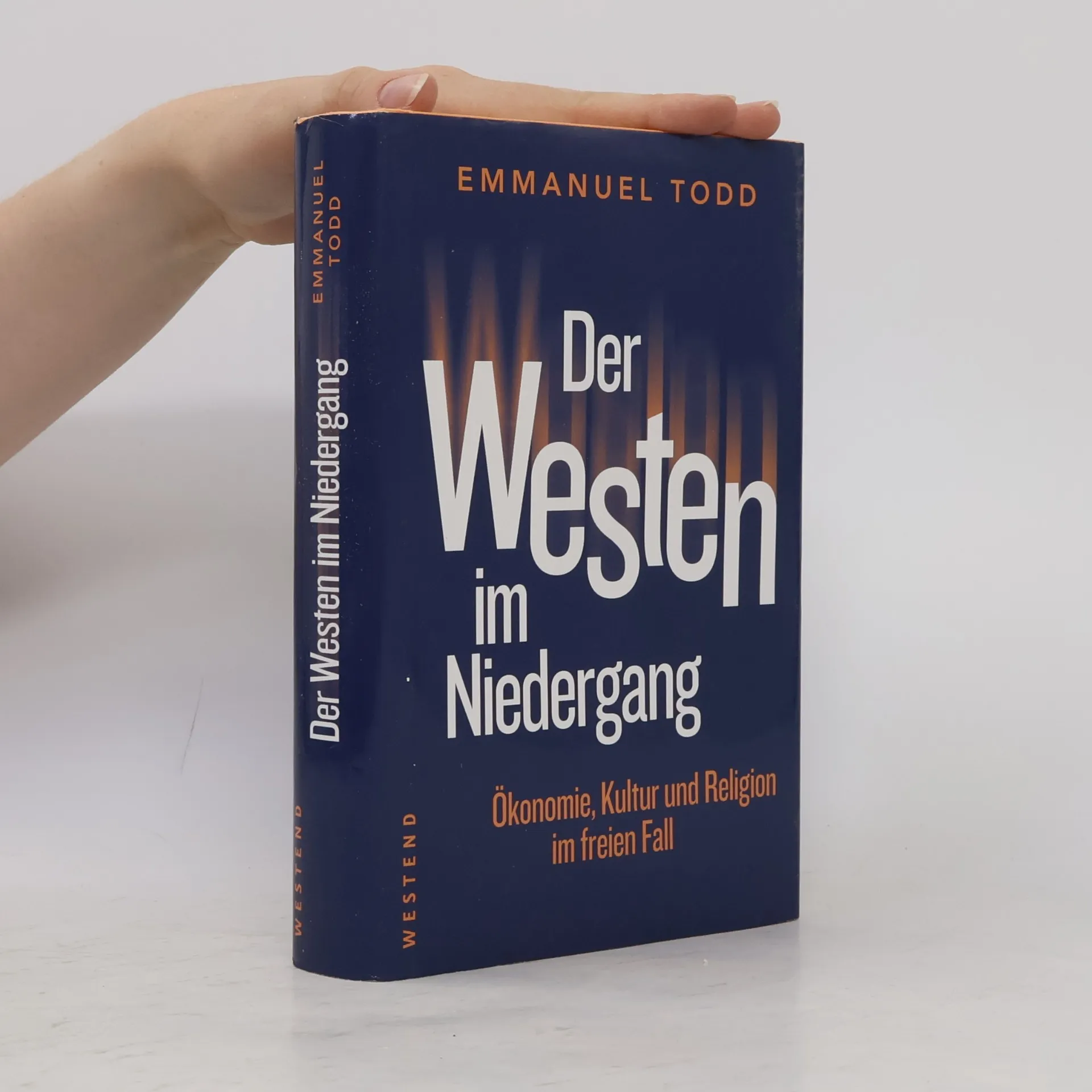
Emmanuel Todd, ein angesehener Historiker und Anthropologe, prognostiziert den Niedergang der westlichen Welt, bedingt durch kulturellen und religiösen Verfall sowie wirtschaftlichen Rückgang. Die Krise Russlands nach der Sowjetunion führte zu einem Vakuum, das auch die USA und den Westen erfasste, während Russland sich stabilisierte.
"A leading anthropologist and historian places current controversies about sex and gender in the long history of the male/female relationship"-- Provided by publisher
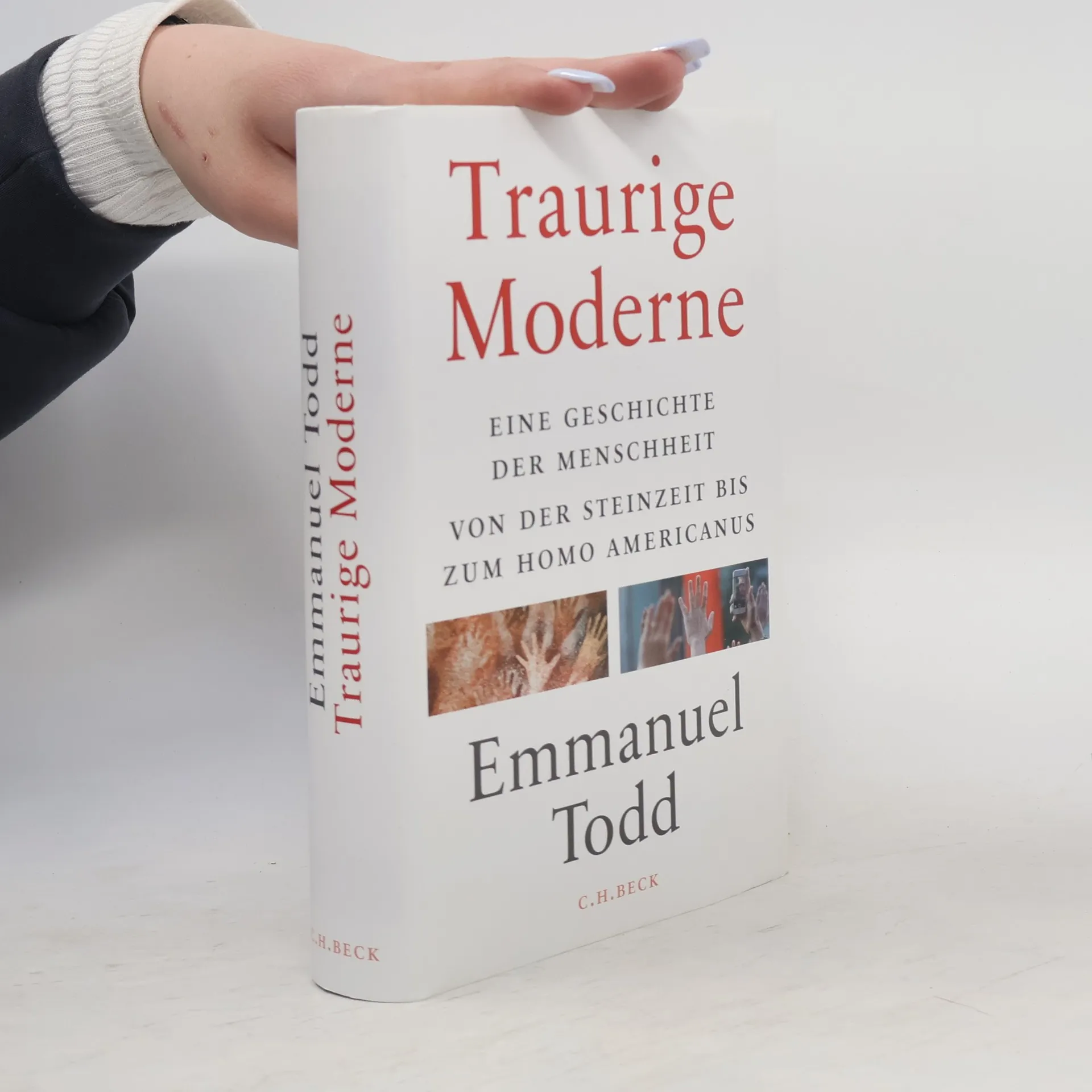
Eine Geschichte der Menschheit von der Steinzeit bis zum Homo americanus
Familienstrukturen sind der unbewusste Motor der Geschichte. Von dieser bahnbrechenden Erkenntnis aus erzählt Emmanuel Todd die Geschichte der Menschheit neu: Vom frühen Homo sapiens, der in Kleinfamilien lebte, über die großen Kulturen des Altertums mit ihren immer komplexeren Großfamilien bis zur Rückkehr des Homo americanus zur Kernfamilie der Steinzeit. Wer die Lage der Menschheit zu Beginn des 21. Jahrhunderts verstehen will, sollte dieses luzide Buch des großen französischen Querdenkers lesen. Westliche Waren und Lebensstile dringen bis in die letzten Winkel der Welt vor, und doch sind wir von einer globalen Einheitskultur weit entfernt. Emmanuel Todd zeigt, wie sich seit der Steinzeit unterschiedliche Familiensysteme verbreitet haben, die bis heute die Mentalitäten zutiefst prägen. Er beschreibt die Dynamik der amerikanischen Gesellschaft mit ihren primitiven Kleinfamilien und die Unbeweglichkeit von Kulturen mit hochkomplexen patriarchalischen Großfamilien, und er erklärt den europäischen Konflikt zwischen einer deutschen Stammfamiliengesellschaft und Gebieten mit egalitären Familienstrukturen. Wo diese tief verankerten Unterschiede bei der Lösung der gegenwärtigen Krisen nicht berücksichtigt werden, da gerät die Demokratie unter die Räder. «Unsere Moderne», so Todd, «erinnert an einen Marsch in die Knechtschaft.»
英国EU離脱とトランプ旋風は、英米という発祥地でのグローバリズムの終焉と「国家」への回帰を意味する。家族構造の変遷が明らかにする「国家」の重要性。未来は歴史から見えてくる!
冷戦終結と欧州統合が生み出した「ドイツ帝国」。EUとユーロは欧州諸国民を閉じ込め、ドイツが一人勝ちするシステムと化している。ウクライナ問題で戦争を仕掛けているのもロシアではなくドイツだ。かつての悪夢が再び甦るのか?
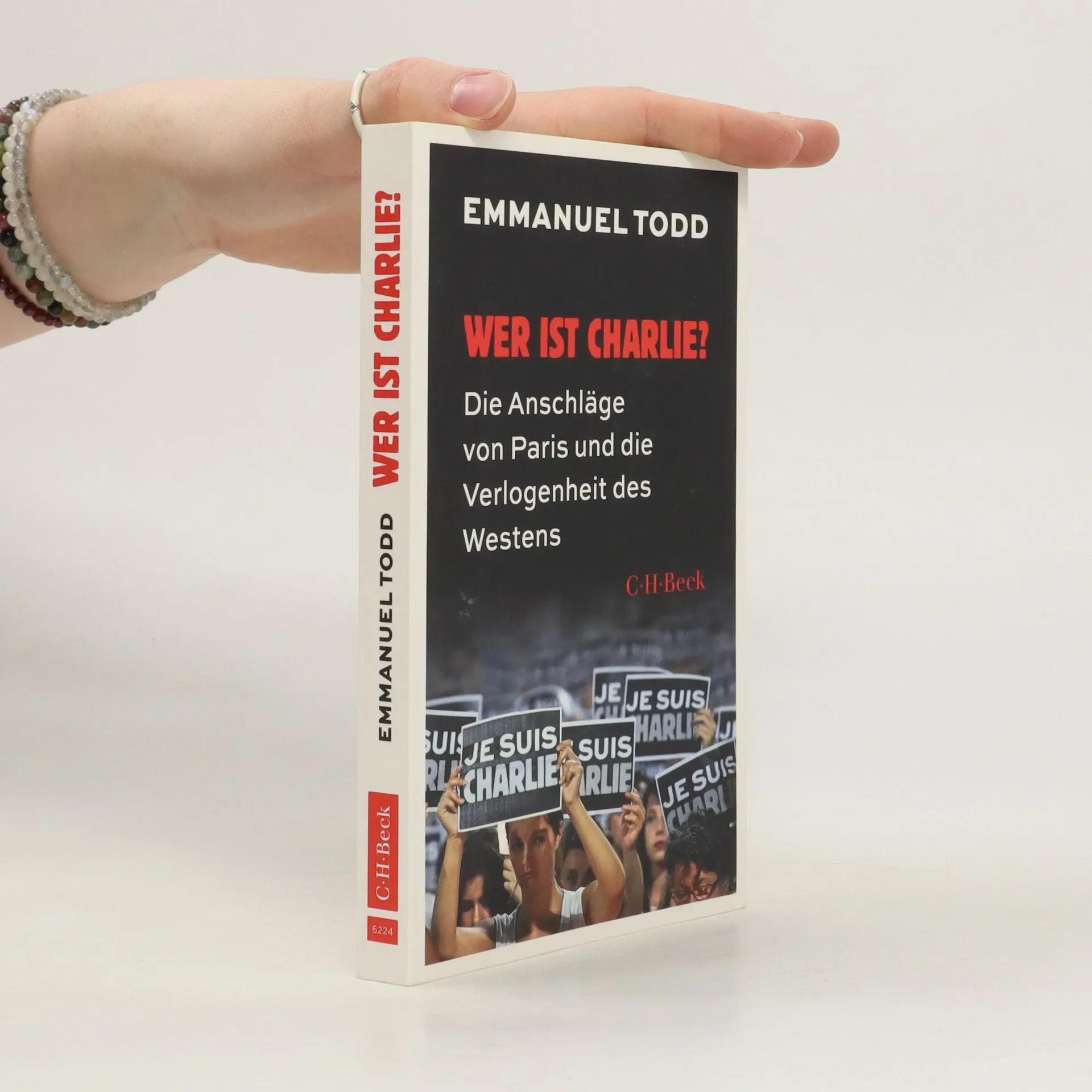
Die Anschläge von Paris und die Verlogenheit des Westens
Mittwoch, 7. Januar 2015: Zwei Maskierte dringen in das Büro des Satiremagazins Charlie Hebdo ein und schießen einen Großteil der Redaktionsmitglieder nieder – als Rache für Mohammed-Karikaturen. In den folgenden Tagen verkünden Millionen solidarisch "Ich bin Charlie". Der französische Soziologe Emmanuel Todd gehörte nicht zu diesen Charlies. Sein provozierender Befund: Unter dem Deckmantel eines Kampfes für die Freiheit haben sich Demokraten und Antidemokraten untergehakt, um gegen den Islam zu demonstrieren. Nicht um die Freiheit generell ging es, sondern um die Freiheit, den Islam zu verhöhnen. Diese These bildet den Auftakt dafür, eine höchst aufschlussreiche Landkarte der aktuellen politischen Mentalitäten in Frankreich und Europa zu zeichnen. Fremdenhass, Europa-Skepsis, autoritäre Politikvorstellungen, Putin-Verehrung, Israel-Kritik und Amerika-Feindschaft: Das sind die Zutaten, die je nach Region und religiöser Prägung ganz unterschiedliche gefährliche Mischungen ergeben. Emmanuel Todd zeigt, welche wirtschaftlichen und sozialen Faktoren die Demokratie an den Rand des Abgrunds führen, und ruft dazu auf, zu den wahren Werten von Freiheit, Gleichheit und Brüderlichkeit zurückzufinden. Seine luzide Analyse ist dringend überfällig: Selten wurde uns so scharfsichtig, so schonungslos und so überraschend der Spiegel vorgehalten.
Quarante ans de discours économique du Front national passés au crible. Suivi d'un entretien avec Emmanuel Todd
"Pauvres actionnaires !". C'est sans ironie que, en 1986, les dputs Front national lanaient ce cri d'alarme. Jean-Marie Le Pen s'autoproclamait alors le "Reagan franais", adepte d'une "rvolution fiscale" qui supprimerait l'impt sur le revenu, pourfendeur de "l'tat Kapo" et des "perversions de l'tatisme". Sa fille Marine Le Pen raconte aujourd'hui le contraire et s'en prend "aux marchs financiers, aux milliardaires qui dtricotent notre industrie et jettent des millions d'hommes et de femmes de notre pays dans le chmage, la prcarit et la misre. Oui, il faut en finir avec le rgne de l'argent-roi". Depuis quand, se demande Franois Ruffin, un peu embt, depuis quand le Front national cause comme a, un peu comme lui Qu'est-ce qui relve de l'imposture, ou du vernis social Qu'est-ce qui, l'inverse, est profondment ancr dans le discours du FN Pour y rpondre, l'auteur a plong dans quatre dcennies de littrature frontiste. Citant les professions de foi et les tracts du FN depuis sa fondation, il passe les thmes en revue : "Etat", "impts", "service public", "entreprise", "Europe", "mondialisation", "ingalits". Une recherche mene sans hystrie ni complaisance.
The Transformation of Muslim Societies Around the World
The book challenges the prevailing narrative of an impending clash between Western/Christian and Muslim/Arab civilizations, arguing instead for a potential rapprochement. It highlights the contrasting demographic trends and cultural gaps but emphasizes a more nuanced understanding rooted in Enlightenment ideals. Through measured analysis, it suggests that these two civilizations may find common ground, countering media portrayals of inevitable conflict. The exploration of historical and cultural connections offers a fresh perspective on contemporary relations.
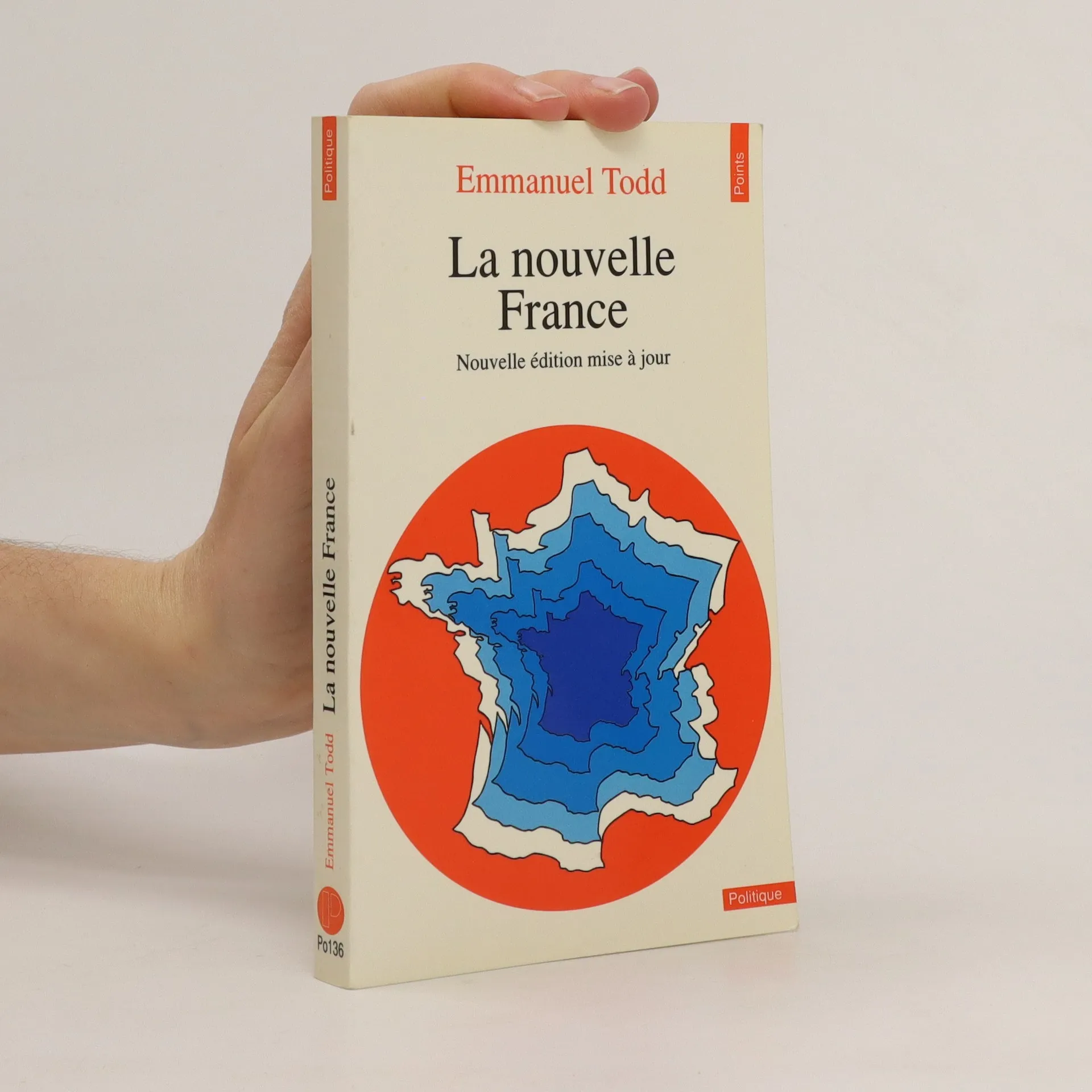
"La France ne se sent pas bien. Pour comprendre son mal, nous l’avons passée au scanner de la cartographie la plus moderne. Cent vingt cartes permettent d’observer, renaissant sans cesse, la diversité des mœurs françaises.Entre 1980 et 2010, une mémoire des lieux a bizarrement guidé, dans l’Hexagone, une transformation sociale accélérée. Ascension éducative, émancipation des femmes, bouleversement du mariage, fécondité, crise industrielle, immigration, mutation des classes sociales, inégalités, chômage, problèmes scolaires, métamorphose politique : tous les changements respectent, retrouvent ou revivifient des espaces anthropologiques et religieux anciens. Leur examen permet un diagnostic : notre pays souffre d’un déséquilibre nouveau entre les espaces anthropologiques et religieux qui le constituent. Son cœur libéral et égalitaire, qui fit la Révolution française, est affaibli. Sa périphérie, autrefois fidèle à l’idéal de hiérarchie, et souvent de tradition catholique, est désormais dominante. Nos dirigeants, parce qu’ils ignorent tout du mode de fonctionnement profond de leur propre pays, aggravent sa condition par des politiques inadaptées."
La République plus forte que la mondialisation
Votez pour la démondialisation ! Vous faites partie de ces millions de Français qui ne vivent que de leur travail ou aimeraient en vivre. Pour vous, le quotidien de la mondialisation c'est la désindustrialisation, la précarité, l'appauvrissement et le déclassement, l'explosion des inégalités, la destruction des services publics, la montée de la dette, les délocalisations... Pour lutter contre ces fléaux, une seule solution : la démondialisation, véritable remise à l'endroit d'un système devenu fou. La démondialisation vous concerne. Car c'est la protection des travailleurs du Nord et du Sud, la préférence pour les salaires et la protection sociale plutôt que les dividendes boursiers. C'est la conversion écologique du système productif et la révolution industrielle verte, le retour des usines en Europe et la reprise en main de notre destinée. Les primaires de la gauche, les 9 et 16octobre prochains, sont l'occasion de faire ce choix : alors, votez pour elle !
Emmanuel Todd apporte une contribution majeure à l'anthropologie en explorant le rôle des types familiaux dans les trajectoires de modernisation. Il démontre que la diversité des structures familiales traditionnelles éclaire les différentes voies de développement. Par exemple, la carte du communisme est liée à la famille communautaire, où l'autorité paternelle coexiste avec l'égalité entre frères. À l'inverse, la famille nucléaire anglaise, bien que libérale dans les relations parent-enfant, ne valorise pas l'égalité, ce qui a favorisé l'individualisme et le libéralisme politique anglo-saxons. Todd analyse également la famille nucléaire égalitaire du Bassin parisien, qui soutient l'idée d'équivalence entre hommes et peuples, et la famille souche, caractérisée par l'autorité paternelle et l'inégalité des frères, qui a influencé des idéologies ethnocentriques en Allemagne et au Japon. À travers une enquête de vingt ans sur les structures familiales de groupes préindustriels, Todd identifie une forme originelle commune : la famille nucléaire. Il retrace le processus de différenciation ayant conduit à l'émergence des divers types anthropologiques avant le déracinement urbain et industriel. En adoptant une approche diffusionniste, il révèle que l'Europe, en tant que périphérie de l'Ancien monde, conserve des formes familiales archaïques, restant proche de cette forme originelle. Malgré son avance temporaire en développement, l'Euro
Emmanuel Todd hat es vorausgesagt: Der Islamismus ist am Ende. Die Revolutionen von Tunesien über Ägypten bis Libyen haben gezeigt, dass die arabische Welt viel moderner ist, als wir glauben. Anhand von Geburtenzahlen und Alphabetisierungsgrad wies Todd schon vor Jahren nach, dass die muslimischen Länder von den Werten des Westens unterwandert werden. Doch jetzt geht er weiter und zeigt, was der arabische Frühling für unser Verständnis von Demokratie bedeutet: Wie viel Freiheit braucht Europa? Welche Rolle will Deutschland in Zukunft spielen?
L'élection de Nicolas Sarkozy semble avoir placé la France en état d'apesanteur : cadeaux fiscaux aux plus riches, socialistes passés à droite, atlantisme, exhibitionnisme présidentiel, désignation de boucs émissaires immigrés ou musulmans, etc., etc. Dénoncer l'action de Nicolas Sarkozy ne suffit pas. C'est en partie grâce à ses défauts qu'il a été élu. Sous la diversité des symptômes, c'est d'une véritable crise de la démocratie qu'il s'agit. Pour la comprendre, il faut identifier, au présent et dans la longue durée de l'histoire, ces facteurs lourds que sont le vide religieux, la stagnation éducative, la nouvelle stratification sociale, l'impact destructeur du libre-échange, l'appauvrissement des classes moyennes, l'égarement des classes supérieures. Emmanuel Todd ne ménage personne, dans aucun camp. Son approche permet de comprendre pourquoi la société française hésite entre ethnicisation et retour de la lutte des classes. Elle oblige à se demander si les hommes politiques, incapables de manipuler plus longtemps notre «démocratie d'opinion», ne vont pas devoir purement et simplement supprimer le suffrage universel. A moins que, cédant à la pression de la société, ils n'acceptent d'envisager une nouvelle politique économique, protectionniste à l'échelle européenne.
イラク攻撃以後の世界秩序。世界の話題を独占中のホットな海外ベストセラー、待望の完訳。アメリカは“帝国”に非ず。ソ連崩壊を世界で最も早く予言した『新ヨーロッパ大全』のトッドが、ハンチントン、フクヤマ、チョムスキーらを逆手にとり、“EU露日VSアメリカ”という新構図、“新ユーラシア時代の到来”を予言。
Essay over het verval van de Verenigde Staten als grootmacht, de potentiële groei van Europa, Japan en Rusland tot eigen machtsblokken en de modernisering en stabilisering van de derde wereld.
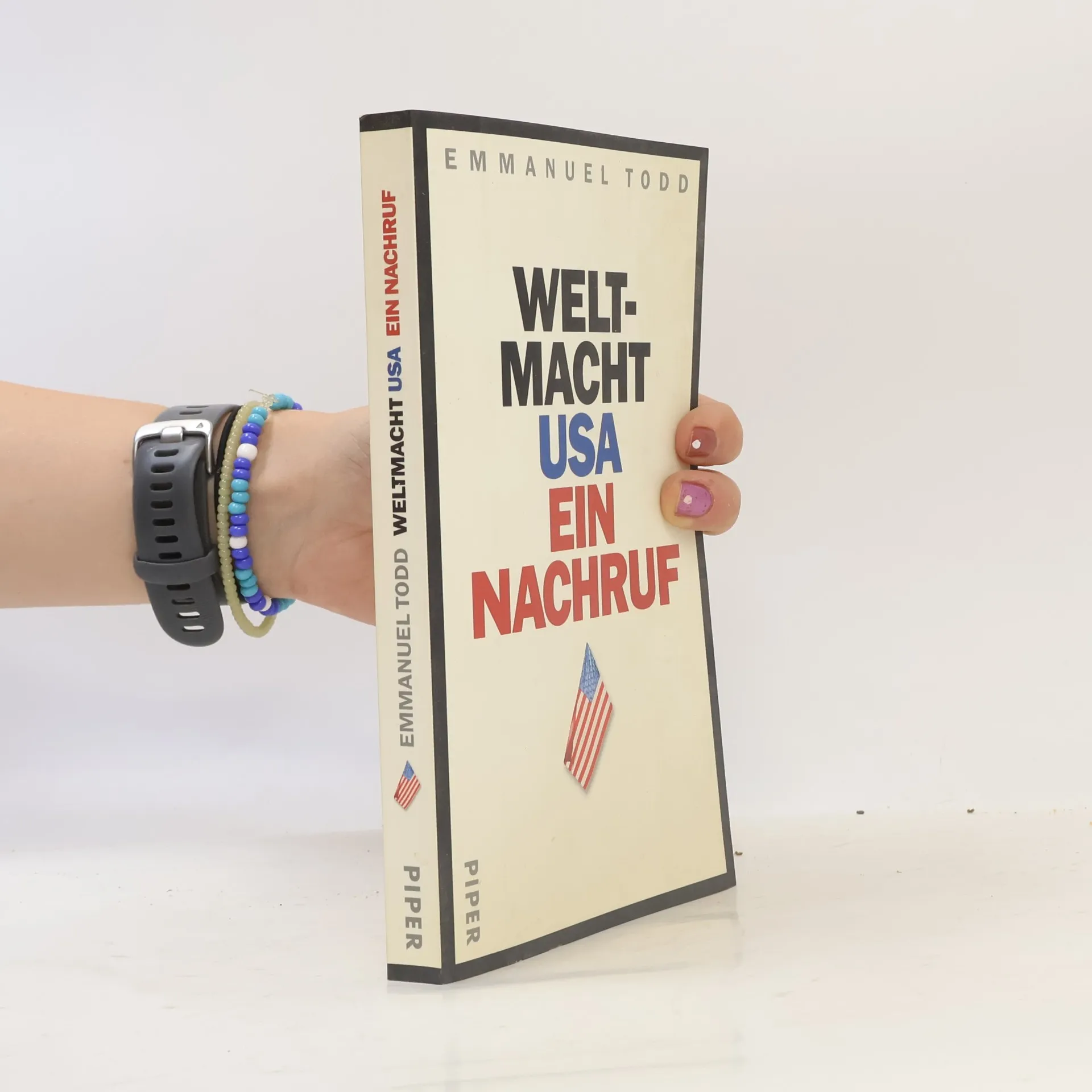
Aggressiv und unberechenbar verhalten sich die USA laut dem französischen Sozialwissenschaftler Emmanuel Todd. Er argumentiert, dass die Amerikaner als einzige verbliebene Supermacht nicht zu stark, sondern im Niedergang begriffen sind. Todd sieht die Ursache für den Wandel von einem „internationalen Ordnungsfaktor“ zu einem „Unruhestifter“ in der schwindenden Kontrolle der USA über die Welt. Er untermauert seine provokante These mit Beobachtungen, wie dem enormen Handelsbilanzdefizit, das die wirtschaftliche Abhängigkeit der USA vom Ausland verdeutlicht. Politisch seien sie nach dem Kalten Krieg nicht mehr als Schutzmacht gegen den Kommunismus gefragt. Diese Unsicherheit führe zu einem „theatralischen Militarismus“, bei dem Washington durch Angriffe auf schwache Gegner wie Afghanistan und den Irak Stärke demonstrieren wolle, die es nicht mehr besitze. Todd betont, dass er sich nicht zum Lager der Antiamerikaner zählt und versucht, seine Argumente wissenschaftlich zu untermauern, obwohl sie manchmal holzschnittartig wirken. Er stilisiert die USA zwischen 1950 und 1990 zum „gütigen Hegemon“ und behauptet, sie hätten das „Lager der Gerechten“ verlassen. Während seine Thesen provozieren, bleibt die Frage des weltweiten Terrorismus komplex und nicht allein Washington zuzuschreiben. Todds Buch ist ein lesenswerter Beitrag zu einer wichtigen Debatte.
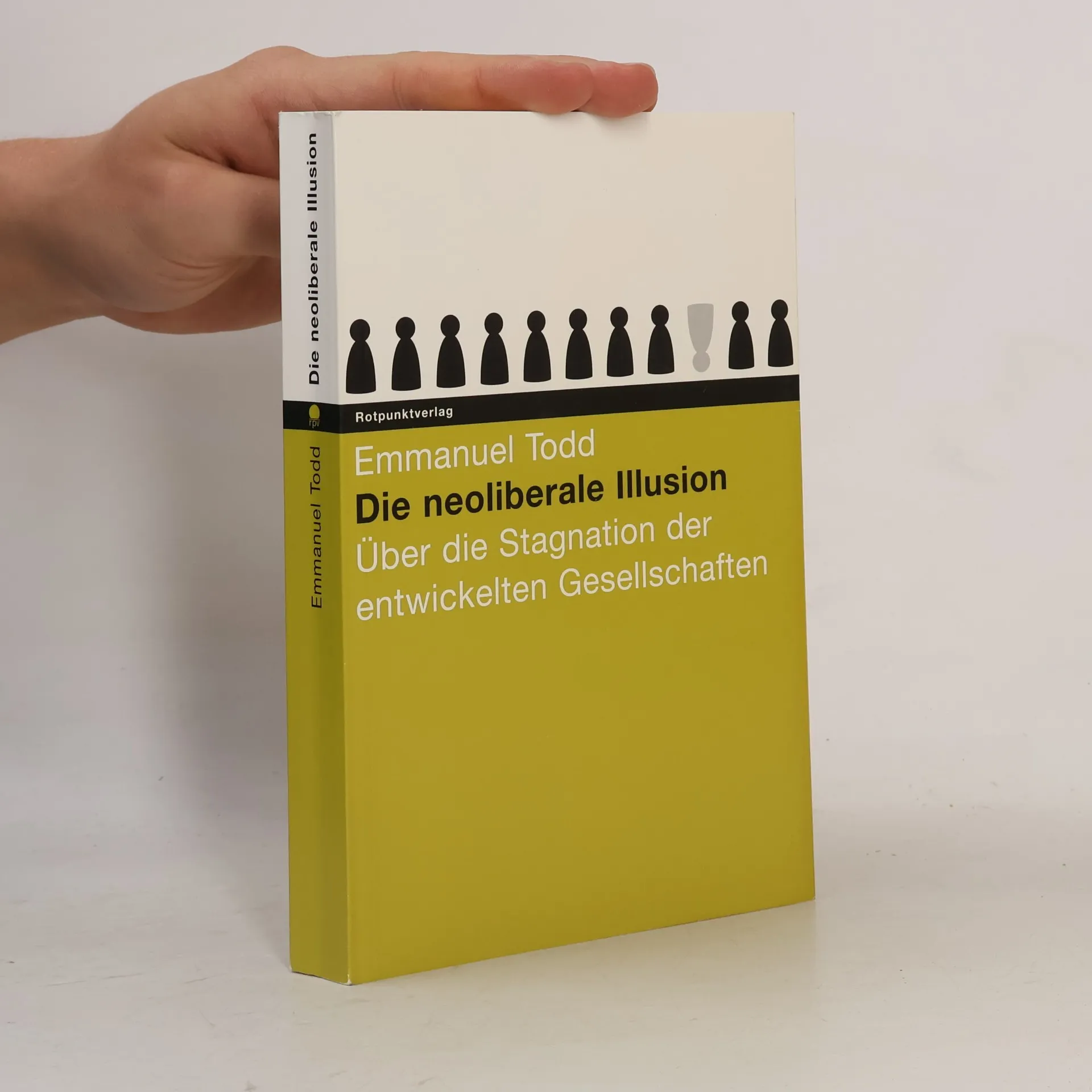
In diesem Werk zeigt der Autor, dass die Globalisierung sowohl eine Realität als auch eine Illusion ist.
Die vier großen Einwanderungsländer unserer Zeit - die USA, Großbritannien, Frankreich und Deutschland gehen sehr unterschiedlich mit Immigranten um. Der Autor vergleicht die unterschiedlichen Einstellungen gegenüber Fremden in den vier großen Ländern
French