
Robert und Ellen Kaplan verfügen über umfassende Erfahrung in der mathematischen Ausbildung und unterrichteten Schüler jeden Alters an renommierten Institutionen, einschließlich der Harvard University. Ihre gemeinsame Arbeit zielt darauf ab, komplexe mathematische Ideen einem breiten Publikum zugänglich zu machen und zu beleuchten. In ihren Schriften erforschen sie tiefgründige Konzepte wie die Unendlichkeit und die Natur der Zahlen und machen diese zugänglich und ansprechend. Ihr Ansatz offenbart die inhärente Schönheit und Vernetzung der Mathematik in unserer Welt.
Sie ist eines der faszinierenden Phänomene in der Mathematik: die Welt des Unendlichen. Wer nur einmal versucht hat, die Primzahlen wie einen Gesang, ein Fußballspiel oder Hamlets Wahnsinn zu begreifen, dem öffnen sich Tore in eine neue Dimension des Lebens. Wir können das Unendliche nur fassen, wenn wir unser Denken auf den Kopf stellen. Die Kaplans sind wahre Mathematikverführer. Sie fangen ganz einfach an bei Addition und Multiplikation und plötzlich ist man ganz schnell mittendrin im Abenteuer Mathematik, das so fesselnd ist wie ein Fantasy-Roman!
Die Null ist weit mehr als eine Zahl. Sie ist eine einzigartige Erscheinung: mal als Gottheit verehrt, mal gefürchtet als bedrohliches Nichts. Oft versuchte man dieses magische Zeichen zu verbannen. Doch es war unentbehrlich: Ohne die Null wäre aller menschliche Fortschritt zum Stillstand gekommen. Robert Kaplan entführt uns auf eine spannende Reise zu den geheimnisvollen Ursprüngen der Null und ihrem wechselvollen Weg durch die Geschichte: von den Sumerern, wo vor 4000 Jahren alles in Form zweier Keile begann, über die alten Inder, die ihr zum ersten Mal eine runde Form verliehen, bis zu den Maya, die in dem rätselhaften Symbol dunkle Kräfte wirken sahen. Nach Europa gelangte die Null erst im Mittelalter durch die Araber, und bald kamen die Kaufleute nicht mehr ohne sie aus. Doch niemals spielte diese außergewöhnliche Ziffer eine größere Rolle als in unseren Tagen: Sie macht die Hälfte unserer modernen Computerwelt aus, die nur noch aus Nullen und Einsen besteht. Robert Kaplan erzählt die lehrreiche und fesselnde Geschichte einer Zahl, die die Menschen stets in ihren Bann zog. Witzig und philosophisch, mathematisch und poetisch enthüllt er die Magie der Null und ihre Bedeutung für unser Leben.
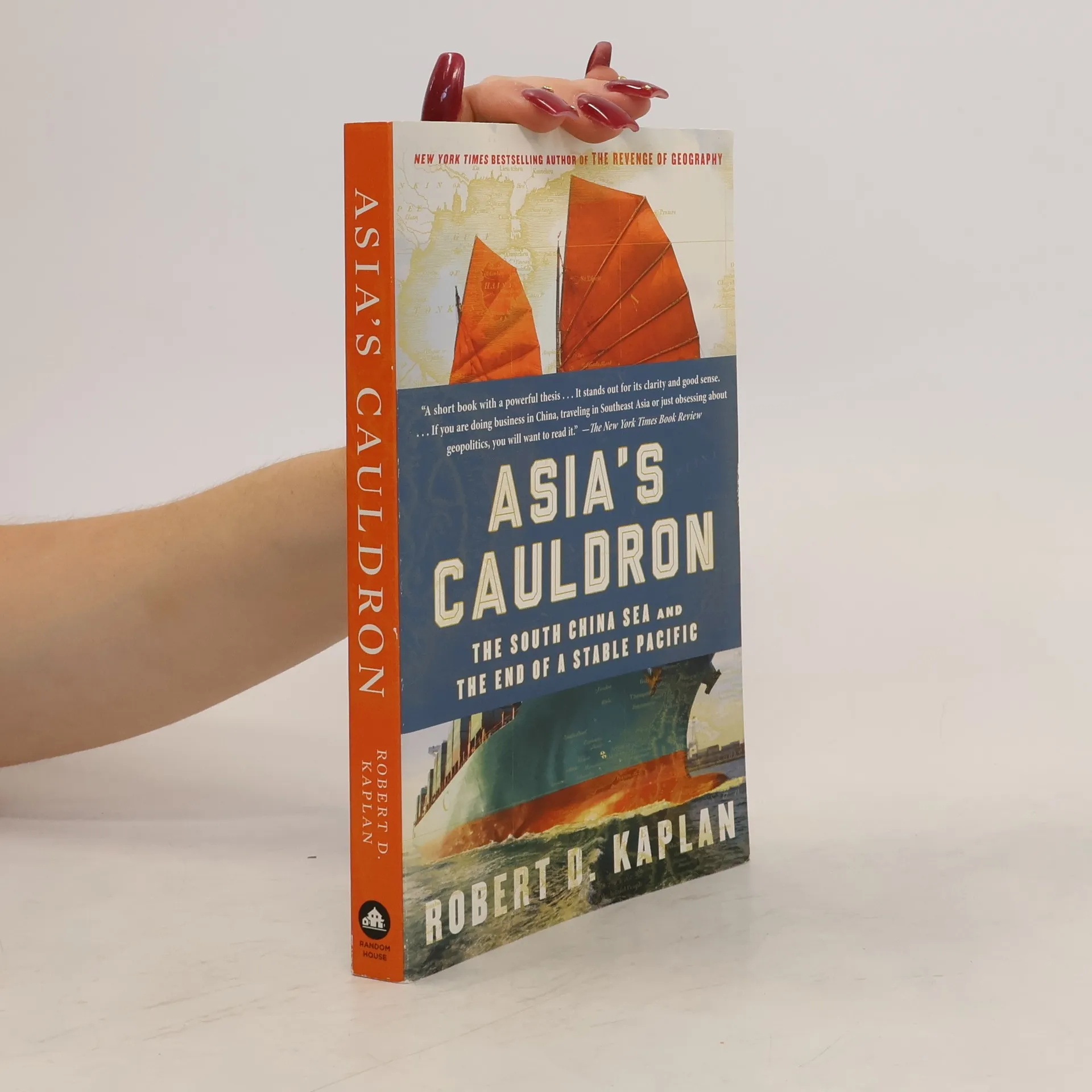
NAMED ONE OF THE BEST BOOKS OF THE YEAR BY FINANCIAL TIMES From Robert D.
Kaplan, named one of the world's Top 100 Global Thinkers by Foreign Policy
magazine, comes a penetrating look at the volatile region that will dominate
the future of geopolitical conflict. Over the last decade, the center of world
power has been quietly shifting from Europe to Asia. With oil reserves of
several billion barrels, an estimated nine hundred trillion cubic feet of
natural gas, and several centuries' worth of competing territorial claims, the
South China Sea in particular is a simmering pot of potential conflict. The
underreported military buildup in the area where the Western Pacific meets the
Indian Ocean means that it will likely be a hinge point for global war and
peace for the foreseeable future. In Asia's Cauldron, Robert D. Kaplan offers
up a vivid snapshot of the nations surrounding the South China Sea, the
conflicts brewing in the region at the dawn of the twenty-first century, and
their implications for global peace and stability. One of the world's most
perceptive foreign policy experts, Kaplan interprets America's interests in
Asia in the context of an increasingly assertive China. He explains how the
region's unique geography fosters the growth of navies but also impedes
aggression. And he draws a striking parallel between China's quest for
hegemony in the South China Sea and the United States' imperial adventure in
the Caribbean more than a century ago. To understand the future of conflict in
East Asia, Kaplan argues, one must understand the goals and motivations of its
leaders and its people. Part travelogue, part geopolitical primer, Asia's
Cauldron takes us on a journey through the region's boom cities and ramshackle
slums: from Vietnam, where the superfueled capitalism of the erstwhile
colonial capital, Saigon, inspires the geostrategic pretensions of the
official seat of government in Hanoi, to Malaysia, where a unique mix of
authoritarian Islam and Western-style consumerism creates quite possibly the
ultimate postmodern society; and from Singapore, whose benevolent autocracy
helped foster an economic miracle, to the Philippines, where a different brand
of authoritarianism under Ferdinand Marcos led not to economic growth but to
decades of corruption and crime. At a time when every day's news seems to
contain some new story--large or small--that directly relates to conflicts
over the South China Sea, Asia's Cauldron is an indispensable guide to a
corner of the globe that will affect all of our lives for years to come.
Praise for Asia's Cauldron Asia's Cauldron is a short book with a powerful
thesis, and it stands out for its clarity and good sense. . . . If you are
doing business in China, traveling in Southeast Asia or just obsessing about
geopolitics, you will want to read it.--The New York Times Book Review Kaplan
has established himself as one of our most consequential geopolitical
thinkers. . . . [Asia's Cauldron] is part treatise on geopolitics, part travel
narrative. Indeed, he writes in the tradition of the great travel writers.--
The Weekly Standard Kaplan's fascinating book is a welcome challenge to the
pessimists who see only trouble in China's rise and the hawks who view it as
malign.--The Economist Muscular, deeply knowledgeable . . . Kaplan is an
ultra-realist [who] takes a non-moralistic stance on questions of power and
diplomacy.--Financial Times From the Hardcover edition.
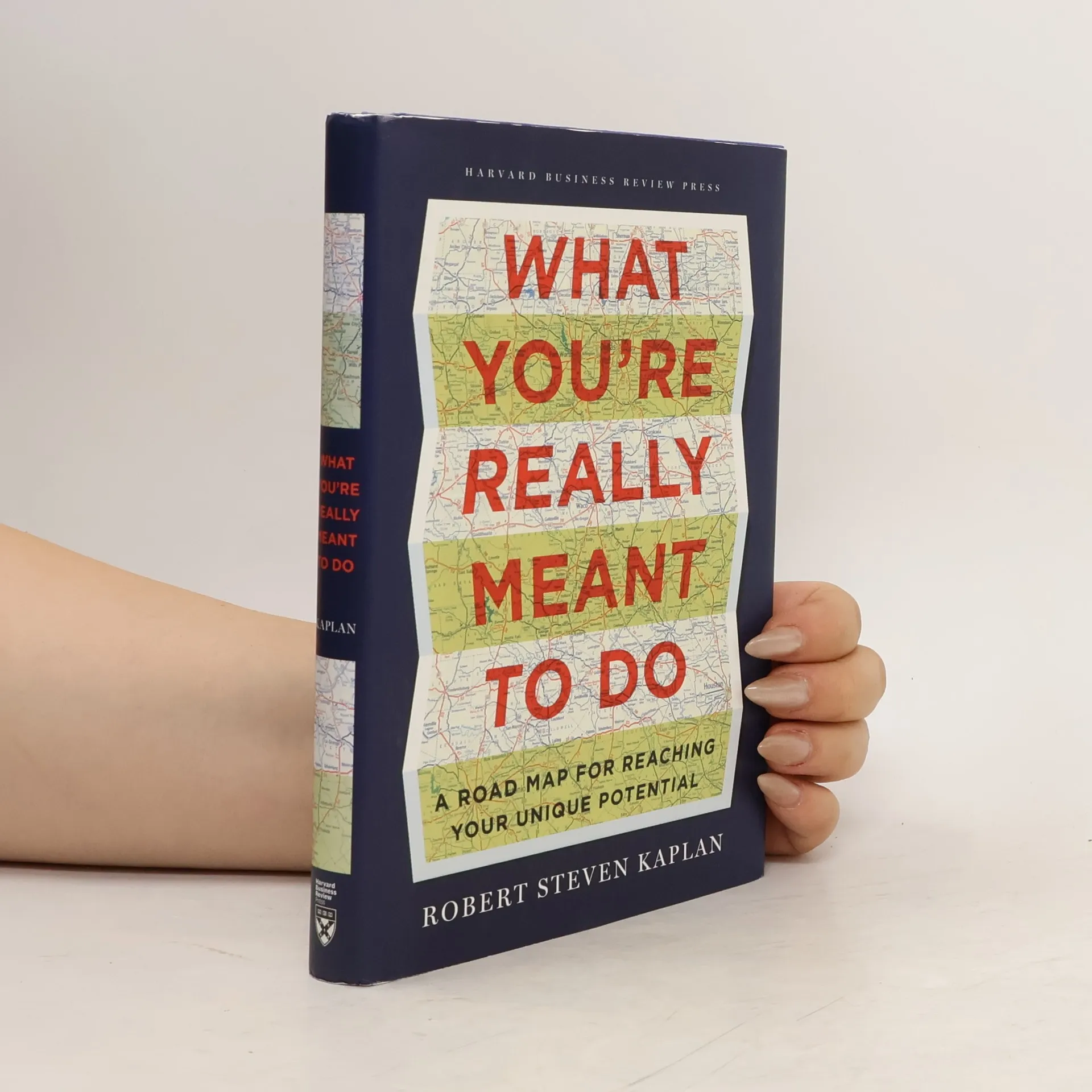
Kaplan describes a specific and actionable roadmap for helping readers define
their own success and reach their unique potential. This effort requires
several key steps in an integrated process, as well as a high level of
motivation and hard work.
The 'invention' of zero made arithmetic infinitely easier - try doing division in Roman numerals - and it now forms part of the binary code which powers all our computers. Robert Kaplan traces 'the nothing that is' back to its origins as two wedges pressed into a wet lump of Sumerian clay. He explores the contributions of Greeks, Mayans, Hindus and humanists, and shows how zero opened the door to the strange complexities of irrational, infinitesimal and imaginary numbers. 'If you look at zero,' he writes, 'you see nothing; but look through it and you will see the world.'
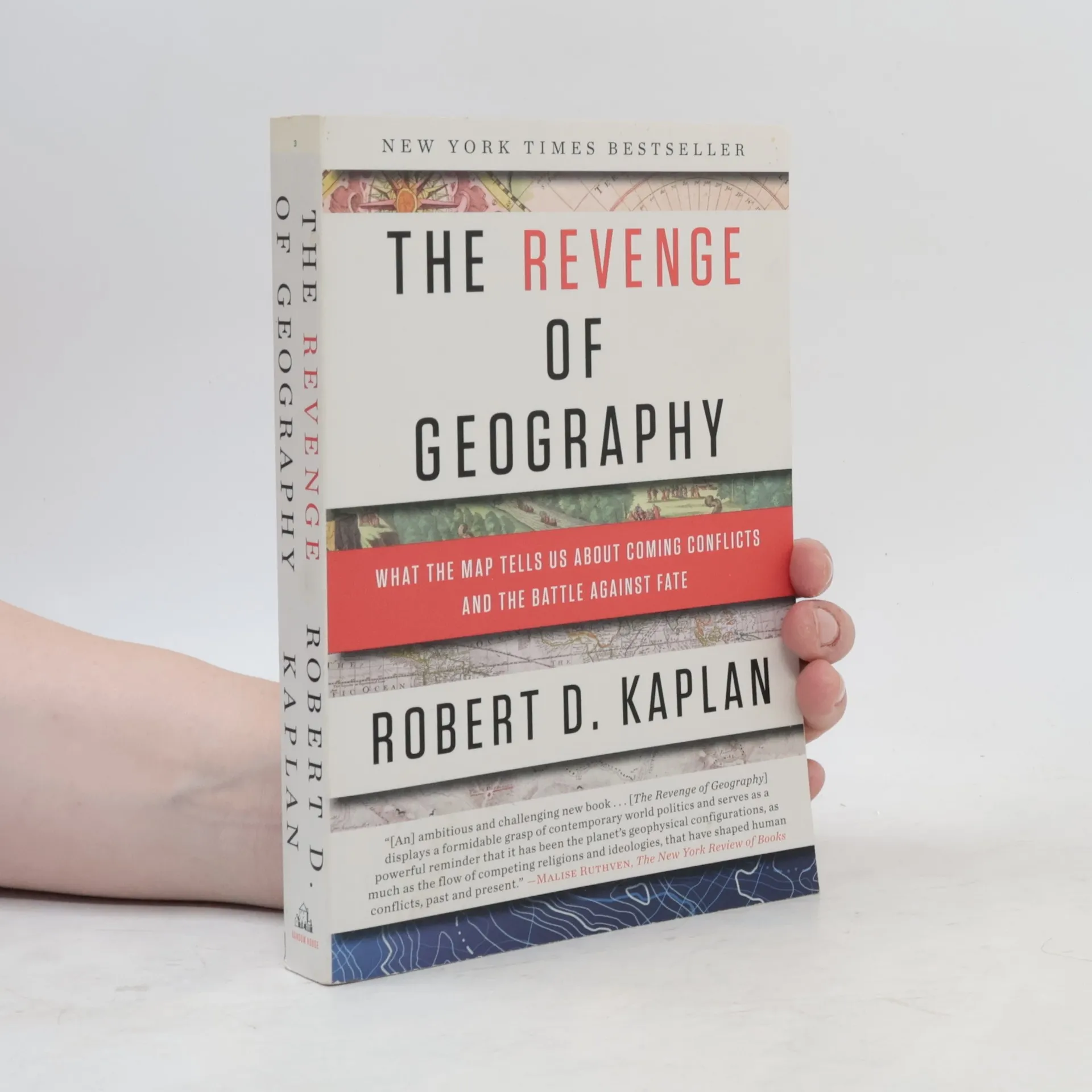
The insights, discoveries and theories of great geographers and geopolitical thinkers of the past look back at critical pivotal events in history and then look forward at the evolving global scene
A squared plus b squared equals c squared. It sounds simple, doesn't it? Yet this familiar expression is a gateway into the riotous garden of mathematics, and sends us on a journey of exploration in the company of two inspired guides, who trace the life of the Pythagorean theorem from ancient Babylon to the present, visiting along the way Leonardo da Vinci, Albert Einstein, President James Garfield, and the Freemasons--not to mention the elusive Pythagoras himself. Why does this theorem have more than two hundred proofs--or is it four thousand? And it has even more applications than proofs: Ancient Egyptians used it for surveying, and today astronomers call on it to measure the distance between stars. It works not just in two dimensions, but any number you like, up to infinity. And perhaps most intriguing of all, it opened the door to the world of irrational numbers.--From publisher description
Set against the backdrop of 1980s New York City, the book intricately weaves narrative and reflection through the lens of the AIDS epidemic, exploring themes of urban life, national politics, and personal loss. The title poem, "Past/Present," delves into time, failed romance, and self-discovery, while the second half crafts a sensory landscape that serves as a meditative space for examining memory, identity, and relationships in a tumultuous world. Detailed imagery enhances the emotional depth and complexity of the experience.