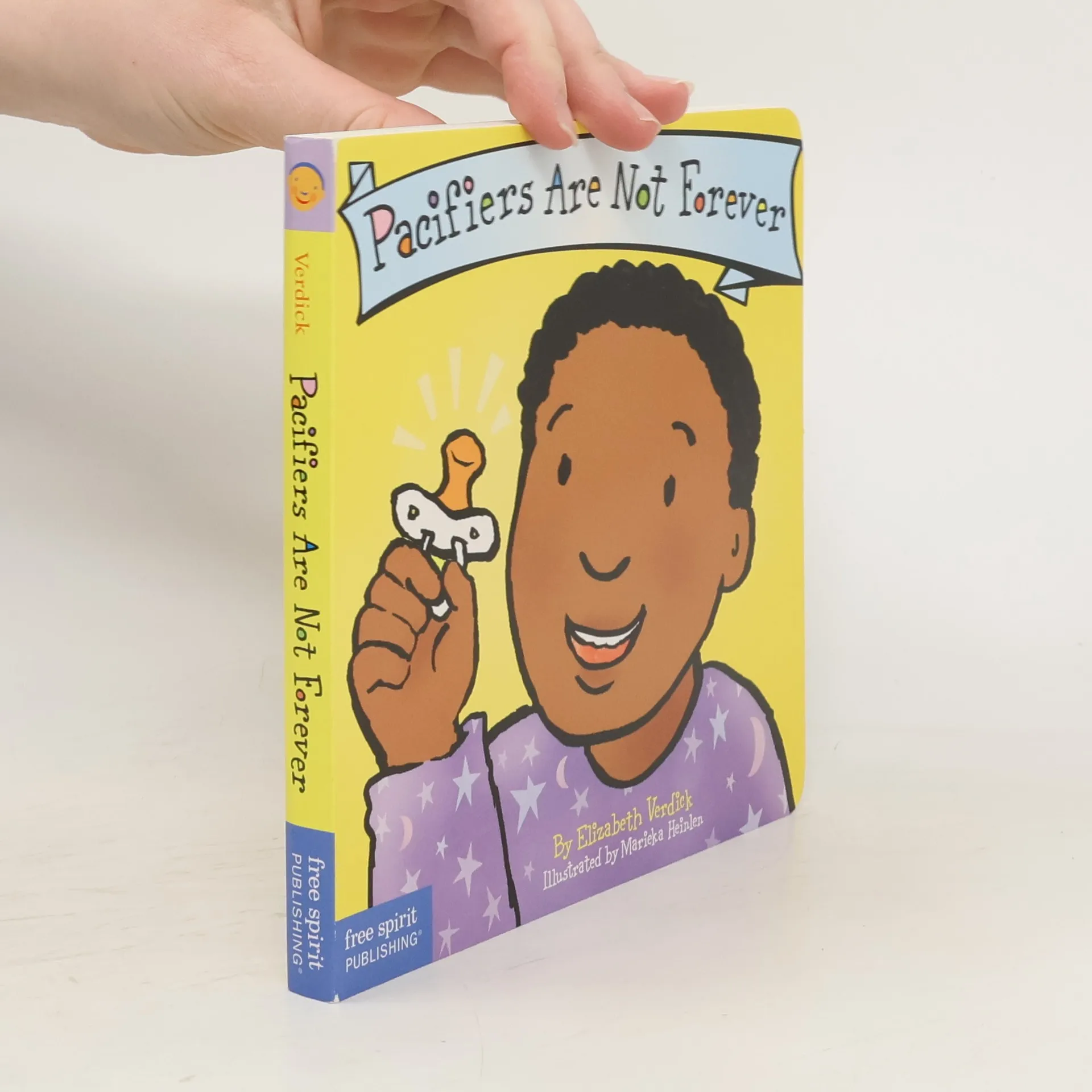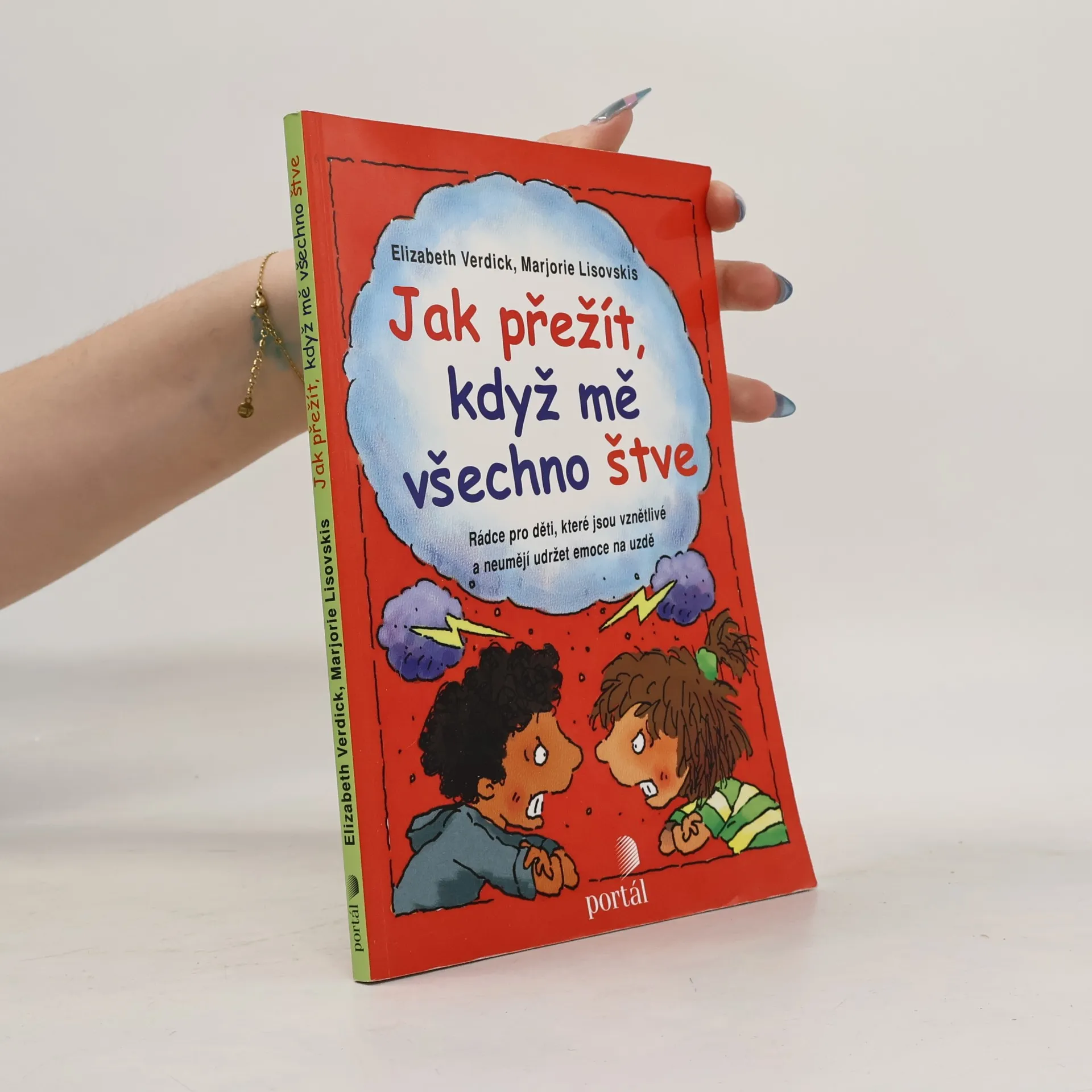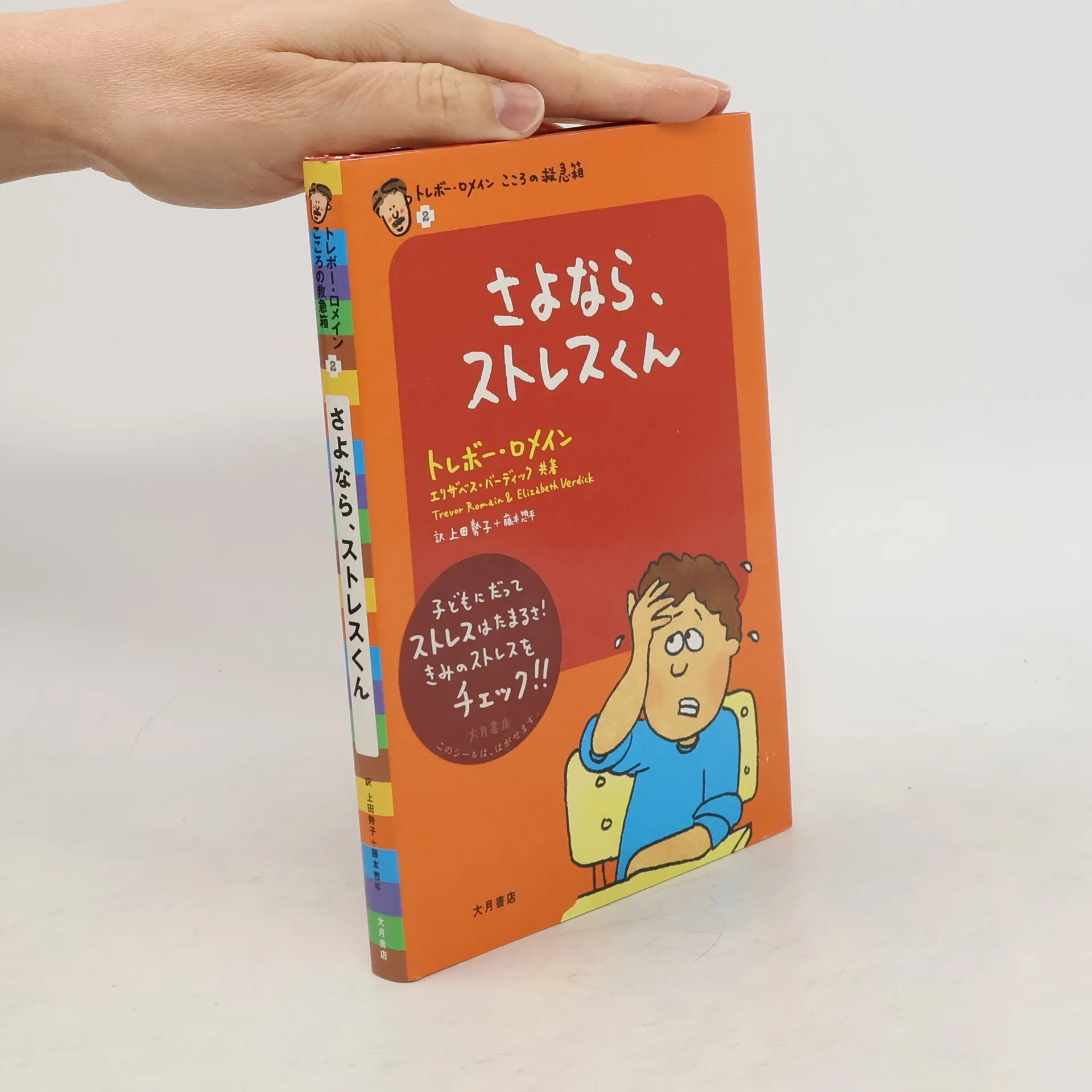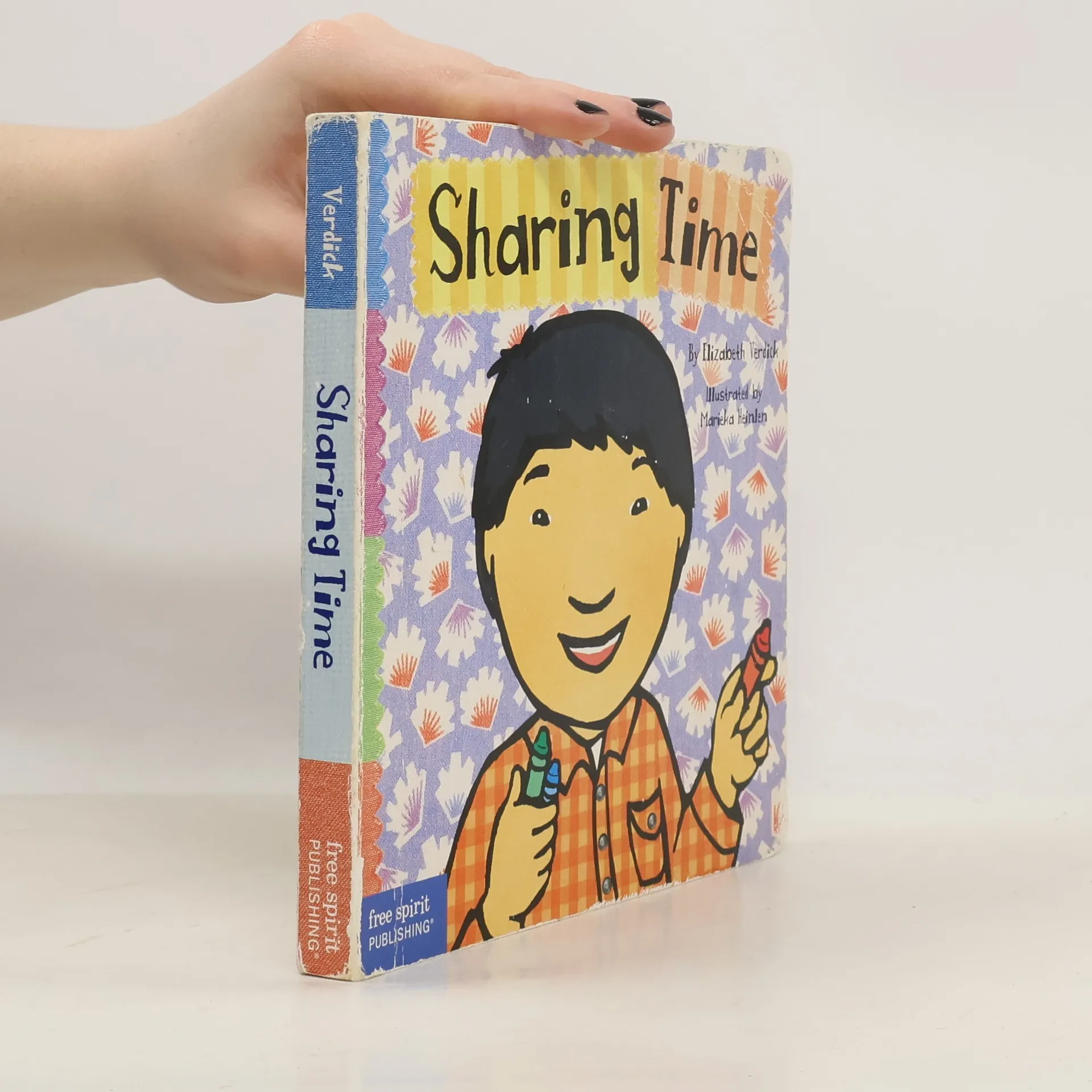
Elizabeth Verdick schafft Erzählungen, die junge Leser tief berühren und sich von ihren eigenen Erfahrungen als Mutter inspirieren lassen. Ihre Arbeit reicht von ansprechenden Pappbilderbüchern für Kleinkinder, die darauf ausgelegt sind, alltägliche Herausforderungen und Übergänge zu meistern, bis hin zu Reihen, die die soziale und emotionale Entwicklung bei älteren Kindern fördern. Verdicks einzigartiger Ansatz findet oft Humor in den Komplexitäten des Lebens, wodurch das Lernen sowohl zugänglich als auch unterhaltsam wird. Mit ihrem Schreiben möchte sie Kinder und Eltern dabei unterstützen, die Feinheiten von Wachstum und Verhalten zu verstehen und zu bewältigen.
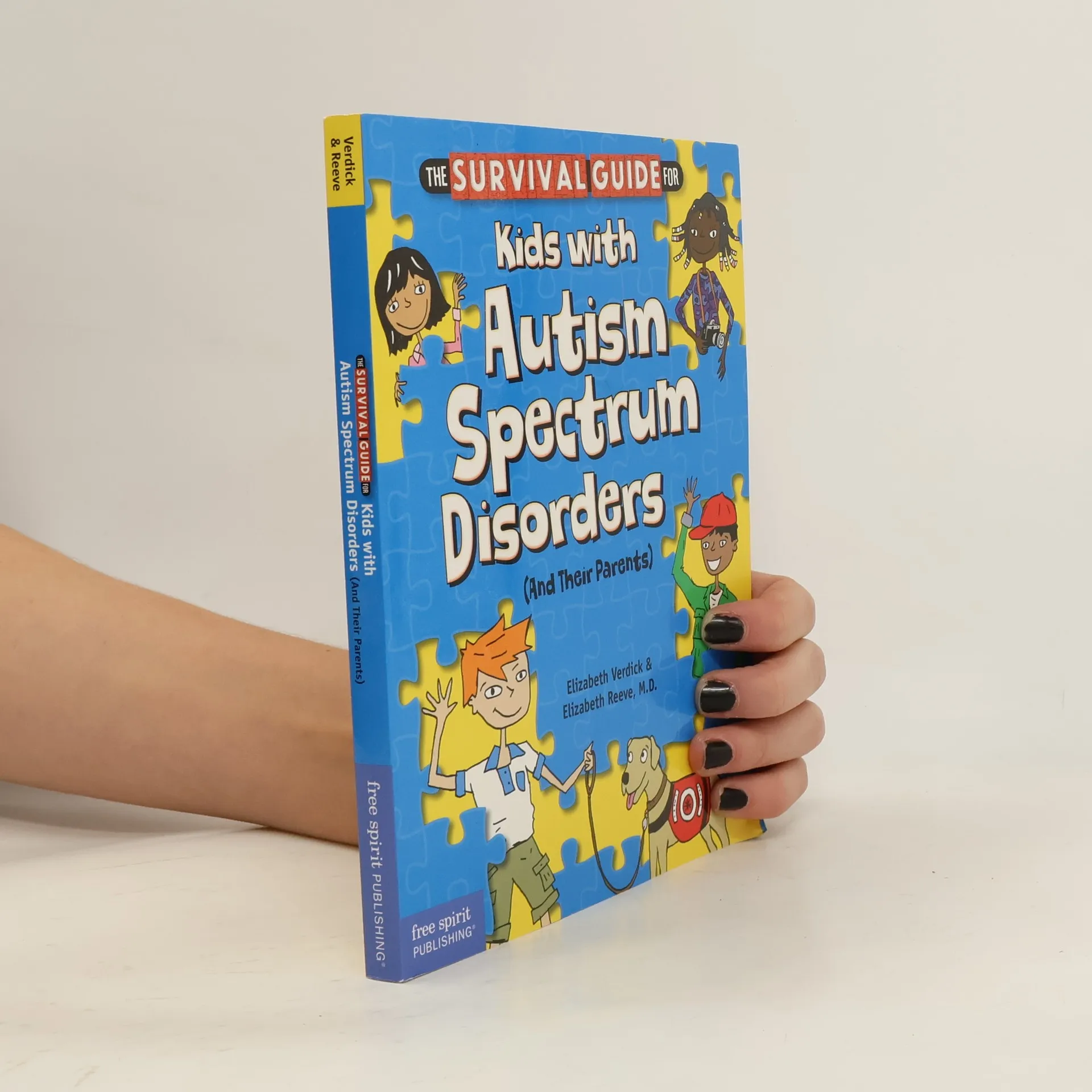
"This positive, straightforward book offers kids with autism spectrum disorder (ASD) their own comprehensive resource for both understanding their condition and finding tools to cope with the challenges they face every day"--
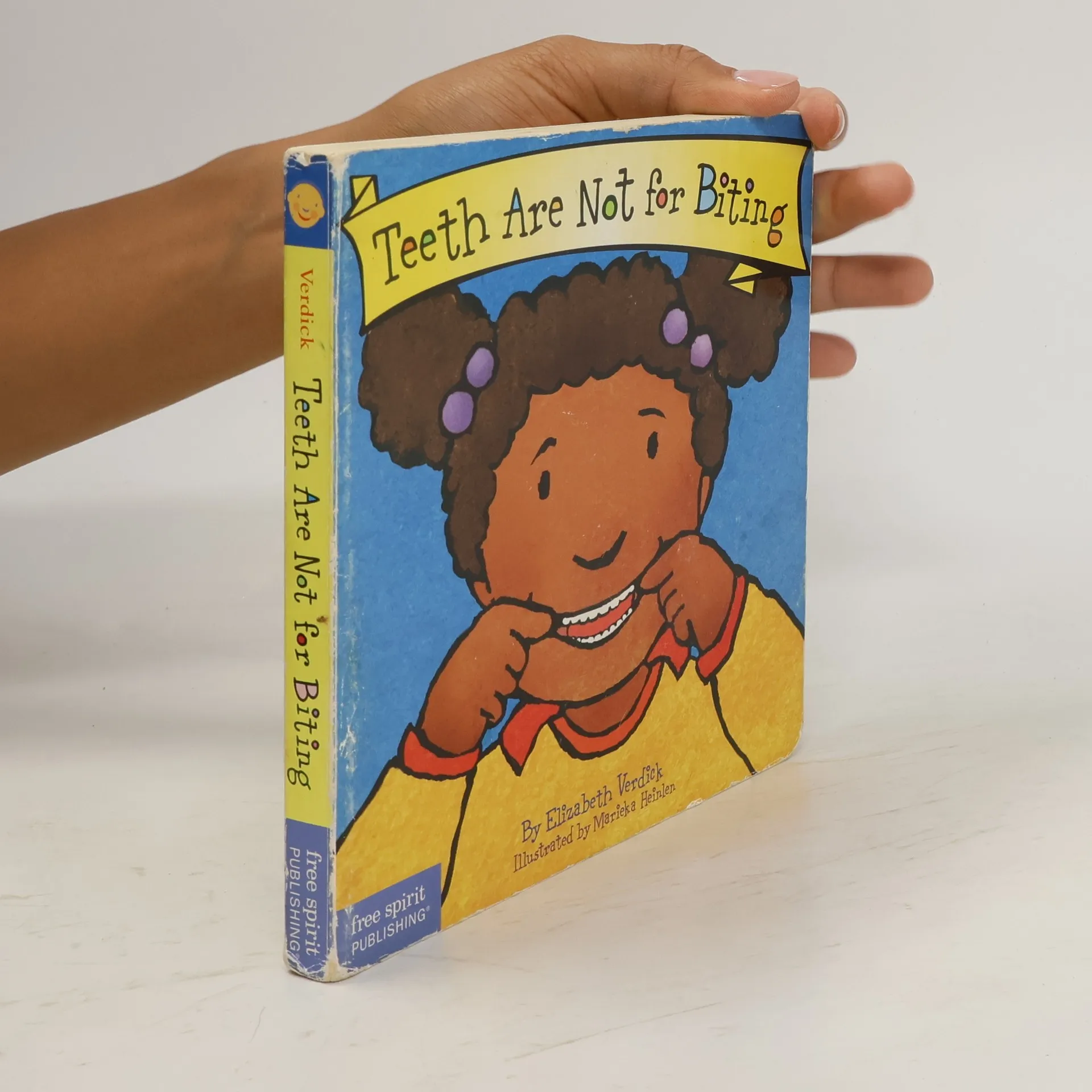
With toddlers, yelling, screaming, wailing, and flailing are a normal part of life. Very young children don't yet have the words to express strong feelings, and they're still learning social skills.
(Get It Done) [Standard Large Print 16 Pt Edition]
136 Seiten
5 Lesestunden
Focusing on the challenges of procrastination among children, this book offers engaging full-color cartoons and relatable text to motivate young readers. It explores twelve reasons for procrastination and presents effective "Procrastination Busters" to combat it. Kids will discover twenty strategies to overcome delays, tips to prevent setbacks, and ideas for rewards that maintain motivation. By providing practical tools and encouraging self-management, the book empowers children to take charge of their responsibilities and reduce procrastination in their lives.
(Get Some Manners) [Standard Large Print 16 Pt Edition]
172 Seiten
7 Lesestunden
Engaging illustrations and relatable text in this book teach children essential manners for various situations, including home, school, and online interactions. It emphasizes the importance of using "Power Words" while avoiding "P.U. Words," highlighting the need for good manners with family and peers. The focus on e-tiquette prepares kids for respectful online communication. By combining fun and education, it provides a solid foundation for developing crucial social skills, making politeness accessible and enjoyable for young readers.
This positive, straightforward book offers kids with autism spectrum disorders (ASD) their own comprehensive resource for both understanding their condition and finding tools to cope with the challenges they face every day. Some children with ASD are gifted; others struggle academically. Some are more introverted, while others try to be social. Some get “stuck” on things, have limited interests, or experience repeated motor movements like flapping or pacing (“stims”). The Survival Guide for Kids with Autism Spectrum Disorders covers all of these areas, with an emphasis on helping children gain new self-understanding and self-acceptance. Meant to be read with a parent, the book addresses questions (“What is ASD?” “Why me?”) and provides strategies for communicating, making and keeping friends, and succeeding in school. Body and brain basics highlight symptom management, exercise, diet, hygiene, relaxation, sleep, and toileting. Emphasis is placed on helping kids handle intense emotions and behaviors and get support from family and their team of helpers when needed. The book includes stories from real kids, fact boxes, helpful checklists, and resources. Sections for parents offer additional information.
Teach kids that teasing animals isn’t nice, they can choose to be kind to animals, and it’s important to ask before touching someone’s pet.Pets may not have words, but they can communicate. Paying attention to an animal’s cues—a joyful bark, a scary growl, a swishing tail—can help a child understand what the animal is “saying” and what an appropriate response might be. That’s part of what this English-Spanish bilingual picture book is about. But mostly it’s about showing children how to love pets gently—because pets are for loving, after all. Kids learn that teasing isn’t nice, that they can choose to be kind to animals, and that if you want to touch someone else’s pet, there’s one important rule you should Ask the owner first! A special section for adults includes ideas for teaching children kindness to animals, activities, and discussion starters in both English and Spanish.Best Behavior seriesSimple words and lively full-color illustrations guide children to choose positive behaviors. Select titles are available in two a durable board book for ages 1–4 and an expanded paperback for ages 4–7. Bilingual board book and paperback editions of all titles also are available. Kids, parents, and teachers love these award-winning books. All include helpful tips for teachers, caregivers, and parents.
The older children get, the more words they know and can use—including hurtful words. This book teaches children that their words belong to them: They can think before they speak, then choose what to say and how to say it. It also explores positive ways to respond when others use unkind words and reinforces the importance of saying “I’m sorry.” Includes tips for parents and caregivers.
“Look at those feet! Aren’t they sweet?” Yes—when they’re walking, standing, leaping and landing. And when they’re kicking balls or leaves. But not when they’re kicking people! In simple words and charming full-color illustrations, this book helps little ones learn to use their feet for fun, not in anger or frustration. It also includes tips for parents and caregivers on how to help toddlers be sweet with their feet.
Addressing the impact of stress on children, this book provides engaging tools for understanding and managing anxiety. Through humor, vibrant illustrations, and relatable examples, it teaches kids what stress is and offers practical coping strategies. Updated to reflect contemporary challenges such as social media and electronic devices, it equips young readers with the skills to navigate their feelings and handle stress effectively, making them feel more confident and in control.
"This book for preschool and primary children explains what worries are and how it feels to be worried. It assures children that everyone--even grown-ups--feel worried, and that they can learn to cope. Strategies include talking about worries, breathing deeply, and thinking good thoughts"--