Bookbot

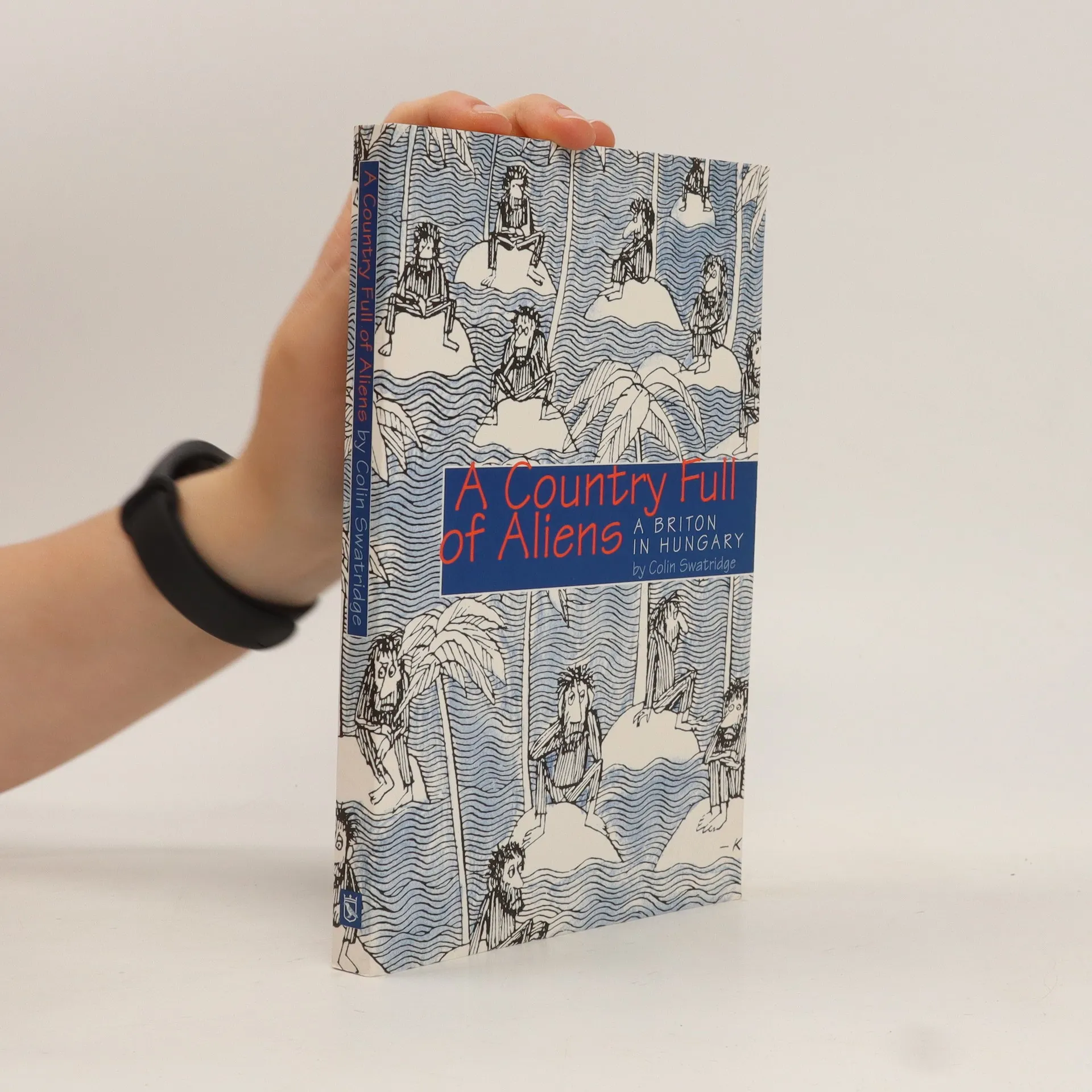
Colin Swatridge

    A Country Full of Aliens
    Foolosophy? Think Again, Sophie: Ten Reasons for Not Taking Philosophy Too Seriously
    A No-Nonsense Guide to Academic Writing
    Oxford Guide to Effective Argument and Critical Thinking
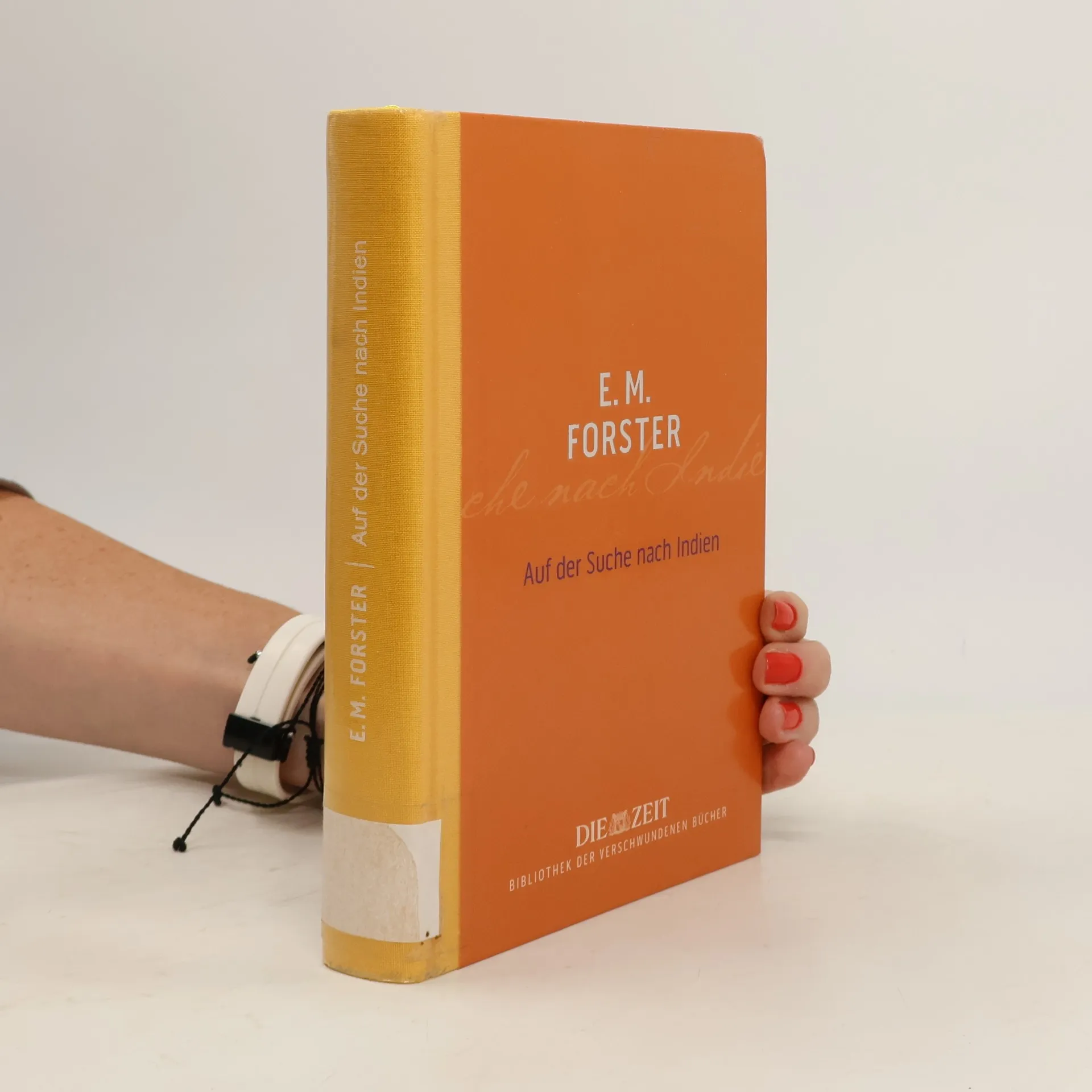
    Auf der Suche nach Indien
    Moby Dick
    • Kapitän Ahabs fanatische Jagd nach dem weißen Wal, einer der bekanntesten Abenteuerromane der Weltliteratur, wird neben einer für den Erwachsenenbestand empfohlenen Edition (BA 2/02) in zahlreichen gekürzten Ausgaben für Jugendliche angeboten. Hervorzuheben sind die von G. Sachse bearbeitete und übersetzte Edition als DresslerKlassiker (BA 7/01, davor BA 1/93) und die als gleichwertig eingestufte ArenaPublikation (BA 11/99). Auch als "exzellenter" Comic, so der Rezensent, wird das berühmte Buch angeboten (BA 10/98). Für die vorliegende Ausgabe in der GEOlinoBibliothek wurde die gewandte Übersetzung von M. CzedikEysenberg gewählt, die auch der 1992 bei Ueberreuter erschienenen Ausgabe zugrunde liegt (BA 8/92). Preiswert und optisch ansprechend mit stabilem, farbigem Einband, SchwarzWeißZeichnungen und Lesebändchen, ist auch dieser 15. Band der auf 20 Bände angelegten Reihe von Jugendbuchklassikern (vgl. zuletzt Sewell, BA 10/05) breit zu empfehlen.. Kapitän Ahab, der mit seiner rauhen Besatzung in See sticht, hat nur ein Ziel: Er will den sagenhaften weißen Wal aufspüren. Eine abenteuerliche Jagd beginnt.

      Moby Dick
    • Eine junge Britin reist in den 1920er Jahren zu ihrem Verlobten nach Indien und taucht ein in eine ihr gänzlich fremde Welt. Englisches Kolonialdenken trifft hier auf indisches Unabhängigkeitsstreben – ein Zwischenfall entlarvt schließlich die Verlogenheit und Brutalität der britischen Herrschaft.

      Auf der Suche nach Indien
    • This work is sure to improve the written work of any student required to demonstrate the key skills of critical writing and thinking. It is equally as valuable for professionals needing these skills as well as for anyone who has a case to put forward and would like to do so convincingly.

      Oxford Guide to Effective Argument and Critical Thinking
    • Are you studying a subject in the humanities or social sciences? Do you have a long essay, dissertation, or thesis to write? This short guide is for international students, mature students, all students uncertain as to how to proceed. You won't have time to read more than you need to, so the student-friendly text is kept to a minimum. Advice is given concerning your title, what you might cover in your introduction; your review of the literature--your analysis of the 'received opinion' on the subject; your own counter-argument; your sources and use of evidence; and your conclusion. A number of short, illustrative passages are included, written by distinguished authors, as well as a summary structure plan, and exemplar essay.

      A No-Nonsense Guide to Academic Writing
    • We all engage in philosophy at times, thinking deeply and concentratively, though we don’t label ourselves as Philosophers—doing so would seem pretentious. Philosophers, typically found in university departments, explore fundamental questions about reality, knowledge, and ethics. Despite their efforts over two and a half millennia, they have yet to arrive at universally accepted answers that are more useful or certain than those proposed by non-Philosophers. Many remain influenced by theological thought, and most are chasing a lost cause, except for those whose work aligns with other fields of inquiry. This raises the question: is there anything particularly special about Philosophy? Dr. Swatridge, who studied Theology and Philosophy at the University of Nottingham, has been a visiting lecturer in critical thinking and argumentation at various universities in Hungary, Poland, and Romania since 1998. He has a longstanding affiliation with Miskolc University in North-Eastern Hungary, where he teaches in the Faculty of Arts and Humanities. His previous works include a guide on effective argument and critical thinking, as well as titles exploring themes in Transylvania and the nature of perspective.

      Foolosophy? Think Again, Sophie: Ten Reasons for Not Taking Philosophy Too Seriously