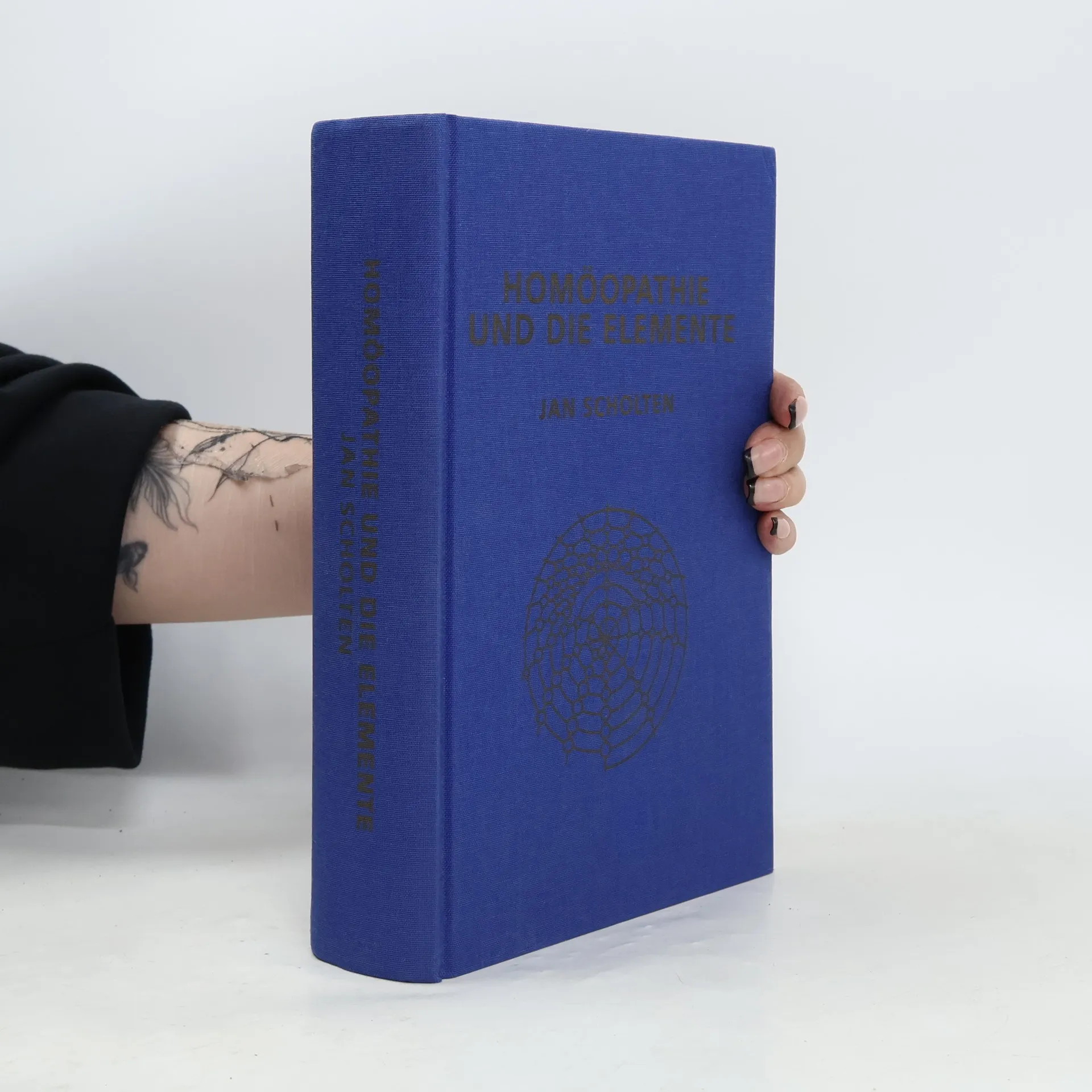
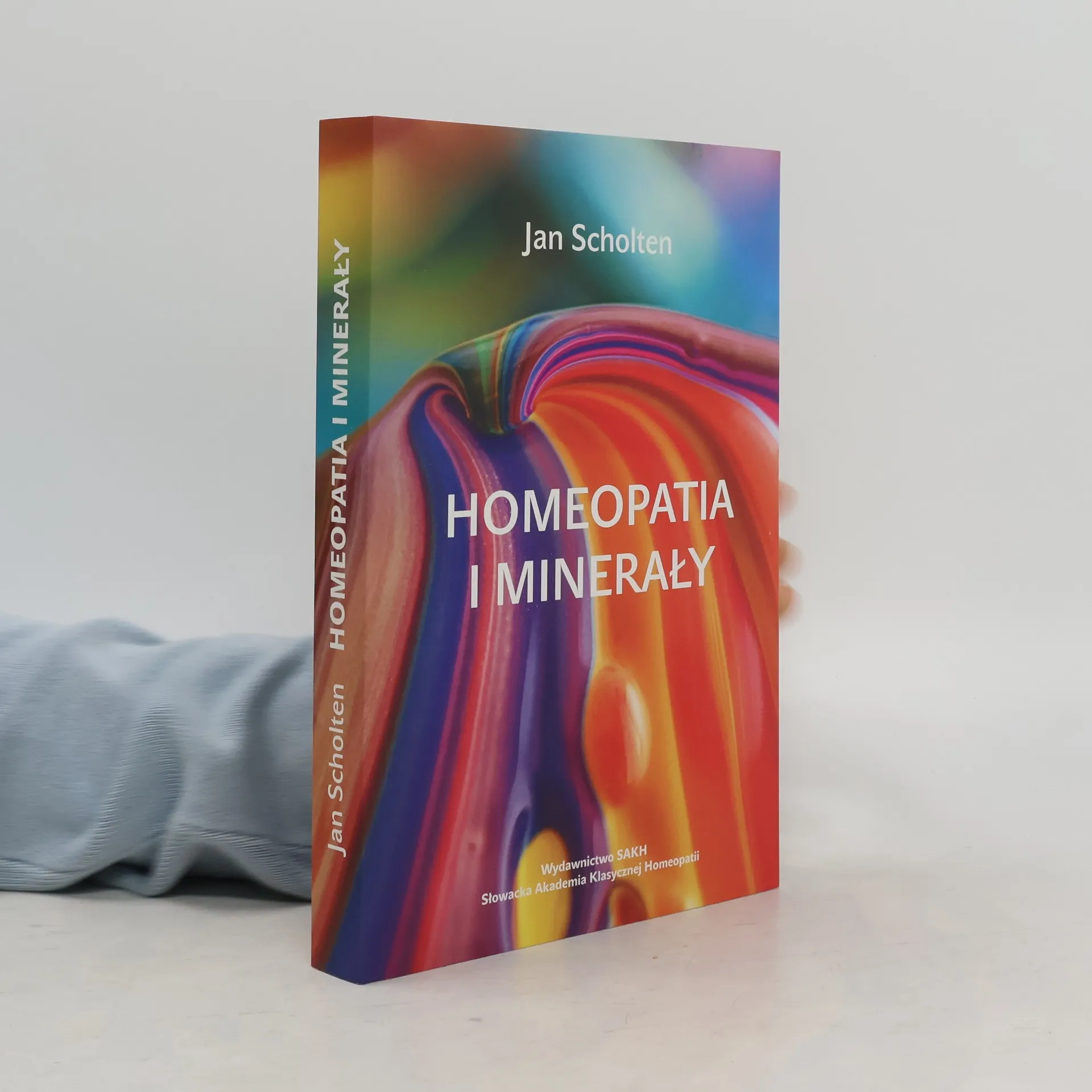
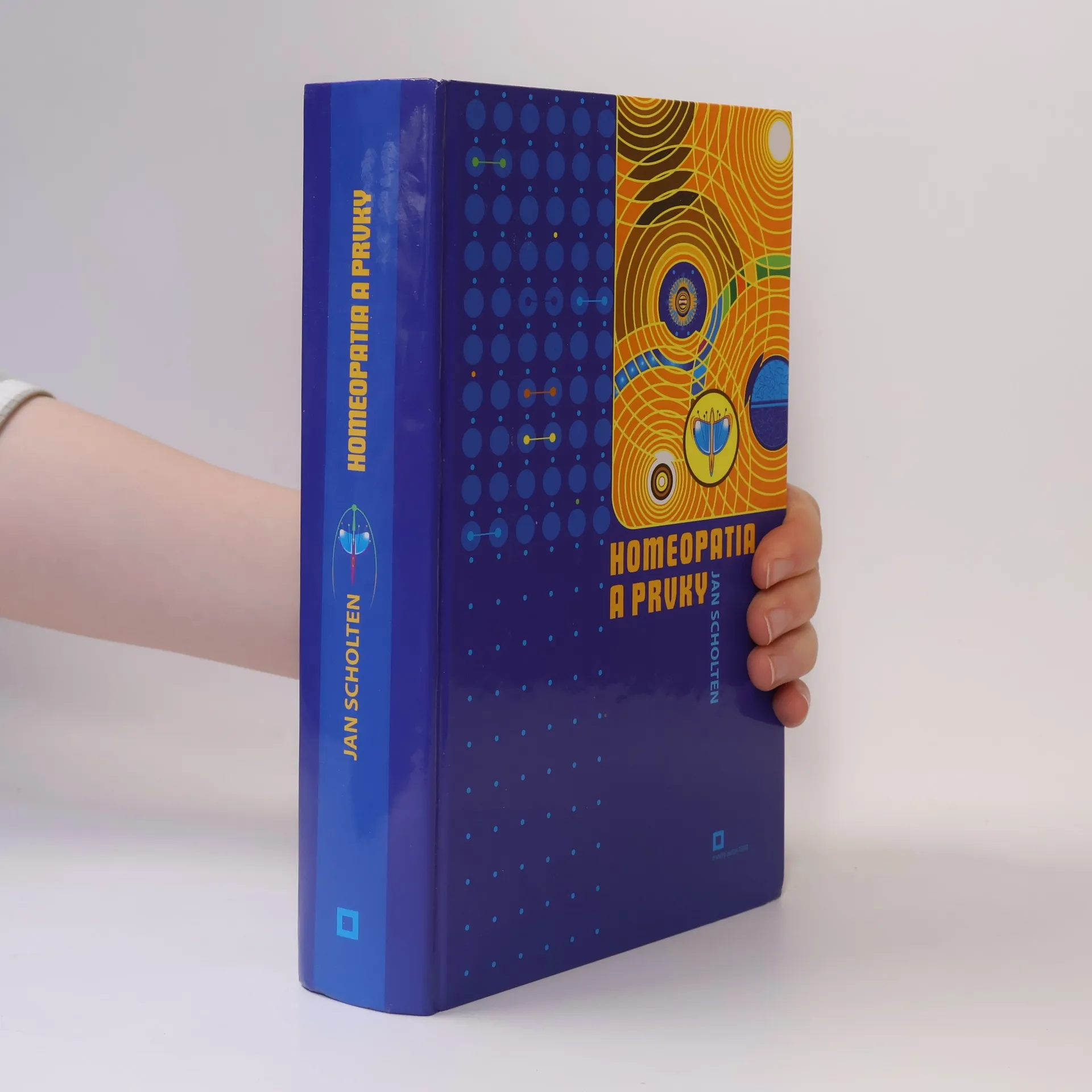
Das Thema dieses Buches ist die Homöopathie und die Elemente des Periodensystems. Die Arzneibilder nahezu aller Elemente des Periodensystems werden beschrieben. In dieser Theorie können die Konzepte der Reihen und der Stufen, in denen sich das Element befindet, für jedes Element dargestellt werden. Ein Gesamtbild des Periodensystems wird als Spirale dargestellt. Jeder Windung der Spirale entspricht eine Reihe, und jeder Strahl steht für eine Stufe oder Spalte. Die Spirale veranschaulicht das sich erweiternde Bewusstsein: vom Bewusstsein des Egos zu Beginn bis hin zum Bewusstsein der Nachbarschaft, eines Dorfes, einer Stadt, eines Landes und schließlich des gesamten Universums.
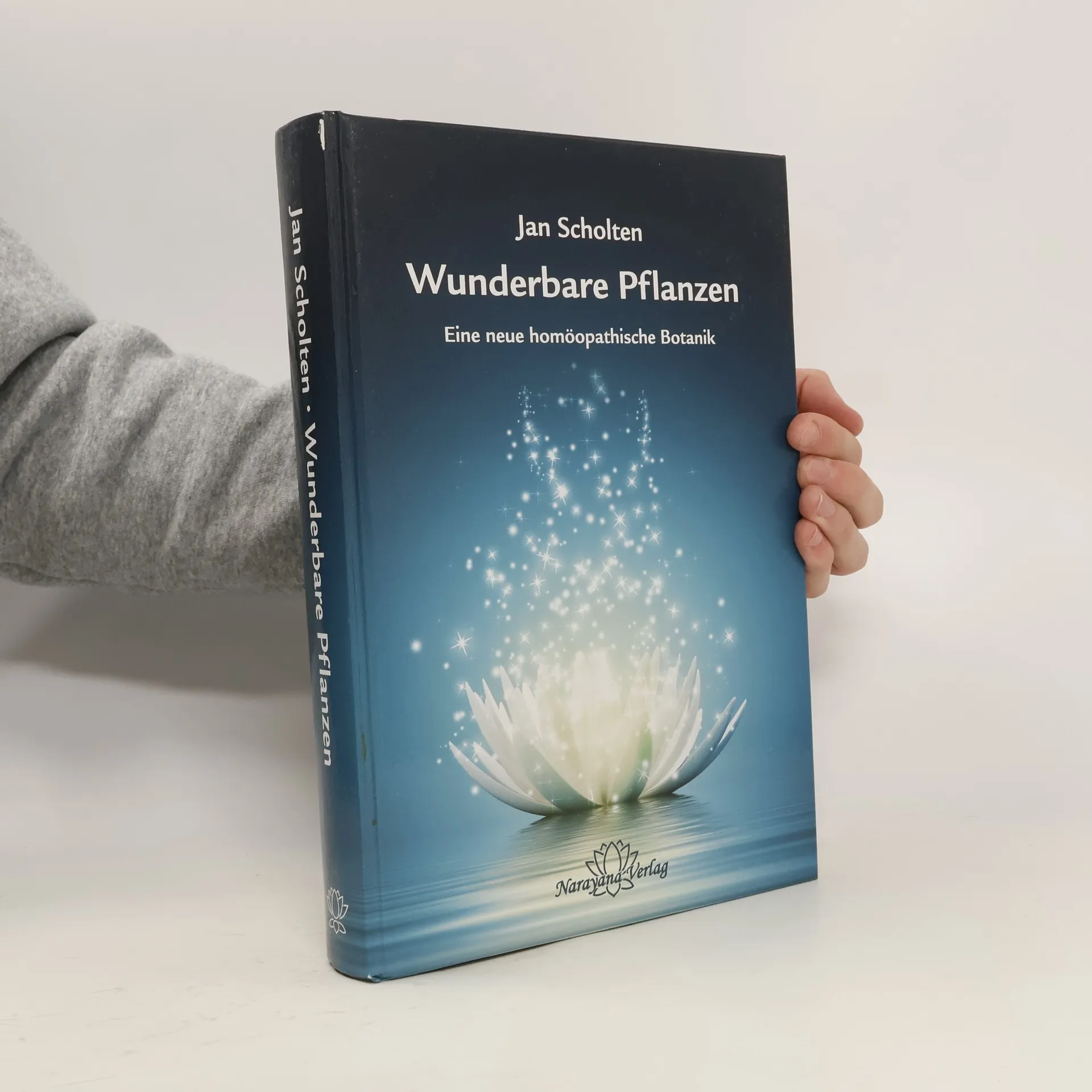
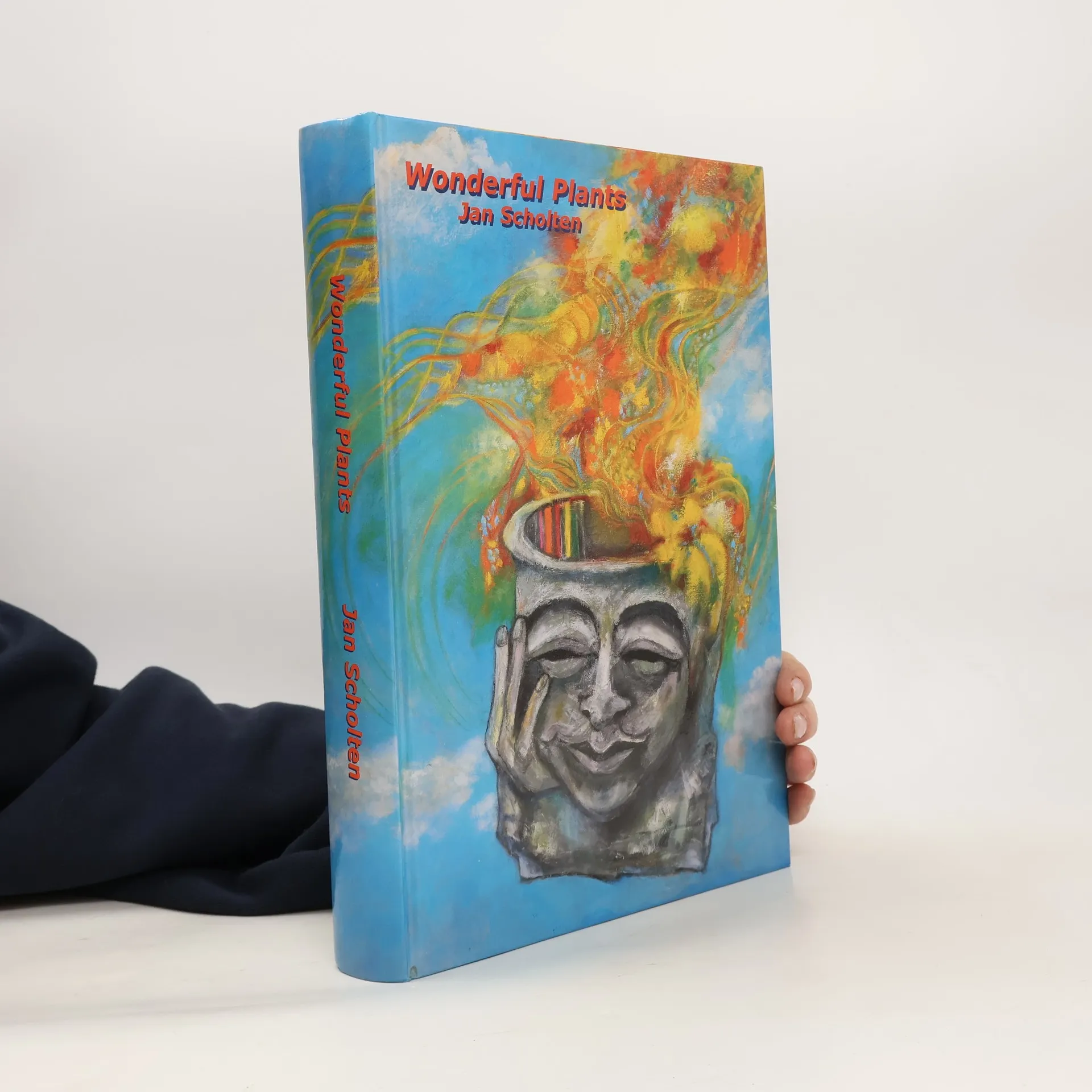
Dieses Werk ist das umfassende Standardwerk über Pflanzen in der Homöopathie. Es beschreibt nicht nur einzelne Pflanzenfamilien, sondern auch die gesamte Struktur der Ordnungen und Klassen, von Algen und Farnen bis zu Asterngewächsen. Jan Scholten behandelt große Abteilungen wie Blütenpflanzen, Klassen und Ordnungen sowie spezifische Pflanzenfamilien. Jede Pflanze wird einem bestimmten Stadium zugeordnet, ihre Essenz formuliert und durch kurze Beispielfälle veranschaulicht. Mit über 1.800 Einzelmittel-Beschreibungen fungiert das Werk als Enzyklopädie. Bekannte Pflanzen wie Lycopodium und Thuja werden in neuem Licht betrachtet, während auch viele unbekannte pflanzliche Mittel vorgestellt werden. Der wahre Wert liegt in der systematischen Entdeckung der Pflanzen, die durch die botanische Zuordnung verständlich gemacht wird. Scholten folgt der neuesten APG-Klassifikation, was eine neue Materia Medica entstehen lässt, die über bloße Symptomsammlungen hinausgeht. Bekannte Heilpflanzen wie Belladonna werden durch die Themen ihrer Familien und Ordnungen besser verstanden. Dies ermöglicht Vorhersagen über die Verwendung ungeprüfter Pflanzen bei bestimmten Krankheitszuständen und erweitert die therapeutischen Möglichkeiten erheblich. Hunderte von homöopathischen Fällen zeigen die praktische Anwendung, unterstützt durch aufschlussreiche Fallanalysen. Ein unverzichtbares Nachschlagewerk für jeden Homöopathen, dessen Wissen von enormer Be
Jan Scholtens Übersichtstabelle des Periodensystems der Elemente für die homöopathische Mittelwahl. Eine „Schreibtischversion der Elemente“. In dieser Tabelle sind die Stichworte aller Serien und Stadien in konzentrierter Form zusammengefaßt. Die 10 Miasmen Sankarans, die den Stadien entsprechen, sind ebenfalls in die Tabelle eingearbeitet. Auf der Rückseite sind weitere Keynotes zu den einzelnen Elementen aufgeführt. Die Tabelle hat eine stabile Folienbeschichtung und ist dadurch für den alltäglichen Gebrauch sehr gut geeignet. Leider finden sich in der neuesten Ausgabe zahlreiche Druckfehler. Also bitte nur bestellen, wenn man bereit ist, über diese Druckfehler hinwegzusehen.
Das Meisterwerk von Scholtens Genius. Seit das Periodensystem der Elemente von Mendelejew entdeckt wurde, war dieses System ein korrekter Führer zu den chemischen und physikalischen Eigenschaften der Elemente. Aber die homöopathische Interpretation ließ bis in unsere Zeit auf sich warten. Scholten endeckte die Themen der Elemente aus ihrer Position im Periodensystem. Es ist äußerst lohnenswert für den praktizierenden Homöopathen, das Buch zu studieren. Wir können aus eigener Erfahrung sagen, daß viele Fälle von der Anwendung dieses neuen Juwels der Homöopathie profitiert haben. Es ist vielleicht die größte Entdeckung der Homöopathie seit Hahnemann. Auslieferung: Narayana Verlag
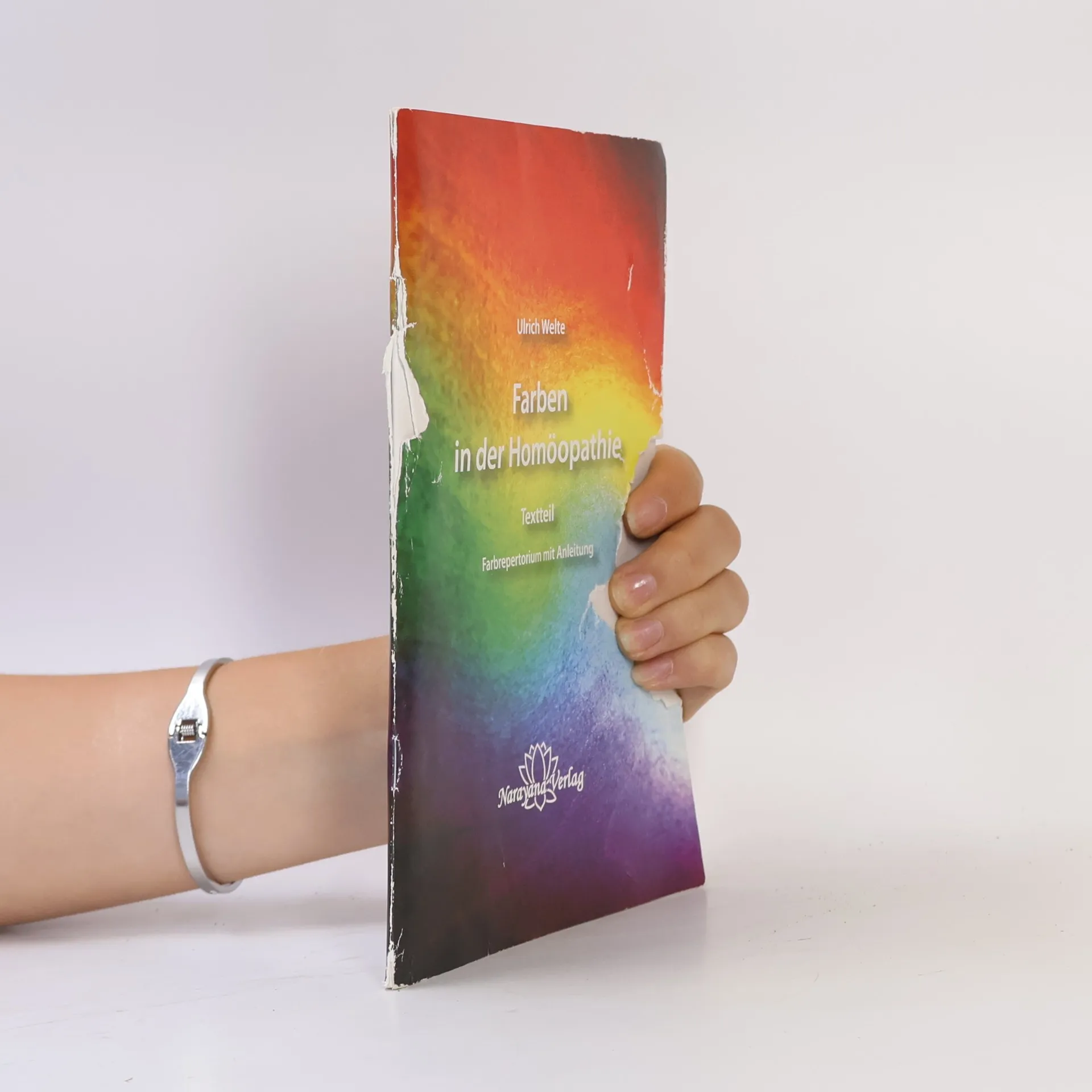
„Farben in der Homöopathie“ ist ein Farbrepertorium und enthält 120 brillante Farbtafeln zur genauen Bestimmung der Farbvorliebe. Das Farbsymptom dient der verfeinerten homöopathischen Diagnostik und hat weltweit in vielen Tausenden von Fällen zur korrekten Mittelwahl beigetragen. Die Farbtafeln und das Repertorium sind als vollständiges praktisches Werkzeug konzipiert. Sie erleichtern die Differenzierung bekannter Mittel und lassen uns auch an seltene Mittel denken, die man sonst leicht übersieht. Das Werk wird weltweit als homöopathischer Farbstandard verwendet und von verschiedenen Schulen eingesetzt. Die Farbvorliebe ist ein Ausdruck der inneren Verfassung. Damit ist sie homöopathisch verwertbar. Sie ist ein individuelles und tiefes Symptom der Person. Meist ist sie einfach zu bestimmen. Als zusätzliche Information kann sie für jede homöopathische Richtung nützlich sein.
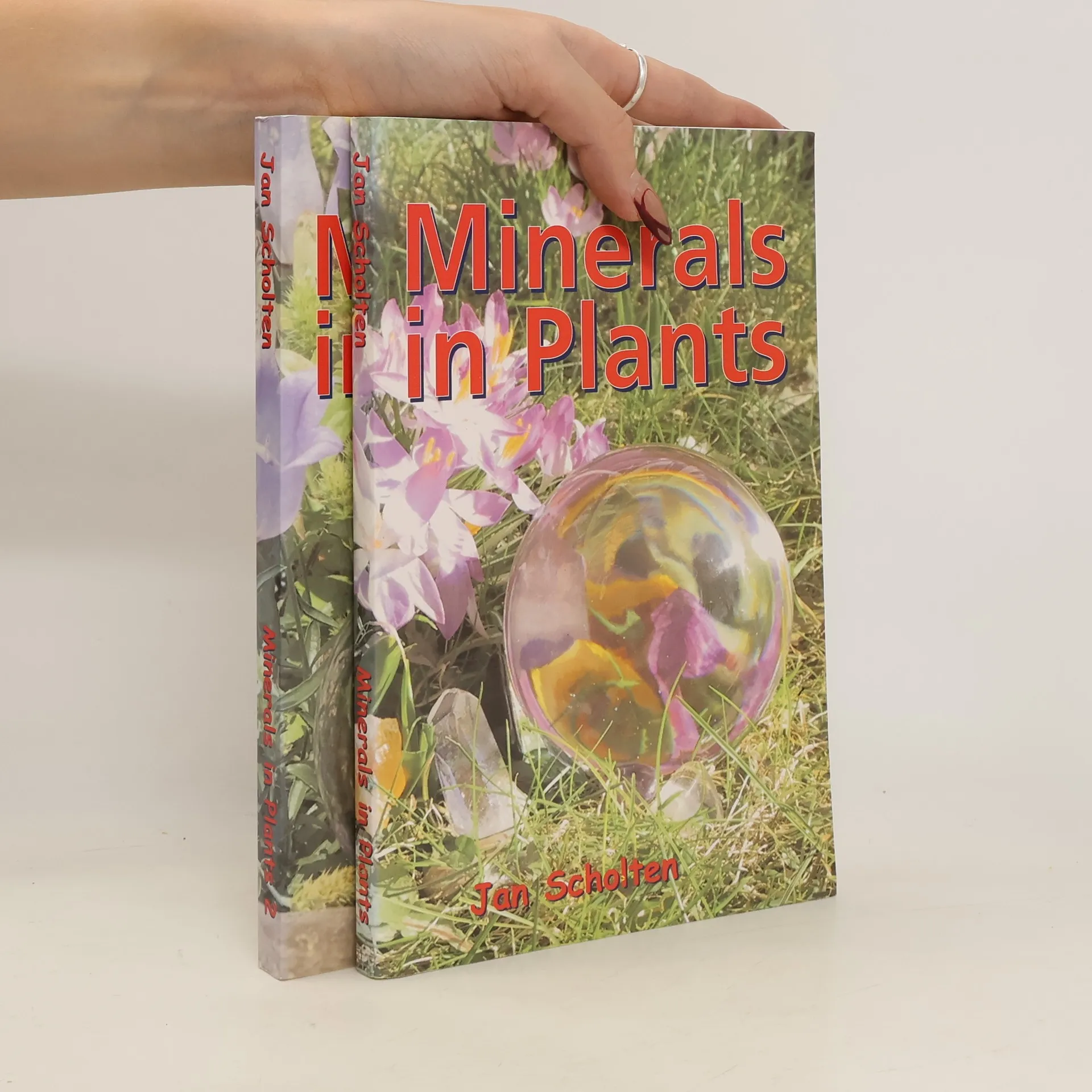
This is book is the result of analyzing the mineral content of 93 plants. 59 elements of the periodic table were analyzed. By analyzing the contents of minerals in plants we can see which minerals are comparatively high or low. Then we can compare the medicinal properties and the homeopathic pictures of a mineral high in a plant with the properties and pictures of that plant. Or we think of a mineral for a patient but the picture isnt fitting exactly we can in the table of that mineral and see which plants are having a high content of that mineral. Or we can project the picture of a plant or aspects of it from the contents of minerals. The result are striking and revealing. They often confirm the result of the former Minerals in Plants A new way of looking at the medical properties of plants. - Analysis of 59 elements. - Analysis of 93 plants. - Striking results. - Easy comparison between minral and plants remedies.
This book describes the use of plants in homeopathy. The Plant theory is described, which gives a Periodic System of the Plant kingdom. The Plant theory is based on the Apg3 classification, the botanical classification mostly accepted by botanists. The Plant theory allows precise differential diagnosis of plants and prediction of remedy pictures of specific plants. What is different about this book is that, although other current books discuss plant remedies in families and modern classifications, here we set them out in their classification grouping, rather than alphabetically as in a Materia Medica. This way we can see the themes running through the various levels of the different orders. This gives us an overview similar to what we get from viewing the remedies in the periodic table of the elements according to their series and stage. This has been a major task of compilation following extensive experience in the clinic and the input of many people. But it is only a beginning. More information will be added as we discover it, and details will be refined as they become clear. And you, the reader, can help in this task by sending in your experiences too! Roger savage I think this is a magnificent book, its scope and depth of research and thought are extraordinary. It provides a wonderful blueprint for others to build on in the future. John Summerville
The Repertory of the Elements shows the information form the books of Jan Scholten Homeopathy and Minerals and Homeopathy and the Elements, combined with numerous additions from later discoveries. Its a very valuable source of information to find the information in these books. Furthermore its a good tool to learn the way of thinking of the Element Theory. It helps you to differentiate between the stages and series by showing the different nuances of them. Families This repertory has some special features. Most of the entries are families instead of remedies. For instance the rubric Homesick has the phosphoricums as an entry instead of phos. It helps you to think in families, which gives you a wider range of applying homeopathy. The second is the arrangement of the rubrics. Its done on the most informative concept, for instance mother instead of delusion. Theory Included are some articles on the theoretical background of repertories and suymptoms. The concept of Basic Symptoms makes makes the structure of symptoms clear and understandabkle. And the retrievel of symptoms more efficient.
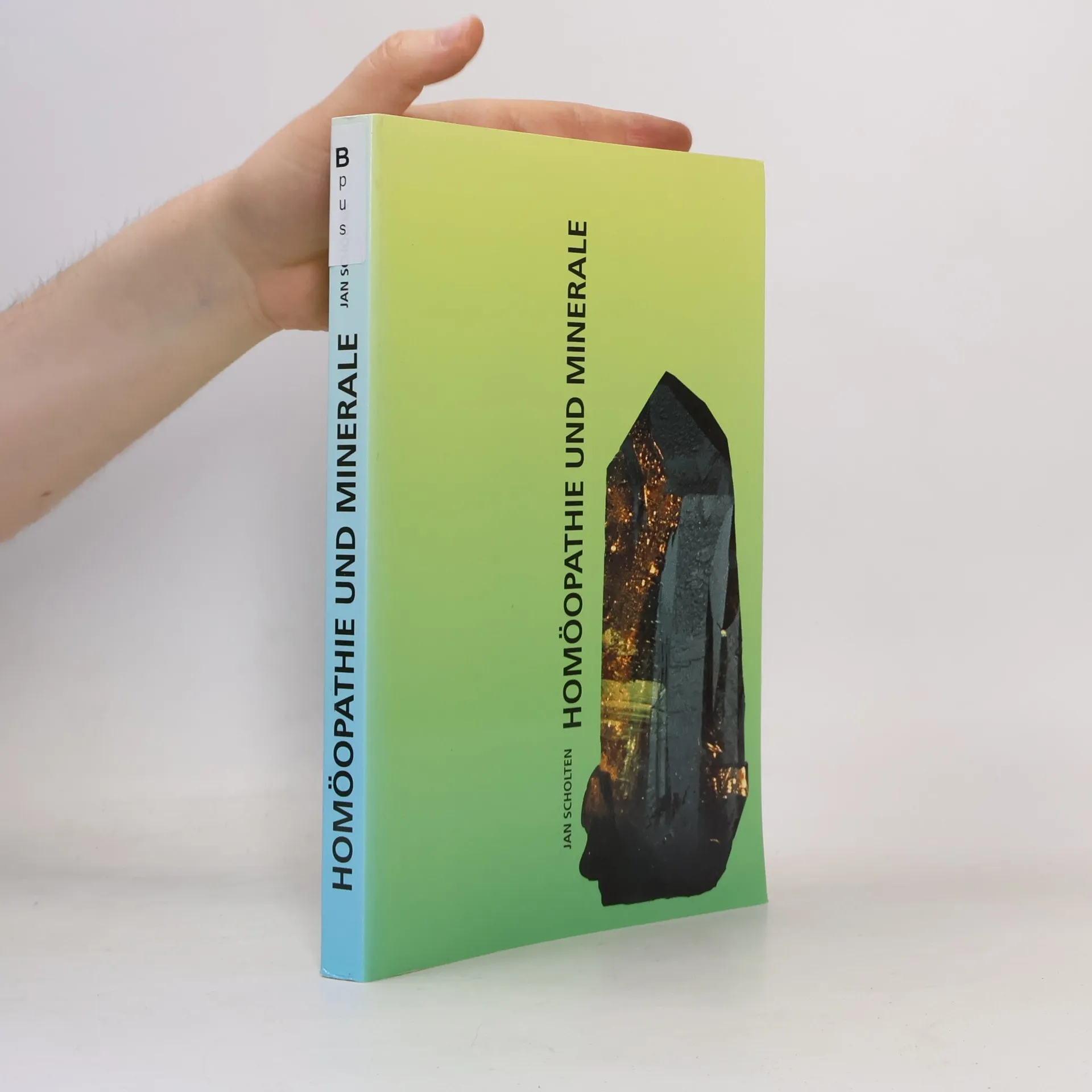
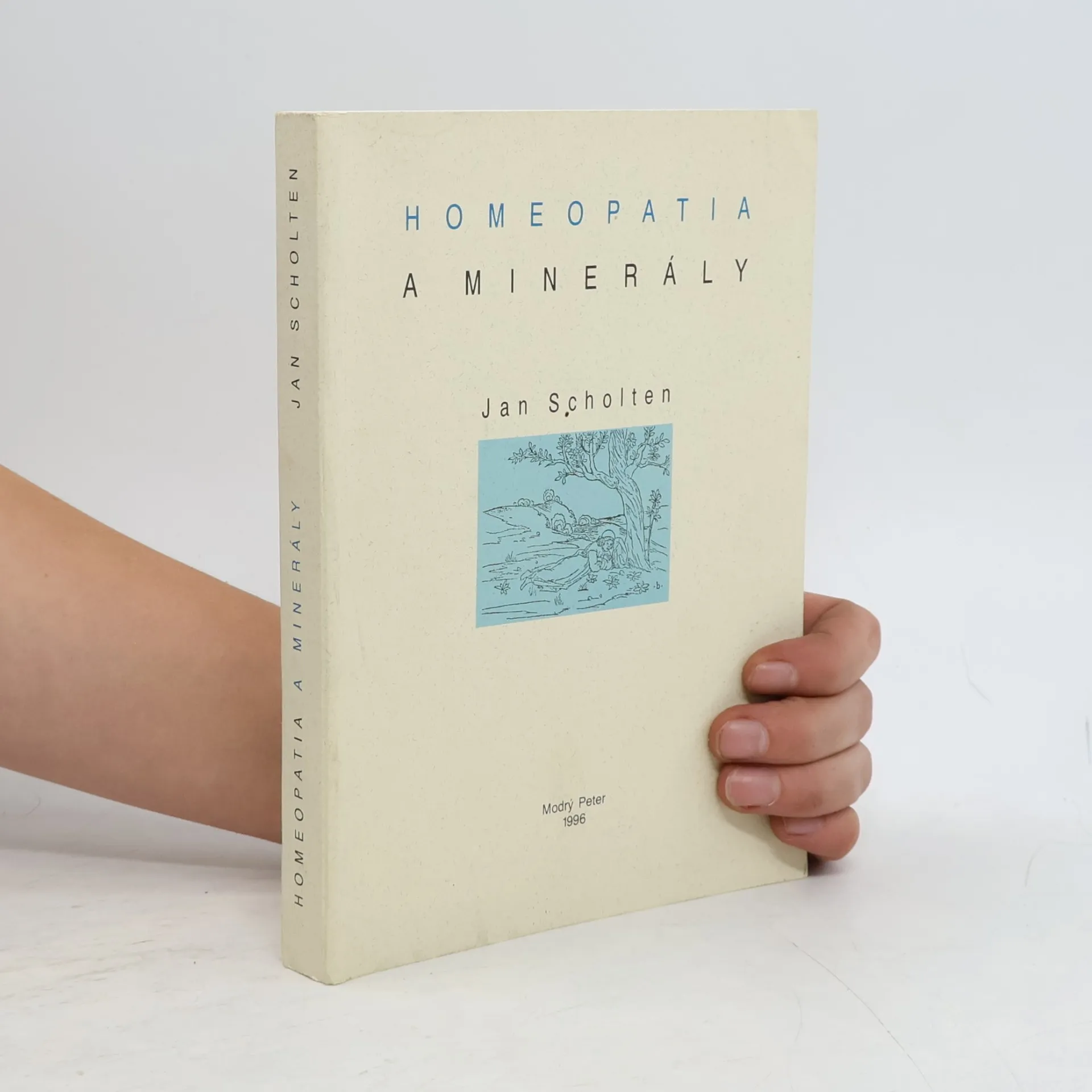
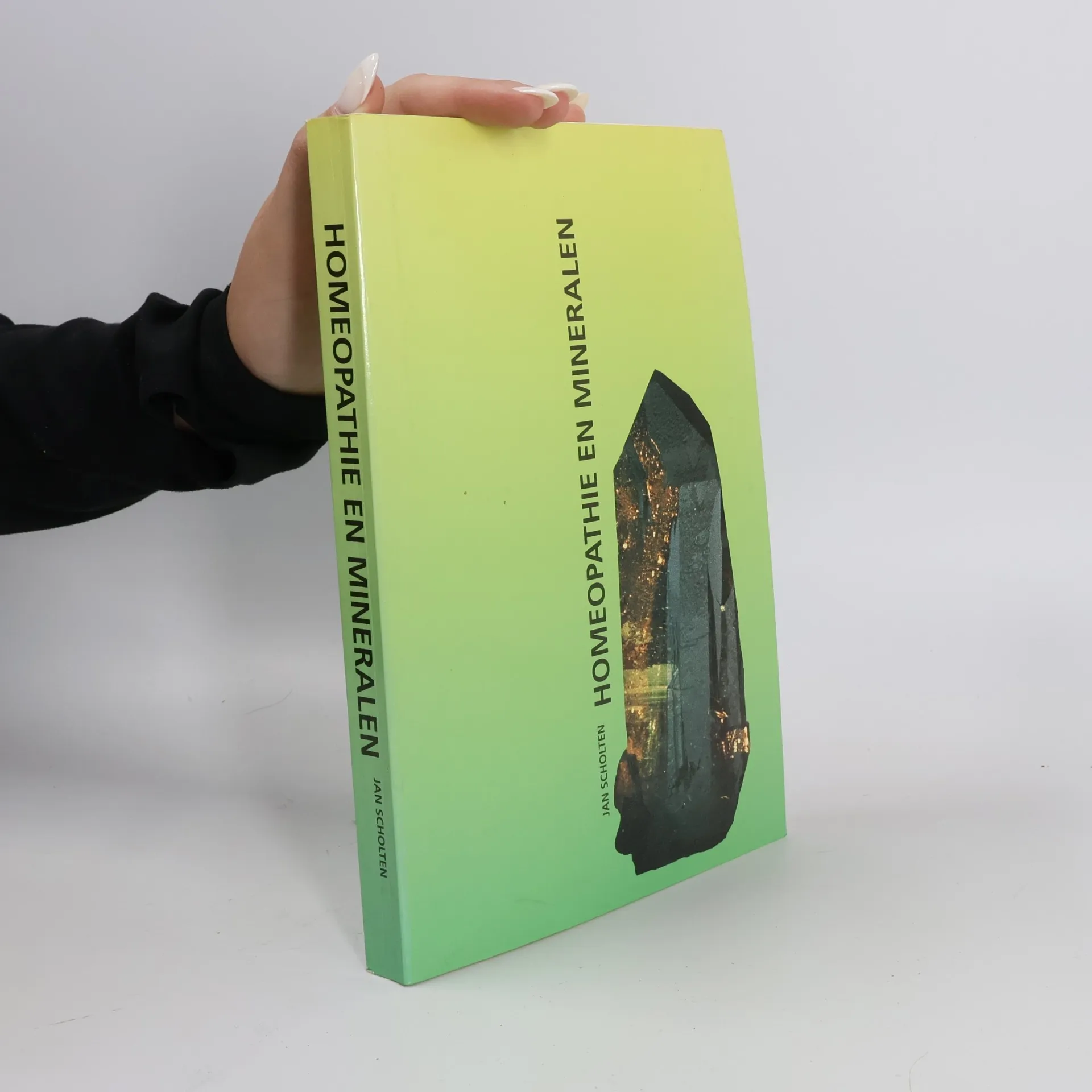
Dit boek gaat over het gebruik van mineralen in de homeopathie. De besproken mineralen zijn vooral de combinatiemiddelen ofwel zouten. Vooral de onbekende middelen worden besproken, bijvoorbeeld calcium muriaticum en barium fluoratum. Minstens zo belangrijk is de methode van analyseren, die in dit boek gebruikt wordt. De methode heet 'groepsanalyse'. Hiermee worden de essentiële kenmerken uit een groep middelen geabstraheerd, bijvoorbeeld de natriums. Vervolgens worden die kenmerken weer toegepast op de afzonderlijke natriums, bijvoorbeeld natrium fluoratum. De groepsanalyse maakt het mogelijk van onbekende middelen meer of minder te voorspellen hoe hun homeopathische beeld eruit ziet. Het is een creatieve manier om met de enorme hoeveelheid gegevens in de homeopathie om te gaan. De lezer kan met de groepsanalyse zelf verder werken om nieuwe wegen te bewandelen.