

Gratisversand in ganz Deutschland!
Bookbot

David Gilmour

    22. Dezember 1949
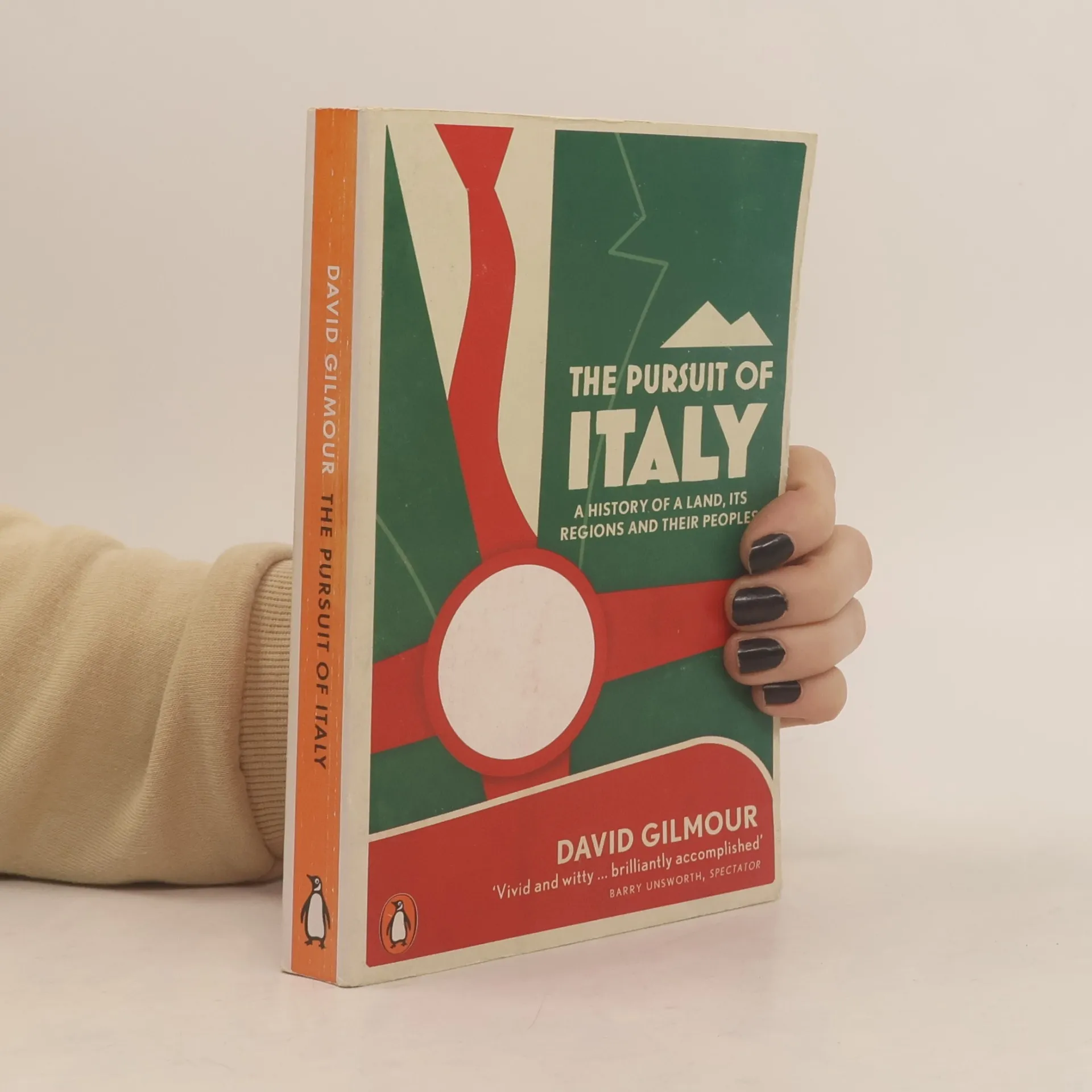
    The Pursuit of Italy
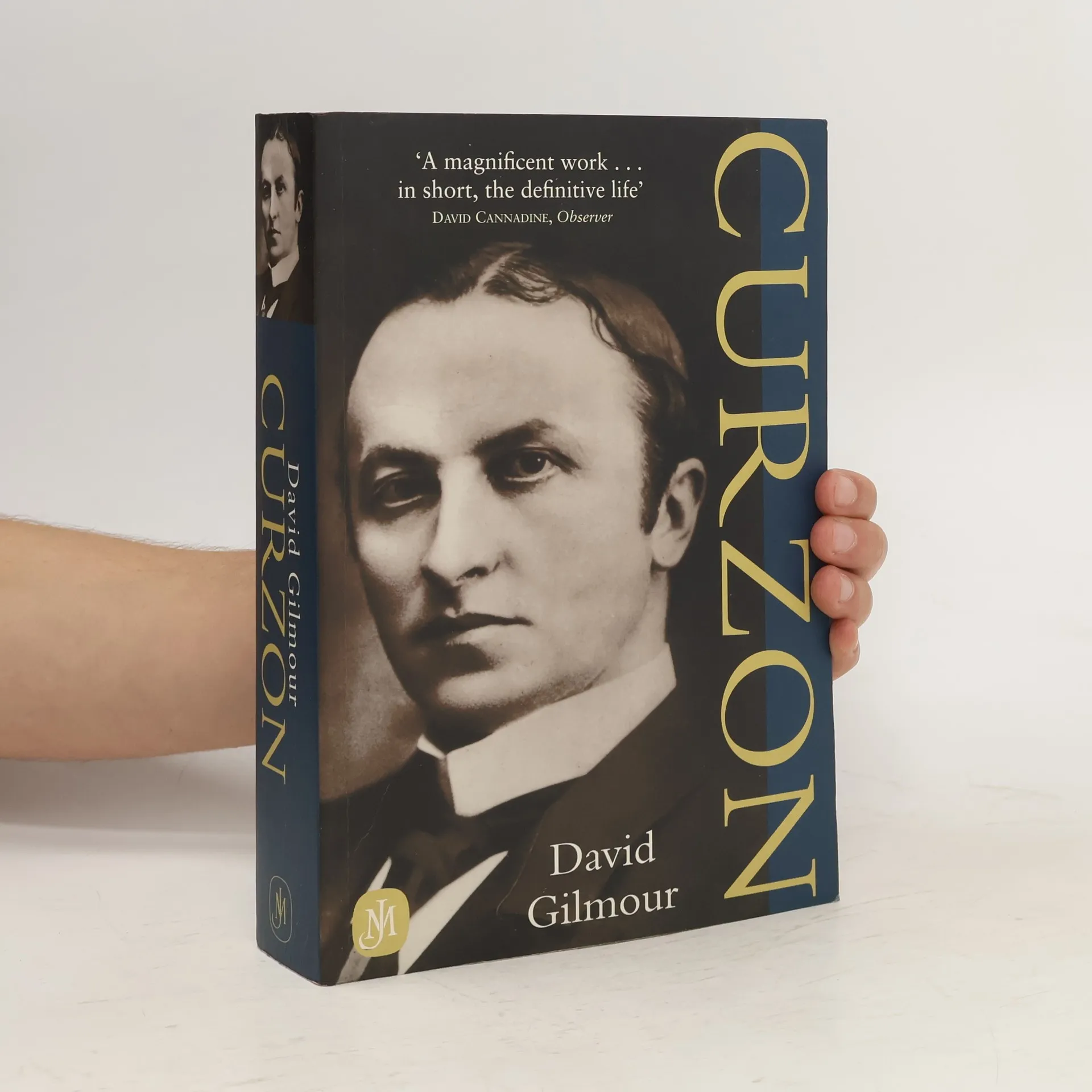
    Curzon
    The Last Leopard
    Unser allerbestes Jahr
    Die perfekte Ordnung der Dinge
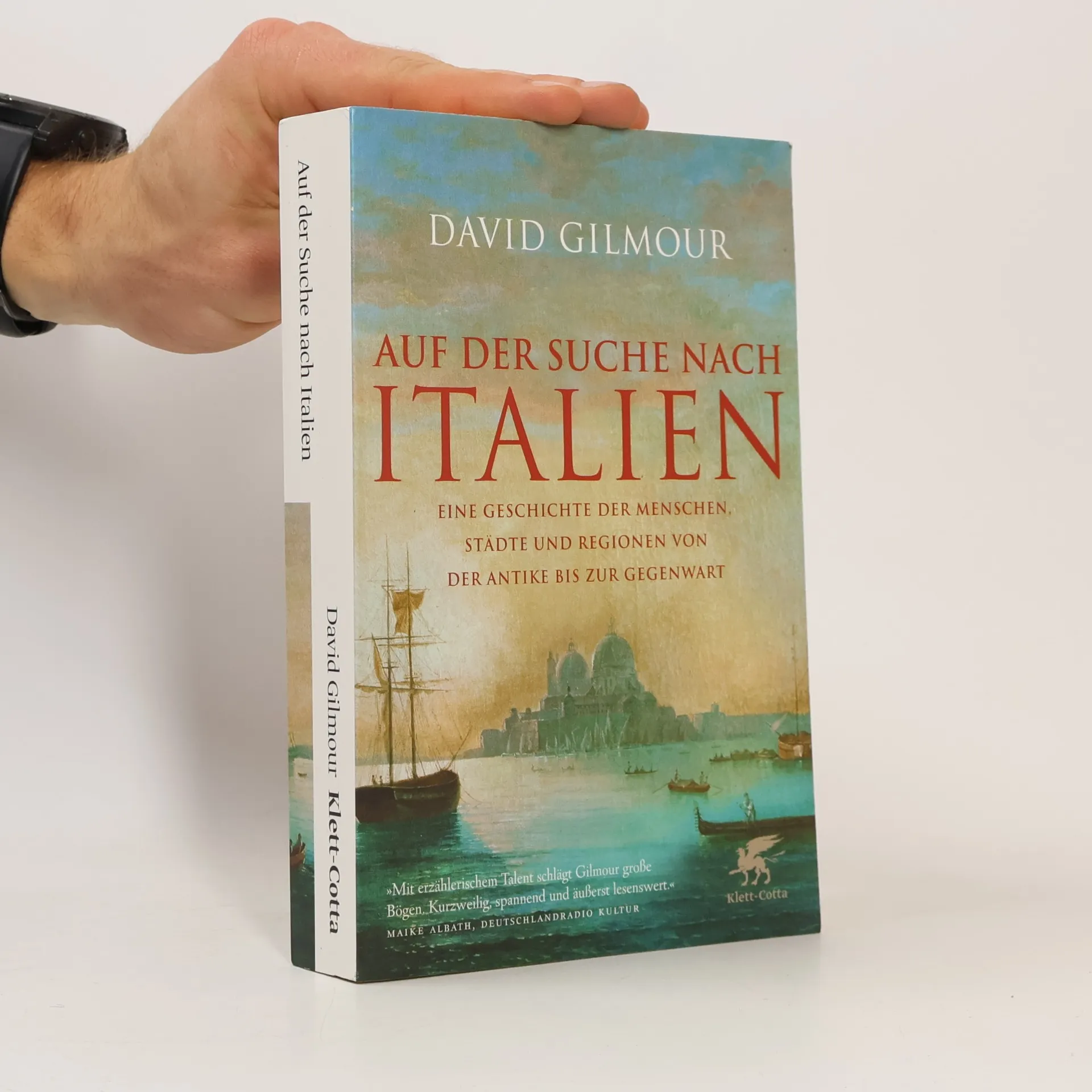
    Auf der Suche nach Italien
    • Auf der Suche nach Italien

      Eine Geschichte der Menschen, Städte und Regionen von der Antike bis zur Gegenwart

      4,0(27)Abgeben

      Elegant und kenntnisreich führt David Gilmour seine Leser durch die Geschichte der Halbinsel. Er reichert seine Darstellung an mit prächtigen Anekdoten, sinnlichen Eindrücken und interessanten Gesprächen. Ein kluges und inspiriertes Buch. Gilmour zeigt, dass die Pracht Italiens immer in seinen Regionen mit ihrer je eigenen Kunst, städtischen Kultur, Identität und Küche gelegen hat. Die Regionen brachten die mittelalterlichen Städte und die Renaissance, die Republik Venedig und das Großherzogtum Toskana hervor, die beiden kultiviertesten Staaten der europäischen Geschichte. Dieses fesselnde Buch erklärt die italienische Geschichte so klug und stimmig, dass jeder Italienliebhaber seine Freude daran haben muss. Ein wahres Lesevergnügen, voll ausgewählter Geschichten und Beobachtungen aus persönlicher Erfahrung und bevölkert mit großen Gestalten der Vergangenheit: von Cicero und Vergil bis zu Dante und den Medici, von Cavour und Verdi bis zu den umstrittenen politischen Figuren des 20. Jahrhunderts. Das Buch wirft einen klarsichtigen Blick auf das Risorgimento. Es entzaubert die Mythen, die sich darum ranken.
      Auf der Suche nach Italien
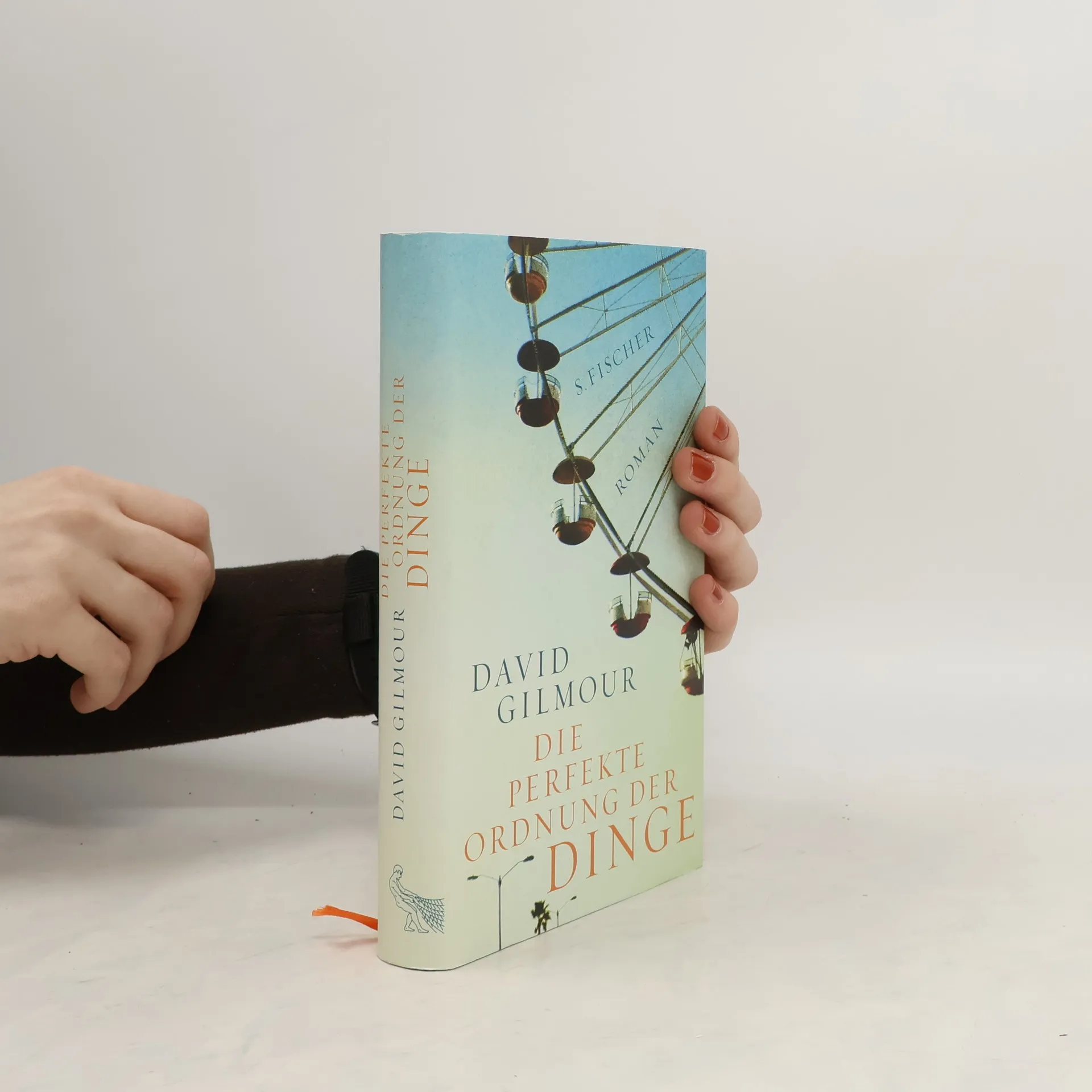
    • Ein Mann will sein Leben ordnen. Endlich. Zurückkehren an die Orte des Scheiterns, mit neuer Perspektive und dem guten Gefühl, noch einmal davongekommen zu sein. Aber womit anfangen? Mit etwas Altem oder etwas Neuem? Welches Gruselschloss zuerst aufsuchen? Ein Landhaus mit schiefem Dach am Ende der Welt, ein Internat, das sein Leben veränderte, oder ein Riesenrad in der Nacht, Ort der ersten großen Liebesenttäuschung? David Gilmour unternimmt eine Reise durch die Erinnerung, um mit Augenzwinkern festzustellen: ganz schön Glück gehabt. Eine melancholischer Rückblick mit großem Witz und Gefühl, eine ungewöhnliche Gebrauchanweisung für das Leben.

      Die perfekte Ordnung der Dinge
    • Unser allerbestes Jahr

      • 253 Seiten
      • 9 Lesestunden
      3,0(411)Abgeben

      Eltern sind auch nur Menschen. Und was macht man mit einem Sohn, der nicht mehr in die Schule gehen möchte? David, der Vater, schlägt Jesse einen ungewöhnlichen Handel vor: freie Kost und Logis, aber drei Filme pro Woche. Von Truffaut über Hitchcock bis hin zu ›Basic Instinct‹. Nachmittage und Abende gemeinsam auf dem Sofa. Kein Kurs in Filmgeschichte, sondern viel Zeit zum Reden über falsche Freundinnen, die richtigen Drogen, verlorene und gefundene Liebe. Und darüber, wie lebenswichtig Leidenschaft ist.Ein wahres und weises, zärtliches und urkomisches Buch über gebrochene Herzen im Film und im wirklichen Leben und darüber, dass Erwachsenwerden nichts mit dem Alter zu tun hat.

      Unser allerbestes Jahr
    • The Last Leopard

      • 249 Seiten
      • 9 Lesestunden
      4,1(79)Abgeben

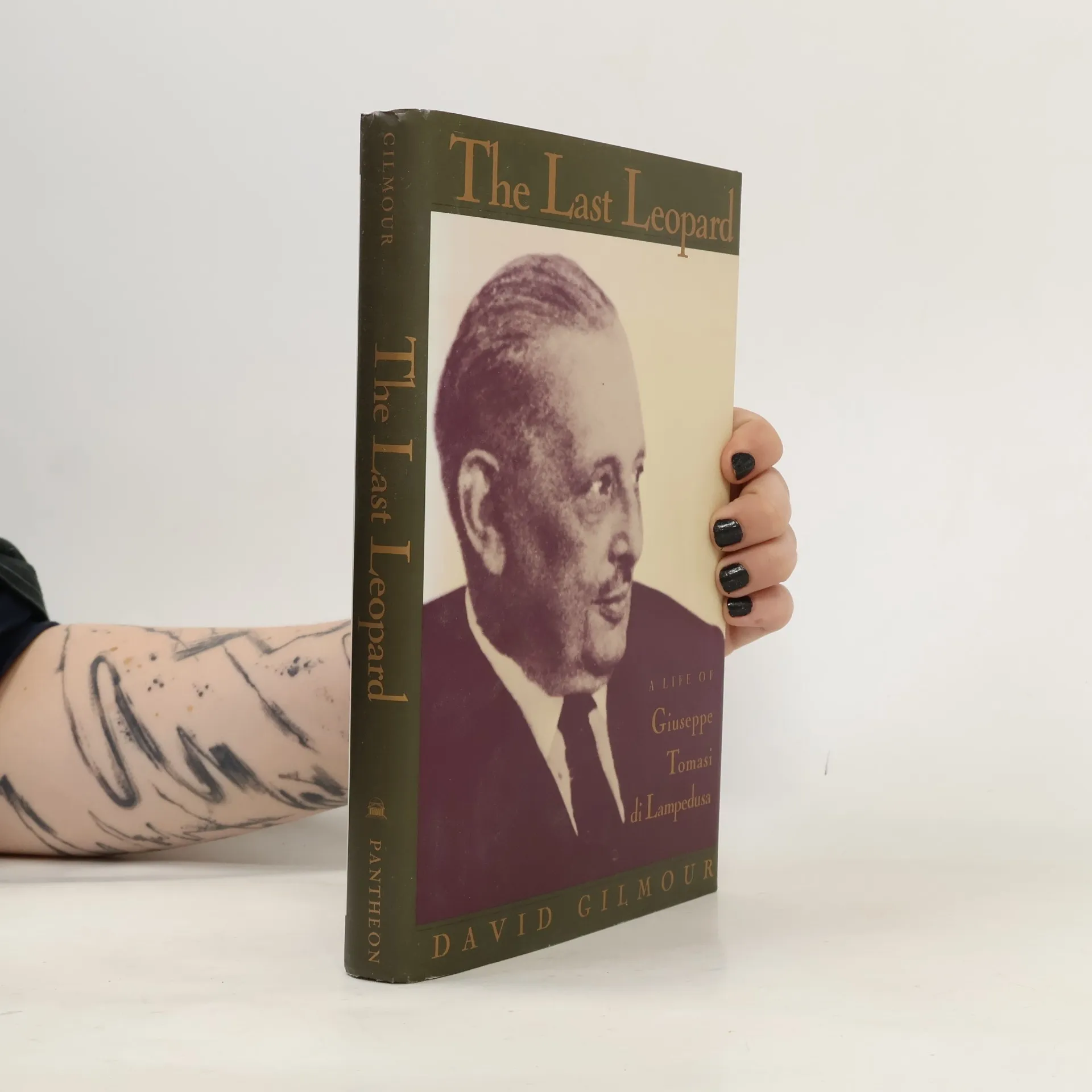
      Aims to unearth the life story of the creator of The Leopard, one of the novels of the twentieth century. This book stands as a meditation on what it is that makes a writer.

      The Last Leopard
    • Curzon

      Imperial Statesman 1859-1925

      • 684 Seiten
      • 24 Lesestunden
      4,1(51)Abgeben

      Few statesmen have led such colourful and controversial lives as George Nathaniel Curzon. Brilliant, tempestuous and - in the words of the notorious rhyme - superior, his career was an almost unparalleled blend of triumph and disappointment. Queen Victoria's last Viceroy of India, his term of office ended in dramatic resignation. And despite his later successes as Foreign Secretary, George V thwarted his ambition to become Prime Minister.

      Curzon
    • The Pursuit of Italy

      • 458 Seiten
      • 17 Lesestunden
      4,0(263)Abgeben

      Gilmour delves deep into Italy's cultural past to discover not only the effects of Risorgimento, but what, if anything, earlier generations have said about the concept of Italy. He examines what the Enlightenment thinkers believed, what Dante thought, what Machiavelli wanted and what the emperors made of it.

      The Pursuit of Italy
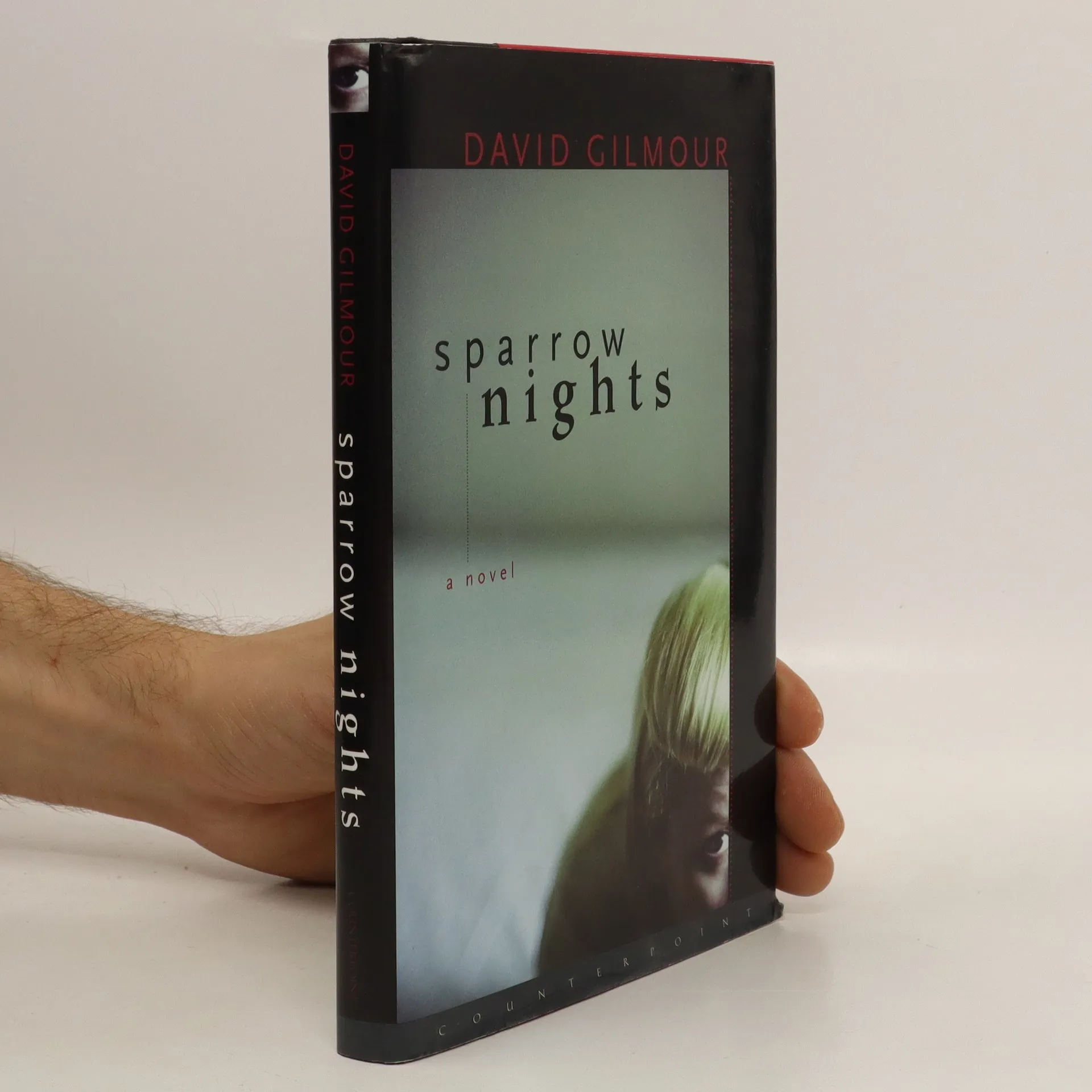
    • Everyone would agree that Darius Halloway was the most civilized of men, a professor of French literature; a connoisseur of ideas, beautiful women, and fine wine; a perfect guest at life's dinner party. Darius himself would have especially agreed until Emma, waifish and insatiable Emma, leaves her empty clothes hangers rattling in his closet and walks out the door. For a little while, it's not so bad. He's in shock. He thinks she will come back. Other women find his melancholy quite compelling, and there are compensations to be had. But then the sparrows of insomnia start picking at the inside of his skull. Life's little aggravating moments suddenly seem to require him to seek direct retaliation. Soon, all his smoothness and cleverness are directed toward wreaking the most elaborate revenge--until there he is, in the most damning of situations, with his nerves on fire and his heart in his throat.

      Sparrow nights
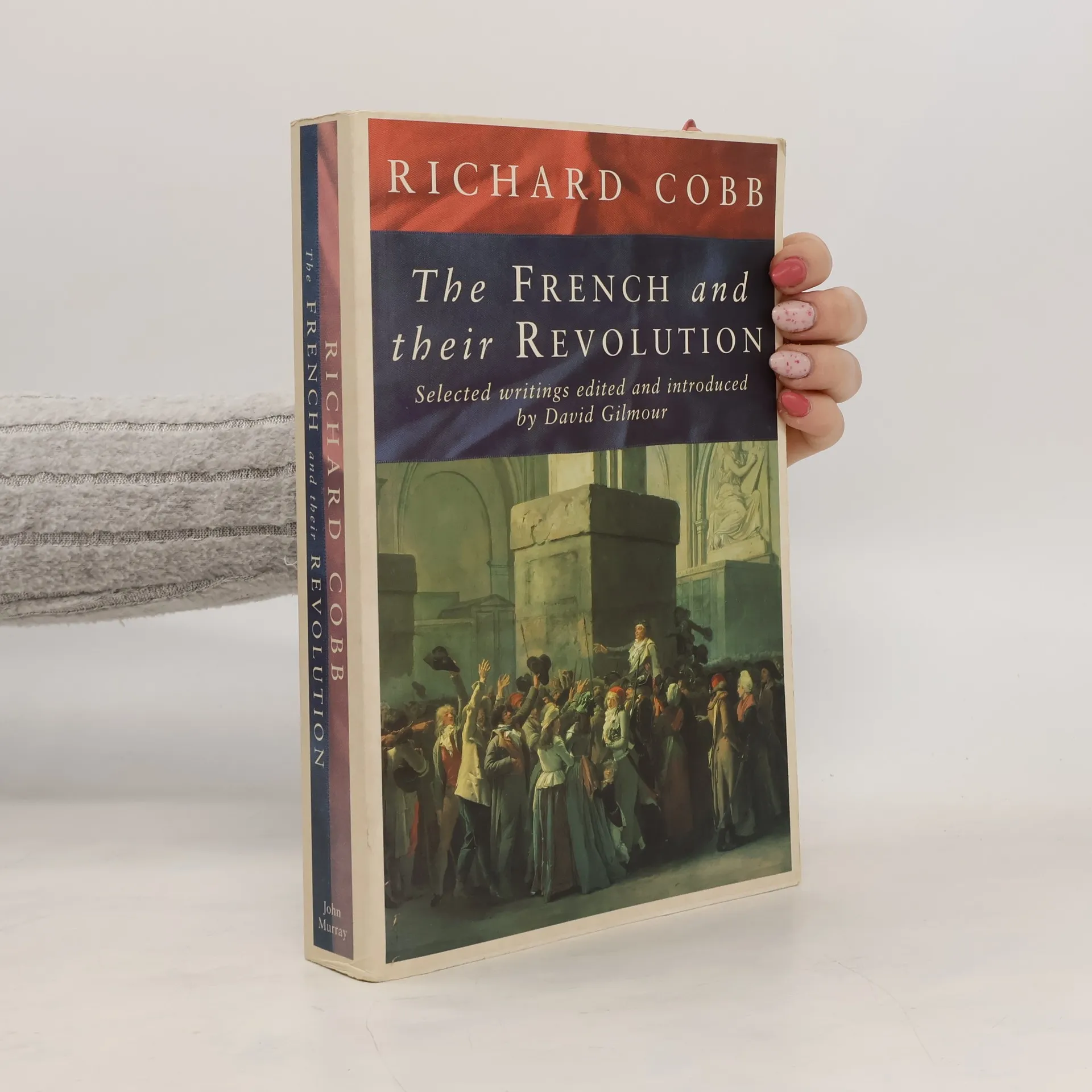
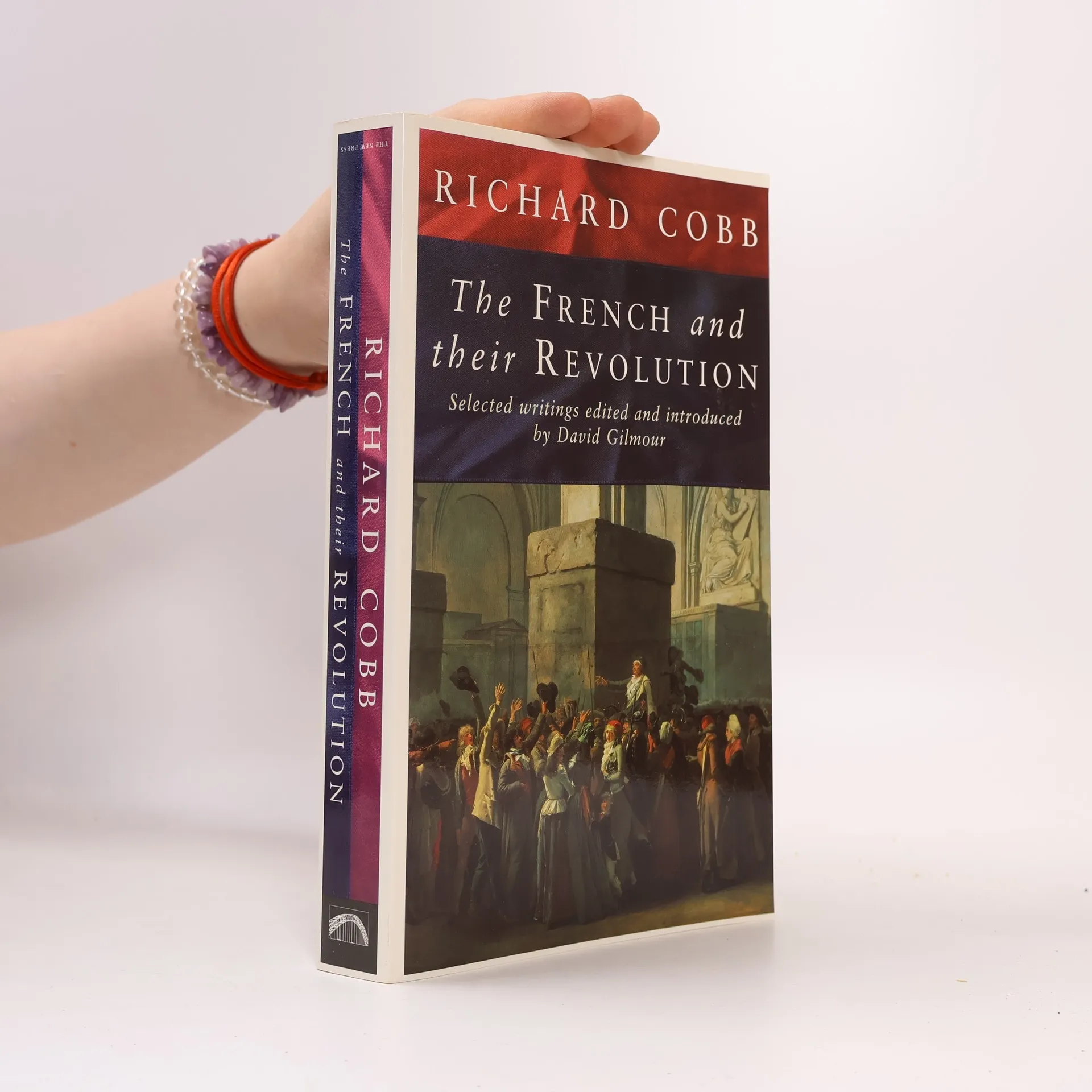
    • "Like Eric Hobsbawm and E.P. Thompson, Richard Cobb had a gift for understanding great historic events in terms of ordinary human relations. Here for the first time Cobb's widely admired chronicles of daily life in Revolutionary France are gathered into one volume with an illuminating introduction by his former pupil, historian David Gilmour."--BOOK JACKET.

      The French and Their Revolution
    • The Film Club

      A True Story of a Father and a Son

      "The Film Club" is the true story about David Gilmour's decision to let his 15-year-old son drop out of high school on the condition that the boy agrees to watch three films a week with him. The book examines how those pivotal years changed both t

      The Film Club
    • Fue un trato muy poco convencional: Jesse podía dejar de ir al instituto, dormir todo el día, no trabajar, no pagar alquiler pero a cambio tenía que mantenerse alejado de las drogas y ver tres películas a la semana con su padre, el crítico de cine canadiense David Gilmour. Jesse aceptó de inmediato y al día siguiente padre e hijo comenzaron con la primera película de la lista: Los cuatrocientos golpes de François Truffaut. A lo largo de tres años padre e hijo vieron todo tipo de películas, desde las consideradas joyas del cine hasta los grandes bodrios de todos los tiempos. Con el trasfondo de El padrino, Instinto básico, Showgirls, Ciudadano Kane o La ley del silencio, David y Jesse hablan de los principales directores de cine, de las escenas célebres y de los actores que las protagonizaron, y poco a poco sobre todo tipo de temas: chicas, música, mal de amores, trabajo, drogas, talento, dinero, amor, amistad... Cineclub es un repaso personal de la historia del cine, un desafío a nuestras nociones de la educación y, sobre todo, la historia real y conmovedora acerca de cómo un padre y un hijo sortearon una época muy especial en su relación; en la que los hijos se encierran en sí mismos y los padres pierden la oportunidad de llegar a ellos. Esta es la historia de una decisión que lo cambió todo.

      Cineclub