

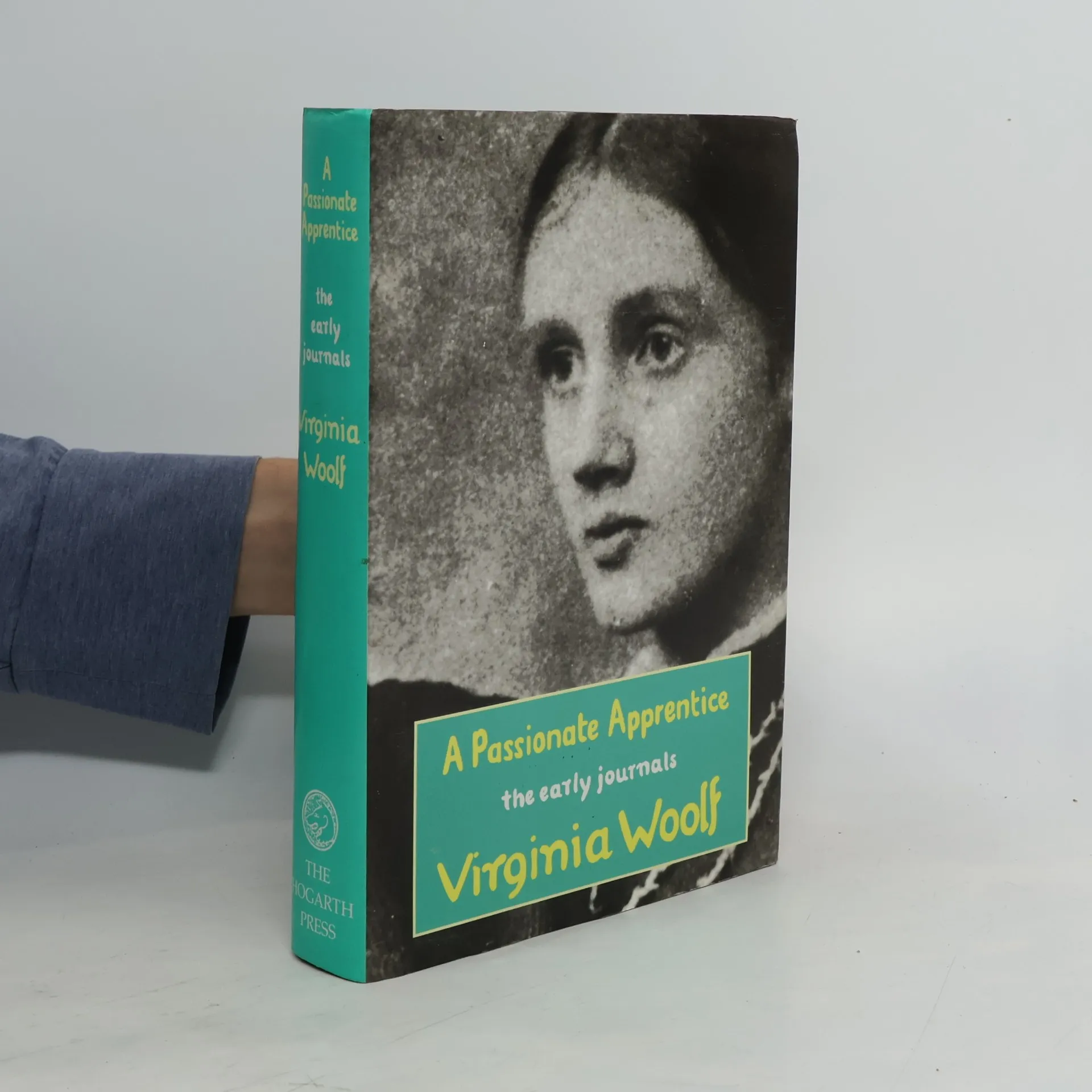
Covering the years 1897-1909, these journals complete the autobiographical sequence of Virginia Woolf's diary and letters and provide a picture of the circumstances in which she taught herself her craft. Many of the incidents of these years were to profoundly influence the rest of her life and were to become recurring themes in her novels: the death of her father, trips to Spain, Italy and Greece, and first encounters with those who were to form the Bloomsbury group.
David Bradshaw Bücher
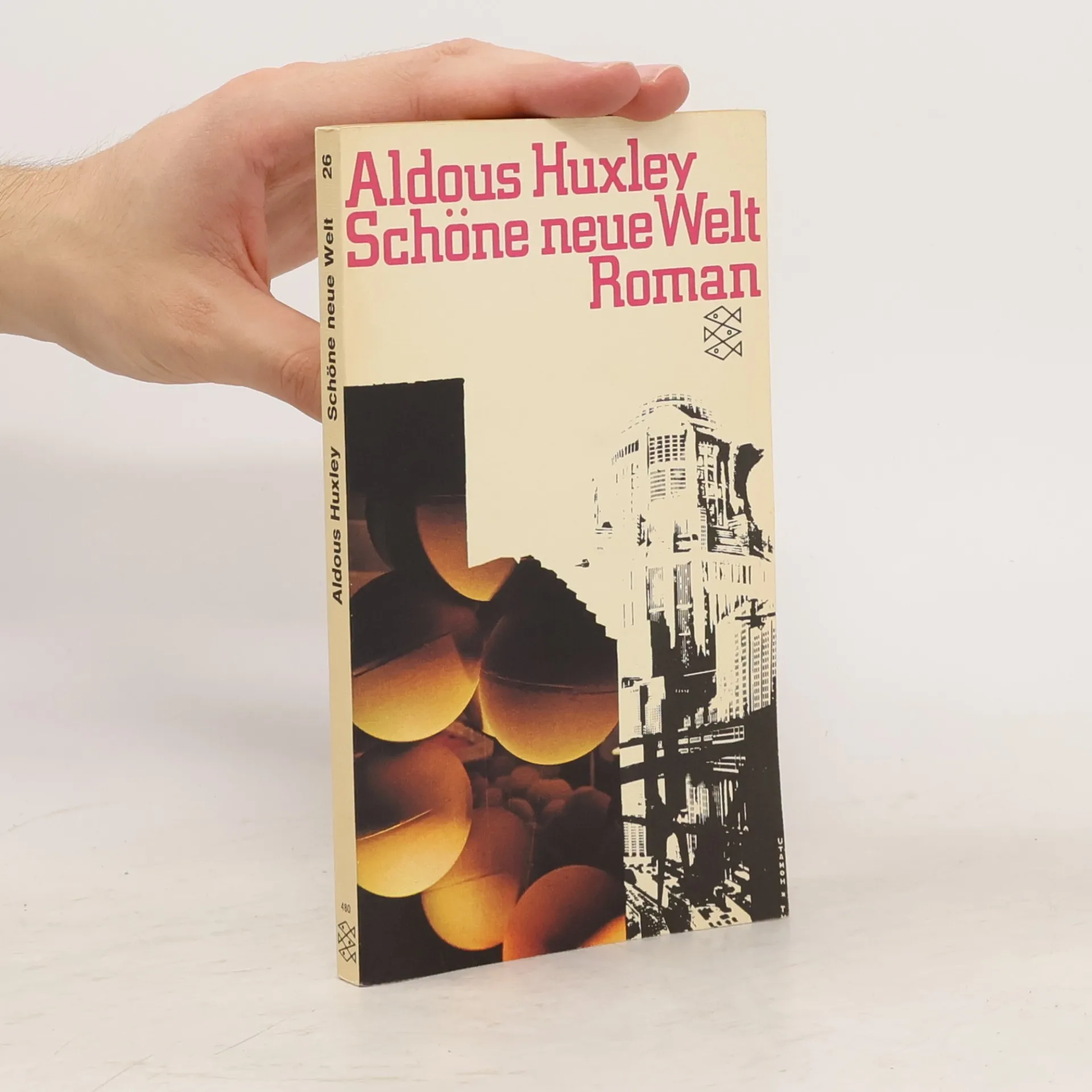
Die schöne neue Welt, die Huxley hier beschreibt, ist die Welt einer konsequent verwirklichten Wohlstandsgesellschaft 'im Jahre 632 nach Ford', einer Wohlstandsgesellschaft, in der alle Menschen am Luxus teilhaben, in der Unruhe, Elend und Krankheit überwunden, in der aber auch Freiheit, Religion, Kunst und Humanität auf der Strecke geblieben sind. Eine totale Herrschaft garantiert ein genormtes Glück. In dieser vollkommen 'formierten' Gesellschaft erscheint jede Art von Individualismus als 'asozial', wird als 'Wilder' betrachtet, wer - wie einer der rebellischen Außenseiter dieses Romans - für sich fordert: 'Ich brauche keine Bequemlichkeit. Ich will Gott, ich will Poesie, ich will wirkliche Gefahren und Freiheit und Tugend. Ich will Sünde!'
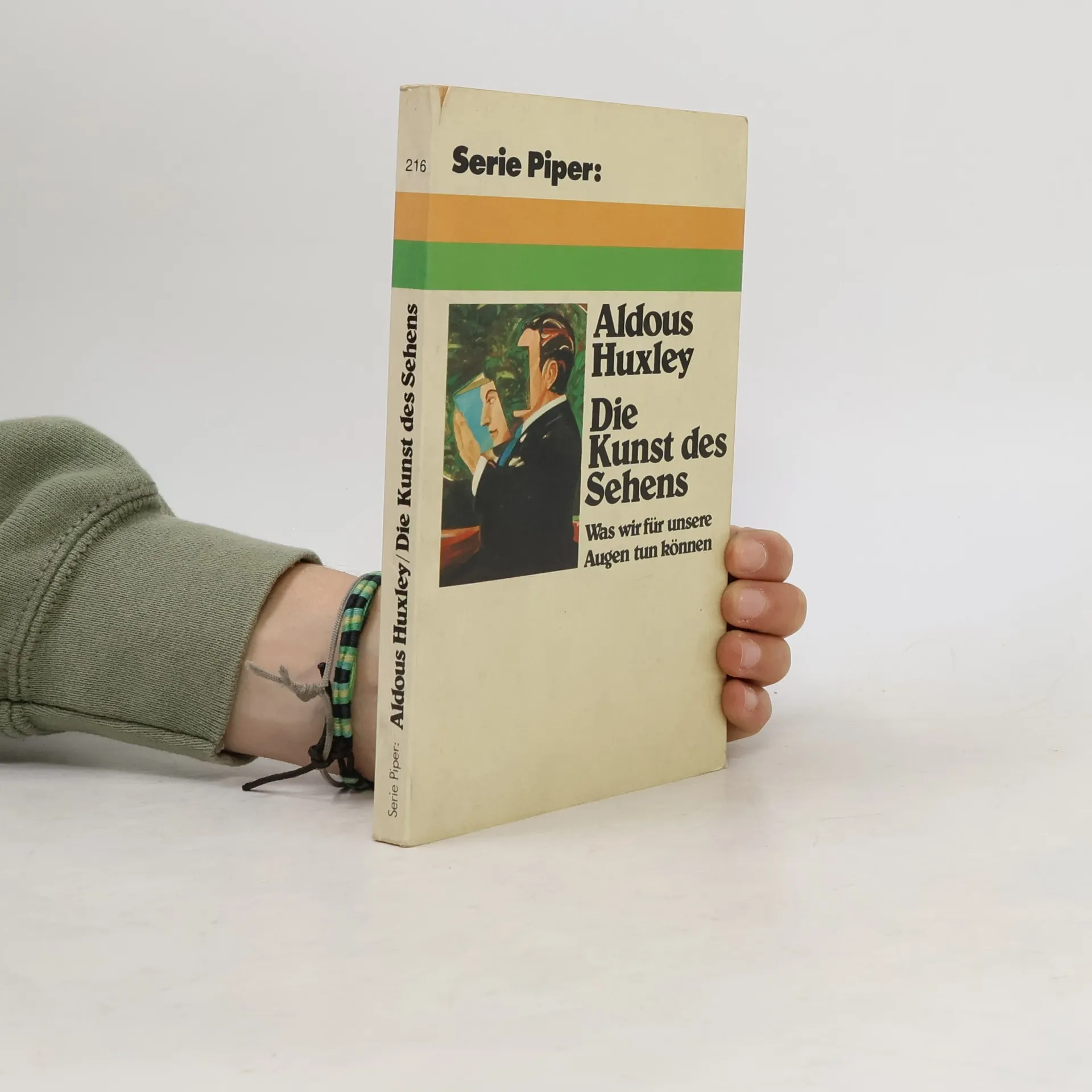
In diesem Werk zeigt sich der Essayist, Romancier und Philosoph Aldous Huxley von einer ganz pragmatischen Seite: "Die Kunst des Sehens" informiert über den physikalischen Prozeß des Sehens und über die psychischen Faktoren, die das Sehvermögen beeinflussen. Mit praktischen Hinweisen zur Verbesserung der Sicht liefert er eine Anleitung zum "richtigen Sehen". Huxley, der an einem schweren Augenleiden erkrankt war, erprobte diese Methode mit Erfolg an sich selbst - ein frühes Beispiel für eine alternative medizinische Therapie. Mit "Die Kunst des Sehens" hat Aldous Huxley eine Anleitung zum "richtigen Sehen" geschrieben, in der er viele praktische Hinweise zur Verbesserung des Sehvermögens gibt. "Mein einzigartiger Fall ist in keiner Weise einzigartig; Tausende anderer Menschen könnten ihr schwaches Sehvermögen verbessern, indem sie die einfachen Regeln der Kunst des Sehens befolgten. Es ist das zentrale Anliegen dieses Buches, noch mehr Menschen mit dieser Kunst bekannt zu machen."
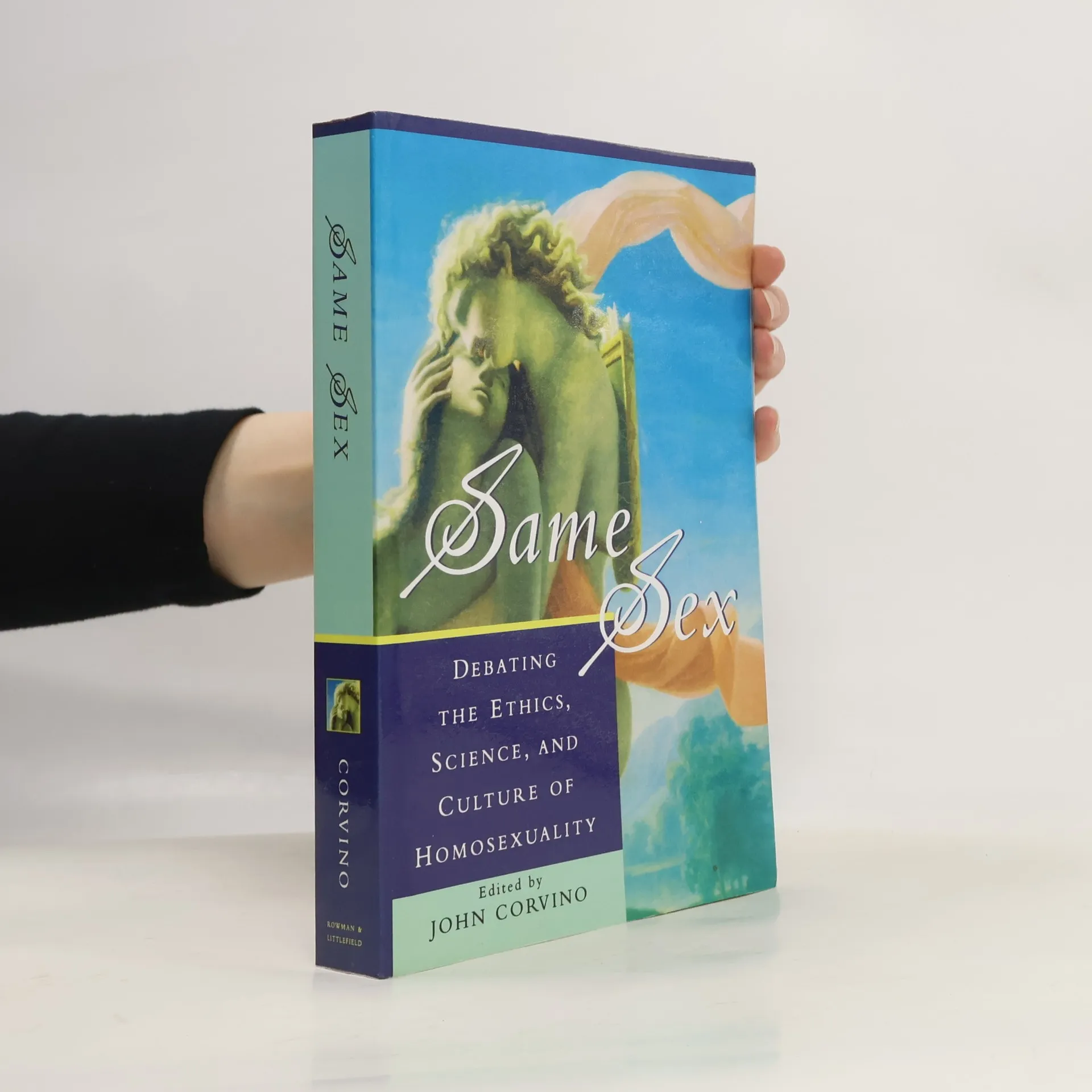
Studies in Social, Political, and Legal Philosophy: Same Sex
Debating the Ethics, Science, and Culture of Homosexuality
- 422 Seiten
- 15 Lesestunden
...attempts to substitute reason and scholarship for diatribe.―The Washington Post Are gay rights equal rights or special rights? Is homosexuality immoral? While contributors to Same Sex, including the late John Boswell, David M. Halperin, and George Chauncey, often clash in opinion, they share a fundamental commintment to careful, rational discussion. Essential reading for anyone looking towards a better understanding of gays, lesbians, and the issues that surround them.
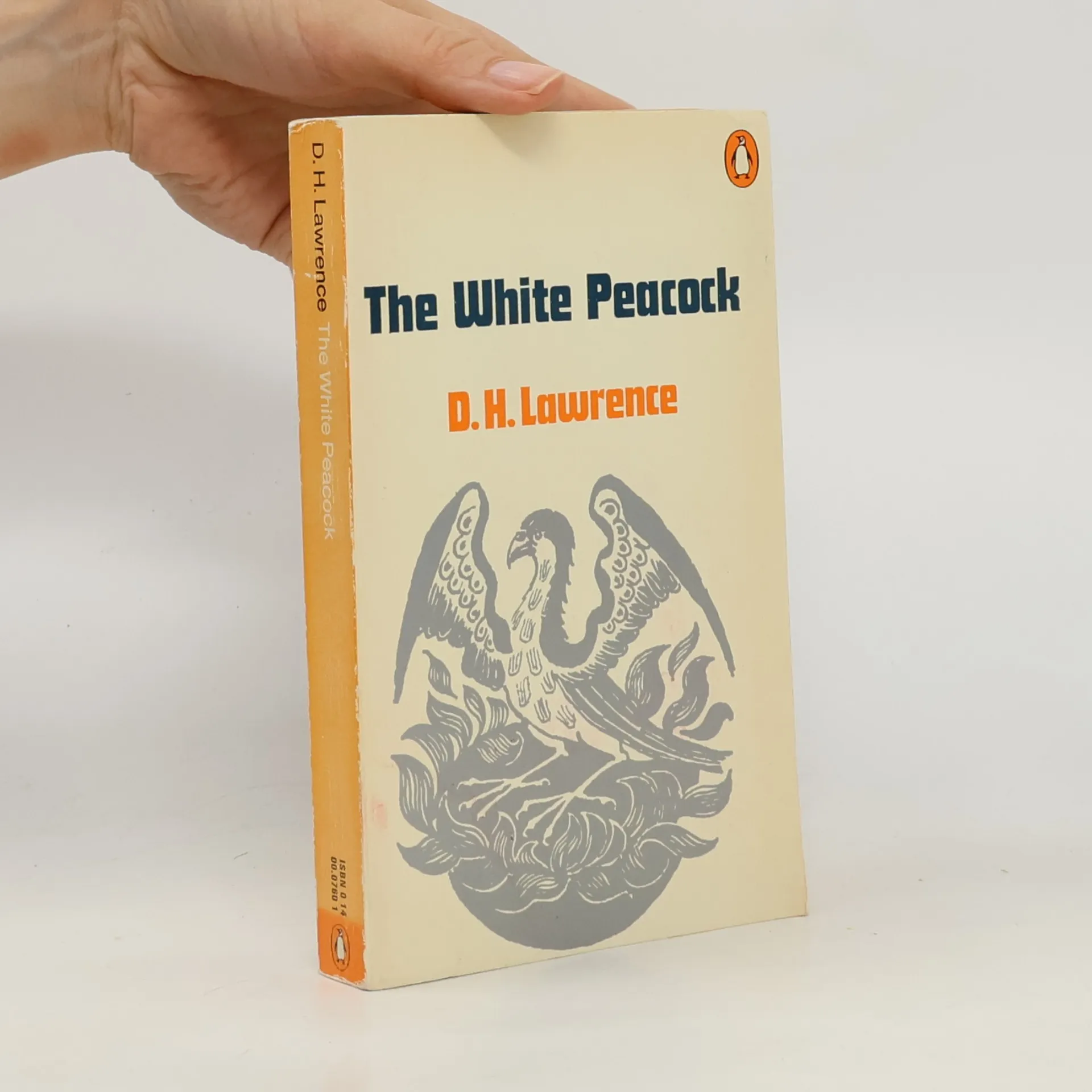
The White Peacock, narrated by Cyril Beardsall, explores the complexities of love and marriage in Nethermere. His sister Laetitia is torn between two suitors, George and Leslie, ultimately choosing Leslie. Both marriages lead to unhappiness, highlighting the themes of mismatched unions and the tension between urban and rural life.