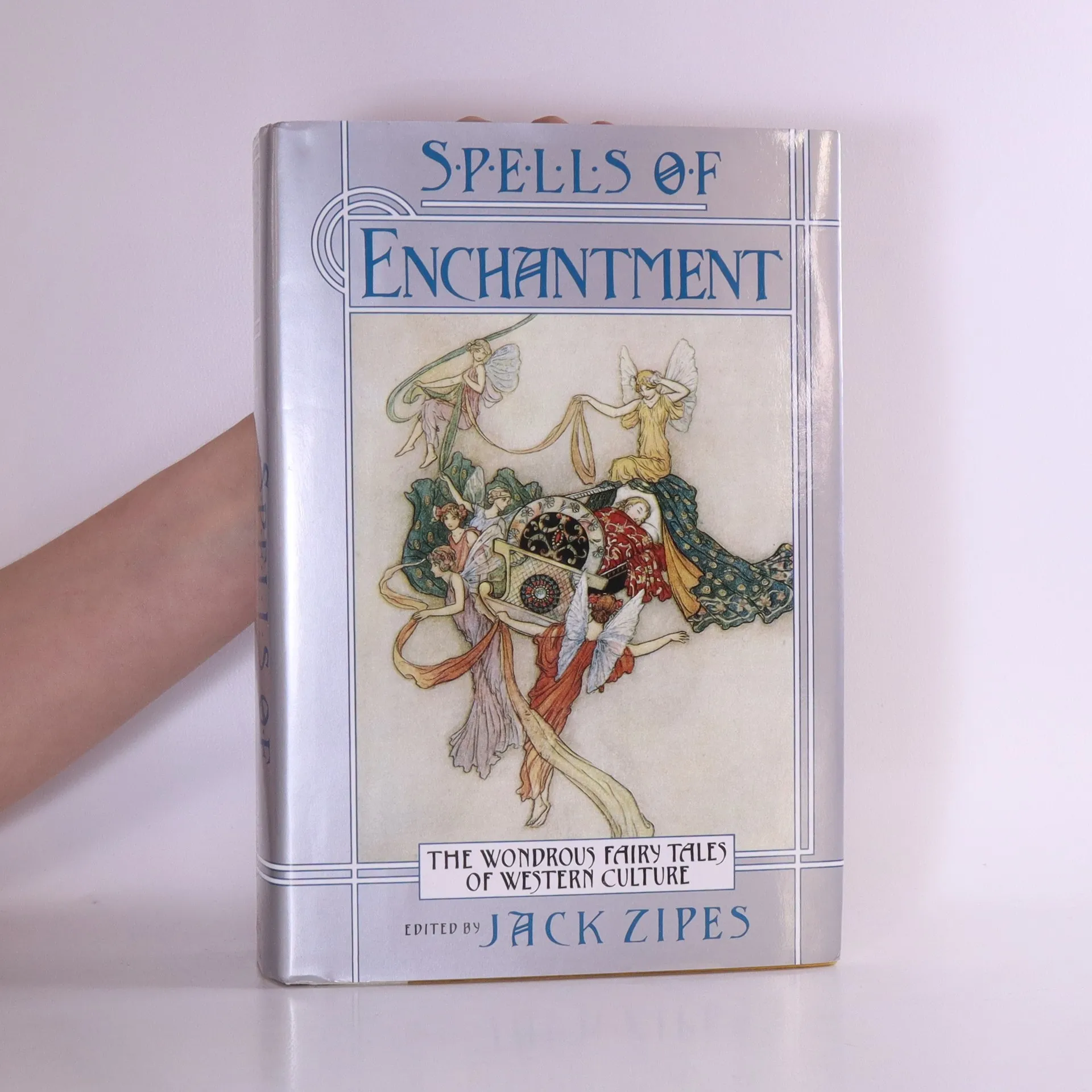
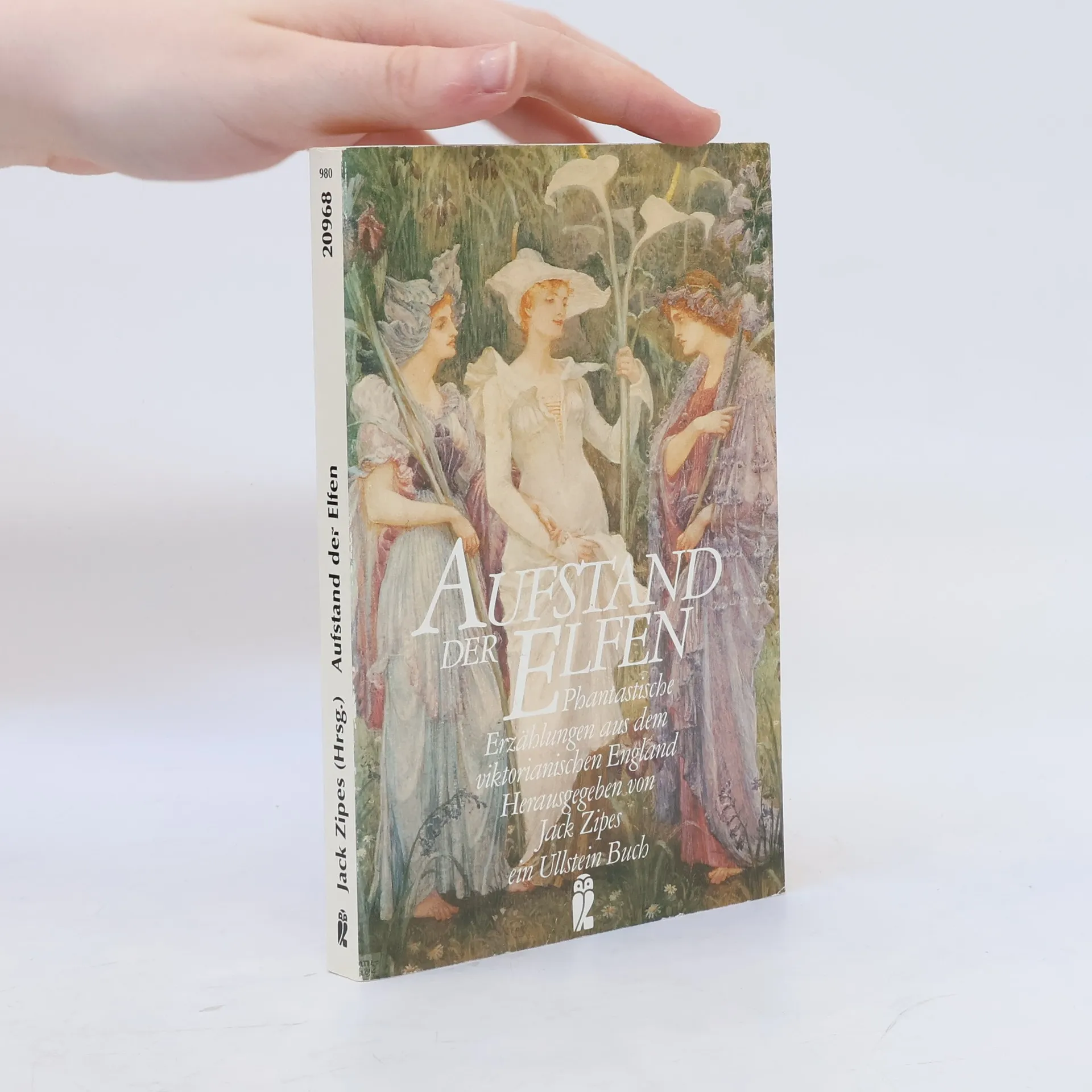
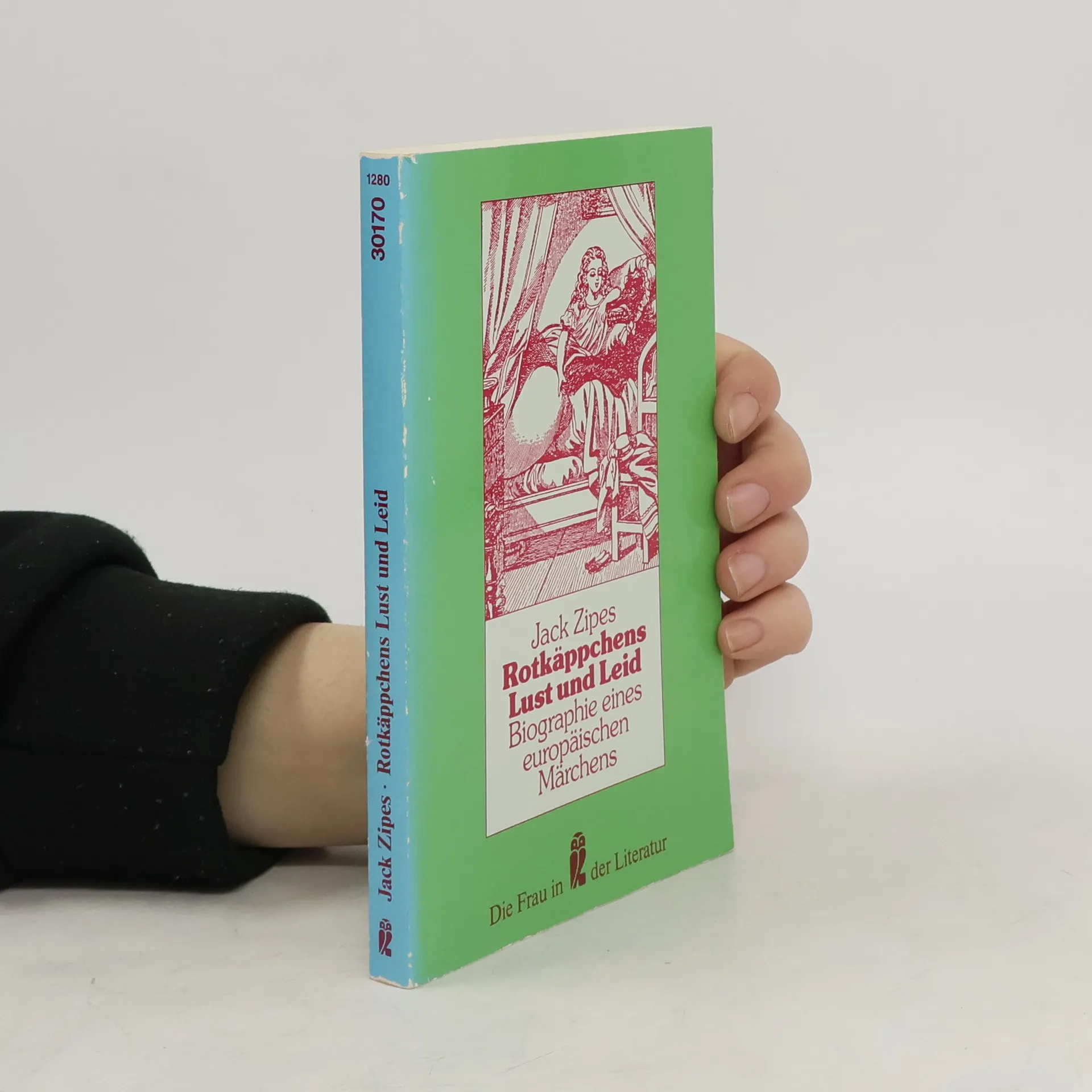
Jack David Zipes ist ein emeritierter Professor für deutsche Literatur, der sich intensiv mit der Welt der Märchen beschäftigt. Seine Arbeit konzentriert sich auf deren sprachliche Wurzeln und betont ihre wesentliche „Sozialisationsfunktion“. Zipes vertritt die Ansicht, dass Märchen nicht nur Ausgleich, sondern auch Enthüllung bieten, indem die besten unter ihnen die Kluft zwischen Wahrheit und Lüge in unserer Gesellschaft aufzeigen. Dabei stützt er sich auf die neomarxistische kritische Theorie der Frankfurter Schule. Seine Schriften zeichnen sich durch einen scharfen, oft geistreichen Zugang zur Analyse dieser zeitlosen Erzählungen aus.
Exploring the intersections of cultural narratives, this collection features Jack Zipes's essays on fairy tales, Jewish studies, and German philosophy. It delves into the complexities of identity and tradition within the context of folklore and poetry, offering a critical examination of how these elements shape cultural discourse. Zipes's work sheds light on the broader implications of these themes in understanding the Jewish and German questions in literature and society.

"In this capstone book, fairy tale expert Jack Zipes has assembled what he describes as his last theoretical and critical study of fairy tales. His purpose is to create a coherent collection that pays tribute to a group of writers that he views as 'survivors with a mission' whose tales inspire readers to this day. The book begins with a substantial introduction in which Zipes discusses the history of his interest in fairy tales and the motivation for his scholarship in the field. In a world filled with conflict, he writes, 'fairy tales can be used for enlightenment by all of us or abused by small groups of powerful people who seek domination.' The main text includes thirteen essays on notable authors of fairy tales--Édouard Laboulaye, Kurt Schwitters, Béla Bálazs, Christian Bärmann, Charles Godfrey Leland, Mariette Lydis, Ernst Bloch, Paul Vaillant-Couturier, Hermynia zur Mühlen, Lisa Teztner, Felix Salten, Emery Kelen, and Gianni Rodari--many of whom lived through revolutions and world wars or were otherwise compelled to confront political oppression during their lives. Zipes considers their cultural significance and their contributions to fairy tale literature, arguing that each deserves greater attention and appreciation. Some of the chapters have been adapted from previously published introductions Zipes wrote for the Oddly Modern Fairy Tales series, which he edits, and others are adapted from scholarly volumes that Zipes has published over his long career as a self-identified 'scholarly scavenger' of largely forgotten tales. Together, they create a portrait of the political stakes that have animated Zipes's lifelong fascination with the fairy tale, and explain why readers and writers alike continue to return to this narrative form"-- Provided by publisher
Exploring the life and philosophy of Ernst Bloch, this book offers a thorough introduction to his influential ideas. It delves into his notable three-volume work, highlighting Bloch's unique position and impact within philosophical discourse, particularly in the English-speaking context. The text examines his themes of hope, utopia, and the potential for social change, providing insights into his contributions to Marxist thought and existentialism.
This book is a collection of traditional German fairy tales and fables, deliberately transformed into utopian narratives and social commentary by political activists in the Weimar Republic (1919-1933). Against a backdrop of financial and political instability, widespread homelessness, and the reformation of public institutions, numerous gifted writers such as Berta Lask, Kurt Schwitters, Hermynia zur Mühlen, Oskar Maria Graf, Bruno Schönlank, and Joachim Ringelnatz responded to the need for hope among the common people by creating fairy tales and fables that offered a new and critical vision of social conditions. Though many of their tales deal with the grim situation of common people and their apparent helplessness, they are founded on the principle of hope. This revised edition includes over 50 illustrations by contemporary international artists who reveal how similar the Weimar conditions were to the conditions in which we presently live. In this respect, the Weimar fairy talesand fables have not lost their spirit and significance.
A pictorial history of fairy-tale postcards from the late 19th century to the
present, this volume presents a fascinating look at how key scenes of fairy
tales have been rendered over time, suggesting a rethinking and reliving of
the tales through the years. Full color. 12 x 12.
Jack Zipes has always been a kind of sorcerer himself, skilled in discovering,
transforming, translating, and understanding the old tales of magic that
appear in different but similar forms all over the world. This is a wonderful
collection. - Alison Lurie, author of Don't Tell the Grown-Ups: The Subversive
Power of Children's Literature
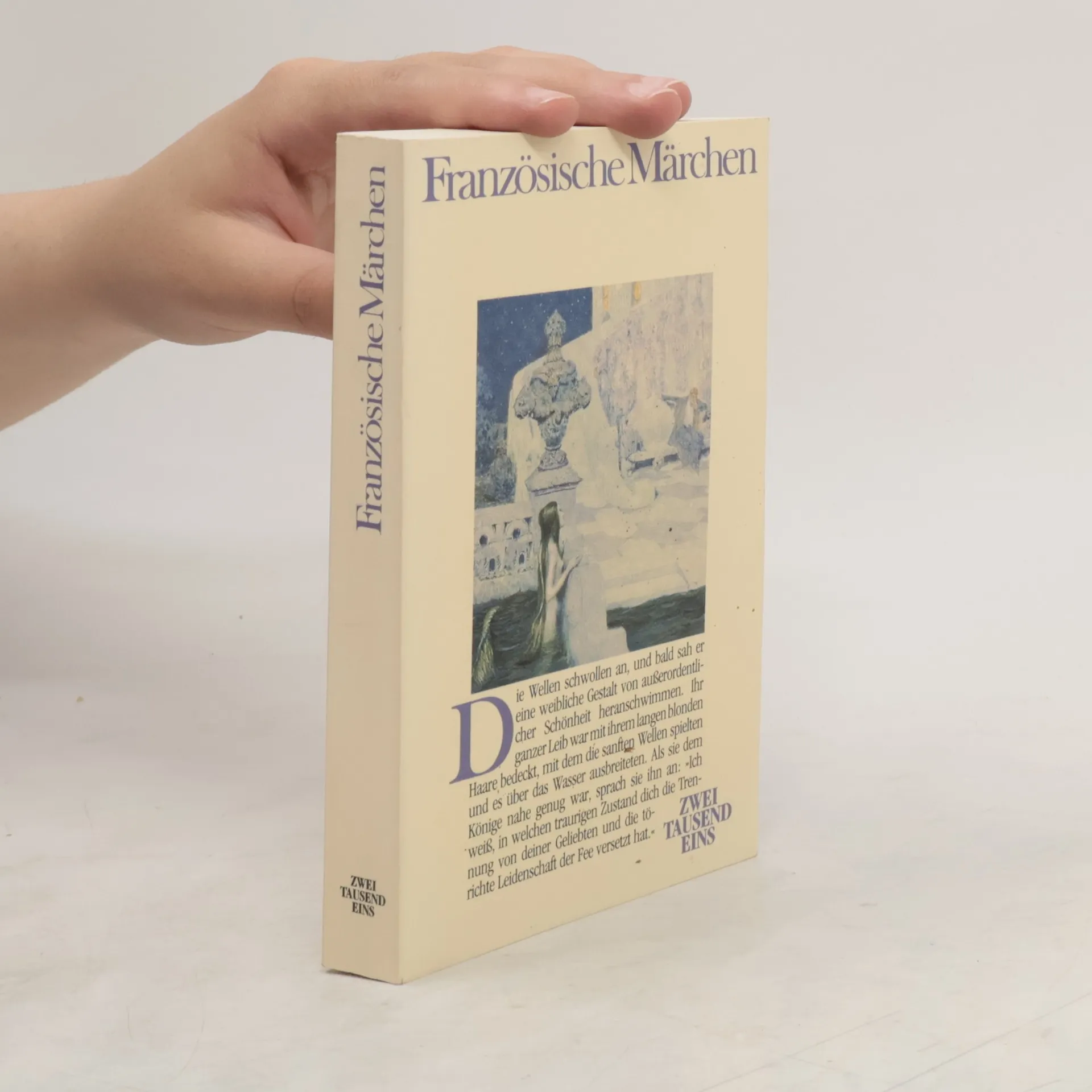
Die schönsten französischen Märchen des 17. und 18. Jahrhunderts sind in diesem Band versammelt. Den Auftakt bilden Charles Perraults berühmte Märchen des Gänsemütterchens , die später auch von den Brüdern Grimm adaptiert wurden. Es folgen Ritter- und Abenteuermärchen, in denen gute und böse Feen das Geschick der Menschen bestimmen. Diese - meist von Damen der aristokratischen Salons verfasst - unterhielten und entzückten das höfische Publikum. Und natürlich darf auch das bekannteste Märchen hier nicht fehlen: Jeanne-Marie Le Prince de Beaumonts Die Schöne und das Tier , das seit mehr als drei Jahrhunderten die Herzen rührt und mehrfach verfilmt und vertont wurde.
Makes available in English all 156 stories from the 1812 and 1815 editions of Jacob and Wilhelm Grimms' Children's and household tales. Zipes offers accessible translations that retain the spare description and storytelling style of the originals, reflecting the diverse voices, rooted in oral traditions, that are absent from the Grimms' later, more embellished collections of tales. From 'The Frog King' to 'The Golden Key, ' wondrous worlds unfold--heroes and heroines are rewarded, weaker animals triumph over the strong, and simple bumpkins prove themselves not so simple after all. --From publisher description
When Jacob and Wilhelm Grimm published their Children's and Household Tales in 1812 and 1815, they could not have anticipated that stories like “Rapunzel,” “Hansel and Gretel,” and “Cinderella” would become globally celebrated. However, many tales from these early volumes remain unfamiliar today, as the Grimms released six revised editions over the next four decades. This collection makes available in English all 156 stories from the original editions for the first time. Newly translated and beautifully illustrated by award-winning artist Andrea Dezsö, these tales—from “The Frog King” to “The Golden Key”—unfold wondrous worlds where heroes and heroines are rewarded, weaker animals triumph, and simple characters reveal hidden depths. Esteemed fairy tale scholar Jack Zipes provides accessible translations that preserve the engaging storytelling style of the originals, showcasing the diverse voices rooted in oral traditions that later editions lack. Zipes's introduction offers essential historical context, and the book includes the Grimms' prefaces and notes. This collection presents these timeless stories to a new generation of readers, making it a delightful read for all.
Contemporary Feminist Fairy Tales in North America and England
284 Seiten
10 Lesestunden
Originally published in 1987, this book offers insights and analysis on its subject matter, reflecting the academic rigor and publishing standards of Routledge, a respected imprint of Taylor & Francis. The work contributes to the broader discourse in its field, providing valuable perspectives that remain relevant to contemporary discussions.