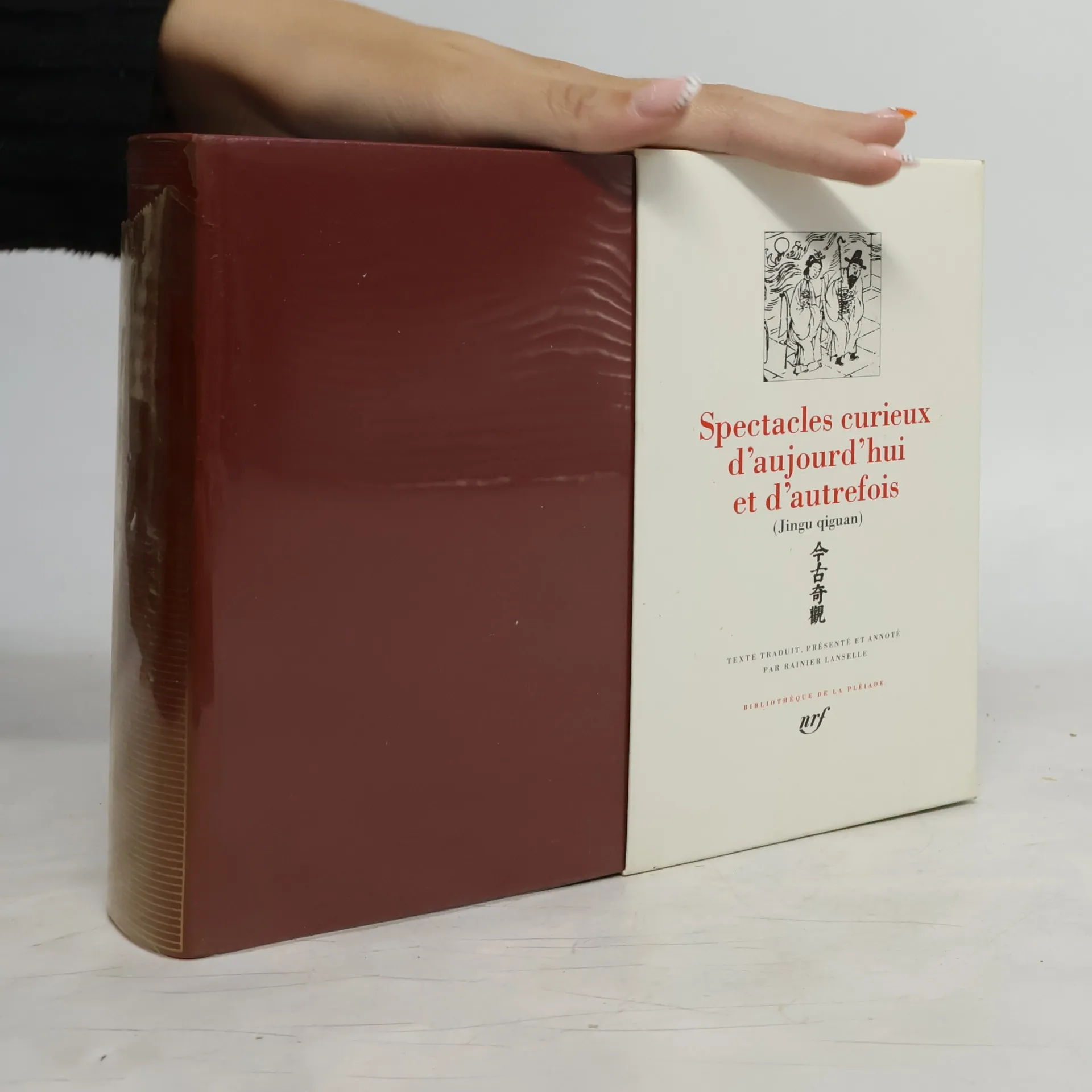
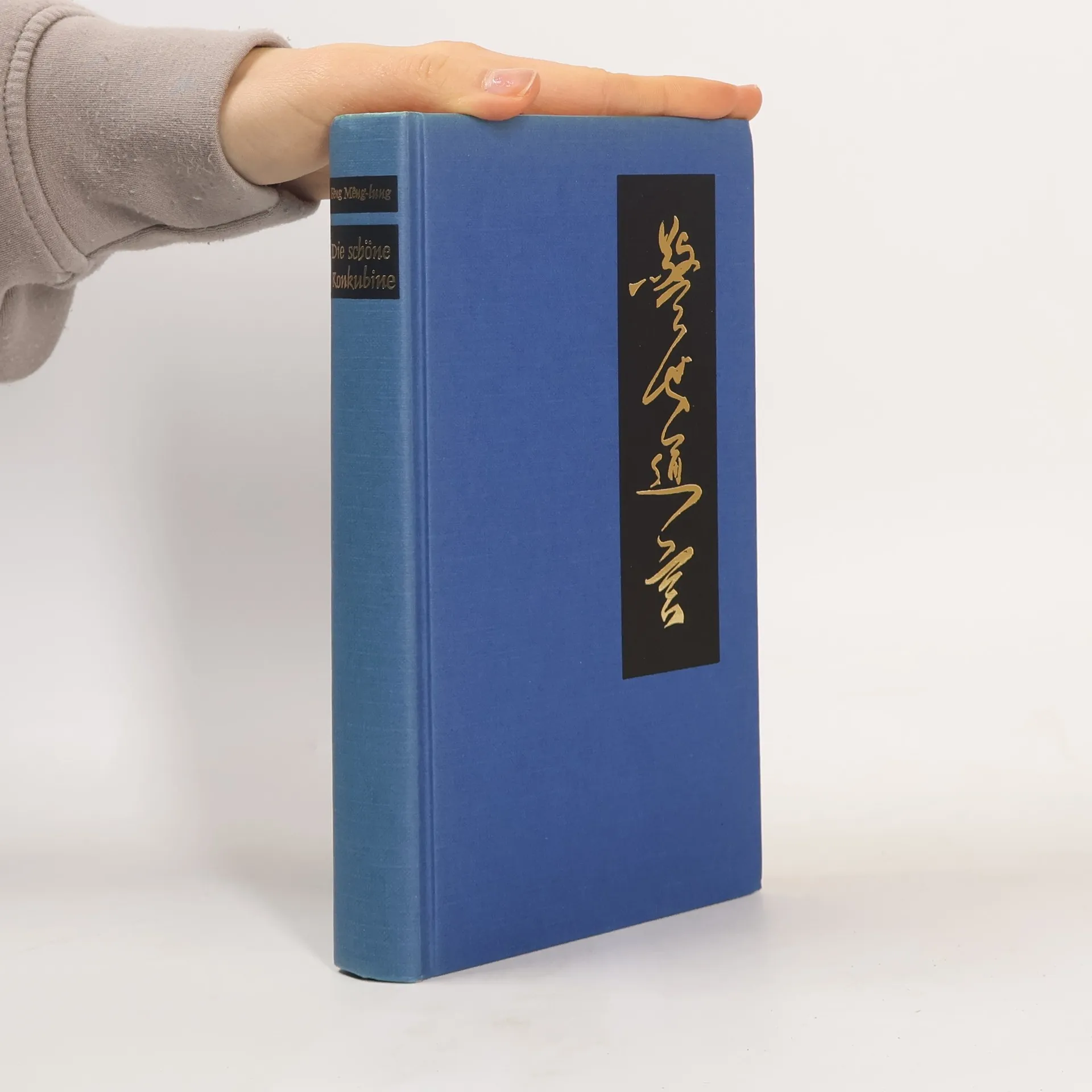
Die schöne Konkubine
Und andere chinesische Liebesgeschichten aus der Ming-Zeit


Feng Menglong war ein chinesischer Autor, der für seine volkstümlichen Erzählungen und Gedichte in der späten Ming-Dynastie bekannt wurde. Seine literarischen Werke befassten sich oft mit menschlichen Gefühlen und Verhaltensweisen, inspiriert von seinen eigenen Lebenserfahrungen, einschließlich einer verlorenen Liebe. Er zeichnete sich durch die Darstellung starker und intelligenter weiblicher Charaktere aus, die sich von den damaligen Konventionen abhoben und die Bedeutung der Frau in der Gesellschaft betonten. Durch seine Geschichten drückte Feng Menglong auch seine Unzufriedenheit mit der gesellschaftlichen Korruption und seine Sehnsucht nach Gerechtigkeit aus, wobei er stets eine klare moralische Grenze zwischen Gut und Böse zog.

Und andere chinesische Liebesgeschichten aus der Ming-Zeit
"Kingdoms in Peril is an epic historical novel covering the five hundred and fifty years of the Eastern Zhou dynasty, from the civil wars and invasions that marked the birth of a new regime in 771 BCE to the unification of China in 221 BCE. Kingdoms in Peril was written in the 1640s, at the very end of the Ming dynasty, by the great novelist Feng Menglong (1574-1646). In the course of the one hundred and eight chapters of the complete novel, he documents the collapse of the Zhou confederacy during the Spring and Autumn period (771-475 BCE) and the slow rebuilding of civil society during the Warring States era (475-221 BCE) which culminated in the unification of China under the First Emperor of the Qin dynasty (r. 246-221 BCE as king; r. 221-210 BCE as emperor). Thus overall this novel describes a grand arc, from stability to chaos and back again. As a novel about politics, much of the narrative in Kingdoms in Peril concentrates on the exercise of power"--
"Kingdoms in Peril is an epic historical novel covering the five hundred and fifty years of the Eastern Zhou dynasty, from the civil wars and invasions that marked the birth of a new regime in 771 BCE to the unification of China in 221 BCE. Kingdoms in Peril was written in the 1640s, at the very end of the Ming dynasty, by the great novelist Feng Menglong (1574-1646). In the course of the one hundred and eight chapters of the complete novel, he documents the collapse of the Zhou confederacy during the Spring and Autumn period (771-475 BCE) and the slow rebuilding of civil society during the Warring States era (475-221 BCE) which culminated in the unification of China under the First Emperor of the Qin dynasty (r. 246-221 BCE as king; r. 221-210 BCE as emperor). Thus overall this novel describes a grand arc, from stability to chaos and back again. As a novel about politics, much of the narrative in Kingdoms in Peril concentrates on the exercise of power"--
"Kingdoms in Peril is an epic historical novel covering the five hundred and fifty years of the Eastern Zhou dynasty, from the civil wars and invasions that marked the birth of a new regime in 771 BCE to the unification of China in 221 BCE. Kingdoms in Peril was written in the 1640s, at the very end of the Ming dynasty, by the great novelist Feng Menglong (1574-1646). In the course of the one hundred and eight chapters of the complete novel, he documents the collapse of the Zhou confederacy during the Spring and Autumn period (771-475 BCE) and the slow rebuilding of civil society during the Warring States era (475-221 BCE) which culminated in the unification of China under the First Emperor of the Qin dynasty (r. 246-221 BCE as king; r. 221-210 BCE as emperor). Thus overall this novel describes a grand arc, from stability to chaos and back again. As a novel about politics, much of the narrative in Kingdoms in Peril concentrates on the exercise of power."--
"Kingdoms in Peril is an epic historical novel covering the five hundred and fifty years of the Eastern Zhou dynasty, from the civil wars and invasions that marked the birth of a new regime in 771 BCE to the unification of China in 221 BCE. Kingdoms in Peril was written in the 1640s, at the very end of the Ming dynasty, by the great novelist Feng Menglong (1574-1646). In the course of the one hundred and eight chapters of the complete novel, he documents the collapse of the Zhou confederacy during the Spring and Autumn period (771-475 BCE) and the slow rebuilding of civil society during the Warring States era (475-221 BCE) which culminated in the unification of China under the First Emperor of the Qin dynasty (r. 246-221 BCE as king; r. 221-210 BCE as emperor). Thus overall this novel describes a grand arc, from stability to chaos and back again. As a novel about politics, much of the narrative in Kingdoms in Peril concentrates on the exercise of power."--