



Bookbot

Amy Chua

    26. Oktober 1962

    Amy Chua konzentriert sich auf die komplexen Schnittstellen von Kultur, Ethik und globalem Handel. Ihre Arbeit hinterfragt, wie kulturelle Identitäten und Traditionen internationale Geschäftspraktiken und ethische Standards prägen. Chua analysiert die Dynamik von Machtverhältnissen und ethnischen Konflikten im Kontext der Globalisierung. Ihr literarischer Stil zeichnet sich durch Scharfsinn und die Fähigkeit aus, verborgene Motivationen in der globalen Wirtschaft aufzudecken.

    Amy Chua
    Day of Empire
    Political Tribes
    Das letzte Geständnis. Kriminalroman
    Die Mutter des Erfolgs
    Die Welt in Flammen
    Alle Menschen sind gleich - erfolgreiche nicht
    • Mit diesem Buch erhalten Sie das E-Book inklusive! Warum sind Einwanderer aus China und dem Iran Gewinnertypen und die aus anderen Nationen oft nicht? »Tigermutter« Amy Chua und ihr Mann Jed Rubenfeld haben eine überraschende Antwort. Erfolg hat, wer drei Dinge mit auf den Weg bekommt: das Gefühl kollektiver Überlegenheit, gepaart mit einer tiefen Unsicherheit gegenüber der neuen Gesellschaft und nicht zuletzt einer guten Portion Selbstdisziplin. Das Gute: Das Erfolgsprinzip ist kulturell geprägt, aber dennoch übertragbar und kann uns auch hierzulande eine Lehre sein. Vorausgesetzt, wir haben den nötigen Biss!

      Alle Menschen sind gleich - erfolgreiche nicht
      3,0
    • Die Welt in Flammen

      Wie Demokratie zu Rassismus und Unterdrückung führen kann

      Wenn Schwellenländer oder Dritte-Welt-Staaten Demokratie und eine freie Marktwirtschaft einführen, gehen die meisten davon aus, dass dies einen großen Fortschritt für das jeweilige Land darstellt. So schauen auch wir mit Wohlwollen auf die Entwicklungen in Nordafrika und im Nahen Osten. Doch führt die vom Westen immer wieder betonte Formel »Demokratie und Marktwirtschaft für alle« wirklich zu einer gerechteren Welt? Amy Chua, »Tigermutter« und Yale-Professorin, belegt, warum Demokratisierung und Marktwirtschaft ganz im Gegenteil sogar Hass und ethnische Verfolgung von Minderheiten schürten. Sie zeigt, dass Ethnien, die einst die Wirtschaft dominierten, durch die Veränderungen im Zentrum von Verfolgung und Konflikten stehen: Chinesen in Südostasien, die »Weißen« in Lateinamerika, Südafrika und Simbabwe, die jüdischen Oligarchen in Russland oder auch die Inder in Ostafrika. Chua zeigt die zerstörerische Schattenseite der Globalisierung auf, die viele nicht wahrhaben wollen: Vom Hass auf die USA und Europa bis hin zu den katastrophalen Konsequenzen für die Regionen selbst.

      Die Welt in Flammen
      3,8
    • Die Mutter des Erfolgs

      • 262 Seiten
      • 10 Lesestunden

      Amy Chua ist Juraprofessorin in Yale und zweifache Mutter. Ihre Kinder will sie zum Erfolg erziehen - mit allen Mitteln. Und gemäß den Regeln ihrer Wurzeln in China ist Erfolg nur mit härtester Arbeit zu erreichen. Sie beschließt, dass ihre Töchter als Musikerinnen Karriere machen sollen. Nun wird deren Kindheit zur Tortur. Wo eine Eins minus als schlechte Note gilt, muss Lernen anders vermittelt werden als in unserer westlichen Pädagogik. In ihrem Erlebnisbericht erzählt die Autorin fesselnd, witzig und mit kluger Offenheit von einem gnadenlosen Kampf, der ihr und ihren Töchtern alles abverlangte: ein packendes und hochkomisches Buch über Familie und Erziehung, über Leistungsdruck und über den Willen, unbedingt zu siegen.

      Die Mutter des Erfolgs
      3,7
    • Im Jahr 1944 wird Detective Al Sullivan nach einem Mord im Claremont Hotel zurückgerufen. Der Präsidentschaftskandidat Walter Wilkinson wurde erschossen. Al untersucht zahlreiche Verdächtige, darunter eine Affäre und mysteriöse Erbinnen, und stößt auf ein Netz aus Geheimnissen und Intrigen.

      Das letzte Geständnis. Kriminalroman
    • Political Tribes

      Group Instinct and the Fate of Nations

      • 304 Seiten
      • 11 Lesestunden

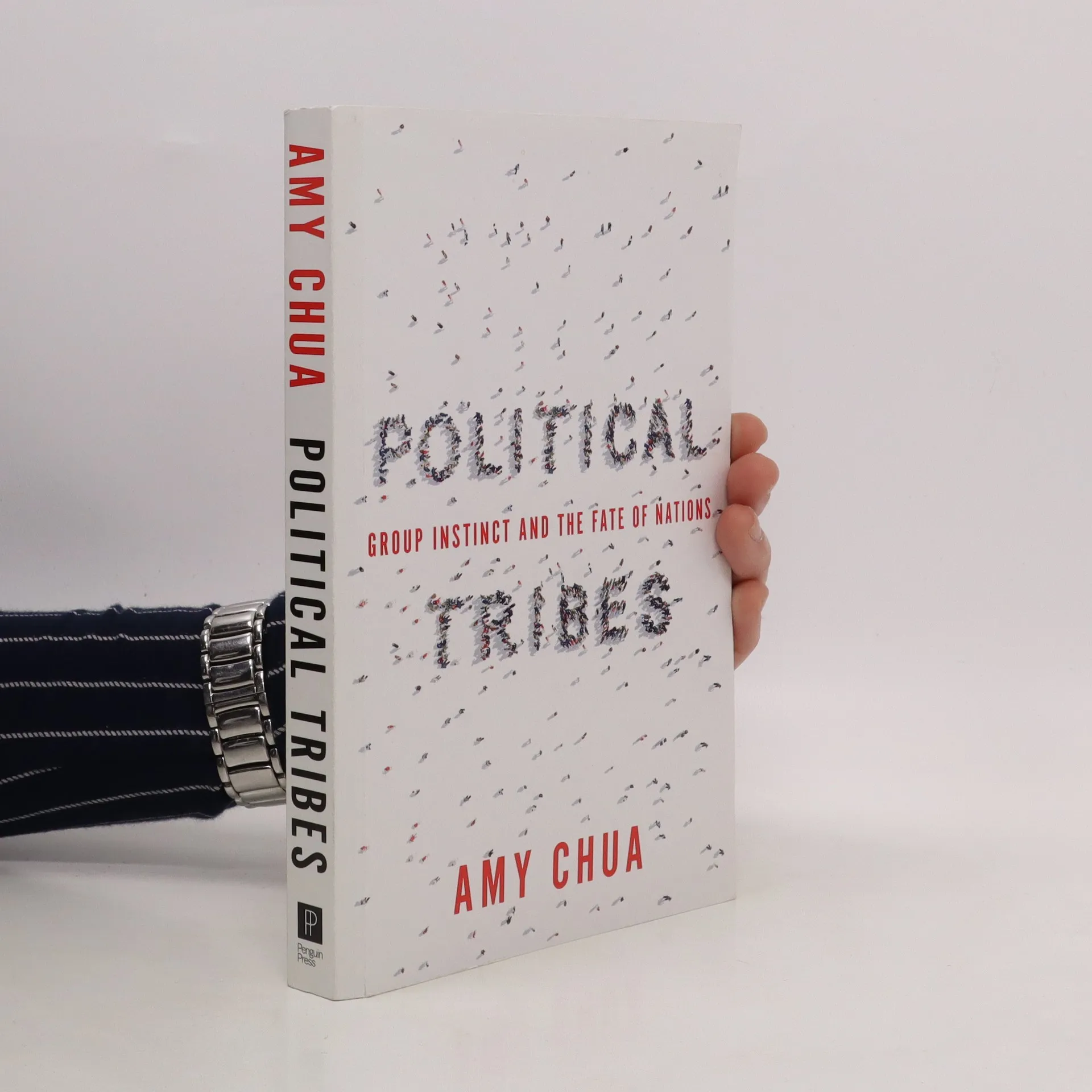
      The bestselling author and Yale Law School Professor Amy Chua presents a compelling argument for addressing America's foreign policy failures and the destructive political tribalism at home. Humans inherently seek group belonging, often aligning with ethnic, religious, or clan identities. However, the American perspective tends to oversimplify global dynamics into nation-state conflicts, leading to a significant misunderstanding of tribal politics. This misapprehension has repeatedly undermined U.S. foreign policy, as seen in the Vietnam War, where Cold War ideologies obscured the ethnic complexities of the conflict, and in Iraq, where the deep-seated Sunni-Shia animosities were overlooked. To improve foreign policy and avoid unwinnable wars, the U.S. must recognize the influence of tribalism abroad. Domestically, political elites have similarly ignored the group identities that resonate with ordinary Americans, contributing to national division. The rise of Donald Trump exemplifies how identity politics have become dangerously polarized across the political spectrum, fostering a sense of collective persecution among various groups. This has led to radical rhetoric on the left and a rise in xenophobia on the right. Chua argues for a renewed national identity that transcends political tribes, advocating for a unity that acknowledges group differences while addressing the inequities that divide society.

      Political Tribes
      4,2
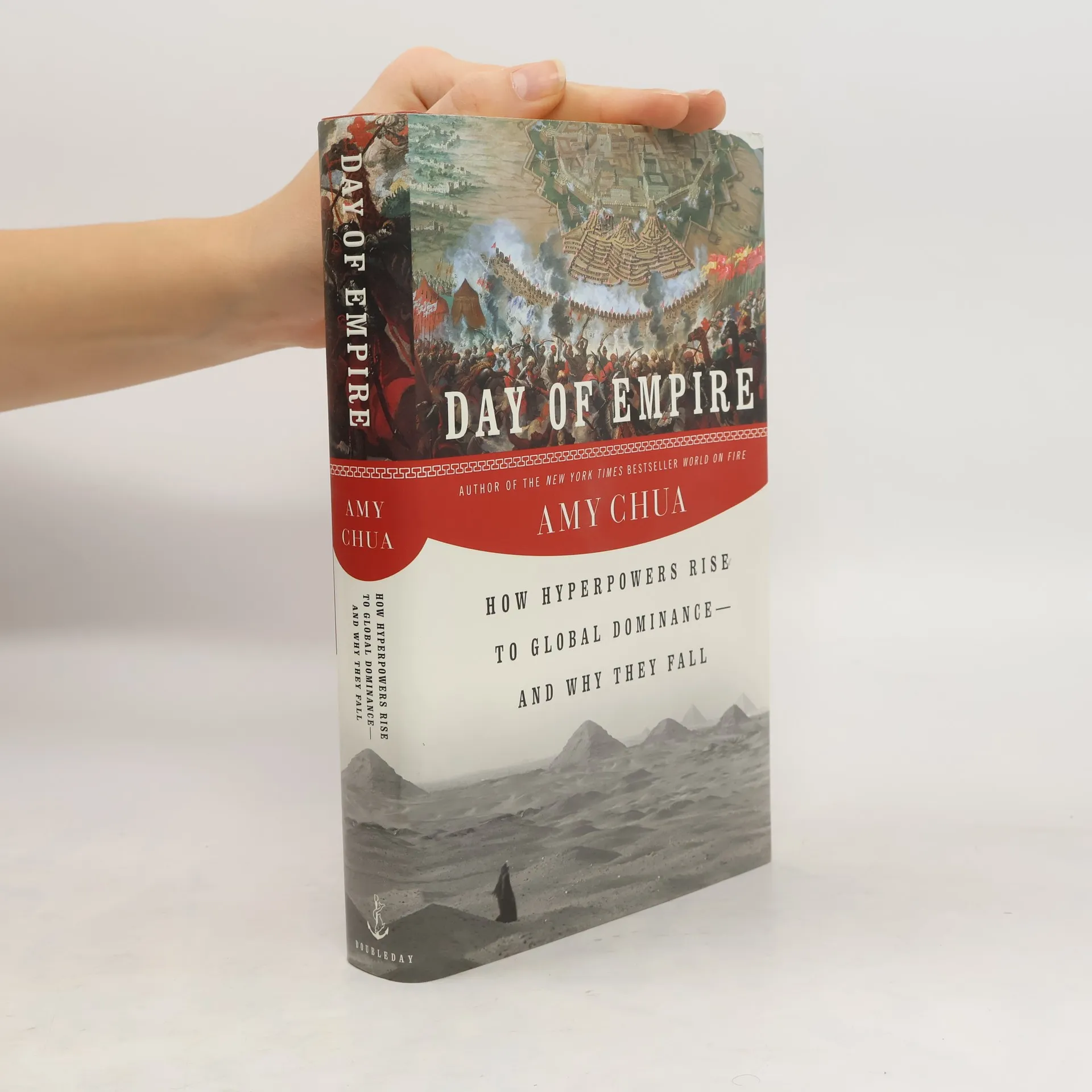
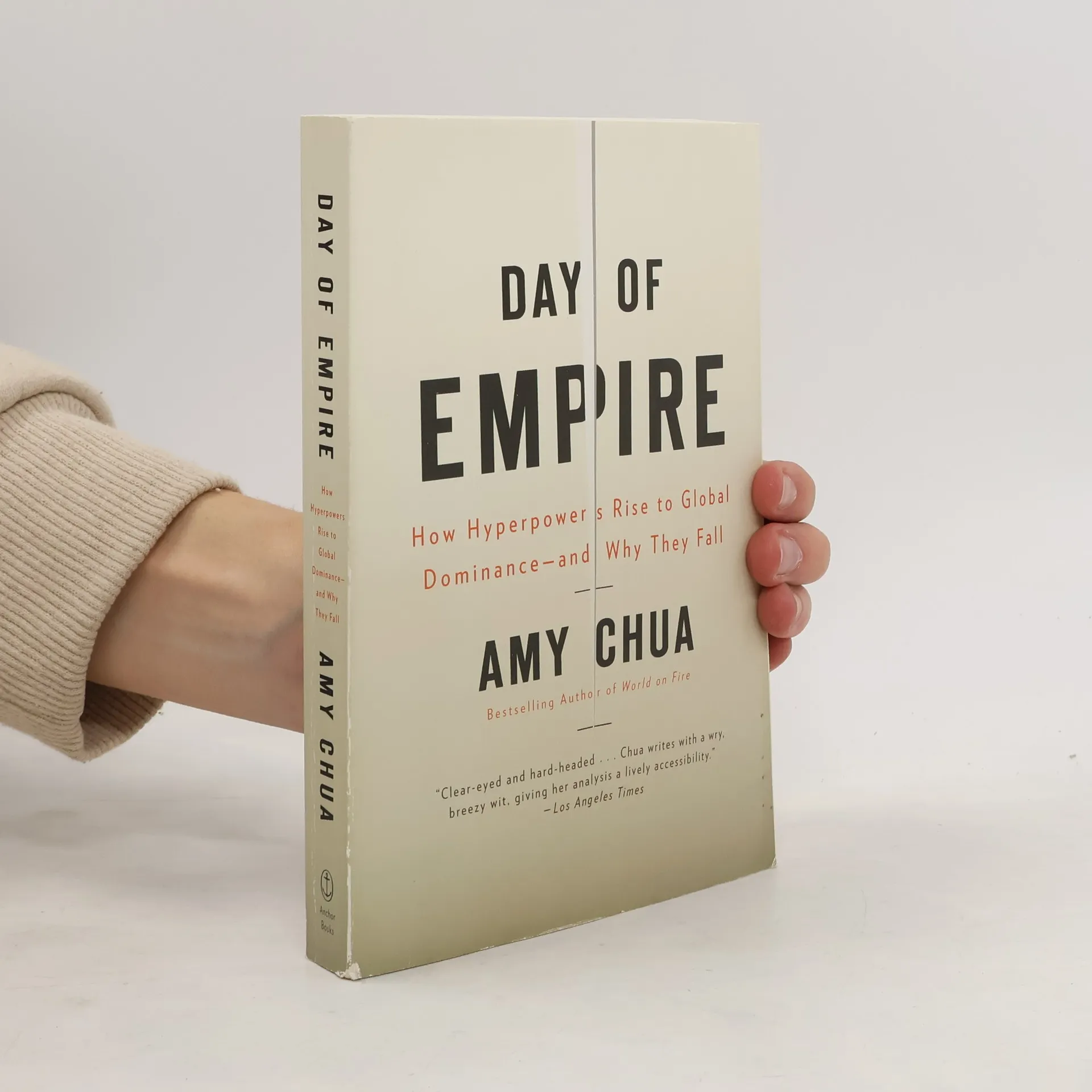
    • In this sweeping history, bestselling author Amy Chua explains how globally dominant empires—or hyperpowers—rise and why they fall. In a series of brilliant chapter-length studies, she examines the most powerful cultures in history—from the ancient empires of Persia and China to the recent global empires of England and the United States—and reveals the reasons behind their success, as well as the roots of their ultimate demise. Chua's analysis uncovers a fascinating historical pattern: while policies of tolerance and assimilation toward conquered peoples are essential for an empire to succeed, the multicultural society that results introduces new tensions and instabilities, threatening to pull the empire apart from within. What this means for the United States' uncertain future is the subject of Chua's provocative and surprising conclusion.

      Day of Empire
      3,8
    • A study of history's great hyperpowers--Persia, Rome, China, the Mongols, the Dutch, the British, and the United States--traces the reasons for their success and the roots of their ultimate fall, examining why multiculturalism and diversity became a liability as they triggered hatred, intolerance, conflict, and violence as she looks at the state of the American empire. 60,000 first printing.

      Day of Empire. How Hyperpowers Rise to Global Dominance - and Why They Fall
      3,8
    • Berkeley, California 1944: A former presidential candidate is assassinated in one of the rooms at the opulent Claremont Hotel. A rich industrialist, Walter Wilkinson could have been targeted by any number of adversaries. But Detective Al Sullivan's investigation brings up the spectre of another tragedy at the Claremont ten years earlier: the death of seven-year-old Iris Stafford, a member of the wealthy and influential Bainbridge family. Some say she haunts the Claremont still. The many threads of the case keep leading Sullivan back to the three remaining Bainbridge heiresses, now adults: Iris's sister, Isabella, and her cousins Cassie and Nicole. Determined not to let anything distract him from the truth - not the powerful influence of Bainbridges' grandmother, or the political aspirations of Berkeley's district attorney, or the interest of Chinese first lady Madame Chiang Kai-Shek - Sullivan follows his investigation to its devastating conclusion. Chua's page-turning debut brings to life a historical era rife with turbulent social forces and ground-breaking forensic advances, when access to power, and therefore justice, hinged on gender, race and class.[Bokinfo].

      The Golden Gate
    • A Picture History of Singapore

      A Resource Book for the National Education Programme - 3rd Edition

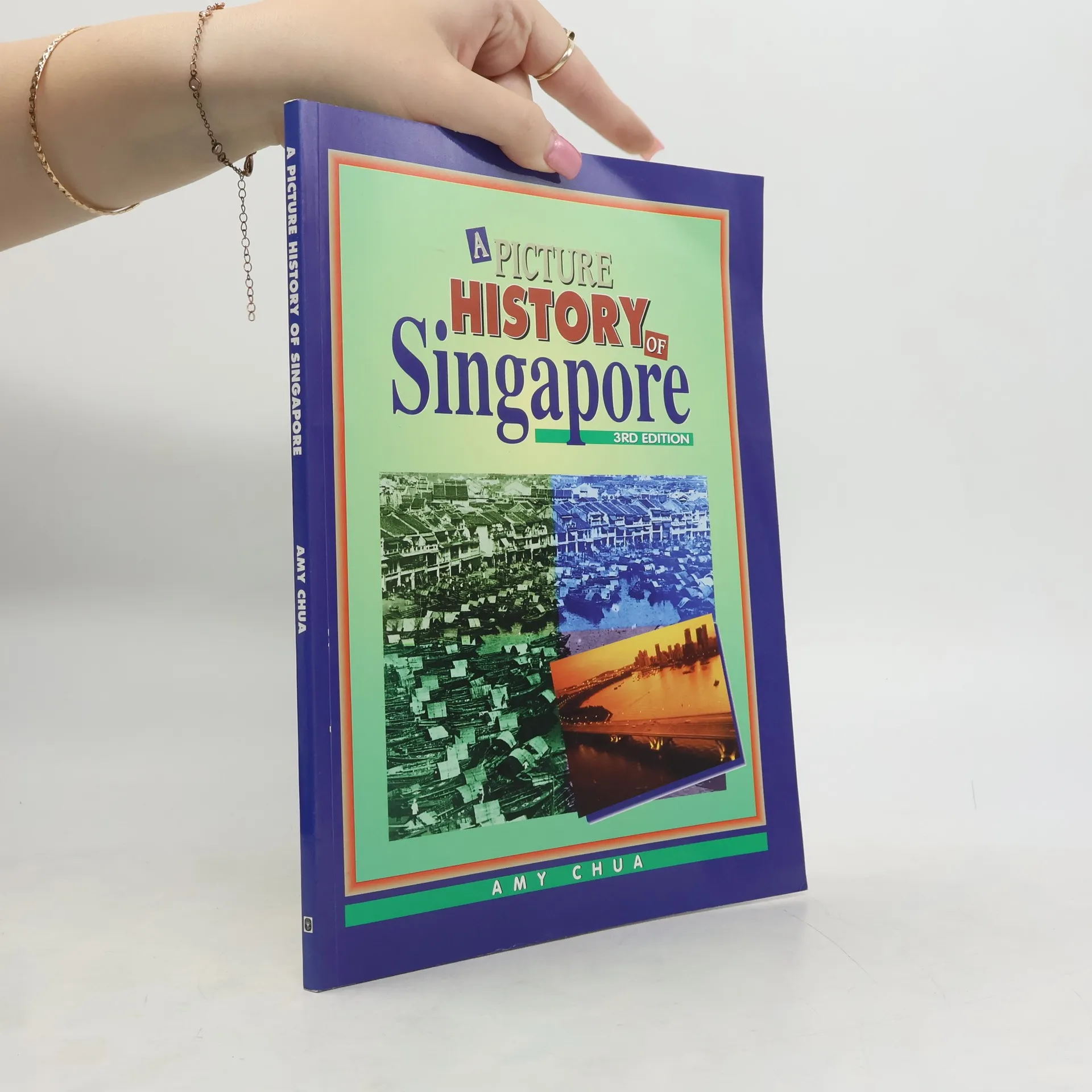
      Brief history of Singapore. 96 pages.

      A Picture History of Singapore