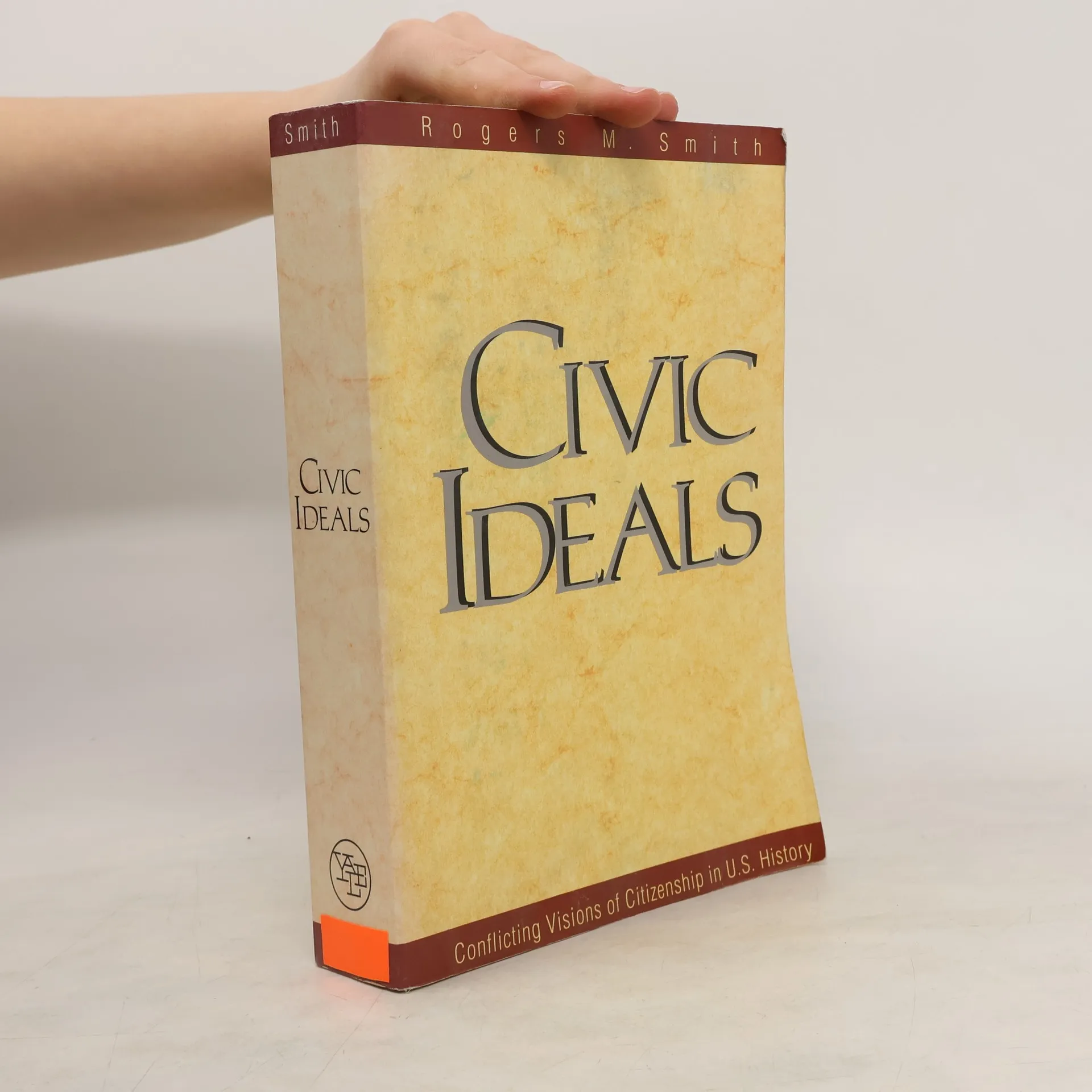
Is civic identity in the United States defined solely by liberal, democratic principles, or is it shaped by multiple traditions, including white supremacy, Anglo-Saxon supremacy, Protestant supremacy, and male supremacy? In this powerful and disturbing examination, the author traces the political struggles surrounding U.S. citizenship laws from the colonial era to the Progressive era, revealing that many adults were historically denied full citizenship and political rights based on race, ethnicity, or gender. These conflicts over citizenship have significantly influenced political development and civic membership in the U.S. Contrary to claims that nativist, racist, and sexist traditions are marginal or merely products of capitalism, the author argues that these ideologies have been central to American political and economic life. The narrative highlights how principles of democracy and liberty have often failed to create a sense of shared identity, leading many to view themselves as a "chosen people" or "master race." The author concludes that the U.S. is currently experiencing a backlash against egalitarian reforms, with nativist and racist beliefs resurging. Suggestions are made for how advocates of liberal democracy can effectively address these challenges.
Rogers M. Smith Reihenfolge der Bücher (Chronologisch)