

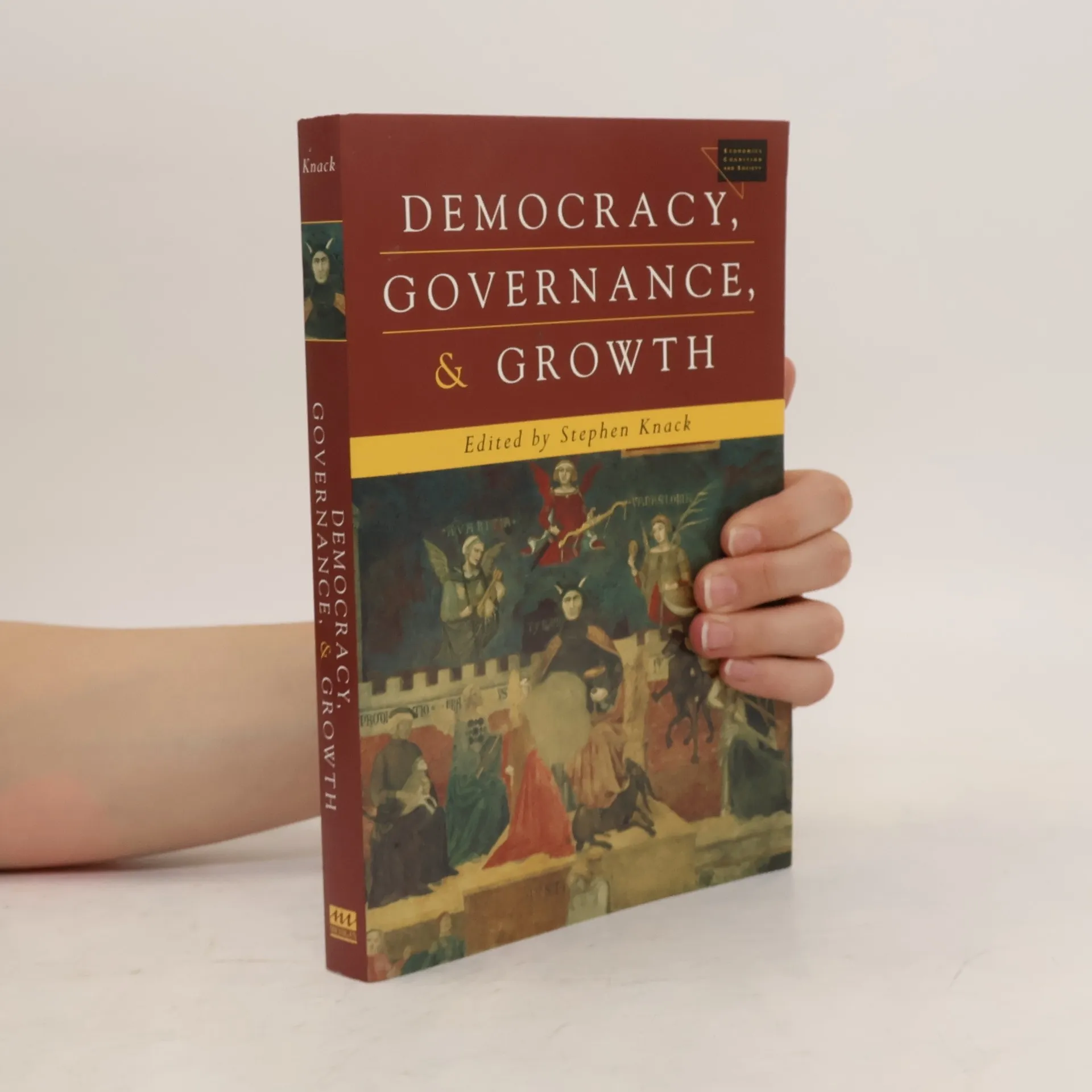
Economics, Cognition and Society: Democracy, Governance, and Growth
- 320 Seiten
- 12 Lesestunden
For decades, underdevelopment was attributed to capital deficits, exploitation by wealthy nations, and flawed economic policies. This volume presents evidence supporting a consensus among economists that successful economic development hinges on societal organization and governance. It posits that "good governance" is essential for sustained improvements in living standards. The distinction between developmental success and failure is less about natural resources, climate, aid, or policies from developed nations, and more about whether societal incentives encourage wealth creation or its diversion. The chapters, featuring seminal essays by Mancur Olson and colleagues from the IRIS Center, explore how differences in governance and societal organization significantly impact the incentives faced by politicians, bureaucrats, investors, and workers, ultimately influencing a nation's material well-being. This work applies concepts from "New Institutional Economics" to key issues in economic development, appealing to scholars and students across disciplines such as political science, law, sociology, and economics. It will also resonate with aid practitioners focused on anticorruption and public sector reform. Stephen Knack serves as Senior Research Economist at the World Bank's Development Research Group.