


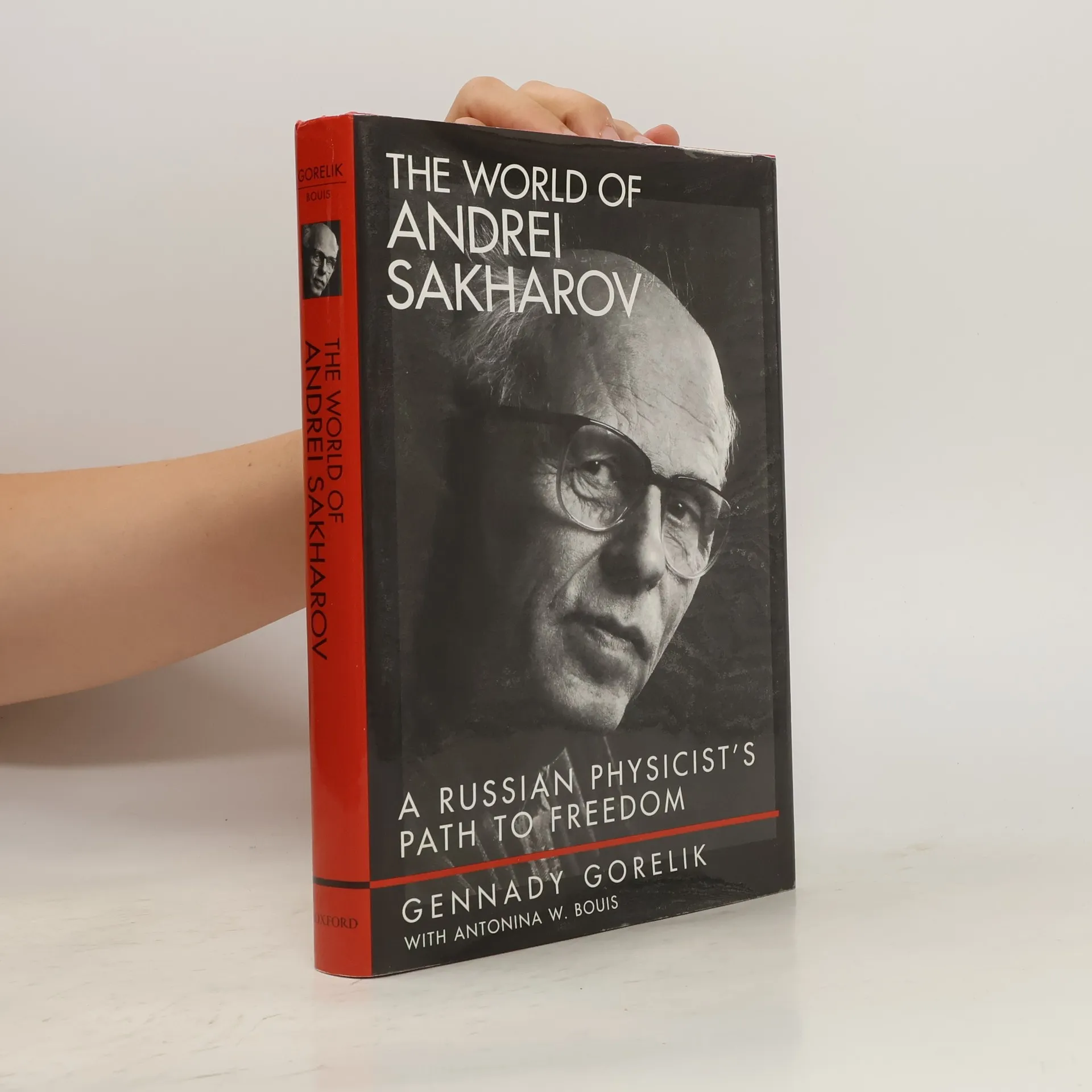
How did Andrei Sakharov, a theoretical physicist and the father of the Soviet hydrogen bomb, become a human rights activist and the first Russian Nobel Peace Prize laureate? In his later years, Sakharov described himself as "simply a man with an unusual fate." To explore this statement, the first authoritative study of Sakharov examines previously inaccessible documents, declassified archives, and personal accounts from friends and colleagues. Gennady Gorelik investigates whether Sakharov genuinely fathered the Soviet hydrogen bomb or if it was based on stolen American secrets. He concludes that, although espionage initiated the Soviet effort, the hydrogen bomb was invented independently. The study also delves into Sakharov's transformation into a public figure in 1968, marked by the distribution of his essay "Progress, Peaceful Coexistence, and Intellectual Freedom" in samizdat and its smuggling to the West. Declassified documents reveal that his metamorphosis stemmed from professional concerns about anti-ballistic missile defense. An insider's perspective on the Soviet regime led Sakharov to see that peace, progress, and human rights were interconnected. His vision included a hope for a future synthesis of scientific thought and religious perception.
Antonina W. Bouis Reihenfolge der Bücher


- 2005
- 1996
Dust and Ashes
- 473 Seiten
- 17 Lesestunden
The epic sequel to the best-selling Children of the Arbat follows the experiences of a Soviet tank commander in World War II as he fights his way from Siberia to Stalingrad and onward to Berlin.
- 1994
Вторая книга трилогии не случайно названа "Страх". Это, наверное, самая драматичная часть трилогии "Дети Арбата". По признанию Анатолия Рыбакова, в "Страхе" "использован ряд приведенных в письмах сведений, эпизодов, а иногда и судеб". Действие книги происходит в 1935 - 1937 годах. После убийства Кирова в Ленинграде власть очищает страну от сомнительных, неблагонадежных элементов и врагов народа. В январе 1935 года выходит "Постановление о терроре". Теперь следствие длится не более десяти дней, дела могут слушаться без участия сторон, смертельный приговор приводится в исполнение сразу после оглашения. Дело об "очистке" поставлено на конвейер. Страну охватывает ужас. Страх докатывается и до деревни Мозгова, где отбывает ссылку Панкратов. Тем не менее, жизнь в Москве продолжается: Варя заботится о Софье Александровне, матери Панкратова, рабочие строят метро, чиновники рапортуют Сталину о победах, летчики совершают перелет через Северный полюс в Америку, полярники "Челюскина" дрейфуют на льдине. Наступает 1937 год - апофеоз Страха. Люди отдаляются друг от друга и замыкаются в себе, рушатся человеческие судьбы. Страх делает людей палачами. Неизмеримая, нескончаемая цепь страха: от Сталина - вниз, к людям, находящимся у подножия власти. Саша Панкратов на несколько коротких часов нелегально попадает в столицу, а затем, следуя совету матери и разминувшись с Варей, уезжает в Калинин, постоянно ощущая за спиной дыхание чудовищной машины уничтожения.