


Bookbot

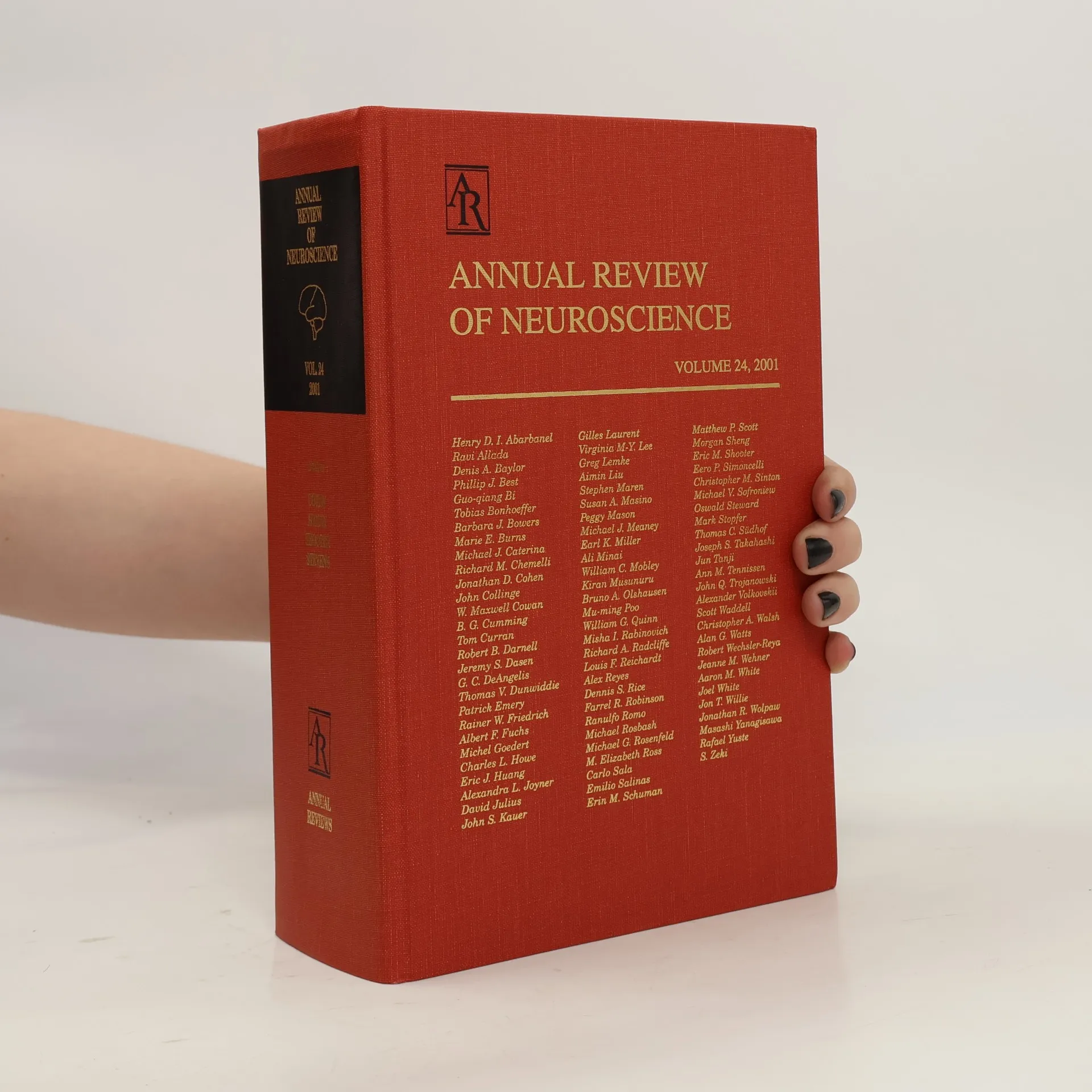
Alexandra L. Joyner

    Practical Approach Series: Gene Targeting
    Gene Targeting
    • Gene Targeting

      • 208 Seiten
      • 8 Lesestunden

      Gene targeting--the modification of genetic information within a living organism--is revolutionizing modern genetics. It offers new approaches to basic research and holds out the promise of eventual correction of defects in human cells. But what exactly is gene targeting? What is the history of this form of gene manipulation? How is it doe and what are its implications? Gene Targeting provides the nonspecialist with answers to these and related questions. It uses simple, direct language and extensive illustrations to provide a comprehensive review of homologous recombination and gene targeting techniques--the basic principles, methods, applications, and surrounding ethical issues. In the course of the discussion, the book also conveys a sense of the conceptual beauty of molecular biology and the real excitement of scientific discovery.

      Gene Targeting
    • Practical Approach Series: Gene Targeting

      A Practical Approach

      • 264 Seiten
      • 10 Lesestunden

      The book details the rationale behind designing gene targeting vectors, focusing on basic replacement vectors for null mutations and advanced two-step methods for subtle mutations. It covers the latest techniques for culturing and manipulating embryonic stem (ES) cells, as well as approaches for identifying rare targeted cell clones. The text discusses culturing and assaying mouse and human hematopoietic progenitors both in vitro and in vivo, and outlines the design and use of retrovirus vectors for gene introduction and expression in bone marrow cells. Two methods for creating ES cell chimeras are presented: the standard approach of injecting ES cells into blastocysts and morula injection, alongside techniques for making aggregation chimeras, particularly using tetraploid host embryos to generate entirely ES cell-derived embryos and mice. Critical steps for achieving germline chimeras are also examined. The book concludes with a discussion on the various applications of enhancer, gene, and promoter trap vectors, detailing the advantages of each and the techniques for producing and analyzing "trap" vector insertions in ES cells. The protocols are designed to be accessible for novices, serving as a manual for producing mutant mice, from embryonic stem cells to chimeric mice suitable for breeding.

      Practical Approach Series: Gene Targeting