

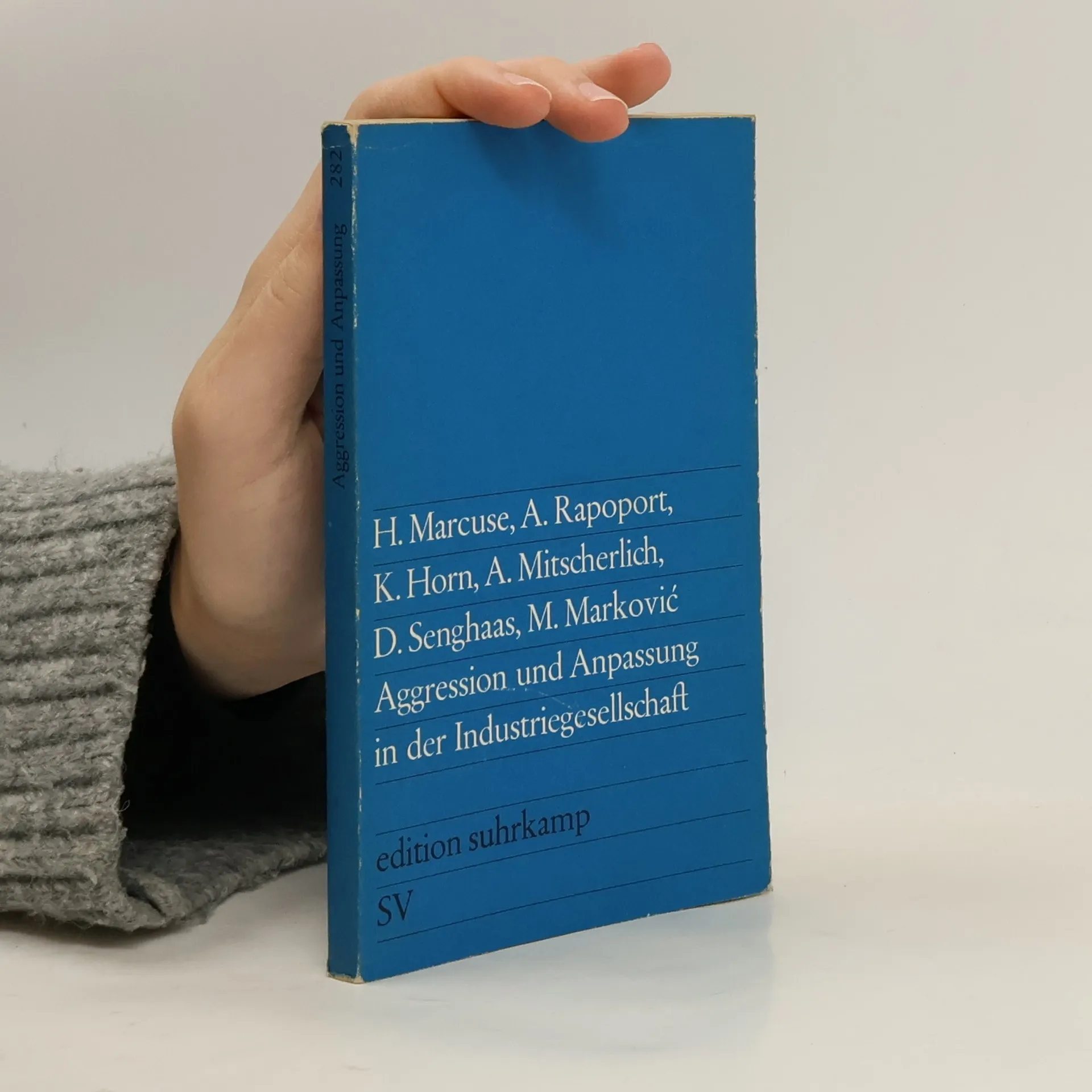
„Aggression“ und „Anpassung“ sind längst aus rein psychologischen Kategorien zu solchen der Politologie und der Sozialwissenschaften geworden: Kategorien zur Aufhellung von Konflikten, in denen individuelle und kollektive Ansprüche und Zwänge gegeneinander wirken. In diesem Sinne werden sie jedenfalls in den hier zusammengetragenen Studien gebraucht, als Begriffe für bestimmte Verhaltensweisen und allgemeine Entwicklungstendenzen in der Industriegesellschaft.
Anatol Rapoport Bücher
22. Mai 1911 – 20. Januar 2007
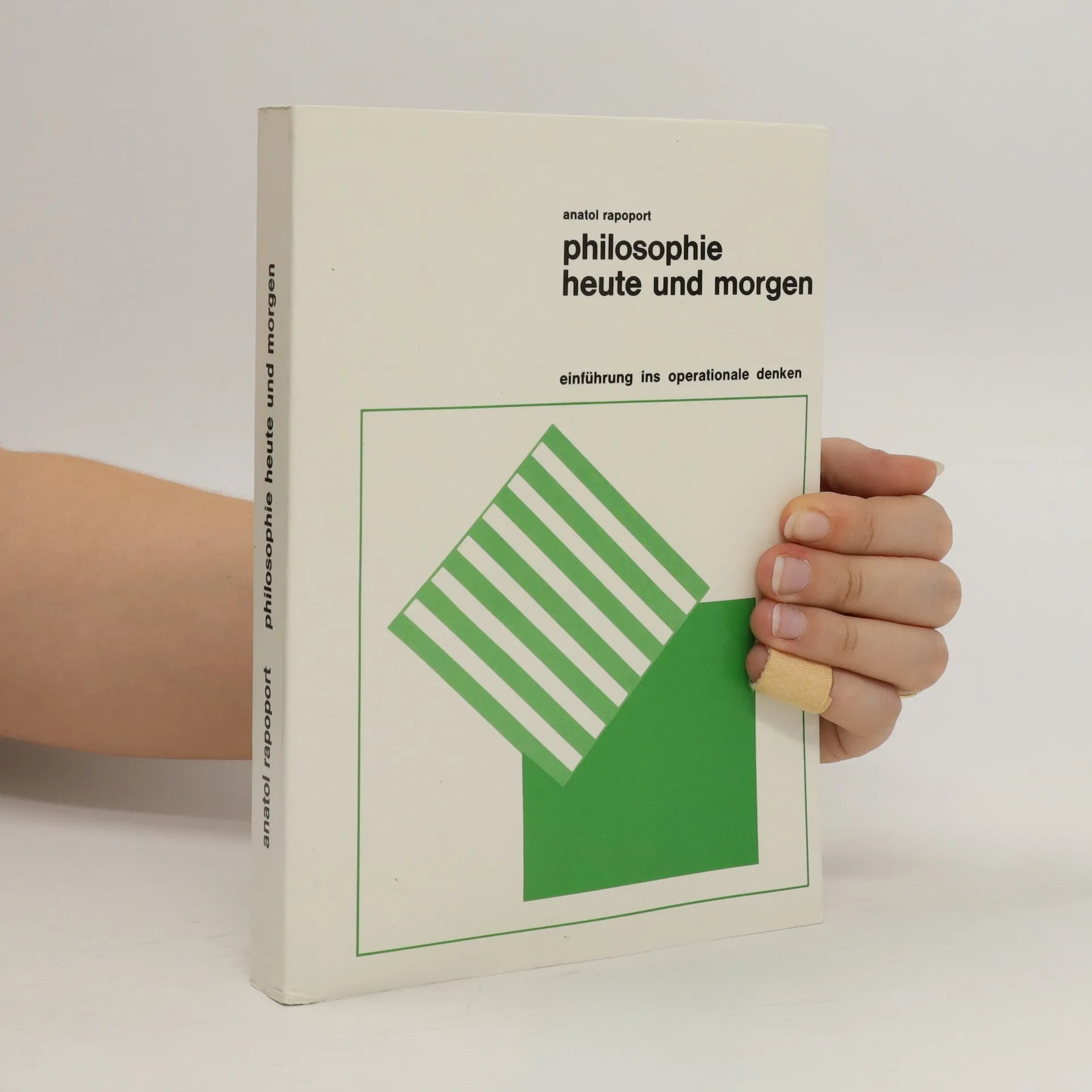
philosophie heute und morgen
- 432 Seiten
- 16 Lesestunden
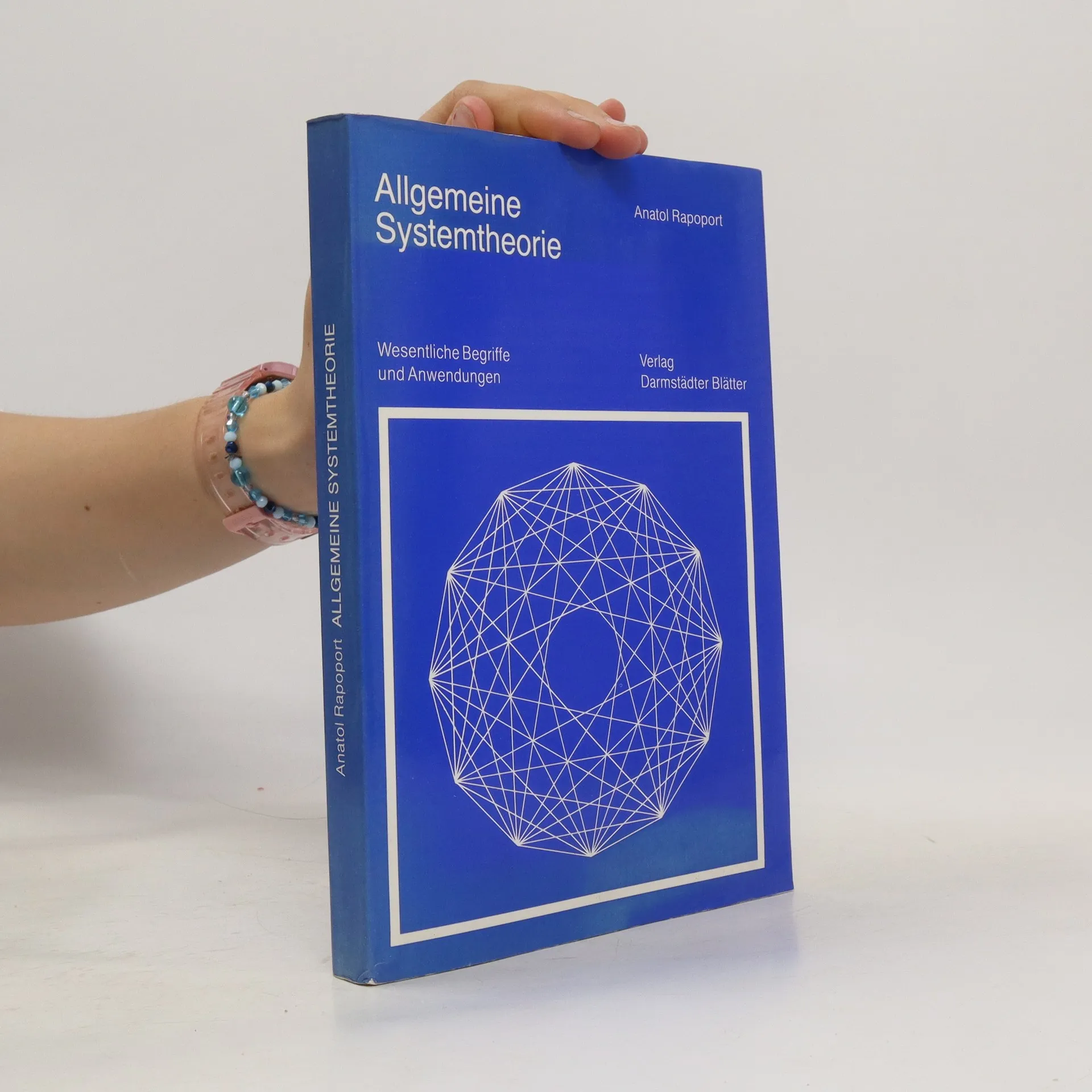
Allgemeine Systemtheorie
- 265 Seiten
- 10 Lesestunden
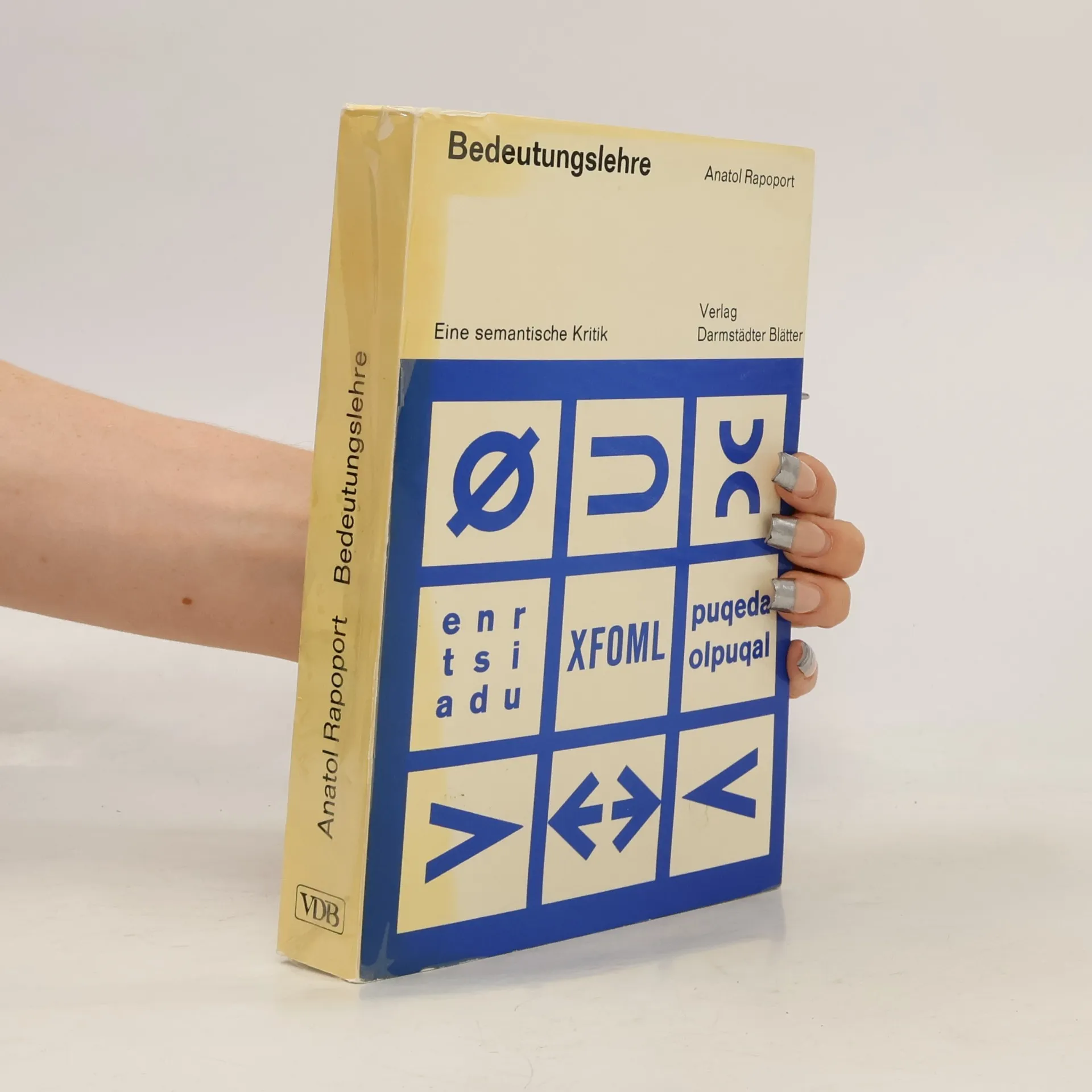
Bedeutungslehre
Eine semantische Kritik
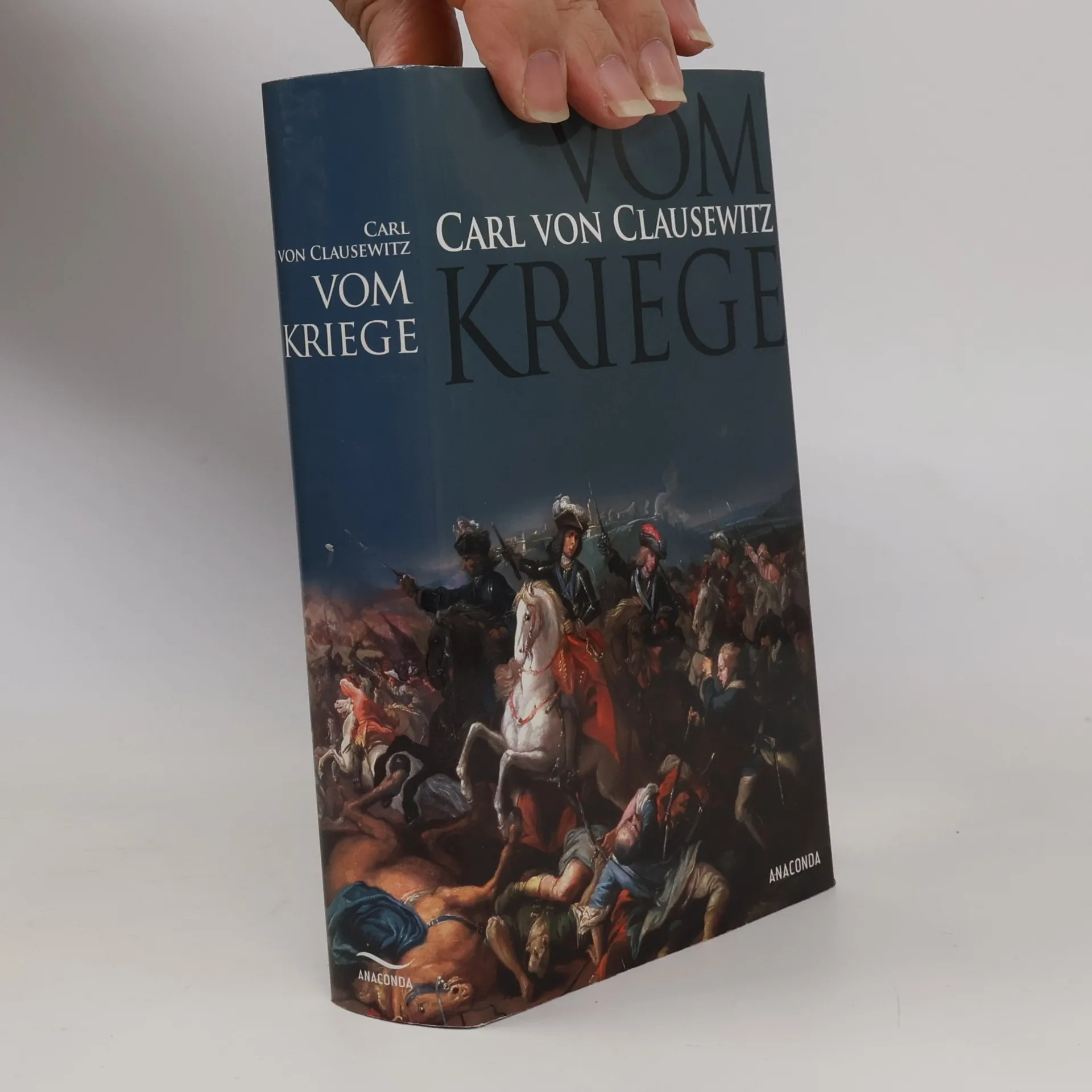
Vom Kriege
- 390 Seiten
- 14 Lesestunden
Der Krieg als »Fortsetzung der Politik mit anderen Mitteln« – als Carl von Clausewitz an seiner monumentalen Abhandlung »Vom Kriege« (1832–34) arbeitete, konnte er nicht ahnen, dass dieser Satz einmal zum geflügelten Wort werden würde. Doch wer wie sein Autor gute Gründe hat, den Krieg als ein Instrument zu begreifen, das in der Hauptsache politischen Zwecken dient, kommt nicht umhin, seine Folgerichtigkeit nüchtern anzuerkennen. Die vorliegende Auswahlausgabe konzentriert sich auf die zentralen Kapitel dieses philosophischen Klassikers über das Wesen des Krieges.
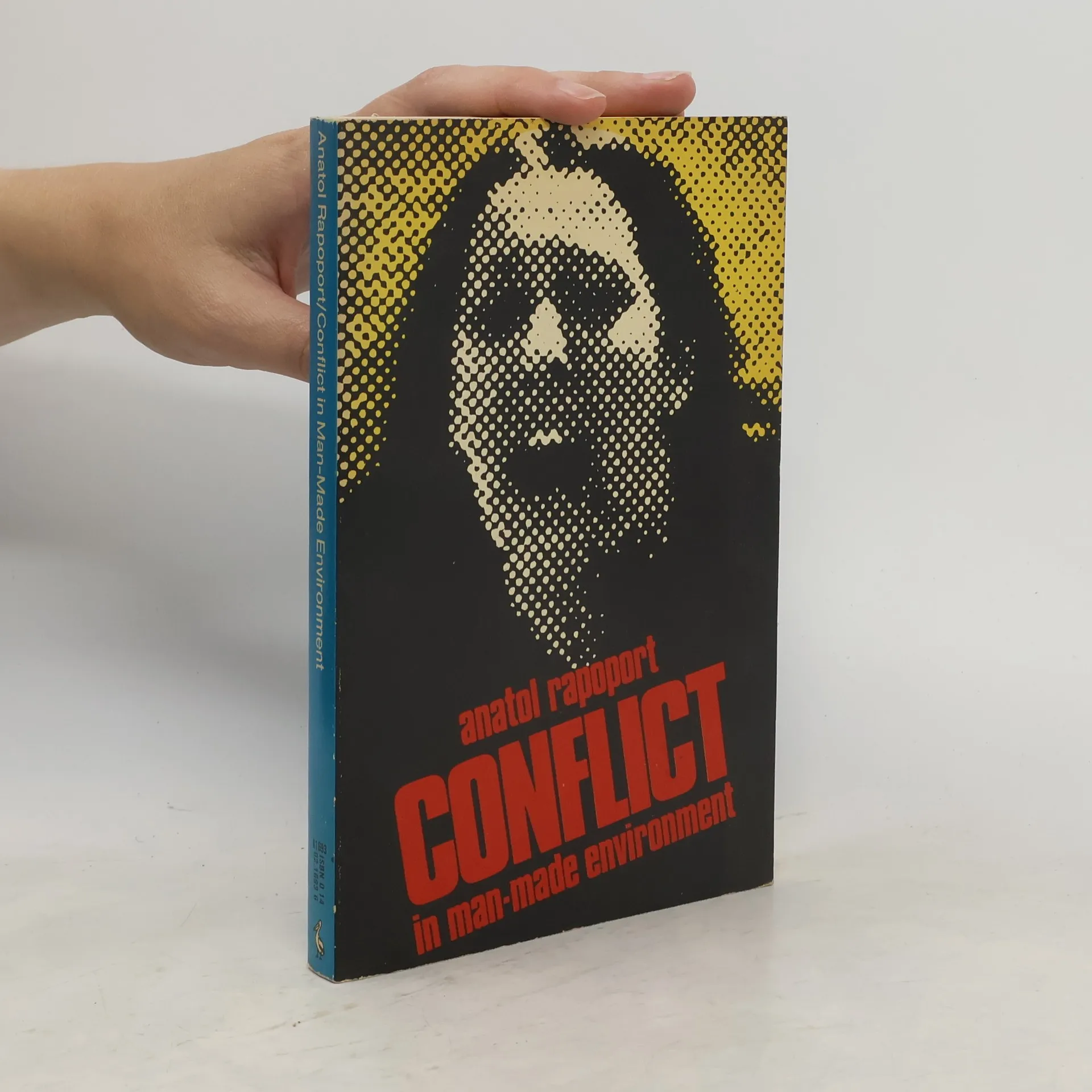
Conflict in Man-made Environment
- 272 Seiten
- 10 Lesestunden
VG+ **STATED First published 1974, NAP, DC Included, New Packaging, Great Copy .. No Marks .. No Tears .. No Creases …*Every book/item is cleaned and inspected for Defects/Condition… minor shelf wear/handling .. Minor highlighting … Very Clean … No Curling … Vintage Inventory … (***Buy with Confidence with over 2000 satisfied customers***) …. GM/sc/S4
