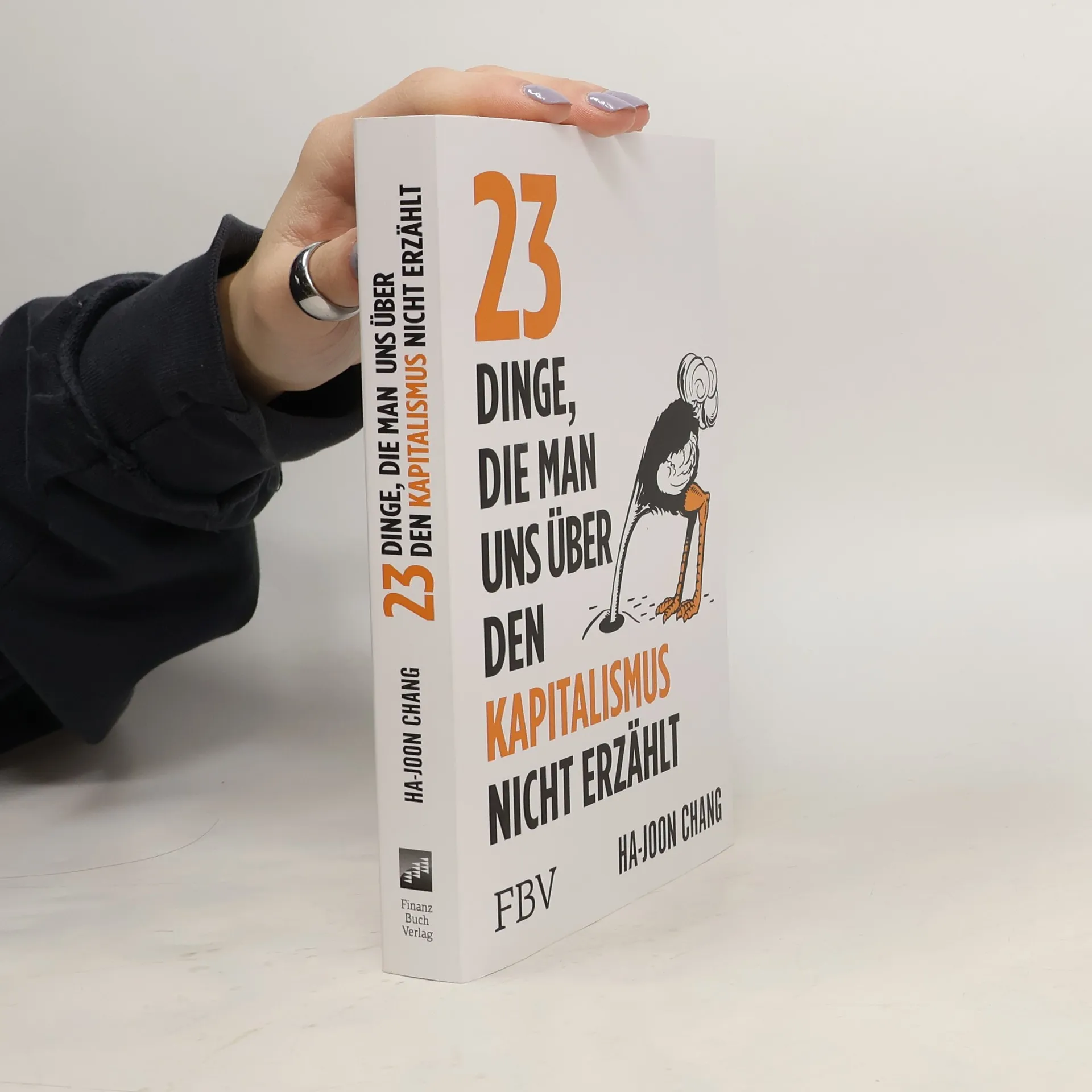
Es gibt keinen freien Markt Der freie Markt existiert nicht, „Chancengleichheit“ heißt nicht „gleiche Chancen für alle“, die Erfindung der Waschmaschine hat die Welt tiefgreifender verändert als das Internet. Mit seinen provokanten Thesen macht Ha-Joon Chang Front gegen die heiligen Kühe des Kapitalismus. Jedes der 23 Kapitel beginnt damit, „was sie uns erzählen“, gefolgt von dem, „was sie uns verschweigen“. „Sie“ sind die Verfechter des freien Marktes. Knapp, präzise und streitbar bietet der mehrfach ausgezeichnete Wirtschaftswissenschaftler dem Leser das Rüstzeug, den Neoliberalismus zu durchschauen und seine Möglichkeiten realistisch einzuschätzen.
Ha-Joon Chang Bücher
7. Oktober 1963
Ha-Joon Chang ist ein angesehener Ökonom, der an der Universität Cambridge lehrt. Er ist bekannt für seine scharfsinnige Untersuchung der Weltwirtschaft und die Aufdeckung verborgener Prinzipien des Kapitalismus. Chang verwendet einen fesselnden Stil, um tief verwurzelte wirtschaftliche Mythen in Frage zu stellen und eine neue Perspektive auf die Funktionsweise der Weltwirtschaft zu bieten. Seine Arbeit lädt die Leser ein, eingehender über die Wirtschaftssysteme nachzudenken, die unser Leben prägen.




23 Dinge, die man uns über den Kapitalismus nicht erzählt
- 368 Seiten
- 13 Lesestunden
Was glauben Sie über den Kapitalismus zu wissen? Seit den 1980er-Jahren prägt die Ideologie des freien Marktes die Welt. Doch hat sie ihre Versprechen wirklich eingelöst? Macht die Globalisierung die Welt wirklich reicher? Produzieren hochbezahlte Manager wirklich bessere Ergebnisse? Macht Liberalisierung arme Länder wirklich wohlhabender? Mit fachlicher Präzision und zugleich verständlicher Sprache zerlegt der Wirtschaftswissenschaftler und Berater Ha-Joon Chang die zentralen Mythen des Kapitalismus. In 23 Thesen und Gegenthesen analysiert er die Grundzüge der Marktwirtschaft des 21. Jahrhunderts und legt dabei die Brüche und Limitationen einer rein marktgetriebenen Gesellschaft offen. Klar strukturiert wird dabei aufgeführt, was man uns erzählt, was man uns verschweigt, und warum wir uns nicht mit den vermeintlich einfachen Antworten zufriedengeben dürfen, die uns die Vertreter der freien Marktwirtschaft glauben machen wollen. Chang liefert das nötige Rüstzeug, um die Halbwahrheiten der neoliberalen Ökonomie zu durchschauen. Für alle, die sich nach einer differenzierten Sichtweise sehnen und ihr Unbehagen gegenüber dem Kapitalismus in klare Erkenntnis verwandeln möchten, ist dieses Buch unverzichtbar. Dieses Buch ist eine Neuauflage des 2010 bei C. Bertelsmann erschienenen Ausgabe mit dem Titel 23 Lügen, die sie uns über den Kapitalismus erzählen.
Bad Samaritans
- 288 Seiten
- 11 Lesestunden
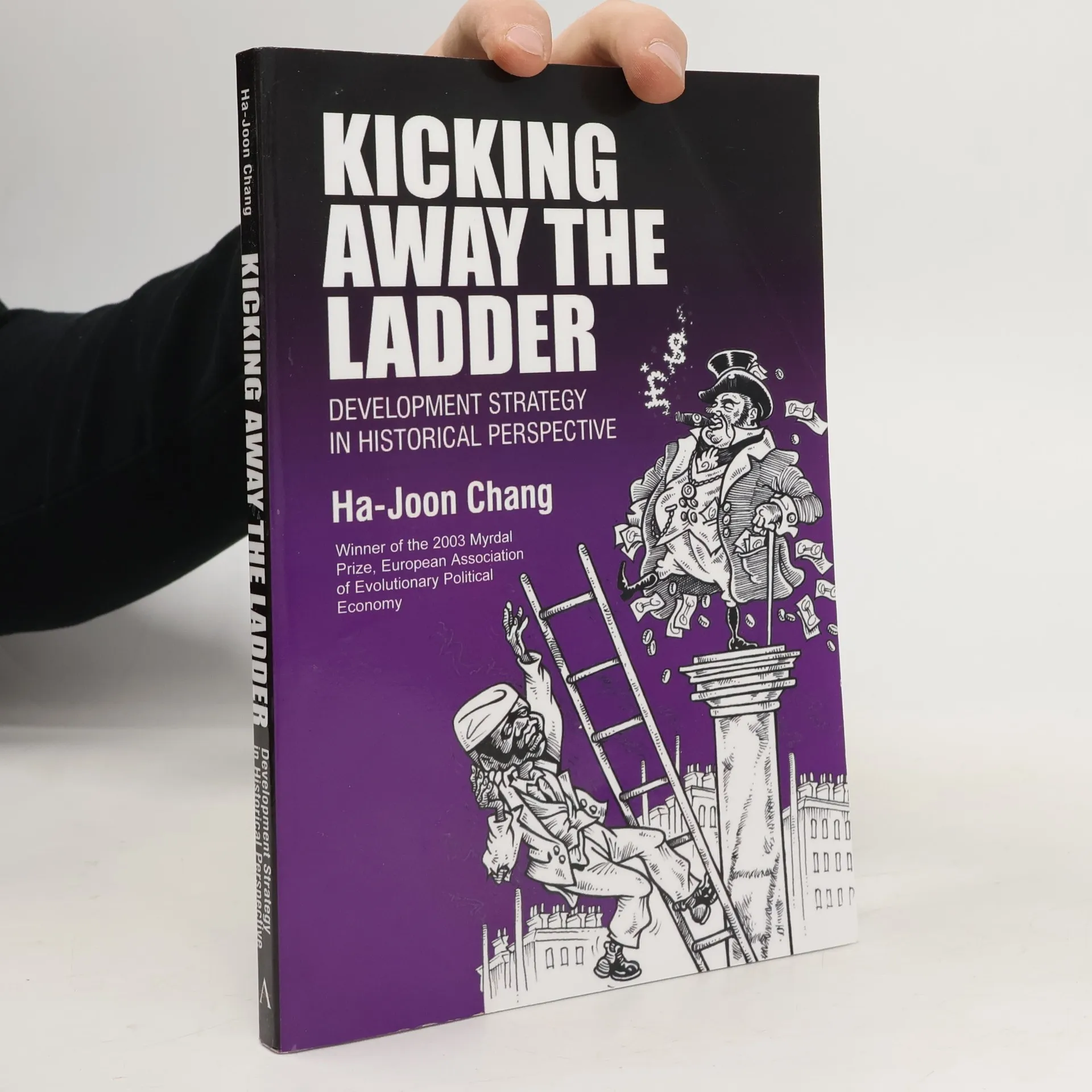
Argues that in theory the world's wealthiest countries and supra-national institutions like the IMF, World Bank and WTO want to see all nations developing into modern industrial societies. This book describes that in practice, though, those at the top are 'kicking away the ladder' to wealth that they themselves climbed.
How did the rich countries really become rich? In this provocative study, Ha-Joon Chang examines the great pressure on developing countries from the developed world to adopt certain 'good policies' and 'good institutions', seen today as necessary for economic development. His conclusions are compelling and disturbing: that developed countries are attempting to 'kick away the ladder' with which they have climbed to the top, thereby preventing developing countries from adopting policies and institutions that they themselves have used.
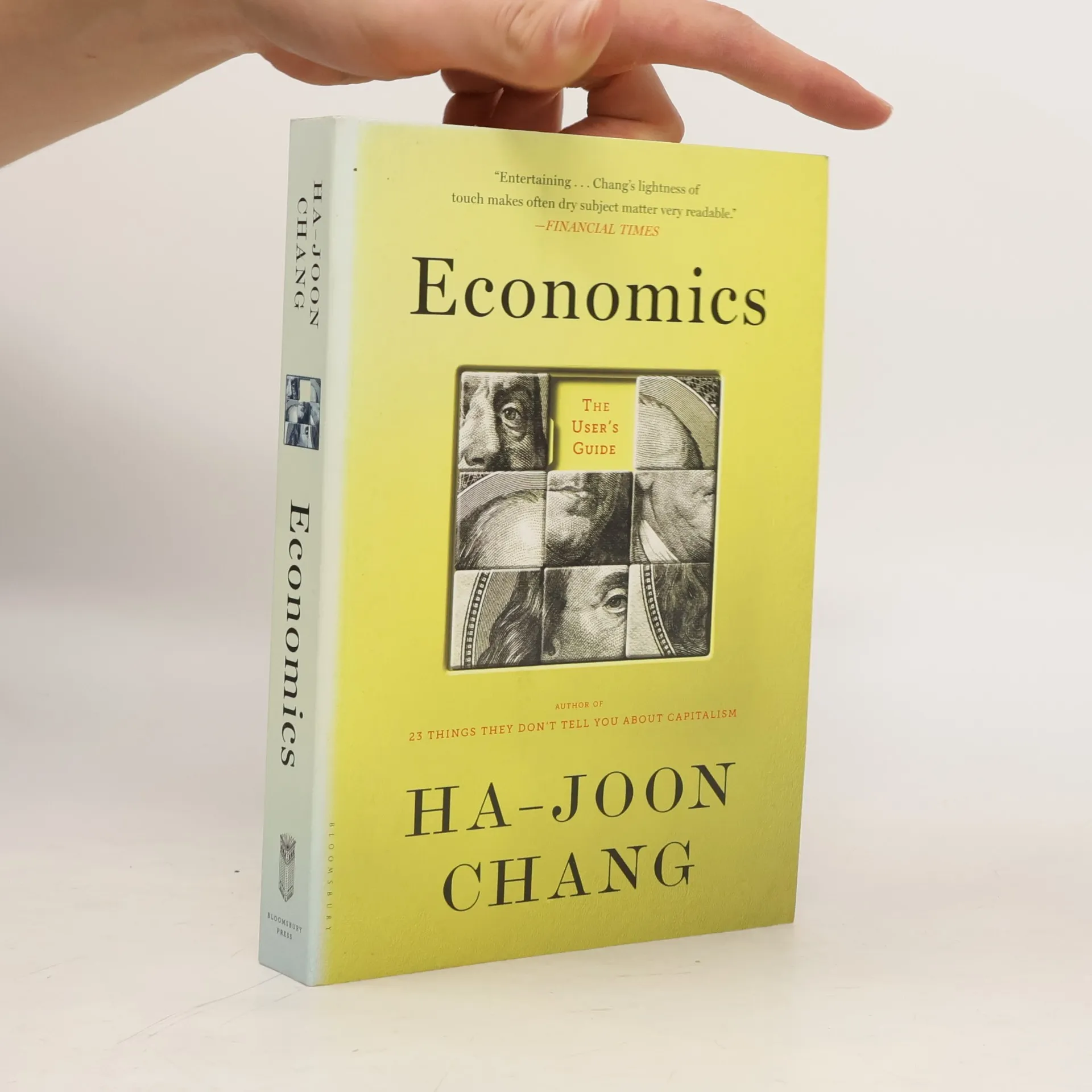
From the internationally bestselling author and prizewinning economist--a highly original guide to the global economy. In his bestselling 23 Things They Don't Tell You About Capitalism , Cambridge economist Ha-Joon Chang brilliantly debunked many of the predominant myths of neoclassical economics. Now, in an entertaining and accessible primer, he explains how the global economy actually works--in real-world terms. Writing with irreverent wit, a deep knowledge of history, and a disregard for conventional economic pieties, Chang offers insights that will never be found in the textbooks. Unlike many economists, who present only one view of their discipline, Chang introduces a wide range of economic theories, from classical to Keynesian, revealing how each has its strengths and weaknesses, and why there is no one way to explain economic behavior. Instead, by ignoring the received wisdom and exposing the myriad forces that shape our financial world, Chang gives us the tools we need to understand our increasingly global and interconnected world often driven by economics. From the future of the Euro, inequality in China, or the condition of the American manufacturing industry here in the United States-- Economics: The User’s Guide is a concise and expertly crafted guide to economic fundamentals that offers a clear and accurate picture of the global economy and how and why it affects our daily lives.
The East Asian Development Experience
- 256 Seiten
- 9 Lesestunden
East Asia's development experience, at least until its crisis in 1997, has been a source of hope for other countries in the South. And in modern economic theory, it has been at the centre of the debate about how the role of the state relates to processes of intentional economic progress.
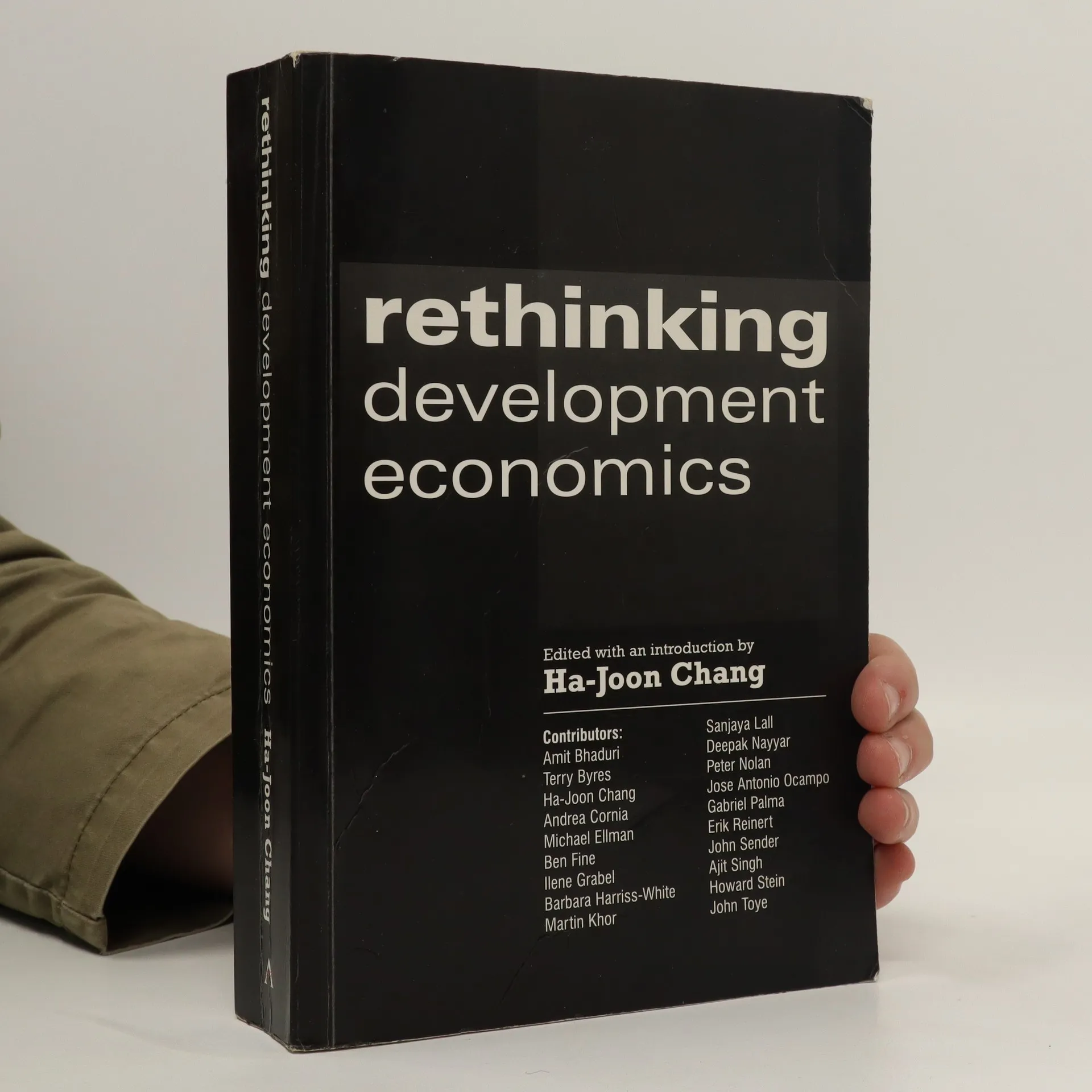
This book addresses key issues in development economics, from macroeconomics, finance and governance to trade, industry, agriculture and poverty. Bringing together some of the foremost names in the field, this comprehensive and timely collection constitutes a critical staging post in the future of development economics.
Globalisation, Economic Development and the Role of the State
- 344 Seiten
- 13 Lesestunden
The book explores the evolving role of the state in the economy, particularly in the context of the past 25 years marked by neoliberal ideologies. It critically examines the arguments for unregulated markets, deregulation, and privatization, highlighting the tensions and controversies surrounding state intervention in economic affairs. Through this analysis, it addresses the implications of these policies on society and the economy, contributing to the ongoing debate about the balance between state control and market freedom.
Edible Economics
- 224 Seiten
- 8 Lesestunden
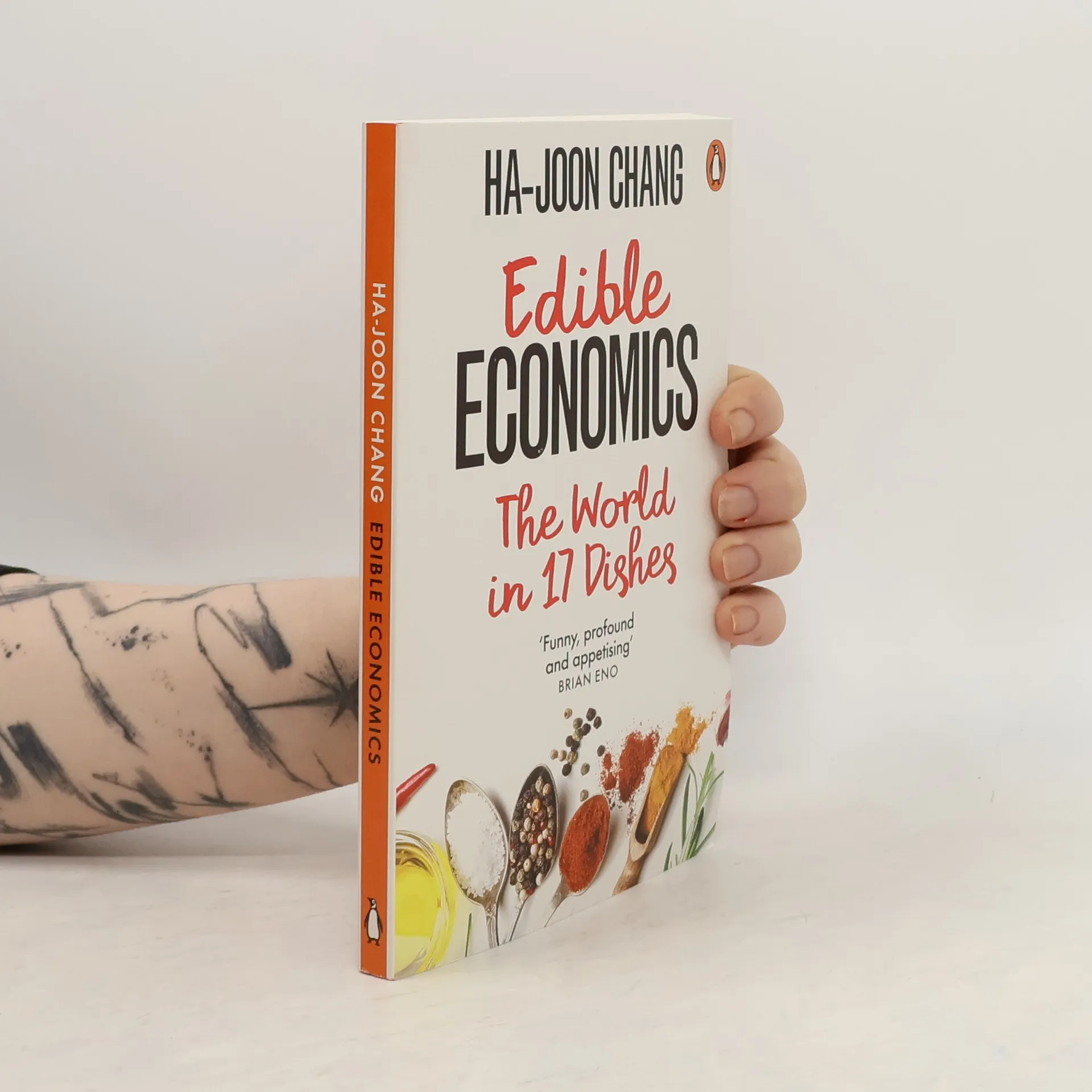
Economic thinking on globalization, climate change, immigration, austerity, and automation is often dominated by a single free market philosophy, which can be bland and limiting. In this work, Ha-Joon Chang argues for a more diverse economic perspective, akin to enjoying a variety of cuisines for a balanced diet. He presents complex economic ideas in an accessible way by intertwining them with stories about food from around the world. By exploring the histories of familiar food items—how they are sourced, prepared, and culturally significant—Chang sheds light on economic theories. For instance, he reflects on chocolate as a lens into post-industrial economies, while okra illustrates capitalism's complex ties to freedom. He discusses topics like the hidden costs of care work and the deceptive language of the free market, all while preparing dishes such as anchovy and egg toast, Gambas al Ajillo, and Korean dotori mook. With a blend of humor and insightful commentary, Chang demonstrates that understanding the economy is akin to mastering a recipe; with comprehension, we can effect change in both economic systems and the world at large.
Stravitelná ekonomie. Hladový ekonom vysvětluje svět
- 264 Seiten
- 10 Lesestunden
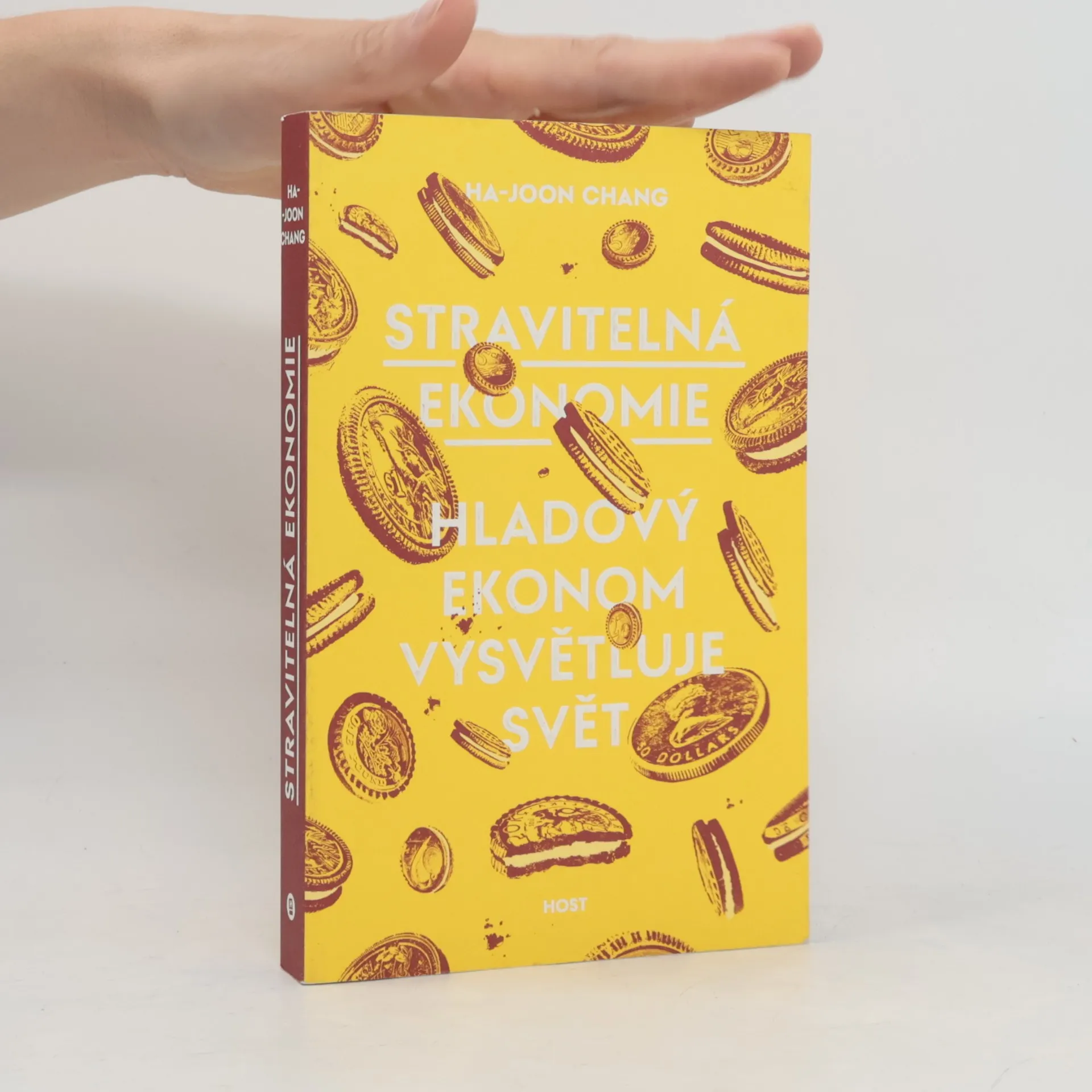
Chod státu, společnosti i našich životů do velké míry určuje ekonomika: hladina inflace, úrokové sazby, měnová politika a tak dále. Čím se však řídí samotné hospodářství a všechny jeho dimenze? Obyčejný člověk se často může cítit zavalen koncepty, čísly a ukazateli a někdy mu nezbývá než důvěřovat expertům. Odborníci jsou však také jenom lidé. A tak v návaznosti na politický vývoj posledních desetiletí možná došlo k nevyhnutelnému světové ekonomiky se v současnosti převážně řídí dominantní ekonomickou doktrínou volného a neregulovaného trhu. Ale stejně jako člověku, i hospodářství jednotvárnost škodí. Ekonom Ha-Joon Chang se pokouší ukázat, že přemýšlení o ekonomice nemusí být pouze záležitostí pro pár zasvěcených a že je příliš důležitá na to, aby ji obestřel laikům nepřístupný expertní jazyk. Ve své čtivé knize Stravitelná ekonomie vysvětluje ty nejzásadnější ekonomické koncepty na příkladu něčeho, co je blízké každému na jídle a jeho příběhu. Dozvíte se leccos o čokoládě, kimčchi nebo ančovičkách a zároveň o produktivitě práce, nesamozřejmé volnosti trhů nebo automatizaci. Ha-Joon Chang tak zábavně boří mnohé ekonomické mýty, aniž zabředá do odborné hantýrky. A taky vám dělá chutě
Как устроена экономика / Kak ustroena ekonomika
- 320 Seiten
- 12 Lesestunden
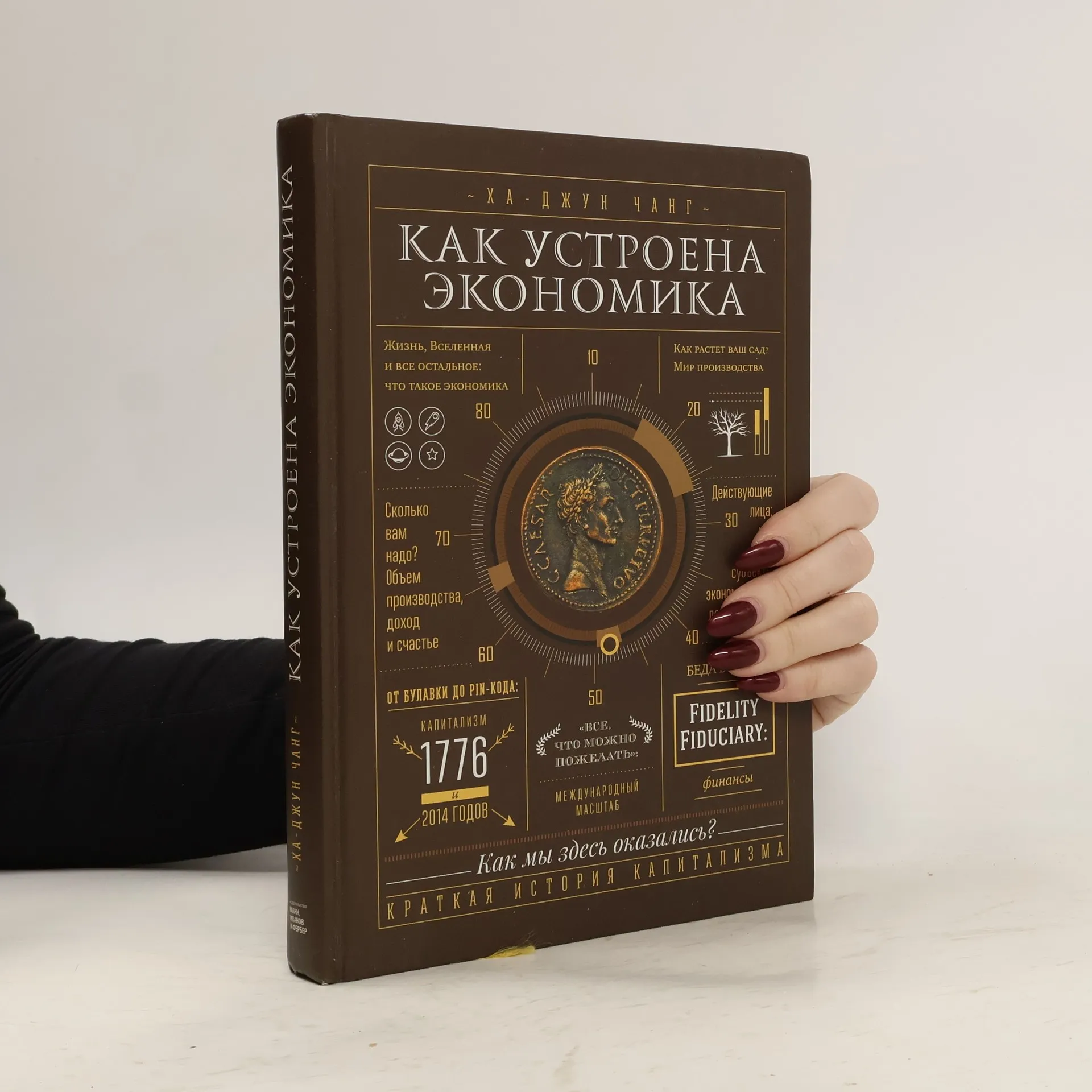
В этой книге экономист из Кембриджа Чанг Ха-Джун в занимательной и доступной форме объясняет, как в реальных условиях работает мировая экономика. Чанг предлагает читателю идеи, которые нельзя найти в учебниках по экономике, и делает это с глубоким знанием истории, остроумием и легким пренебрежением к традиционной экономической теории.