Discusses questions about biblical authority and inspiration, which are as topical and controversial as ever. Major new edition of a modern classic, fully revised and expanded, with a substantial new chapter on 'The Bible in Practice'.
John Barton Reihenfolge der Bücher (Chronologisch)
17. Juni 1948
John Barton ist ein renommierter Gelehrter für die Interpretation der Heiligen Schrift, der an der Universität Oxford lehrt. Seine Arbeiten beschäftigen sich eingehend mit der biblischen Theologie und untersuchen insbesondere prophetische Texte sowie deren Wahrnehmung im alten Israel nach dem Exil. Bartons Schriften bieten tiefe Einblicke in die spirituellen und theologischen Botschaften biblischer Werke, wobei der Schwerpunkt auf deren komplexer Interpretation liegt.



The Word
- 320 Seiten
- 12 Lesestunden
From a distinguished Oxford scholar and the author of A History of the Bible, an examination of how biblical translation works and why it matters. Throughout history, most Jewish and Christian believers have understood scripture not in the languages in which it was first written but rather in their own—in translation. In The Word, acclaimed Bible scholar John Barton explores how saints and scholars have negotiated the profound challenges of translating the Bible while remaining faithful to the original. In addition to considering questions of literal versus free translation, literary style, inclusive language, and more, Barton draws out scriptural translation’s role at critical junctures in religious history. Far from a mere academic exercise, biblical translation has shaped how we answer faith’s most enduring questions about the nature of God, the existence of the soul, and the possibility of salvation
Exploring the richness of Biblical narratives reveals their depth beyond childhood interpretations. These stories emerge from a sophisticated literary tradition, articulated in expressive Hebrew and interwoven with diverse writings. The book encourages readers to engage with the narratives using adult perspectives, uncovering often overlooked dimensions, wit, and humor. By doing so, it highlights the universal appeal and contemporary relevance of these tales, inviting a fresh appreciation for their complexity and significance.
Die Geschichte der Bibel
Von den Ursprüngen bis in die Gegenwart
Eine einzigartig ehrgeizige Studie über die Entstehung der Bibel: wie sie geschrieben wurde, wie ihre Inhalte ausgewählt wurden – und wie sie tatsächlich zu den Religionen steht, die sie befürworten. Die Bibel ist das zentrale Buch der westlichen Kultur, doch erstaunlicherweise gibt es keine angemessene Geschichte darüber. Dieses außergewöhnliche Werk eines der führenden biblischen Gelehrten der Welt bietet einen umfassenden Bericht darüber, wie die verschiedenen Teile der Bibel entstanden sind; wie einige Schriften, die als heilig angesehen wurden, kanonisch wurden und in die Bibel aufgenommen wurden, während andere es nicht taten; welches Verhältnis die verschiedenen Teile der Bibel zueinander haben; und wie die Bibel, nachdem sie zu einem stabilen Text geworden war, weltweit verbreitet und interpretiert wurde. Es wird der Bedeutung des Tanach (Altes Testament) im Judentum ebenso wie im Christentum Rechnung getragen. Es wird auch gezeigt, in welchem Maße, entgegen der weit verbreiteten Meinung, sowohl das Judentum als auch das Christentum keine Glaubensrichtungen sind, die aus den biblischen Texten stammen, sondern aus anderen Quellen und Traditionen. Es wird deutlich, dass wir, wenn wir die Bibel als 'autoritative' betrachten wollen, dies nicht so tun können, wie es Gläubige in der Vergangenheit oft getan haben.
This book provides a detailed exploration of the important elements of the theology underlying the book of Amos. It considers Amos as a figure representing social justice, surveys major developments in the critical assessment of the book and examines the history of the book's reception.
The Bible: The Basics
- 194 Seiten
- 7 Lesestunden
The Bible: The Basics is an accessible and engaging introduction to the Bible as both a sacred text, central to the faith of millions, and a classic work of Western literature, containing a tapestry of genres, voices, perspectives and images. The second edition has been updated throughout and includes: maps and detailed suggestions for
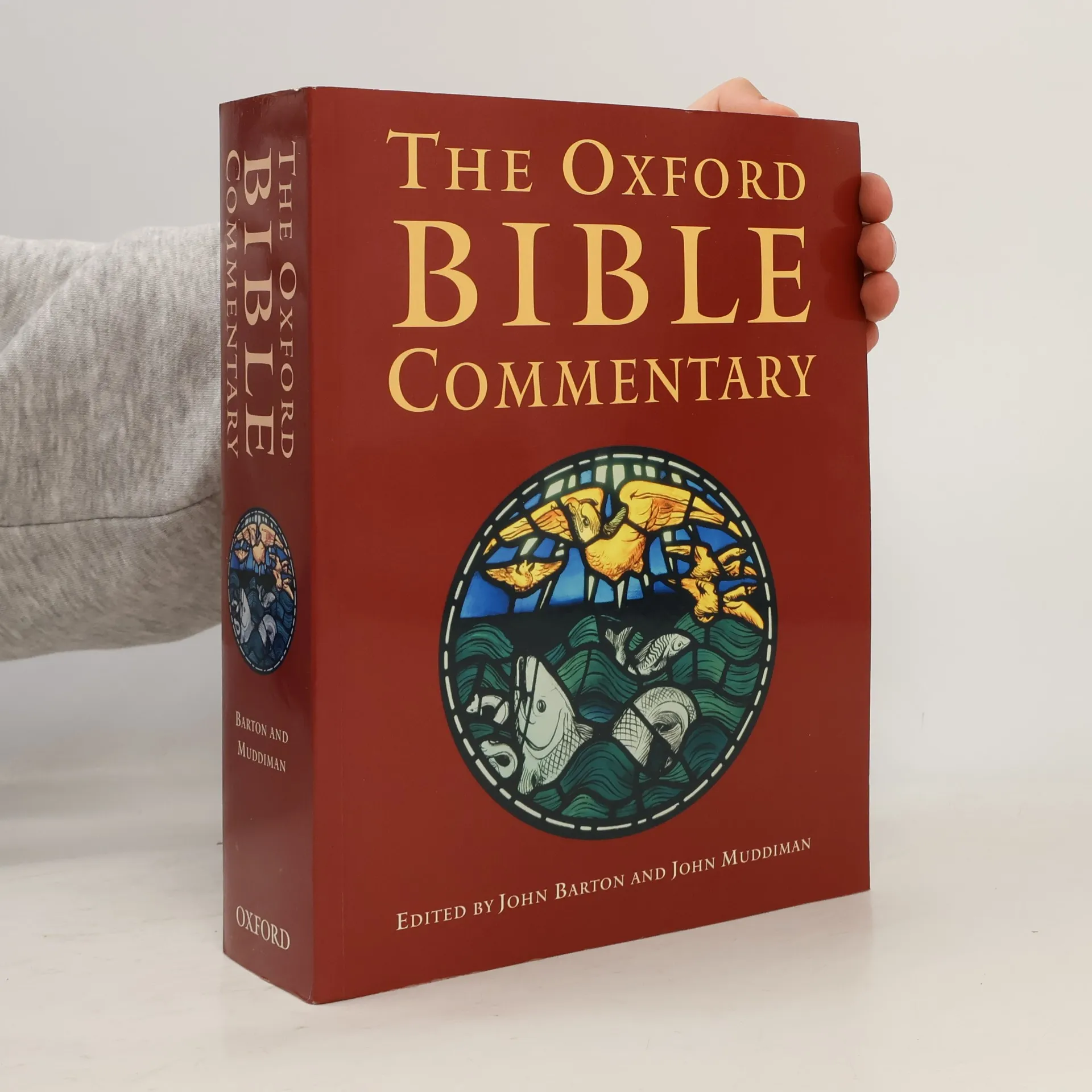
The Oxford Bible Commentary
- 1488 Seiten
- 53 Lesestunden
Whether viewed as the living word of God, a significant ancient document, or a classic work of literature, this commentary provides essential tools for studying the biblical text. It offers a monumental, line-by-line critical analysis of all books in the NRSV, created by an international team of over 70 leading scholars from diverse religious backgrounds. The commentary presents authoritative, non-denominational insights, incorporating the latest research and employing a historical-critical approach to illuminate the scriptures within their original contexts. It explores how the texts were composed and the intentions of their authors. The work includes a general introduction, extensive introductions to both testaments and the Apocrypha, and concise introductions to individual books, along with an essay discussing important post-biblical Jewish and Christian literature. Each article features a bibliography directing readers to essential supplemental works in English, such as major reference materials and introductions. This comprehensive resource is invaluable for pastors preparing sermons, students, and discussion groups, as well as anyone—whether Jewish, Catholic, Protestant, or Orthodox Christian—seeking a deeper understanding of a revered text. Additionally, it includes a Logos Library System CD-ROM, providing access to the commentary and the New Revised Standard Version Bible, fully compatible with all Logos products.
Starý zákon má kořeny v kultuře, která je nám už hodně vzdálená, občas si sám odporuje a někdy užívá myšlenkové kategorie, které současné uvažování o etice nezná. Nakolik může starozákonní etika (a třeba „Desatero“) pomoci při řešení dnešních problémů? Možná víc, nežby se zdálo…
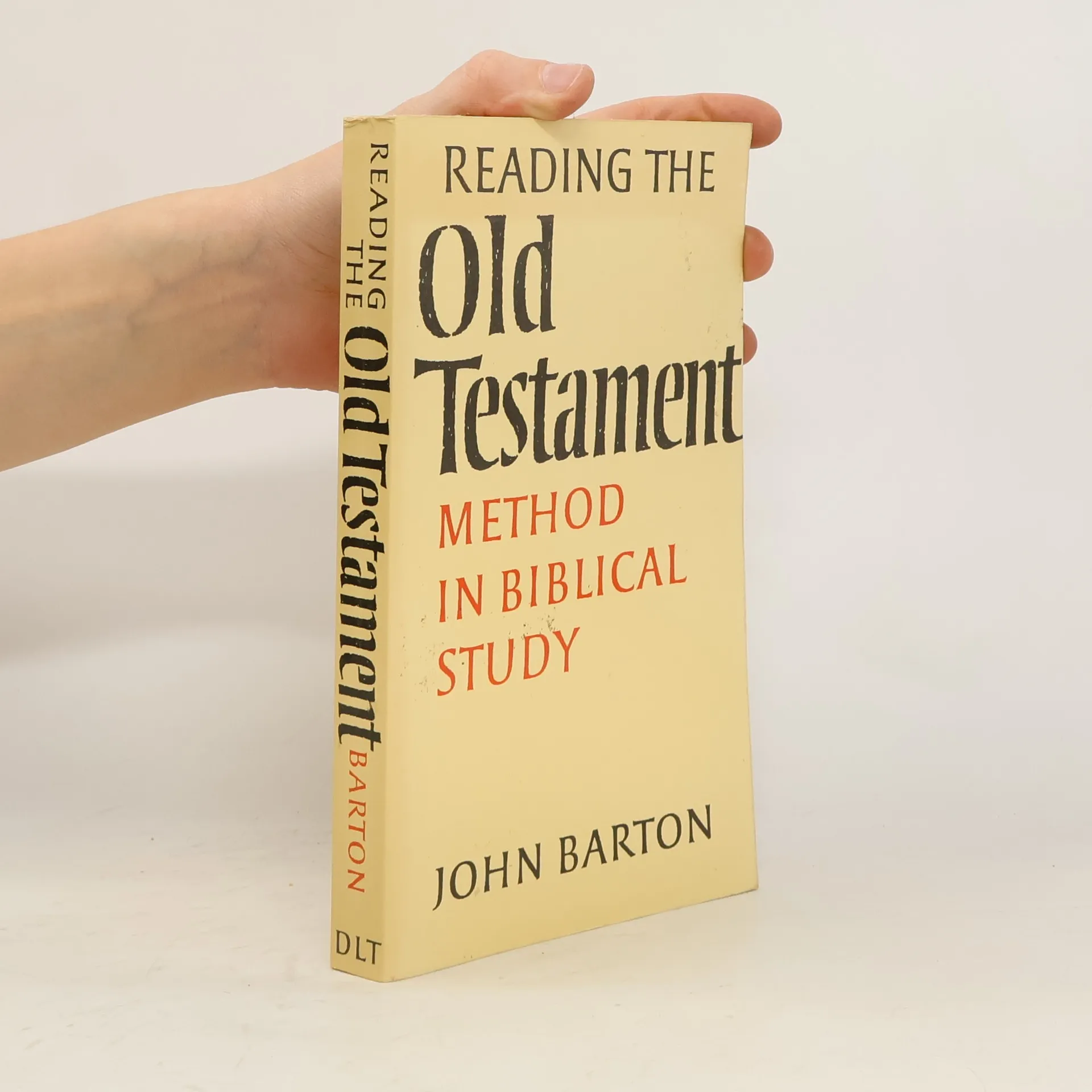
Reading the Old Testament
Method in Biblical Study
A new edition of a survey of biblical criticism in which the author clarifies the kinds of questions about the meaning of texts that led scholars to develop the now traditional 'historical-critical' approaches. Also covers the latest developments in biblical study, including deconstruction and postmodernism. First published in 1984.