Zuversicht, die provoziert Matt Ridleys Buch ist eine überzeugende Absage an den vorherrschenden Pessimismus unserer Zeit. Die Geschichte der Menschheit ist eine großartige Erfolgsgeschichte, und es gibt keinen vernünftigen Grund für die – allerdings weitverbreitete – Annahme, dass urplötzlich in unserer Zeit der Fortschritt erlahmen, die Innovationskraft und Erfindungsgabe der Menschen versiegen und die Verbreitung von Wohlstand an ein Ende kommen soll. Die kulturelle Entwicklung des Menschen hat über Jahrtausende zu immer besseren Lebensbedingungen geführt. Der Schlüssel dafür waren die Arbeitsteilung und der Austausch von Ideen. Wenn wir nicht verzagen und die kreativen Kräfte der Menschen nicht behindert werden, dann kann uns ein 21. Jahrhundert bevorstehen, in dem der Wohlstand sich vermehrt, extreme Armut zurückgeht, Krankheiten eingedämmt werden, die Überbevölkerung abnimmt, die technologische Entwicklung blüht, Wissen und Bildung immer mehr Menschen erreicht und Umweltbedingungen sich verbessern.
Matt Ridley Bücher
Matthew Ridley ist ein englischer Wissenschaftsautor und Aristokrat, dessen Werk sich mit den komplexen Themen der menschlichen Natur und des Fortschritts befasst. Mit einem starken wissenschaftlichen Hintergrund untersucht er, wie unser evolutionäres Erbe die heutigen Gesellschaften und Individuen prägt. Ridleys Stil ist bekannt für seine Zugänglichkeit, er übersetzt komplexe wissenschaftliche Konzepte in fesselnde Erzählungen. Sein Schreiben fordert die Leser auf, über die tiefgreifenden Fragen nachzudenken, die unsere Vergangenheit und Zukunft umgeben.




Alphabet des Lebens
- 423 Seiten
- 15 Lesestunden
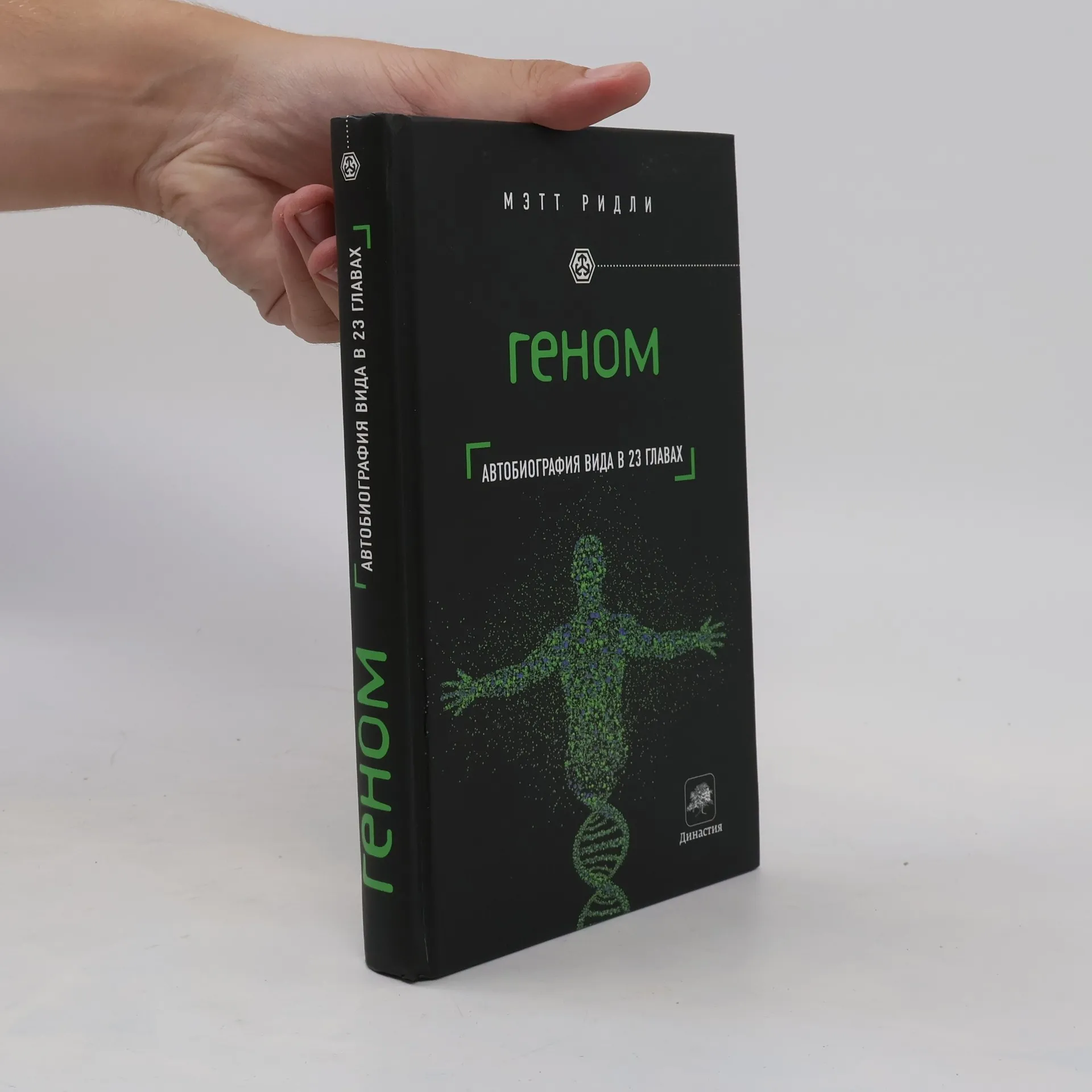
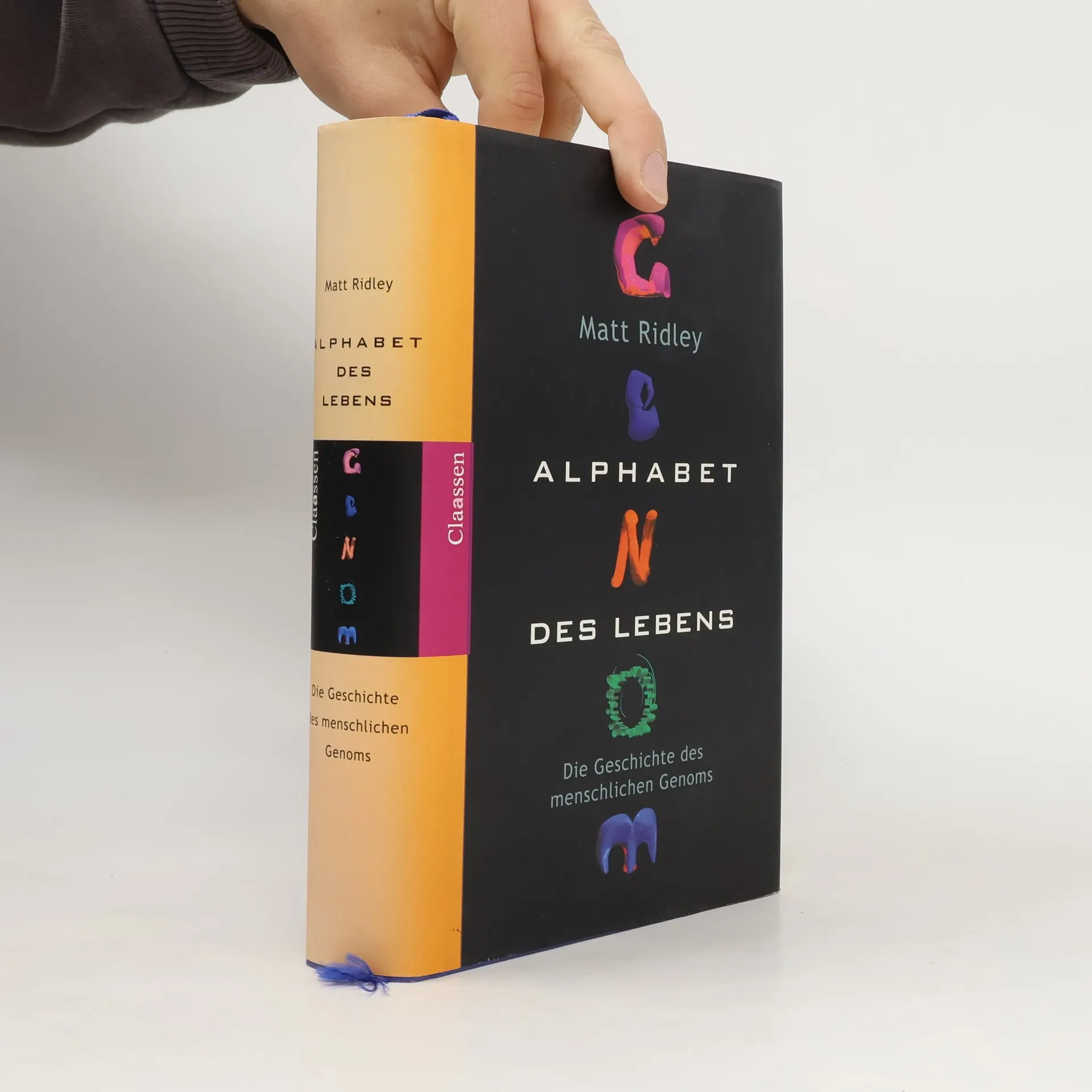
Genóm: Autobiografie človeka v 23 kapitolách. Kniha sa zaoberá zmapovaním ľudského genómu, čo je najvýznamnejší vedecký objav XX. storočia. Zmapovanie dvadsiatich troch párov chromozómov otvára množstvo otázok týkajúcich sa chorôb, dlhovekosti, inteligencie a slobody vôľe, ktoré ovplyvnia naše životy. Matt Ridley poskytuje zasvätený a zrozumiteľný pohľad na tento prelom, pričom každý pár chromozómov a jeho gény majú svoj príbeh. Autor sumarizuje históriu ľudského druhu a jeho predchodcov, od úsvitu života až po medicínu budúcnosti. Kniha sa zaoberá témami ako Huntingtonova choroba, rakovina, AIDS, BSE, aplikácia génovej terapie a eugenika. Dôkladne skúma vedecké, filozofické a morálne problémy, ktoré vznikli v dôsledku zmapovania genómu, a umožňuje nám pochopiť, čo tento míľnik znamená pre nás, naše deti a celé ľudstvo.
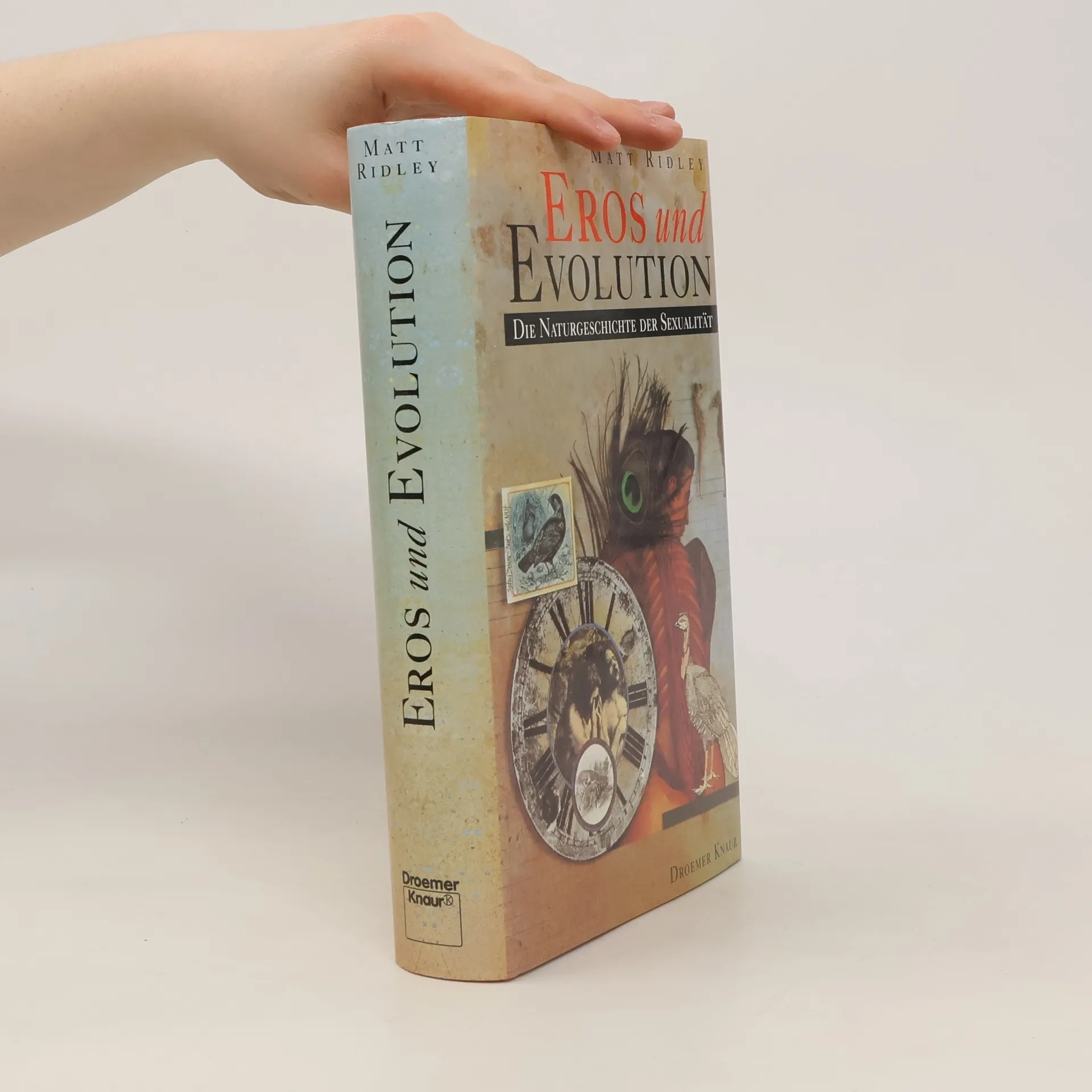
Eros und Sexualität sind die Grundkräfte, die das Schwungrad der Evolution in Gang halten. Und sie bilden auch den Schlüssel für das Verständnis der menschlichen Natur: für Handlungen, die oft nur scheinbar rational begründet sind, für Verhaltensweisen, die uns nicht einsichtig sind, und für die vielen kleinen Unzulänglichkeiten, die auch zu unserer Natur gehören.
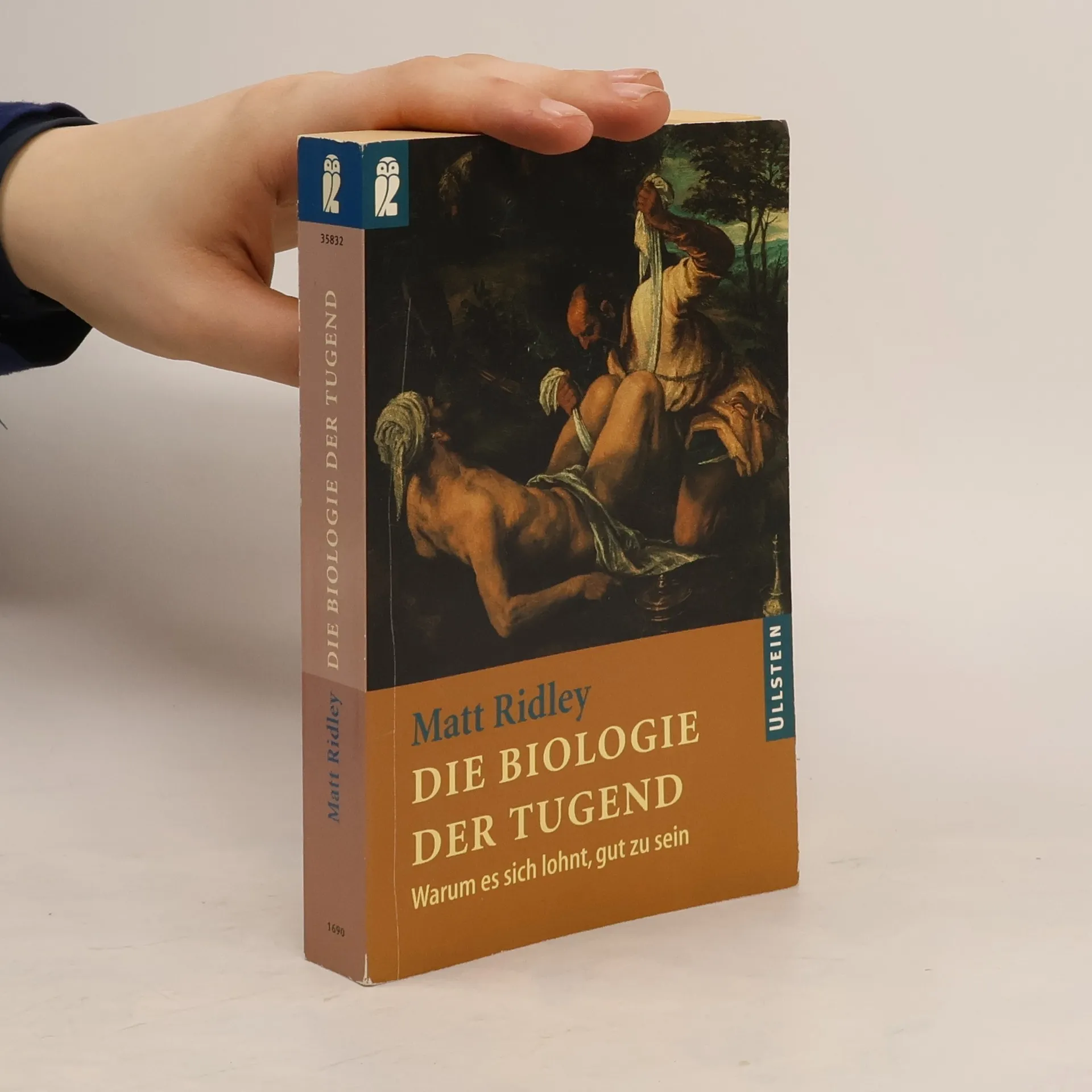
Die Biologie der Tugend. Warum es sich lohnt, gut zu sein.
- 378 Seiten
- 14 Lesestunden
Siegt wirklich immer nur das Böse? Hat der Egoist einen festen Platz auf der Sonnenseite des Lebens? Unterdrückt die Evolution das Gute und stempelt den Guten zum Verlierer? Matt Ridley, britischer Zoologe und Soziobiologe, überrascht in diesem Buch mit neuesten Erkenntnissen der Genforschung und der Verhaltensforschung, die beweisen, daß die Tugend in der Evolution eine wichtige Rolle spielt. "Das Prinzip des Guten zieht sich durch die gesamte Evolutionsgeschichte. Wir finden es bei Einzellern, Ameisen und Fledermäusen genauso wie bei Affen oder Delphinen, die alle ein spezifisches Gruppenverhalten etabliert haben, ohne das das Überleben ihrer Art nicht gewährleistet sein könnte."
The Agile Gene
- 326 Seiten
- 12 Lesestunden
The bestselling author of "Genome" chronicles a new revolution in the world'sunderstanding of genes.
Birds, Sex and Beauty
The extraordinary implications of Charles Darwin's strangest idea
- 336 Seiten
- 12 Lesestunden
Exploring the unique mating behaviors of birds, this book delves into the origins of beauty and its connection to humanity. Acclaimed science writer Matt Ridley examines how these avian rituals reflect broader themes of attraction and evolution, offering insights into the intricate relationship between nature and human perception.
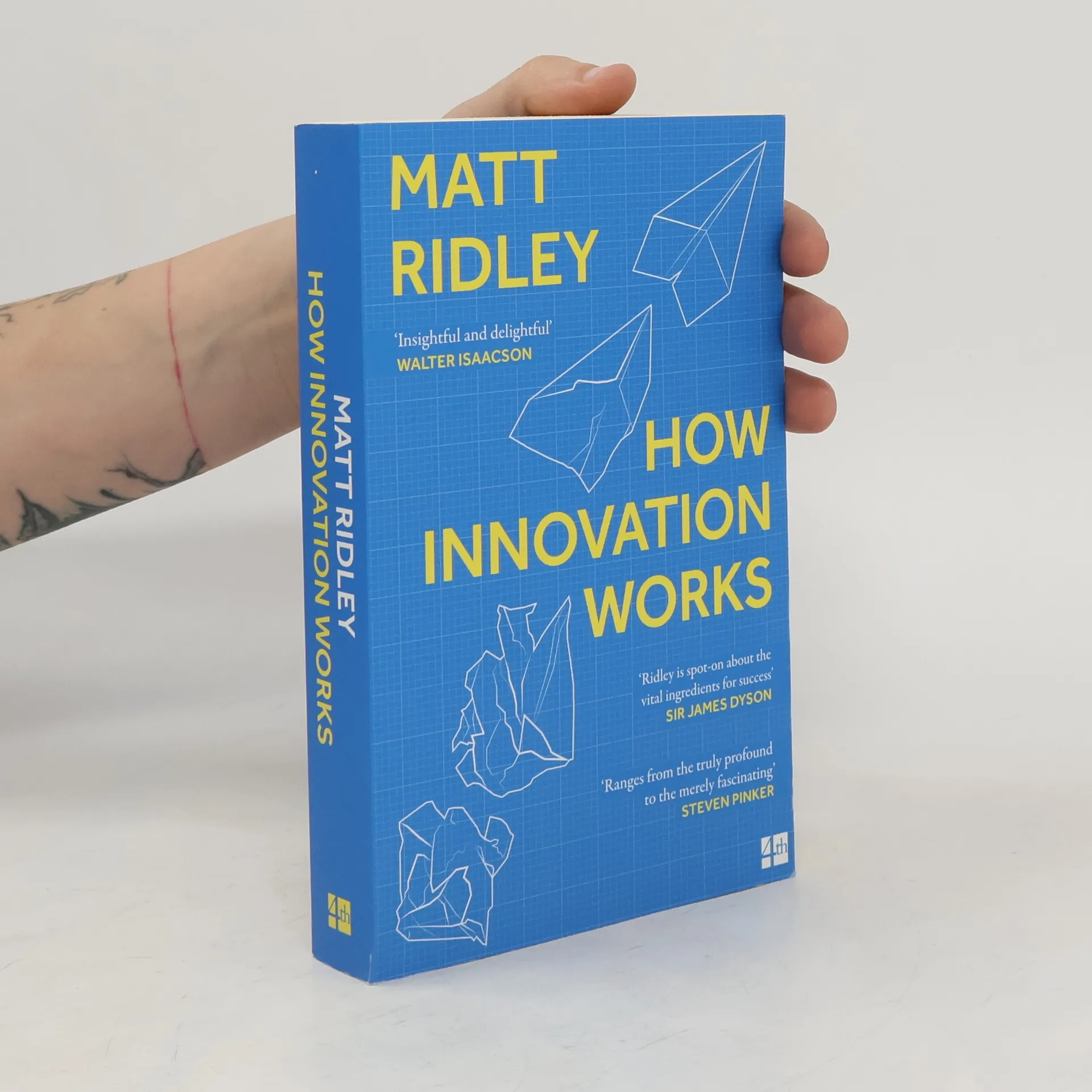
How Innovation Works
- 432 Seiten
- 16 Lesestunden
'Ridley is spot-on when it comes to the vital ingredients for success' Sir James Dyson Building on his bestseller The Rational Optimist, Matt Ridley chronicles the history of innovation, and how we need to change our thinking on the subject.
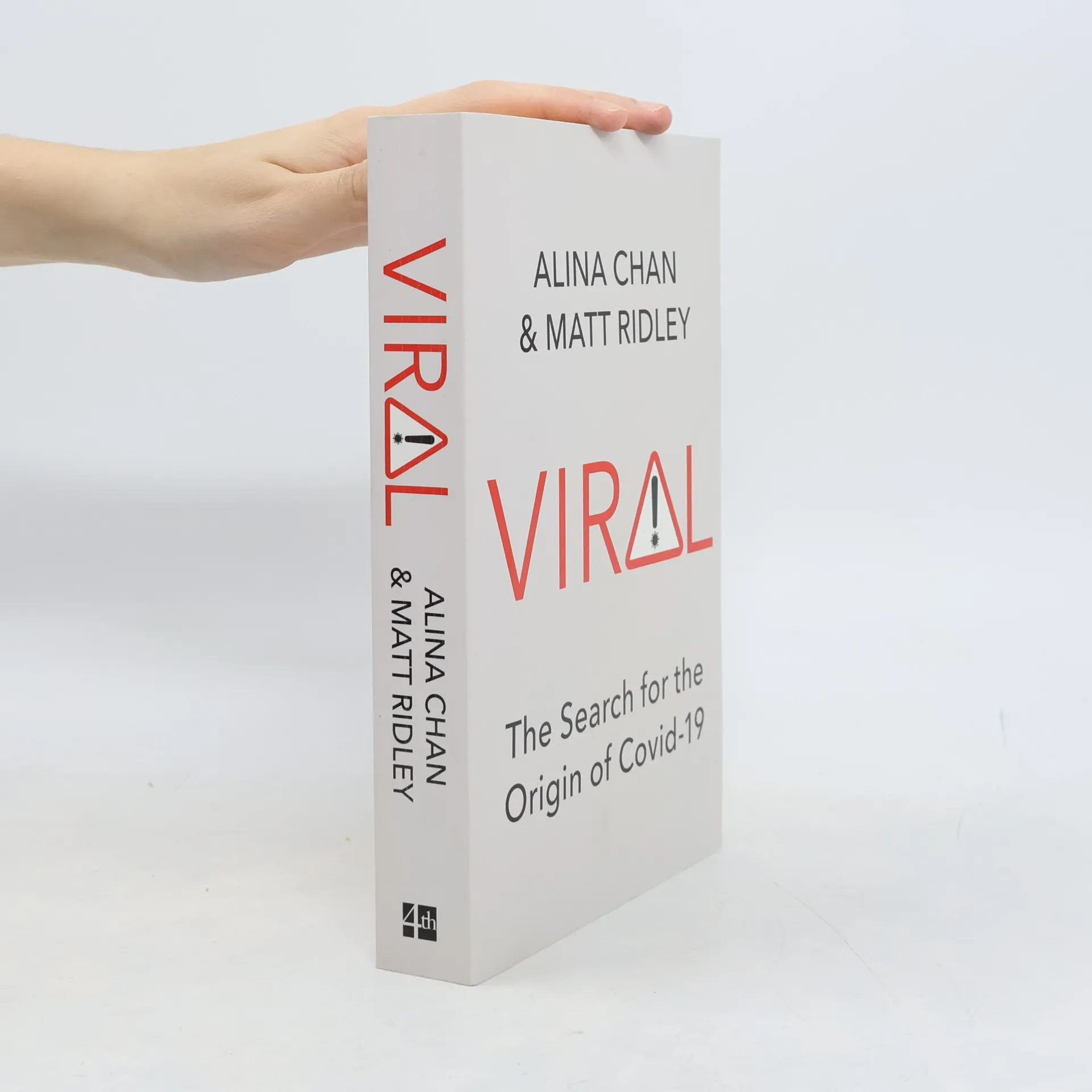
Viral
- 400 Seiten
- 14 Lesestunden
Understanding how Covid-19 started is more important than we know for the future of humankind. Determining whether the virus came from nature or from a lab will help us to safeguard against the next pandemic.
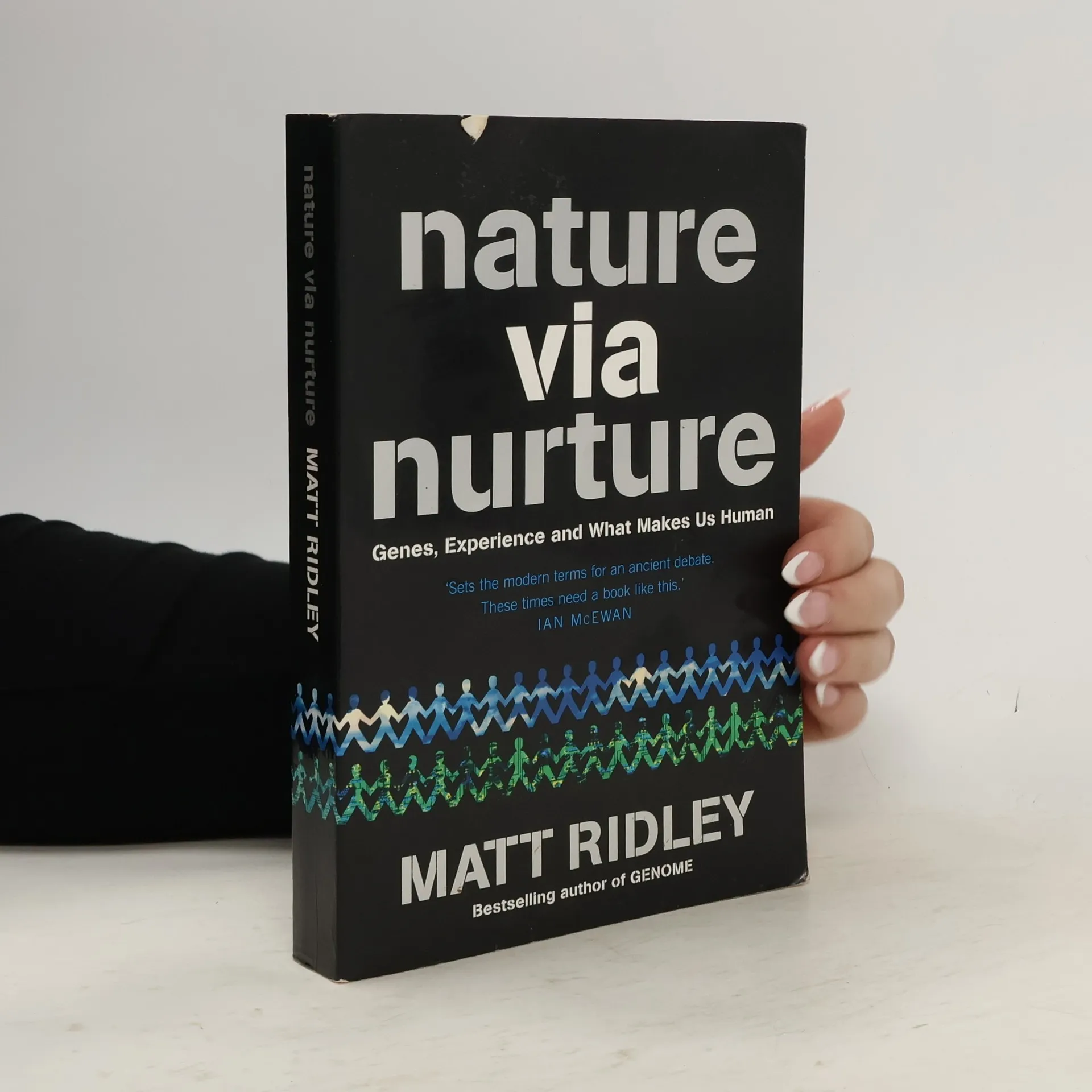
Armed with extraordinary new discoveries about our genes, acclaimed science writer Matt Ridley turns his attention to the nature-versus-nurture debate in a thoughtful book about the roots of human behavior. Ridley recounts the hundred years' war between the partisans of nature and nurture to explain how this paradoxical creature, the human being, can be simultaneously free-willed and motivated by instinct and culture. With the decoding of the human genome, we now know that genes not only predetermine the broad structure of the brain, they also absorb formative experiences, react to social cues, and even run memory. They are consequences as well as causes of the will.
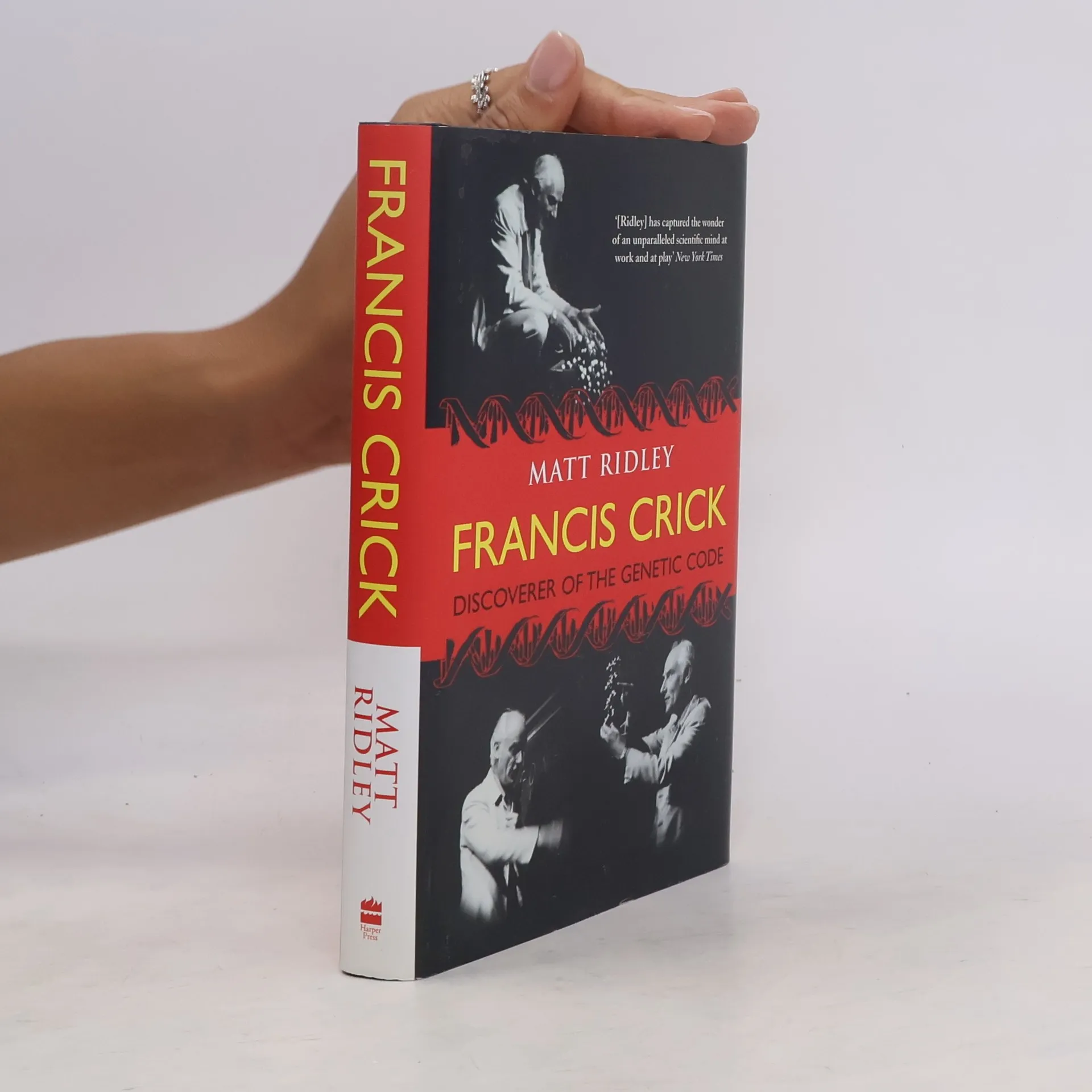
Ridley traces Crick's life from middle-class mediocrity through his leap into biology at the age of 31 and his co-discovery of the double helix structure of DNA.
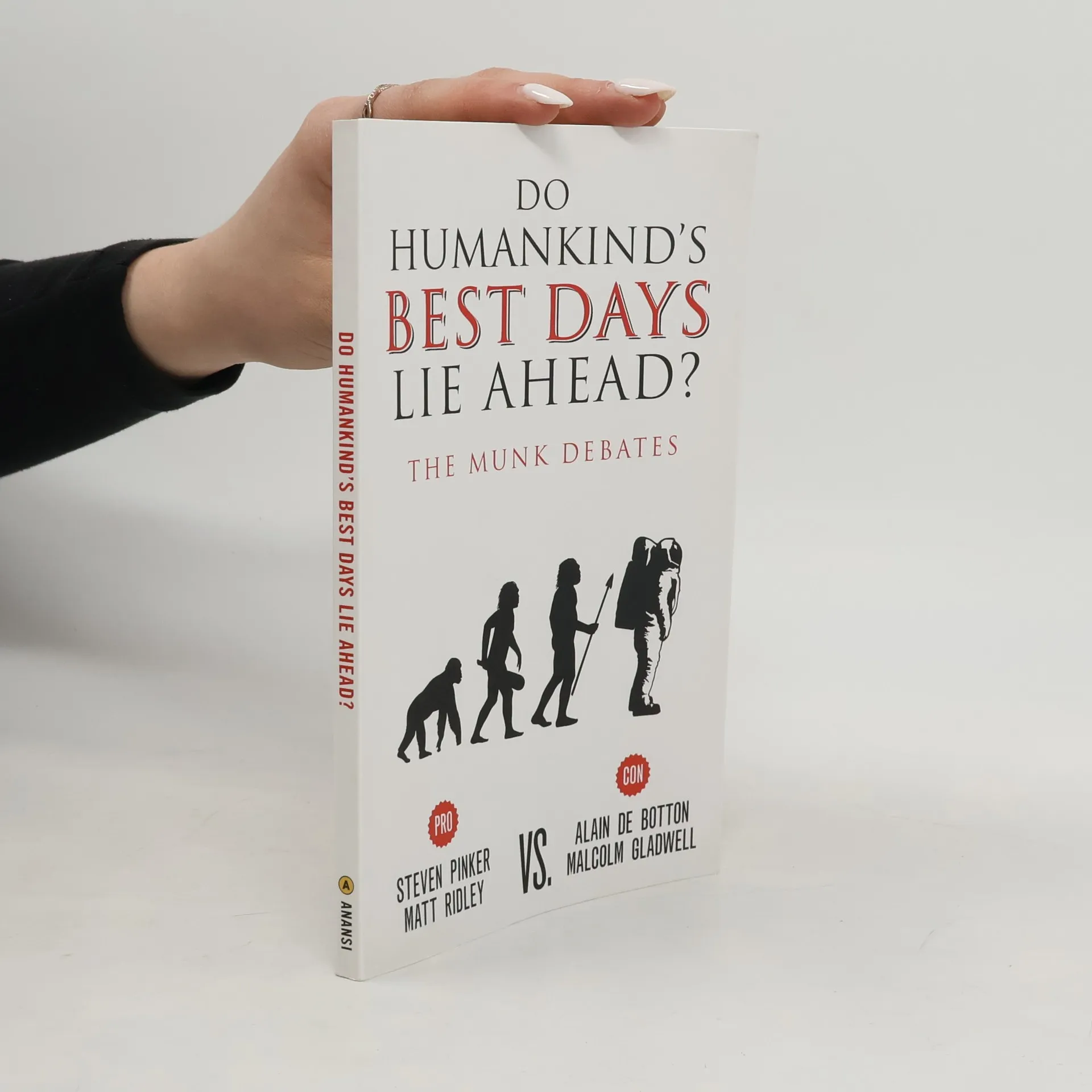
Do Humankind's Best Days Lie Ahead?: The Munk Debates
- 128 Seiten
- 5 Lesestunden
"Progress. It is one of the animating concepts of the modern era. From the Enlightenment onwards, the West has had an enduring belief that through the evolution of institutions, innovations, and ideas, the human condition is improving. This process is supposedly accelerating as new technologies, individual freedoms, and the spread of global norms empower individuals and societies around the world. But is progress inevitable? Its critics argue that human civilization has become different, not better, over the last two and a half centuries. What is seen as a breakthrough or innovation in one period becomes a setback or limitation in another. In short, progress is an ideology not a fact; a way of thinking about the world as opposed to a description of reality. In the seventeenth semi-annual Munk Debates, which was held in Toronto on November 6, 2015, pioneering cognitive scientist Steven Pinker and best-selling author Matt Ridley squared off against noted philosopher Alain de Botton and best-selling author Malcolm Gladwell to debate whether humankind's best days lie ahead, "--Amazon.com.
Max Perutz and the Secret of Life
- 304 Seiten
- 11 Lesestunden
This is the story of the father of molecular biology whose famous research team uncovered the structure of DNA. Georgina Ferry’s story brims with life, has the zest of an adventure novel and is full of fascinating characters.
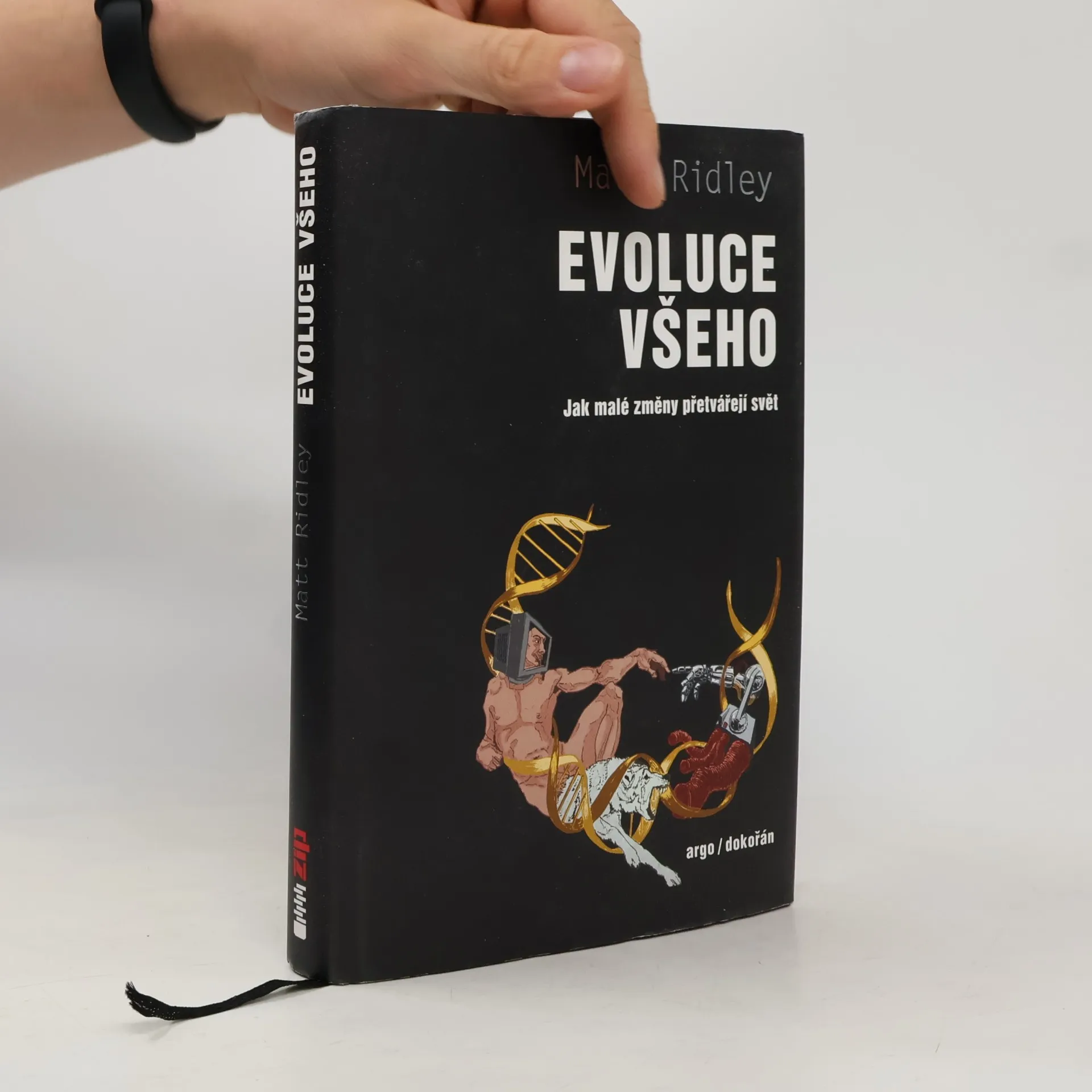
Evoluce všeho. Jak malé změny přetvářejí svět
- 304 Seiten
- 11 Lesestunden
Podtitul: Jak malé změny přetvářejí svět. Svou nejnovější knihou Evoluce všeho podnikl přední britský popularizátor vědy Matt Ridley frontální útok na všeobecně rozšířenou představu, že svět je celý naplánovaný a že všechno musí být řízeno shora. Svět, jak podrobně dokládá Ridley, je naopak prostoupen nikým neplánovanou a neřízenou evolucí, která je zdrojem a motorem všeho důležitého nejen v přírodě, ale i ve společnosti; nové věci vznikají spontánně, v drobných a postupných přírůstcích, zákonitě a metodou pokusu a omylu - všechno jsou to různé verze biologického principu přirozeného výběru, ať jde o jazyk, trhy, vynálezy, morálku, náboženství nebo internet. Většina lidského světa tedy není výsledkem lidského ani jiného plánu, ale produktem lidského konání. Ridley myšlenku primární role evoluce podepírá erudovaně zpracovanými doklady z vědy, technologie, ekonomiky, historie, vývojové psychologie, politiky i filozofie. Evoluce je síla, která formuje naši kulturu, naše technologie, naše mysli a nyní formuje i naši budoucnost.
Wie funktioniert die Welt?
Die führenden Wissenschaftler unserer Zeit stellen die brillantesten Theorien vor
Brillante Theorien in der Wissenschaft - das sind solche, die tiefe und komplexe Fragen einfach, elegant und überraschend beantworten. Doch welche sind das? John Brockman, Wissenschaftsaktivist, Visionär und Literaturagent hat die führenden Wissenschaftler der Welt gefragt, welche Theorie sie am brillantesten finden. Entstanden ist ein kurzweiliges, unterhaltsames und inspirierendes Panorama aus allen Bereichen der Wissenschaft; mit Beiträgen u.a. von Richard Dawkins, Steven Pinker, Gerd Gigerenzer, Anton Zeilinger, Lisa Randall, Brian Eno, Eric R. Kandel, Ernst Pöppel, Jared Diamond, Douglas Coupland und vielen anderen. ”Wichtige, scharfsinnige und ambitionierte Fragen ... von einer atemberaubenden Bandbreite.“ New Scientist ”Bietet die seltene Chance, große Ideen zu entdecken, bevor sie Mainstream werden“ The New York Times.
Jak fungují inovace : a proč se jim nejvíc daří ve svobodné společnosti
- 272 Seiten
- 10 Lesestunden
Nová kniha známého britského zoologa a popularizátora vědy navazuje na bestsellery Racionální optimista a Evoluce všeho, v nichž líčí cestu lidstva od doby kamenné k současné prosperitě. Základním faktorem na této cestě jsou inovace, záhadný a nedoceňovaný proces, který vskrytu formuje historii lidské civilizace a je obdobou biologické evoluce. Inovace se zásadně liší od vynálezů, protože při nich nevzniká něco zcela nového, ale již existující vynálezy a myšlenky se přetvářejí ve spolehlivé, prakticky upotřebitelné a masově dostupné věci. Jde o postupný, nepředvídatelný, zdola poháněný proces, který často provází šťastná náhoda. Inovace také nejsou dílem jednotlivců, ale plodem spolupráce a výměny myšlenek mnoha lidí. V řadě příběhů se seznámíme s inovacemi od vzniku zemědělství přes parní stroj a očkování až po sociální média a sdílenou ekonomiku. Vůbec první a nejdůležitější inovací je však z hlediska planety Země vznik života samotného.
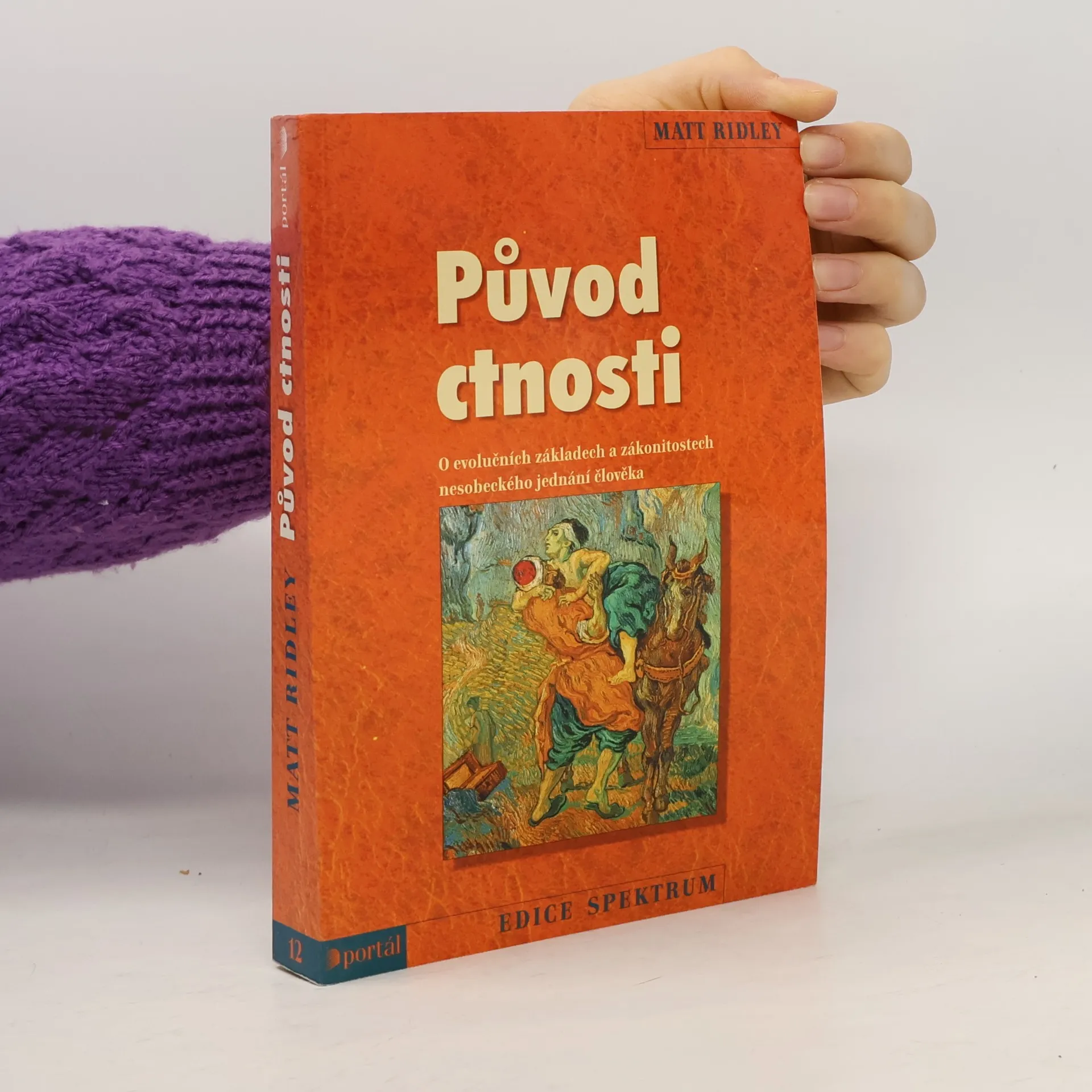
Původ cnosti
- 295 Seiten
- 11 Lesestunden
Jak je možné, že lidské společnosti se řídí morálkou, zákony a všeobecně převládající slušností, když naše chování se podle sociobiologů formovalo během milionů let, kdy jsme mezi sebou zápasili o přežití a naslouchali příkazům svých sobeckých genů? Anglický zoolog a publicista Matt Ridley se na tyto a další otázky pokouší odpovědět, přičemž své brilantně a vtipně formulované závěry podpírá důkazy ze světa zvířat, z historie, antropologie nebo ekonomických teorií.
Edge.org: Wetenschappelijke parels
Het belangrijkste wetenschappelijke nieuws volgens 193 'briljante geesten'
- 528 Seiten
- 19 Lesestunden
Bijna dagelijks worden we geconfronteerd met nieuwe inzichten en weetjes, variërend van wereldbelang tot drijfzand. Of het nu gaat om dieetvoorschriften, experimentele medicijnen, technologische doorbraken of klimaatvoorspellingen, het is voor leken vaak onmogelijk om waardevolle informatie te onderscheiden van onzin. Wat zijn de ontdekkingen die écht invloed hebben op onze toekomst? John Brockman, oprichter van edge.org, vroeg invloedrijke wetenschappers en denkers naar het meest interessante recente wetenschappelijke nieuws. Steven Pinker wijst op de kwantificering van menselijke vooruitgang als een opmerkelijke ontwikkeling. Chris Anderson is onder de indruk van het sociale experiment dat internet vertegenwoordigt en de opkomst van een wereldwijd collectief bewustzijn. Max Tegmark waarschuwt dat technologische en wetenschappelijke vooruitgang de leercurve van onze wijsheid overstijgt, wat zorgwekkend is, vooral bij gevoelige onderwerpen zoals kernwapens. Peter Gabriel benadrukt hoe hersenwetenschap de grens tussen fantasie en werkelijkheid vervaagt. Daarnaast delen ook John C. Mather, Bill Joy, Michael Shermer, Matt Ridley, George Church en anderen hun inzichten, wat een breed scala aan perspectieven biedt op de huidige wetenschappelijke ontwikkelingen.