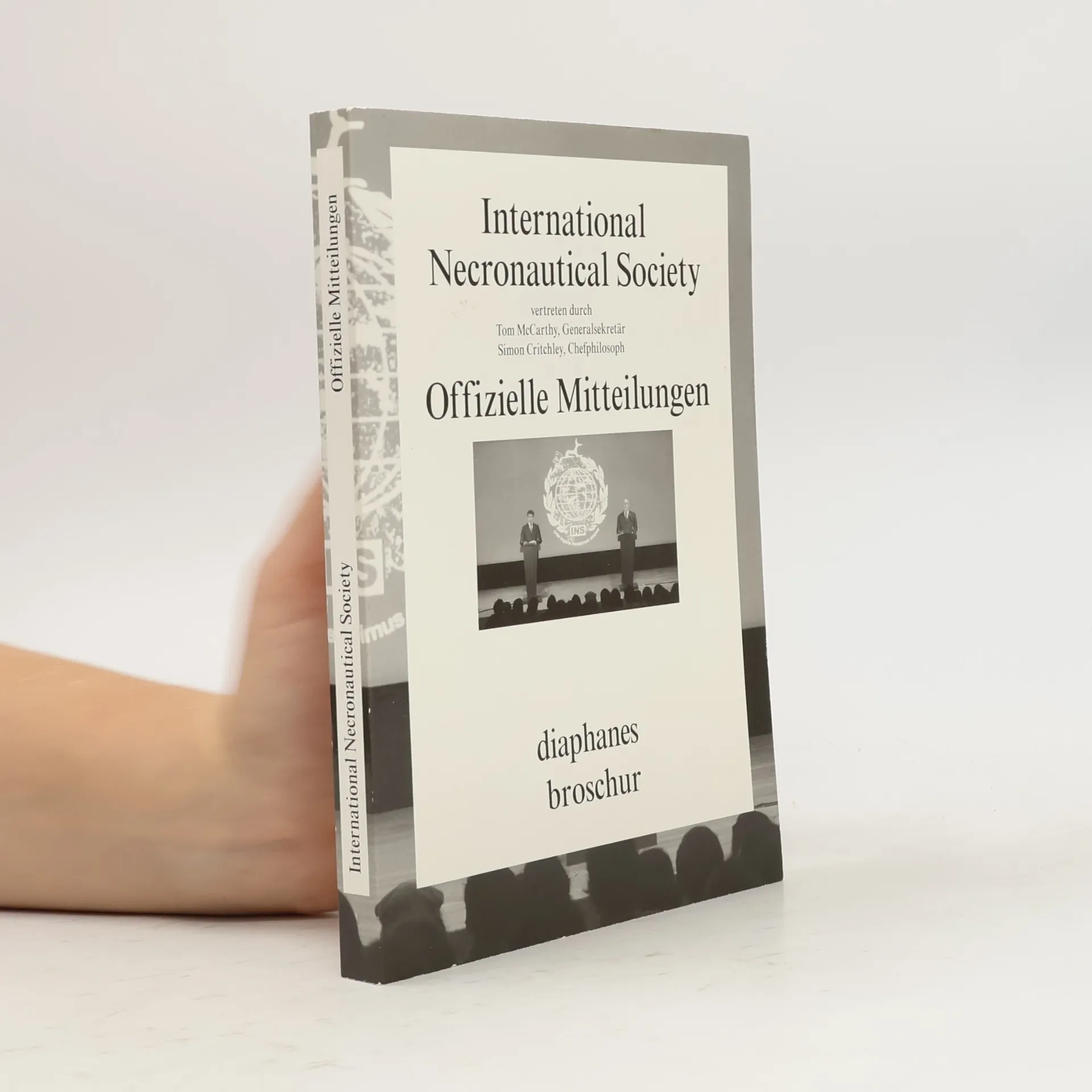
Offizielle Mitteilungen / International Necronautical Society
- 157 Seiten
- 6 Lesestunden


Simon Critchley ist ein englischer Philosoph, der sich mit kontinentaler Philosophie beschäftigt. Seine Arbeit wird maßgeblich von zwei zentralen Themen geprägt: religiöser und politischer Enttäuschung. Critchley argumentiert, dass Philosophie aus Enttäuschung entsteht, sei sie religiöser oder politischer Natur. Religiöse Enttäuschung wirft Fragen nach dem Sinn auf und thematisiert das Problem des Nihilismus, während politische Enttäuschung die Frage nach Gerechtigkeit und die Notwendigkeit einer kohärenten Ethik hervorruft.



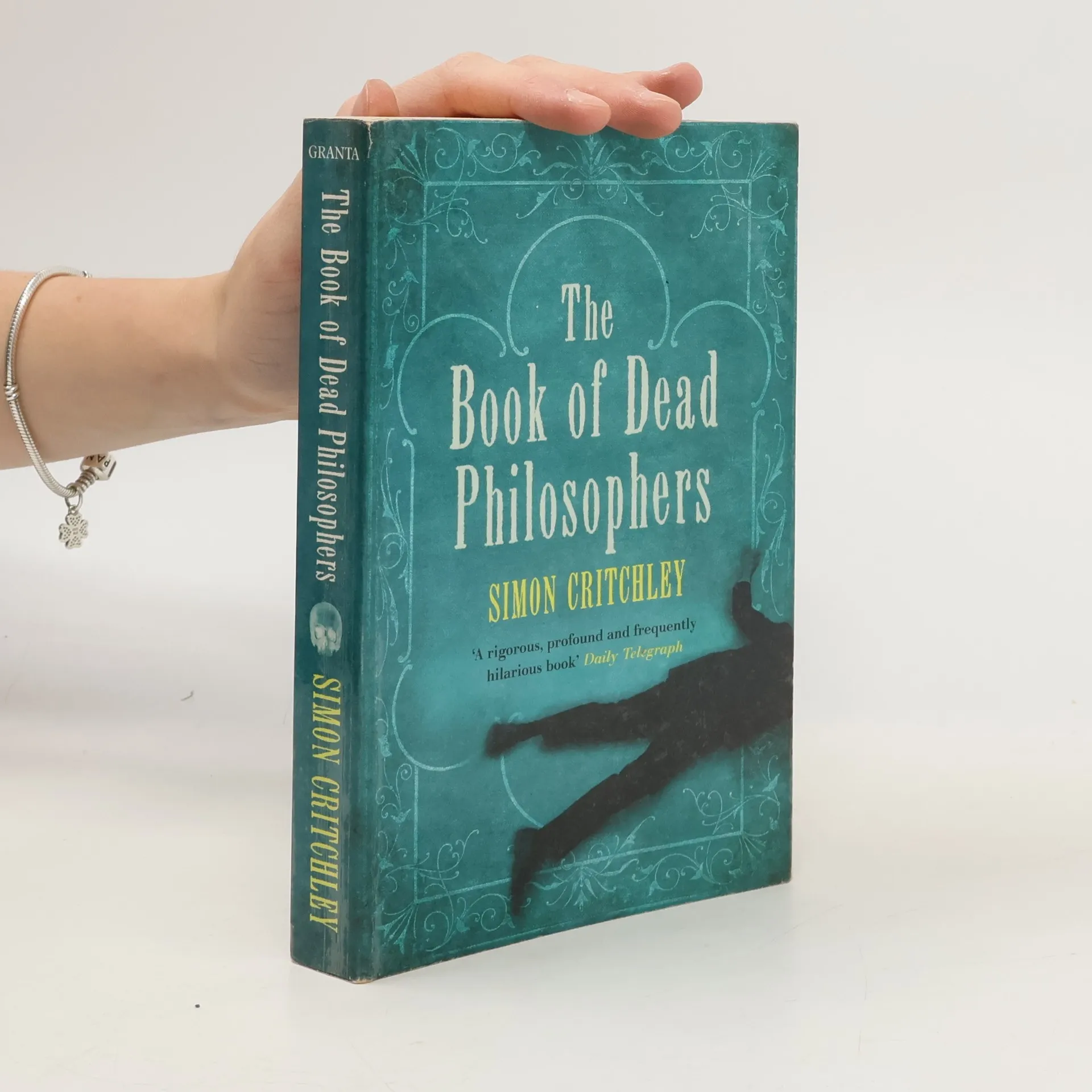
Ein französischer Philosoph stirbt während der Pariser Hitzewelle. Seine mysteriösen, in Schachteln gepackten Nachlasspapiere landen in Simon Critchleys Büro. Sich durch Papierberge wühlend, entdeckt er einen brillanten Text zur alten Kunst des Gedächtnisses sowie ein Bündel Horoskope, die den Tod gewisser Philosophen vorhersagen – darunter eines, das in allen Einzelheiten Critchleys eigenes Leben und sein bevorstehendes Ableben beschreibt. Immer obsessiver vergraben in die Untiefen des eigenen Schicksals, erhält er schließlich die letzte, fehlende Schachtel, die ein Modell von Giulio Camillos venezianischem Gedächtnistheater aus dem 16. Jahrhundert enthält – ein Ort, der die Summe allen Wissens enthalten soll. Das Wesen des Gedächtnisses scheint zum Greifen nah, bis der Philosoph ins Halluzinieren verfällt…
From the moderator of The New York Times philosophy blog "The Stone," a book that argues that if we want to understand ourselves we have to go back to theater, to the stage of our lives Tragedy presents a world of conflict and troubling emotion, a world where private and public lives collide and collapse. A world where morality is ambiguous and the powerful humiliate and destroy the powerless. A world where justice always seems to be on both sides of a conflict and sugarcoated words serve as cover for clandestine operations of violence. A world rather like our own. The ancient Greeks hold a mirror up to us in which we see all the desolation and delusion of our lives but also the terrifying beauty and intensity of existence. This is not a time for consolation prizes and the fatuous banalities of the self-help industry and pop philosophy. Tragedy allows us to glimpse, in its harsh and unforgiving glare, the burning core of our aliveness. If we give ourselves the chance to look at tragedy, we might see further and more clearly.
The book explores the tension between Derridean deconstruction and Rortian pragmatism, addressing criticisms that they threaten concepts of truth and reason. It argues that, despite these accusations, both philosophies contribute to the democratic project by challenging the traditional connections between universalism, rationalism, and modern democracy. The authors aim to clarify the intellectual and political implications of these ideas, suggesting that they can foster a more nuanced understanding of democracy rather than leading to chaos.
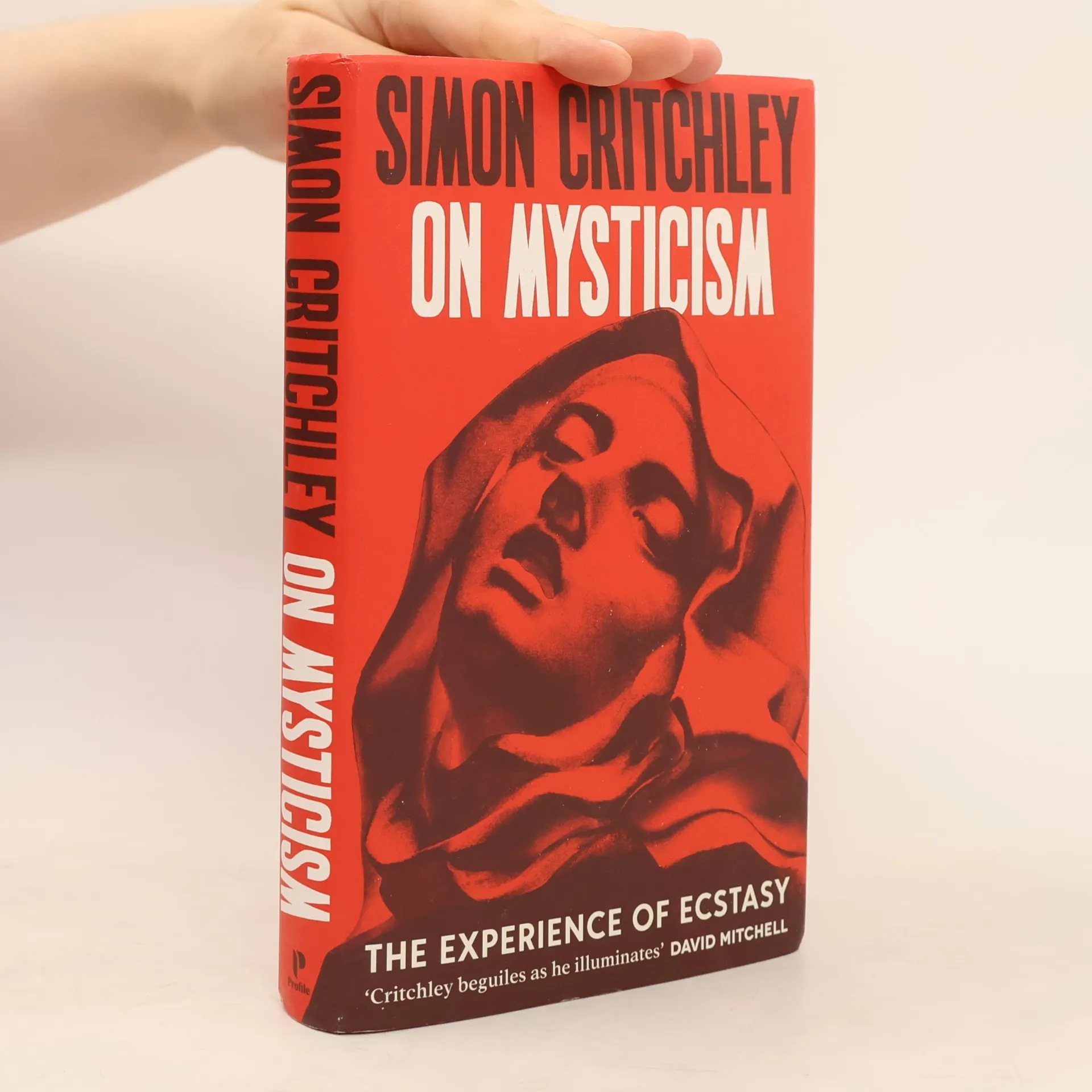
Exploring existential ecstasy, the book delves into mystical experiences that elevate one's senses and self-awareness, fostering a profound sense of aliveness. It highlights practical pathways to deepen life's meaning, whether through traditional spiritual connections or transformative mind-altering experiences.
Through a sweeping historical overview of suicide, a moving literary survey of famous suicide notes, and a psychological analysis of himself, Simon Critchley offers us an insight into what it means to possess the all too human gift and curse of being of being able to choose life or death.
Philosophy, according to Simon Critchley, emerges not from wonder but from disappointment, particularly in the realms of religion and politics. He explores how religious disillusionment leads to existential questions about life's meaning amidst nihilism, while political discontent confronts the quest for justice in a violent world. Critchley's recent works also venture into innovative writings on diverse subjects, including Shakespeare, David Bowie, suicide, Greek tragedy, and football, showcasing his broad intellectual engagement.
What made Bowie special? What made him the cultural icon he is today? And what made millions of people around the world tune into his peculiar wavelength and find exactly what they'd been looking for all along? Simon Critchley's keen-eyed, moving and textured tribute to Bowie paints an essential picture of how he tapped into the zeitgeist - and into our hearts.
The question of how to lead a happy and meaningful life has been at the heart of philosophical debate since time immemorial. This book tackles the question of 'how to live' by forcing us to explore our troubling relationship with death. It provides an introduction to the thought of Simon Critchley.
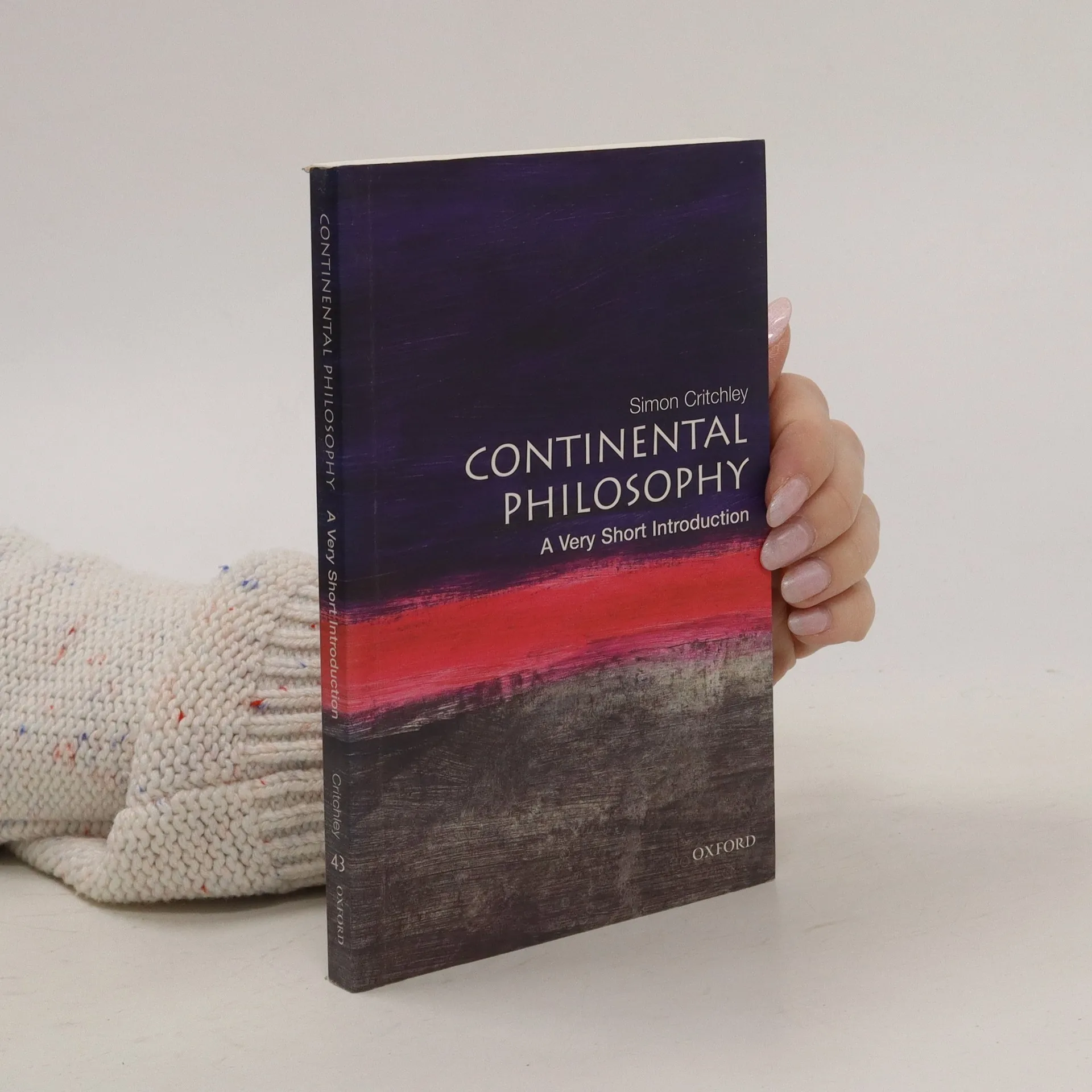
In this enlightening new Very Short Introduction , Simon Critchley shows us that Continental philosophy encompasses a distinct set of philosophical traditions and practices, with a compelling range of problems all too often ignored by the analytic tradition. He discusses the ideas and approaches of philosophers such as Kant, Hegel, Nietzsche, Husserl, Heidegger, Sartre, Habermas, Foucault, and Derrida. He also introduces key concepts such as existentialism, nihilism, and phenomonology, by explaining their place in the Continental tradition.The perfect guide for anyone interested in the great philosophers, this volume explains in lucid, straightforward language the split between Continental and Anglo-American philosophy and the importance of acknowledging Continental philosophy.About the Combining authority with wit, accessibility, and style, Very Short Introductions offer an introduction to some of life's most interesting topics. Written by experts for the newcomer, they demonstrate the finest contemporary thinking about the central problems and issues in hundreds of key topics, from philosophy to Freud, quantum theory to Islam.
From the self-mocking haikus of Zen masters on their deathbeds to the last words of Christian saints and modern-day sages, this text looks at what the world's greatest minds have made of death.
What do we think about when we think about football? Football is about so many things: memory, history, place, social class, gender (especially masculinity, but increasingly femininity too), family identity, tribal identity, national identity, the nature of groups. It is essentially collaborative, even socialist, yet it exists in a sump of greed, corruption, capitalism and autocracy. Philosopher Simon Critchley attempts to make sense of it all, and to establish a system of aesthetics - even poetics - to show what is beautiful in the beautiful game. He explores, too, how the experience of watching football opens a particular dimension in time; how its magic wards off oblivion; how its dramas play out national identity and non-identity; how we spectators, watching football with tragic pensiveness, participate in the play. And of course, as a football fan, he writes about his heroes and villains: about Zidane and Cruyff, Clough and Revie, Shankly and Klopp.
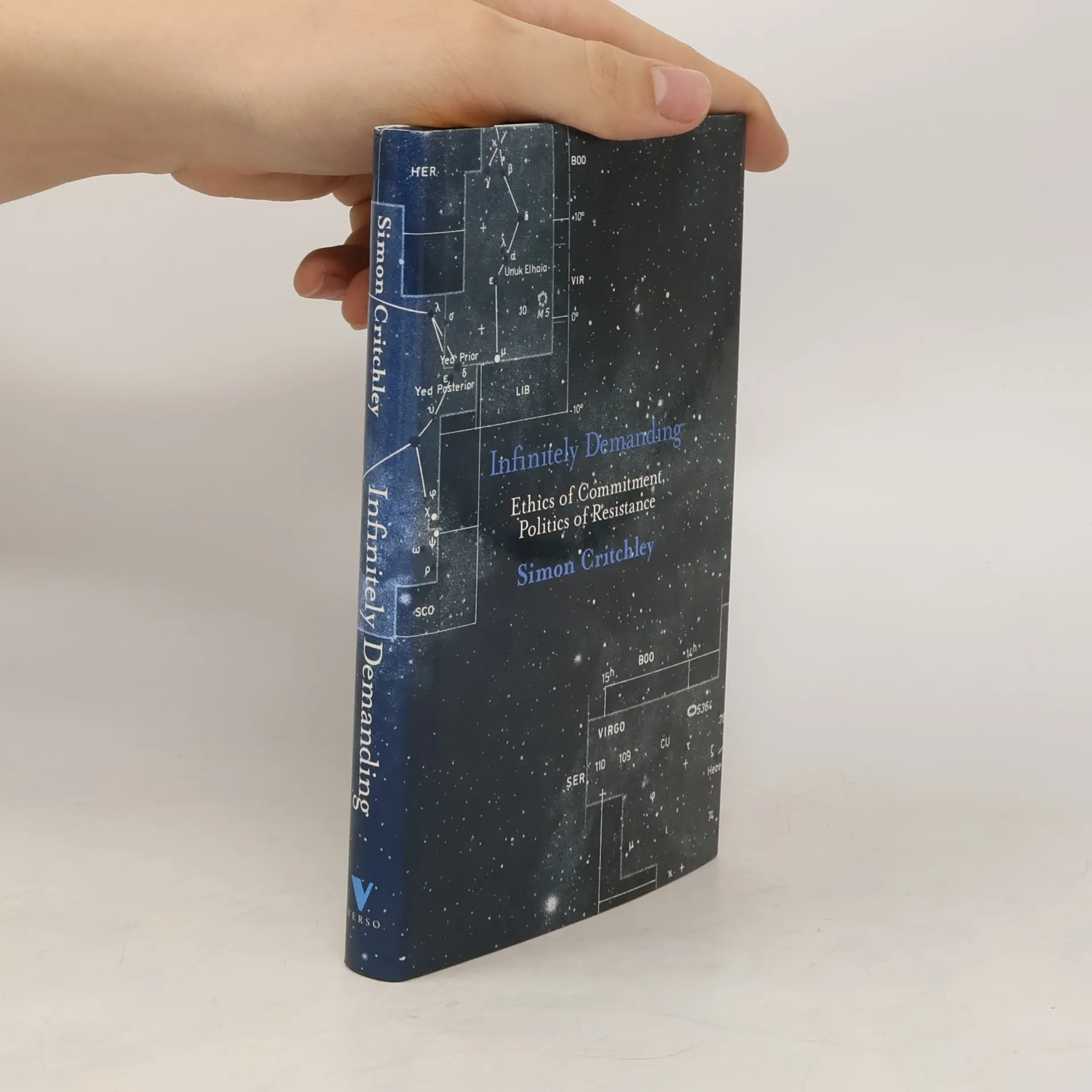
This work talks about a new political ethics that confronts and faces down the injustices of the present. Infinitely Demanding is the clearest, boldest and most systematic statement of Simon Critchley's influential views on philosophy, ethics and politics. Part diagnosis of the times, part theoretical analysis of the impasses and possibilities of ethics and politics, part manifesto, Infinitely Demanding identifies a massive political disappointment at the heart of liberal democracy and argues that what is called for is an ethics of commitment that can inform a radical politics. Exploring the problem of ethics in Kant, Levinas, Badiou and Lacan that leads to a conception of subjectivity based on the infinite responsibility of an ethical demand, Critchley considers the possibility of political subjectivity and action after Marx and Marxism, in an argument for anarchism as an ethical practice and a re-motivating means of political organization.
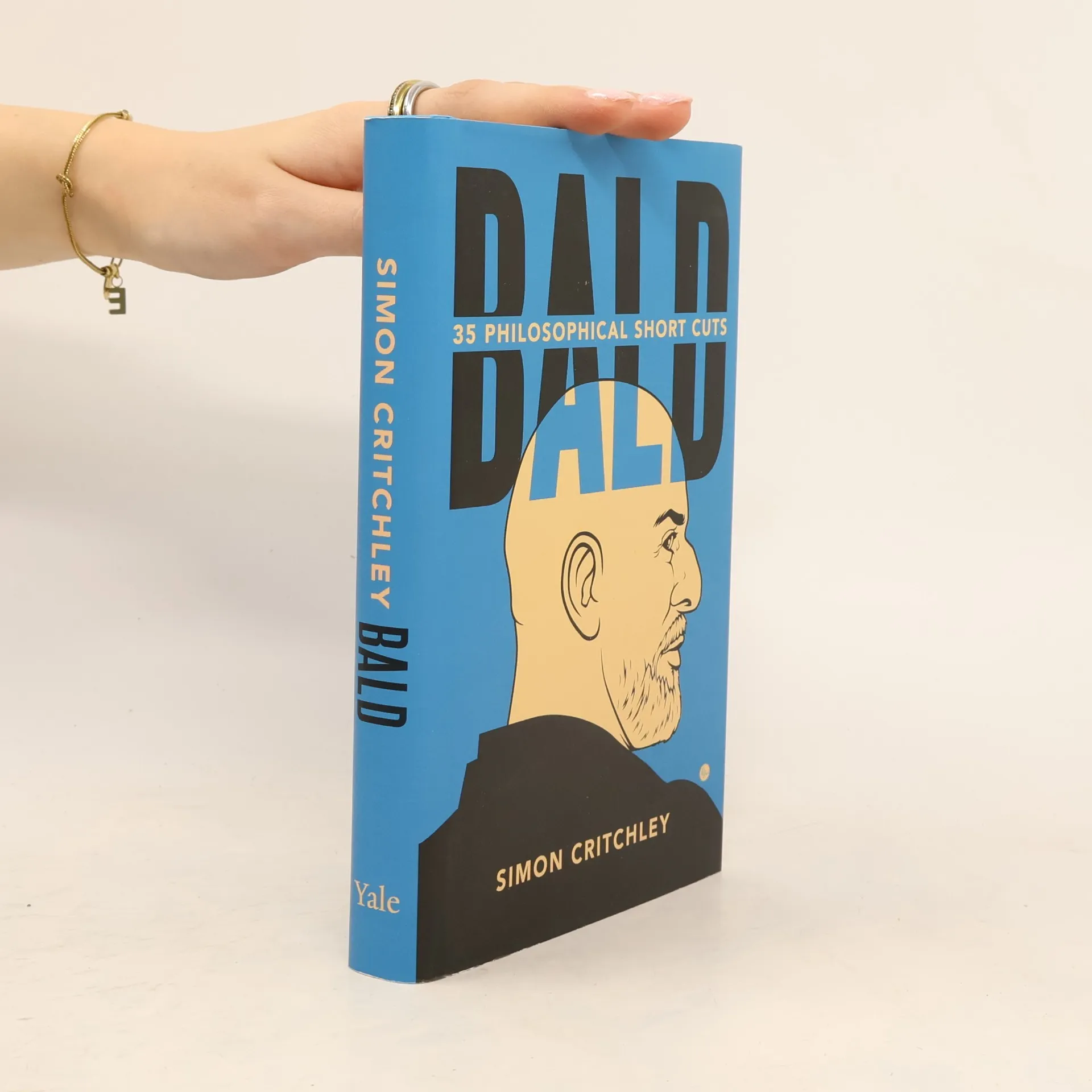
"A genial exercise in public philosophy" ( Kirkus , starred review) from one of the world's best-known popular philosophers"Simon Critchley is an international treasure—that rare and real philosopher who embraces Rousseau’s ‘feeling of existence,’ David Bowie’s vision of love, and Philip K. Dick’s genius with genuine wrestling and a soulful smile!’’—Cornel West, Harvard UniversityThe moderator of the New York Times ’ Stone column and the author of numerous books on everything from Greek tragedy to David Bowie, Simon Critchley has been a strong voice in popular philosophy for more than a decade. This volume brings together thirty-five essays, originally published in the Times, on a wide range of topics, from the dimensions of Plato’s academy and the mysteries of Eleusis to Philip K. Dick, Mormonism, money, and the joy and pain of Liverpool Football Club fans. In an engaging and jargon‑free style, Critchley writes with honesty about the state of world as he offers philosophically informed and insightful considerations of happiness, violence, and faith.Stripped of inaccessible academic armatures, these short pieces bring philosophy out of the ivory tower and demonstrate an exciting new way to think in public.