Tony Nourmand Bücher
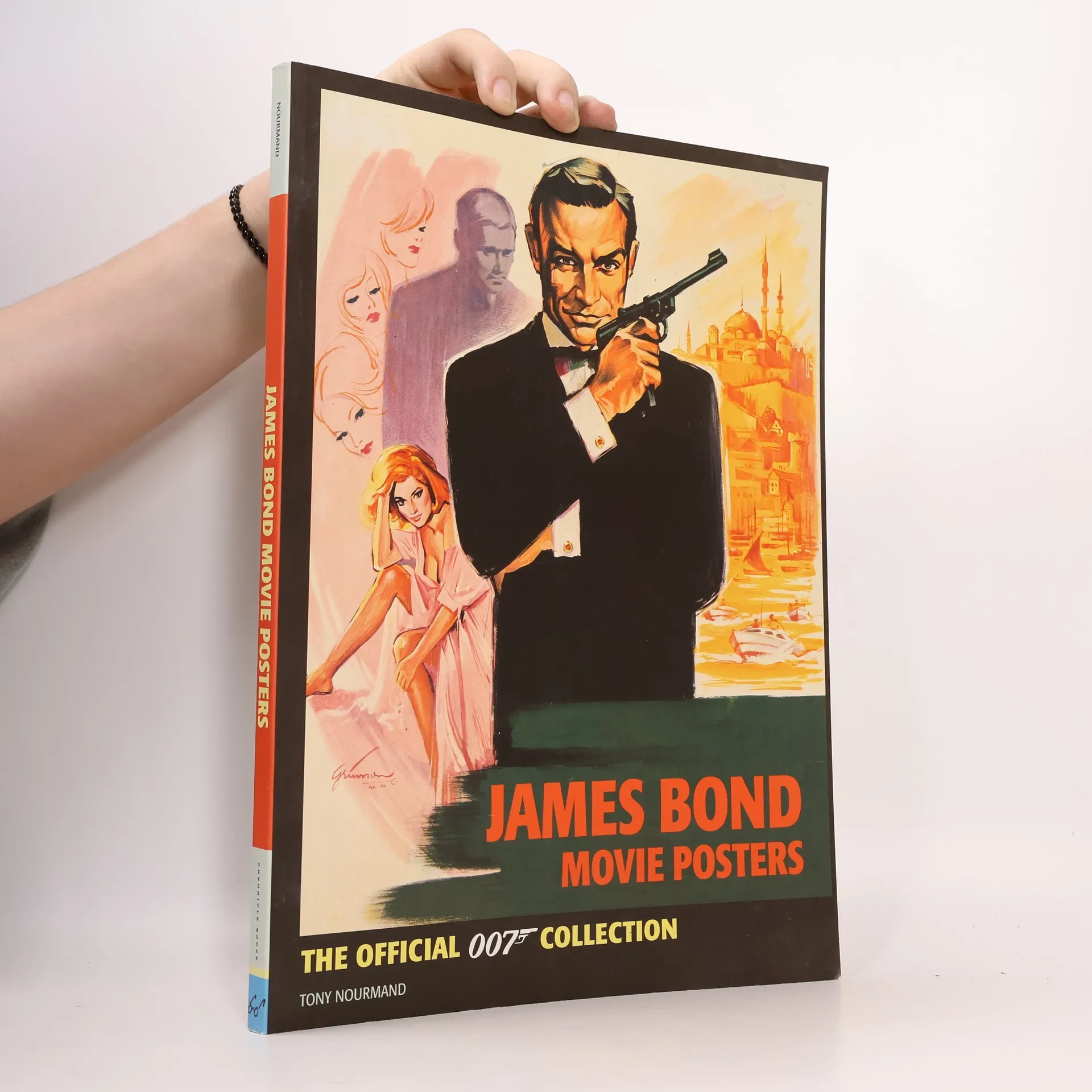

The guns, the girls, the gadgets, all the key ingredients of Bond- James Bond-are captured in this one-of-a-kind collection of movie posters. Gathered from the archives of Eon Productions and published to coincide with the 40th anniversary of Bond movies and the release of the newest James Bond movie, James Bond Movie Posters depicts in hot type and bold color four decades of our favorite spy in action. Film-goers first encountered the trademark gun barrel logo on the poster for Dr. No , produced in 1962 to promote the first official Bond movie. Then followed the famous image of Bond with a gun across his chest on the poster for From Russia with Love , Goldfinger s startling golden girl, and the inimitable Pussy Galore. These images have become some of the most memorable visual teasers in cinematic history and are now one of the hottest items of memorabilia among both Bond aficionados and movie collectors. This collection features over 200 original posters, including posters that were never released, limited edition festival posters, and rare advance posters. They are all meticulously reproduced in this oversized, full-color paperback. "James Bond is back in action! Everything he touches turns to excitement!"
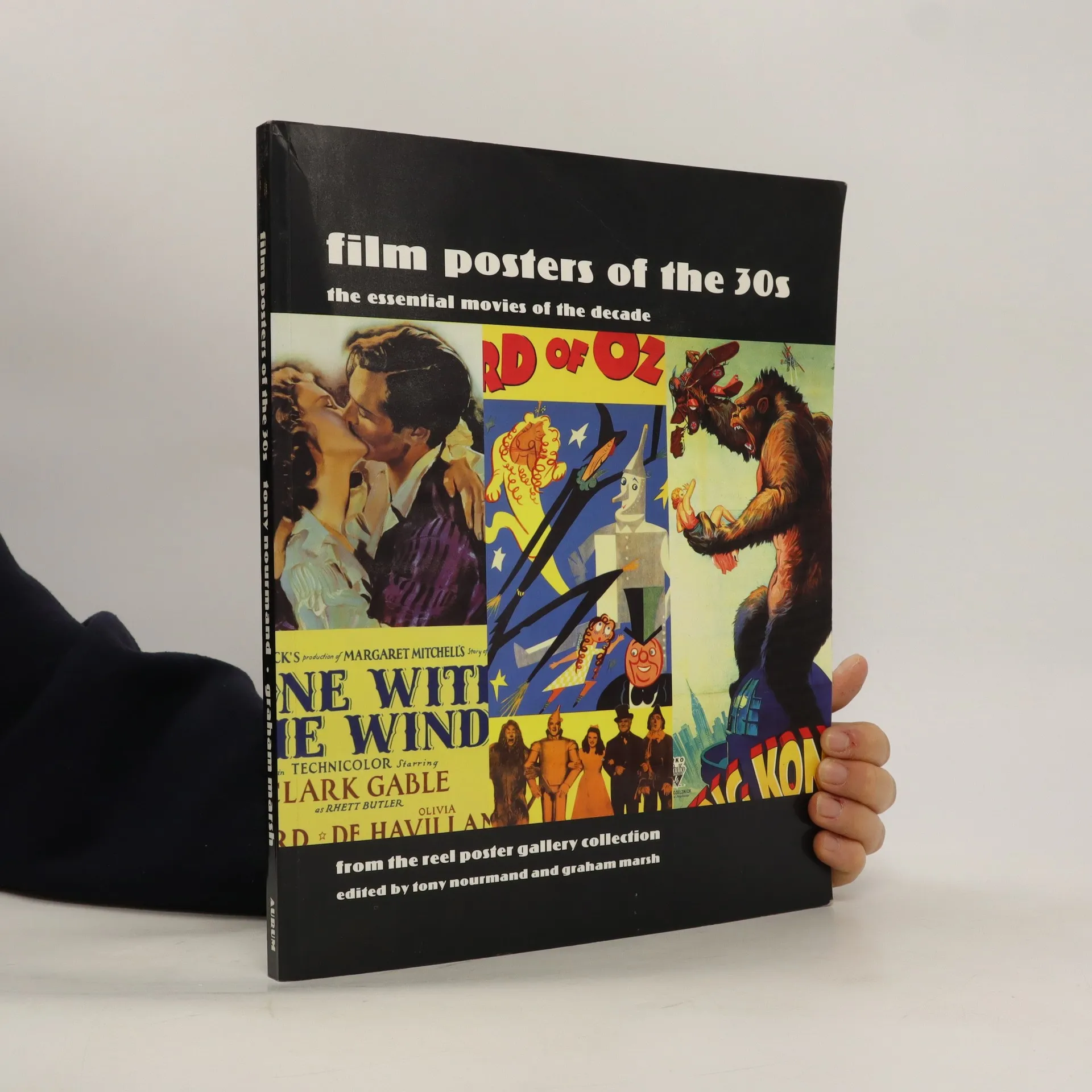
Film Posters of the 30s: The Essential Movies of the Decade
- 128 Seiten
- 5 Lesestunden
The 1930s was the cinema’s age of innocence, a time when the emphasis was on escapism and entertainment. Cary Grant and Katharine Hepburn were Bringing Up Baby, Busby Berkely’s precision-drilled chorus girls were Flying Down to Rio, Fred Astaire was donning his Top Hat, and John Wayne was climbing on the Stagecoach to stardom. As this stunning collection of poster art reveals, it was also the decade of the illustrator, with Al Hirschfeld, Hap Hadley, and Alberto Vargas setting new standards in graphic design. Color may have only just begun to appear on cinema screens, but on the hoardings outside, the hues were bold and dazzling as never before. Tony Nourmand is co-owner of the Reel Poster Gallery in London and a poster consultant to Christie’s; Graham Marsh is a designer and art director. Together, they have produced Horror Poster Art and Science Fiction Poster Art, and collections of 20th-century film posters by decade.
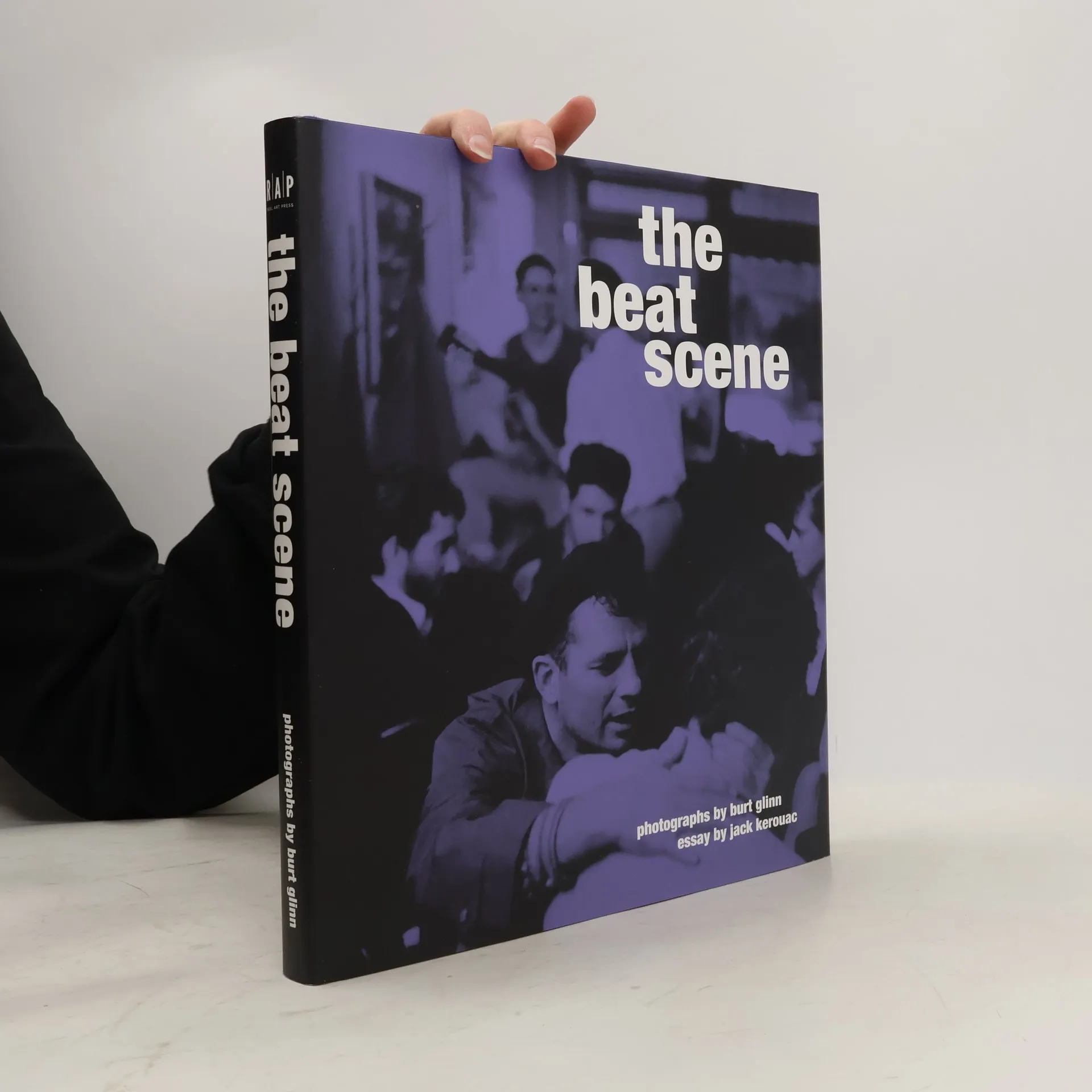
Eine außergewöhnliche Zusammenstellung bisher unveröffentlichter Fotografien der Beat Generation Dieses großartige Buch mit Aufnahmen des renommierten Magnum-Fotografen Burt Glinn enthält eine bemerkenswerte Zusammenstellung von weitgehend unveröffentlichten Fotografien der Beat Generation. Dieser Schatz von Bildern wurde entdeckt, als R A P mit Burt Glinns Witwe, Elena, an einer größeren Retrospektive seines Werkes arbeitete. Neben zahlreichen Schwarz- Weiß-Aufnahmen enthält das Buch auch über 70 farbige Bilder. Diesen gelingt es, die rohe Energie der Beat-Generation auf eine Art und Weise zu zeigen, wie sie nie zuvor in Buchform erhältlich war. Die Fotografien entstanden zwischen 1957 und 1960 in New York und San Francisco und sie zeigen fast alle Mitglieder der Szene, darunter Allen Ginsberg und Jack Kerouac, Dichter wie Gregory Corso, William Morris und viele andere. Glinn wurde für sein außergewöhnliches Talent als sozialdokumentarischer Fotograf gefeiert. Während seiner Zeit bei den Beatniks erfasste seine Kamera den Spirit der Counterculture - zu sehen sind Schriftsteller, Musiker und Künstler, die sich in Cafés, Bars und auf Partys trafen. Seine Kamera hielt eine Art zu leben fest, die vom gesellschaftlichen Mainstream nie akzeptiert wurde. Im Archiv fand sich auch ein Essay von Jack Kerouac, der hier mit veröffentlicht wird.
Film posters of the 40s
- 128 Seiten
- 5 Lesestunden
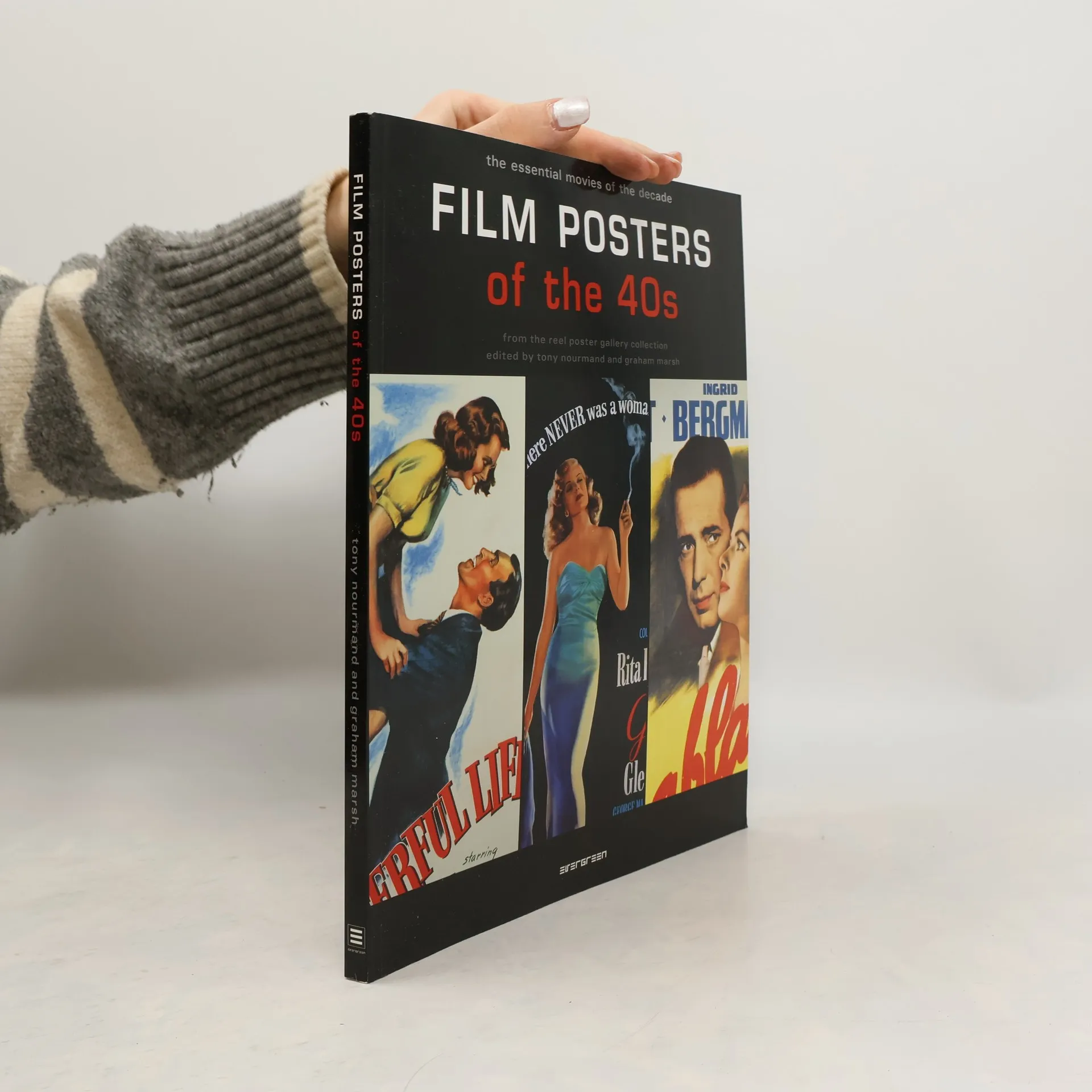
Lights down, curtain up on the cinema of the 1940s, a decade that produced some of the most critically acclaimed movies of all time. These range from the iconic Casablanca, starring a cynical, world-weary Humphrey Bogart and a never-more-beautiful Ingrid Bergman, to Orson Welles' seminal Citizen Kane, and from the optimistic It's A Wonderful Life to the enigmatic The Third Man, recently voted best British film of all time by the critics. This was the decade when Hollywood introduced cinema audiences to one of the greatest of all genres the film noir, still epitomised by movies like Double Indemnity, Out of the Past, Gilda and The Maltese Falcon - a darkly sinister world of gumshoes, double-crossing dames, bent cops and blind alleys. The world may have been at war for the first half of the decade and Europe in ruins for the second, but this was, in many ways, a golden age of cinema. Moreover, as this book shows, the passage of time has not diminished the impact of the 40s poster art that had contemporary audiences queuing to see the latest releases starring movie immortals like Robert Mitchum and Rita Hayworth.
Film posters of the 50s
- 128 Seiten
- 5 Lesestunden
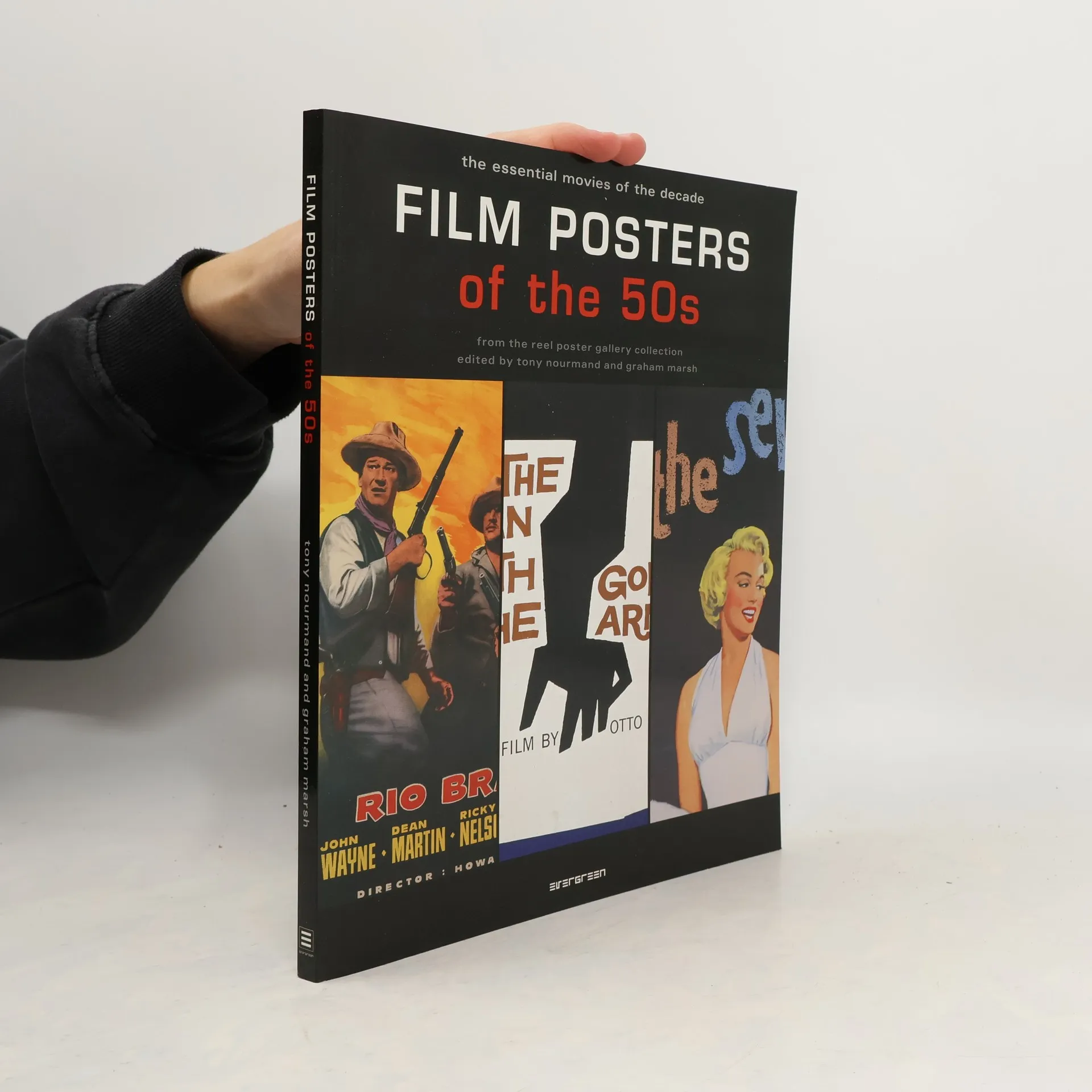
The cinema of the 1950s reflected the mood swings of the post-war generation. Optimistic epics and brittle social comedies rubbed shoulders with socially aware dramas and, faced with the new challenge of television, the studios conjured up a host of fresh attractions: CinemaScope, Vista-Vision and 3D, the curves of Marilyn Monroe and the moody mumbles of Marlon Brando and James Dean. In Hollywood, veteran actors circled the wagons against the massed assault of juvenile delinquents as the Wild West became the Asphalt Jungle. In Britain, upper lips remained stiff - though a smile or two was permitted at the latest Ealing Comedy. Films from Italy and France, where the 'New Wave' was starting to break, were still considered strictly high culture, if not threateningly risque, in the Anglophone nations. The images in this book represent the full range of poster art which attracted world wide cinema audiences to the movies of the decade. Some may be familiar, others, long forgotten, will come as surprises. Most are still as fresh and powerful as the day they first appeared.
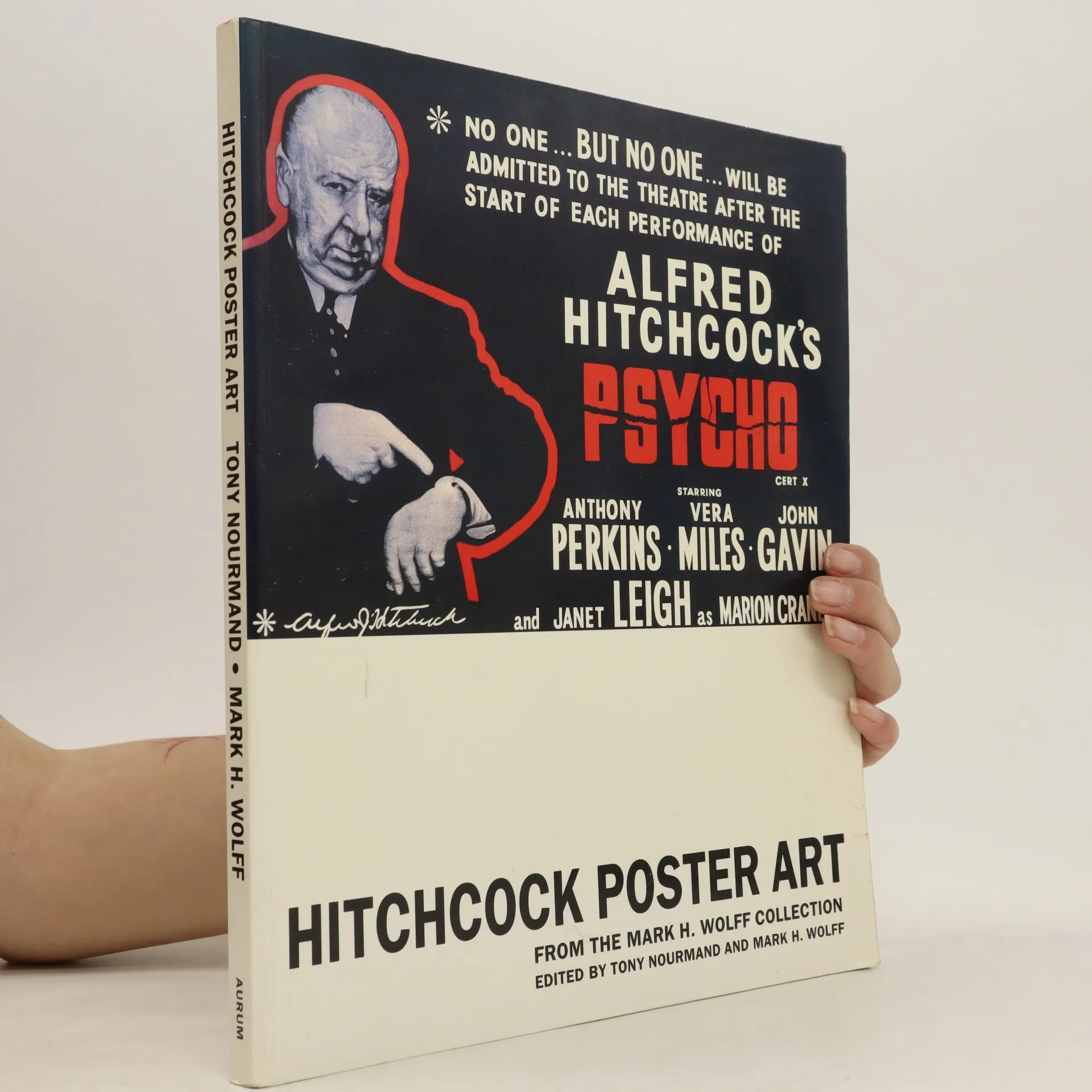
Hitchcock Poster Art
- 128 Seiten
- 5 Lesestunden
This collection of posters, lobby cards and other promotional material for Hitchcock films is a work of reference for any fan of the director and for those interested in the history of the cinema or in the development of poster art.
Peace
- 128 Seiten
- 5 Lesestunden
Jim Marshalls bislang unveröffentlichte „Peace“-Fotografien, die hier erstmals zusammengestellt und publiziert werden, sind in der heutigen Welt relevanter denn je. Fast 60 Jahre nach der Schaffung des CND-Friedenssymbols stellt diese Auswahl einen sowohl ästhetisch ansprechenden als auch inhaltlich tiefgründigen Werkkomplex dar. Das Vorwort stammt von dem bekannten Straßenkünstler Shepard Fairey, während Peter Doggett den begleitenden Text verfasst hat. Joan Baez hat das Nachwort geschrieben. Marshalls Selbstverständnis als Anthropologe und Journalist prägte seine Arbeit, in der er die aufregenden Zeiten und die Explosion von Kreativität in den 1960er Jahren visuell festhielt. Besonders die Street Photography lag ihm am Herzen. Neben offiziellen Aufträgen dokumentierte er privat das CND-Friedenssymbol und die Abrüstungs-Demos, die er in seinem Archiv unter dem Titel „Peace“ aufbewahrte, bis sie nun veröffentlicht werden. Das CND-Symbol, 1958 von Gerald Holtom entworfen, fand seinen Weg von Großbritannien zur Anti-Kriegs-Bewegung in den USA. Marshalls Fotografien, die hauptsächlich zwischen 1961 und 1968 in Amerika entstanden, zeigen die Entwicklung des Symbols vom ursprünglichen „Weg mit der Bombe“ zu einem international anerkannten Zeichen des Friedens. Sie dokumentieren Graffiti in der New Yorker U-Bahn, Buttons von Hippies und Studenten sowie Friedens-Demos an der Westküste, die von Überzeugten organisiert wurden, die hoff
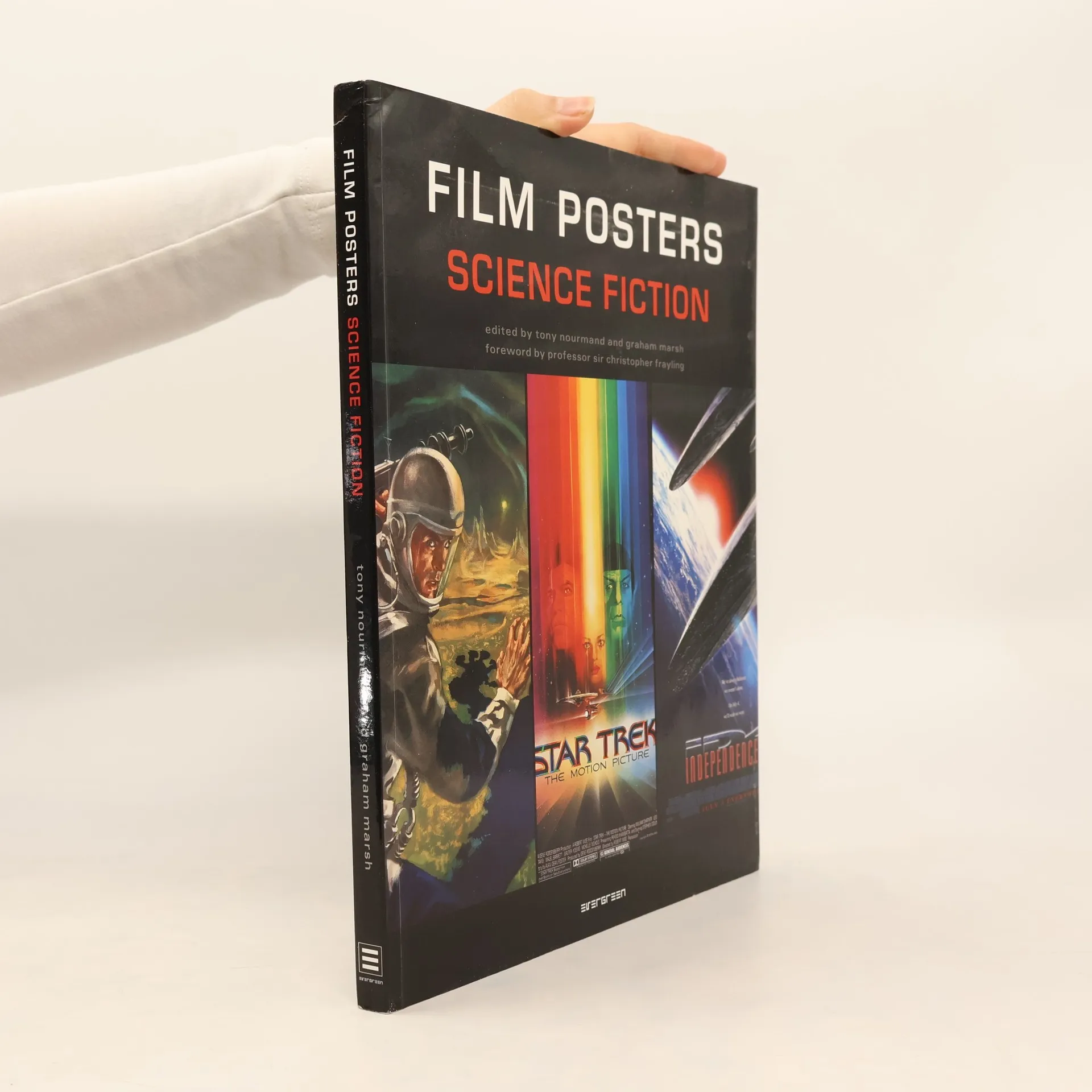
Film Posters - Science Fiction
- 192 Seiten
- 7 Lesestunden
With its unique ability to bring our wildest fantasies to life, the cinema has done more than any other medium to popularize the science fiction genre throughout the world. From Metropolis to Godzilla and from Invaders From Mars to Star Wars , science fiction movies have peopled our universe, and others, with some of the studios' coolest creations - including a vast range of aliens, robots, bug-eyed monsters and spaceships. Considering the visual richness of the subject matter, it is no wonder that successive generations of the most talented illustrators, painters, art directors and designers, all with imagination to spare, have signed on to produce posters for science fiction films. Their creations not only provide us with a record of how they and their contemporaries saw the future, they also serve as a visual running commentary on all that has happened in graphic design since Lumière invented motion pictures. The images in this book, representing the crème de la crème of science fiction posters from artists in different countries and cultures, show what has been luring audiences into the cinema from 1902 to the present day.
Whatever your taste in movies, the filmmakers of the 1990s had it covered. On the one hand, the big studios took advantage of the ever-increasing sophistication of computer-generated imagery to produce spectacular, mega-budget 'event' movies like Titanic, The Matrix and Mission: Impossible; on the other, a new generation of independents like Tarantino and the Coen Brothers was winning its spurs with low-tech and often low-budget productions such as Reservoir Dogs and The Big Lebowski. Spielberg turned his attention to the Second World War with Saving Private Ryan, Eastwood and Costner gave the Western a new lease of life with Unforgiven and Dances With Wolves, and the Brits chipped in with two unexpected successes, The Full Monty and Trainspotting. From the eerie psychosis of The Silence Of The Lambs to the romantic fantasy Pretty Woman, this was a decade that offered something for everyone. Hollywood may have become besotted by all things digital, but print on paper, in the form of the poster, remained one of the most important means of promoting movies of all kinds, and the poster artists of the 90s proved that they could still produce striking and alluring images. This book reproduces the pick of the decade.
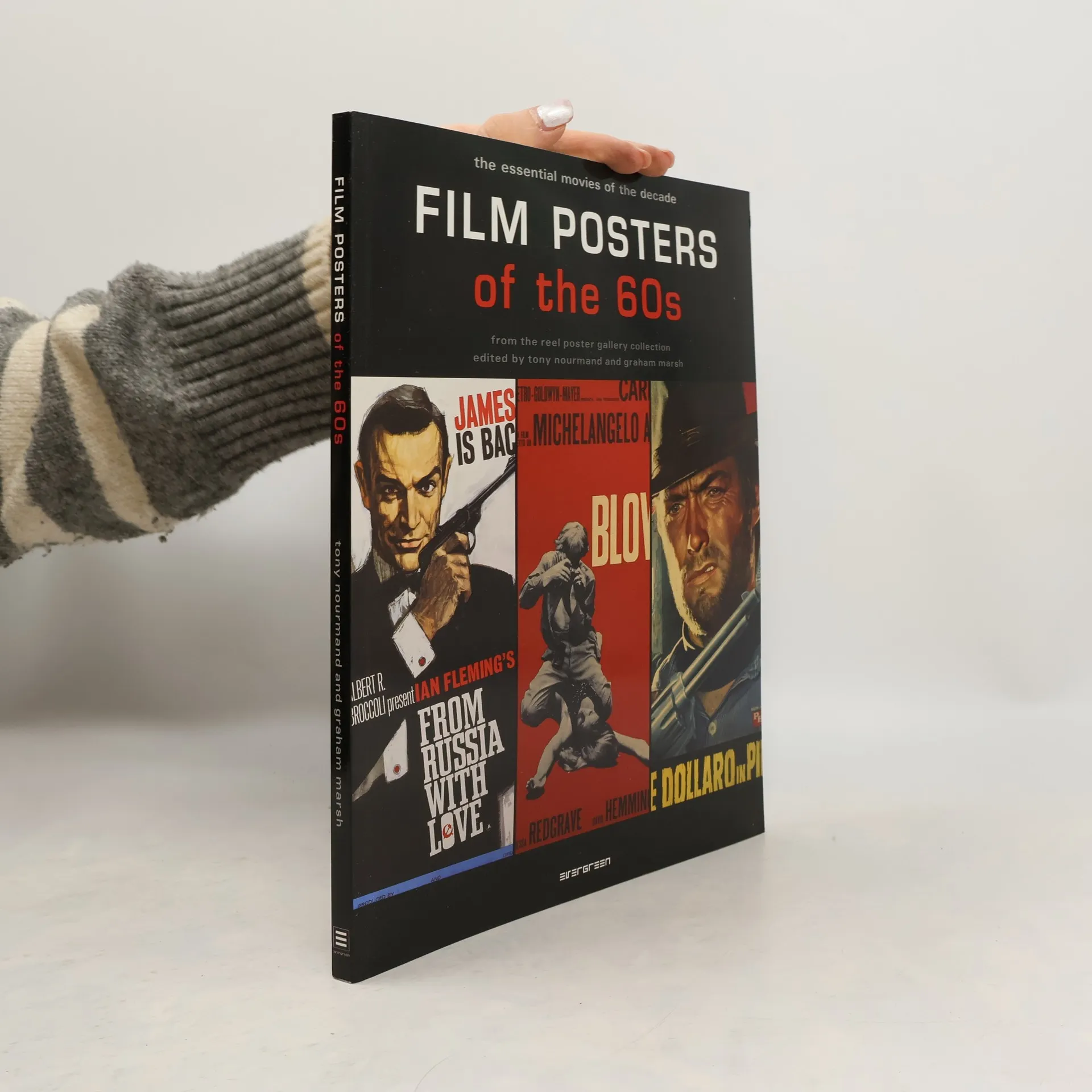
Film posters of the 60s
- 128 Seiten
- 5 Lesestunden
The cinema of the 60s reflected the mood of a decade when everything - art, fashion, politics, philosophy - seemed to be in flux, and the film posters of the period provide a kaleidoscope of images that capture the very essence of a turbulent decade. From french 'new wave' to british 'kitchen sink', from Sergio Leone to Andy Warhol, from Bond to Barbarella, the cinematic ethos and icons of the 60s are all represented here as they were first perceived by audiences in London and Los Angeles, Tokyo, Turin, Berlin and Bangkok.
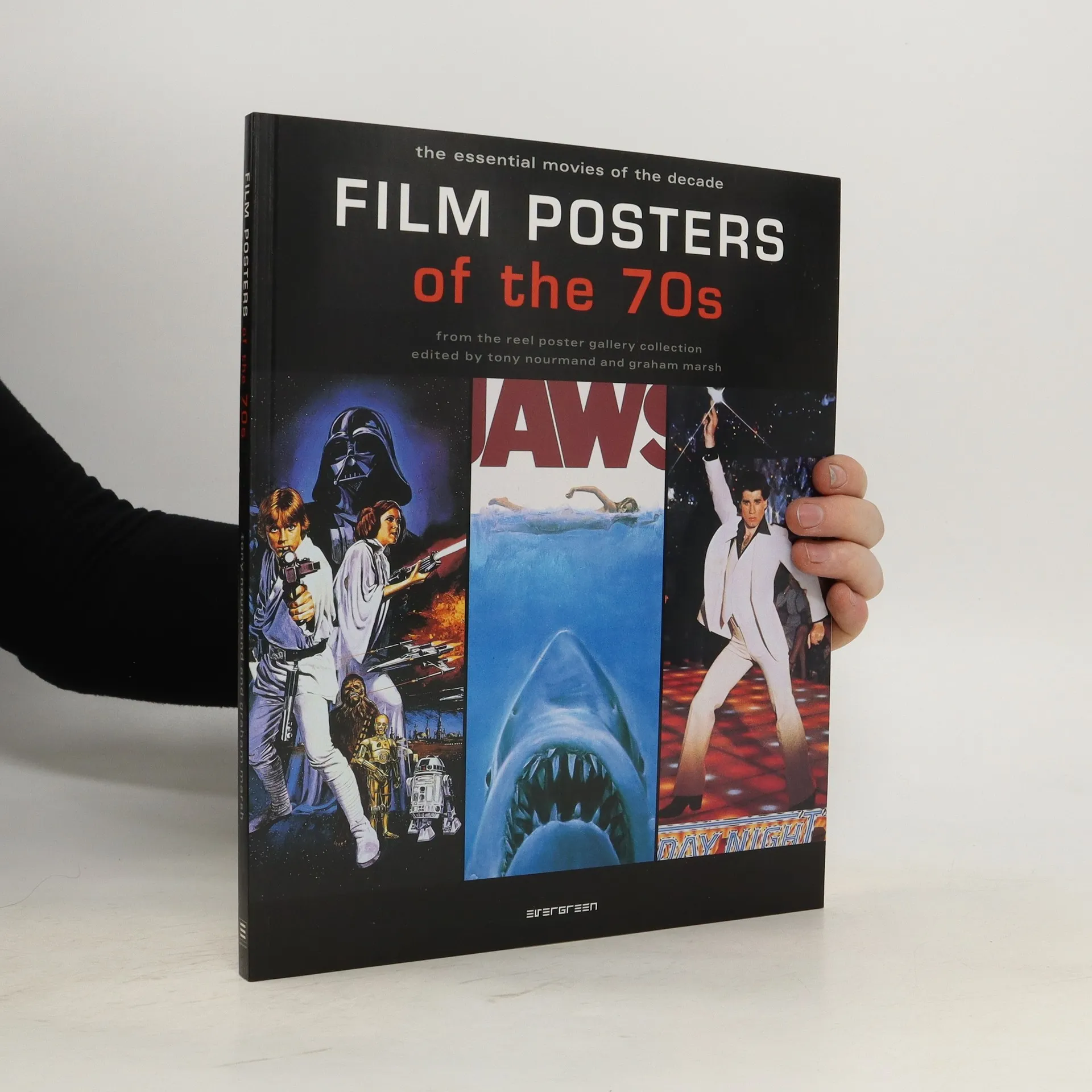
Film Posters of the 70s
- 128 Seiten
- 5 Lesestunden
The cinema of the 1970s reflected both the anxieties and the escapism of an angst-ridden decade. The bleak realism of Taxi Driver and the political paranoia of All the President's Men co-existed with the androgynous fantasy of Rocky Horror Picture Show. In the 70s, 'blaxploitation' made its first appearance; Last Tango in Paris and Emmanuelle edged 'porno-chic' into the mainstream; 'ethno-cool' reached new heights in The Godfather'; Clint Eastwood traded his poncho for a .44 Magnum in Dirty Harry; Star Wars blasted audiences into hyperspace; Jaws hit the New England beaches and Apocalypse Now did for Huey helicopters what Saturday Night Fever did for white suits and flares. The images in this book represent the full range of poster art which attracted world-wide cinema audiences to these and many other movies and reveals just how much current fashion owes to the style of the 70s.
X-Rated Adult Movie Posters of the 60s and 70s
- 160 Seiten
- 6 Lesestunden
Sex sells! It's no secret that since moving pictures were invented, distributors and theater owners realized that nothing really promotes a movie better than blatantly sexual advertising. X-rated adult movies reached their peak in the 1960s and 70s, with films like Debbie Does Dallas and Deep Throat. While some films were hard-core and left nothing to the imagination, most enjoyed the art of innuendo, which is to say, you couldn't tell whether the participants who were getting it on were faking it--or doing it for real. Even though most of the adult movies of the 60s and 70s have faded into cinematic history--and their stars have retired into elderly care homes for the well-endowed (giving new meaning to the term "nursing home")--what remains, as a lasting legacy, are the posters. If the poster art in this book evokes those far-off days of suspender belts, stockings, and eye-popping, gravity-defying brassieres, not to mention outsize Y-fronts, then that alone is worth the cover price. It's practically cheaper than a movie these days, anyway.
Exploitation Poster Art
- 192 Seiten
- 7 Lesestunden
Sex, drugs, delinquency, Black Power, and rock ‘n’ roll—these are just a few of the themes that have inspired B-movie makers over the past 80 years. The posters created to promote these movies are fantastic period pieces that evoke all the taboos of bygone eras. Before the Hayes Code of 1934, Hollywood had few the poster for Girl Without a Room, for example, left little doubt as to how the young woman would find accommodation. In the 50s, Beats and juvenile delinquents attracted teens to the drive-ins; in the 60s and 70s came Blaxploitation films like Shaft and the first of Russ Meyer’s mammary-obsessed epics, Faster Pussycat, Kill, Kill. The posters for these films are masterpieces of visual innuendo, offering, in most cases, far more than the movies themselves actually delivered. Tony Nourmand is co-owner of the Reel Poster Gallery in London and a poster consultant to Christie’s; Graham Marsh is a designer and art director. Together, they have produced Horror Poster Art and Science Fiction Poster Art, and collections of 20th-century film posters by decade.
A collection of posters from memorable 1980s films depicts the art and culture of the times.
Audrey Hepburn
- 168 Seiten
- 6 Lesestunden
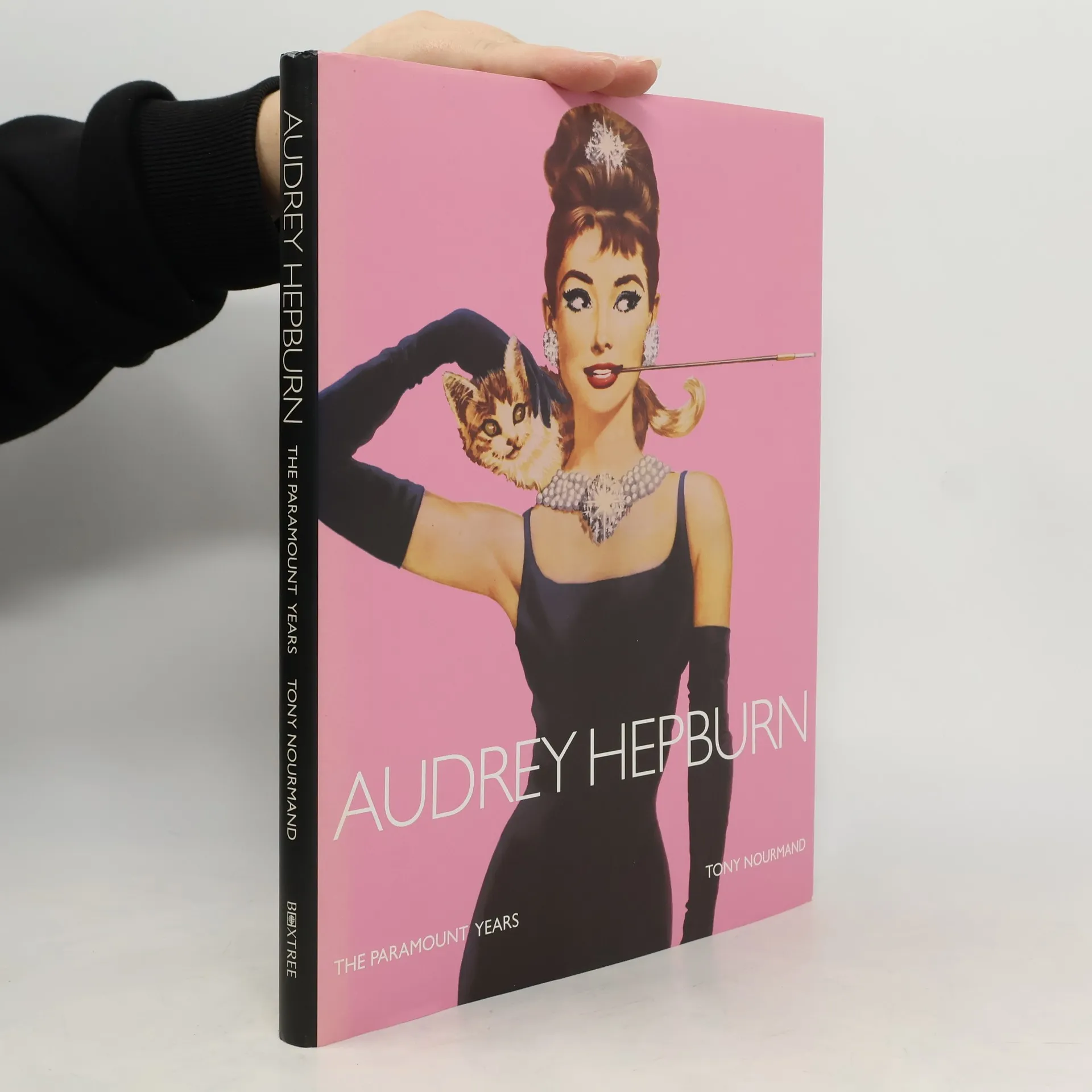
Audrey Hepburn's legendary style and grace, first seen by the public in her 1953 debut, Roman Holiday, redefined perceived notions of Hollywood glamour and ushered in an age of sophistication and elegance. Her legacy on screen and in fashion is undisputed and her image has become as synonymous with her fame as her films. Audrey Hepburn: The Paramount Years collects for the first time those memorable billboard images which established Hepburn's iconic status. Featuring the golden period of her film career, this sumptuous book includes never-before-seen poster artwork for Roman Holiday, Sabrina, Funny Face and Breakfast At Tiffany's along with magazine covers from the period, lobby cards, Givenchy's stunning original costume sketches and rare behind-the-scenes stills from Audrey Hepburn's Paramount films. With a foreword written by Sir Christopher Frayling, Chair of Arts Council England and Rector of the Royal College of Art, this book shows, film by film, how Hepburn's classic image was created through a combination of exquisitely designed costume, beautiful photography and illustration and an elegance that has stood the test of time.