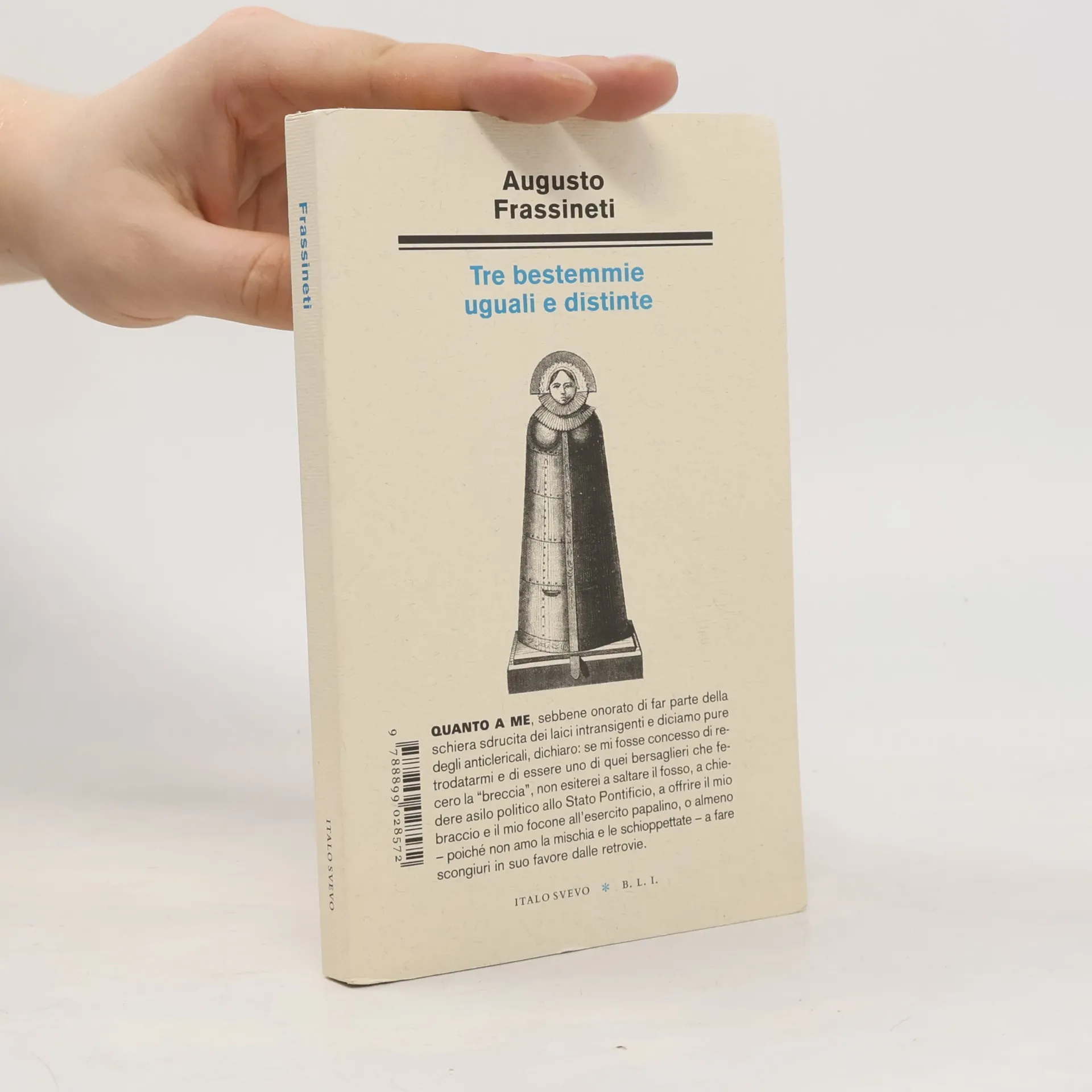
Tre bestemmie uguali e distinte
- 168 Seiten
- 6 Lesestunden


Italo Svevo, geboren als Aron Hector Schmitz, gilt als Pionier des psychologischen Romans in Italien. Seine Werke, insbesondere der gefeierte modernistisch Roman „Zenos Bekenntnisse“, hatten einen bedeutenden Einfluss auf die literarische Bewegung und etablierten ihn als eine unverwechselbare Stimme. Svevo erforschte die Komplexität der menschlichen Psyche mit eindringlicher Introspektion. Sein Schreiben zeichnet sich durch eine tiefgründige Erkundung des Innenlebens seiner Charaktere aus.


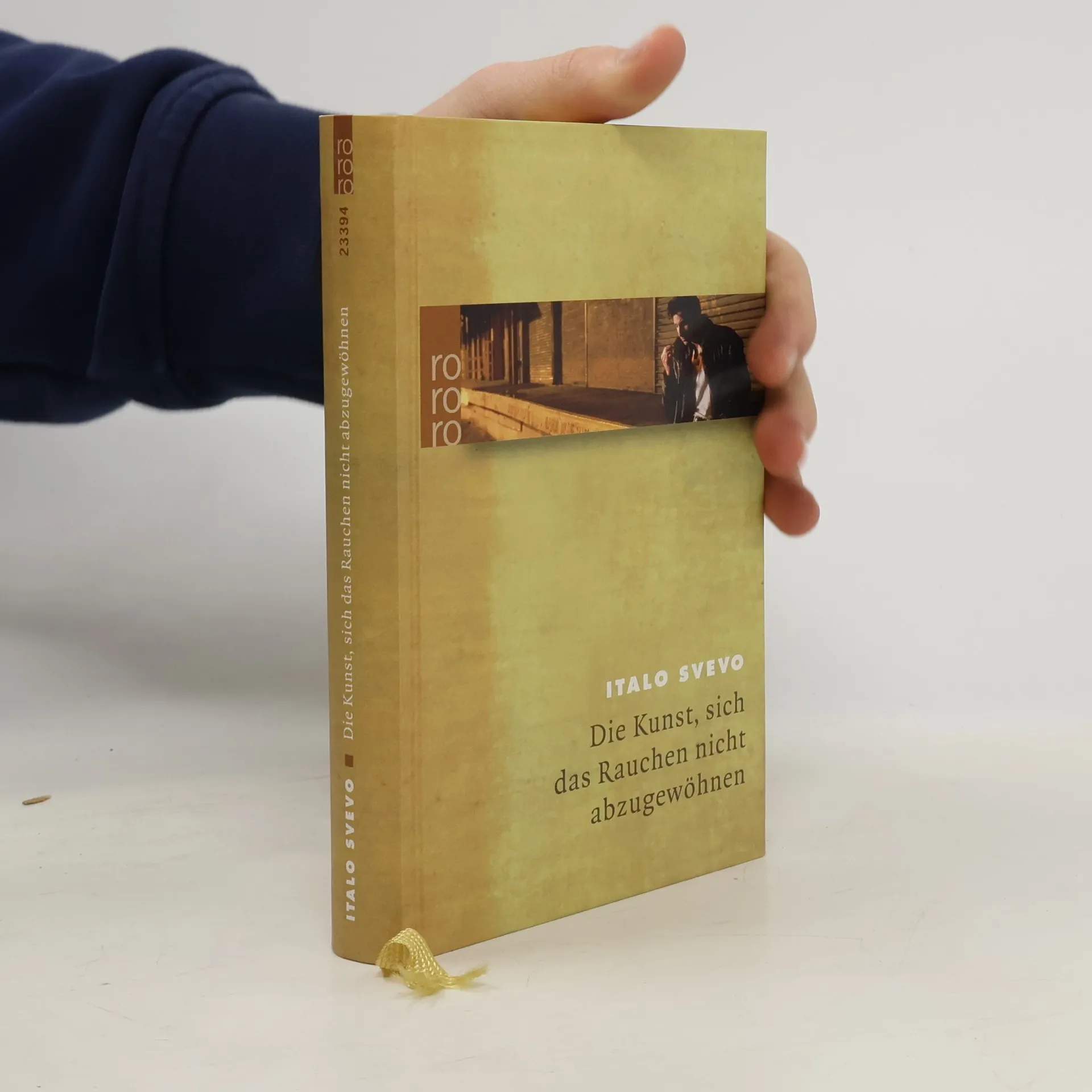
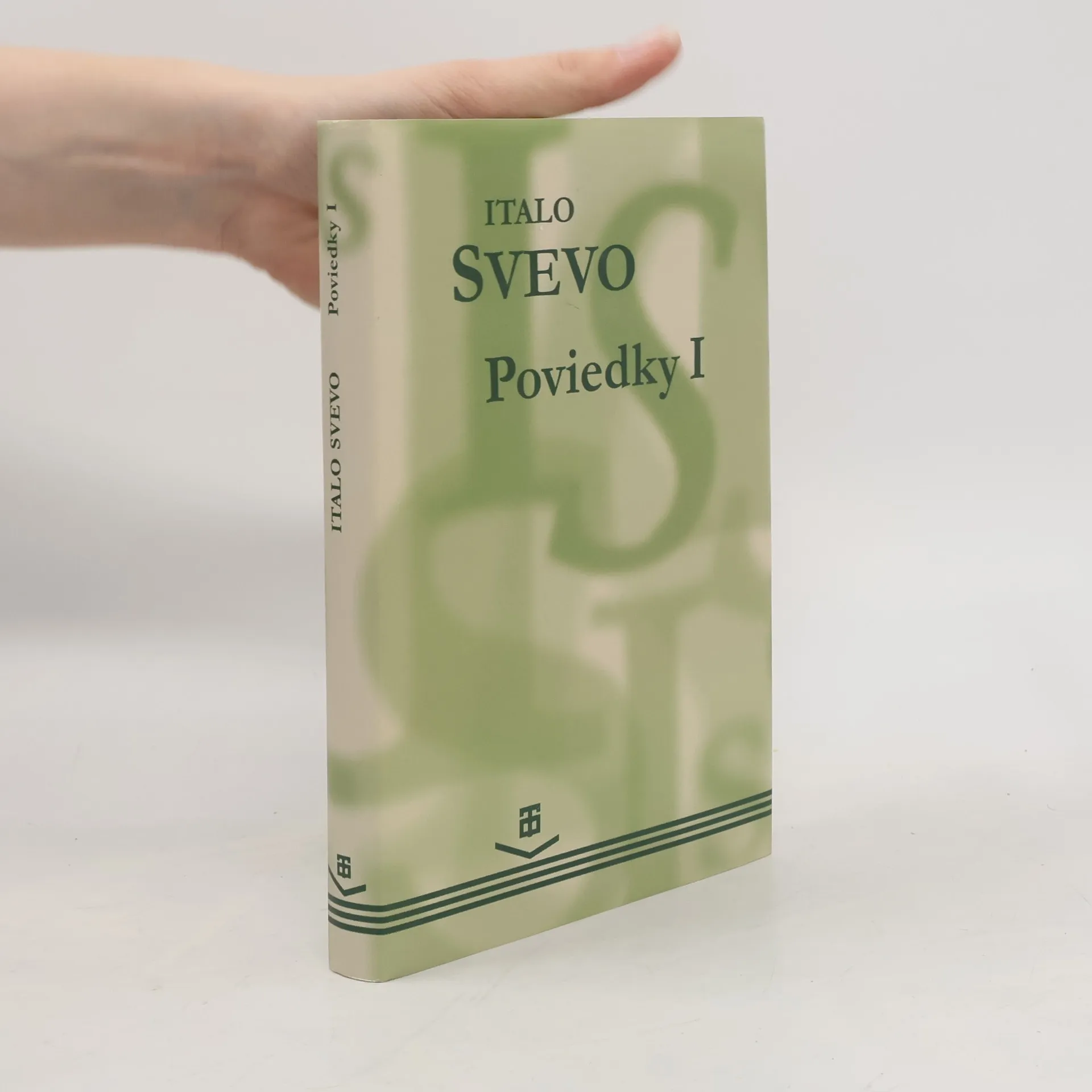
Výbor dosud nepřeložených povídek terstského spisovatele mapuje jeho tvůrčí dráhu od prvních textů, jež vznikly ještě před napsáním románů Život pana Alfonsa (1892) a Senilita (1898), přes období takzvaného ticha, kdy se Svevo chystal skoncovat s „tou směšnou a škodlivou věcí, které se říká literatura“, až k brilantním textům vzniklým v autorově posledním tvůrčím období, datovaném od vydání románu Vědomí a svědomí Zena Cosiniho (1923), jenž mu přinesl slávu a úspěch. Některé z posledních povídek lze číst i jako kapitoly či fragmenty připravovaného čtvrtého románu, v němž mělo vyprávění Zena Cosiniho pokračovat, ale který už autor nedostal šanci napsat.
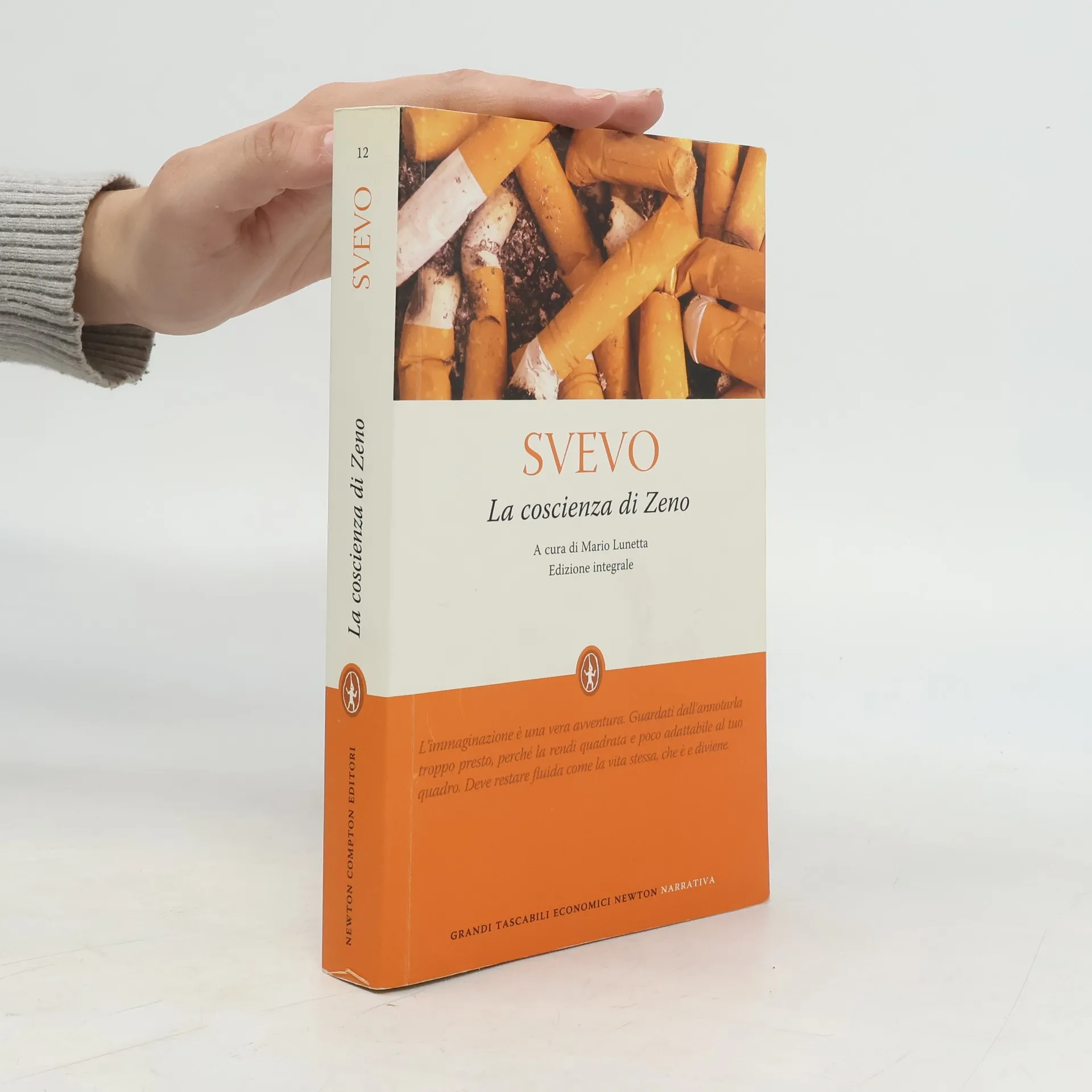
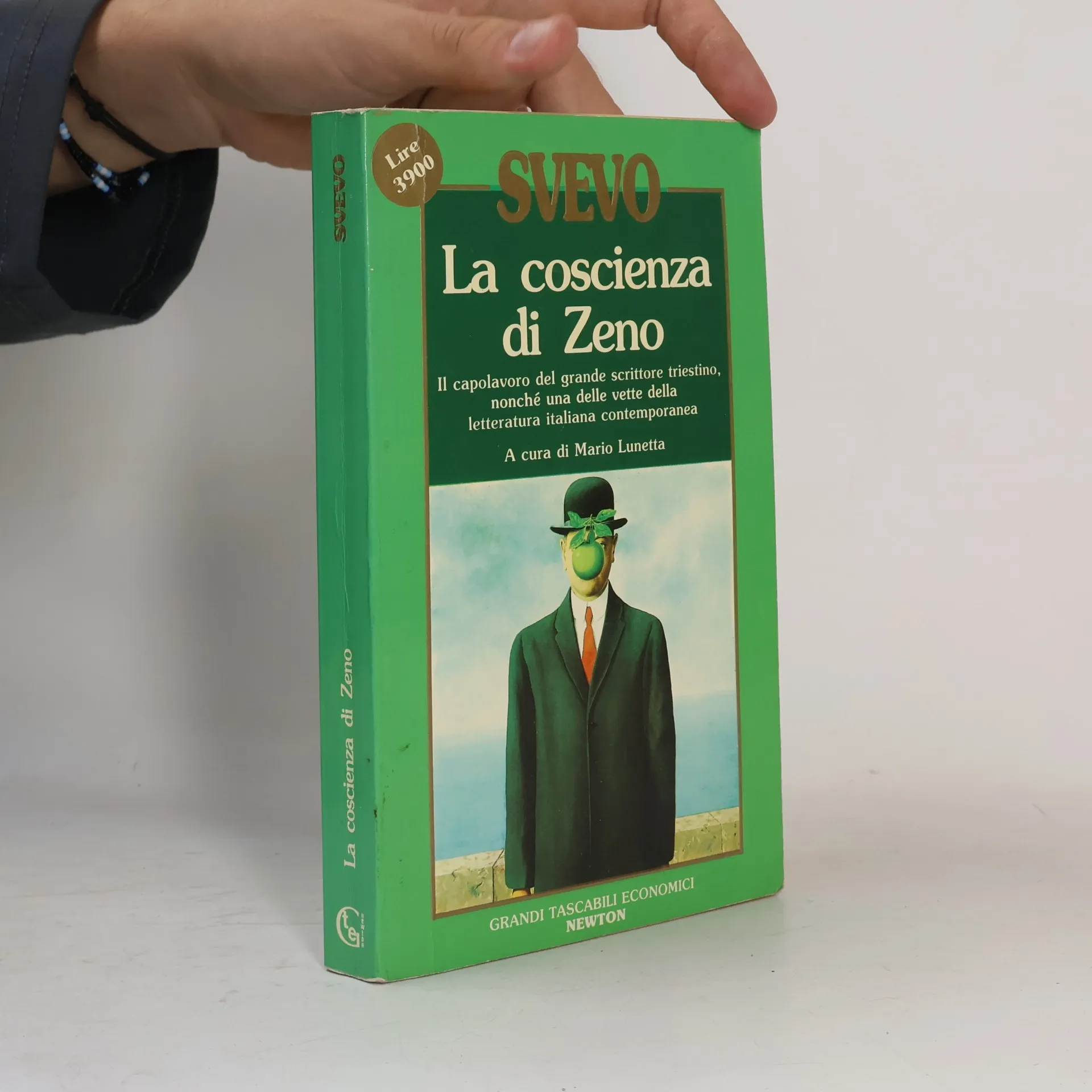
A cura di Mario Lunetta - Edizione integrale
Rimasto incompreso per lungo tempo, La coscienza di Zeno è il più importante romanzo di Svevo e uno dei capolavori della letteratura italiana contemporanea. È il resoconto di un viaggio nell’oscurità della psiche, nella quale si riflettono complessi e vizi della società borghese dei primi del Novecento, le sue ipocrisie, i suoi conformismi e insieme la sua nascosta, tortuosa, ambigua voglia di vivere. L’inettitudine ad aderire alla vita, l’eros come evasione e trasgressione, il confine incerto tra salute e malattia divengono i temi centrali su cui si interroga Zeno Cosini in queste pagine bellissime che segnarono l’inizio di un modo nuovo di intendere la narrativa. Primo romanzo “psicoanalitico” della nostra letteratura, quest’opera rivoluzionaria seppe interpretare magistralmente le ansie, i timori e gli interrogativi più profondi di una società in cambiamento.
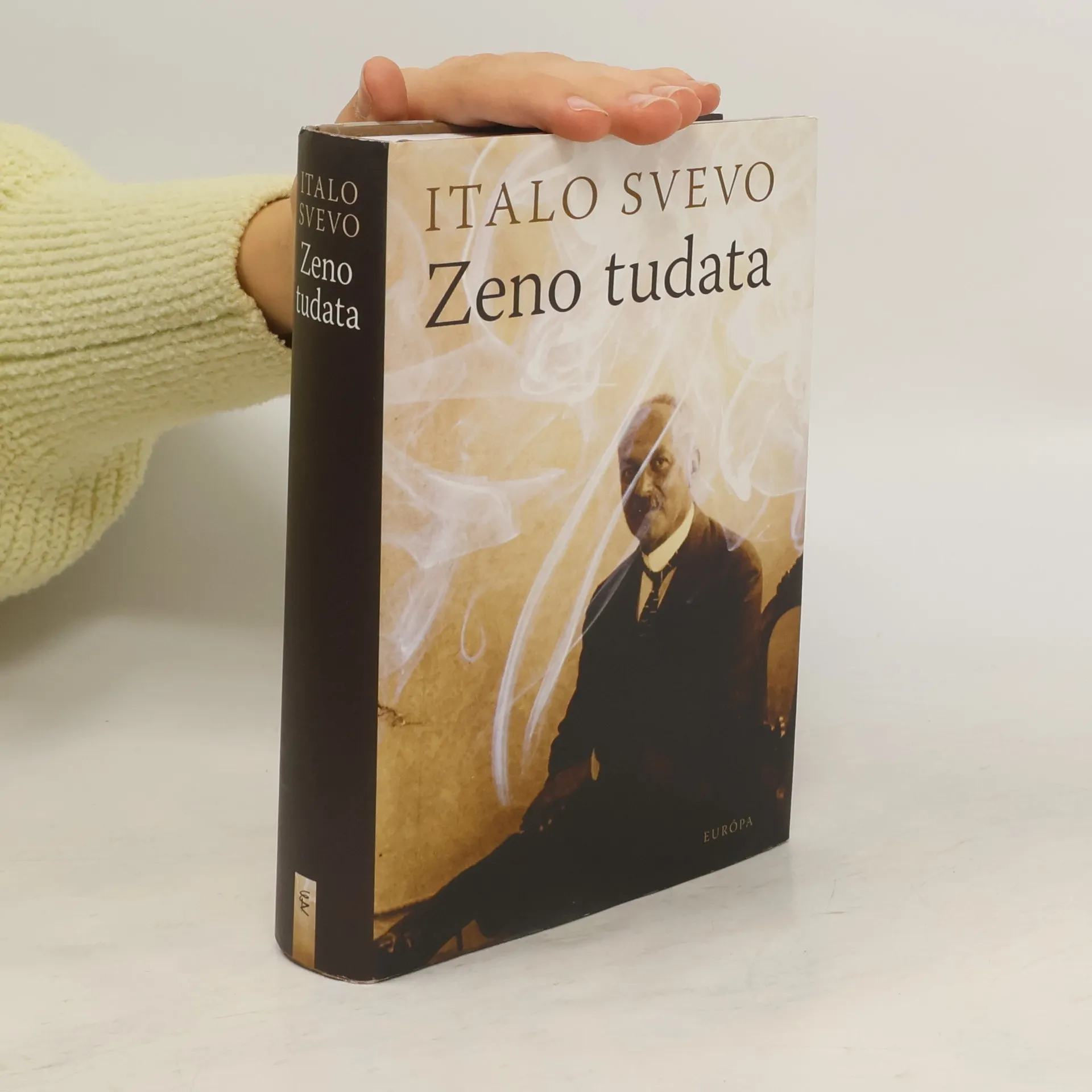
A könyv előszavában a magát pszichoanalitikusnak valló Dottor S. kijelenti, hogy "bosszúból" közzé kíván tenni néhány emléket, amelyeket egy volt páciense, Zeno Cosini írt, aki megszökött a kezelés elől. A volt páciens jegyzetei alkotják a könyv tartalmát. A regény nem más, mint Zeno pszichológiájának elemzése, aki "betegnek" vagy "alkalmatlannak" érzi magát, és folyamatosan keresi a gyógyulást a rosszullétéből, számos néha abszurd vagy ellenkező hatású kísérlet révén.
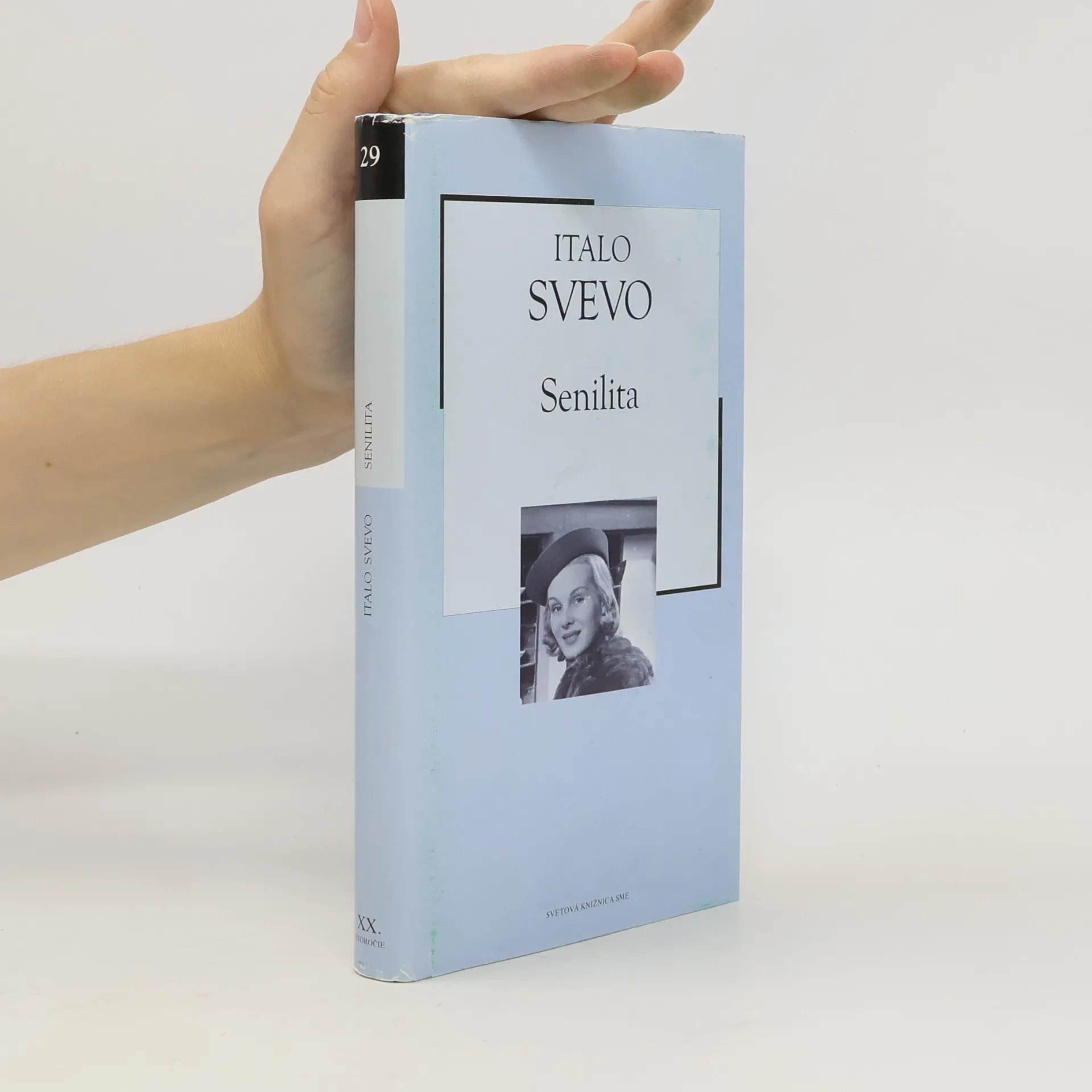
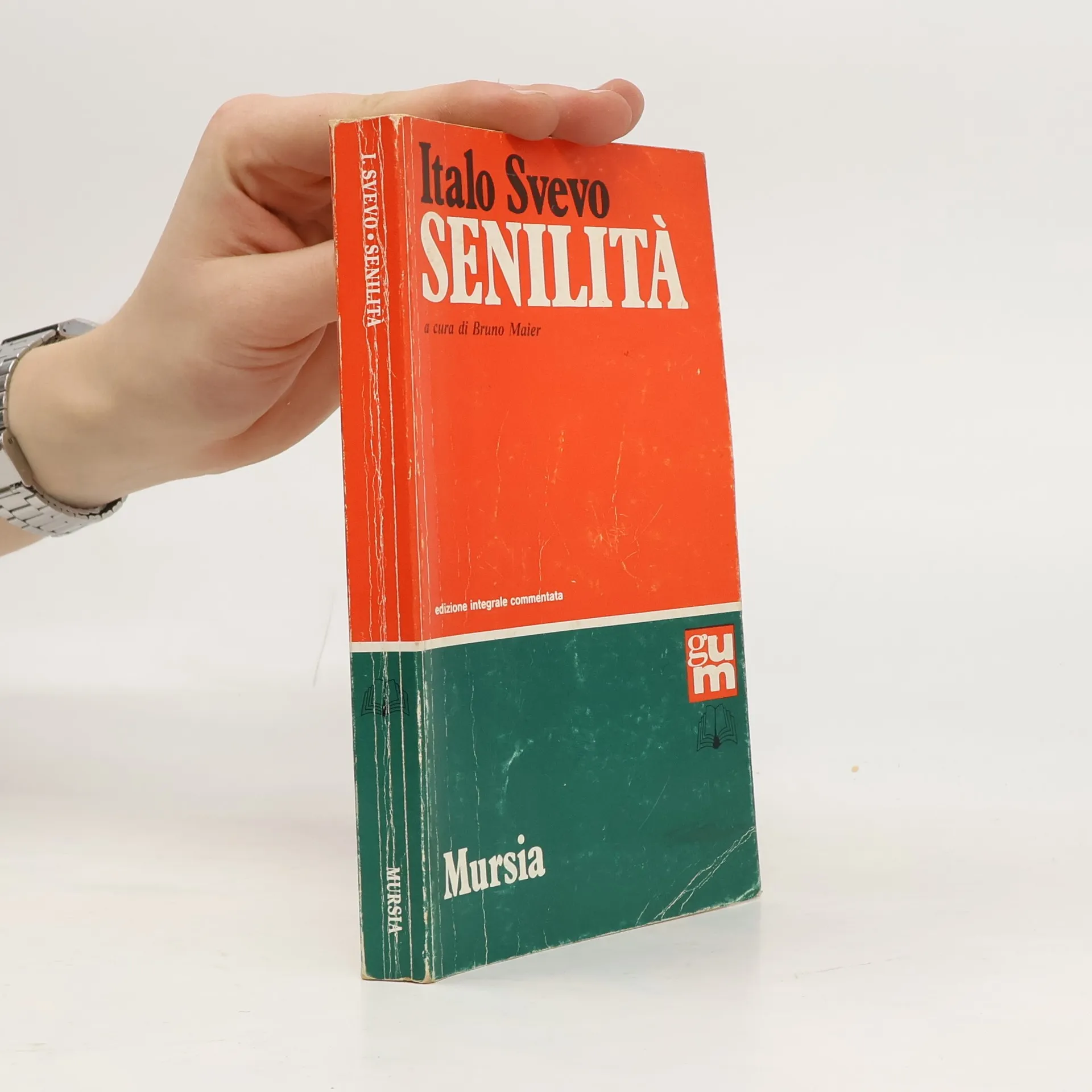
Román Senilita je v poradí druhým Svevovým dielom. Prejavil sa v ňom už ako zrelý autor. Jeho hlavnou témou je analýza ľudských vzťahov, z ktorej mu vychádza obraz neschopnosti ľudí pochopiť sa navzájom. Emilio Brentani žije ako vážený človek pokojným životom so svojou sestrou Amáliou. Jedného dňa sa zoznámi s dievčinou ľahkých mravov, inteligentnou, no koketnou An-giolinou, a toto stretnutie rozvráti jeho život. Ako ju spoznal, zanedbáva svoju prácu a rozmýšľa iba o nej. Angiolina sa stane modelkou v ateliéri jeho najlepšieho priateľa, sochára Balliho. Emilio sa chytá do vlastnej pasce, klame a týra sám seba. O tom, že je zaľúbený, vie aj jeho sestra Amália, no ona sa mu so svojimi citmi nezdôverí; o jej snoch a o jej citoch k Emiliovmu priateľovi Ballimu sa dozvie iba z toho, že sestra začne rozprávať zo sna... Postupne sa z nej však stane narkomanka (éteromanka) a čoskoro na následky svojej slabosti zomiera. Po jej smrti si Emilio uvedomí, že jeho nedostatok energie, jeho skleslosť robí z neho strojcu vlastného nešťastia i nešťastia iných.
Automobilová nehoda v septembri 1928 zabránila Italovi Svevovi dokončiť rozpracovaný román. Nedokončené zostali i mnohé poviedky, lebo ako začínajúci autor bez publika nikomu nebol povinný predkladať ucelené diela. No ako chápať prerušené „náčrty“ zrelého autora? Podľa literárnych vedcov ich treba vnímať ako pomyslenú a zámernú súčasť jeho celoživotného diela, ktorými chcel vyzdvihnúť pôvab nedokončeného fragmentu.
0Meisterhaft erzählt Joyce vom Leben in Dublin, von kleinen Angestellten, von der guten Gesellschaft, von Dienstmädchen und Pensionswirtinnen, „die alle ihre Fröhlichkeit durch die Sünde oder den Gedanken an die Sünde bewahren“, wie zum Erscheinen des Buches 1914 im Manchester Guardian zu lesen war. Textausgabe in der Originalsprache, mit Übersetzungen schwieriger Wörter am Fuß jeder Seite, Nachwort und Literaturhinweisen.
Do dvojzväzkového výberu ss zaradila poviedková tvorba významného talianskeho prozaika Itala Sveva. Autor v nich podáva obraz krízy buržoáznej spoločnosti z konca minulého a začiatku nášho storočia najmä výstižným opisom duševného života jednotlivcov. Hrdinami jeho románov sú ľudia zbytoční, porazení životom a neschopní činu.
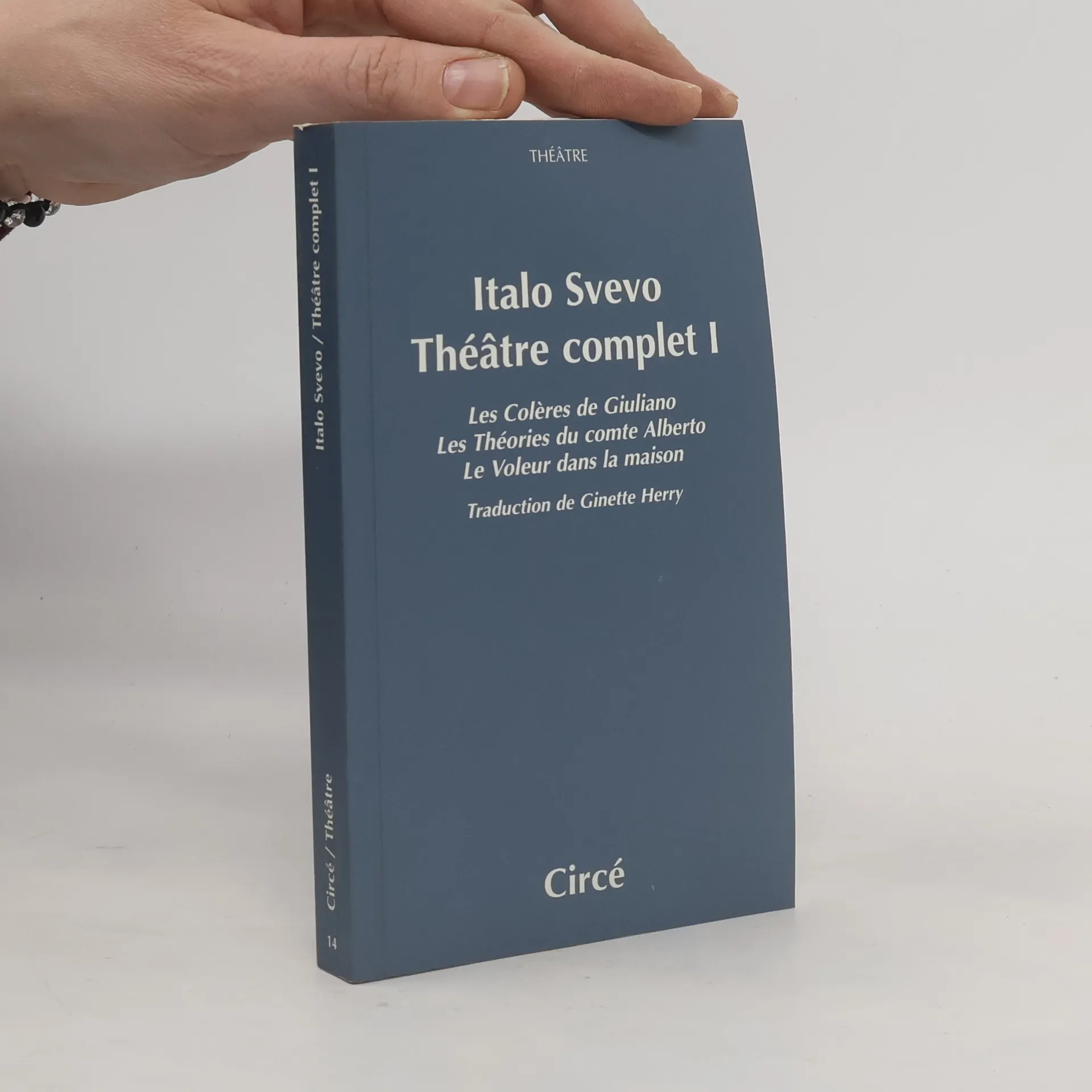
Tome 1, Les Colères de Giuliano ; Les Théories du comte Alberto ; Le Voleur dans la maison
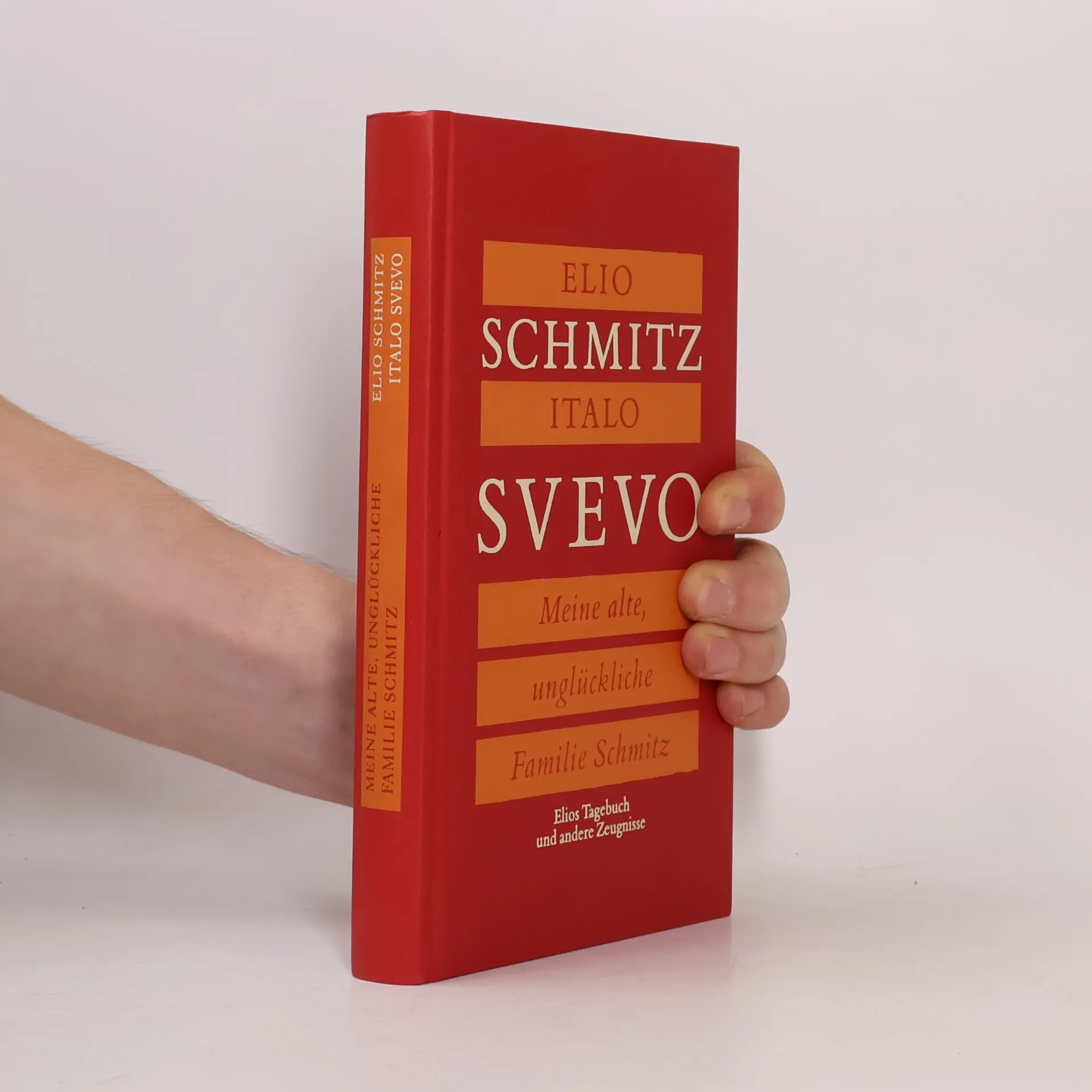
Ce premier volume du Théâtre complet d'Italo Svevo rassemble les trois premières de ses comédies de jeunesse que Svevo n'a pas jetées au feu. Ils constituent un triptyque consécutif à la mort précoce d'Elio Schmitz, le jeune frère et confident de Svevo. En élaborant ces trois ouvrages sur la base du Journal qu'Elio lui a laissé, Svevo accomplit à sa façon le deuil de ce frère aîné et se libère, ou se déprend, d'une certaine image du père, d'une certaine idée de la famille et surtout de certaines figures de lui-même : c'est là et c'est par là qu'il naît à sa propre écriture.
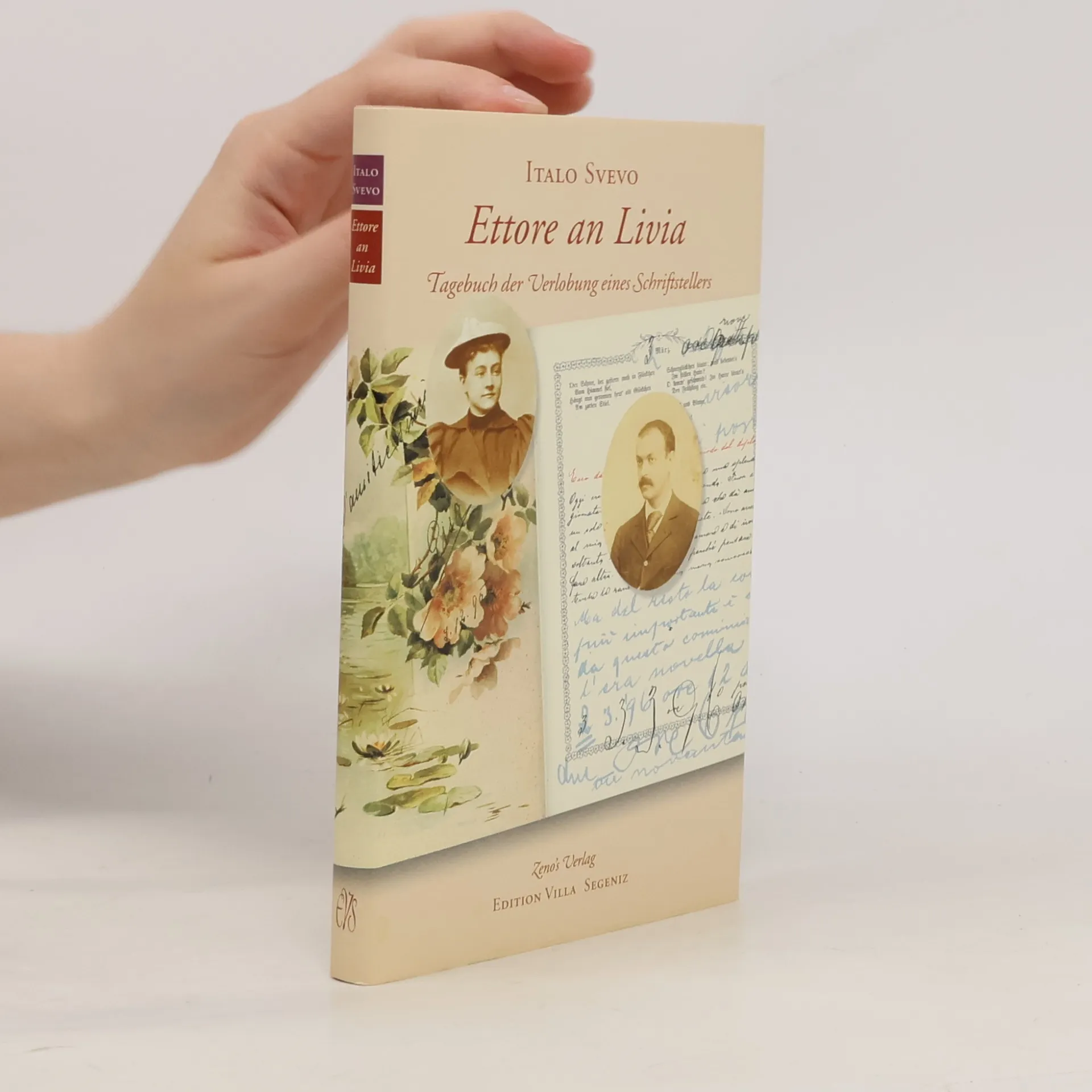
Tagebuch der Verlobung eines Schriftstellers. Faksimiledruck des Originals von 1896. Italienisches Textheft mit der Übertragung. ... Hrsg. u. übers. v. Hans M. Hensel
Eigentlich Ettore Schmitz, geboren am 19. Dezember 1861 in Triest. Besuchte eine deutsche Schule (Segnitz bei Würzburg), erhielt eine kaufmännische Ausbildung in Triest, wurde Bankangestellter und später Unternehmer. Seine ersten beiden Romane setzten sich nicht durch. Entdeckt und gefördert wurde er erst durch James Joyce und Valéry Larbaud. Noch vor dem Durchbruch der Psychoanalyse machte Svevo die psychologische Erforschung des Durchschnittsmenschen und seiner banalen Existenz zum Stoff seiner Romane, in denen er auch bereits die Technik des Bewustseinsstromes ausbildete. Er gilt heute neben Joyce, Proust, Kafka und Musil als bahnbrechender Erzähler der modernen Weltliteratur. Italo Svevo kam am 13. September 1928 bei einem Autounfall ums Leben.
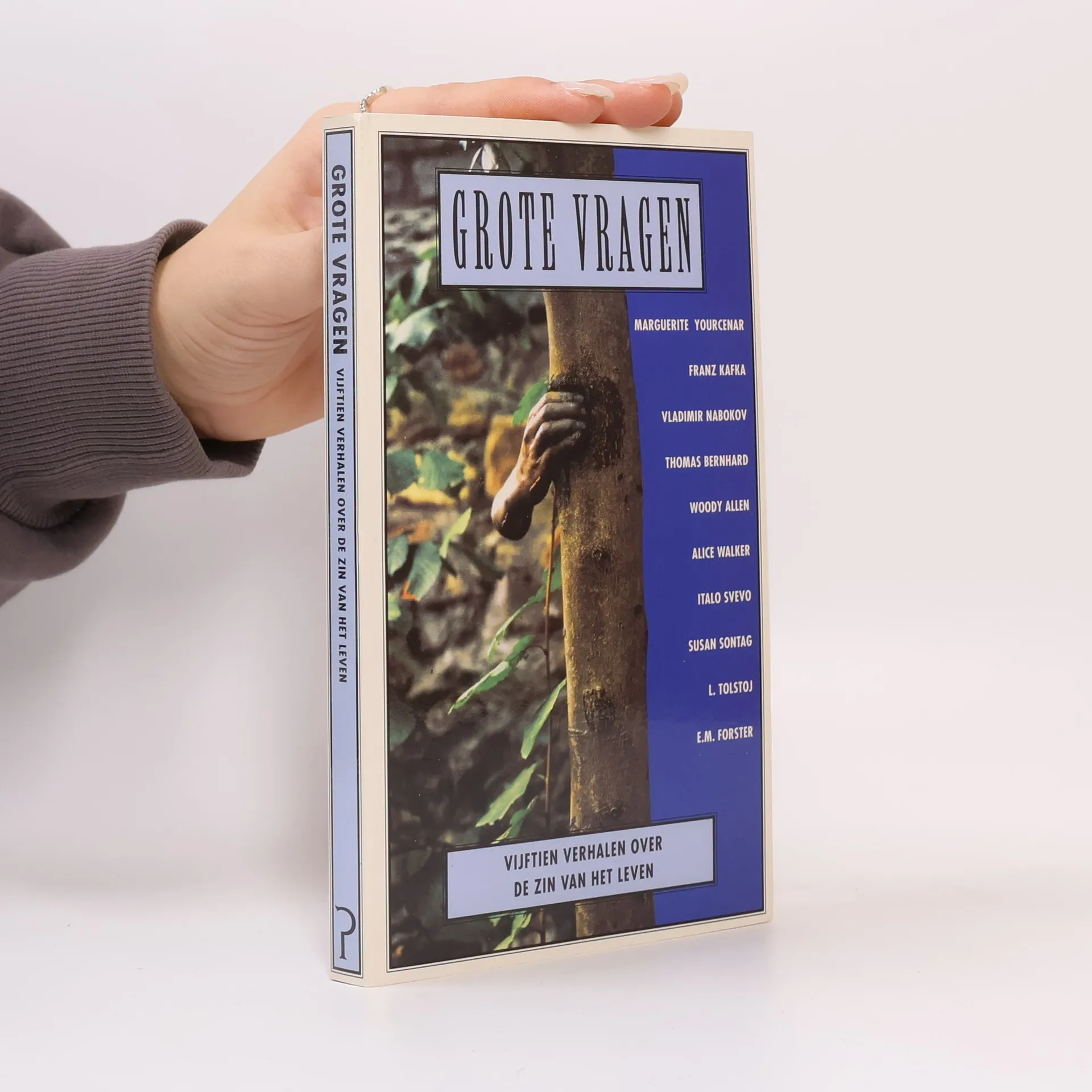
Verhalen uit de wereldliteratuur over levensbeschouwelijke thema's.
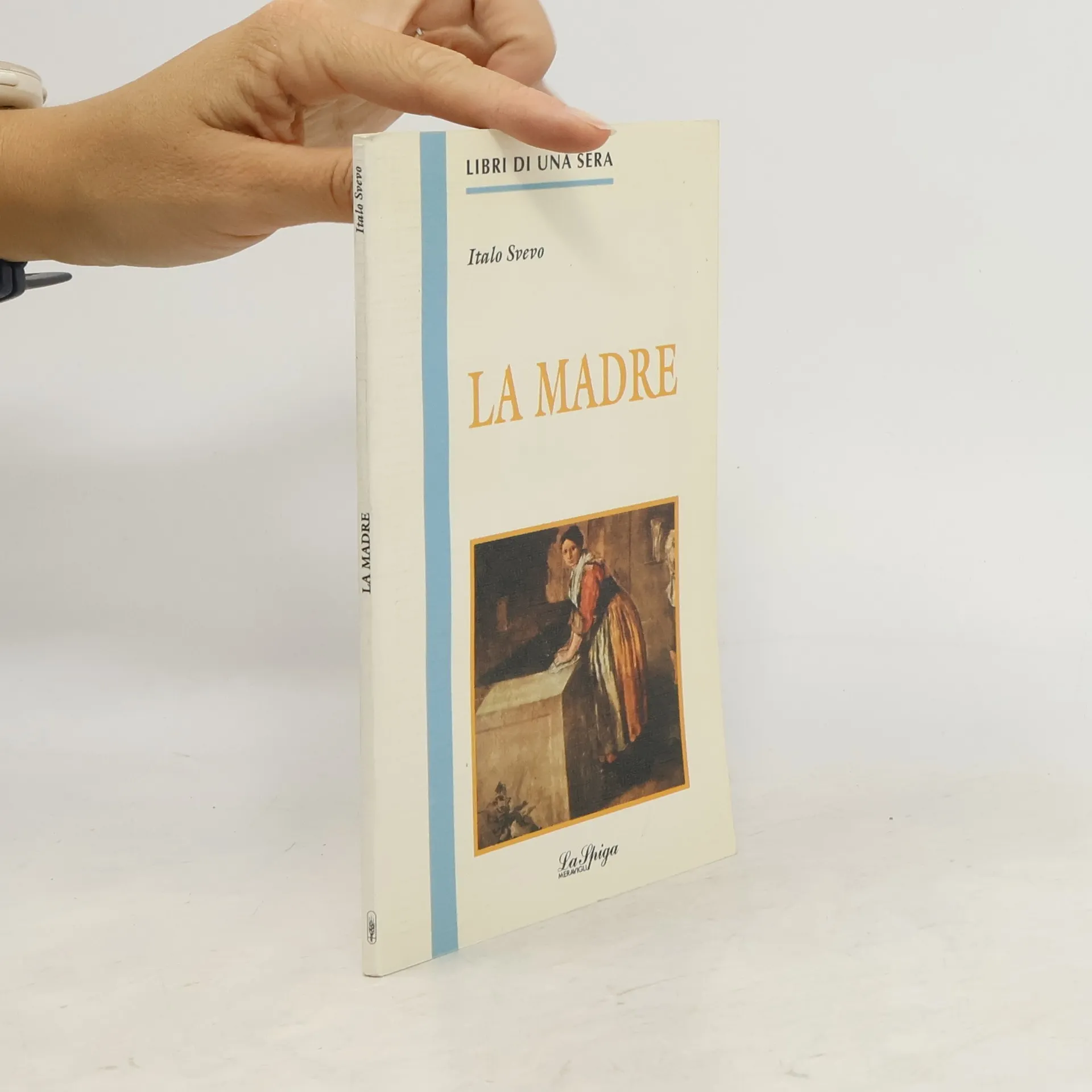
Vimercate, Meravigli, 1993, 16mo brossura con copertina illustrata a colori, pp. 47.
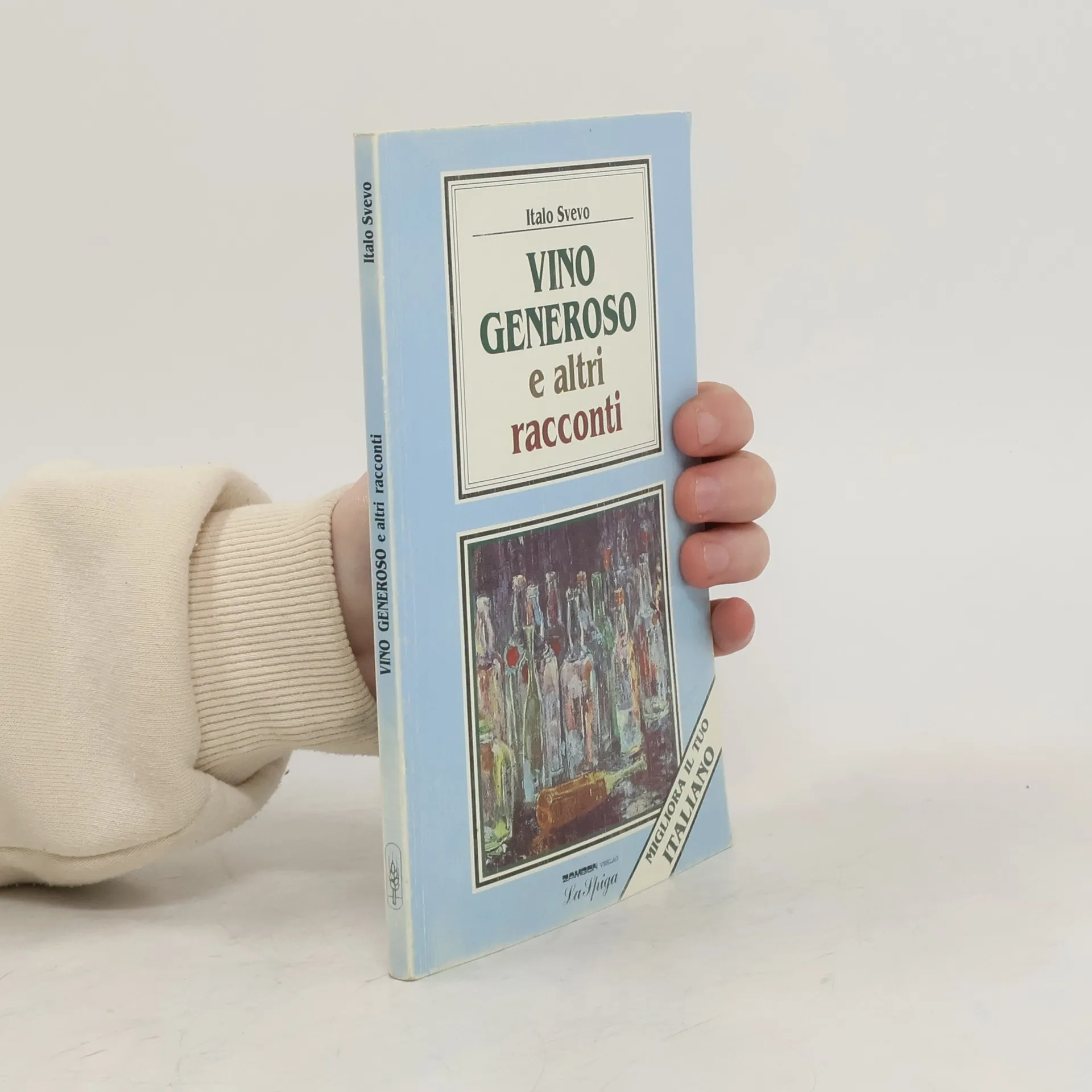
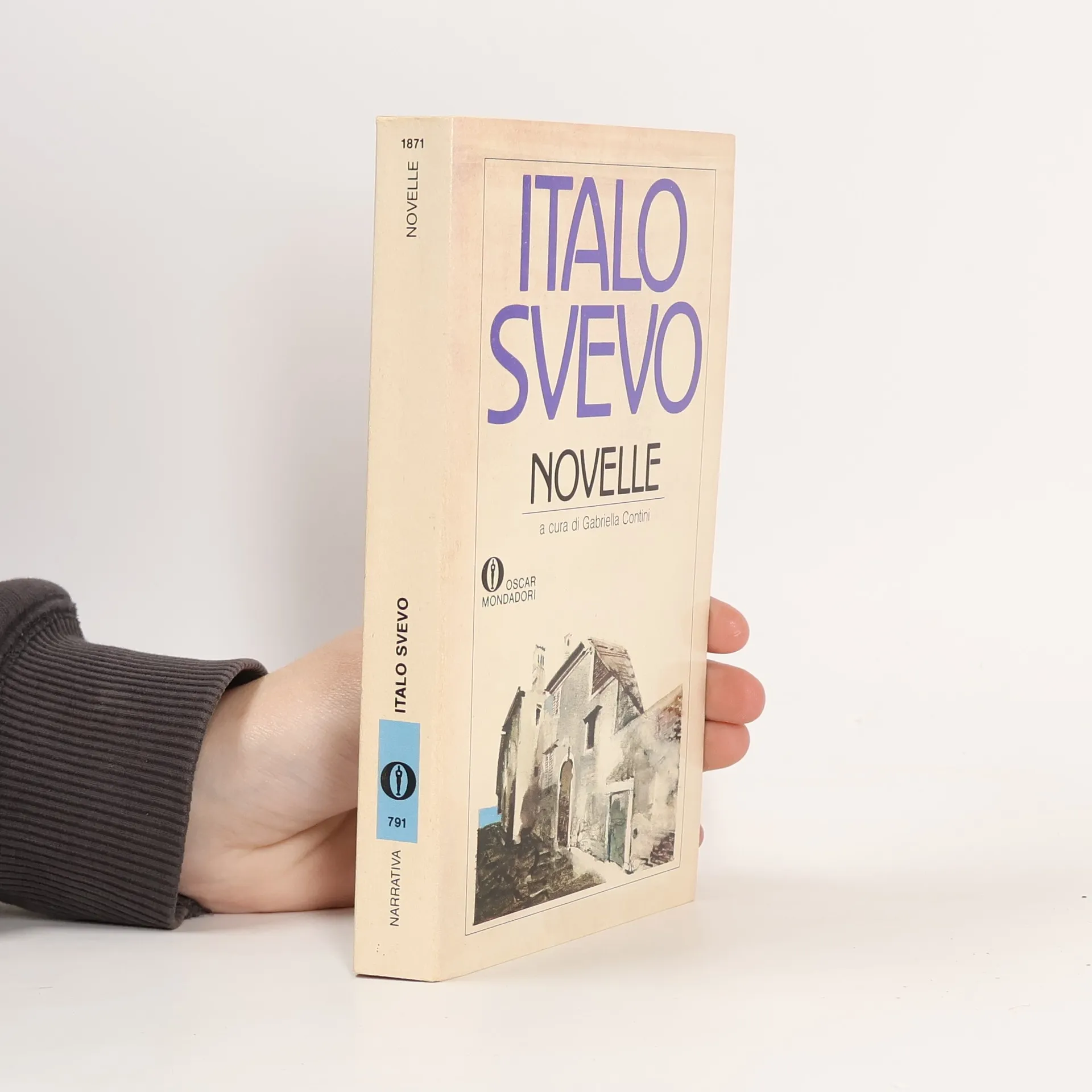
Nei racconti di Italo Svevo sono condensati i temi e le ossessioni di tutta la sua opera. I problemi eterni —come la solitudine, la colpa, ciò che ci si aspetta dalla vita e il fallimento che ne deriva— sono trattati con un senso dell'umorismo agrodolce e una distanza ironica che rende i suoi personaggi i più prossimi antihéroi della letteratura. I quattro racconti che compongono questo volume sono particolarmente rappresentativi di Svevo. Le difficoltà che affrontò con gli editori e il desiderio di essere riconosciuto come scrittore, che mantenne per tutta la vita, sono il riflesso del personaggio di Una burla letteraria che si ribella contro la realtà e sa trovare in essa ciò che ha di poetico e umano. Vino generoso è il tormento di una notte eccessiva di un uomo misurato in cui si lascia trascinare dalla bevanda e vive l'opposizione tra la hybris, la dismisura, e la némesis, la vendetta. Ma questo si trasforma in un'altra domanda: la vera vita dell'uomo si trova nel regno notturno, nel sogno? Svevo scrisse sei epiloghi diversi, nel definitivo la risposta è che la verità è un risultato provvisorio, instabile, tra il regno notturno del sogno e quello diurno della luce.
Vertaling gebaseerd op: I racconti (1985) / Racconti, saggi, pagine sparsi (1968).
V prvom románe vedel autor pozoruhodne vykresliť atmosféru bankového domu vtedajších čias, vzťahy zamestnancov, ktorí na seba žiarlia pre priazeň šéfa, kde vzájomná rivalita, nežičlivosť, falošné priateľstvá a z toho vyplývajúca osamotenosť mladých úradníkov mnohým strpčovali život.Hlavnou témou druhého románu Senilita je analýza medziľudských vzťahov, obraz neschopnosti ľudí pochopiť sa vzájomne v spoločenských a citových vzťahoch... Obsahuje záverečnú štúdiu (doslov) Lei Škanderovej "Trojjediný hrdina Itala Sveva" a "Chronológiu života a diela" zostavenú Stanislavom Vallom.
Eigentlich Ettore Schmitz, geboren am 19. Dezember 1861 in Triest. Besuchte eine deutsche Schule (Segnitz bei Würzburg), erhielt eine kaufmännische Ausbildung in Triest, wurde Bankangestellter und später Unternehmer. Seine ersten beiden Romane setzten sich nicht durch. Entdeckt und gefördert wurde er erst durch James Joyce und Valéry Larbaud. Noch vor dem Durchbruch der Psychoanalyse machte Svevo die psychologische Erforschung des Durchschnittsmenschen und seiner banalen Existenz zum Stoff seiner Romane, in denen er auch bereits die Technik des Bewustseinsstromes ausbildete. Er gilt heute neben Joyce, Proust, Kafka und Musil als bahnbrechender Erzähler der modernen Weltliteratur.Italo Svevo kam am 13. September 1928 bei einem Autounfall ums Leben.
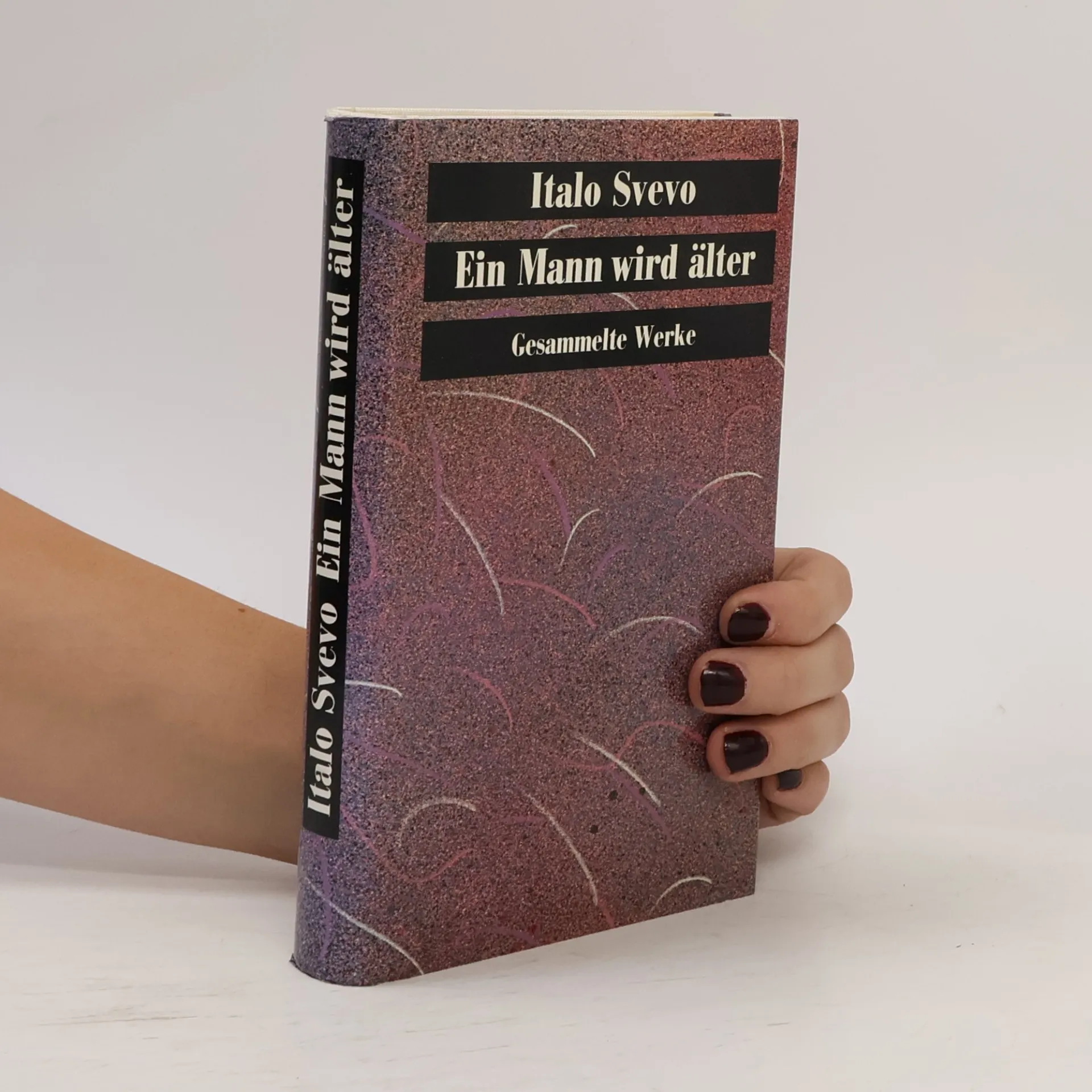
Gesammelte Werke
Gesammelte Werke
Een grootvader vertelt over zijn kleinzoon.
Fragmenten van het vervolg op "Bekentenissen van Zeno."
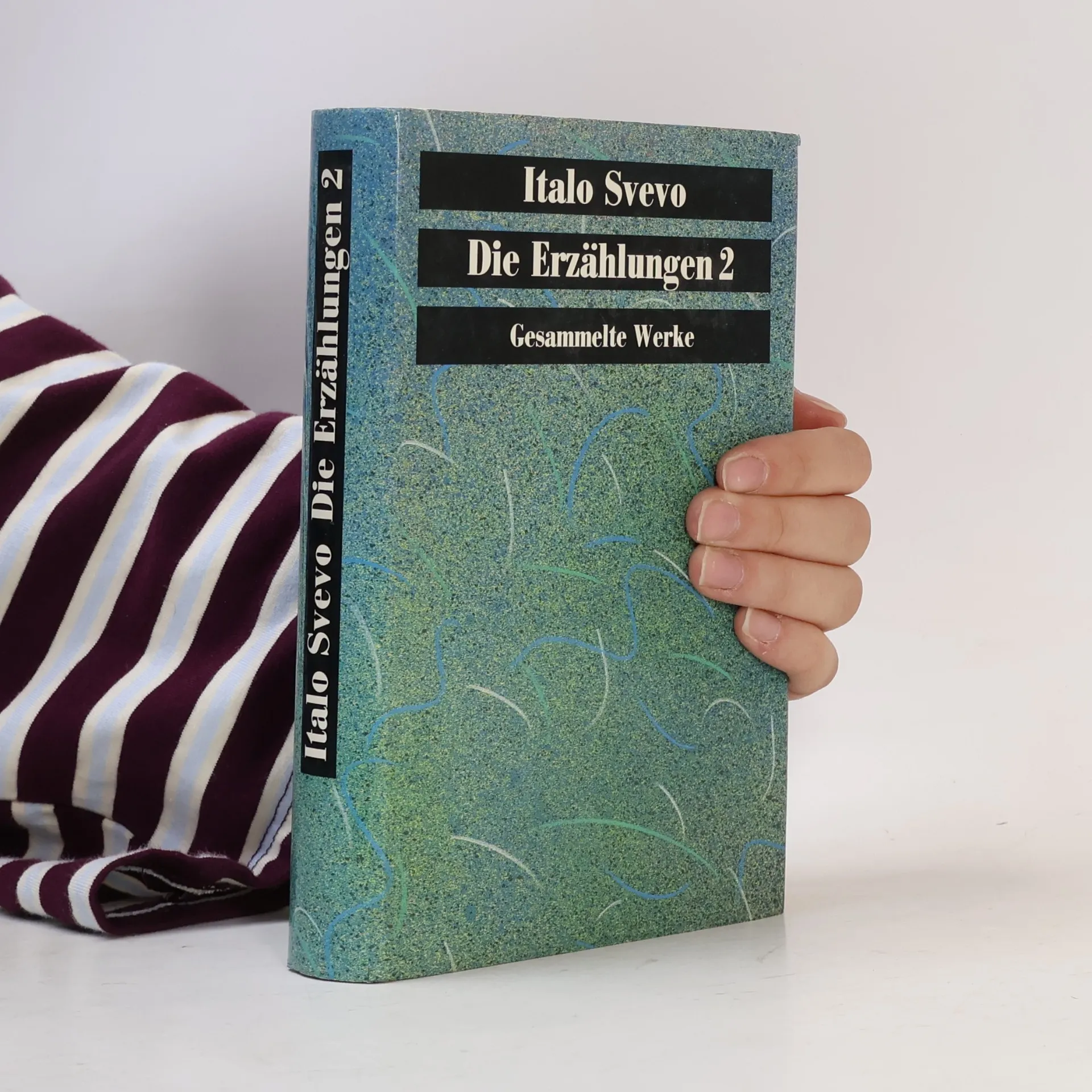
Dieser zweite Band der Gesamtausgabe vereinigt, in neu durchgesehenen Übersetzungen, die Erzählungen aus Svevos letzter, aktivster Schaffenszeit von 1925 bis zu seinem Tod 1928. Eugenio Montale, der Freund und Bewunderer Svevos und spätere Nobelpreisträger, erkannte als erster ihre innere Einheit und sprach von einer „Fortsetzung des Zeno“. Alter und Tod sind ihre zentralen Themen; inmitten der Schwäche und Anmaßung der Angehörigen entfaltet der alte Held Zeno die Freiheit und den Zynismus der reinen Verantwortungslosigkeit.
Italo Svevo, der Triestiner Schriftsteller deutsch-italienischer Herkunft, gilt heute als einer der größten psychologischen Realisten der modernen Weltliteratur. Die Form der Erzählung begleitet Svevo sein Leben lang, sie geht dem ersten Roman "Ein Leben" voraus, erfüllt auch die Jahre seines sogenannten Schweigens zwischen 1898 und 1919 und erreicht ihre dichterische Konzentration in seiner letzten Schaffensperiode 1925 bis 1928. Der vorliegende erste Band der Erzählungen eröffnet die kritische Svevo-Werkausgabe, die von den italienischen Svevo-Spezialisten Claudio Magris (Professor für Germanistik in Triest), Gabriella Contini (Sassari/ Sardinien) und Silvana de Lugnani (Triest) betreut wird.
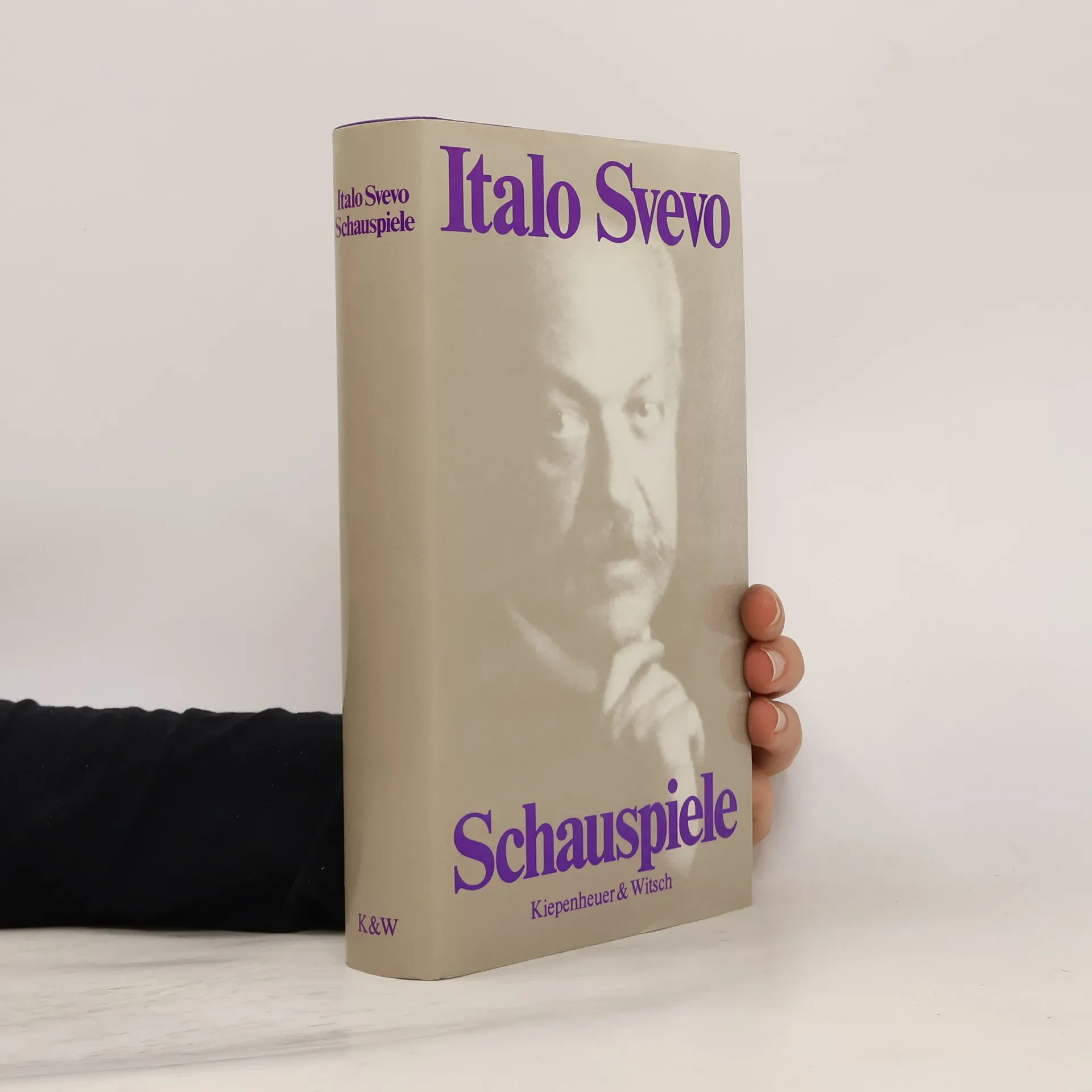
Italo Svevo (1861–1928) gilt neben Proust, Joyce, Kafka und Musil als bahnbrechender Autor der modernen Weltliteratur, als einer der bedeutendsten Romanschriftsteller Italiens; er selber sah sich jedoch auch als Theaterdichter – allein in seinem Nachlaß fanden sich 13 Komödien. Dieser Band enthält die Theaterstücke »Die Wahrheit«, »Gemischtes Terzett«, »Ein Ehemann«, »Marias Abenteuer«, »Der Diener«, »Alberta und Alice oder Die Unterwerfung« sowie »Ein Mann wird jünger«.
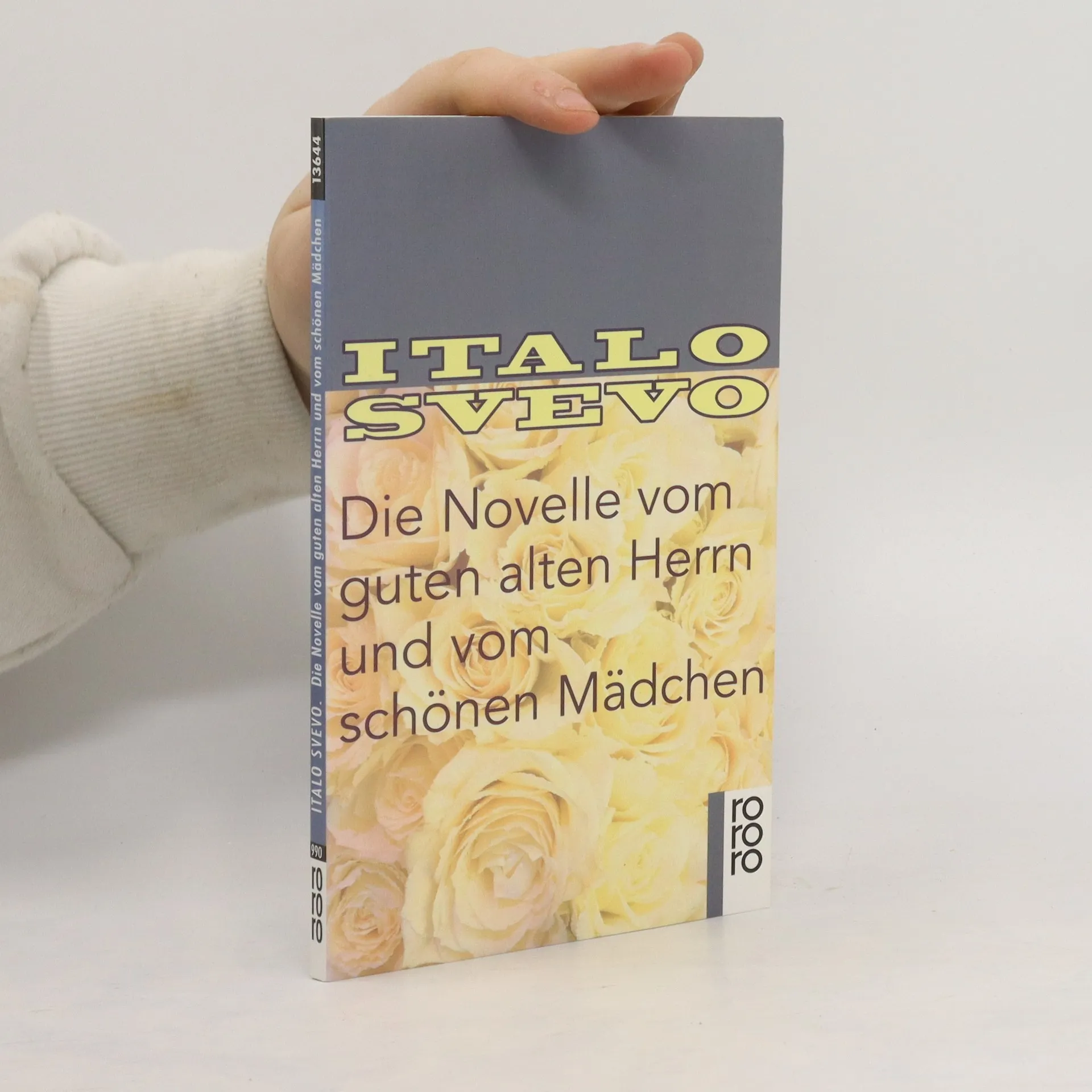
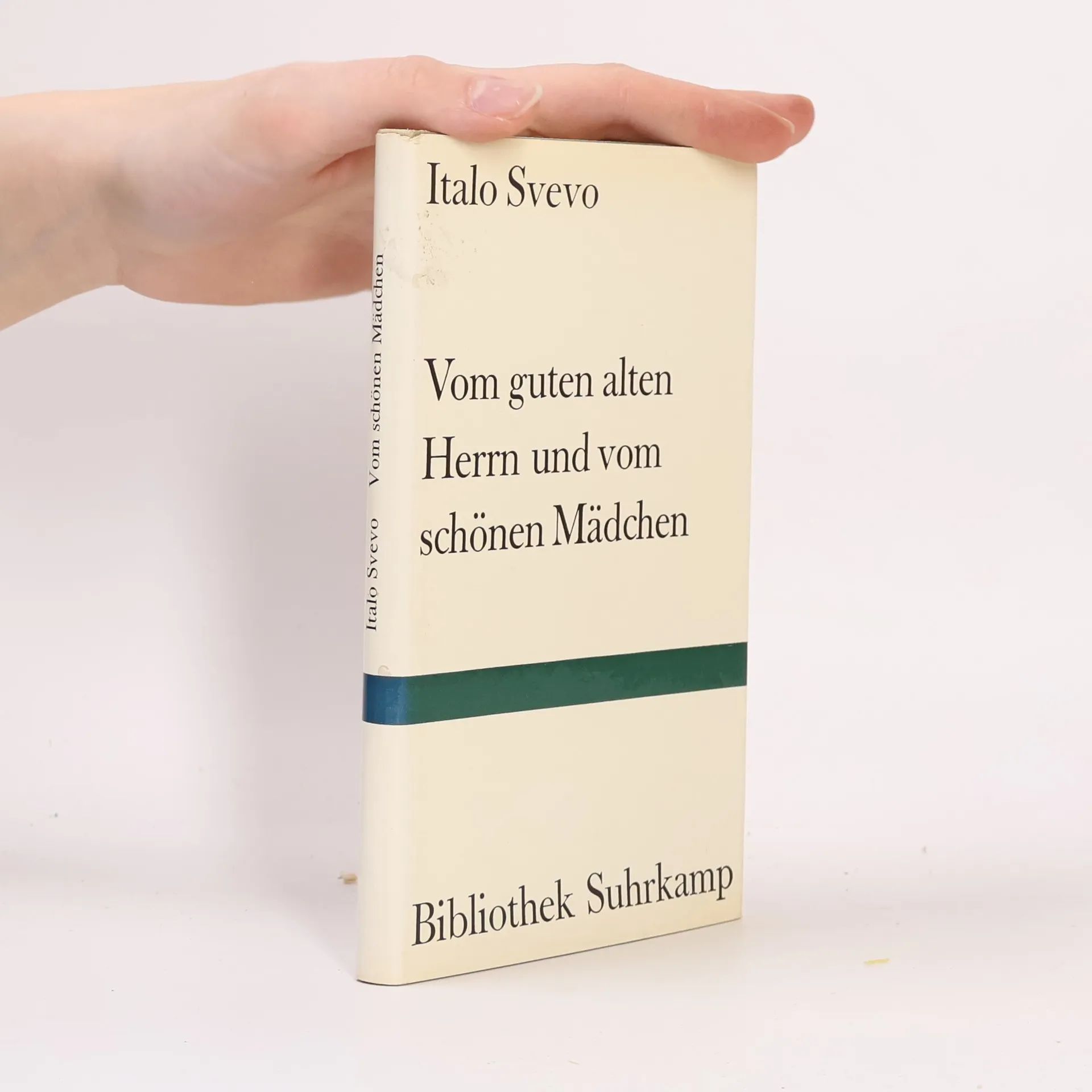
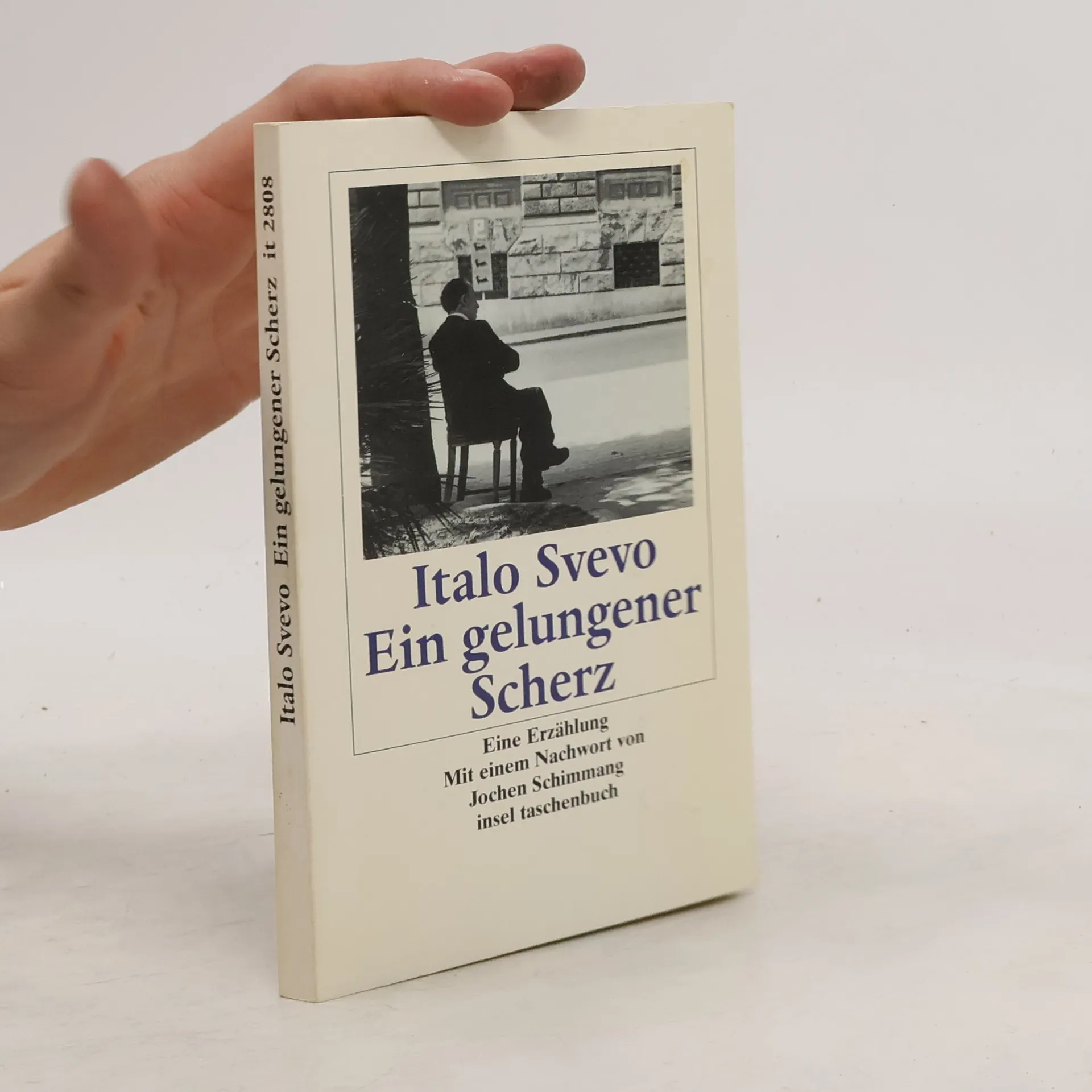
Ein älterer feiner Herr verliebt sich in eine junge Straßenbahnschaffnerin und muss nun glauben, dass seine einzige bisher unerfüllt gebliebene Leidenschaft das Straßenbahnfahren ist: Die Geschichte vom guten alten Herrn und vom schönen Mädchen ist die letzte und schönste Erzählung Svevos. Ein Meisterstück über die noch einmal ungehörig erwachenden Lebensgeister eines bürgerlichen Charlie Chaplin. Der große Ironiker, neben Luigi Pirandello und Eugenio Montale bedeutendster italienischer Autor des Jahrhundertanfangs, war u. a. auch Handelsreisender. Seinen Werdegang beschreibt er selbst in dem Text »Autobiografischer Abriss«, der hier ergänzt wird durch Lebensdaten und eine editorische Notiz. Der stimmungsvolle Phototeil von Arturo Giacomelli lädt ein zu einer literarischen Reise in Svevos Triest.
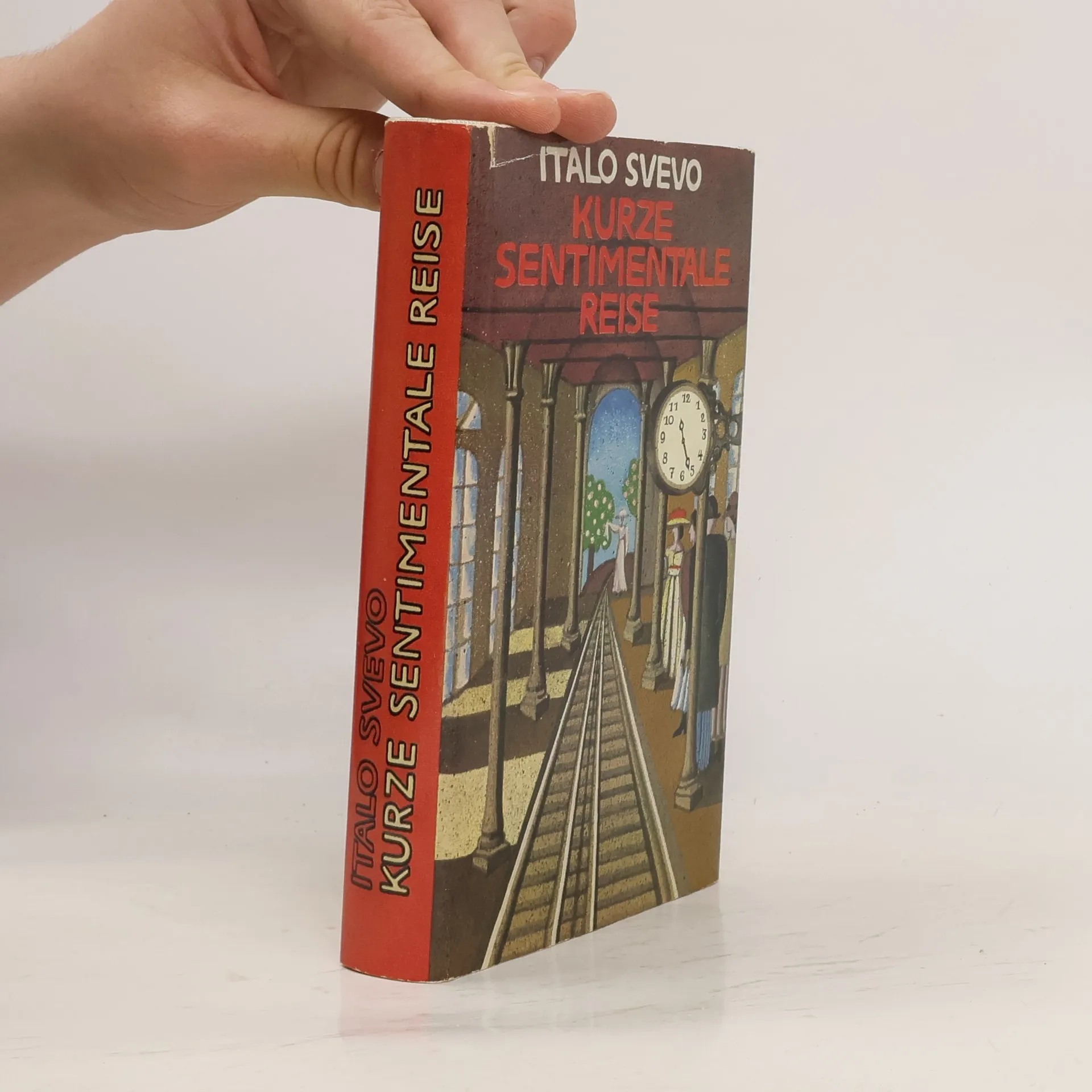
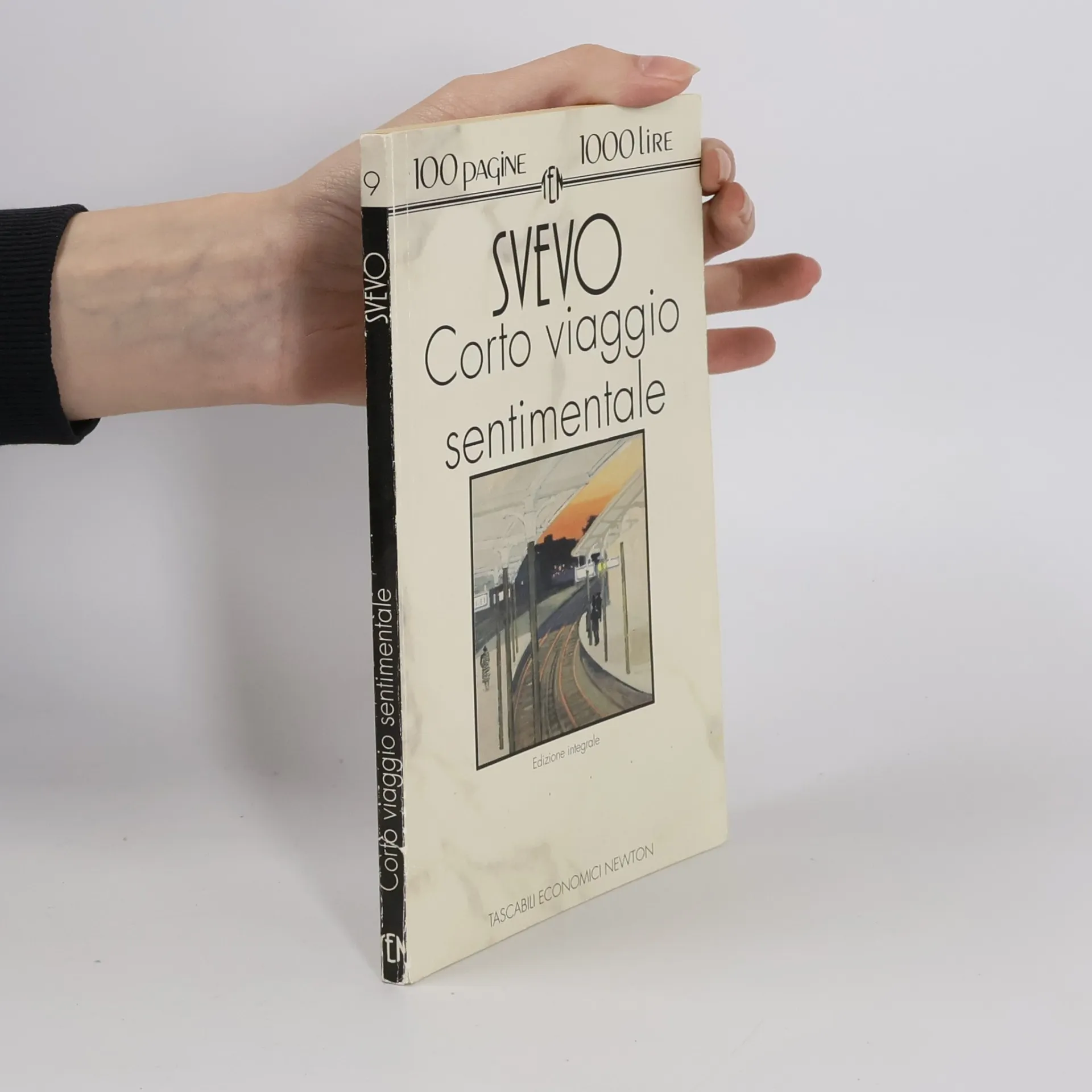
Eine kurze Geschäftsreise ist die Gelegenheit, auf die der alte Herr Aghios lange gewartet hat. Endlich von seiner Frau getrennt, kann er sich kleinen, harmlosen Versprechungen von Freiheit hingeben. Doch diese Freiheit besteht mehr aus Empfindungen und Gedanken als aus konkreten Taten: Der senile Protagonist dieses kleinen Meisterwerks, das unvollendet blieb, ist sowohl fasziniert als auch distanziert von dem, was er zu erfassen versucht. Hier kehren in exemplarischer, aber erneuerter Form die Themen zurück, die Svevo am Herzen lagen: das Bedürfnis zu leben und die Unfähigkeit, sich ohne schmerzhafte Spaltungen mit der Realität auseinanderzusetzen; die Idee von Eros als Transgression gegen das gesunde bürgerliche Verhalten; der Einfluss psychoanalytischer Theorien.
Mit Svevo begann Italiens literarische ModerneDie Ängste des modernen Mannes – vor dem Älterwerden, vor beruflichem Versagen, vor dem «schwachen Geschlecht» –, selten hat sie ein Schriftsteller präziser auf den Punkt gebracht als Italo Svevo. Mit zärtlicher Ironie porträtiert er Helden, die, ein großes Ziel vor Augen, schon über Kleinigkeiten stolpern: einen Kaufmann, der sein jahrzehntelanges kluges Handeln durch einen einzigen Augenblick des Leichtsinns gefährdet. Einen Familienvater auf Diät, dem gefühlter Autoritätsverlust Albträume verursacht. Missgeschick, Fehlinterpretation, Selbstbetrug – die Ursachen des Scheiterns sind facettenreich und verraten viel über die Psyche von Männern in den besten Jahren.
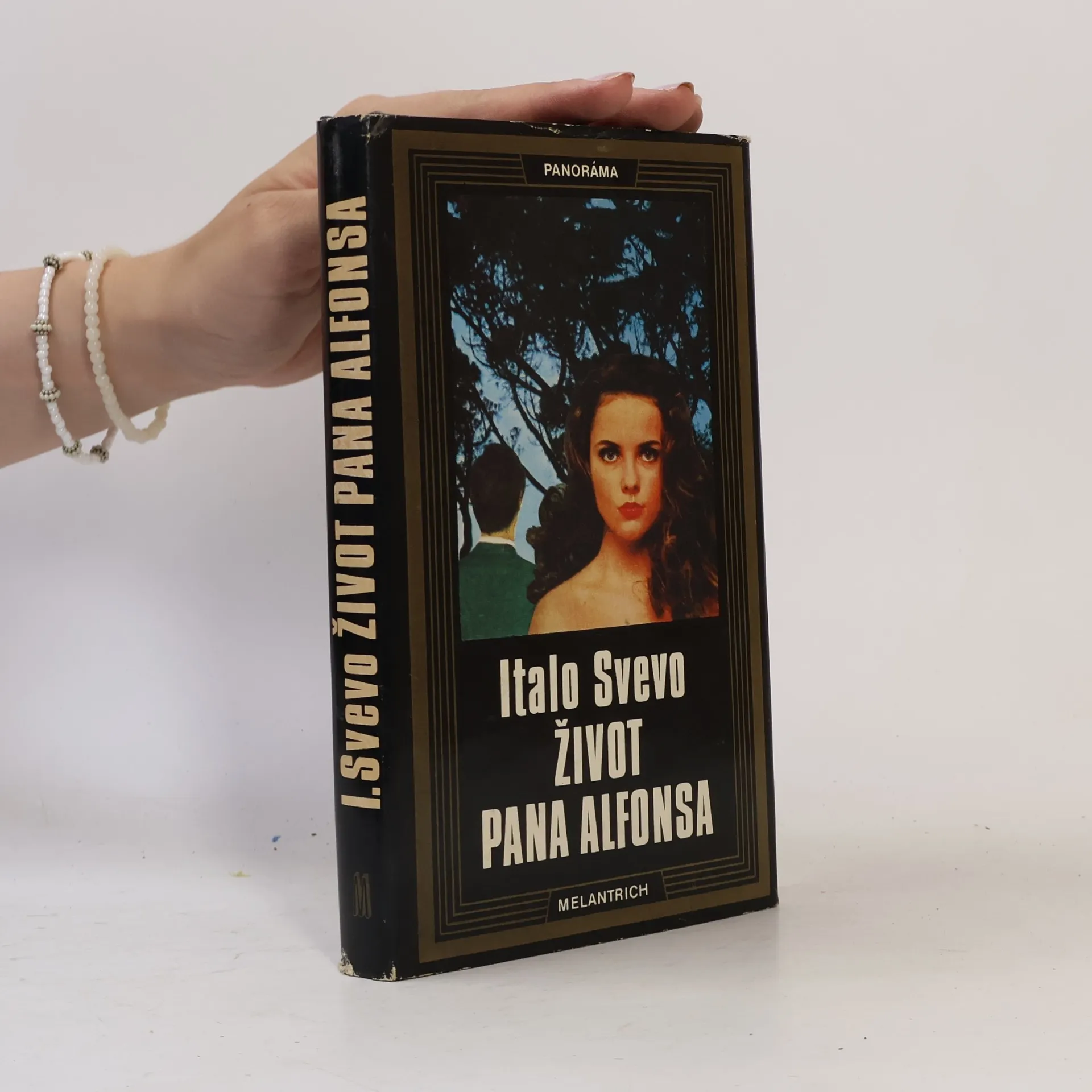
První román významného italského romanopisce je umístěn do prostředí banky v italském městečku na sklonku století. Vypráví niterný příběh bankovního úředníčka, který touží po kariéře, zbohatnutí a nedostatek schopností i možností nahrazuje velikášskými sny a fikcemi a nakonec poneúspěchu milostného vztahu k bankéřově dceři hledá cestu v dobrovolné smrti. Kniha zachycuje i četné situace, příznačné pro epochu industrializace italského severu.
Krimi - Ehrenwerte Leute - Giuseppe Fava, 316 Seiten Als die junge Lehrerin Elena in einem sizilianischen Bergdorf eine Stelle antritt, wird sie uber Nacht zur Respektsperson. WEr sie beleidigt, wird am nachsten Morgen tot auf der Piazza gefunden. SIe steht unter dem Schutz "ehrenwerter" Leute und weiSS nicht warum. DAs Dorf wird ihr zum Albtraum. EIn Kriminalroman ohne Tater, ohne beruhigende Aufklarung der Morde, ohne sichtbare Motive. EIn Schlussel zum absurden Gesetz des Schweigens.
Ve svazku jsou zařazeny tři povídky italského spisovatele Itala Sveva, jejichž ústředními motivy jsou problémy dobra a zla, problém stárnutí a rezignace a problém neúspěchu.
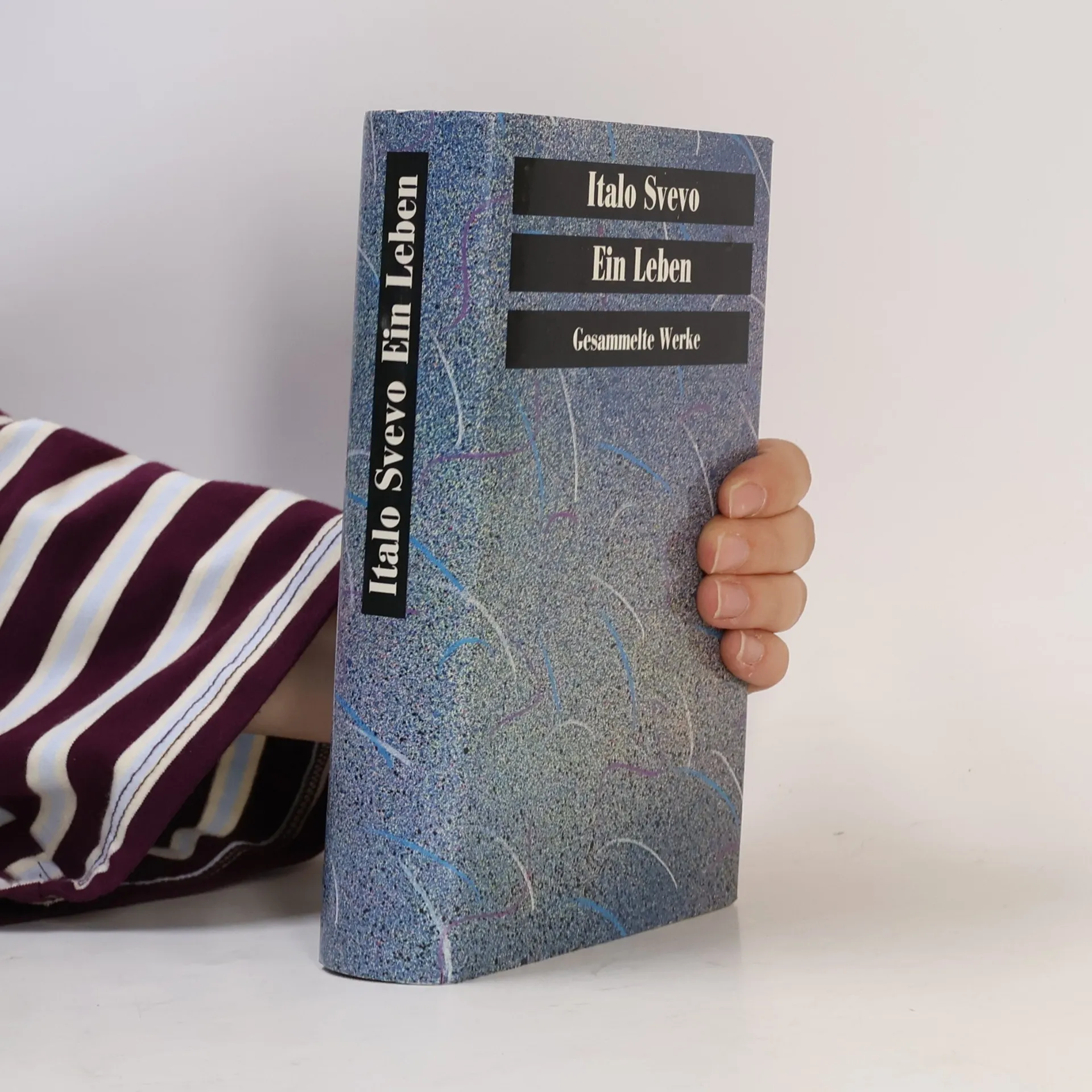
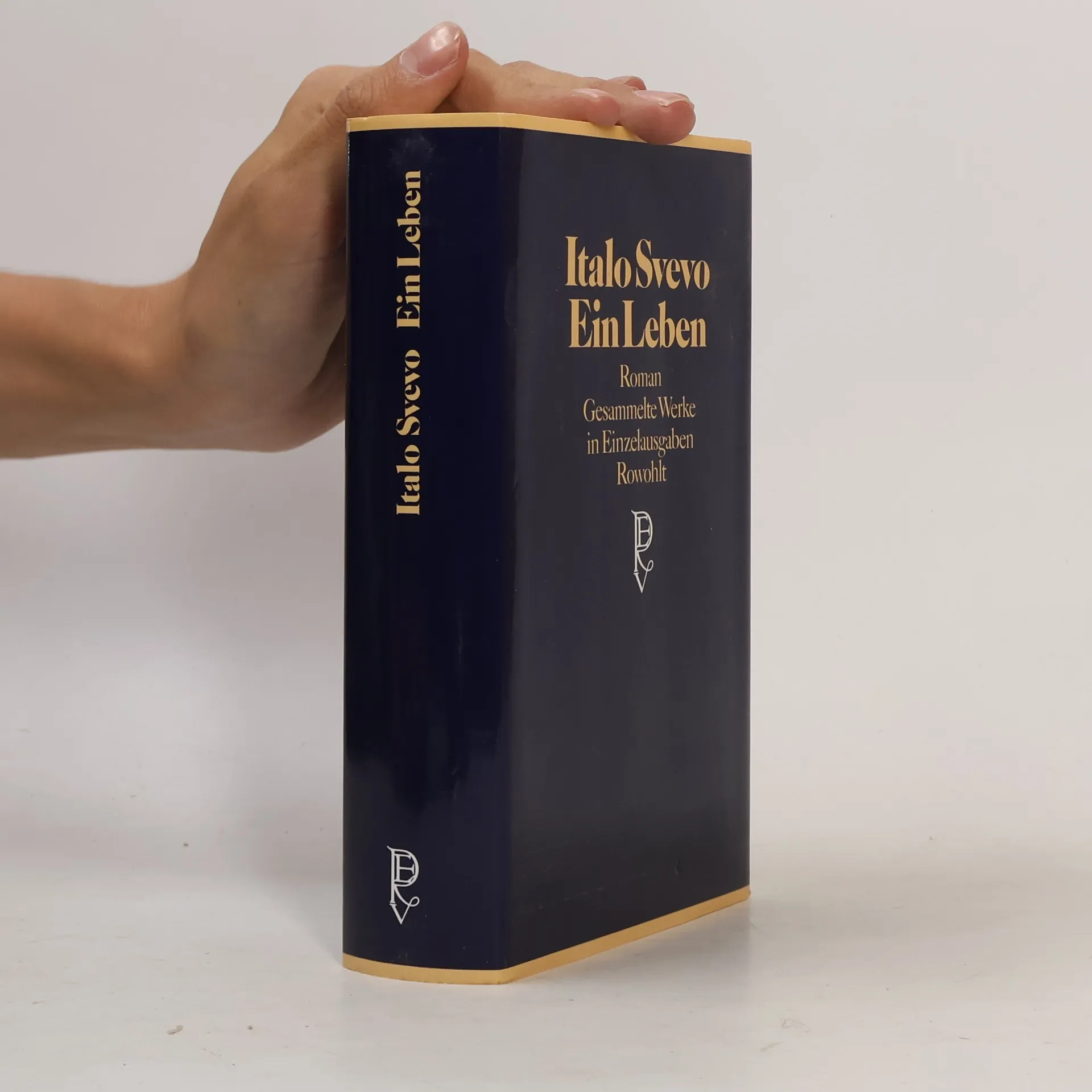
Svevos furioses Romandebüt nimmt den modernen Kleinbürger ins Visier: Alfonso Nitti ist ein Bankbeamter, der sich mit ambitionierten Lektüren und Liebeleien für das Einerlei des Büroalltags entschädigt.
Senilità, laut Montale ein »nahezu vollkommener Roman«, ist ein Schlüsselwerk der klassischen Moderne in Italien. Der begnadete Ironiker Italo Svevo wendet sich in seinem wohl schonungslosesten Buch der Liebesleidenschaft zu. Mit analytischer Brillanz schildert er den Lebenszyklus eines vergeblichen Begehrens.