Gratis Versand ab 16,99 €. Mehr Infos.
Bookbot

Марина Ивановна Цветаева

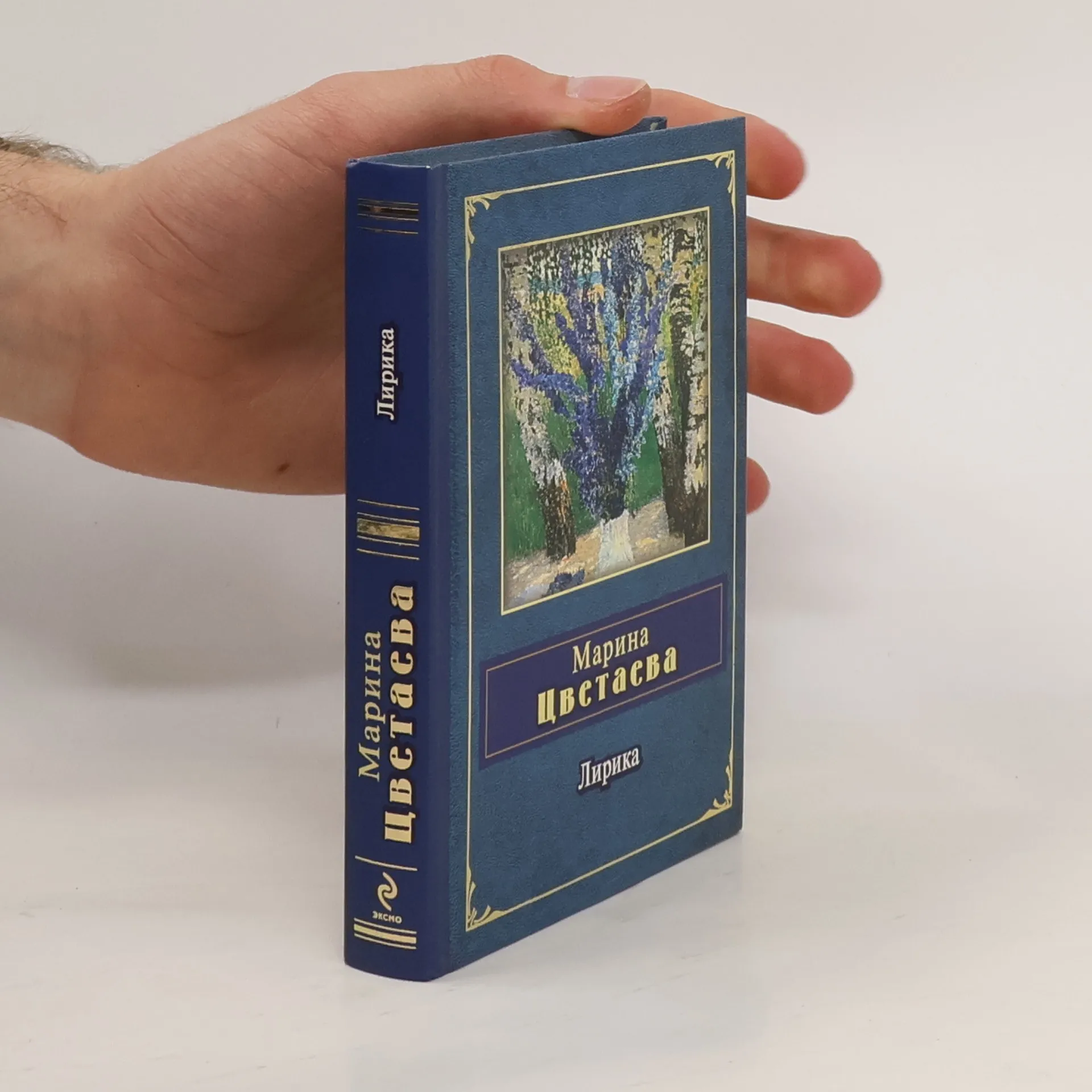
    Лирика
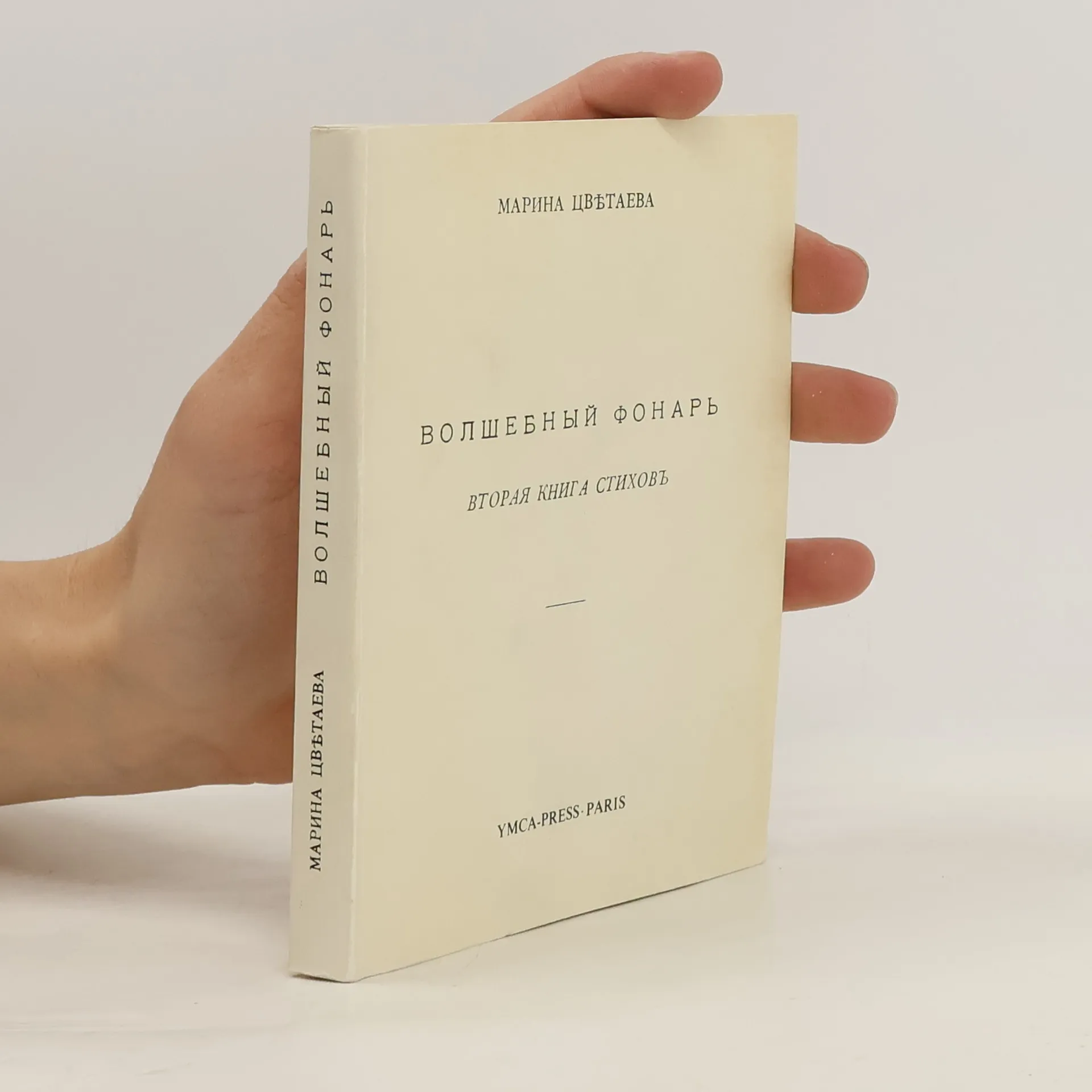
    Волшебный фонарь: Вторая книга стихов
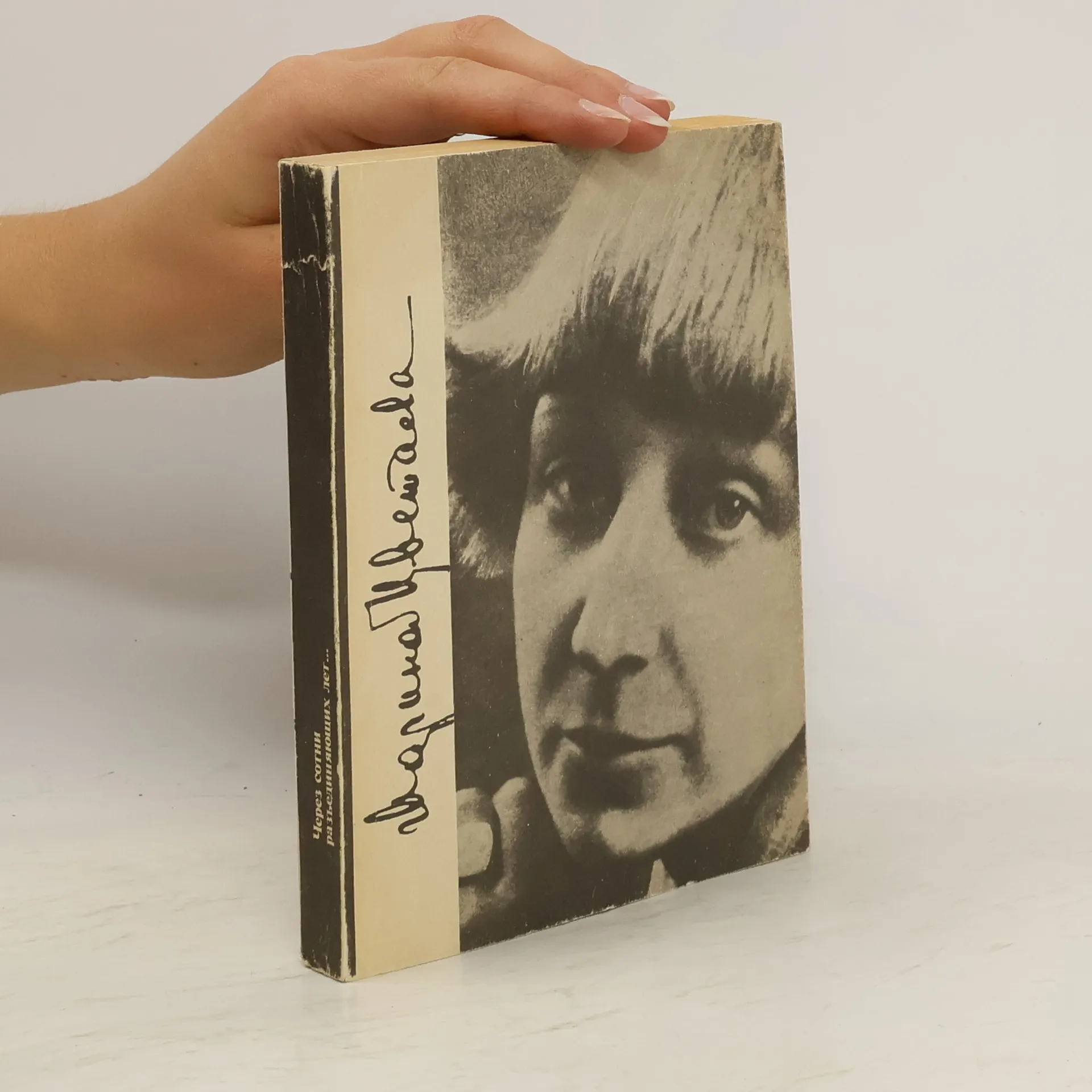
    Церез сотни разьединяющих лет ...
    Избранное
    Стихотворения и поэмы. Stikhotvoreniya i poemy
    Moscow In The Plague Year
    • Moscow In The Plague Year

      • 180 Seiten
      • 7 Lesestunden

      Written during the Russian Revolution of 1917 and the Moscow famine that followed, these poems are suffused with Tsvetaeva's irony and humor, which undoubtedly accounted for her success in not only reaching the end of the plague year alive, but making it the most productive of her career. We meet a drummer boy idolizing Napoleon, an irrepressibly mischievous grandmother who refuses to apologize to God on Judgment Day, and an androgynous (and luminous) Joan of Arc. Represented on a graph, Tsvetaeva's work would exhibit a curve - or rather, a straight line - rising at almost a right angle because of her constant effort to raise the pitch a note higher, an idea higher ... She always carried everything she has to say to its conceivable and expressible end. In both her poetry and her prose, nothing remains hanging or leaves a feeling of ambivalence. Tsvetaeva is the unique case in which the paramount spiritual experience of an epoch (for us, the sense of ambivalence, of contradictoriness in the nature of human existence) served not as the object of expression but as its means, by which it was transformed into the material of art. --Joseph Brodsky While your eyes follow me into the grave, write up the whole caboodle on my cross! 'Her days began with songs, ended in tears, but when she died, she split her sides with laugher!' --from Moscow in the Plague Year: Poems
      Moscow In The Plague Year
    • "Крупнее Цветаевой в нашем столетии нет поэта", - сказал о Марине Цветаевой Иосиф Бродский. Она не принадлежала ни к одной поэтической школе, не признавала литературных влияний - только человеческие. "Одна "за всех" и одна "противу всех". Не заботясь о границах дозволенного, Цветаева впустила в поэзию стихийное начало. Вулканический темперамент в сочетании с поразительным ритмическим разнообразием - отличительные черты цветаевской лирики. Наперекор непониманию, одиночеству и нищенскому "стопудовому" быту Цветаева всегда оставалась внутренне свободной, как писала о ней Белла Ахмадулина, "она была вождем своей судьбы, и воинства ума и духа следовали за этим вождем". В настоящее издание вошли прижизненные авторские сборники Марины Цветаевой, включающие стихотворения разных лет и поэмы.

      Стихотворения и поэмы. Stikhotvoreniya i poemy
      5,0
    • Избранное

      • 367 Seiten
      • 13 Lesestunden

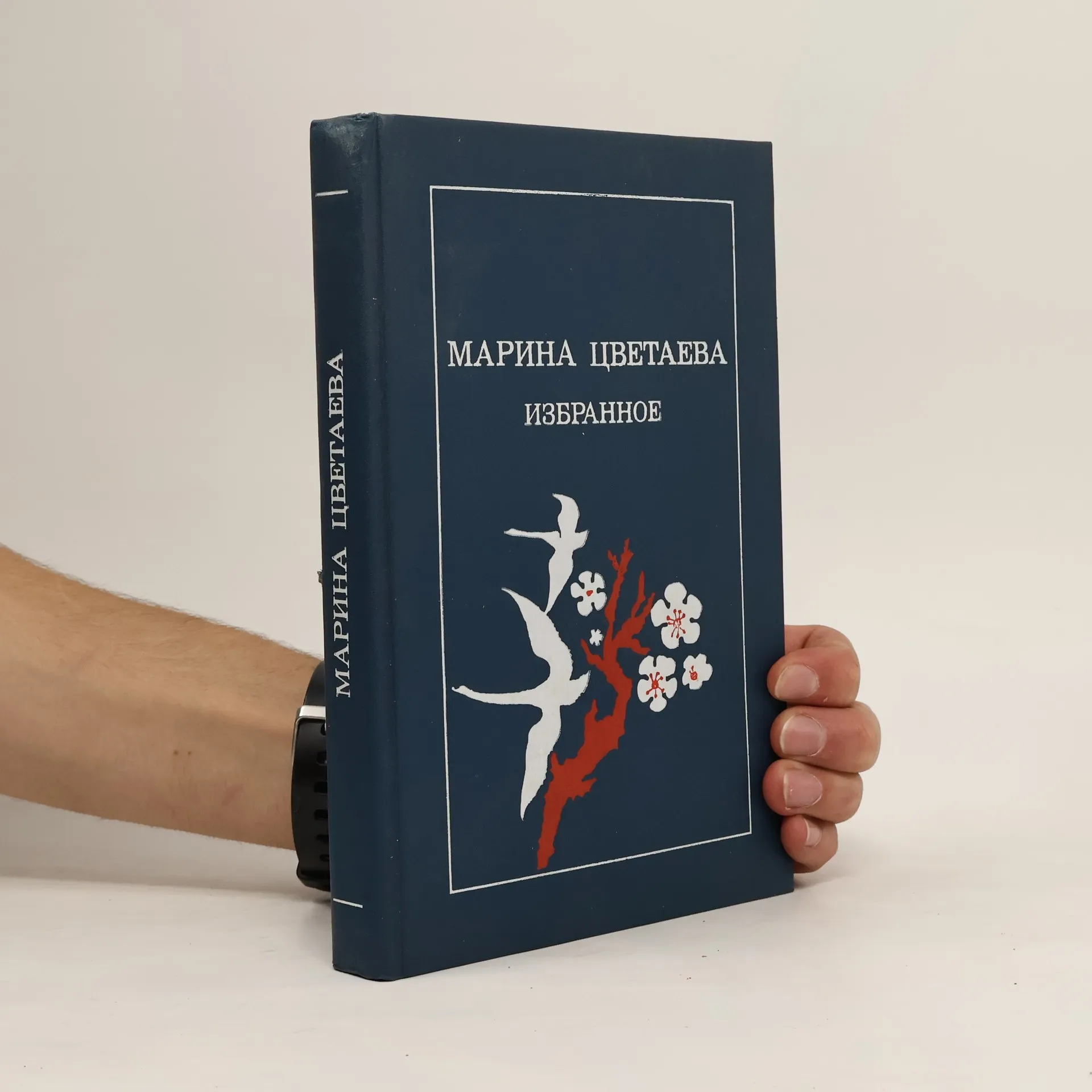
      Марина Цветаева. Избранное /Сост., коммент. Л. А. Беловой. - М., Просвещение, 1989. - 367 с. с иллюстр. ISBN 5090019320 В состав книги входят избранные стихи М. Цветаевой, "Поэма Горы", трагедия "Ариадна", и один из очерков об А. С. Пушкине -- "Мой Пушкин".

      Избранное
      4,2
    • Лирика

      • 350 Seiten
      • 13 Lesestunden

      Яркий самобытный талант, предельная искренность, высокий романтизм отличают лучшие стихотворения и поэмы Марины Цветаевой, вошедшие в эту книгу

      Лирика
    • Какие стихи Вы пишете, Марина... Вы возмутительно большой поэт, - писал Марине Цветаевой Борис Пастернак. В сборник вошли стихотворения, в которых ярко представлено все многообразие и вместе с тем целостность поэтического мира Марины Цветаевой.

      Стихотворения
    • Lettres du grenier de Wilno

      • 144 Seiten
      • 6 Lesestunden

      En 2001, au cours d'un voyage à Vilnius, Wladyslaw Zawistowski, poète et dramaturge polonais, trouve dans le grenier de sa grand-mère, Natalia Hajdukiewicz, douze longues lettres de Marina Tsvetaeva écrites entre 1934 et 1935. Le plus étonnant dans cette découverte est la figure de la destinataire Natalia, une petite enseignante de Wilno, étrangère au monde littéraire, inconnue à Moscou comme à Paris et qui, pourtant, a occupé une place indéniable dans la vie de la poétesse. Outre l'histoire de cette découverte miraculeuse, non moins touchante est la teneur de ces lettres. 1934 représente un moment de crise dans la vie de Marina Tsvetaeva, peut-être même l'année déterminante de son suicide sept ans plus tard. Or cette correspondance projette dans la lumière tout son être et son mal-être. Marina Tsvetaeva y fait fi de toute pudeur : le cœur, l'âme, la politique, la famille, mais aussi ses préoccupations terre à terre et domestiques - tout peut se dire à une amie lointaine, inconnue, et tout ce qui se dit est bouleversant.

      Lettres du grenier de Wilno
    • Сочинения

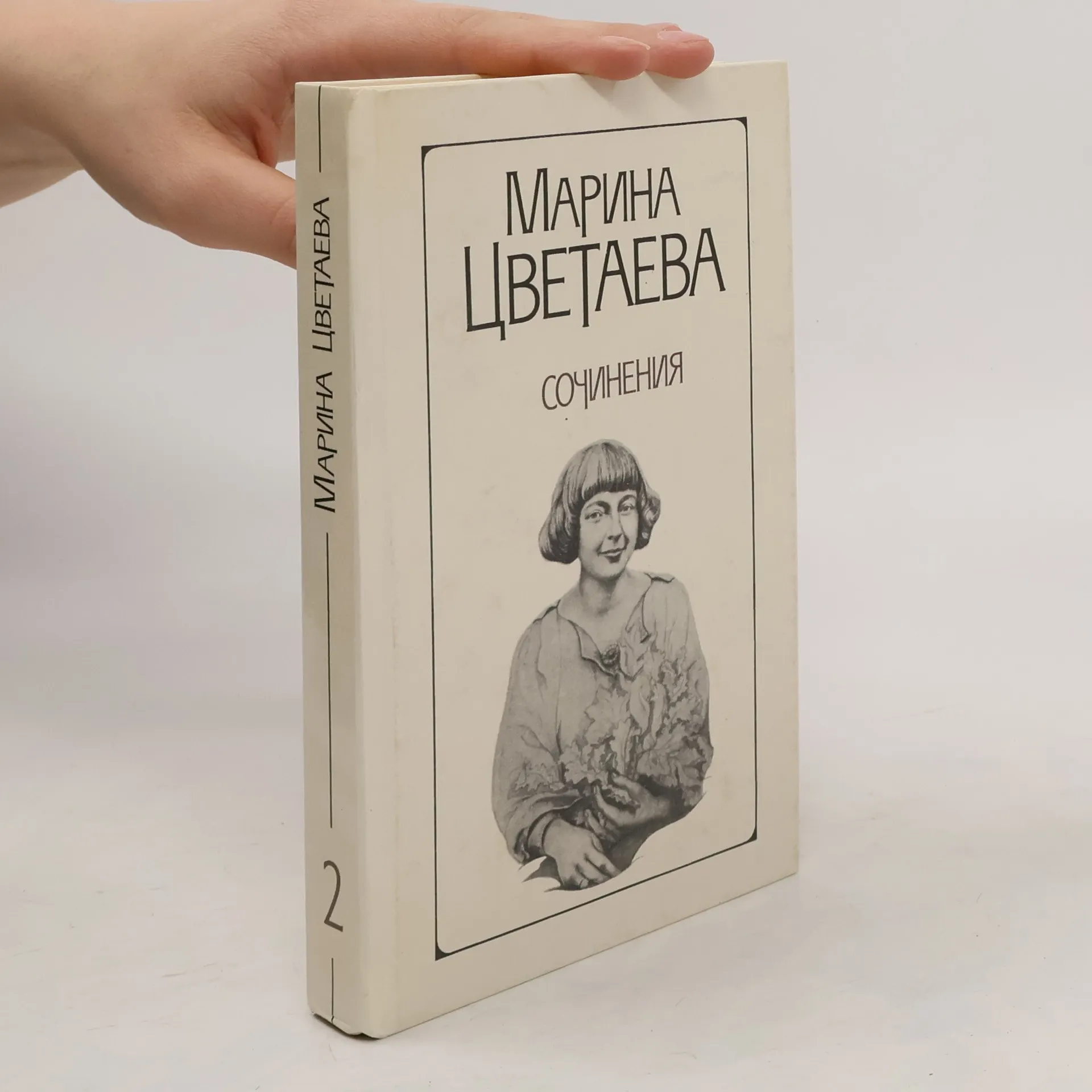
      В 2-х томах. 1. Стихотворения, поэмы, драматические произведения. - 1988. - 541 С. : Илл

      Сочинения