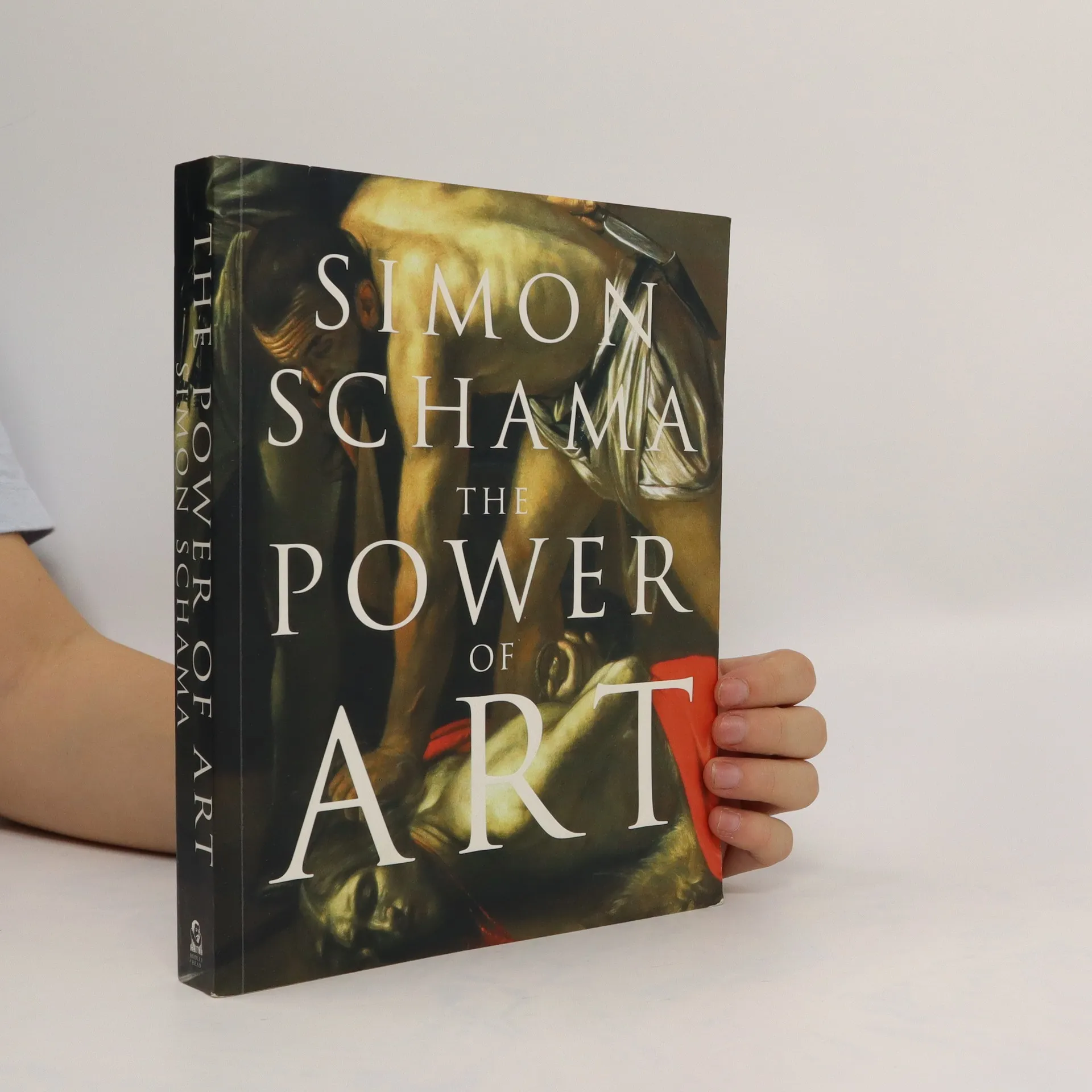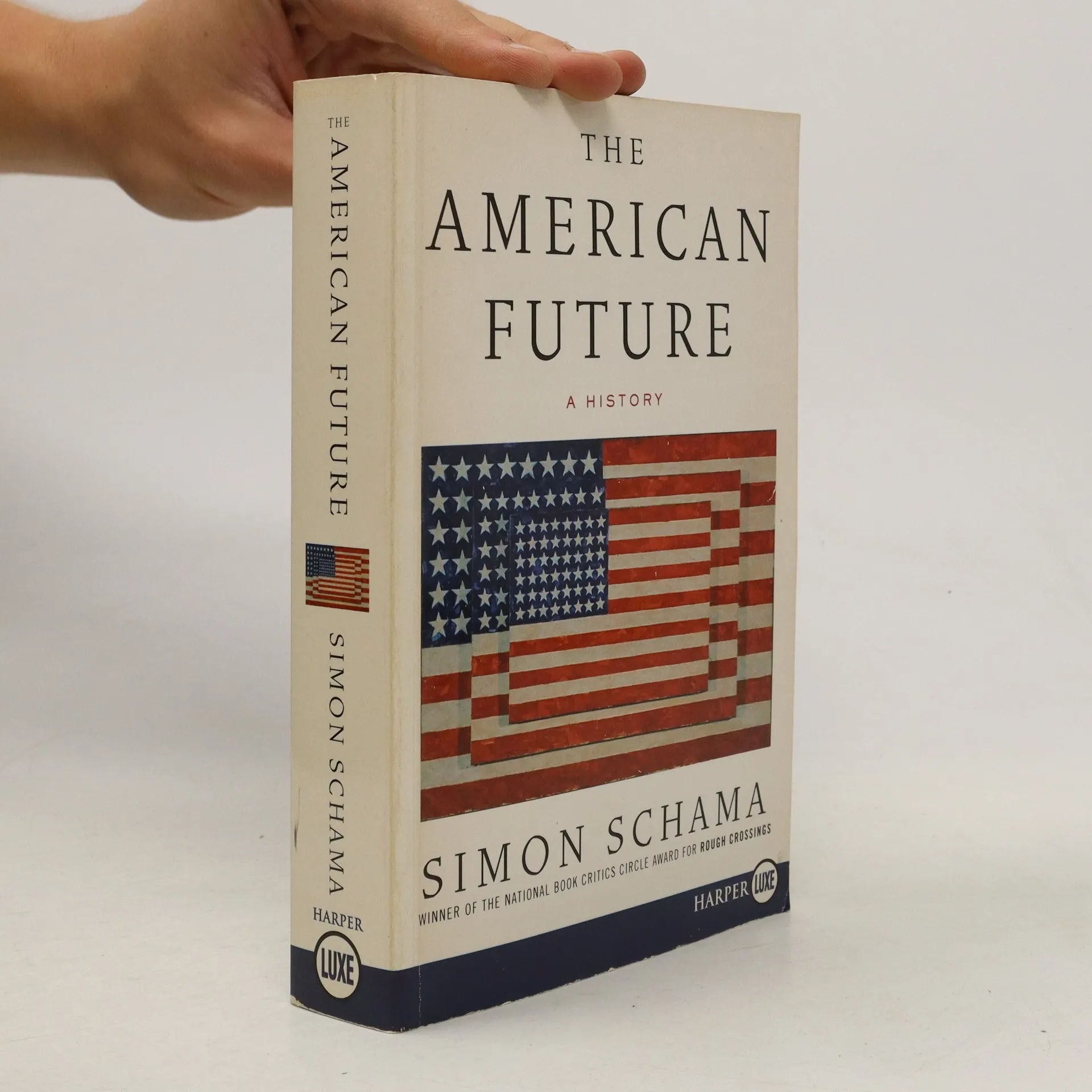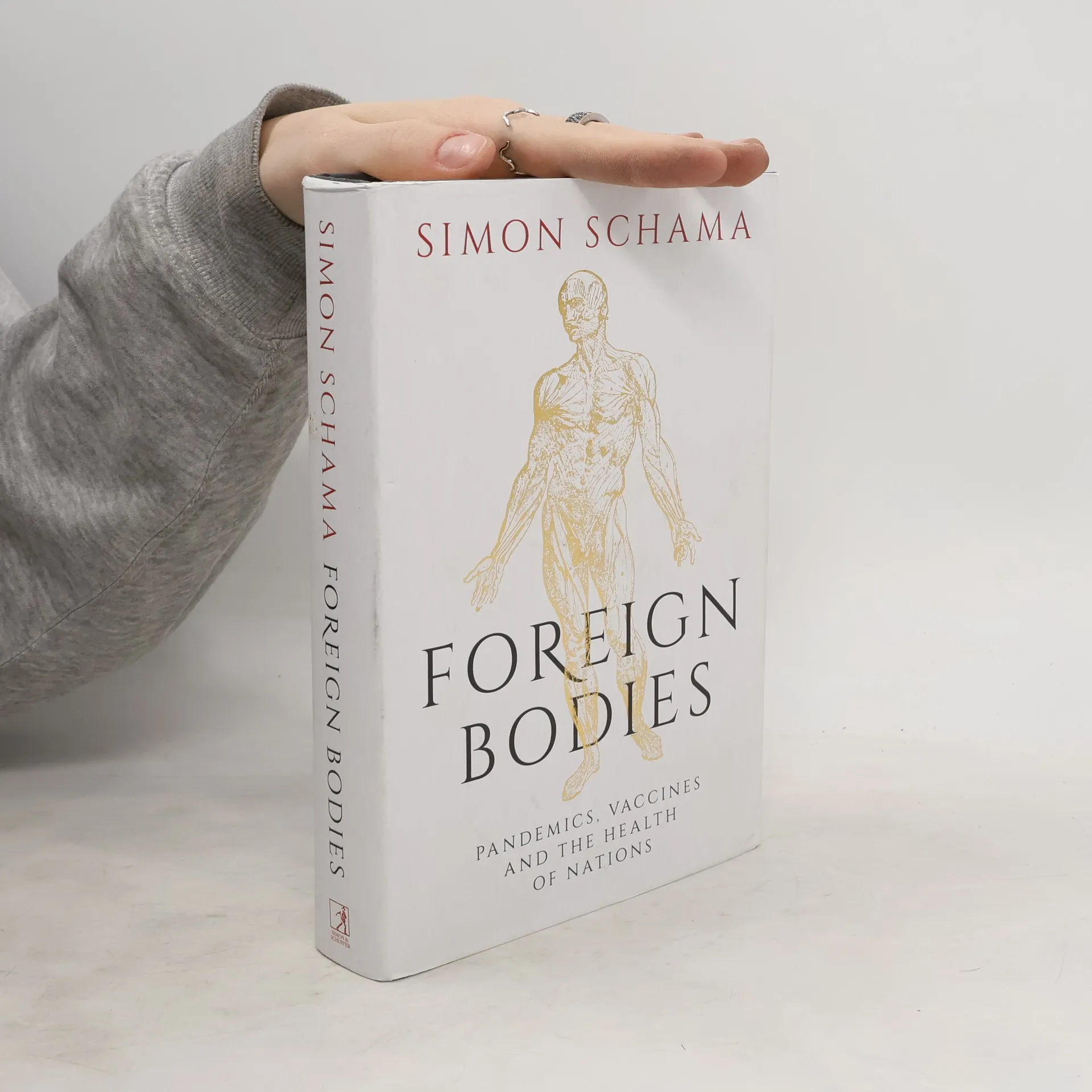
Der Traum von der Wildnis
- 704 Seiten
- 25 Lesestunden
Simon Schama ist bekannt für seinen fesselnden Erzählstil, der Geschichte und Kunst mit lebendiger Prosa und packendem Storytelling zum Leben erweckt. Seine Arbeit zeichnet sich durch eine Gabe für Beschreibung aus, die selbst obskure Themen zugänglich macht und die Leser mit lebhaften Details und ansprechendem Sprachgebrauch in die Vergangenheit zieht. Während er für seine Fähigkeit gefeiert wird, ein breites Publikum zu erreichen, provoziert sein Ansatz manchmal Kritik an Subjektivität und Populismus aus akademischen Kreisen. Schamas Methode betont die Bedeutung von Erzählung und stilistischem Gespür, mit dem Ziel, die Atmosphäre und den historischen Kontext hervorzurufen, anstatt nur Fakten zu präsentieren.


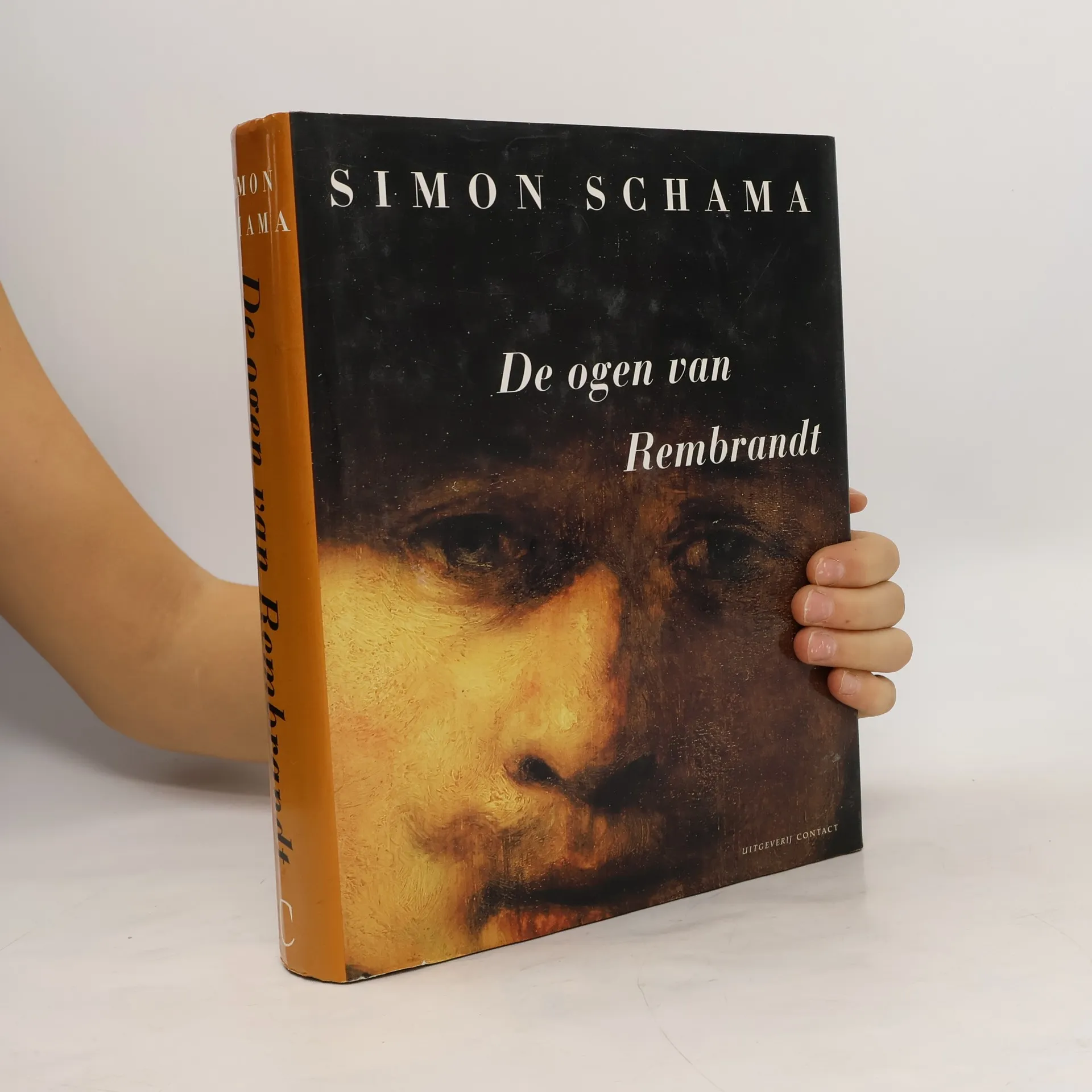
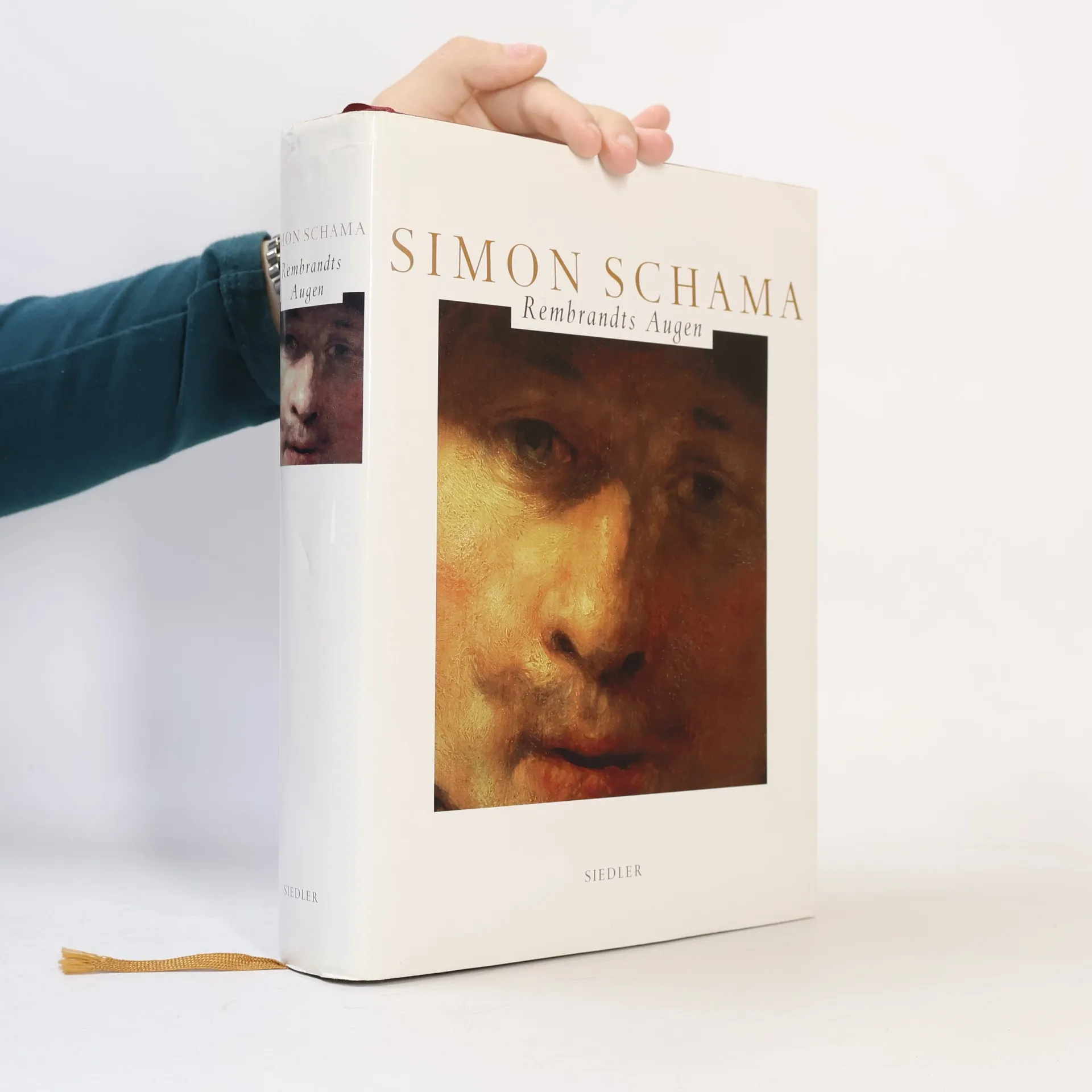
This dazzling, unconventional biography shows us why, more than three centuries after his death, Rembrandt continues to exert such a hold on our imagination. Deeply familiar to us through his enigmatic self-portraits, few facts are known about the Leiden miller's son who tasted brief fame before facing financial ruin (he was even forced to sell his beloved wife Saskia's grave). The true biography of Rembrandt, as Simon Schama demonstrates, is to be discovered in his pictures. Interweaving of seventeenth-century Holland, Schama allows us to see Rembrandt in a completely fresh and original way.
The words that failed were words of hope. But they did not fail at all times and everywhere. These gripping pages teem with words of defiance and optimism, sounds and images of tenacious life and adventurous modernism, music and drama, business and philosophy, poetry and politics.
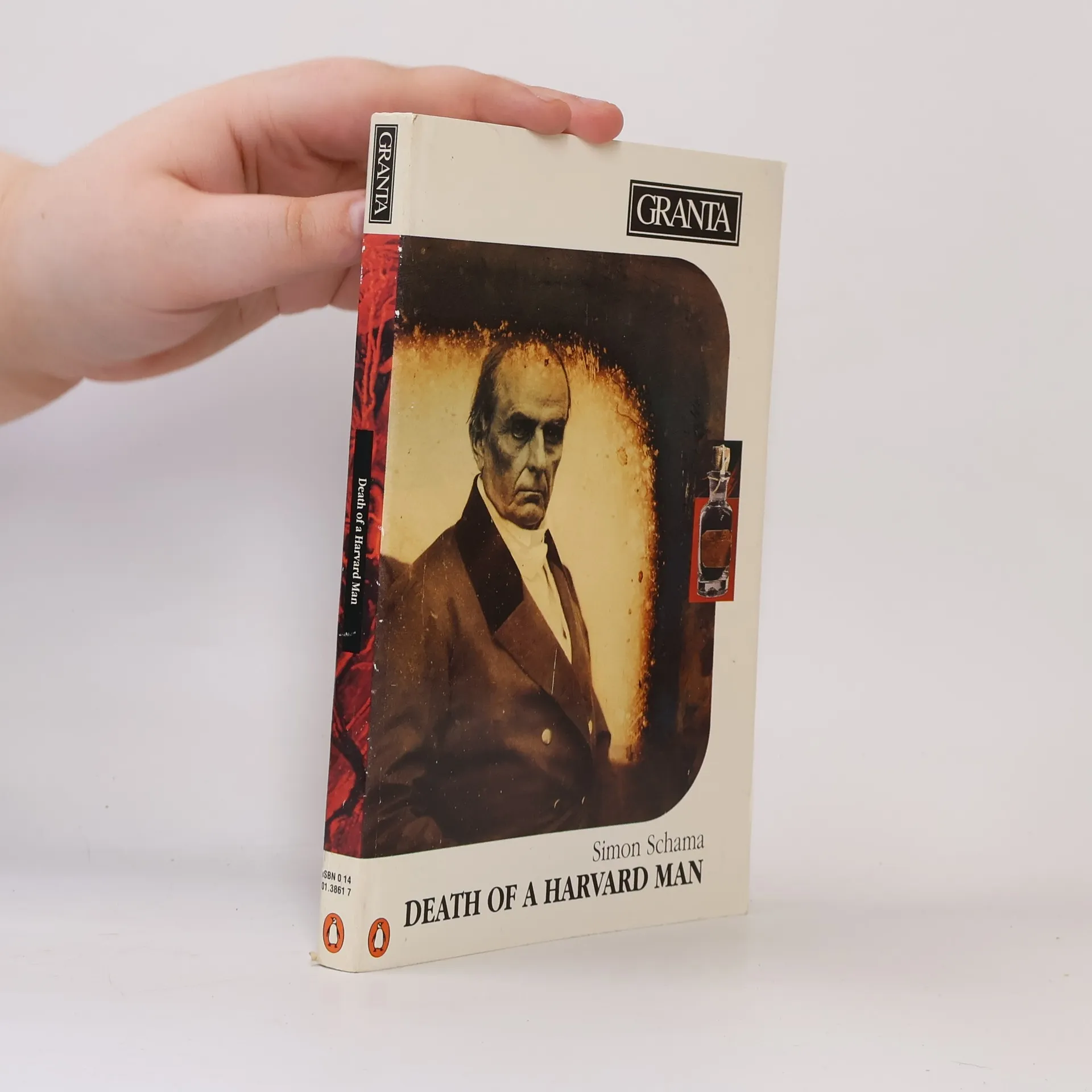
Simon Schama sets out to discover which story, if any story, is the story of the many stories of the disappearance of Doctor George Parkman, the perfect Yankee. Plus: William Boyd, Geoffrey Wolff, Louise Erdrich, Don DeLillo, Amitav Ghosh, and Martin Amis’s Time’s Arrow (part two).
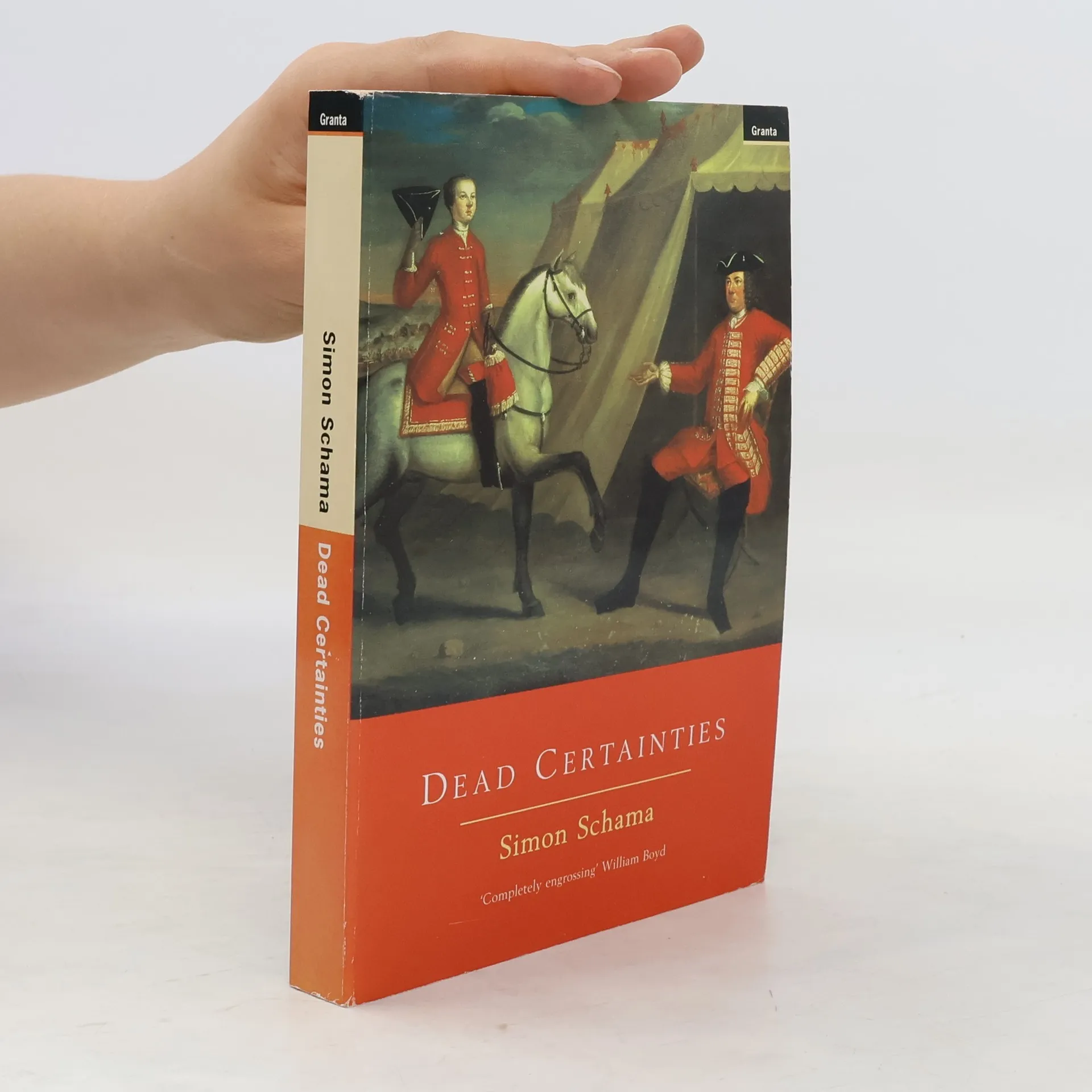
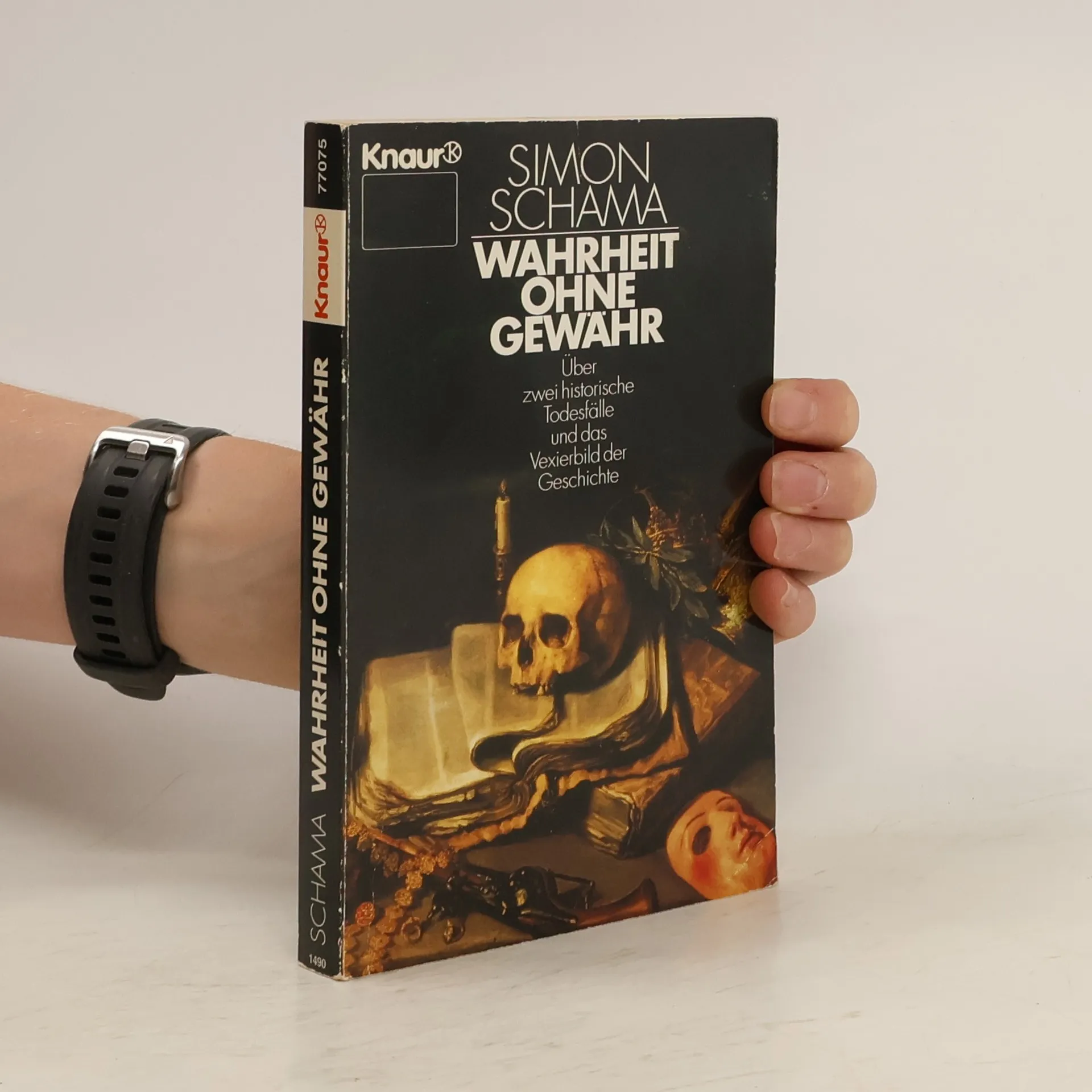
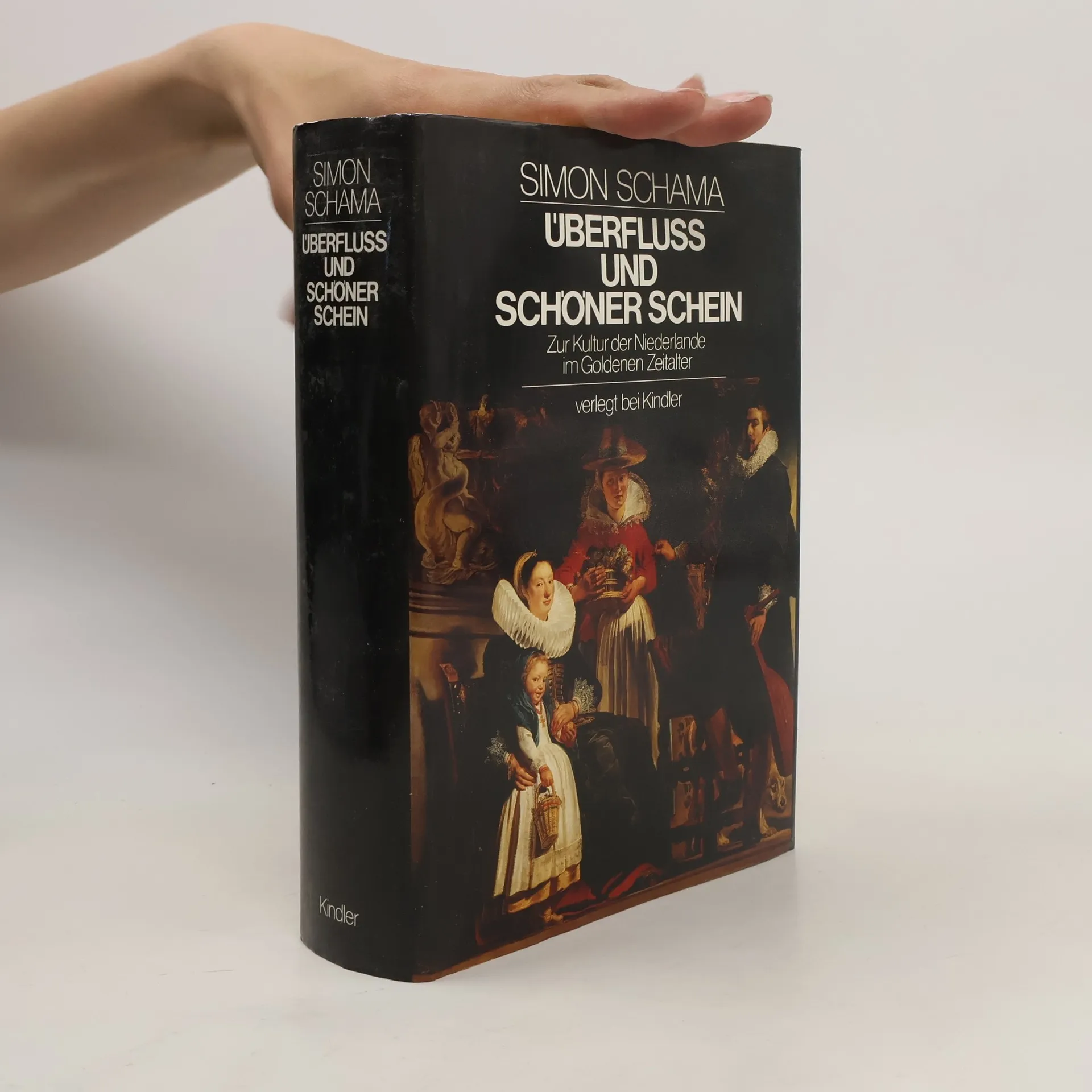
Simon Schama, the author of "The Embarrassment of Riches" and "Citizens", sets out to tell the history of two certainties, of two deaths. In discussing the "speculations" surrounding them, he finds himself involved in a history he cannot classify - the unpredictable history of stories. On 13 September 1759, General James Wolfe, having led the British troops up the St Lawrence to victory in the Battle of Quebec, died on the Heights of Abraham. Schama examines this death, and how Wolfe was made to die again - through the spectacular painting by Benjamin West, and through the writings of the 19th-century historian Francis Parkman. Schama's second death concerns Parkman's uncle, George Parkman of Harvard Medical College, who disappeared in 1849 in mysterious circumstances and who was rumoured to have been murdered by a colleague. Through these incidents, Schama sheds light on the writing of history, the history of history, and the relationship of "story" to "history".
For Rembrandt, as for Shakespeare, all the world was indeed a stage, and he knew in exhaustive detail the tactics of its performance: the strutting and mincing, the wardrobe and face-paint, the full repertoire and gesture and gimace, the flutter of hands and the roll of the eyes, the belly-laugh and the half-stifled sob. He knew what it looked like to seduce, to intimidate, to wheedle and to console; to strike a pose or preach a sermon, to shake a fist or uncover a breast; and how to sin and how to atone. No artist had ever been so fascinated by the fashioning of personae, beginning with his own. No painter ever looked with such unsparing intelligence or such bottomless compassion at our entrances and our exits and the whole rowdy show in between.