Robert Gerwarth ist Professor für Europäische Geschichte mit Schwerpunkt deutscher Geschichte. Nach Abschluss eines Postdoc-Stipendiums der British Academy in Oxford hatte er Fellowships in Princeton, Harvard, am NIOD in Amsterdam und am Institute for Advanced Studies der University of Western Australia inne.
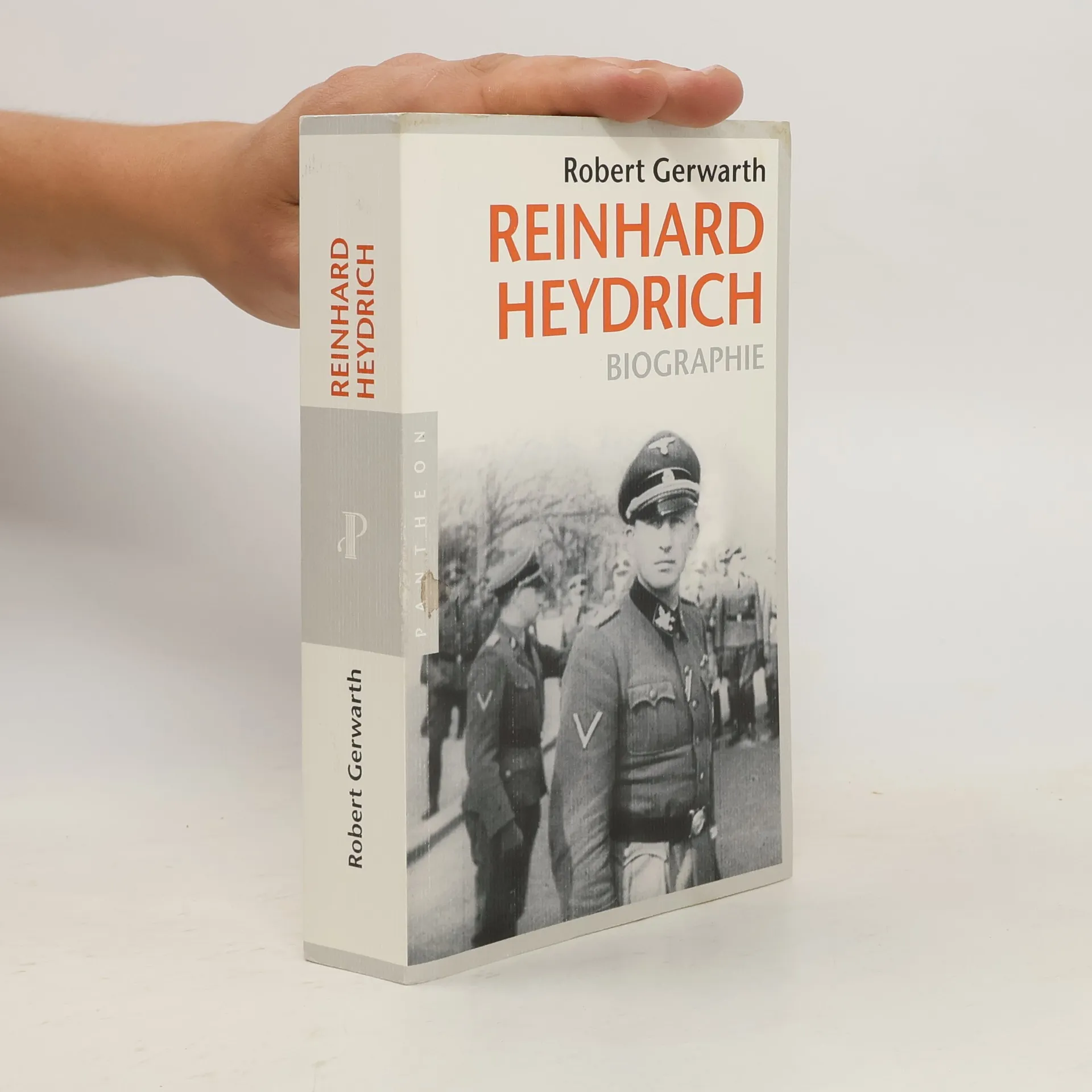
Eine der zentralen Figuren des NS-Regimes im Spiegel seiner Zeit Reinhard Heydrich (1904 –1942) war einer der mächtigsten Männer des »Dritten Reichs«: Als Leiter des Reichssicherheitshauptamtes und engster Mitarbeiter Heinrich Himmlers lenkte er den Terrorapparat der Nationalsozialisten. Robert Gerwarth folgt in seiner Biographie dem steilen Aufstieg Heydrichs und beleuchtet dessen Rolle im NS-Regime sowie die Stilisierung zum Märtyrer nach seinem Tod durch ein Attentat in Prag. Ausstattung: mit Abbildungen
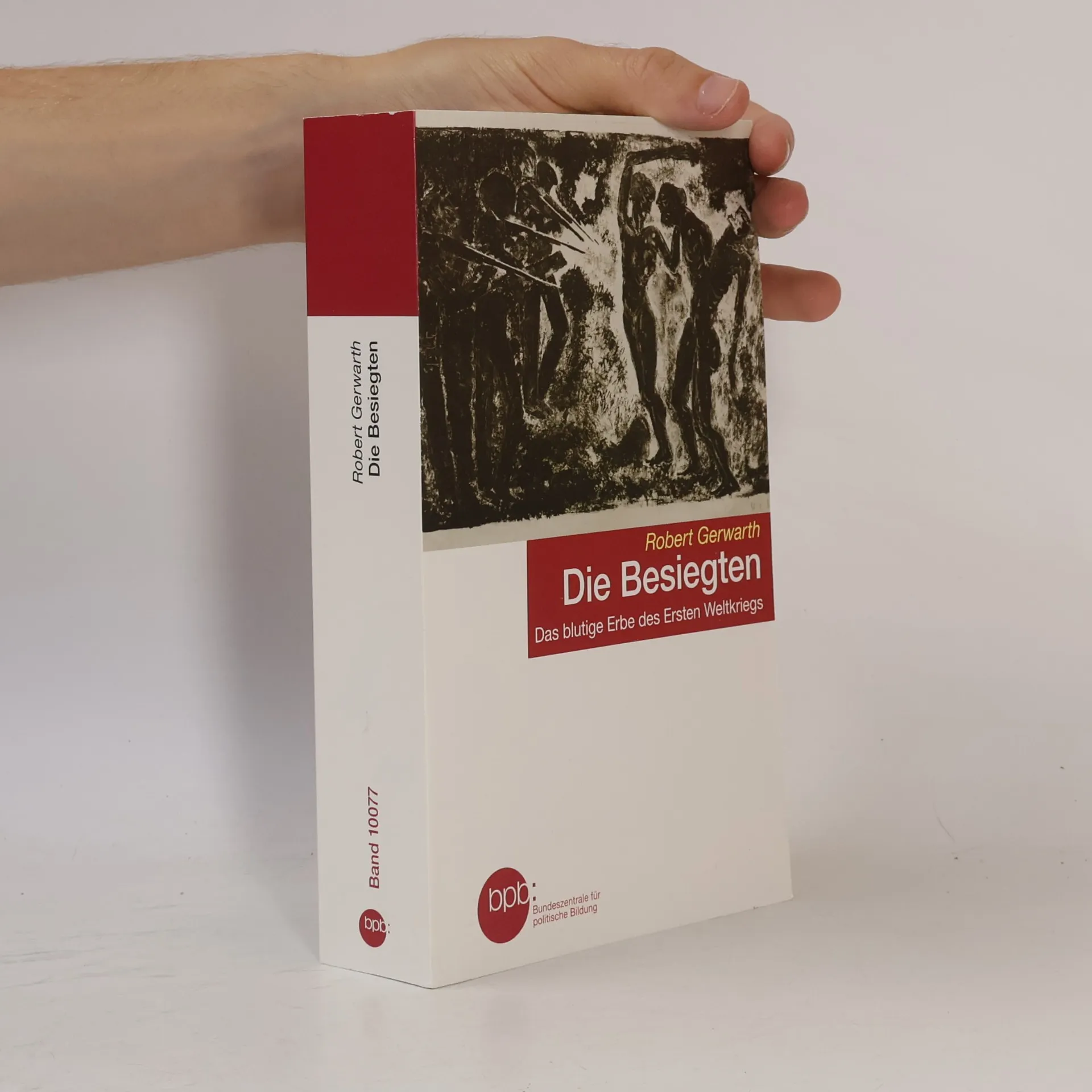
Der Waffenstillstand vom 11. November 1918 beendete zwar das Sterben auf den Schlachtfeldern des Ersten Weltkriegs, doch Frieden kehrte in viele Teile Europas nicht zurück. Besonders die Verlierer des Krieges gerieten in eine Spirale der Gewalt. Robert Gerwarth zeigt in seinem umfassend recherchierten und packend geschriebenen Buch das Ausmaß der Konflikte nach dem Ersten Weltkrieg und betont, dass das Schicksal der Besiegten entscheidend für das Verständnis des 20. Jahrhunderts ist. Während die Brutalität des Ersten Weltkriegs in der kollektiven Erinnerung Europas verankert ist, wird das Leid, das durch zahlreiche Bürgerkriege, Vertreibungen und gewaltsame Auseinandersetzungen nach dem Krieg verursacht wurde, oft vergessen. In Regionen wie Russland, der Ukraine, Osteuropa, Deutschland, Österreich, dem Balkan und dem Mittleren Osten wurde um das Erbe der zerfallenden Reiche gekämpft und für eine neue Ordnung getötet. Gerwarth verdeutlicht, dass die anhaltenden Kämpfe der Zwischenkriegszeit nicht nur Millionen Leben kosteten, sondern auch ein explosives Erbe hinterließen: schwache Staaten, traumatisierte Bevölkerungsgruppen und Politiker, die auf Rache lauerten.
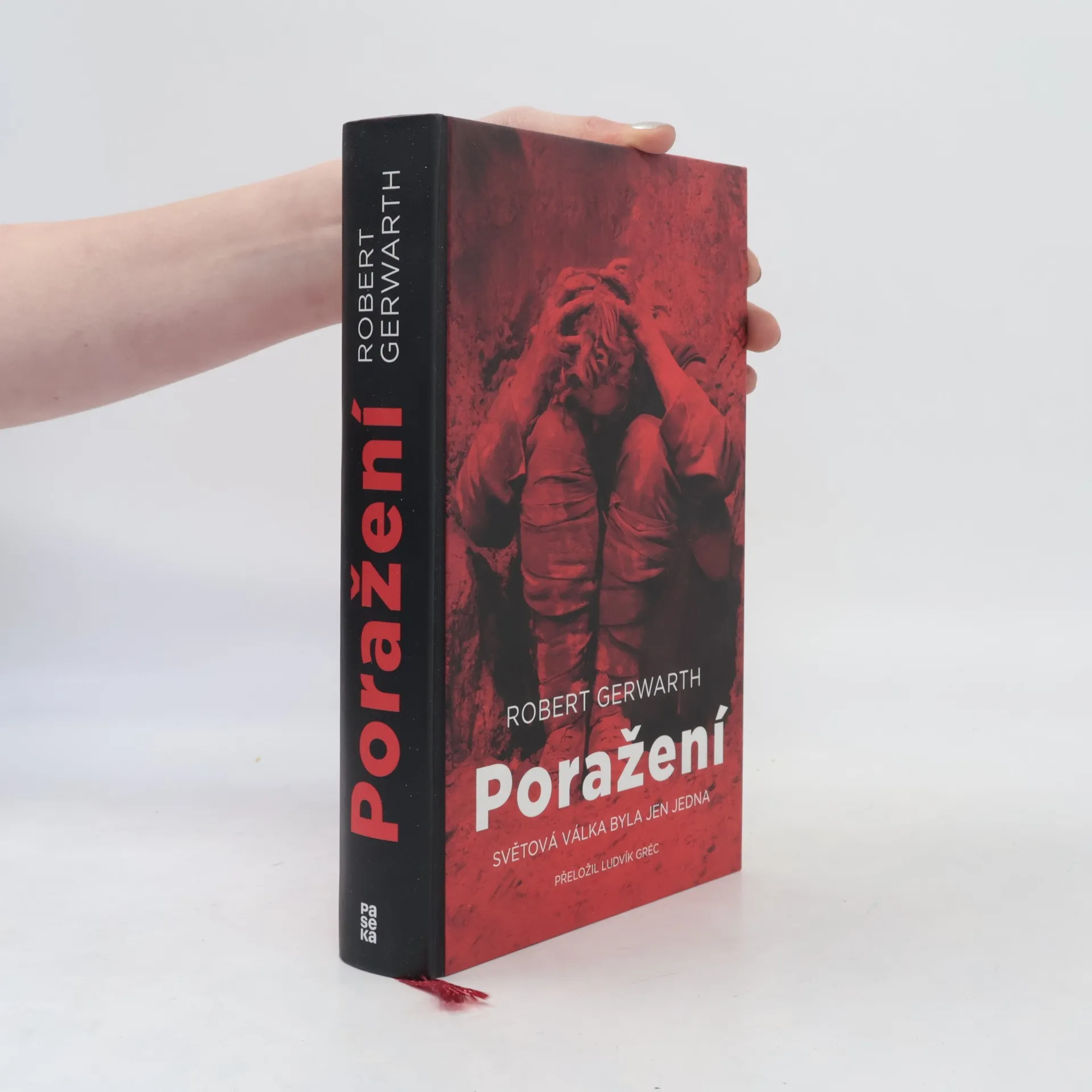
V první světové válce nikdo nezvítězil a všichni byli poraženi. Po jejím skončení 11. listopadu 1918 sice západní spojenci slavili, ale mocné státy Německo, Rakousko-Uhersko a osmanská říše se ocitly na kolenou. Pro mnohé však válka skončila jen na pohled. Malé nástupnické státy čelily nejistotě, revolucím, pogromům a etnickým konfliktům, které vedly k devastaci kontinentu daleko hlubší než válečné boje. V ruinách Evropy se objevila hrozba fašismu a dalších extrémních ideologií, které brzy získaly na síle.
Drama let 1917-1923, jemuž se kniha věnuje, osvětluje koloběh násilí, který poznamenal celé století a je stále vnímán jako nekončící konflikt s přechodnými pauzami. Velké plátno, připomínající syntézy Timothyho Snydera a Tonyho Judta, nabízí nespočet témat a otázek, které jsou po sto letech stále aktuální.
"Palčivá a názorná připomínka, že zdroje násilí panujícího po celé století lze stopovat zpět až ke katastrofálnímu konci první světové války." - Richard Overy, Literary Review
"Poražení jsou výjimečná historická kniha." - Andrew Lynch, Sunday Post Business Magazine
"Příběh chaosu v Evropě usnadňuje pochopení, proč byl pořádek ve třicátých letech tak přitažlivý a proč málo válek končí smírem." - Max Hastings, The Sunday Times