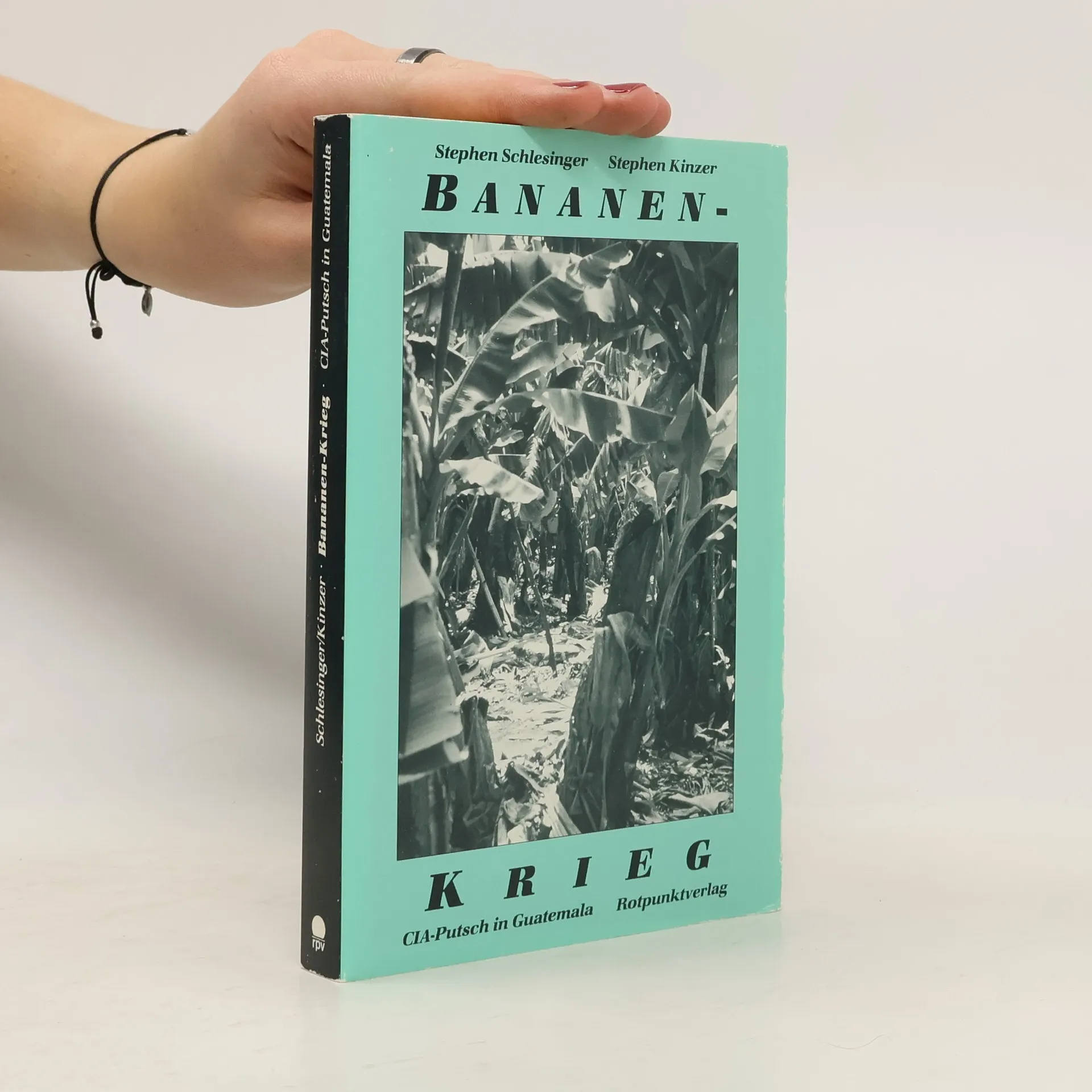
BITTER FRUIT explores the CIA's covert operations to overthrow Guatemala's democratically elected president, Jacobo Arbenz, in 1954. Arbenz's administration aimed to implement land reforms to alleviate poverty and enfranchise citizens, shaking off the remnants of a previous dictatorship. The title refers to the United Fruit Company (UFC), an American corporation with substantial land holdings in Guatemala, which exerted considerable influence over the U.S. government, particularly during Eisenhower's administration. When Arbenz nationalized UFC land—much of which was uncultivated and claimed as a reserve—the company lobbied Washington, invoking fears of communism. Eisenhower authorized operations to replace Arbenz with a military junta. Ironically, Guatemala's democratic aspirations in the '40s were inspired by FDR's vision of universal rights. The book also discusses Edward Bernays, Freud's nephew and a pioneering PR practitioner, who helped shape public sentiment against Arbenz. Following the coup, the U.S. government, concerned about perceptions of collusion with UFC, initiated an anti-trust suit against the company. Ultimately, a 1998 report revealed the tragic consequences of the coup: 150,000 deaths and 50,000 disappearances, primarily caused by government forces. This well-researched account is both disturbing and compelling, shedding light on a significant moment in U.S.-Guatemalan history.
Stephen Kinzer Bücher
Stephen Kinzer ist ein preisgekrönter Auslandskorrespondent, der über 50 Länder auf fünf Kontinenten bereist hat. Seine Artikel und Bücher haben ihm Anerkennung eingebracht, wobei die Washington Post ihn als "einen der Besten im populären Storytelling zur Außenpolitik" bezeichnete. Durch seinen unverwechselbaren Erzählstil beleuchtet Kinzer komplexe globale Ereignisse und internationale Beziehungen und bietet den Lesern fesselnde Einblicke.




Putsch!
Zur Geschichte des amerikanischen Imperialismus
Amerikas angebliche „demokratische Missionen“ gefährden oft die Stabilität der Welt. Die Verbreitung demokratischer Ideen führt häufig zu katastrophalen Ergebnissen. Seit 1893, als amerikanische Plantagenbesitzer mit Unterstützung der US-Regierung die hawaiianische Monarchie stürzten, haben die Vereinigten Staaten dreizehn ausländische Regierungen aus ideologischen, wirtschaftlichen oder politischen Gründen gewaltsam abgesetzt. Geheimdienste, Waffenhändler und gelegentlich auch amerikanische Streitkräfte waren dabei aktiv, um den globalen Einfluss der USA auszubauen. Das schlechte Gewissen der ältesten Republik der Welt spielte dabei stets eine Rolle. Ein Beispiel ist der Irak, wo der amerikanische Präsident versicherte, es gehe um die Beseitigung von Massenvernichtungswaffen und die Förderung demokratischer Werte in einer autoritären Region. Das Wort „Öl“ wurde jedoch nie erwähnt. In vielen Fällen widersprachen die politischen Konsequenzen den Hoffnungen Washingtons auf Demokratie; stattdessen siegte oft der Antiamerikanismus. Der langjährige Reporter der New York Times beleuchtet die skurrilen Umstände der offenen und geheimen Coups d'Etat, sei es in lateinamerikanischen Bananenrepubliken oder im Iran. Dabei zeigt sich, dass die zweifelhafte Kompetenz der CIA oft mit der außenpolitischen Kurzsichtigkeit der Entscheidungsträger im Weißen Haus einherging.
Project Mind Control
Sidney Gottlieb, die CIA und das LSD – wie der amerikanische Geheimdienst versuchte, das Bewusstsein zu kontrollieren
»MK-ULTRA gab ihm die Macht, über Leben und Tod anderer Menschen zu entscheiden.« Grausame Menschenversuche in Geheimgefängnissen, neue Foltermethoden, bewusstseinsverändernde Drogen in Fake-Bordellen und nicht nachweisbare Gift-Attentate – alles im Auftrag der CIA und amerikanischer Präsidenten. Das ist nicht der Plot eines Hollywoodstreifens, sondern Teil der Biografie des Chemikers Dr. Sidney Gottlieb, einer der tödlichsten Geheimwaffen der CIA bis in die 1970er-Jahre. Als Leiter des streng geheimen MK-ULTRA-Projekts forschte er an Wegen, das Bewusstsein von Menschen zu kontrollieren. In Geheimoperationen war Gottlieb außerdem federführend bei Attentatsversuchen der CIA auf missliebige Regierungschefs wie Fidel Castro, Tschu En Lai oder Patrice Lumumba. Der Journalist und Bestsellerautor Stephen Kinzer bringt Licht in dieses dunkle und nicht enden wollende Kapitel der amerikanischen Geschichte. Anhand neuer dokumentarischer Recherchen und Originalinterviews zeigt Kinzer, wie skrupellos die US-Regierung – auch in Zusammenarbeit mit anderen Nationen – Experimente an »entbehrlichen« Menschen durchführte, um dem vermeintlich höheren Zweck der inneren Sicherheit zu dienen.
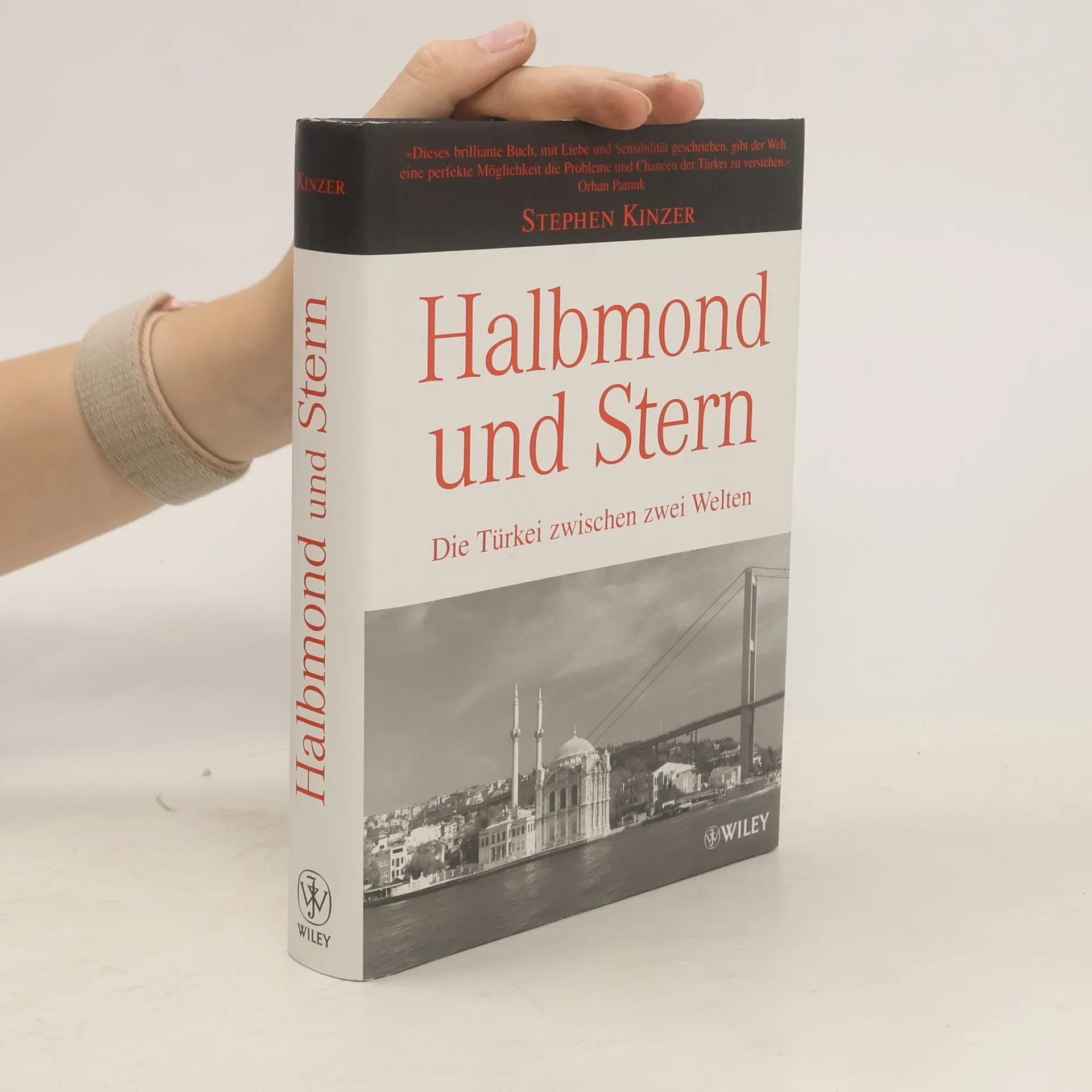
Die Türkei ist ein Land der Gegensätze: sie steht zwischen der Vergangenheit des Osmanischen Reichs, und der Hoffnung auf eine demokratische Zukunft, dem starken Militär und einer bürgerlichen Gesellschaft, der muslimischen Tradition und dem laizistischen Staat. Außerdem ist die Türkei NATO-Mitglied, liegt sowohl in Asien als auch in Europa und spielt eine zentrale Rolle in der Nahost-Politik des Westens. Stephen Kinzer war Korrespondent der New York Times in Istanbul und schildert lyrisch, manchmal sogar romantisch, aber immer mit der nötigen Distanz diesen Staat, der für Deutschland und Europa so wichtig ist. Ein Buch über ein Land in zwei Welten, geschrieben von einem Insider aus dem Westen, der beide Welten kennt.
The Brothers
- 416 Seiten
- 15 Lesestunden
During the 1950s, when the Cold War was at its peak, two immensely powerful brothers led the US into a series of foreign adventures whose effects are still shaking the world. In this book, the story of John Foster Dulles and Allen Dulles is the story of America. It illuminates and helps explain the modern history of the US and the world.
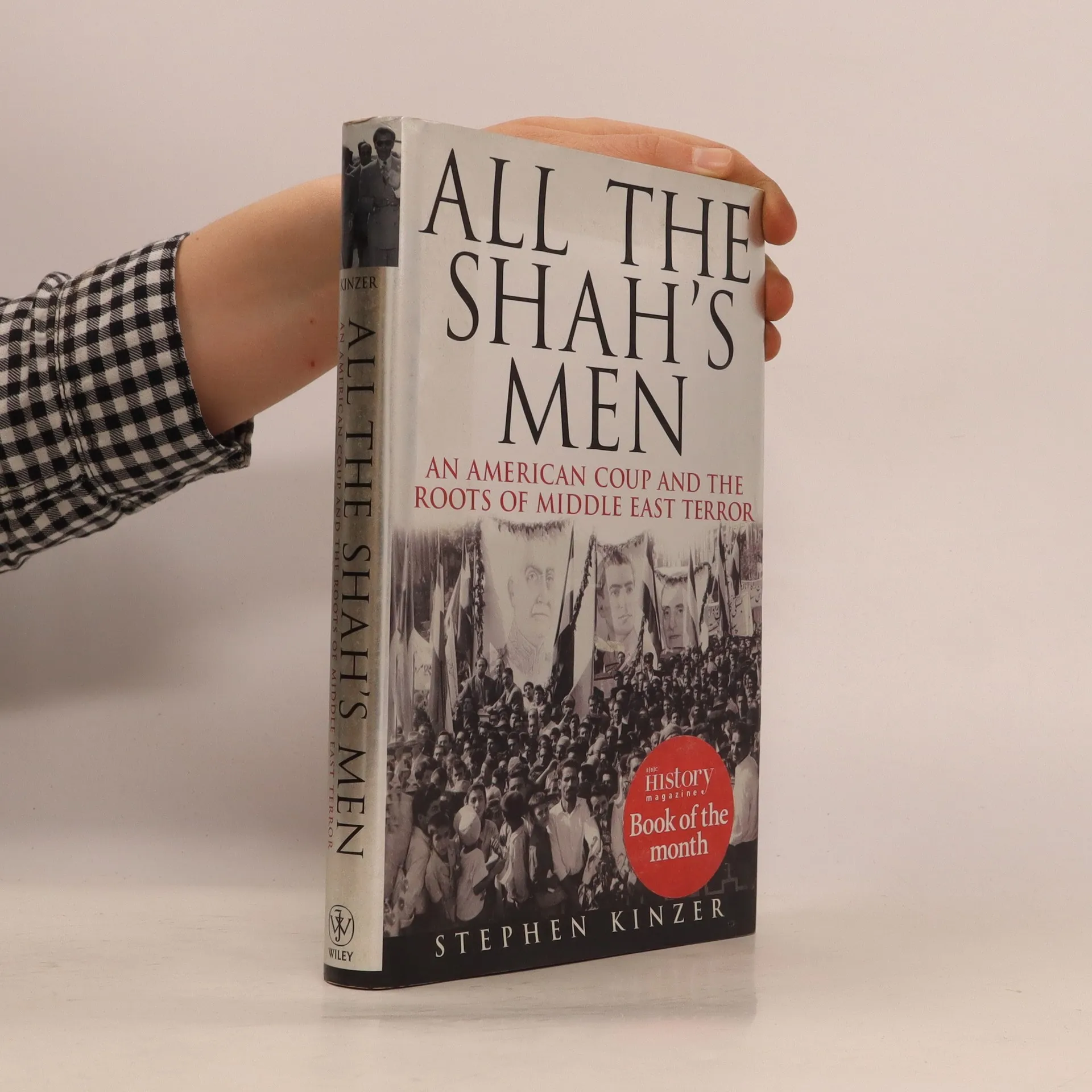
All the Shah's Men
- 272 Seiten
- 10 Lesestunden
Traces the events leading to the 1953 coup in Iran and it's consequences, discussing the covert operations under the joint authority of Eisenhower and Churchill involving prime minister Mossadegh and CIA officer Roosevelt.
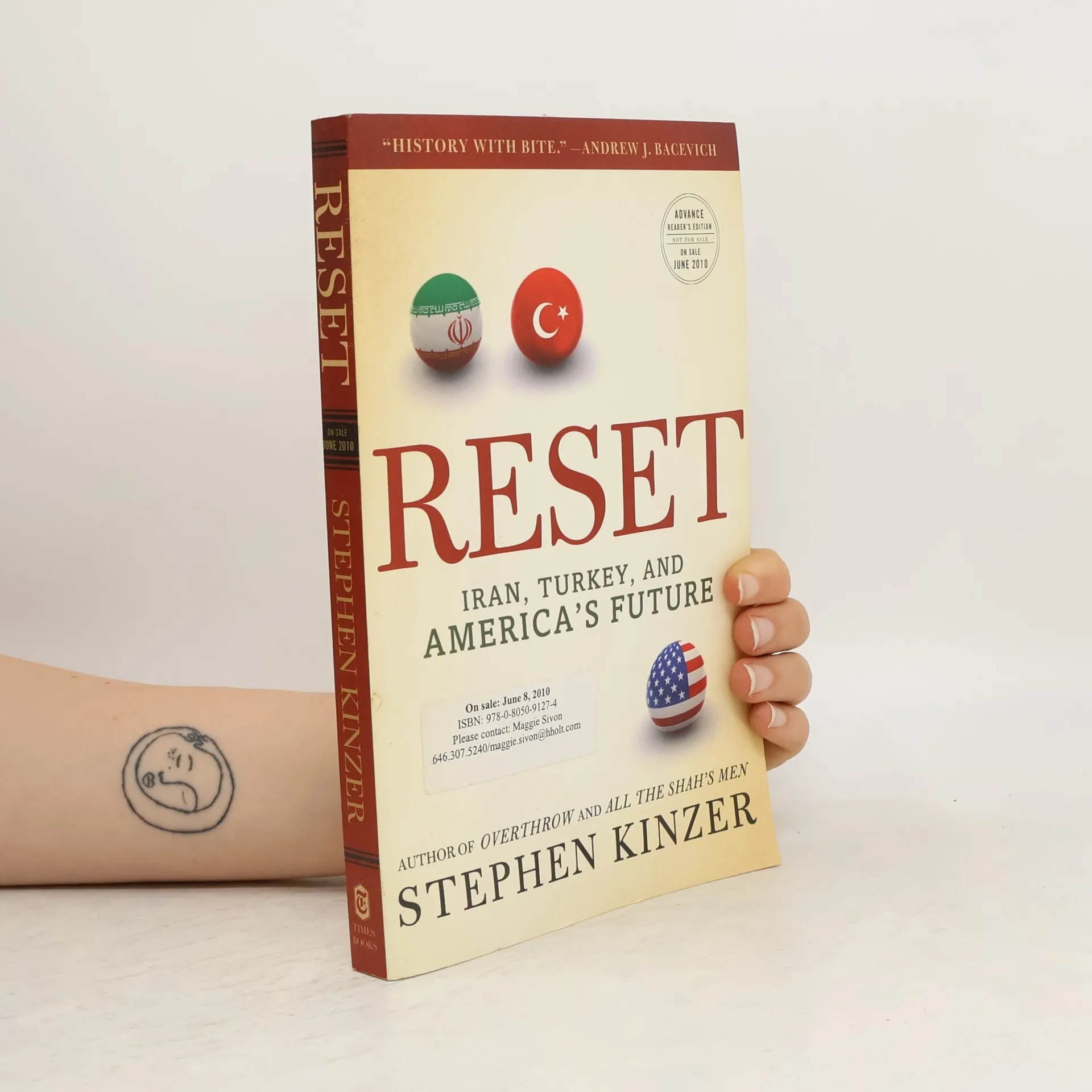
Reset : Iran, Turkey, and America's future
- 274 Seiten
- 10 Lesestunden
The bestselling author of Overthrow offers a new and surprising vision for rebuilding America's strategic partnerships in the Middle East What can the United States do to help realize its dream of a peaceful, democratic Middle East? Stephen Kinzer offers a surprising answer in this paradigm-shifting book. Two countries in the region, he argues, are America's logical partners in the twenty-first century: Turkey and Iran. Besides proposing this new "power triangle," Kinzer also recommends that the United States reshape relations with its two traditional Middle East allies, Israel and Saudi Arabia. This book provides a penetrating, timely critique of America's approach to the world's most volatile region, and offers a startling alternative. Kinzer is a master storyteller with an eye for grand characters and illuminating historical detail. In this book he introduces us to larger-than-life figures, like a Nebraska schoolteacher who became a martyr to democracy in Iran, a Turkish radical who transformed his country and Islam forever, and a colorful parade of princes, politicians, women of the world, spies, oppressors, liberators, and dreamers. Kinzer's provocative new view of the Middle East is the rare book that will richly entertain while moving a vital policy debate beyond the stale alternatives of the last fifty years.
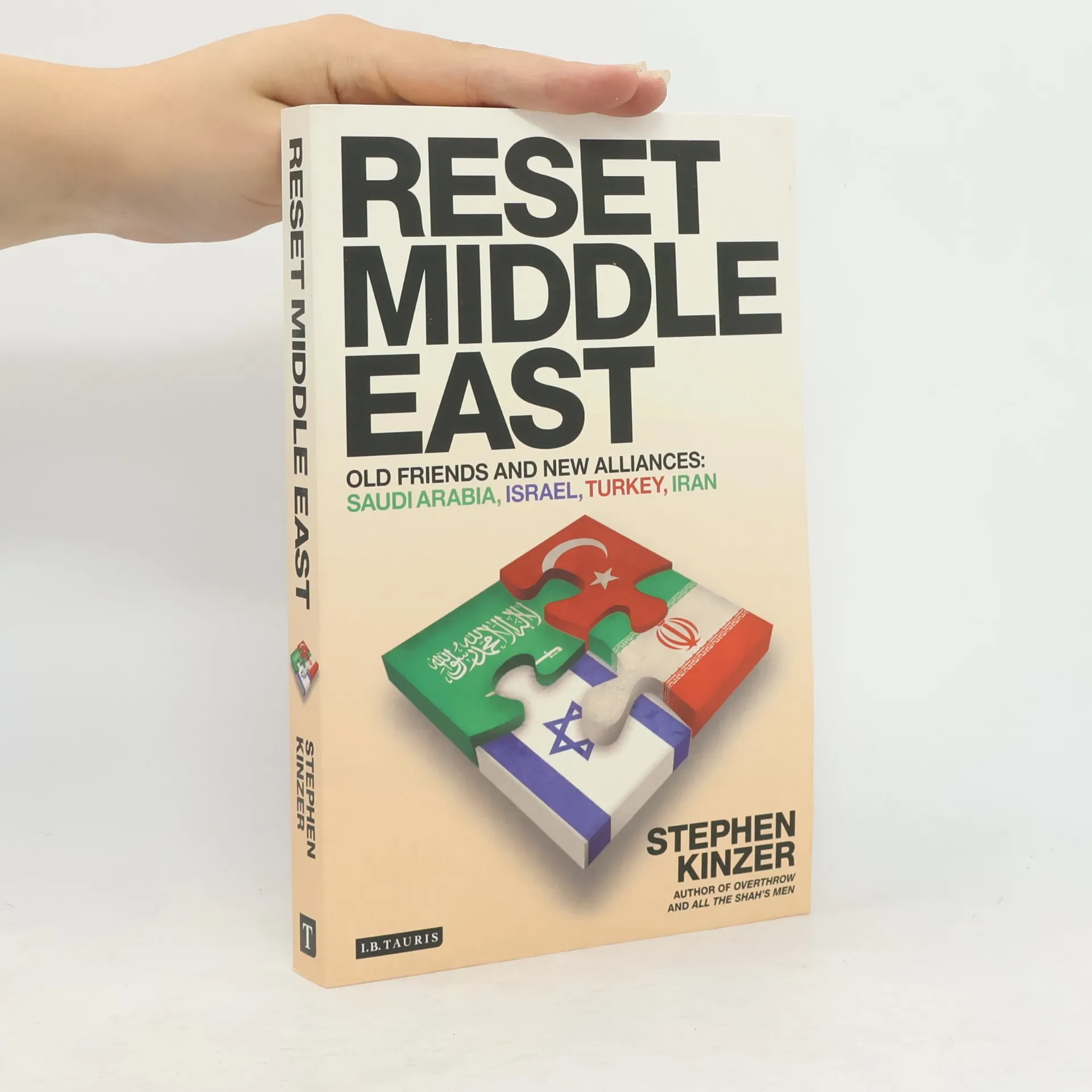
Reset Middle East
Old Friends and New Alliances: Saudi Arabia, Israel, Turkey, Iran
- 288 Seiten
- 11 Lesestunden
In this concise and readable book Stephen Kinzer takes the reader on a tour of modern Middle Eastern history, highlighting the errors, alliances and betrayals all acted out for what was shortsightedly seen as being in the interest of Western states.