Focusing on practical applications, this guide assists university students and researchers in enhancing their English writing skills using chatbots and machine translation. It provides strategies for correcting research papers and crafting emails, letters, and presentation materials. Additionally, English-speaking language editors, translators, and EAP teachers will benefit from its insights, making it a valuable resource for improving academic communication.
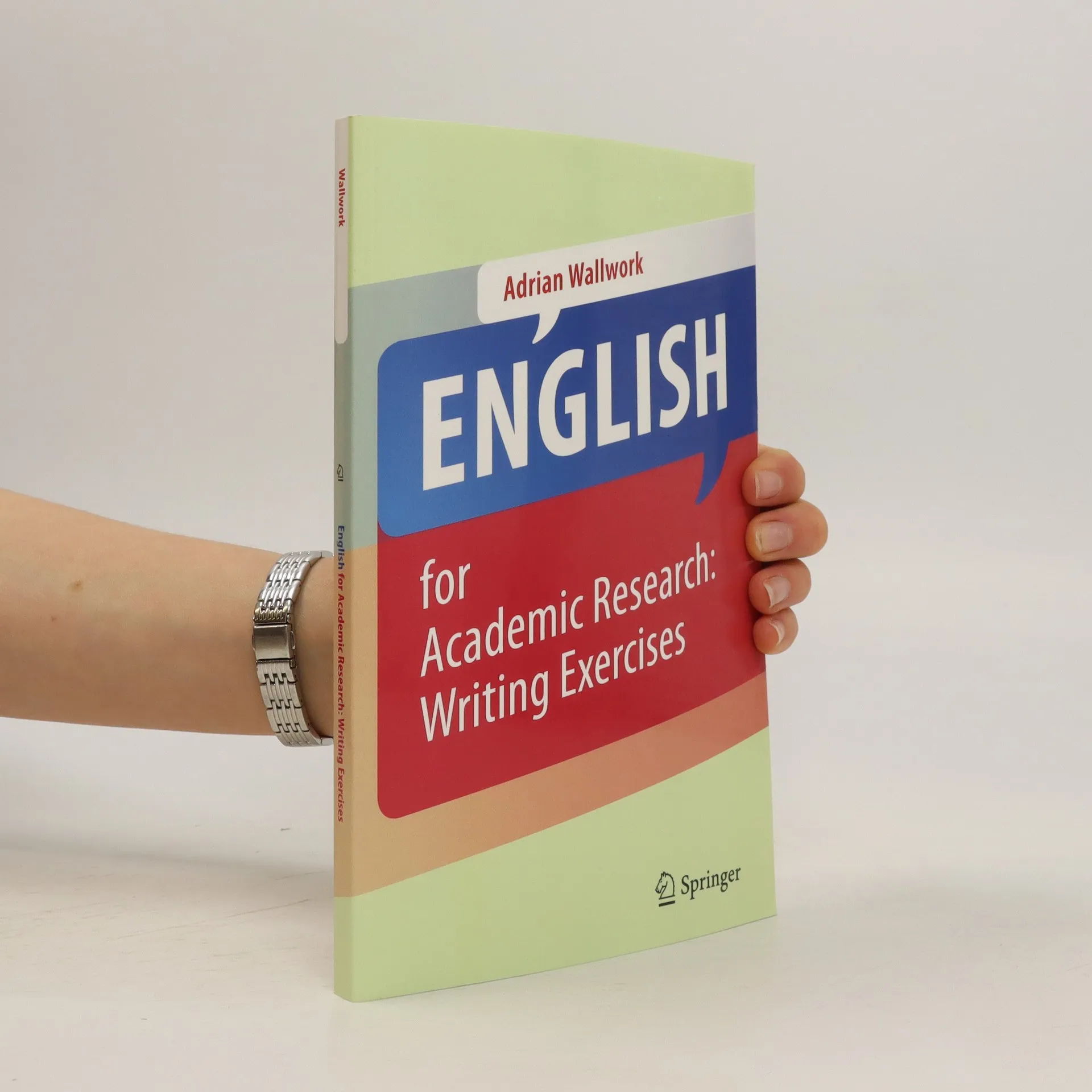
This book focuses on the aspect that causes non-native researchers the most problems when writing a scientific paper for publication in international journals and when presenting their results at conferences: the use of English.
This resource is tailored for university students with a mid-intermediate level of English and can be integrated into an English for Academic Purposes (EAP) course, either independently or alongside a companion volume. The chapters are designed to be independent, allowing teachers and students to select sections that best meet their needs, enabling courses to range from 20 to over 60 hours. An introductory chapter discusses the evolving role of academics, emphasizing that success is measured not just by publications but also by engagement in interdisciplinary projects and societal support. Each chapter focuses on a specific section of a research paper (e.g., Abstract, Introduction, Methods) and starts with a discussion exercise to clarify the purpose of each section. Comparisons with non-academic scenarios illustrate similar skills. The book provides numerous concise examples and templates to emphasize key points. Students learn the appropriate style (we vs. impersonal), correct tenses for each section, common mistakes, and useful phrases. The course is designed to be practical and enjoyable. Other titles in the series include resources on academic presentations and essential grammar. The author has extensive experience training PhD students and researchers globally and co-founded an editing agency for non-native English speakers.
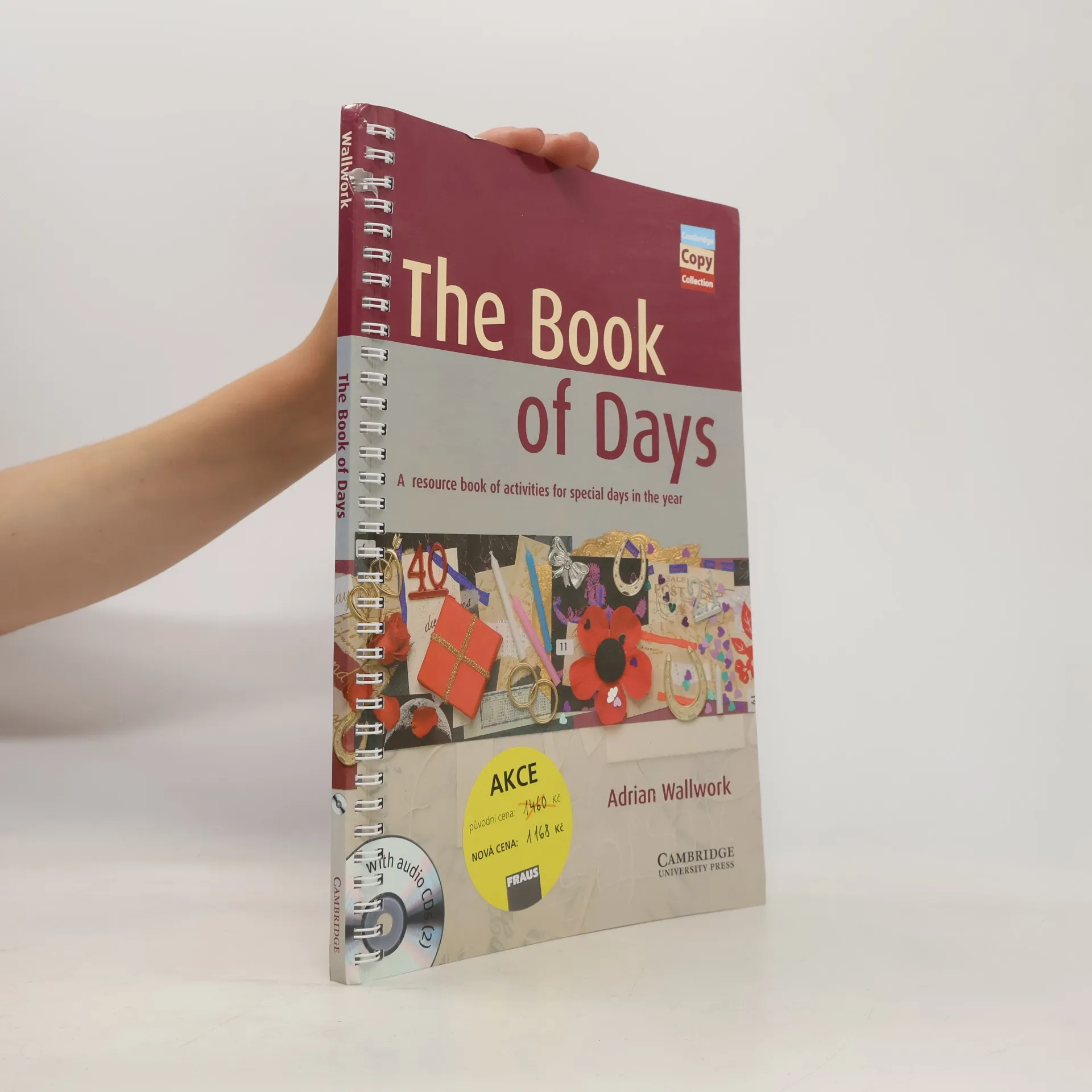
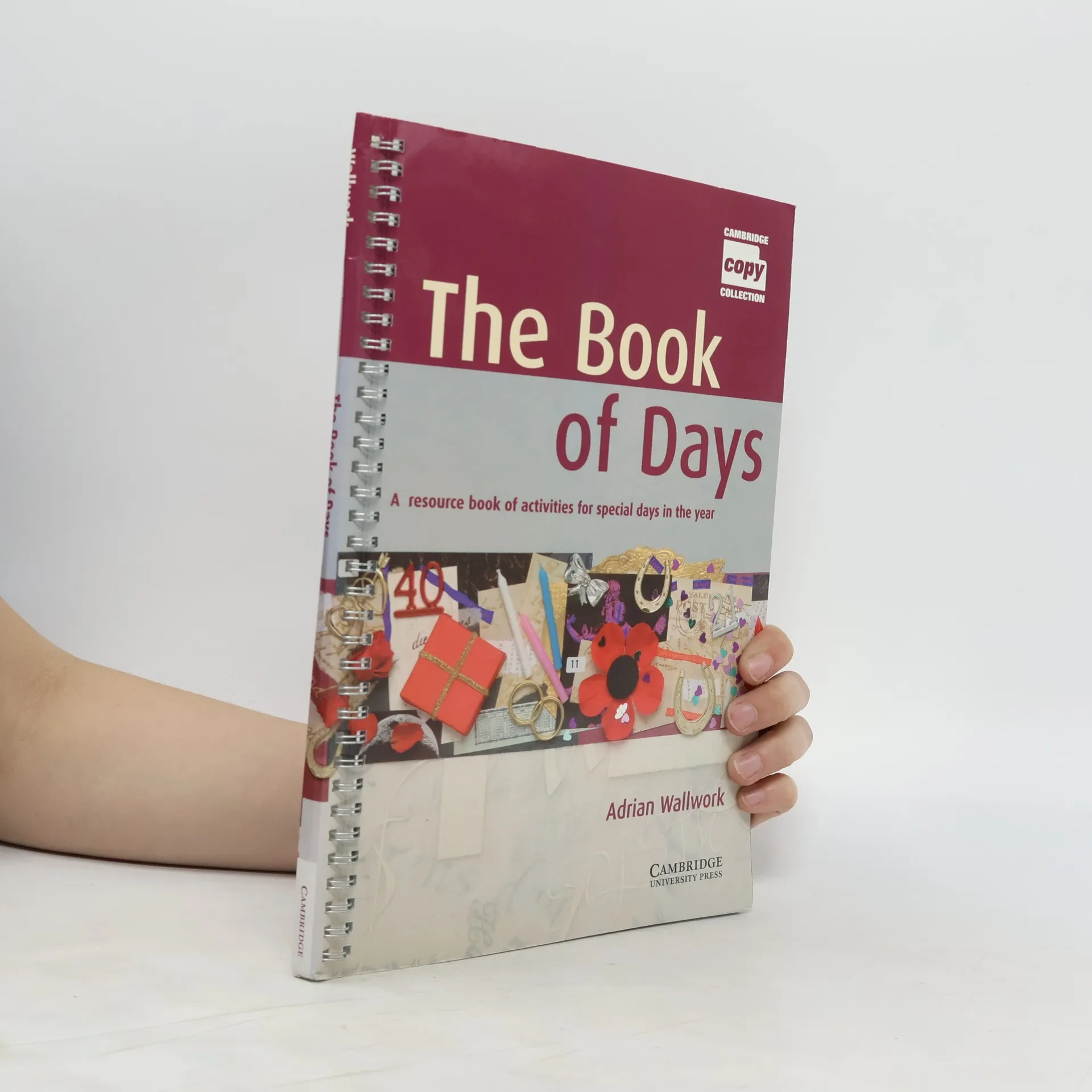
A Resource Book of Activities for Special Days in the Year with Audio CDs (2)
112 Seiten
4 Lesestunden
A resource book of photocopiable activities for special days in the year. The Book of Days is a resource book of photocopiable skills material based around particular days of the year. The book is primarily aimed at adults and young adults and provides a handy addition to any course. It includes 30 flexible activities featuring innovative discussion texts and a variety of tasks designed to stimulate conversation and give information about the origins and customs of world festivals. The accompanying Audio CDs present authentic listening material, offering exposure to a wide variety of accents, and the detailed teacher's notes give useful background information about the days and suggestions for differentiation.
This book analyzes referees' reports and editor letters to identify why non-native researchers' papers are often rejected due to English language issues, such as long sentences, redundancy, and poor structure. Drawing from errors in approximately 5,000 papers, 3,000 emails, 500 abstracts by PhD students, and over 1,000 hours of teaching, it offers a comprehensive approach to improving academic writing. The content is divided into ten chapters covering topics like punctuation, word order, concise writing, linking phrases, ambiguity, and effective section writing. Some exercises focus on selecting options rather than writing, promoting self-study and quick progress, while others provide model answers for extended writing tasks. Similar exercise types are repeated across various contexts, reinforcing key concepts like conciseness in papers, reports, and emails. This repetition aids in revision and can be integrated into English for Academic Purposes (EAP) and English for Special Purposes (ESP) courses at universities and research institutes. Additionally, the book complements other titles in the series and is cross-referenced with resources on usage, style, grammar, and writing research papers.
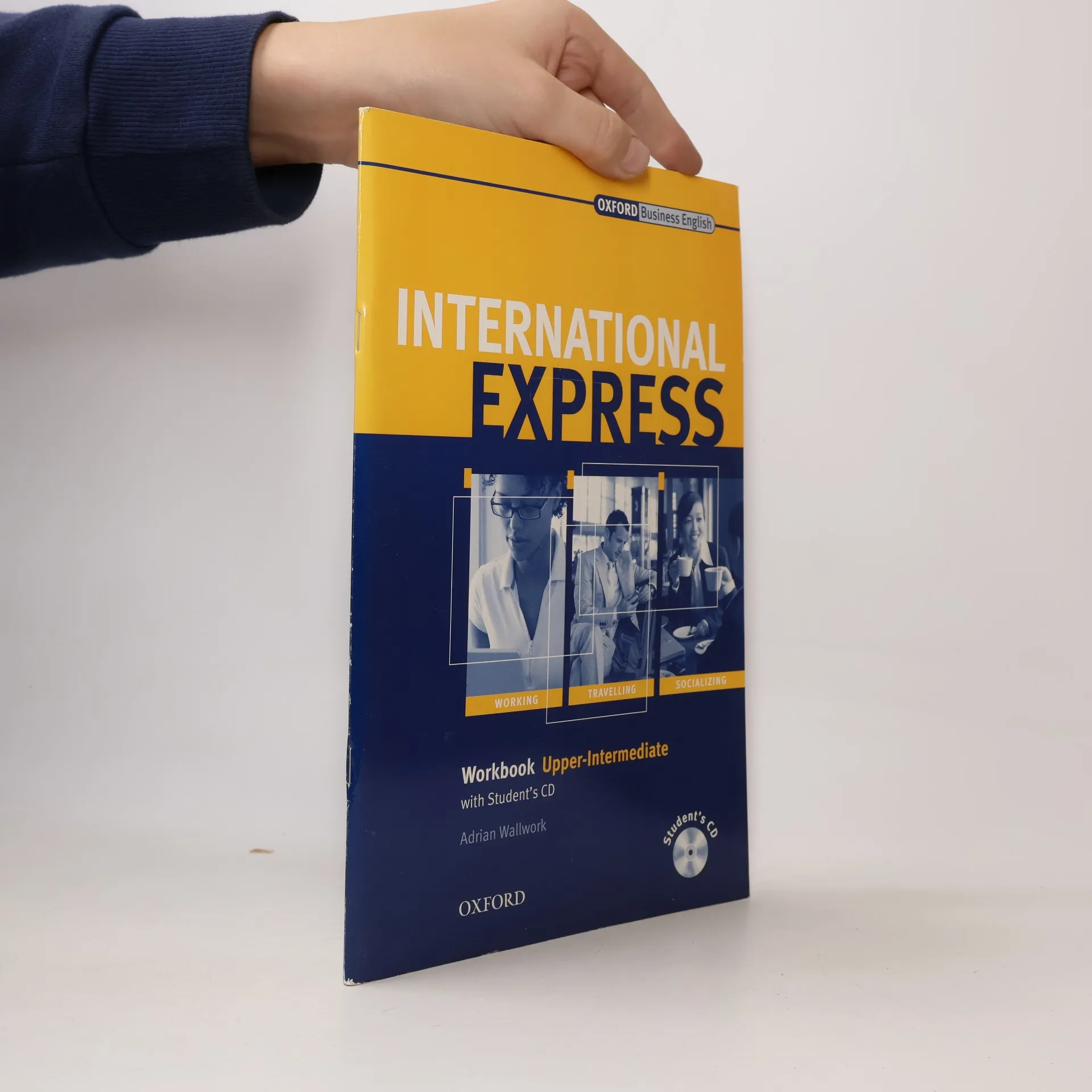
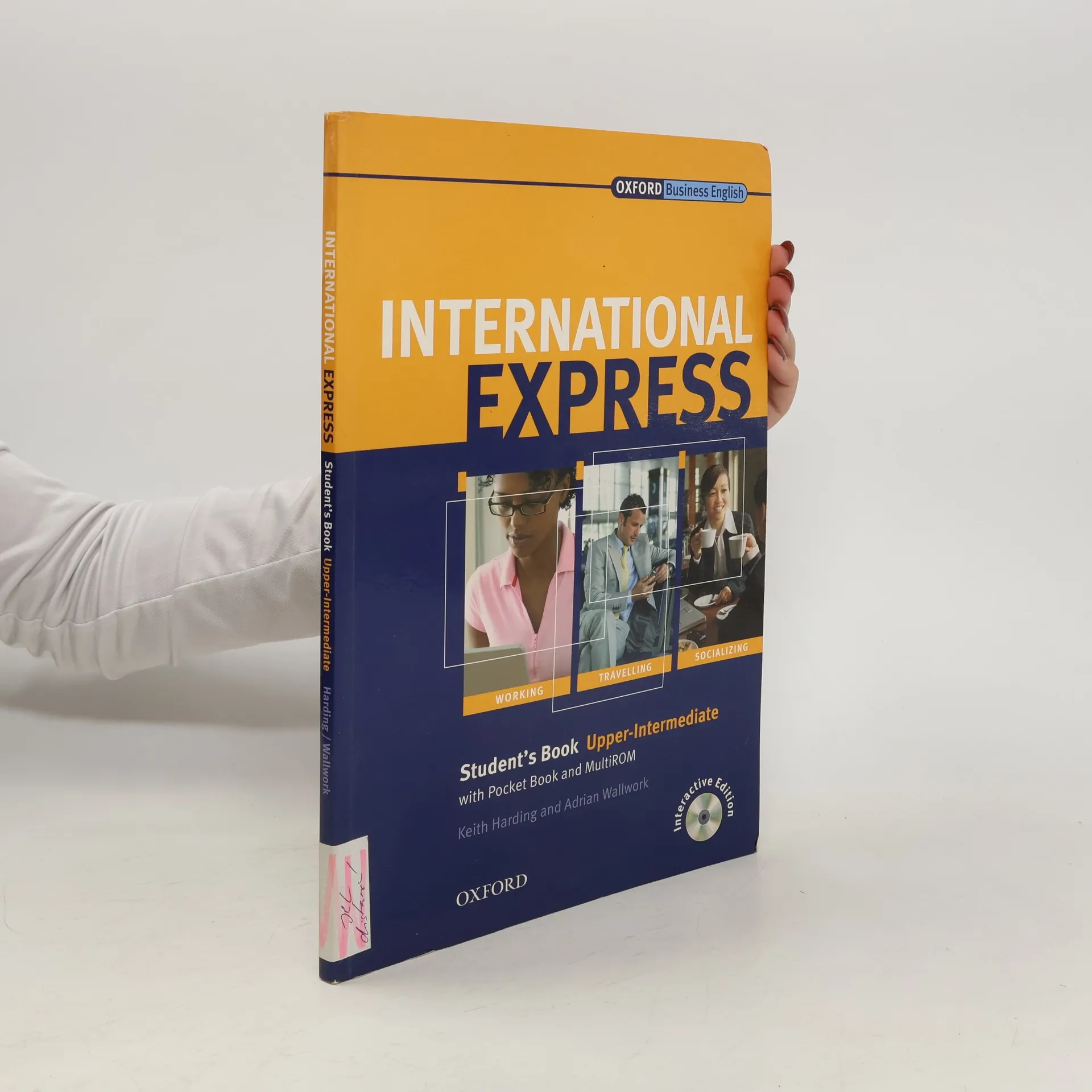
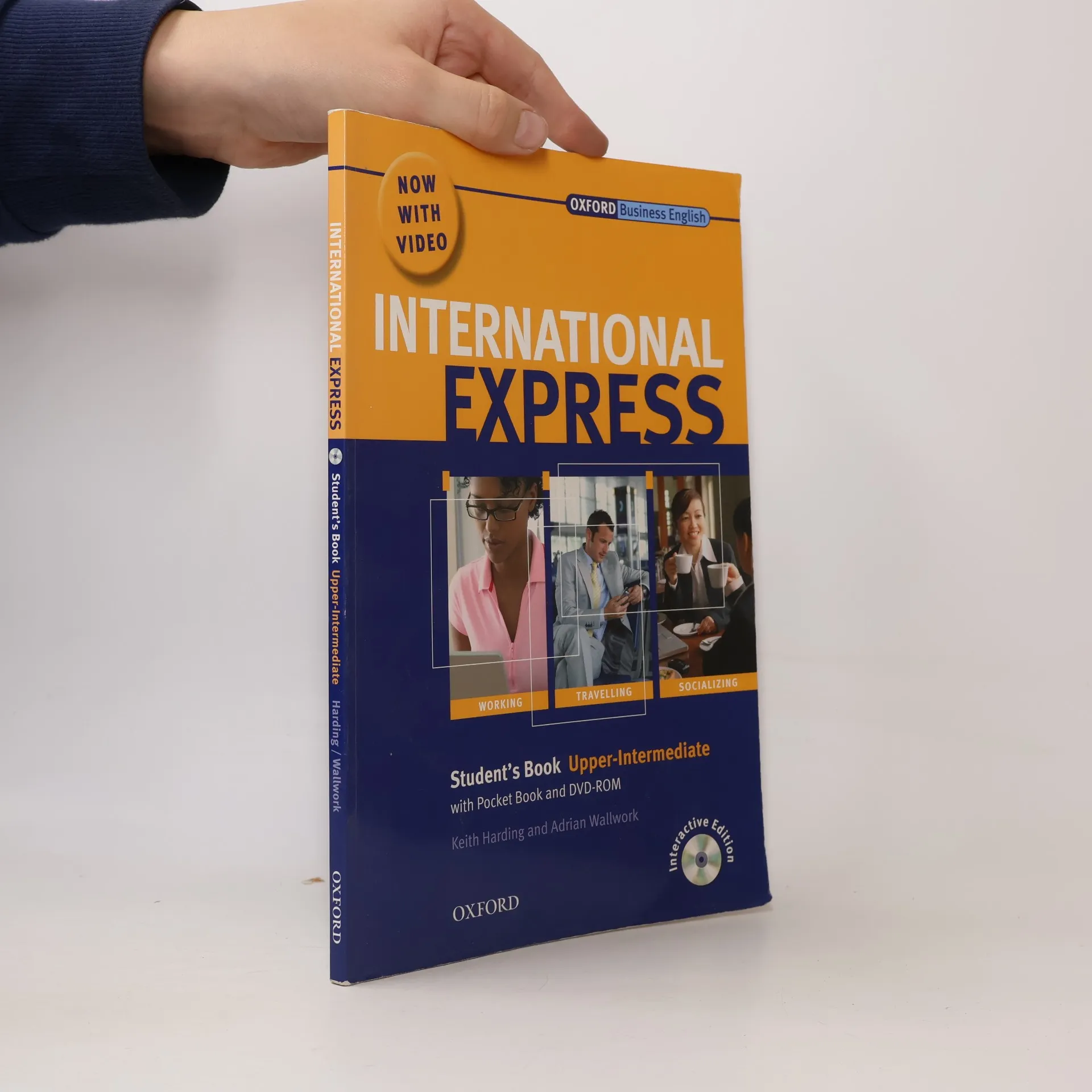
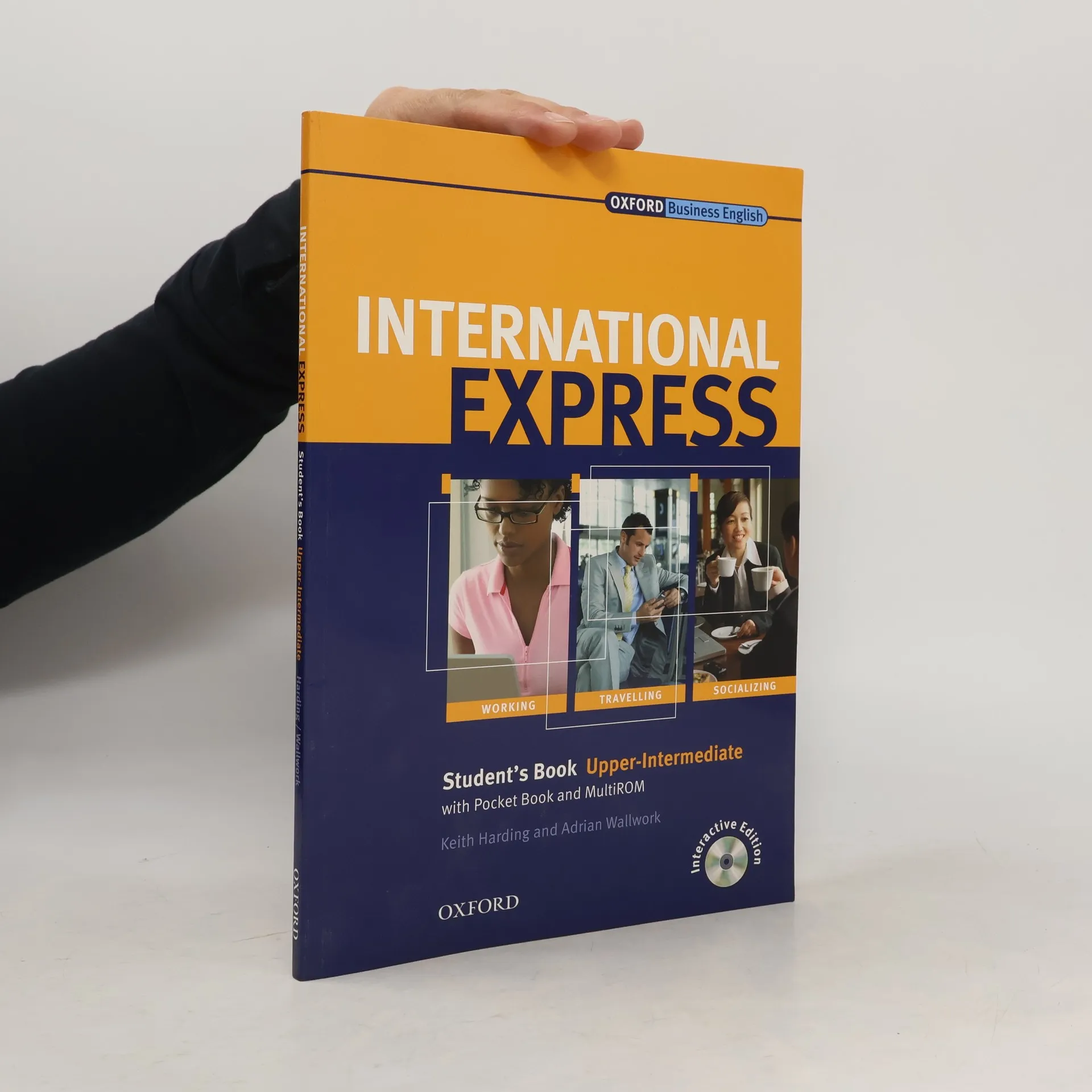
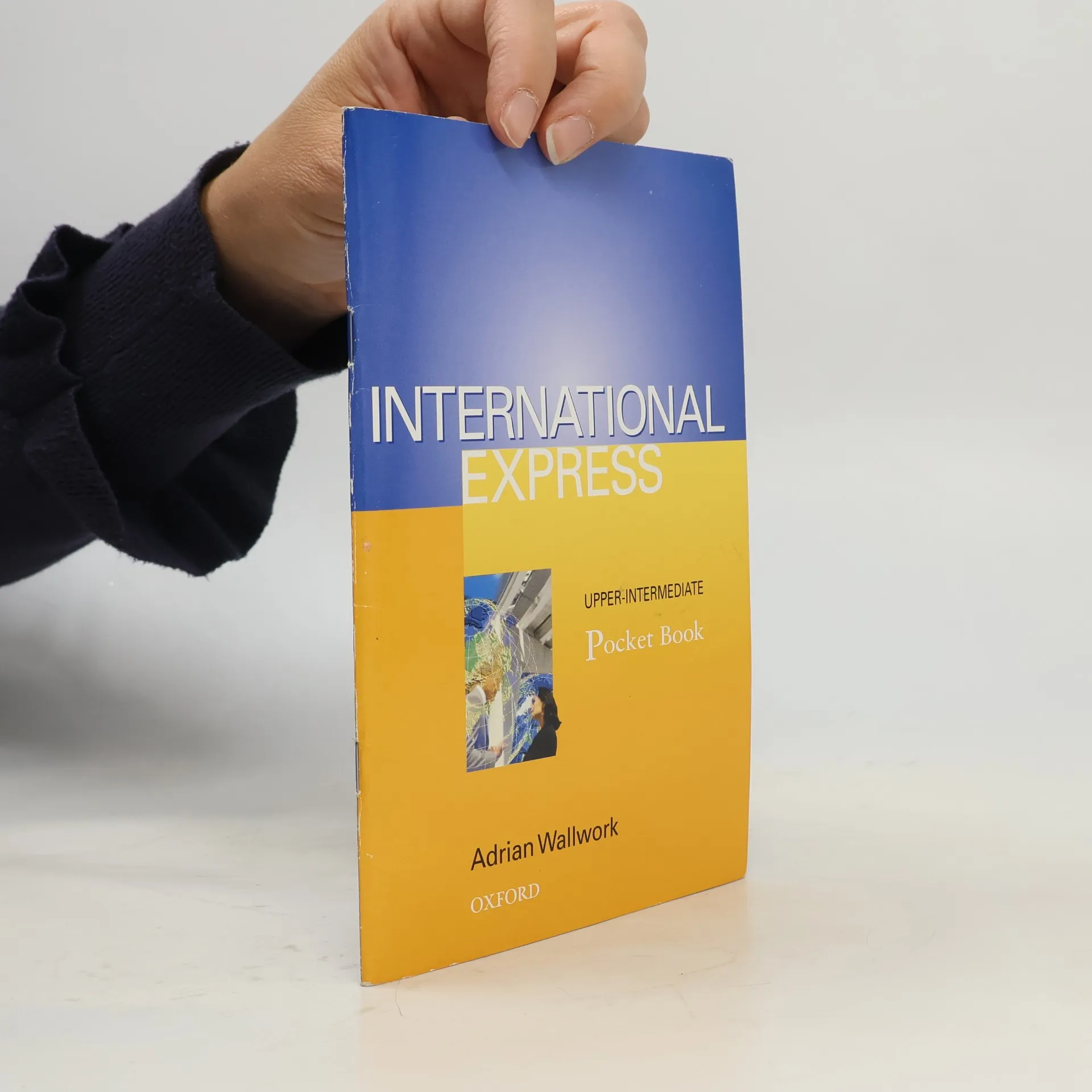
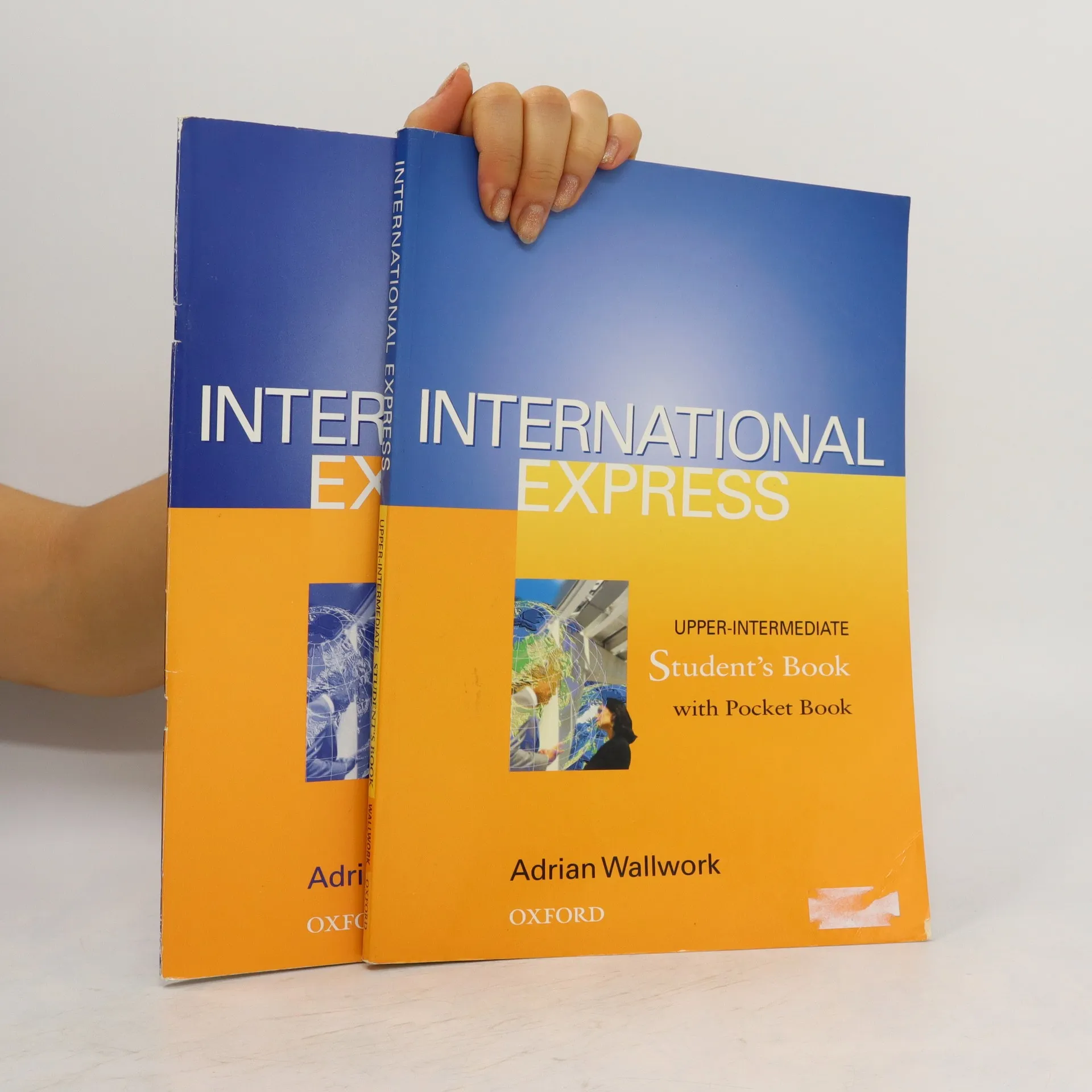
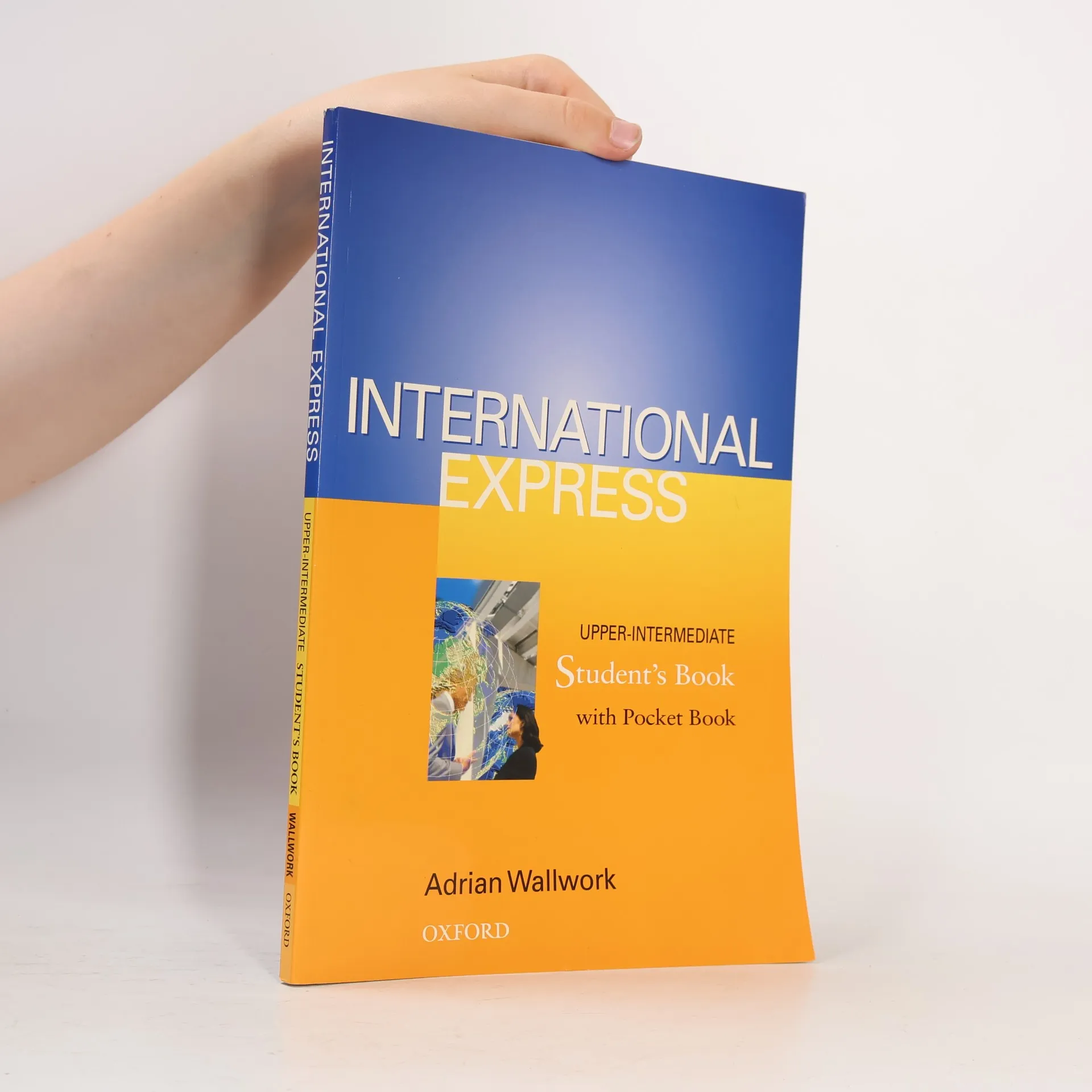
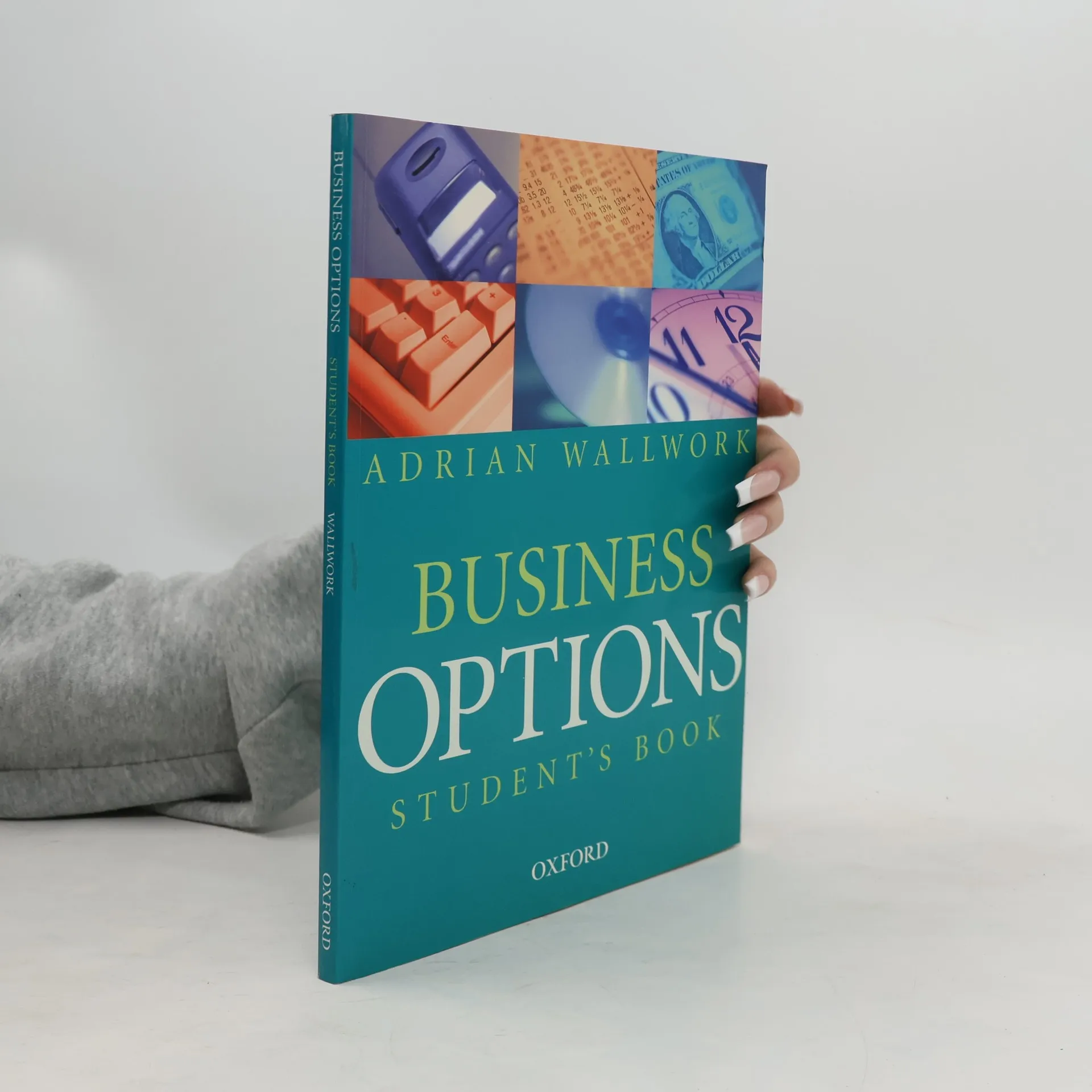
This popular and successful four-level series combines general English with business situations, making it the perfect course for adult professional learners who need English for work, travel, and socializing. Social and functional language that students can use in their day-to-day lives. Contemporary, international topics that are ideal for adult learners. Discovery approach to grammar that helps students develop a real understanding of the language. The Upper-lntermediate Student's Book contains: Personal trainer MultiROM - a new resource which gives students self-study material including an interactive wordbank, and dictation and language practice activities, pocket Book - the 'take anywhere' reference book of grammar, and social and functional English.
A Resource Book of Activities for Special Days in the Year
A resource book of photocopiable activities for special days in the year. The Book of Days is a resource book of photocopiable skills material based around particular days of the year. The book is primarily aimed at adults and young adults and provides a handy addition to any course by offering: * 30 flexible activities featuring innovative discussion texts and a variety of tasks designed to stimulate conversation and at the same time inform learners of the origins and customs of world festivals * detailed teacher's notes with useful background information about the days and suggestions for differentiation * authentic listening material providing learners with first-hand accounts of world festivals.
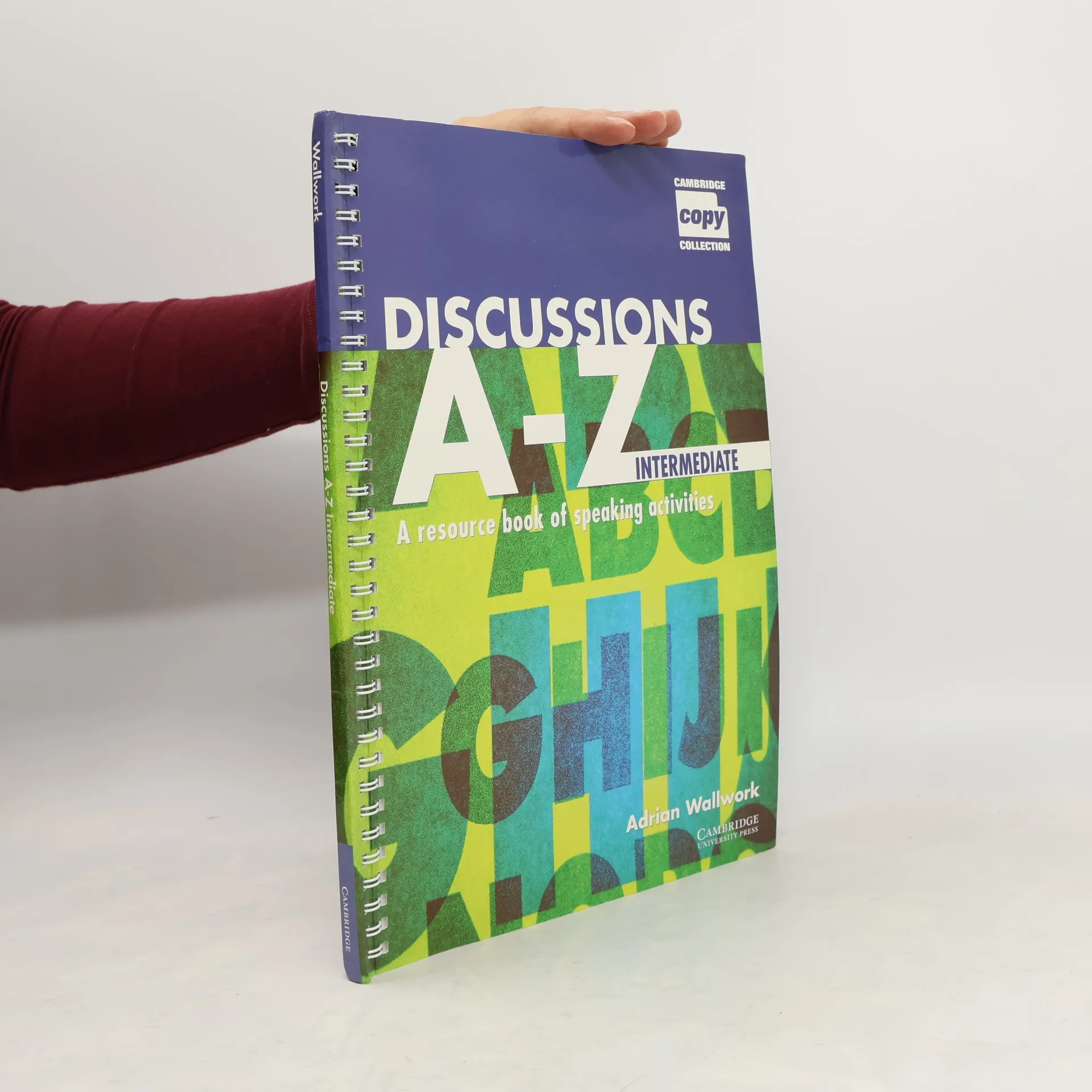
This photocopiable resource book of speaking activities is designed to encourage engaging and natural discussion among intermediate level students. The book consists of 26 topic-based units, each filled with a variety of stimulating activities. All the activities are free-standing, and comprehensive teacher's notes give a clear indication of the preparation required, as well as keys to the activities, complete tapescripts and suggestions for discussion-based writing tasks. An accompanying Audio CD with listening material from the book is also available for purchase.
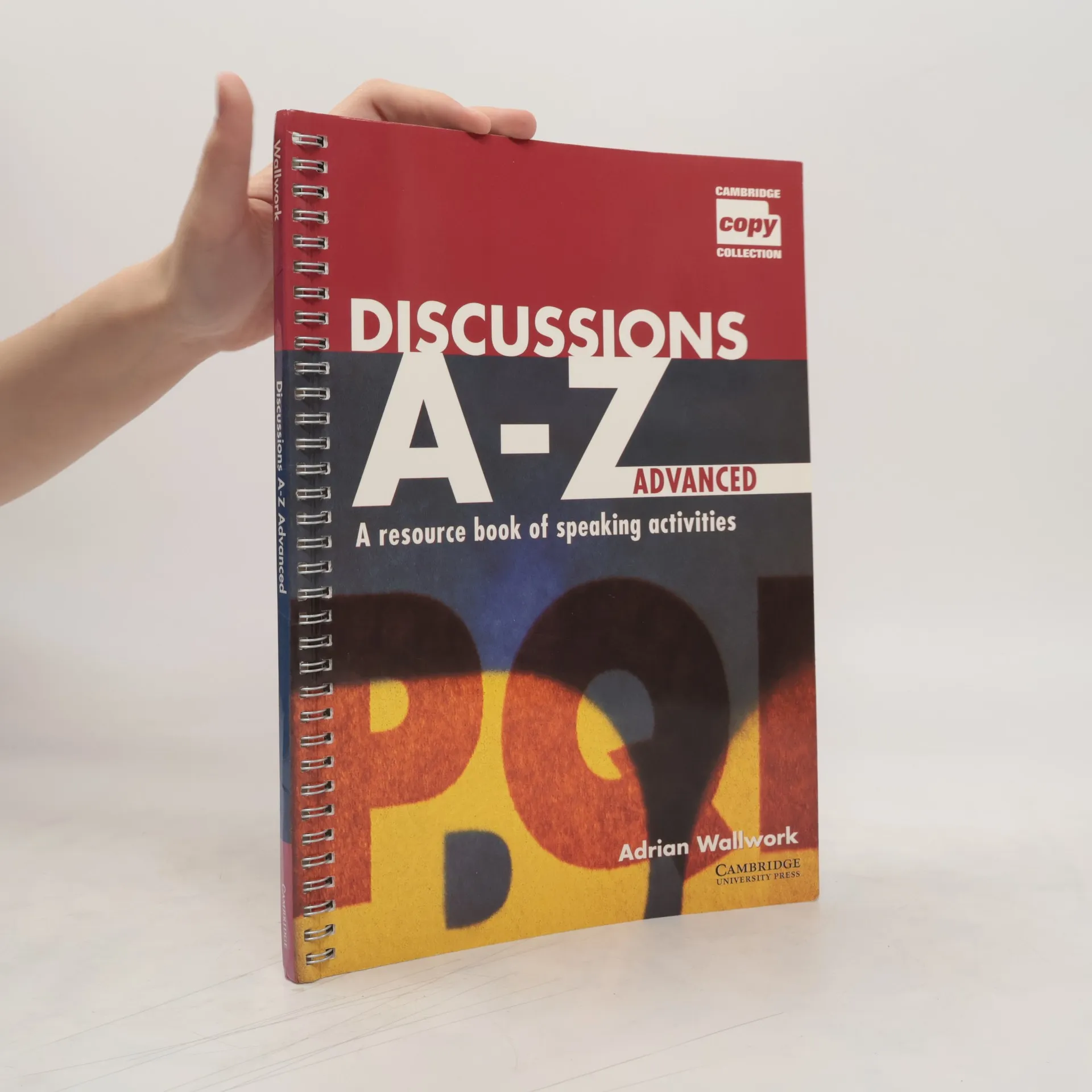
This photocopiable resource book of speaking activities is designed to encourage engaging and natural discussion among advanced level students. The book consists of 26 topic-based units, each filled with a variety of stimulating activities. All the activities are free-standing, and comprehensive teacher's notes give a clear indication of the preparation required, as well as keys to the activities, complete tapescripts and suggestions for discussion-based writing tasks.


![Business vision. [Student's book]](https://rezised-images.knhbt.cz/1920x1920/55445262.webp)