#dkinfografik. Biologie einfach erklärt
Genetik, Evolution, Ökologie. Leicht verständliche und visuell aufbereitete Einführung in die Biologie
- 224 Seiten
- 8 Lesestunden




Genetik, Evolution, Ökologie. Leicht verständliche und visuell aufbereitete Einführung in die Biologie
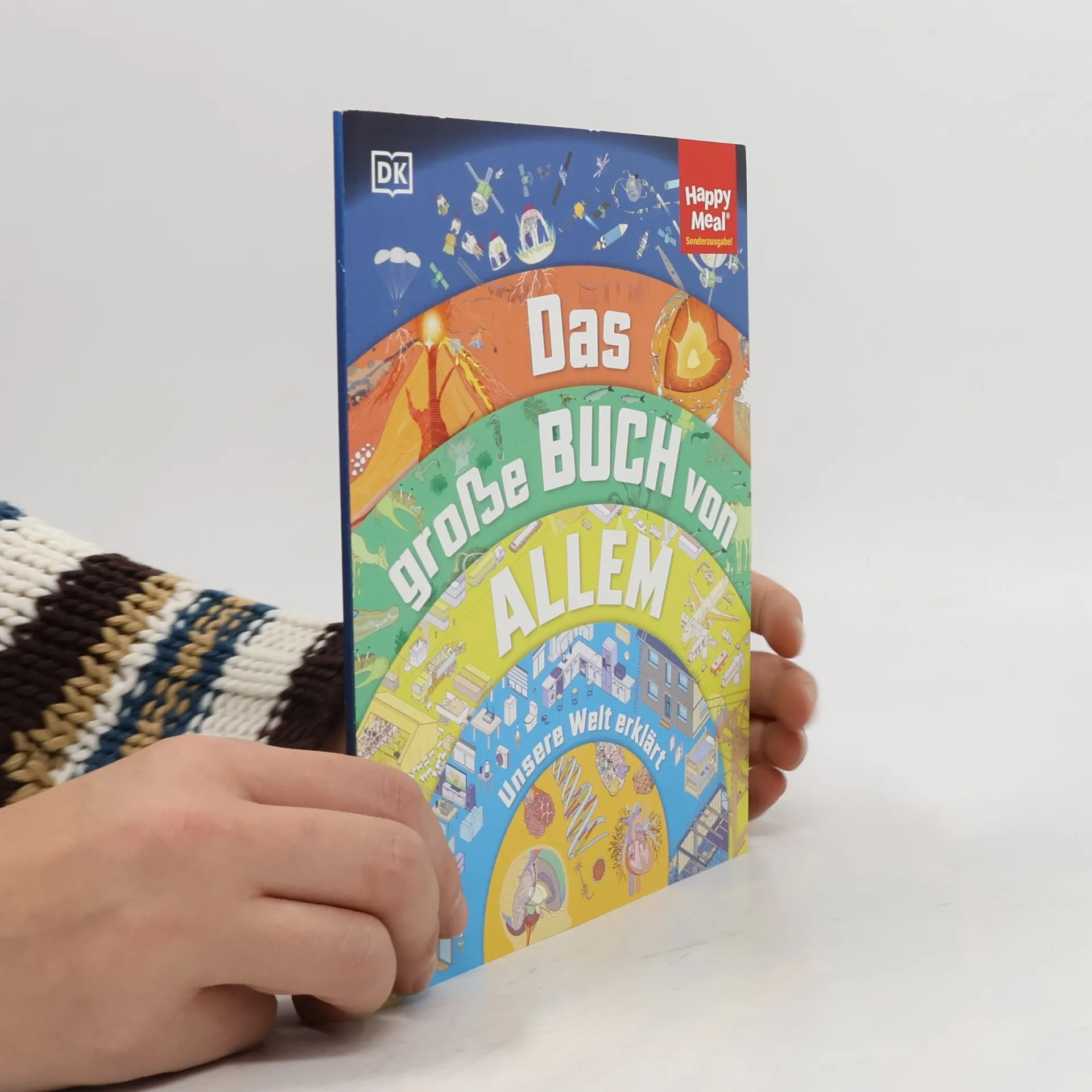
Dieses einzigartige Lexikon erklärt komplexe Abläufe und Prozesse unserer Welt, von biologischen bis geologischen. Mit detaillierten Grafiken und Querschnitten erfahren neugierige Kinder ab 10 Jahren, wie Dinge funktionieren, von Wasserversorgung bis zu Krankenhausabläufen. Ein spannendes Nachschlagewerk für die ganze Familie!
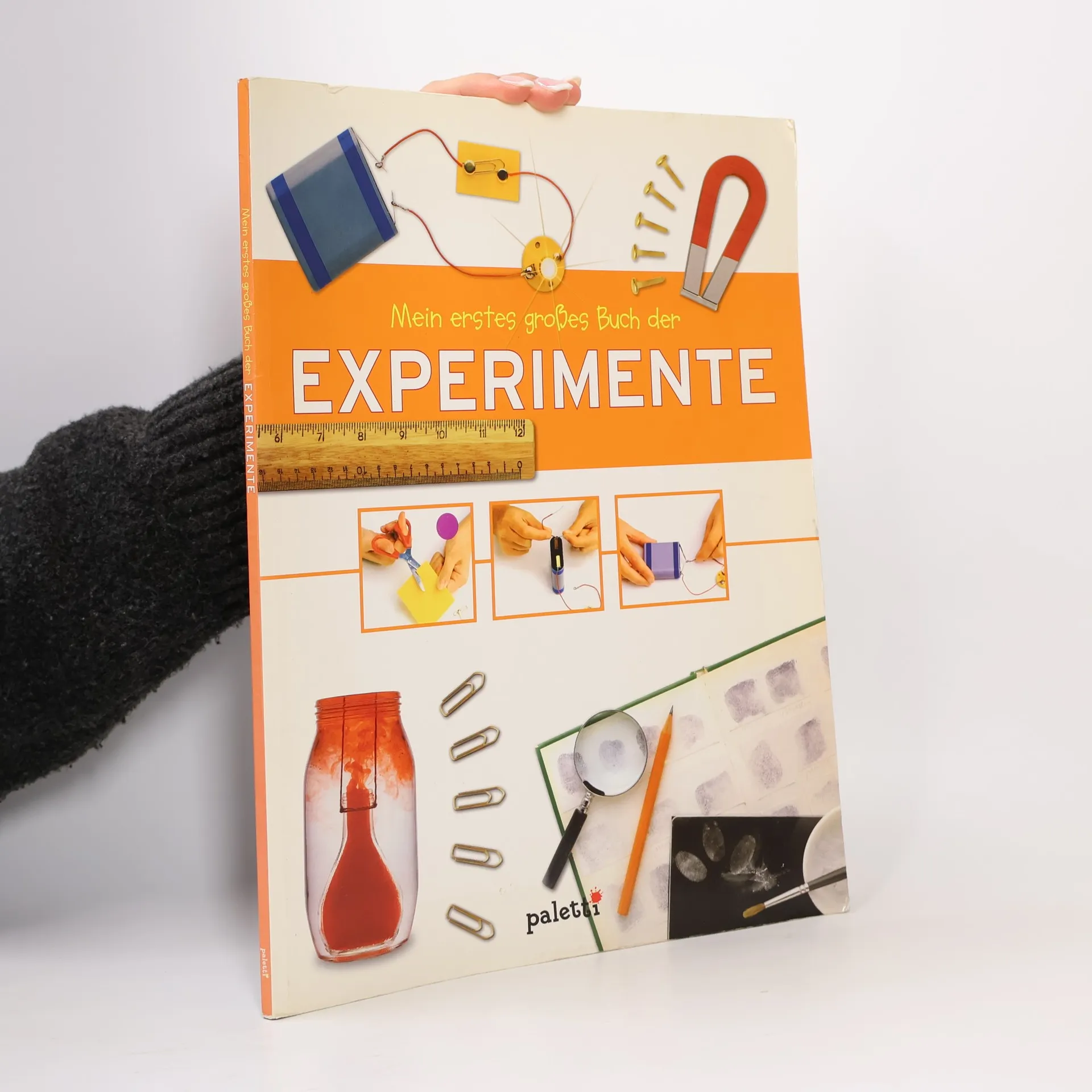
Basteln, Löten, Tüfteln: Faszinierende Technik zum Selberbauen! In 18 sensationellen Elektronik-Projekten entstehen coole Lautsprecher für das Smartphone, ein Hand-Ventilator oder eine witzige Türklingel. Mit anschaulichen Schritt-für-Schritt Anleitungen für einfache und kostengünstige Bauteile werden Kinder ab 10 Jahren zu cleveren Erfindern und das Kinderzimmer zur Tüftler-Werkstatt. Dazu gibt es spannendes elektrotechnisches Grundwissen über Werkzeuge, Bauteile, Löten oder Schaltkreise
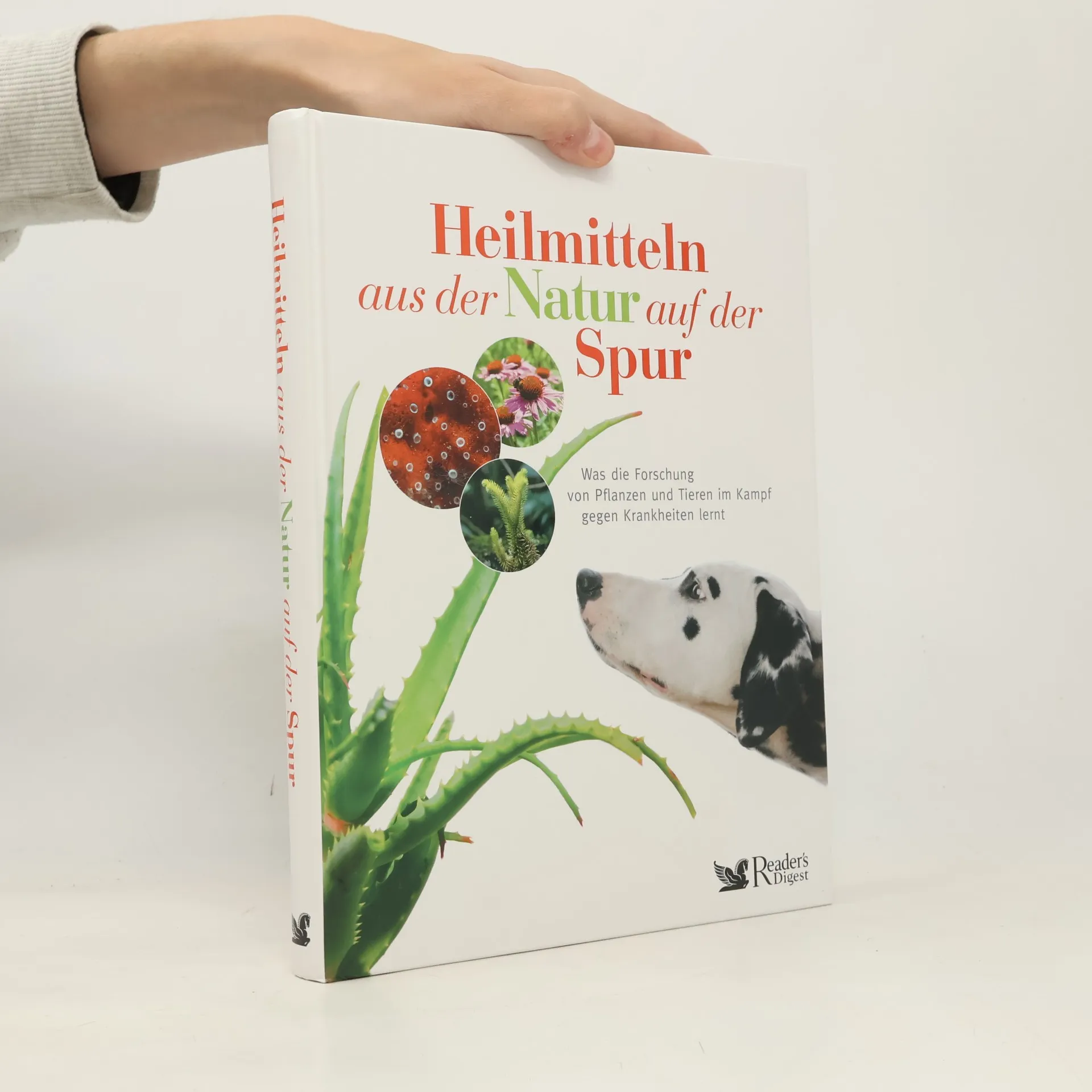
Was die Forschung von Pflanzen und Tieren im Kampf gegen Krankheiten lernt
Heilmitteln aus der Natur auf der Spur Die Apotheke der Natur ist unerschöpflich, was Heilkräfte angeht: Pflanzen, Tiere und Mikroorganismen schützen vor Krankheitserregern und Fressfeinden. Das macht sich der Mensch in Schmerz- und Krebstherapien oder bei der Linderung zahlreicher Beschwerden zunutze. Dieses ausgezeichnet recherchierte Buch zeigt in rund 130 Porträts von Pflanzen und Lebewesen, welche Heilmittel vor dem Durchbruch stehen oder bereits Eingang in der Medizin gefunden haben. Zudem zeigt es anhand praktischer Ratschläge wie Sie davon profitieren können.
What links the Taj Mahal and our skeleton? Calcium. The Eiffel Tower and our blood? Iron. The salt on our chips and the street lamps that guide us home? Sodium. The elements make up everything, and this book is the perfect guide to every one of them.
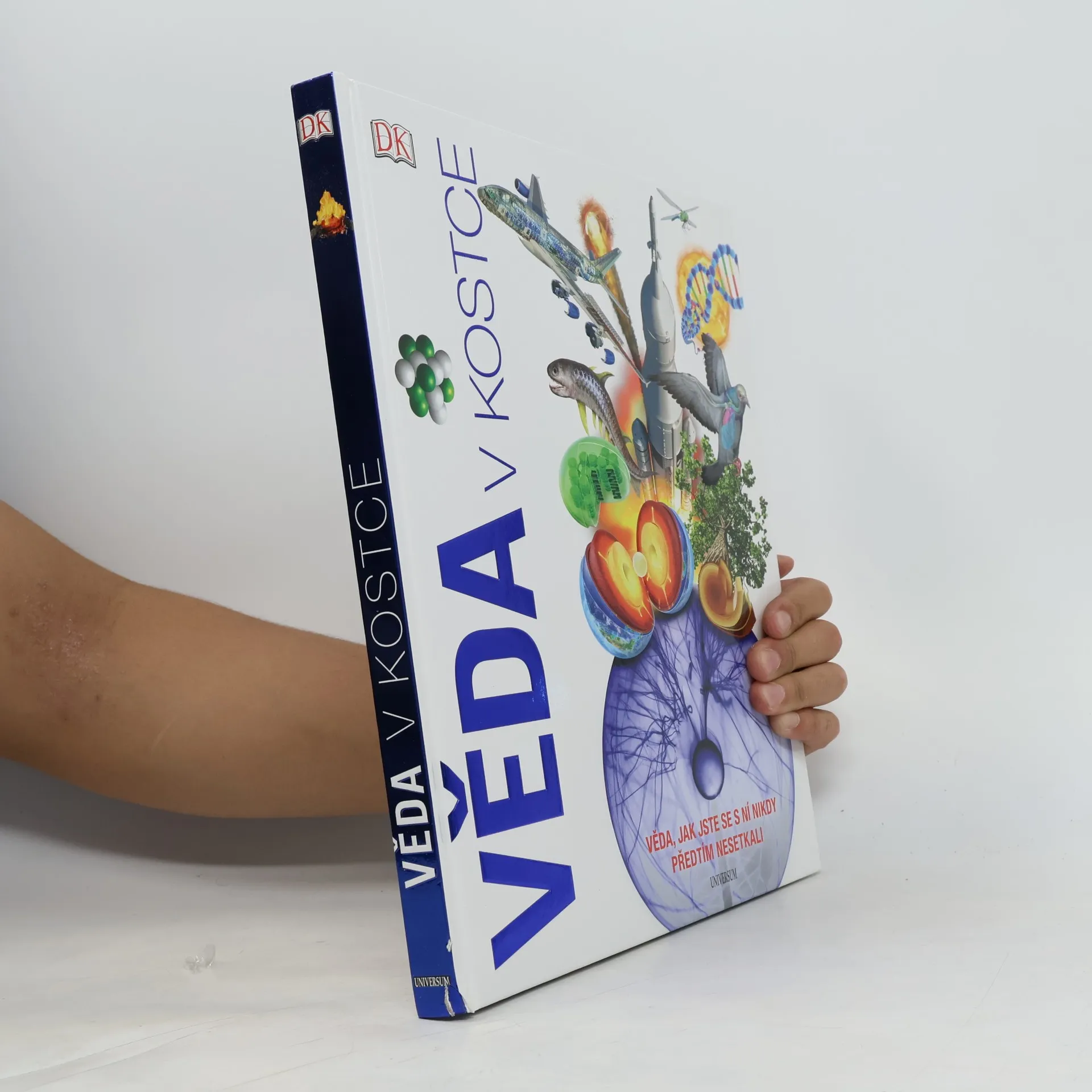
Ohromující fotografie a 3D ilustrace doprovázené přehledným informativním textem umožňují seznámení s jednotlivými vědními obory naprosto jedinečným způsobem. Jaká je struktura krystalu? Jak probíhá proces, při němž se utvářejí horniny? Jaký je princip působení energie, která pohání vesmír? Jaké síly uvádějí do pohybu motor a jaké zákonitosti umožnují člověku létat, plavit se a objevovat hlubiny? Jaké vrstvy a tajemství ukrývá deštný prales? – S další knihou ze zavedené edice poznáte vědní obory tak, jak jste se s nimi nikdy předtím nesetkali.
5 spannende Welten zum Eintauchen und Staunen. Mit VR-Brille zum Selberbasteln. Mit Gratis-App
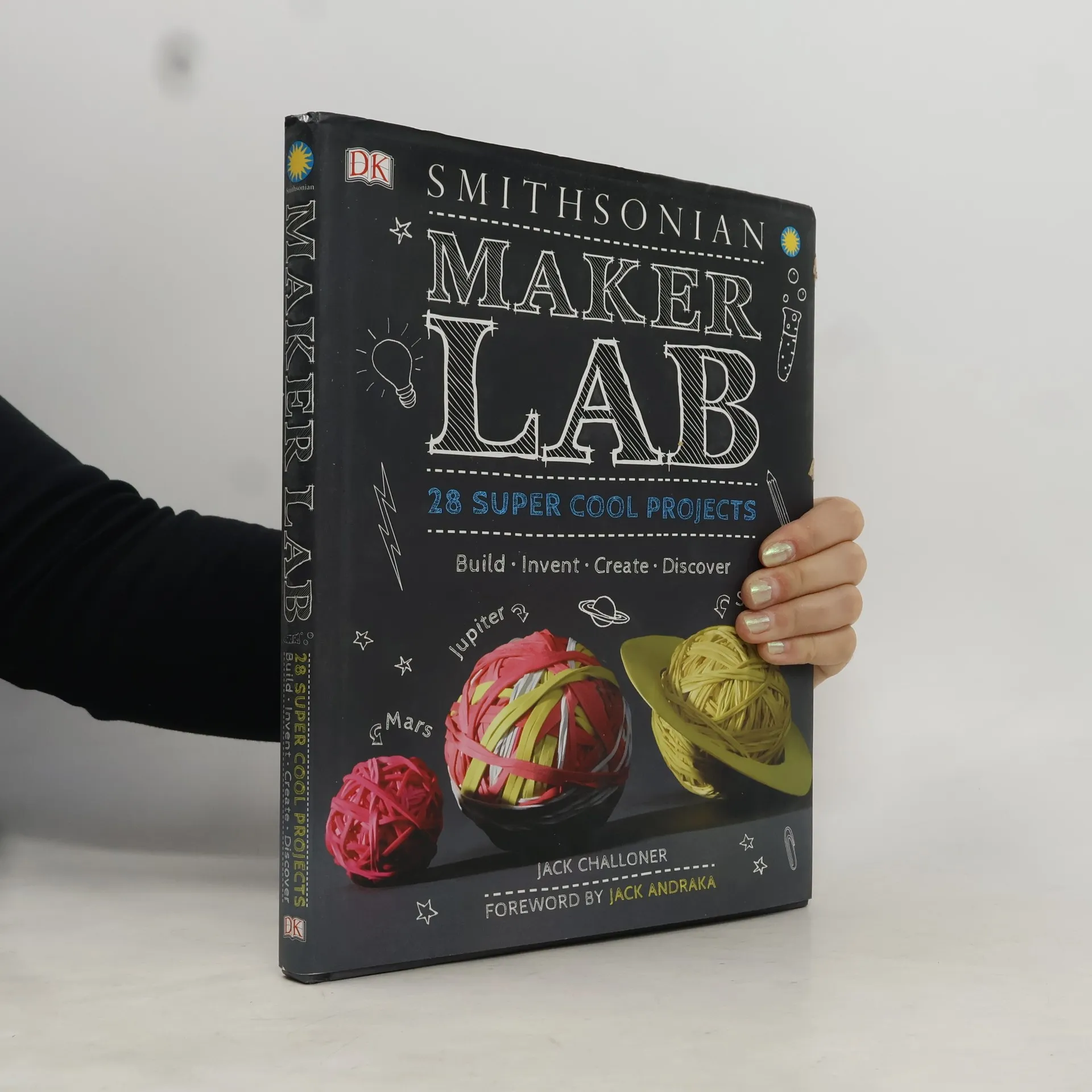
Supporting STEAM education initiatives and the Maker Movement, the National Parenting Publication Award-winner Maker Lab includes 28 kid-safe projects and crafts that will get young inventors' wheels turning and make science pure fun. Each step-by-step activity is appropriate for kids ages 8–12, and ranked easy, medium, or hard, with an estimated time frame for completion. Requiring only household materials, young makers can build an exploding volcano, race balloon rocket cars, construct a lemon battery, make sticky slime, and more. Photographs and facts carefully detail the "why" and "how" of each experiment using real-world examples to provide context so kids can gain a deeper understanding of the scientific principles applied. With a foreword by Jack Andraka, a teen award-winning inventor, Maker Lab will help kids find their inner inventor and create winning projects for school projects, science fairs, and beyond.
The Science Museum Souvenir Guide Book takes an interesting journey through the history of the museum and how it's run today and some of its most interesting artifacts, some not often on show to the public. Great as a memento of your visit, a gift for someone who loves the museum or for anyone with an interest in its history, present and future plans and the intriguing items to be found.
A beautifully illustrated, thematically arranged history of science - covering great scientists, inventions, and ideas - that has been updated to include the latest scientific advances Delve into the story of science - from astronomy and biology to geology and mathematics - with this illustrated guide to the great scientists, discoveries, and inventions that shaped our world. Going from the dawn of science to the information age, Science tells you all there is to know about ground-breaking events, experiments, theories, and individuals, as well as explaining why each is so significant to the development of scientific thought. Lavish illustrations and stunning photographs help to tell the story of innovation, from ancient Greek geometry to quantum physics. Fascinating biographies of key players - including Zhang Heng, Isaac Newton, and Marie Curie - give you more information about the people behind each discovery. Packed full of straightforward and informative diagrams and CGIs, Science clearly explains how scientific principles - from algebra to how the heart beats - actually work. Updated to include the latest scientific developments, from recent advances in genetic engineering to the detection of gravitational waves 100 years after Einstein predicted their existence, Science is the ultimate book for anyone who wants to know more about how we came to understand the world around us.
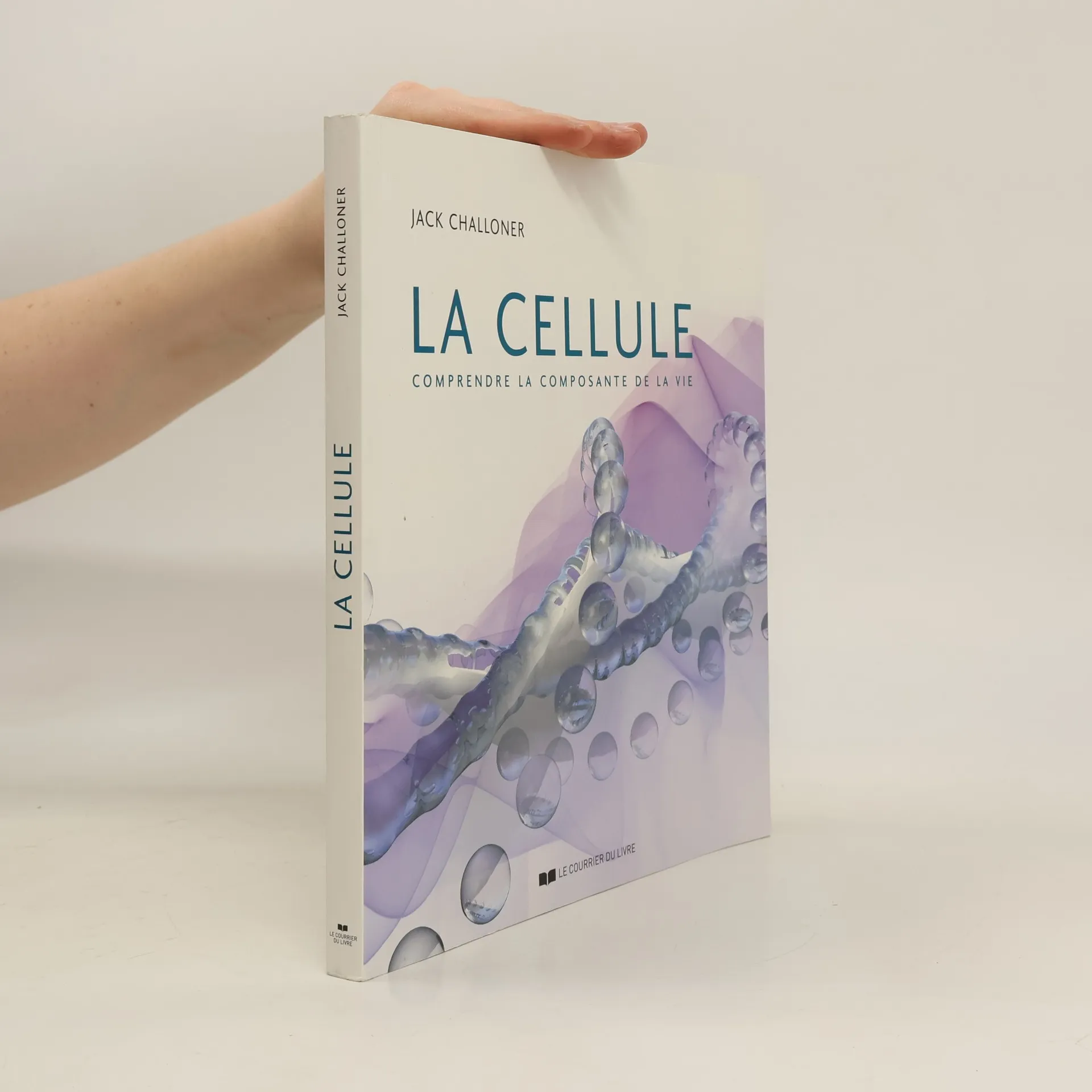
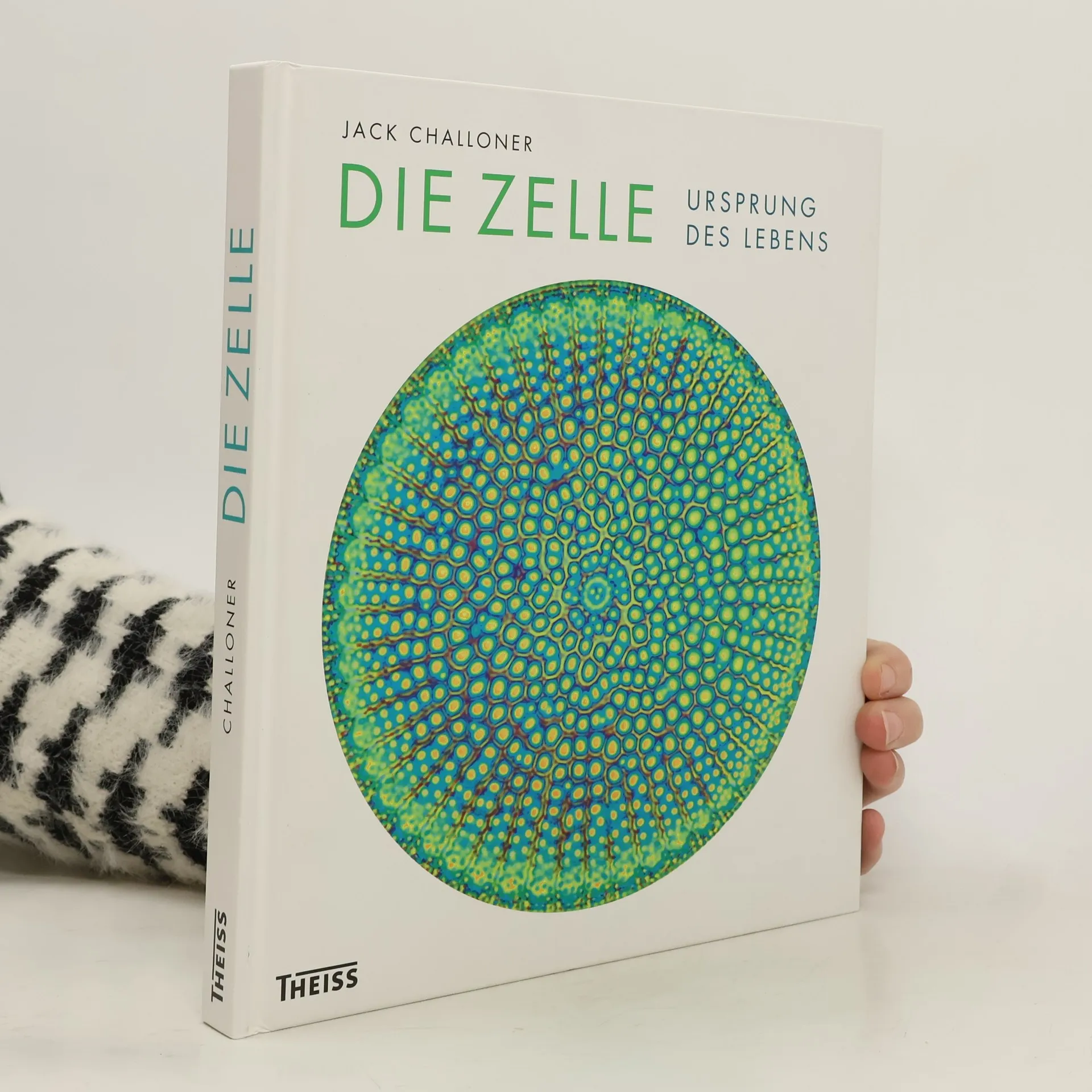
Die Zelle ist mikroskopisch klein und der Ursprung allen Lebens. Ihren Anfang nahm die größte Erfolgsgeschichte unseres Planeten vor mehr als drei Milliarden Jahren, als sich das Leben aus diesen winzigen Kraftwerken entwickelte. All die komplexen Lebensformen, die unsere Erde heute bevölkern, sind das Ergebnis dieses Prozesses. Alle Lebewesen - auch wir Menschen - entstehen aus einer einzigen Zelle, die sich teilt, differenziert und spezialisiert und deren Abkömmlinge die unterschiedlichsten Aufgaben in einem Organismus übernehmen. Mit mehr als 250 Fotos, Abbildungen und instruktiven Grafiken nimmt uns Jack Challoner mit auf eine Reise zu diesen Basiseinheiten des Lebens. Er zeigt, woraus wir bestehen und welche Vorgänge in den Zellen das Leben bestimmen. Und er beantwortet einige der wichtigsten Fragen, vor denen die Wissenschaft steht: Was macht Stammzellen wichtig im Kampf gegen Krankheiten? Wann und wie entstanden die ersten mehrzelligen Lebewesen? Und wie können wir neue Zellen züchten?
Unerschöpflicher Erfindungsreichtum war entscheidend für das Überleben und die Weiterentwicklung der Menschheit. Obwohl wir täglich von technischen Errungenschaften umgeben sind, wissen wir oft wenig über ihre Entstehung und die Hintergründe ihrer Entdeckung. Dieses herrliche Kompendium lädt zum Blättern und Schmökern ein und beleuchtet die wissenschaftlichen und technischen Errungenschaften, die das Leben der Menschen über Jahrtausende hinweg geprägt haben. Von der Erfindung des Rades bis zum MP3-Player werden die Geschichten hinter den Innovationen erzählt, vom ersten Geistesblitz bis zur Serienreife. Wussten Sie, dass Zahnpasta vor etwa 7000 Jahren erfunden wurde oder dass die erste Schere um 1500 v. Chr. in Gebrauch kam? Erfahren Sie, wie das World Wide Web entstand und wie Satellitentechnik funktioniert. Wer hat den Lippenstift erfunden? Was ist ein EKG? Wie wurde Feuerstein bearbeitet? Woher stammt der Name der Spinning Jenny? Antworten auf diese und viele weitere Fragen finden Sie in diesem Werk, das unsere Welt veränderte. Ein interdisziplinäres Team aus Historikern, Wissenschaftlern, Designern und Anthropologen führt Sie durch die bekanntesten technischen Neuerungen der letzten 2,5 Millionen Jahre und präsentiert eine faszinierende Menschheitsgeschichte der Erfindungen.
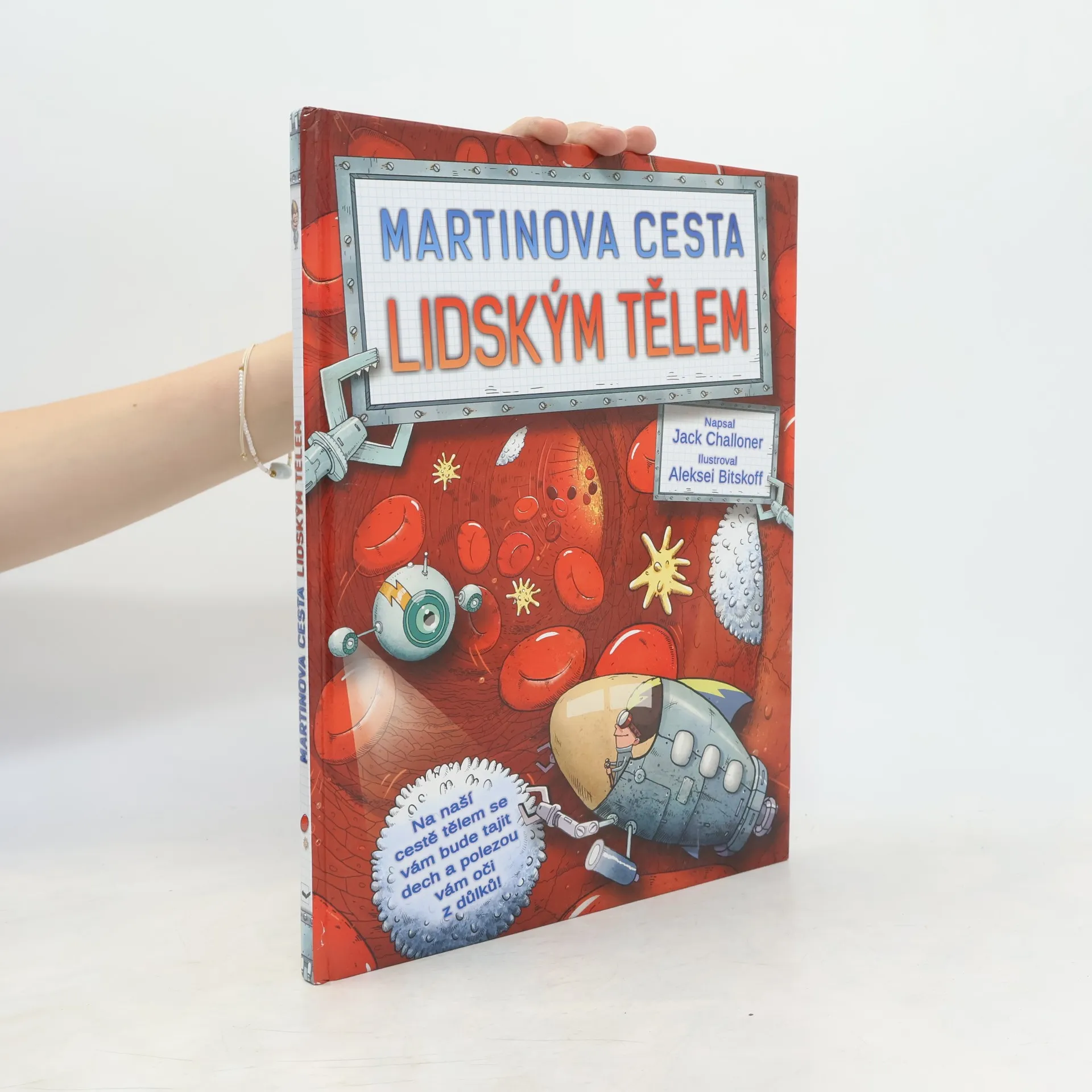
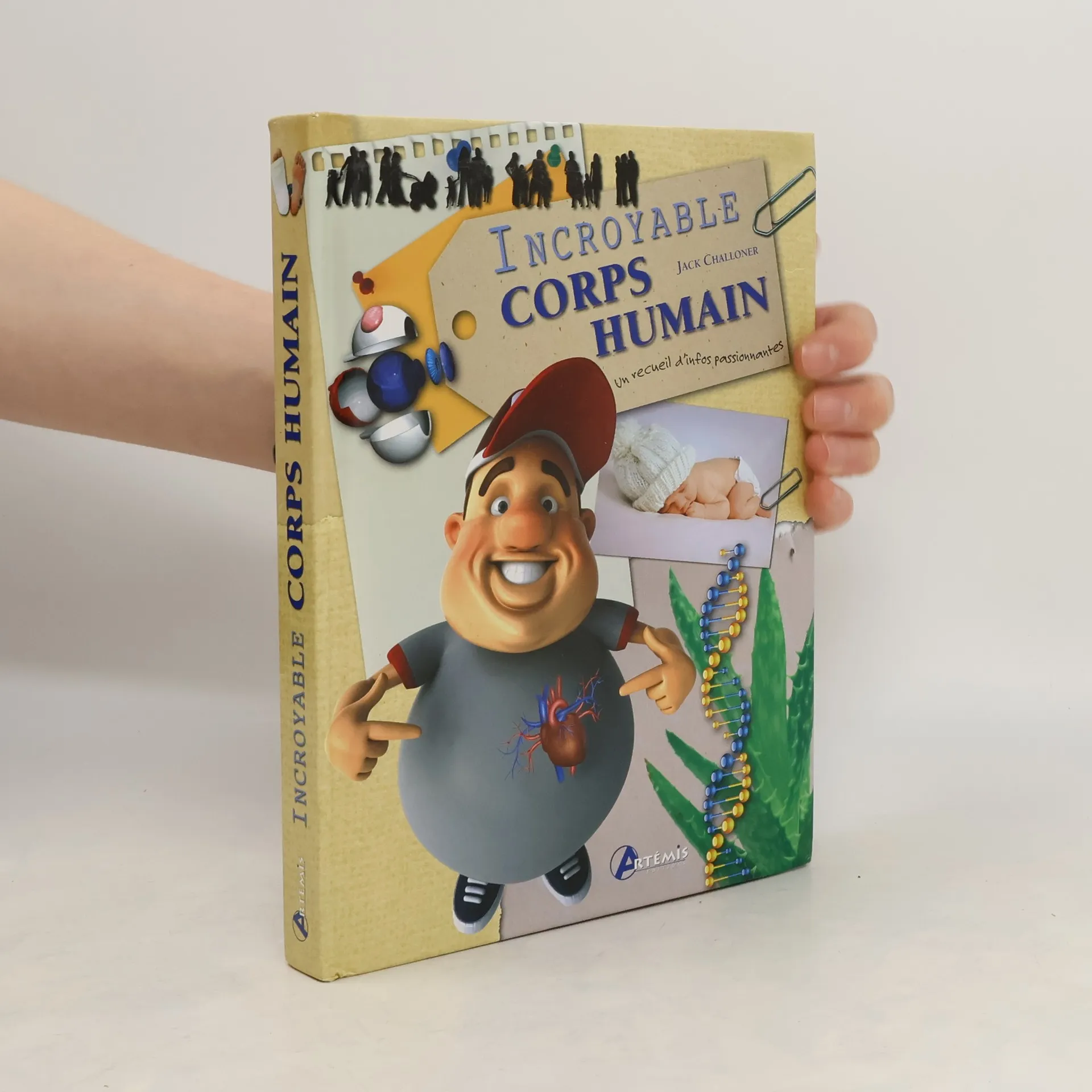
Vydejte se s Martinem na senzační okružní jízdu lidským tělem! Čeká na vás odborný, ale přesto zábavný komentář, spousta úžasných faktů a nákresů.
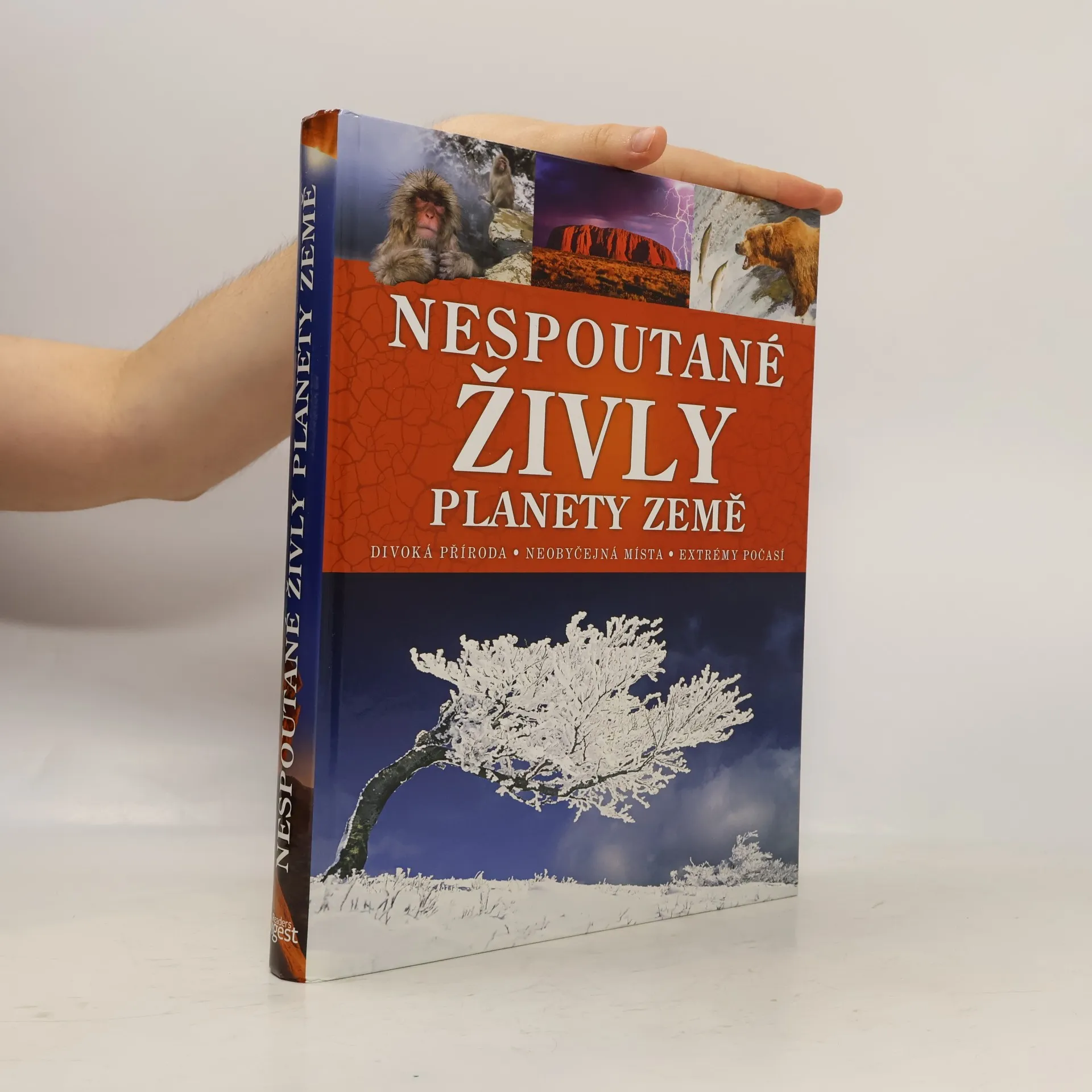
NESPOUTANÉ ŽIVLY PLANETY ZEMĚ je nejnovější titul z edice Reader's Digest, jenž vám nabízí pohled na zvířata, která přežijí bez jediné kapky vody, a hory, co každý rok o něco povyrostou! Prošli jsme celý svět, abychom sestavili tuto úžasnou knihu, která jednou provždy změní váš pohled na život. Žádná jiná publikace dosud nedokázala seřadit výjimečné přírodní úkazy, šokující výjevy, úchvatné fotografie a fascinující informace takovým způsobem! Věděli jste například, že zemětřesení na Sumatře roku 2004 bylo tak silné, že zrychlilo otáčení Země o více než dvě mikrosekundy za den? Každá strana doslova přetéká zajimavými fakty a podněty. Stačí ji jen otevřít a začít objevovat!
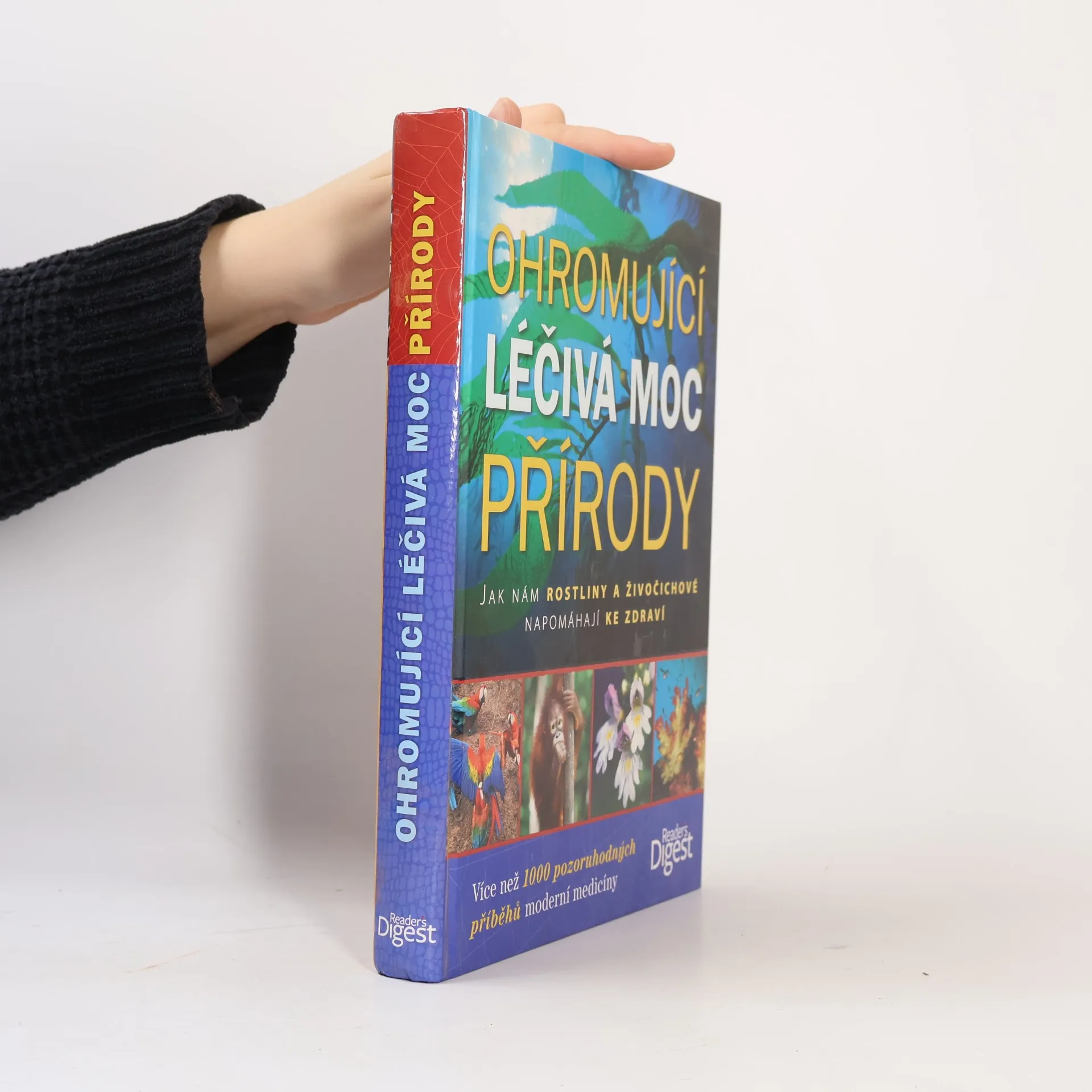
Čím by mohl takový kůň prospět lidskému zdraví? Jak by se na zlepšení zdravotního stavu mohl podílet narcis nebo parazitická hlístice, čím by nám mohli prospět třeba mořští sumýši nebo chaluhy? Kniha je plná překvapivých informací a navždy změní váš pohled i názor na moderní léčbu.
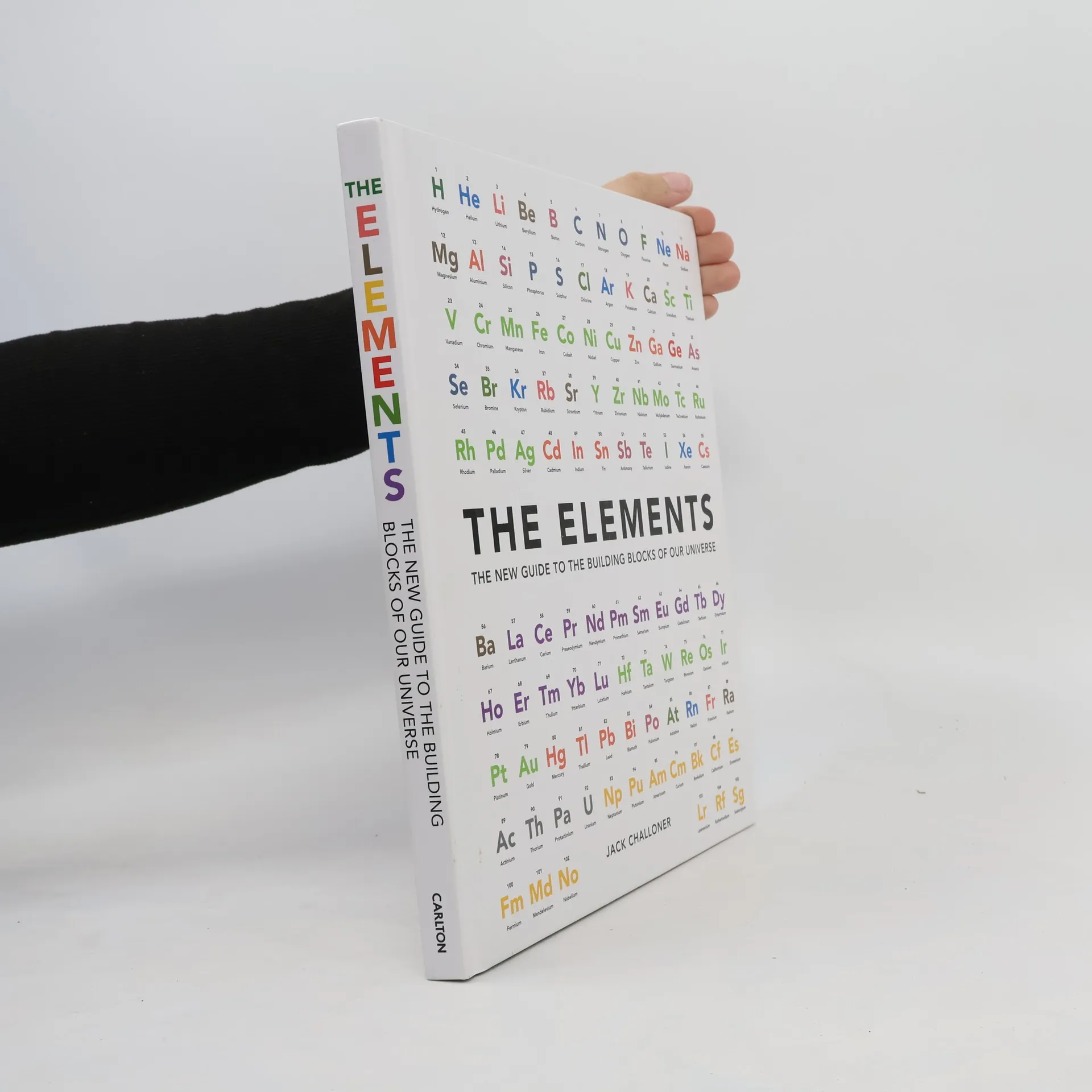
This is an illustrated reference to the elements that make up everything in our universe. General information about the properties, behaviour and occurrence of the elements, their main compounds and their principle uses are given.
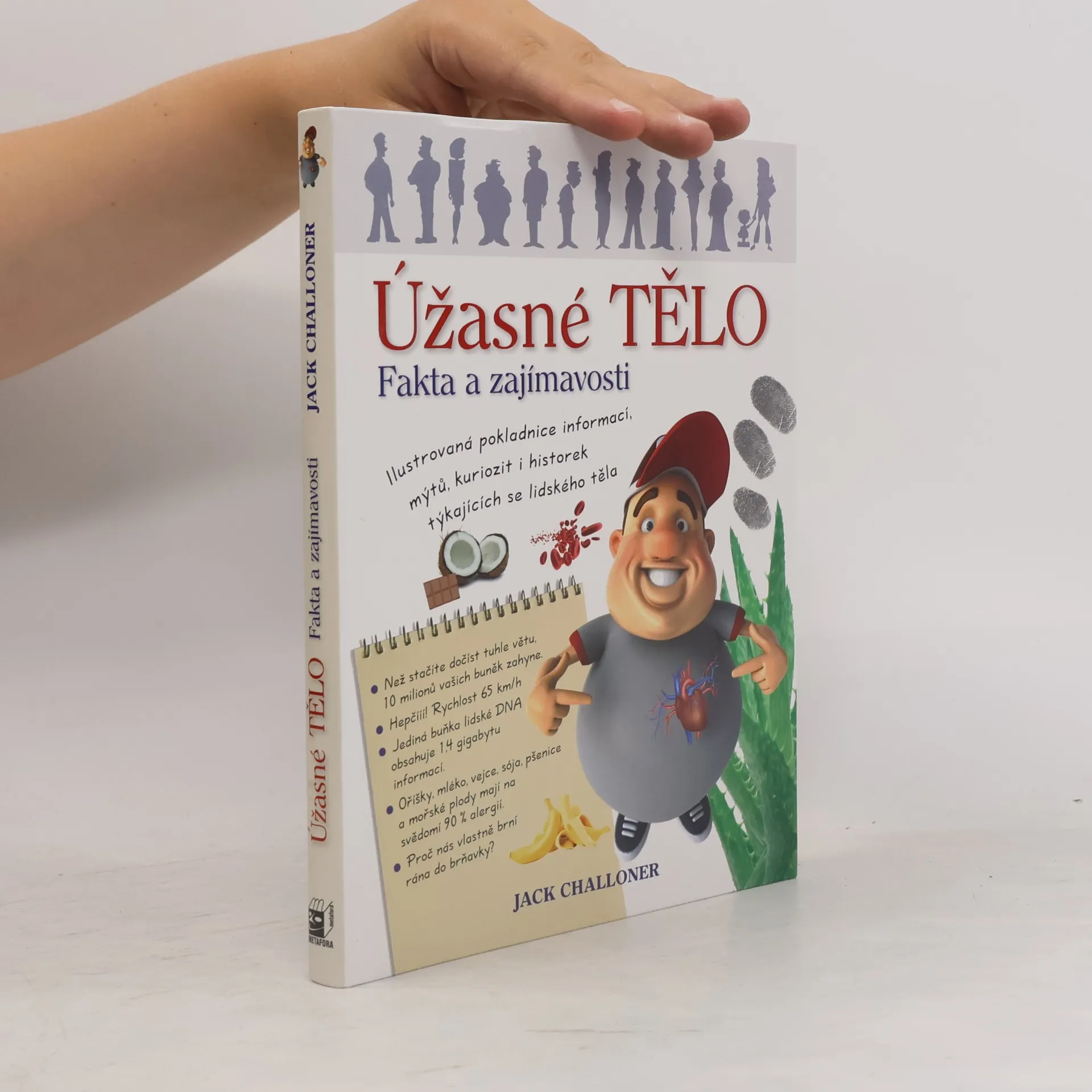
Ilustrovaná pokladnice informací, mýtů, kuriozit i historek týkajících se lidského těla… V sérii již vyšlo: Úžasní koně, Úžasní psi Už jste se někdy podívali do svého těla? Že to nejde? Ale to víte, že ano! Tahle knížka vás zve na báječnou cestu lidským tělem. Společně budeme bořit zavedené mýty, pobavíte se různými kuriozitami, ale také se dozvíte spoustu zajímavých faktů z anatomie, fyziologie, medicíny, historie či mytologie. Svět skrývající se uvnitř vašeho těla (a taky na jeho povrchu) vás dočista ohromí. Věděli jste třeba, že jste majiteli 70 kilometrů nervů? Tohle všechno a ještě mnohem víc na vás čeká na stránkách tohoto průvodce fascinující říší zvanou lidské tělo. Překrásné barevné obrázky, fotografie, tabulky, články učené i vtipné. Spavá nemoc vás u toho rozhodně nepostihne.
Le corps humain est un merveilleux ensemble qui recèle bien des surprises. Cet ouvrage rassemble plus de 400 données passionnantes, histoires insolites et statistiques étonnantes sur le corps, relatives à l’anatomie, la physiologie, la médecine, l’histoire et la mythologie.Trouvez la réponse à toutes les questions qui vous intriguent : est-ce qu’un excès de sucre rend les enfants (ou vous-même) hyperactifs ? Quelle utilité ont les fesses (en dehors d’être des coussins confortables) ?Explorez l’univers qui est en vous avec intérêt et étonnement. Saviez-vous que plus de 90 % des cellules qui vivent dans et sur votre corps sont des bactéries ? Que, chaque fois que vous regardez un film, vous en ratez plusieurs minutes ? Ou que votre corps contient pas moins de 70 km de nerfs ?Découvrez les récits étonnants des scientifiques, des médecins ou même des artistes qui ont contribué à notre connaissance du corps humain, et profitez des conseils pratiques pour rester en bonne santé.
We take thousands of inventions for granted, using them daily and enjoying their benefits. But how much do we really know about their origins and development? This absorbing new book tells the stories behind the inventions that have changed the world, with details about--
Po staletí jsme fascinováni otázkou, proč se chováme tak, jak se chováme. Mozek je nejkomplexnější ze všech orgánů - a nejtajemnější. V knize nás autor seznamuje se současnými úžasnými objevy. Například zkoumá, jak hodnotíme riziko. Proč je někteří lidé vyhledávají, zatímco jiní se mu snaží vyhnout? Seznámíme se s výsledky pokusu s horolezci na Everestu, jak se náš mozek adaptuje na nízkou koncentraci kyslíku. Jak to působí na naši schopnost zpracovávat myšlenky, zapamatovávat si fakta nebo třeba i počítat? Jiní lékaři se pokoušejí pochopit, co z nás dělá sociální živočichy, a to tak, že zkoumají podmínky ovlivňující sympatie pacientů vůči jiným. Prastará otázka - přirozenost versus výchova - se vrací, v dnešní době aplikována na inteligenci. Profesor Ramachandran se ve dvou kapitolách, jednak o fantomových údech, jednak o anomáliích lidského mozku, zabývá úvahami, zda každý z nás vnímáme svět jinak.
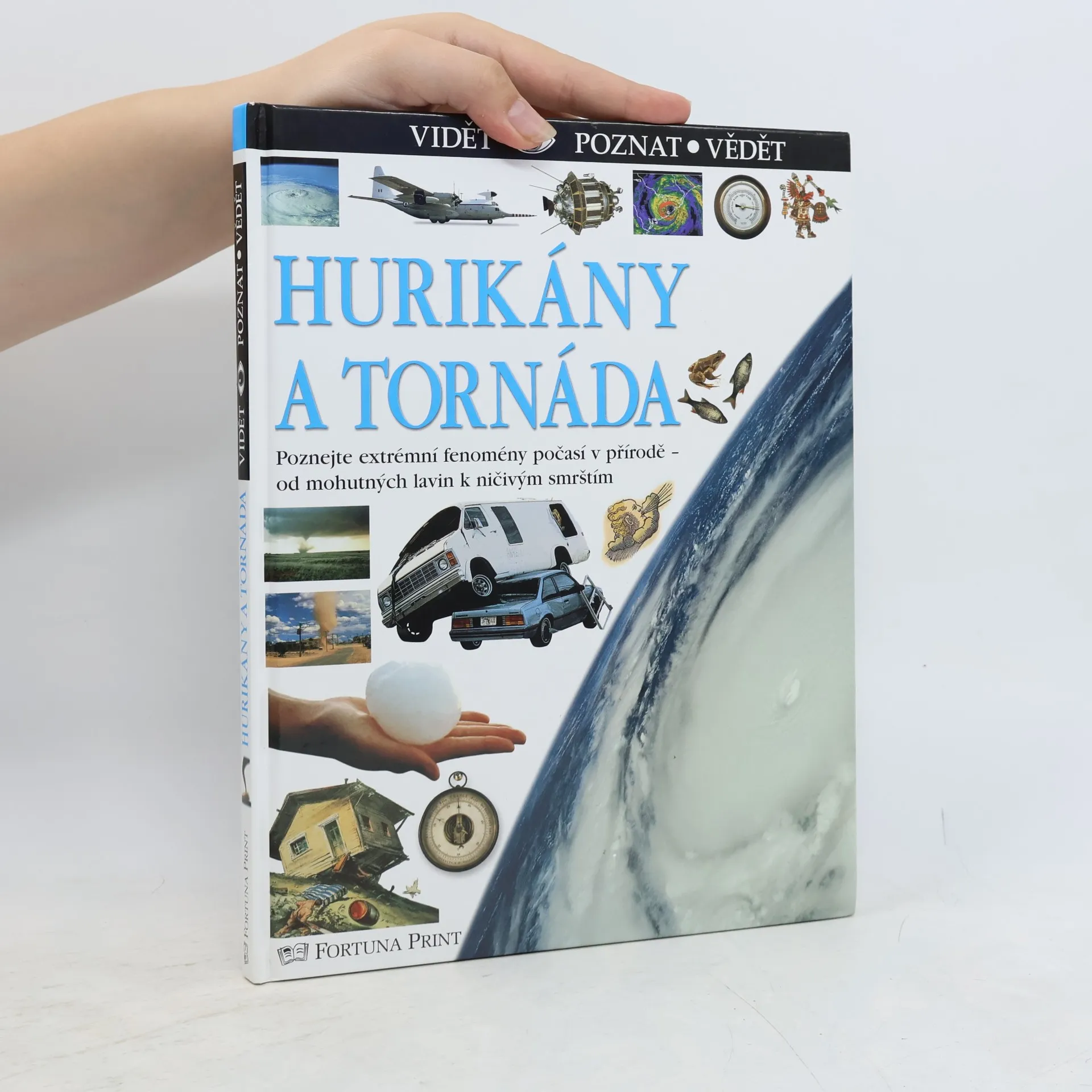
Napínavá a poutavá knížka o nejzákeřnějších a nejničivějších přírodních silách. Úžasné barevné fotografie, snímky modelů a další ilustrace nabízejí jedinečný pohled na příčiny živelních pohrom. Uvidíte oko uragánu, efektní kulový blesk, ledovou kroupu velikosti tenisového míčku a ještě mnohem více
This guide is part of a series which introduces a wide range of scientific topics and topical issues affecting our daily lives. This book explains how the Internet and other digital technologies have transformed our world, from the binary code to interactive TV.
Equinox Book of Science is an omnibus volume of the four fascinating Equinox books - The Earth, The Brain, Space and Warfare - that have been published by Channel 4 Books In 2000. At only ?12.99 it represents exceptionally good value, with four books for the original price of one. Equinox is Channel 4's ground-breaking science strand, and a recognised brand name in its field. The programmes explore the modern world's relationship with science and technology in a time when everything we do is mediated by the results of scientific endeavour. The wide-ranging volume covers subjects as diverse as nuclear arms and phantom black holes and earthquake autism and whirlpools. Here is a comprehensive and in-depth look at the forefront of modern science by accomplished writers who have not only evaluated the material the audience saw on screen, but continued these fascinating stories to bring them right up to date.
Früher glaubten die Menschen, dass Götter für das Wetter verantwortlich seien. So soll der nordische Donnergott Thor mit seinem Hammer Blitz und Donner verursacht haben. Heute lässt sich mithilfe von modernen meteorologischen Instrumenten das Wetter vorhersagen. Windstärke und -richtung, Sonnenscheindauer oder die Stärke eines Hurrikans werden gemessen. Dieses Buch erklärt, wie ein Gewitter entsteht, wie Vulkanausbrüche das Wetter beeinflussen und wie Stürme weite Küstenregionen überfluten. Der Leser erfährt, wie ein Tornado Gegenstände ansaugt und durch die Luft schleudert und wie Staubteufel und Sandhosen in Wüstenregionen wüten. Er kann sich über die Folgen der globalen Erderwärmung informieren und darüber, wie es in Trockengebieten zu Dürrekatastrophen kommt.
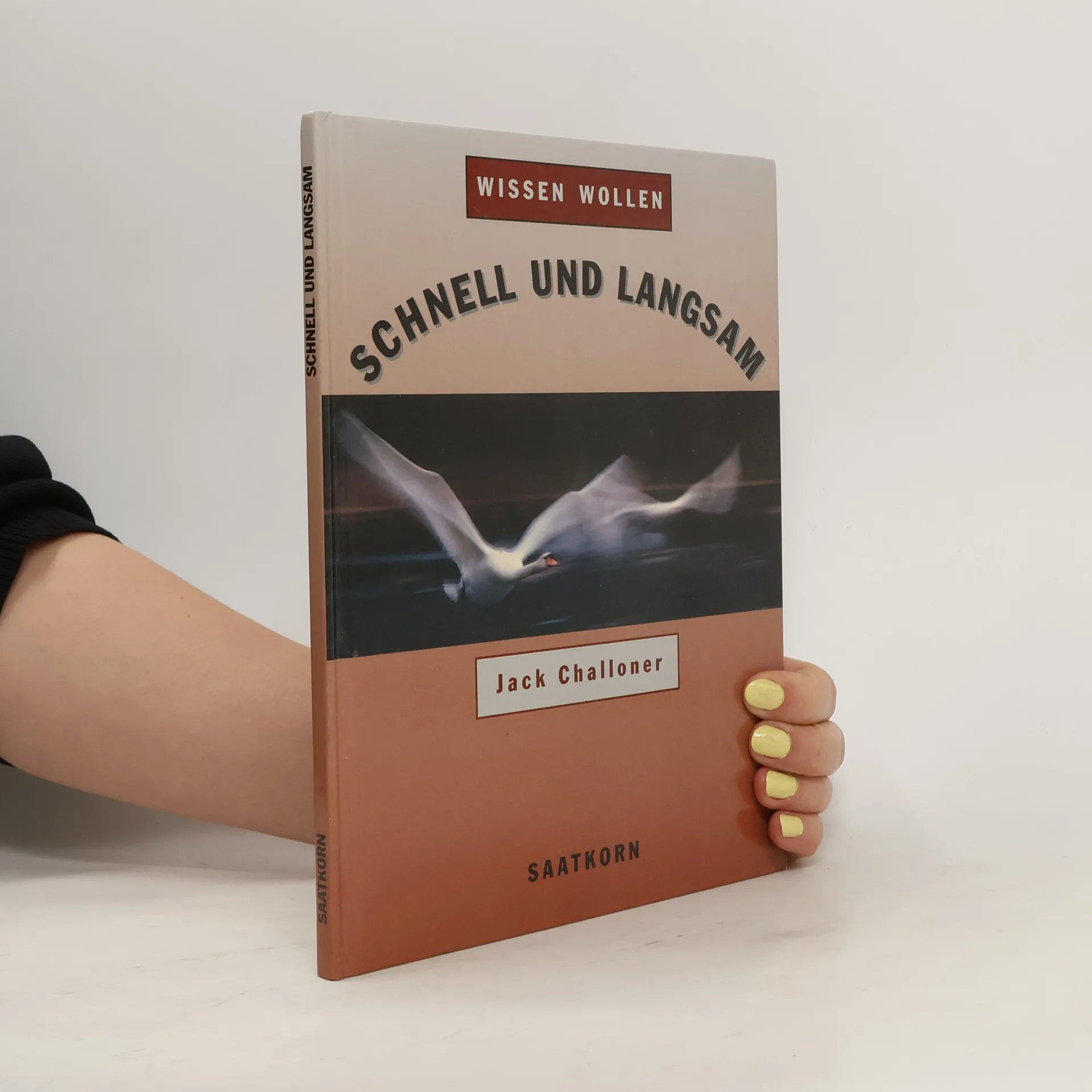
SCHLAGWÖRTERS: GeräuscheS. SchallwellenS. EchoS. HörenS
Eine anschauliche Anregung zum genauen Beobachten, um Sinneswahrnehmungen bewusster zu erleben und experimentierend erste Erfahrungen zu machen
A partir d'un matériel simple, guidé par des textes clairs et des photos montrant chaque étape de la réalisation, l'enfant s'initie au plaisir de créer pour ses parents et ses amis des broches et des colliers, de réaliser des cartes postales accordéon, de faire des photomontages, et même... d'envelopper ses cadeaux dans ses propres pochettes multicolores !
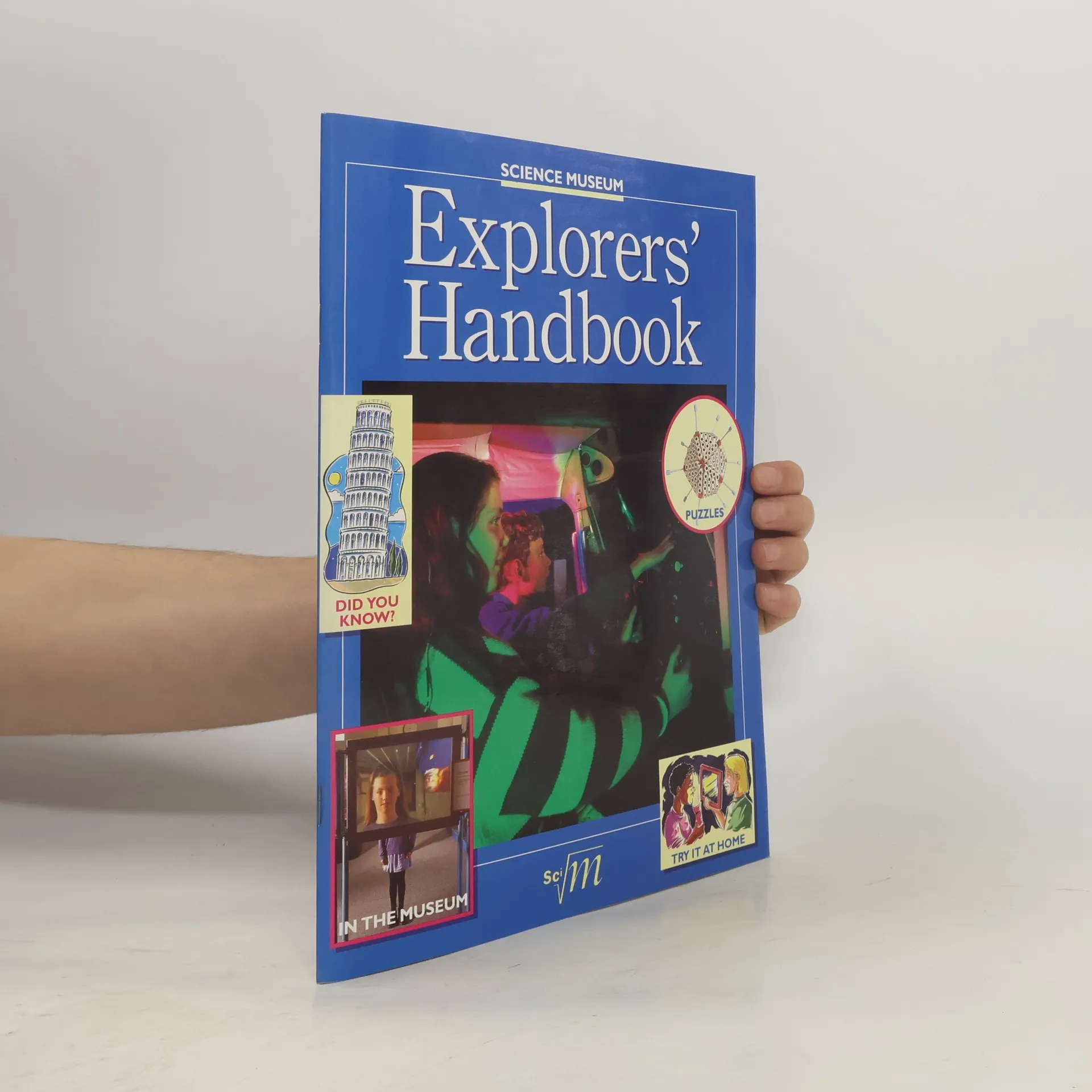
A fully illustrated souvenir and follow-up book for young visitors and their families, with information about the main themes covered in the Science Museum's hands-on and historical galleries. A number of home experiments and activities are included.
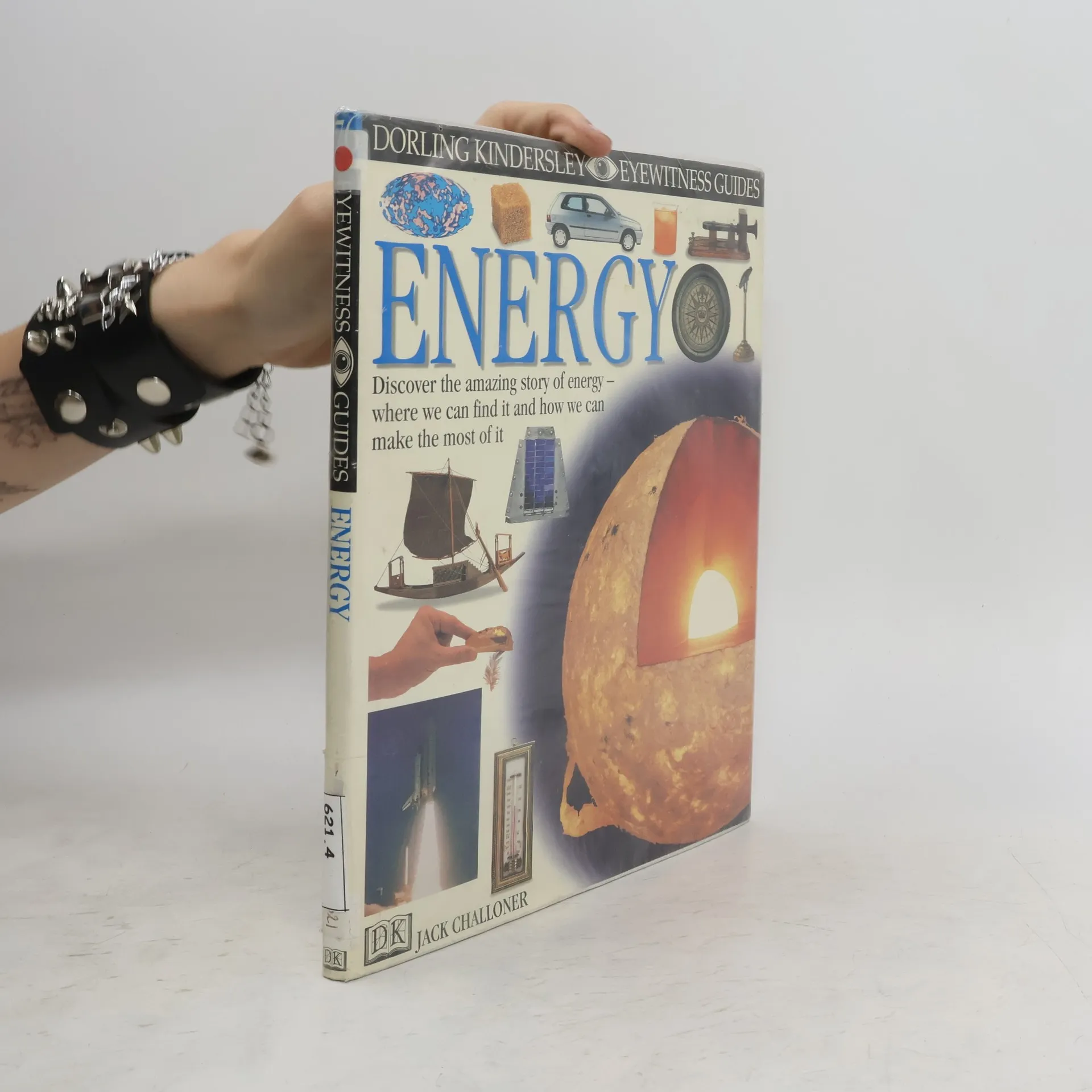
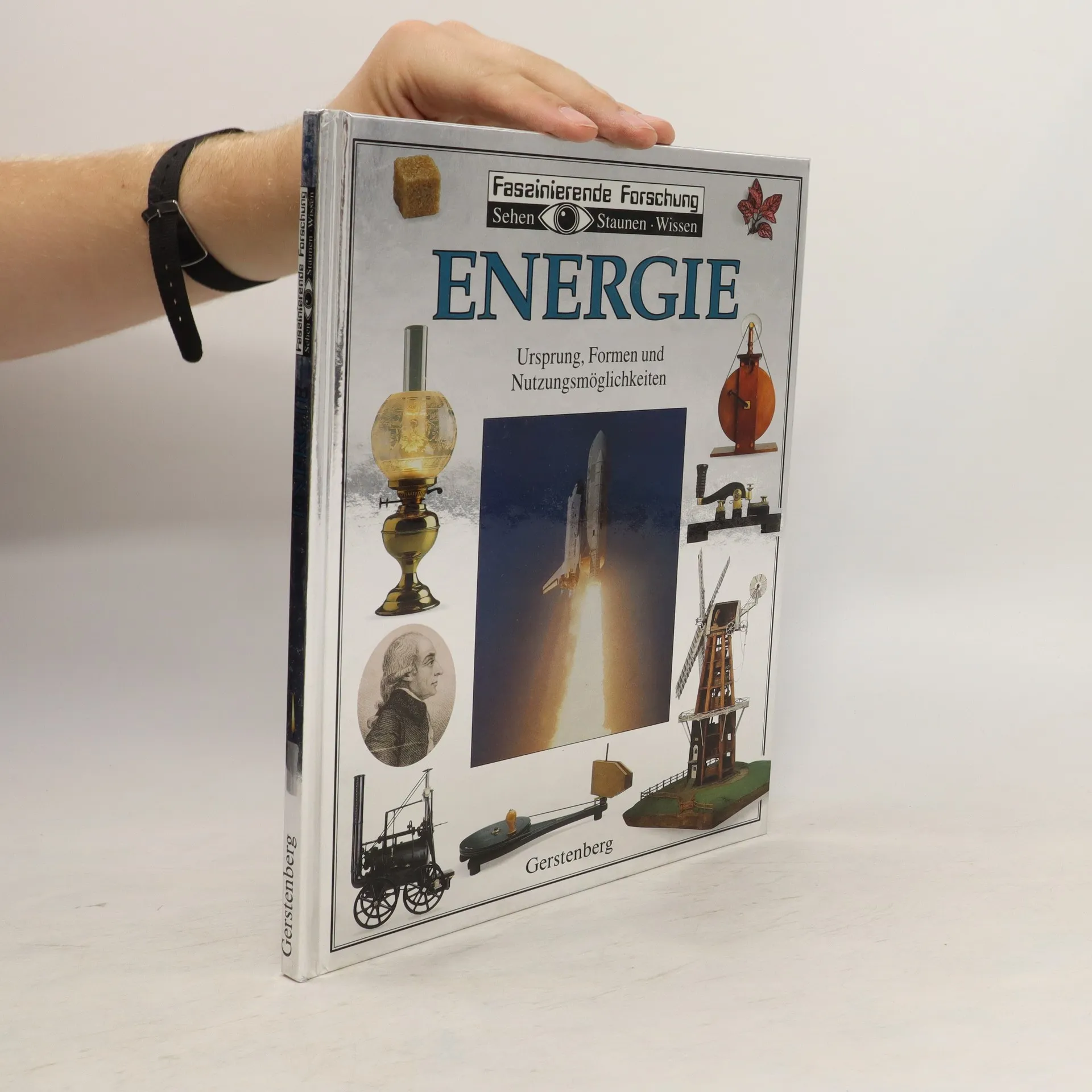
Integrating words and pictures, this is a family reference book on energy structured so that the individual themes of each spread make up a complete visual story and a self-contained module. On every spread there is a specially shot colour photograph of objects shown in real-life close-up detail.
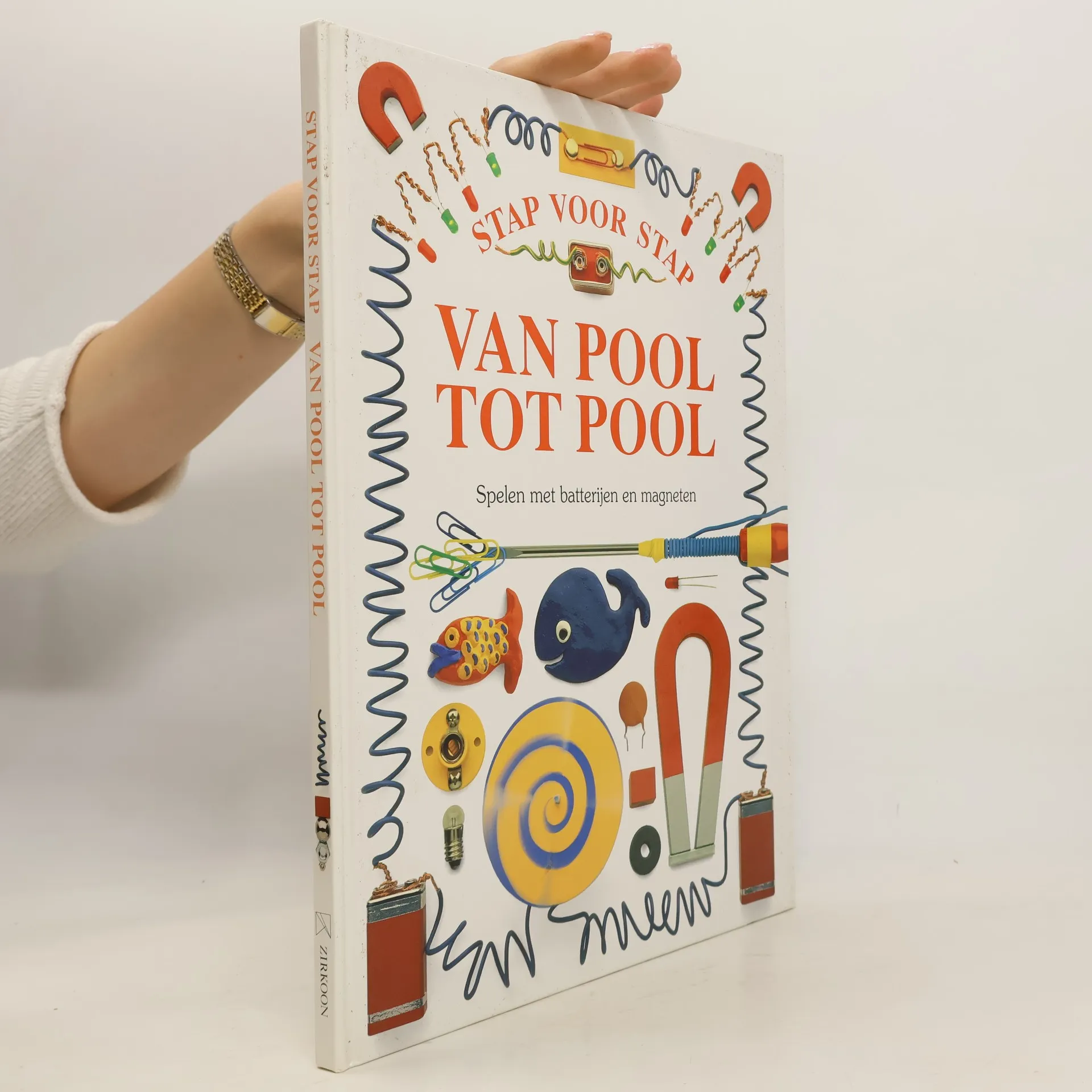
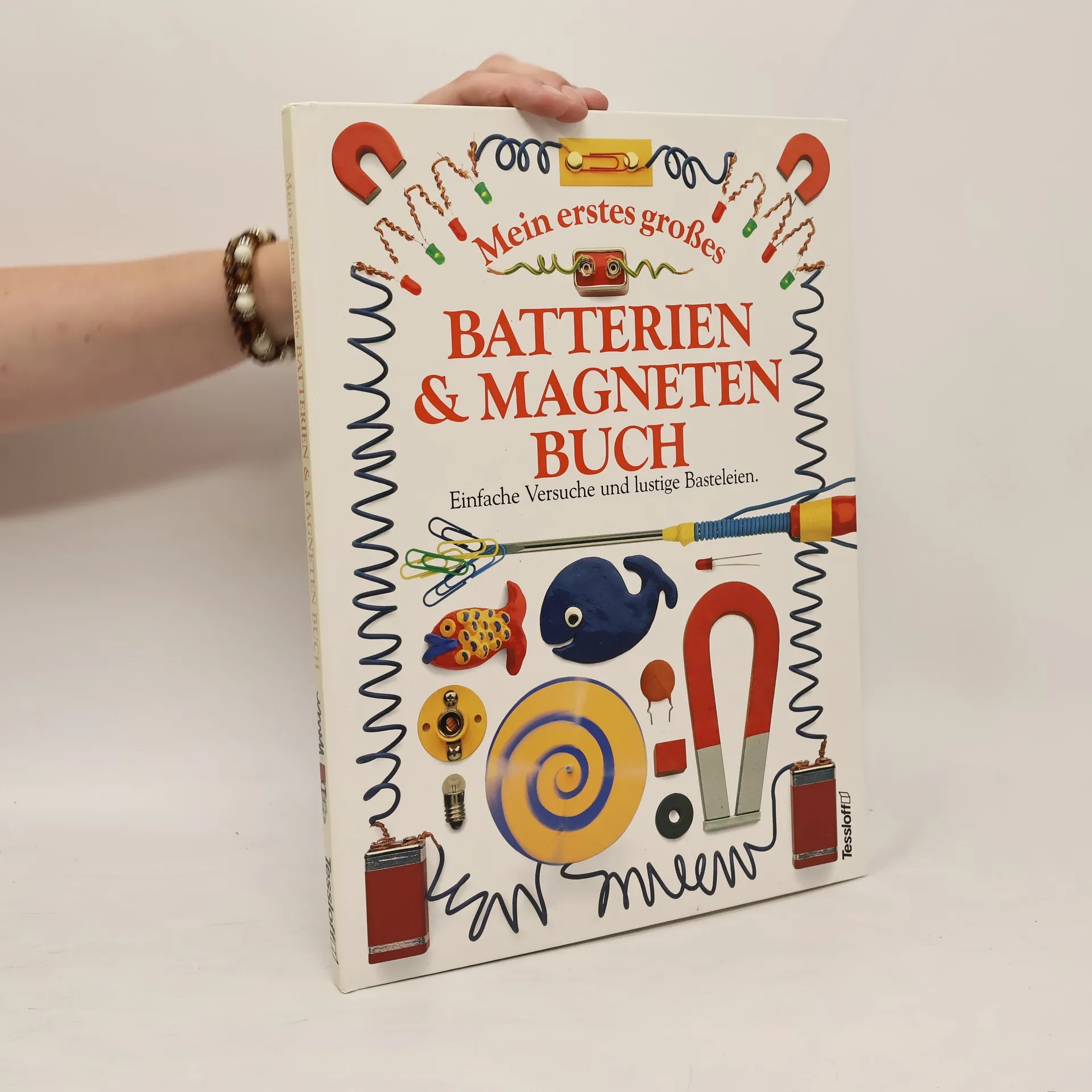
Ausführliche Anleitungen zum Bau elektrischer Geräte - von einfachen Spielen mit dem Magnetismus bis zum Radioempfänger
SCHLAGWÖRTERS: MuskelkraftS. FeuerS. WindkraftS. WasserkraftS. WärmeenergieS. ElektromagnetismusS. ThermodynamikS. StromerzeugungS. WellenkraftS. KernenergieS. SonnenenergieS. PhotosyntheseS. ErdölS