

W 987 r., po śmierci ostatniego władcy z dynastii Karolingów, francuscy lordowie wybrali na króla Hugona Kapeta. Zapoczątkował on dynastię, która rządziła Francją do 1328 r. Podczas jej rządów postępował proces scalania francuskich terytoriów i wzmacniania władzy królewskiej, którego kulminacja nastąpiła za rządów Filipa II Augusta oraz Ludwika IX Świętego. Kapetyngowie umacniali się nawet wtedy, gdy pozornie czynili dwa kroki w tył, głównie dzięki fascynującym, silnym i najwybitniejszym władcom epoki Ludwikowi Świętemu czy Filipowi Augustowi. Bradbury prezentuje ich niełatwe relacje z feudałami i Kościołem w sposób chronologiczny, regularnie przykładając szkło powiększające do obszarów pomijanych czasem przez innych badaczy. Opisuje również, jak reformy gospodarcze i administracyjne wpływały na przeciętnego mieszkańca Francji. Regularnie powraca też w rozważaniach do Paryża, który prócz centrum intelektualnego stał się także stolicą literatury, sztuki i kultury. Tamtejszy uniwersytet nie poradziłby sobie bez poparcia korony, której pomoc opłaciła się sowicie z niejednego względu.
Jim Bradbury Reihenfolge der Bücher (Chronologisch)
Jim Bradbury ist ein britischer Historiker, der sich auf die Militärgeschichte des Mittelalters spezialisiert hat. Seine Arbeit konzentriert sich auf die detaillierte Analyse von Schlachten, Militärstrategien und der Organisation von Armeen dieser Zeit. Bradburys Ansatz zeichnet sich durch seine Präzision und sein Bemühen aus, die breiteren sozialen und politischen Kontexte militärischer Konflikte zu verstehen. Seine Einblicke in die mittelalterliche Militärgeschichte vermitteln den Lesern ein tiefes Verständnis dieser faszinierenden Epoche.


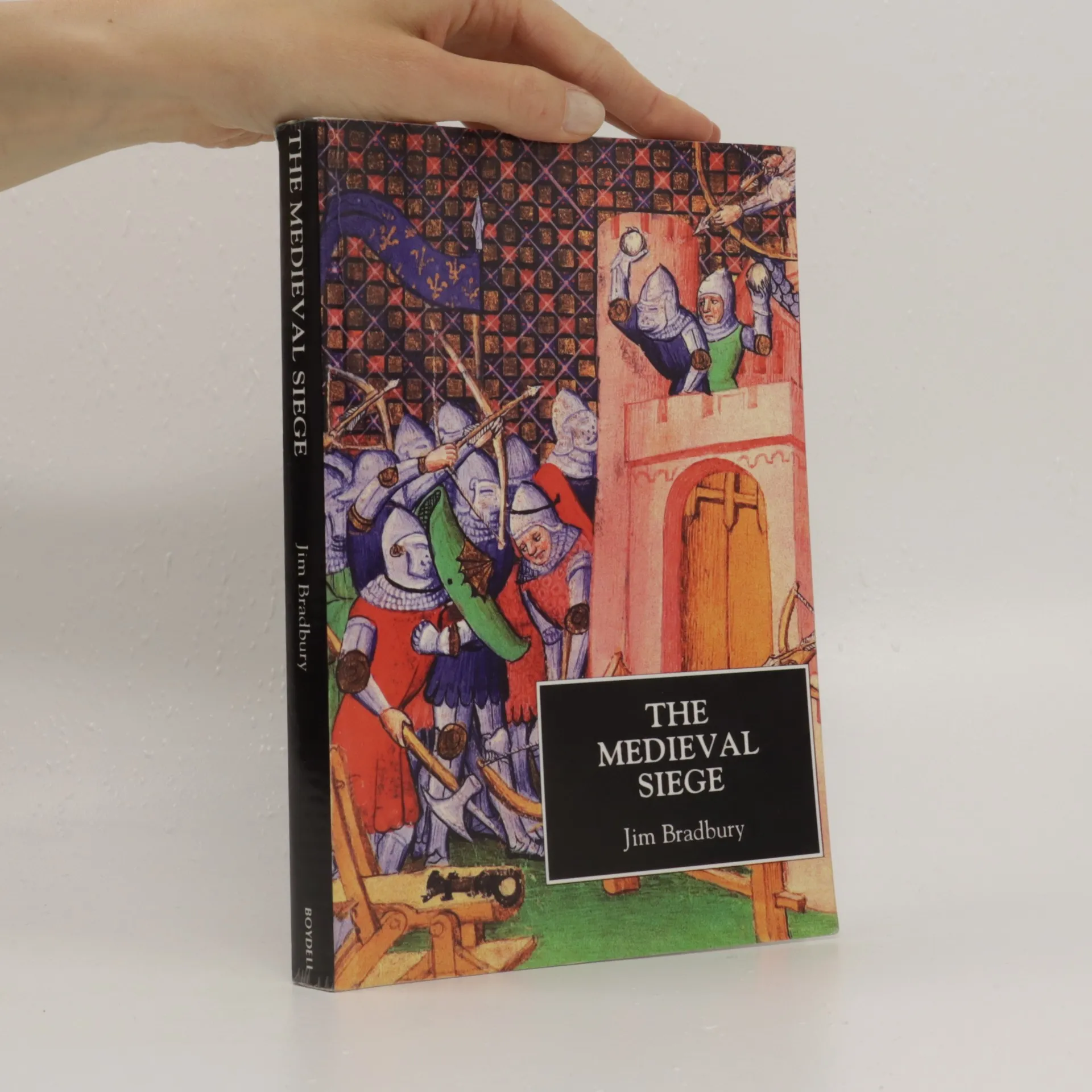

In medieval warfare, the siege predominated: for every battle, there were hundreds of sieges. Yet the rich and vivid history of siege warfare has been consistently neglected. Jim Bradbury's panoramic survey takes the history of siege warfare in Europe from the late Roman Empire to the 16th century, and includes sieges in Byzantium, Eastern Europe and the areas affected by the Crusades. Within this broad sweep of time and place, he finds, not that enormous changes occurred, but that the rules and methods of siege warfare remained remarkably constant. Included are detailed studies of some of the major sieges including Constantinople and Chateau-Gaillard. Throughout, Bradbury supports his narrative with chronicles and letters. irst-hand accounts of danger, famine and endurance bring the acute reality of siege warfare clearly before the reader.
Stephen and Matilda
The Civil War of 1139-53
Focuses on military aspects of the civil war and the battle for the English crown that dominated Stephen's reign. Details the various campaigns, battles, and sieges, including the two major battles at the Standard and Lincoln. Draws on the numerous chronicles to comment on the strategy, tactics, technology in arms and armor, and the improvements the period saw in fortifications. A paper edition of the 1996 publication. Distributed in the US by Books International. Annotation c. by Book News, Inc., Portland, Or.
This is the first major study in English of the reign of Philip Augustus who ruled France from 1180 - 1223. Outshone for posterity, by his flamboyant contemporaries, the Angevin family of Henry II and his feuding sons, Philip was in fact far more successful than any of them, astutely playing them off against each other and recovering for the French crown their vast estates in Northern France including Normandy itself. As well as reasserting the power of the Capetian monarchy, he was also leader of the Third Crusade. Drawing together all the threads in the life of one of France's most forceful rulers, this new study offers a study of the nature of monarchy in late medieval Europe as well as an insight into a subtle and secretive personality.