
James Wright ist ein angesehener Historiker und ehemaliger Präsident des Dartmouth College. Seine Karriere ist geprägt von einem tiefen Engagement für Veteranen, inspiriert durch seinen eigenen Militärdienst und seine anschließende Arbeit mit verwundeten Soldaten. Wright hat maßgeblich an der Entwicklung von Bildungsprogrammen und Initiativen mitgewirkt, die darauf abzielen, Veteranen bei der Rückkehr ins zivile Leben und der Aufnahme eines Hochschulstudiums zu unterstützen. Sein Engagement hat das Leben unzähliger Veteranen maßgeblich beeinflusst und sichergestellt, dass sie Zugang zu den ihnen zustehenden Ressourcen und Möglichkeiten haben.
Vol. 5 “Spring: The Good Dine Young” collects issues 13-15 of Nutmeg. Here, in the series finale, with Saffron seemingly triumphant, and with Anise and Ginger’s investigation closing in on its target, Poppy and Cassia have a few surprises left before the kitchen closes for good.
The lone wolf finally finds her pack!After years of growing up in the wild, Lupa finally encounters her destiny and finds her tribe. Far in the mountains, the monks at the mysterious monastery welcome Lupa into a world she never expected and introduce her to her true sisters. Each of the young women represents a different aspect of the same goddess, and each of them will have to learn to work together in order to save their world!As Lupa uncovers the secrets of her past, where she comes from and who she really is, she finds herself enmeshed in a story bigger than she could imagine. From the evil empress Salkis to the imprisoned goddess Corasina – the fullness of Lupa’s destiny becomes clear!
In the coastal town of Kote, recently brought under the yoke of the Addalian Empire, four-year-old Lupa spends her days getting bullied by her older sister and hiding behind her mother's skirts. But when tragedy strikes, Lupa finds herself alone in a new world... alone until she's found by the she-wolf, Coras, and sets off on a journey of discovery... and revenge.
"War and American Life is a book of essays and reflections of a veteran and a historian who has been an advocate and a teacher/scholar. It considers American veterans and how our society needs to understand who they are and what they have done-and the responsibilities that follow this recognition"--
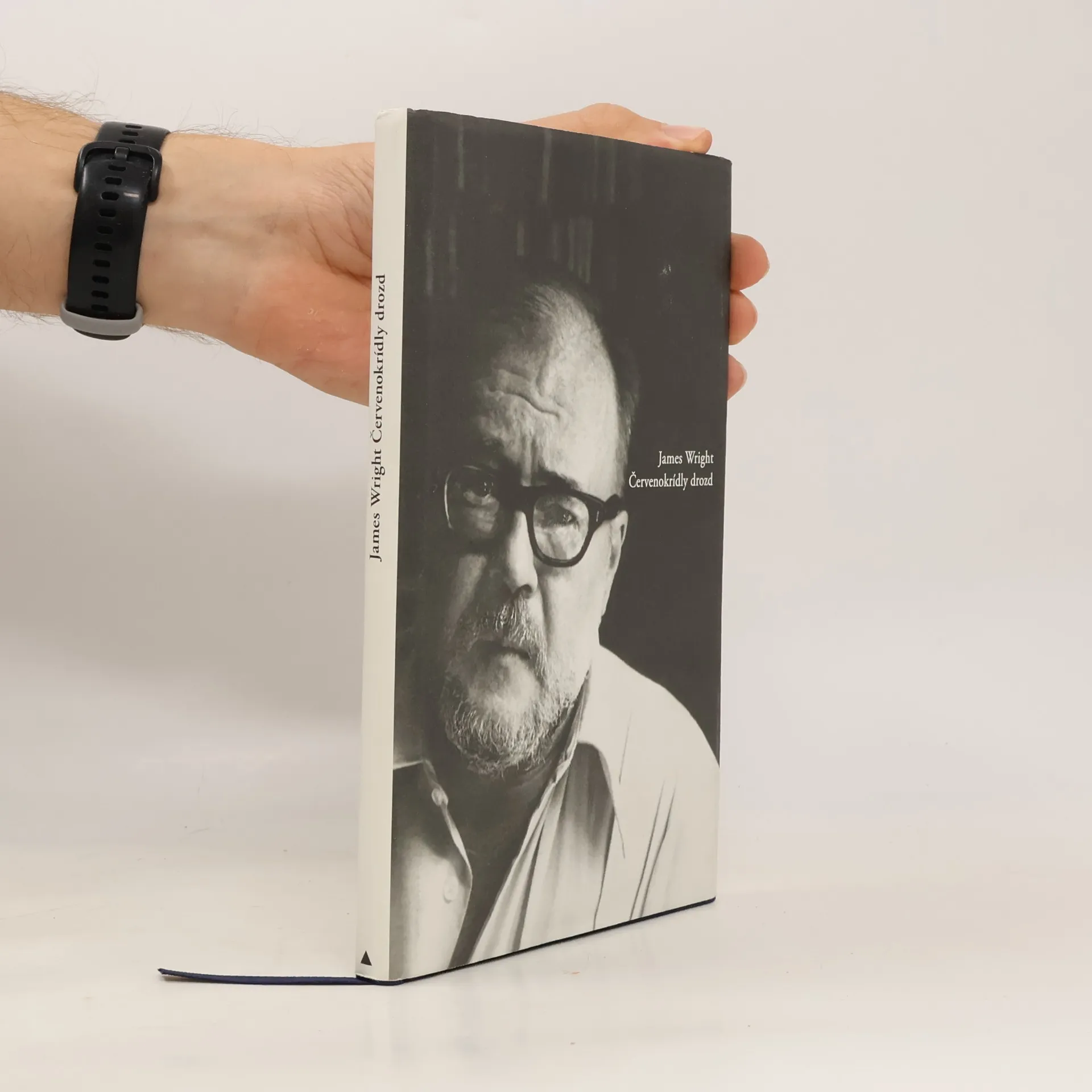
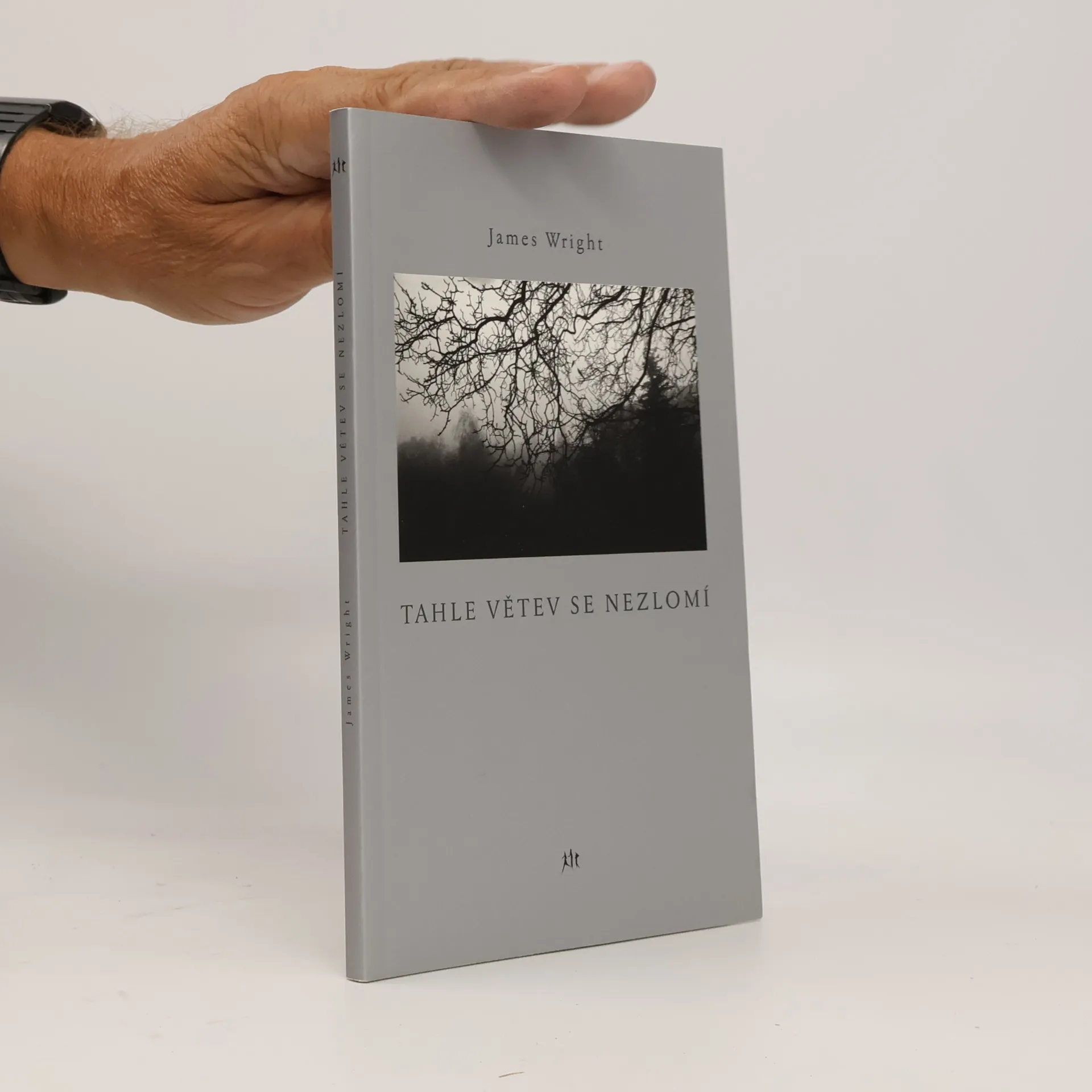
Ginsbergovo Kvílení a následný skandální soudní proces? Ferlinghettiho sbírka Lunapark v hlavě, která postupně dosáhne nákladu milion výtisků? Básníci, kteří odmítají své verše tisknout a chtějí je posluchačům za podpory jazzových skupin raději jen veřejně deklamovat. Do takové atmosféry vstupuje v roce 1963 sbírka nenápadného názvu autora nenápadného jména: The branch will not break/Tahle větev se nezlomí v té době šestatřicetiletého Jamese Wrighta. Obsahuje zhruba pětačtyřicet většinou kratších básní, témata jsou především přírodní, výrazně řidčeji sociální a zcela výjimečně snad až dobově politická. Kdyby měli studenti americké literatury najít mezi některou z beatnických sbírek a Wrightovými verši co nejvíc rozdílů, nemohli by dostat snadnější úkol. Tam, kde je dobový kontext mnohomluvný, sebevědomý a společenský, tam je Wright tichý, pokorný a niterný. Tam, kde beatnici osočují a šokují, Wright šeptá a konejší. Básník v první řadě konejší svou rozbolavěnou duši? právě ve verších nachází ochranu před samotou, smrtí a temnotou. Přitom právě slovo dark se stává nejčastěji užívaným Wrightovým výrazem. Své neurózy a chmury před čtenářem nezastírá, neskrývá je pod lacinou pastorální lyriku, na druhé straně se jimi ani nepyšní, nehonosí se možností vypsat se z nich. Básník s nimi žije. Žije jim navzdory.
James Wright (1927–1980), výnimočný hlas americkej poézie druhej polovice 20. storočia. V čase, keď jeho generační druhovia, beatnici, písali hlučnú, až škandalóznu poéziu, ponúkol svoje tiché, krehké verše, ktoré si postupne získavali uznanie odbornej kritiky i srdcia čoraz väčšieho počtu čitateľov.
Za svoje Zobrané básne (Collected Poems) získal v roku 1972 Pulitzerovu cenu. V knižnom preklade vychádza jeho poézia na Slovensku po prvý raz. Básne preložila a doslov napísala Mila Haugová.