Grenzen der Macht identifiziert eine tiefgreifende dreifache Krise, mit der Amerika konfrontiert ist: Die Wirtschaft, in bemerkenswerter Unordnung, kann nicht länger durch Expansion im Ausland repariert werden; die Regierung, transformiert durch eine imperiale Präsidentschaft, ist nur noch in Form eine Demokratie; das US-Engagement in endlosen Kriegen, getrieben von einer tiefen Verliebtheit zur Militärmacht, war eine Katastrophe für den politischen Körper. Diese drängenden Probleme bedrohen uns alle, Republikaner und Demokraten. Um seine Schwierigkeiten zu lösen, benötigt die Nation die Wiederbelebung eines eindeutig amerikanischen Ansatzes: die vernachlässigte Tradition des Realismus. Andrew J. Bacevich, der über das politische Spektrum hinweg einzigartig respektiert wird, bietet eine historische Perspektive auf die Illusionen, die die amerikanische Politik seit 1945 geprägt haben. Der Realismus, den er vorschlägt, umfasst Respekt vor Macht und ihren Grenzen; Sensibilität für unbeabsichtigte Folgen; Abneigung gegen Ansprüche auf Ausnahmestellung; Skepsis gegenüber einfachen Lösungen, insbesondere solchen, die Gewalt beinhalten; und die Überzeugung, dass die Bücher ins Gleichgewicht kommen müssen. Nur eine Rückkehr zu solchen Prinzipien, argumentiert Bacevich, kann gemeinsamen Boden bieten, um Amerikas dringende Probleme zu lösen, bevor der Schaden irreparabel wird.
Andrew Bacevich Bücher
Andrew J. Bacevich ist ein renommierter Autor und Professor, dessen Werke sich mit den komplexen Fragen der amerikanischen Außenpolitik und des Militarismus auseinandersetzen. Mit seiner reichen Erfahrung aus Militärdienst und akademischer Laufbahn bietet er tiefgründige Einblicke in die Geschichte und den gegenwärtigen Zustand der amerikanischen Macht weltweit. Seine Analysen zeichnen sich durch einen tiefen historischen Kontext und eine kritische Untersuchung langfristiger Trends aus, die Amerikas Rolle auf der Weltbühne prägen. Leser schätzen seine Fähigkeit, Militärgeschichte mit politischen Realitäten zu verbinden und die Wurzeln der US-Außenpolitik aufzudecken.





Tough-minded, bracing, and intelligent, Andrew J. Bacevich presents a compelling challenge to the prevailing belief that American security hinges on a permanent military presence worldwide. Hailed as "brilliant," he critiques the bipartisan consensus that has dominated U.S. foreign policy for decades, arguing it has outlived its relevance. With sharp analysis, Bacevich dismantles the assumptions that underpin this faith in military power, particularly the idea that overwhelming strength will ensure compliance with U.S. interests, whether for resources or economic gain. He advocates for a reevaluation of the principles guiding American policy, emphasizing that domestic issues, such as revitalizing Detroit, should take precedence over foreign military engagements like Afghanistan. As America faces the consequences of its militaristic approach—both unaffordable and perilous—Bacevich insists that replacing the entrenched Washington consensus is vital for the nation's future and could be key to its salvation.
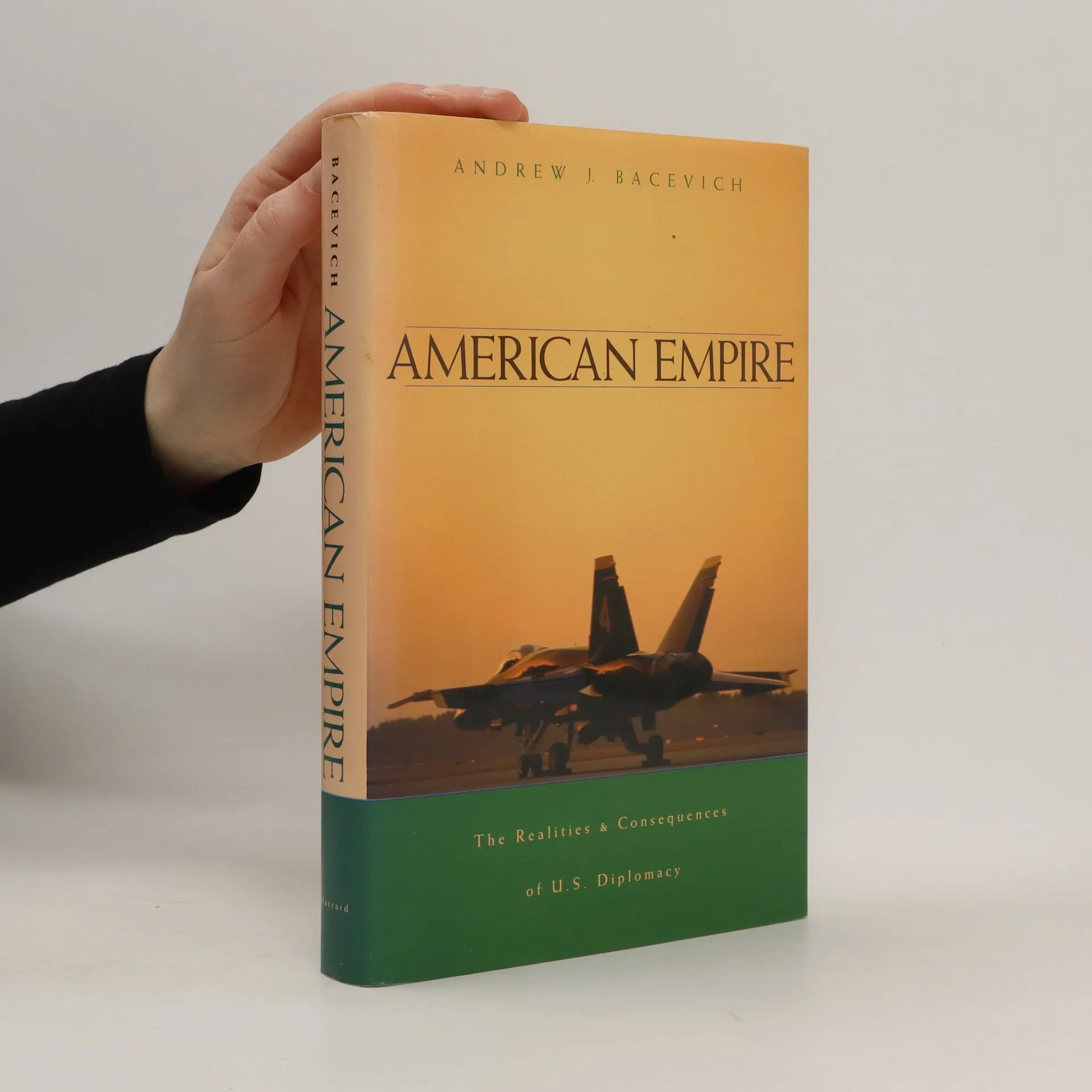
International relations expert Andrew Bacevich reconsiders the assumptions and purposes governing the exercise of American global power. He finds that successive post-Cold War administrations have adhered to a well-defined "strategy of openness." Motivated by the imperative of economic expansionism, that strategy aims to foster an open and integrated international order, thereby perpetuating the undisputed primacy of the world's sole remaining superpower. Moreover, openness has been an abiding preoccupation of policymakers as far back as Woodrow Wilson. Although based on expectations that eliminating barriers to the movement of trade, capital, and ideas nurtures not only affluence but also democracy, the aggressive pursuit of openness has met considerable resistance. To overcome that resistance, U.S. policymakers have with increasing frequency resorted to force, resulting in the progressive militarization of U.S. foreign policy. Bacevich maintains that this drive for openness is in fact aimed at erecting a global imperium.--From publisher description
After the Apocalypse
- 224 Seiten
- 8 Lesestunden
The purpose of U.S. foreign policy has, at least theoretically, been to keep Americans safe. As we confront a radically changed world, it has become indisputably clear that the terms of that policy have failed. Washington's insistence that a market economy is compatible with the common good, its faith in the idea of the "West" and its "special relationships," its conviction that global military primacy is the key to a stable and sustainable world order-- these have brought endless wars and a succession of moral and material disasters. Bacevich lays down a new approach, based on moral pragmatism, mutual coexistence, and war as a last resort. His vision calls for nothing less than a profound overhaul of our understanding of national security. -- adapted from back cover.
The Case for Withdrawal from Afghanistan
- 208 Seiten
- 8 Lesestunden
The book features insights from leading commentators who analyze the complexities of the Afghan conflict, drawing parallels with earlier British and Soviet occupations. It delves into the strategic missteps, cultural misunderstandings, and the broader implications of foreign interventions in Afghanistan, providing a comprehensive overview of the historical context and lessons learned from these military endeavors.
The Tragedy of American Diplomacy
- 384 Seiten
- 14 Lesestunden
The book offers a profound analysis of American foreign policy, examining the ideological and economic factors that fueled expansion and intervention from the 19th century through the Cold War. It highlights the connections between historical events, such as the interventions in Vietnam and Iraq, and the underlying beliefs that shaped U.S. actions. William Appleman Williams's insights remain relevant, particularly in light of contemporary geopolitical events in Central Asia and the Persian Gulf, making this work a significant contribution to understanding American imperialism.
The Irony of American History
With a New Introduction by Andrew J. Bacevich - "One of My Favorite Philosophers." President Barack Obama
- 198 Seiten
- 7 Lesestunden
Forged during the tumultuous but triumphant postwar years when America came of age as a world power, The Irony of American History is more relevant now than ever before. Cited by politicians as diverse as Hillary Clinton and John McCain, Niebuhr's masterpiece on the incongruity between personal ideals and political reality is both an indictment of American moral complacency and a warning against the arrogance of virtue. Impassioned, eloquent, and deeply perceptive, Niebuhr's wisdom will cause readers to rethink their assumptions about right and wrong, war and peace.