

Donald Norman Bücher
Donald Norman konzentriert sich auf die Psychologie und das Design von Produkten. Seine Arbeit untersucht, wie Menschen mit ihrer Umwelt interagieren und wie Design verbessert werden kann, um intuitiver und angenehmer zu sein. Er betont die Verbindung von Emotion und Design, was zu Produkten führt, die nicht nur funktional, sondern auch erfreulich sind. Sein Ansatz versucht, Herz und Verstand zu verbinden, um bessere Benutzererlebnisse zu schaffen.


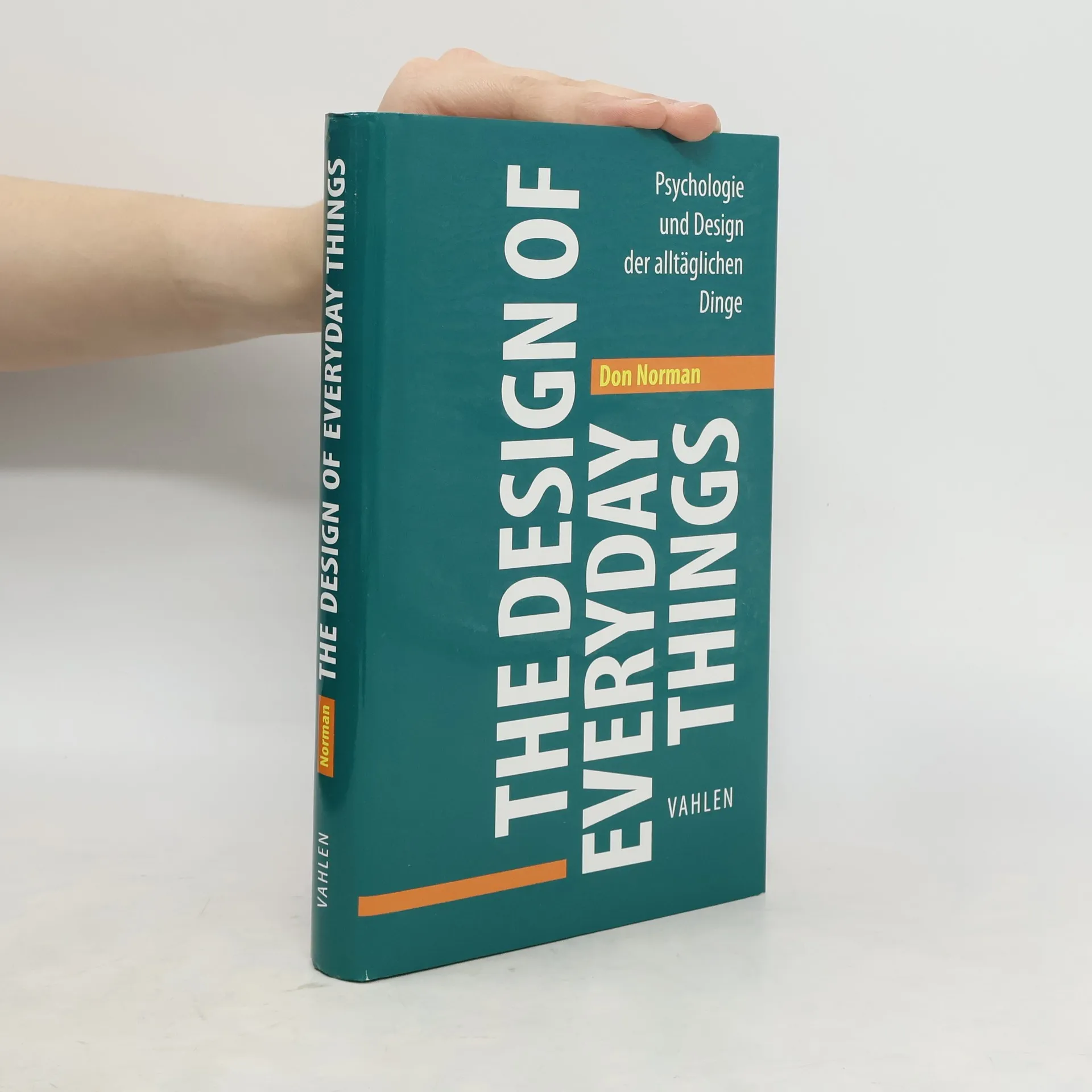
The Design of Everyday Things
Psychologie und Design der alltäglichen Dinge
Gutes Design ist heute entscheidend für den Erfolg von Produkten, wie Beispiele von Apple, Audi und Samsung zeigen. Dieser Klassiker erläutert die grundlegenden Prinzipien, um alltägliche Gegenstände in unterhaltsame und zufriedenstellende Produkte zu verwandeln. Don Norman betont die Notwendigkeit eines Zusammenspiels von Mensch und Technologie, wobei die Bedürfnisse und Fähigkeiten der Nutzer im Mittelpunkt stehen sollten. Das Werk bietet eine spannende Einführung für Designer, Marketer und Produktentwickler sowie für alle, die sich für gutes Design interessieren. Don Norman ist emeritierter Professor für Kognitionswissenschaften und hat an renommierten Universitäten gelehrt. In den 1990er Jahren leitete er die Advanced Technology Group bei Apple, wo er den Begriff der User Experience prägte, um eine umfassende Anwendererfahrung zu fördern. Als Mitbegründer der Nielsen Norman Group hat er zahlreiche Unternehmen, darunter BMW und Toyota, beraten. Seine Expertise im menschenzentrierten Design wird weithin anerkannt: „Keiner kommt an Don Norman vorbei, wenn es um Fragen zu einem Design geht, das sich am Menschen orientiert.“ (Brand Eins 7/2013) Tom Peters beschreibt das Buch als unterhaltsam und von größter Bedeutung für den Wettbewerbsvorteil im Design.
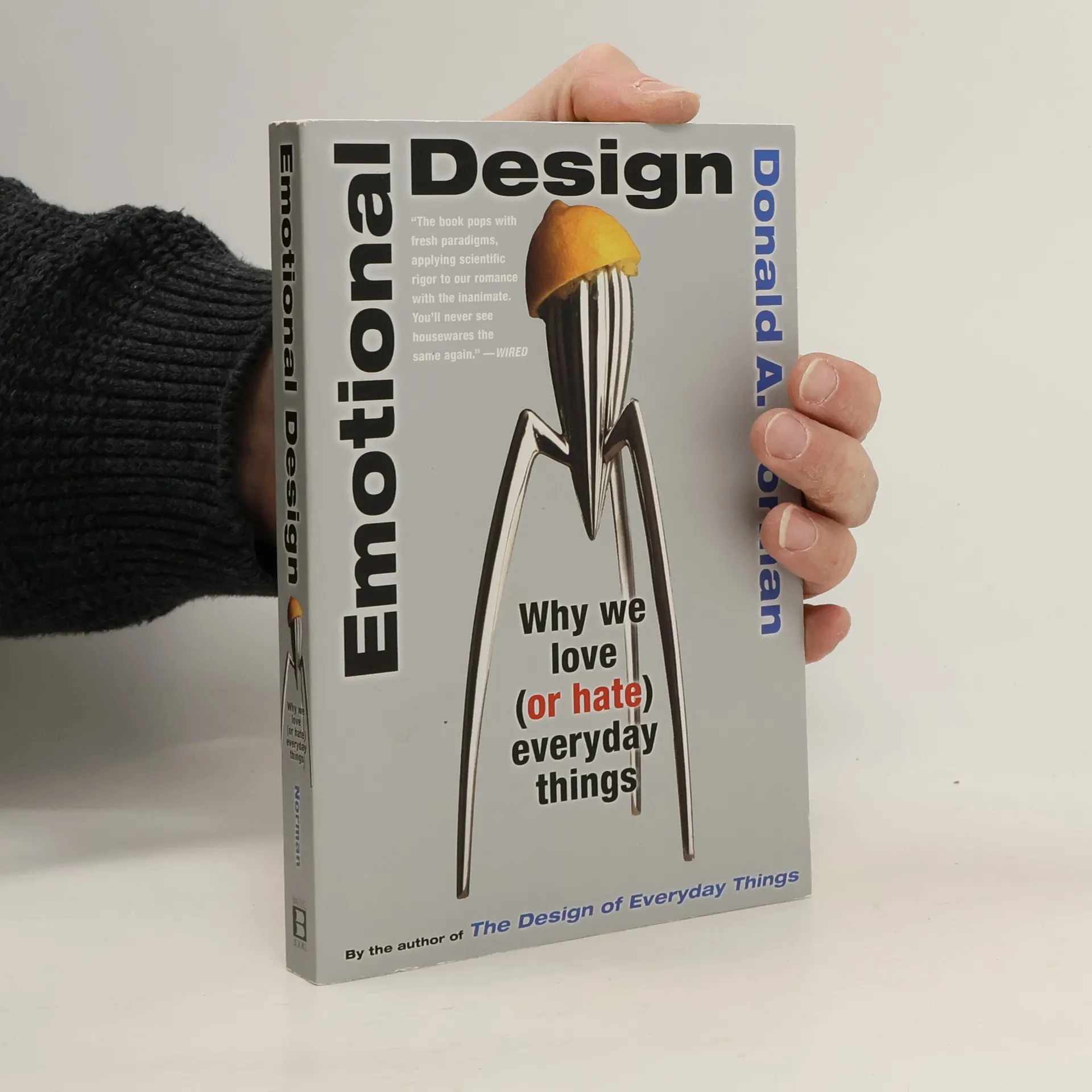
Emotional Design : Why We Love (Or Hate) Everyday Things
- 257 Seiten
- 9 Lesestunden
"Did you ever wonder why cheap wine tastes better in fancy glasses? Or why washing and polishing your car seems to make it drive better? New research has shown that attractive things really do work better." "In the last decade, the design community has made products easier to use, largely due to Donald Norman's The Design of Everyday Things. But as he demonstrates in this book, we don't just use a product, we become emotionally involved with it. Emotional Design demonstrates for the first time the profound influence of this deceptively simple idea." "Don Norman draws on a wealth of examples and the very latest scientific insights in this exploration of the emotional impacts of objects in our everyday world. His The Design of Everyday Things showed why the products we use should not be confusing, irritating, and frustrating. Emotional Design explains why they must also be attractive, pleasurable, and fun."--Jacket
Things That Make Us Smart
- 304 Seiten
- 11 Lesestunden
In Things That Make Us Smart, Donald A. Norman explores the complex interaction between human thought and the technology it creates, arguing for the development of machines that fit our minds, rather than minds that must conform to the machine.Humans have always worked with objects to extend our cognitive powers, from counting on our fingers to designing massive supercomputers. But advanced technology does more than merely assist with thought and memory—the machines we create begin to shape how we think and, at times, even what we value. Norman, in exploring this complex relationship between humans and machines, gives us the first steps towards demanding a person-centered redesign of the machines that surround our lives.
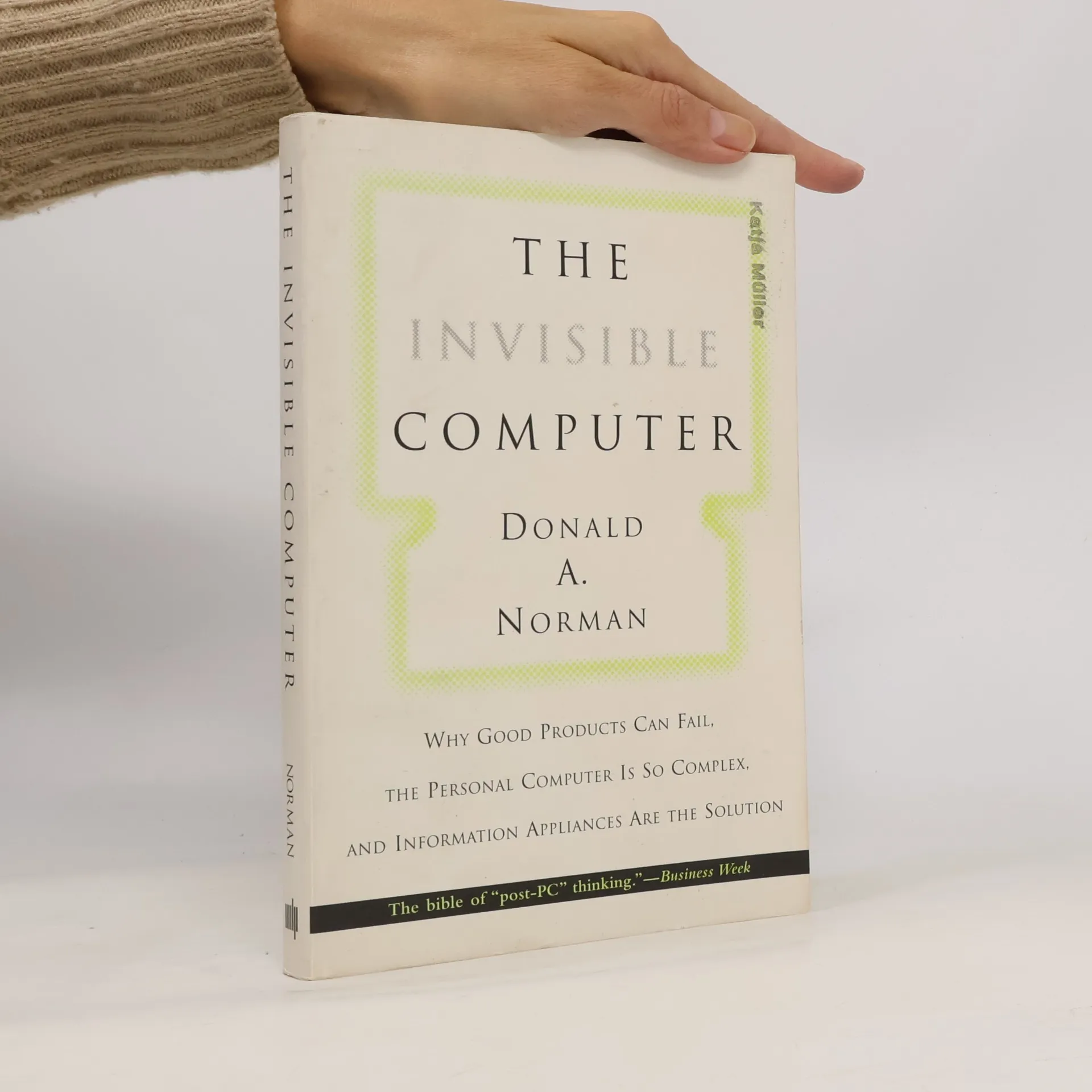
The invisible computer
- 316 Seiten
- 12 Lesestunden
This text argues that companies must start with an understanding of people in relation to the development of products: user needs first, technology last - the opposite of how things are done now.
How human behavior brought our world to the brink, and how human behavior can save us. The world is a mess. Our dire predicament, from collapsing social structures to the climate crisis, has been millennia in the making and can be traced back to the erroneous belief that the earth's resources are infinite. The key to change, says Don Norman, is human behavior, covered in the book's three major themes: meaning, sustainability, and humanity-centeredness. Emphasize quality of life, not monetary rewards; restructure how we live to better protect the environment; and focus on all of humanity. Design for a Better World presents an eye-opening diagnosis of where we've gone wrong and a clear prescription for making things better. Norman proposes a new way of thinking, one that recognizes our place in a complex global system where even simple behaviors affect the entire world. He identifies the economic metrics that contribute to the harmful effects of commerce and manufacturing and proposes a recalibration of what we consider important in life. His experience as both a scientist and business executive gives him the perspective to show how to make these changes while maintaining a thriving economy. Let the change begin with this book before it's too late.
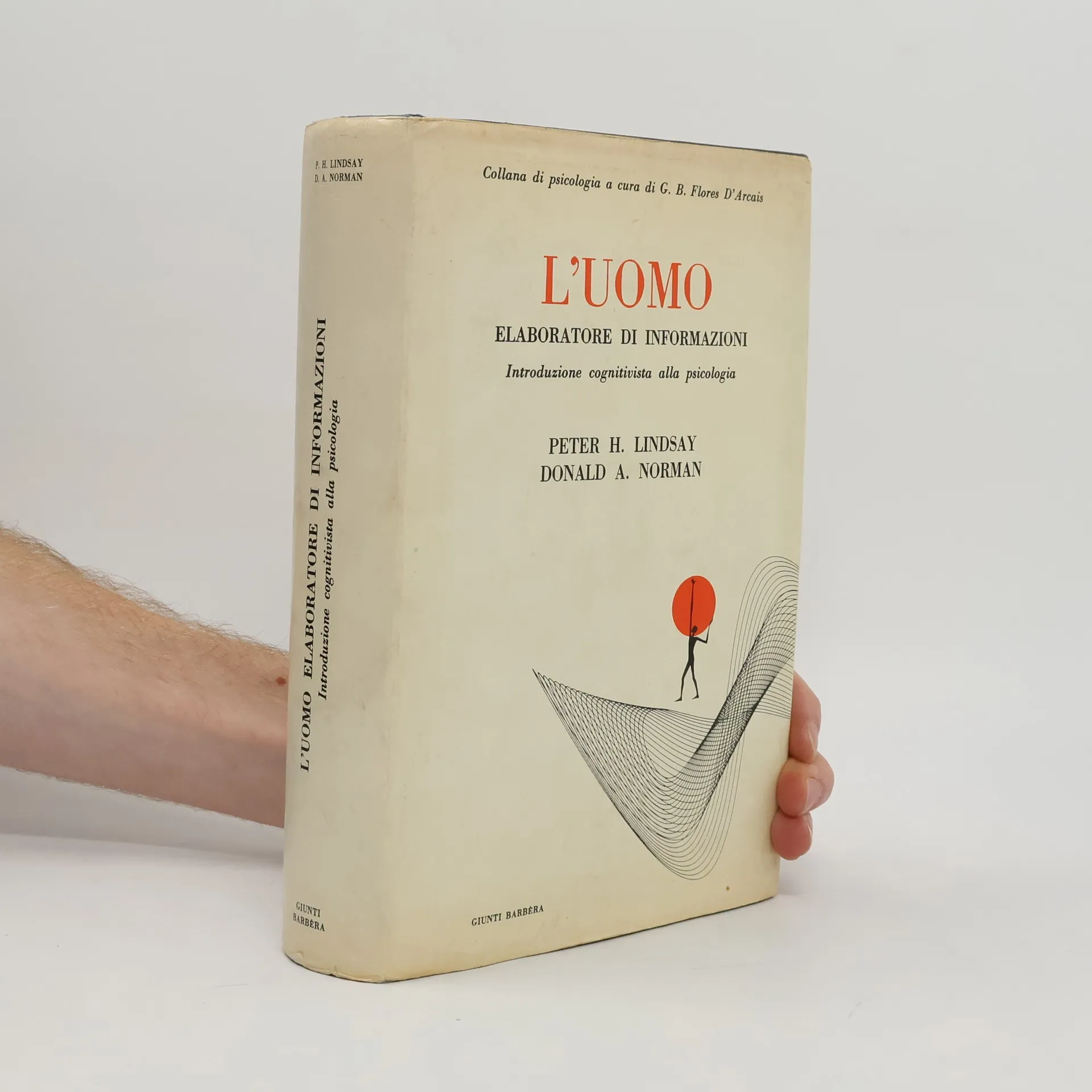
Series: Series in Psychology Paperback: 262 pages Publisher: Wiley; 2 edition (May 6, 1976) Language: English ISBN-10: 0471651370 ISBN-13: 978-0471651376 Product Dimensions: 8.9 x 5.8 x 0.6 inches