Harvey Sacks's early death in 1975 robbed the social sciences of one of its most original thinkers. Although he published relatively little in his lifetime, his lectures and papers were enormously influential in sociology and sociolinguistics, and they played a major role in the development ofethnomethodology and conversation analysis. The recent publication of Sacks's Lectures on Conversation has provided an excellent opportunity for a wide-ranging reassessment of his contribution.In this new book, David Silverman provides a clear introduction to Sacks's work and reassesses its value for sociology, linguistics, anthropology, and psychology. Using a variety of examples, he explains Sacks's ideas on method, language and talk-interaction. He argues that Sack's work offers ahighly original perspective on language and social life and raises fundamental questions for the social sciences--questions which, after more than twenty years, remain vitally important and largely unanswered.Written in a lively and accessible way, this book will be of particular interest to students of sociology, sociolinguistics, social theory and method, but it will also be of interest to students and researchers in anthropology, psychology, and related disciplines.
David Silverman Bücher
David Silverman ist ein renommierter Autor, dessen Werk tief in das Wesen der Organisationstheorie und der qualitativen Forschungsmethoden eintaucht. Sein Ansatz untersucht, wie komplexe soziale Interaktionen und Entscheidungsprozesse dekonstruiert und verstanden werden können. Silvermans Veröffentlichungen konzentrieren sich darauf, die Nuancen der Kommunikation in verschiedenen Umgebungen aufzudecken, von Personalabteilungen bis hin zu Gesundheitseinrichtungen. Sein Einfluss liegt in der Verdichtung komplexer Forschungsmethoden für ein breiteres Verständnis.



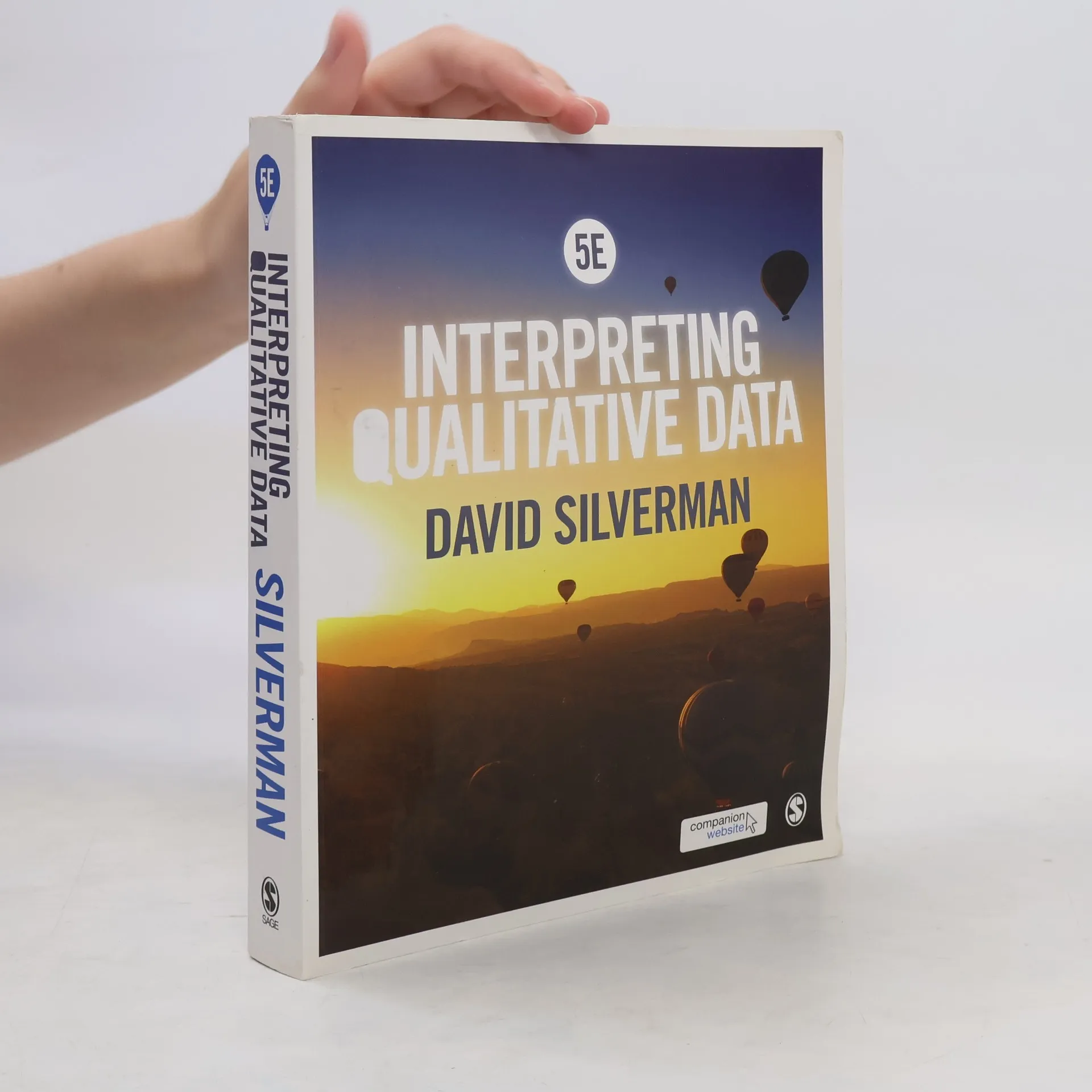

Interpreting Qualitative Data - 5E
- 520 Seiten
- 19 Lesestunden
In this fifth edition, David Silverman, a leading figure in qualitative research, guides readers through the essentials of gathering and analyzing qualitative data. The text provides beginners with hands-on guidance to maximize their research methods course or project. Key updates include a streamlined structure for easier navigation through the research process, a new chapter addressing the question of how many cases are needed in case-study research, and fresh material on conducting qualitative research online and the associated ethical considerations. Additional sections explore organizational documents and everyday life documents, such as blogs and diaries. The edition features a variety of recent case studies from disciplines like business, education, social work, geography, and health studies. A revamped companion website offers extra resources for both students and lecturers. This edition is an ideal resource for those new to qualitative research. It is also available with Perusall, an innovative eBook platform that enhances class preparation through social annotation tools, allowing collaborative markup and discussion of the text. This approach, supported by research and technological advancements from Harvard University, promotes student engagement and facilitates effective teaching.
This Land Is Their Land
- 528 Seiten
- 19 Lesestunden
Focusing on the Wampanoag Indians, Silverman deepens the narrative to consider tensions that developed well before 1620 and lasted long after the devastating war-tracing the Wampanoags' ongoing struggle for self-determination up to this very day. This unsettling history reveals why some modern Native people hold a Day of Mourning on Thanksgiving, a holiday which celebrates a myth of colonialism and white proprietorship of the United States
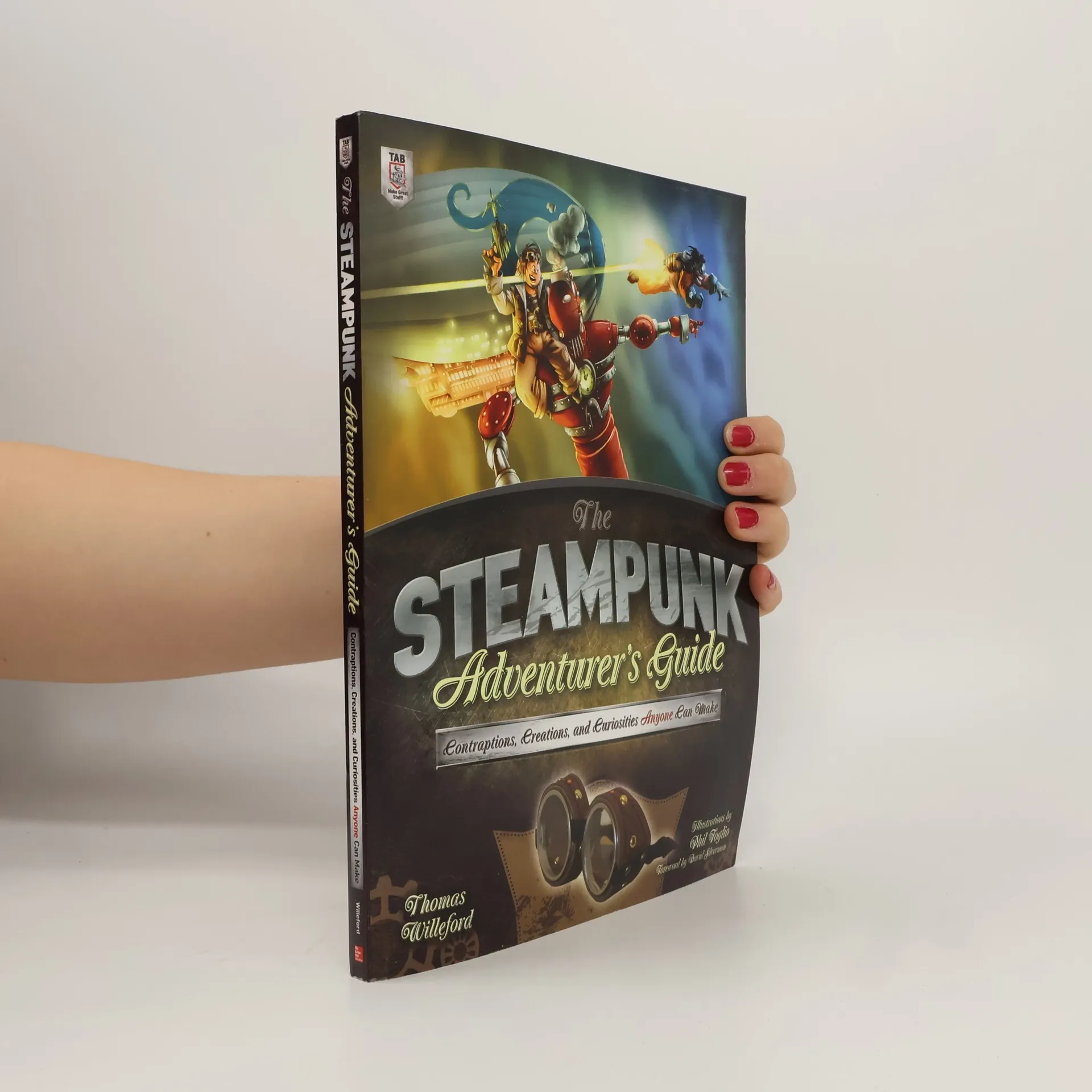
The Steampunk Adventurer's Guide: Contraptions, Creations, and Curiosities Anyone Can Make
- 240 Seiten
- 9 Lesestunden
Foreword§Introduction§Part the First: Before We Begin§Chapter 1: What Is Steampunk?§Chapter 2: Tools of the Modern Mad Scientist...and Materials, Too§Chapter 3: You'll Shoot Your Eye Out!§Part the Second: The Story§Chapter 4: Decoder Armguard: Wherein our heroes get the message§Chapter 5: Signaling Periscope: Wherein our heroes pass the message along§Chapter 6: Goggles: Wherein our heroes prepare for a trip§Chapter 7: Grappling Hook Launcher: Wherein our heroes get a lift§Chapter 8: Airship Harness: Wherein our heroes fly by night§Chapter 9: Glider Wings: Wherein our heroes get separated§Chapter 10: Rivet Gun: Wherein our heroes get stranded§Chapter 11: Power Armor and Magnetic Amplification Gauntlet: Wherein our heroes are reunited§Chapter 12: Rocket Pack: Wherein our heroes visit their uncle§Chapter 13: Epilogue: Wherein our heroes escape§Part the Third: Hastily Scribbled Laboratory Notes§A. This Way Lies Madness§B. Dramatis Personae§C. For the Brilliant but Mathematically Challenged Mad Scientist§Final Thoughts§
Fighting God is a firebrand manifesto from one of the most recognizable faces of atheism. In his book, Silverman-a walking, talking atheist billboard known for his appearances on Fox News-discusses the effectiveness, ethics and impact of the in-your-face-atheist who refuses to be silent. Silverman argues that religion is more than just wrong: it is malevolent and does not deserve our respect. It is our duty to be outspoken and do what we can to bring religion down. Examining the mentality, methods and issues facing the firebrand atheist, Silverman presents an overwhelming argument for firebrand atheism and reveals: - All religion is cafeteria religion and almost all agnostics are atheists. - American society grants religion a privileged status, despite the intentions of the Founding Fathers. - Christian politicians have adversely (and un-Constitutionally) affected our society with regard to science, health, women's rights, and gay rights. - The notion of "atheist Jews" is a lie forced on us by religion. - It is not "Islamophobia" to observe dangerous teachings and disproportionate violence in Islam. - Atheists are slowly but surely winning the battle. Fighting God is a provocative, unapologetic book that takes religion to task and will give inspiration to non-believers and serve as the ultimate answer to apologists.
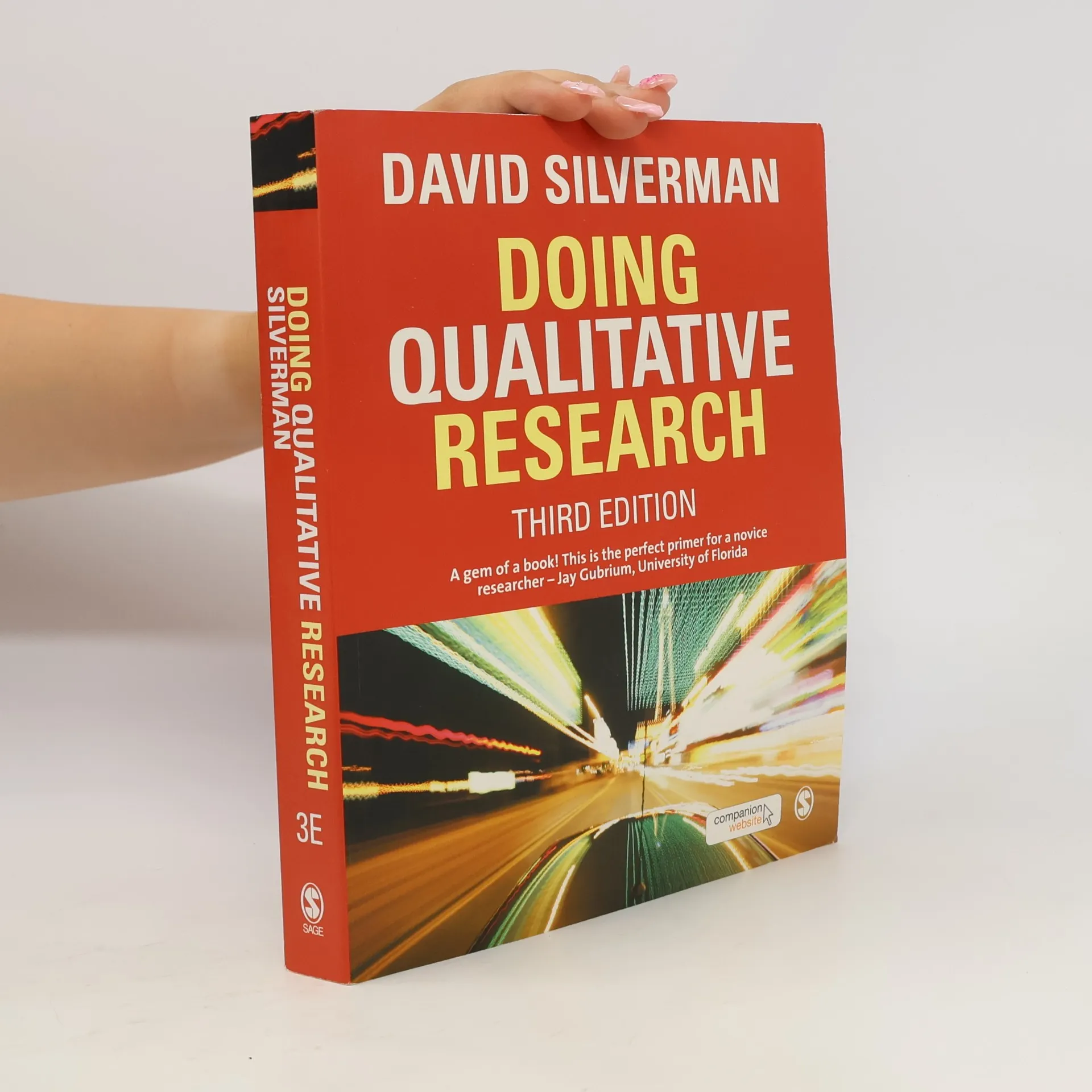
Doing Qualitative Research
- 656 Seiten
- 23 Lesestunden
This guide offers a practical, step-by-step approach to conducting qualitative research, emphasizing critical thinking and decision-making. It includes interactive workshops inspired by Silverman, designed to enhance your understanding of research methodologies and help you navigate your project effectively.
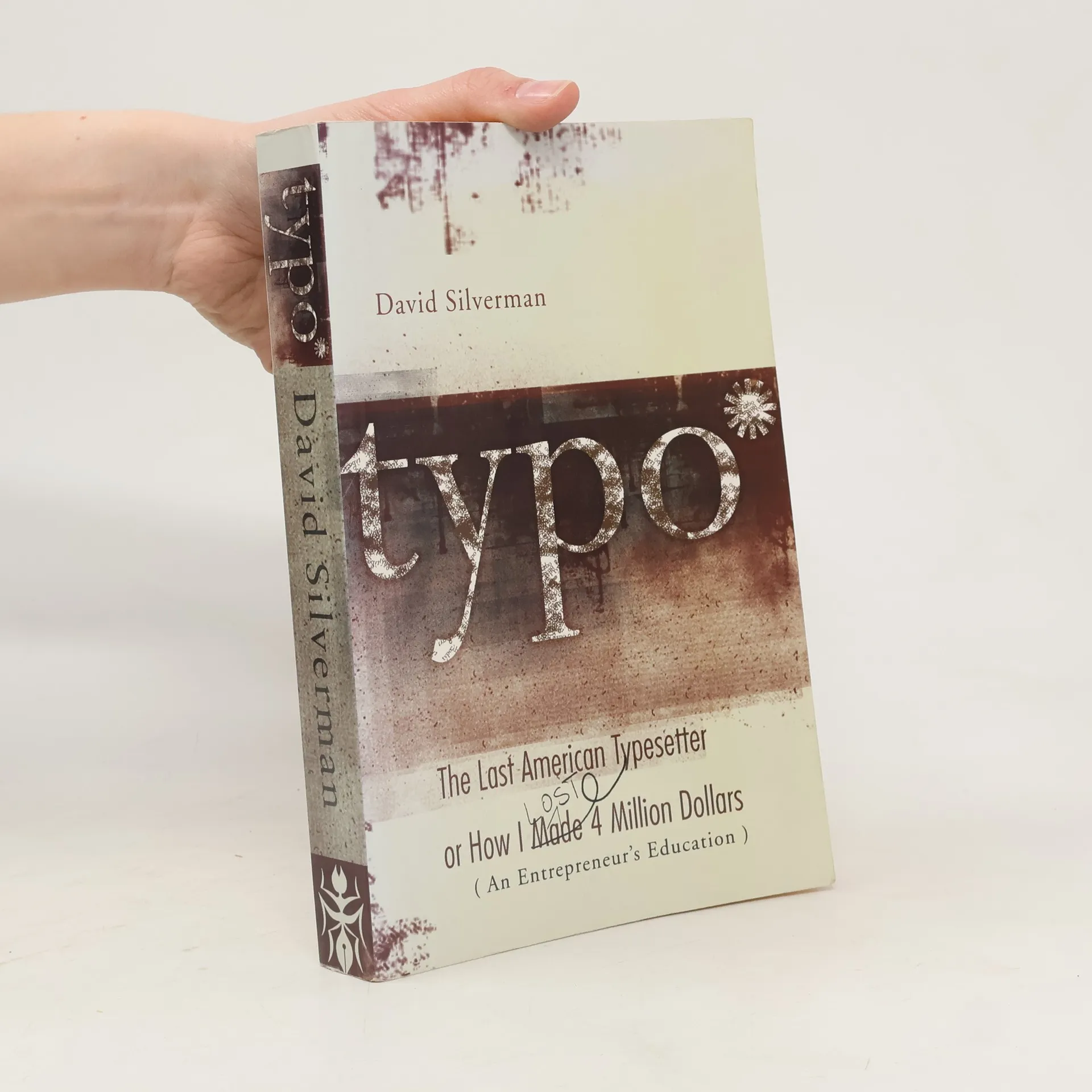
Typo: The Last American Typesetter or How I Made and Lost 4 Million Dollars
- 364 Seiten
- 13 Lesestunden
The narrative follows David Silverman as he embarks on an entrepreneurial journey with the Clarinda Typesetting company, exploring the highs and lows of business ownership. Amidst humor and tragedy, it reflects on the broader implications of industry decline and the challenges posed by shifting markets and outsourcing. The story serves as a cautionary tale for aspiring business owners, offering insights into the realities of capitalism and the fragility of success in American enterprise.
Embark on an adventurous journey through Iceland, exploring its stunning landscapes, unique culture, and vibrant communities. The book showcases breathtaking natural wonders, including geysers, waterfalls, and volcanic terrains, while also delving into the rich history and traditions of the Icelandic people. Ideal for travel enthusiasts and those seeking to learn about this captivating destination, it offers practical tips and insights for planning your own unforgettable trip.
Interpreting Qualitative Data
- 496 Seiten
- 18 Lesestunden
This book offers a friendly and clear guide for students, providing essential tools to address key challenges in qualitative research and promote best practices in their own studies.
Written in a lively, accessible style, Doing Qualitative Research provides a step-by-step guide to all the questions students ask when beginning their first research project. Silverman demonstrates how to learn the craft of qualitative research by applying knowledge about different methods to actual data. He provides practical advice on key issues such as defining ‘originality’ and narrowing down a topic, keeping a research diary and writing a research report, and presenting research to different audiences.
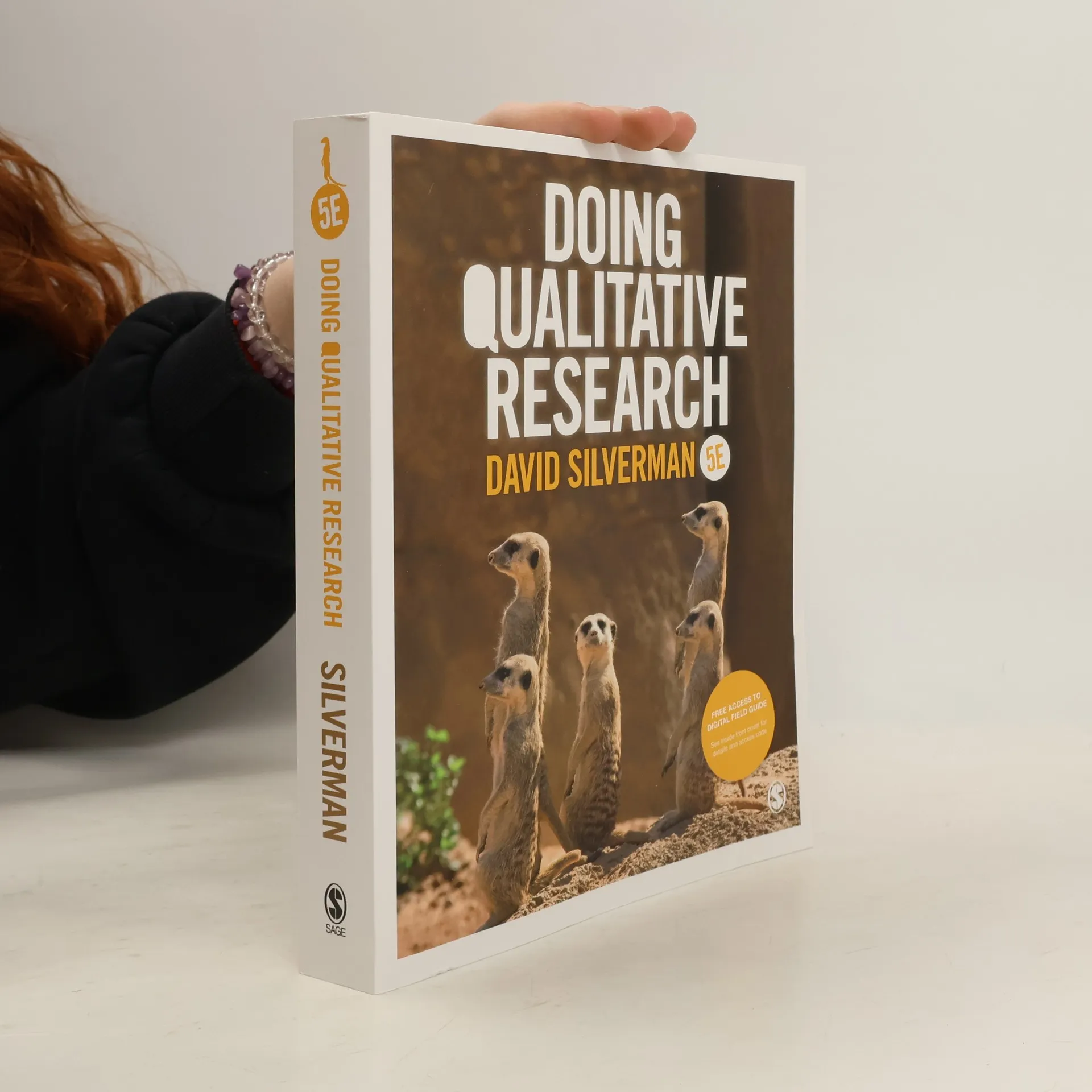
Doing Qualitative Research 5E
- 592 Seiten
- 21 Lesestunden
"Accessible, practical, and packed with indispensable advice, this bestselling textbook is the perfect hands-on guide for any student embarking on their own research. With expert advice from the author and real-life experiences from students, this book shows you how to go from the ideas of research to the practicalities of designing, conducting, and writing about your research yourself." -- Provided by publisher.
Ako robiť kvalitatívny výskum. Praktická príručka
- 327 Seiten
- 12 Lesestunden