Rem KoolhaasReihenfolge der Bücher (Chronologisch)
17. November 1944
Rem Koolhaas ist ein niederländischer Architekt und Architekturtheoretiker, dessen Werk sich mit Urbanismus und der Theorie des Städtebaus beschäftigt. Sein architektonischer Ansatz ist oft provokativ und innovativ und stellt konventionelle Vorstellungen von städtischem Raum und dessen Entwicklung in Frage. Durch sein Büro OMA und dessen Forschungseinheit AMO widmet er sich der tiefen Analyse von Metropolregionen und sucht nach neuen Paradigmen für die Stadtplanung. Sein Einfluss reicht weit über die Architektur hinaus und prägt die Diskussion über die Zukunft der Städte.
Die Civitates orbis terrarum präsentiert eine beeindruckende Sammlung historischer Stadtpläne, Vogelperspektiven und lebendiger Stadtszenen aus Europa, Asien, Afrika und Lateinamerika. Dieses Werk bietet einen einzigartigen Einblick in das städtische Leben und die Kartografie zu Beginn des 17. Jahrhunderts und ist ein unvergleichliches Panorama der damaligen Städte.
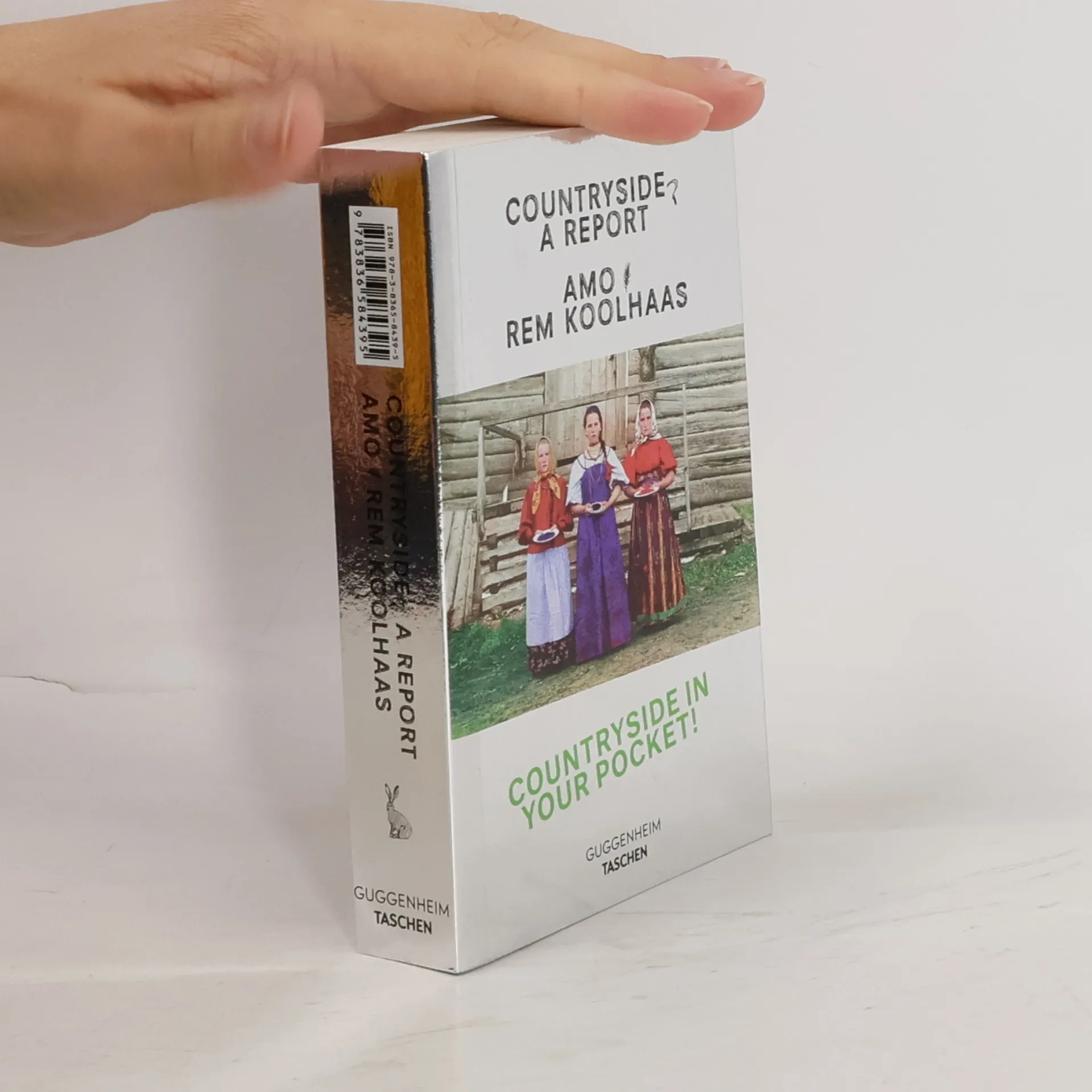
Rem Koolhaas untersucht in seinem neuesten Forschungsprojekt die rasanten, oft verborgenen Veränderungen in weitläufigen, nicht-urbanen Regionen der Erde. Diese ländlichen Gebiete, die 98% der Erdoberfläche ausmachen, sind stark von Klimawandel, ökologischer Zerstörung, Migration, Technologie und demografischen Verwerfungen betroffen. Zunehmend unter einem 'kartesischen' Regime, das auf maximale Produktion ausgelegt ist, verändern sich diese Regionen bis zur Unkenntlichkeit. Der Band versammelt Essays über Orte, die globalen Kräften besonders ausgesetzt sind, jedoch oft am Rande unseres Bewusstseins existieren. Beispiele sind ein Testgelände in der Nähe von Fukushima für Roboter in der Landwirtschaft, eine Stadt aus Gewächshäusern in den Niederlanden, der abtauende Permafrost in Zentralsibirien, Flüchtlinge in sterbenden deutschen Dörfern, Berggorillas in Uganda und die Transformation chinesischer Dörfer in Produktionsstätten. Diese Publikation ist das offizielle Begleitbuch zur Ausstellung im Guggenheim-Museum in New York und markiert ein neues Forschungsgebiet für Koolhaas. Die handliche Publikation, gestaltet von Irma Boom, dokumentiert die gemeinsame Forschungsarbeit von AMO, Koolhaas und Studenten verschiedener Universitäten. Autoren sind unter anderem Samir Bantal, Janna Bystrykh und Troy Conrad Therrien.
Since the beginning of the century, the field of architecture has fervently
turned its attention to documenting the contemporary urban condition. Every
city been has been examined as a repository of architectural concepts. Every
city has been scrutinized as an urban manifesto. Every city has been recorded
as a series of found objects. The Ordinary articulates a potential genealogy
for this practice, and for the genre of books that derived from it. Organized
around three conversations with the authors of seminal texts that documented
the city--Denise Scott Brown on Learning from Las Vegas (1972), Rem Koolhaas
on Delirious New York (1978), and Yoshiharu Tsukamoto on Made in Tokyo
(2001)--this volume traces the history of these books on cities by examining
the material they recorded, the findings they established, the arguments they
advanced, and the projects they promoted. These conversations also question
the assumptions underlying this practice, and whether in its ubiquity it still
remains a space of opportunity.
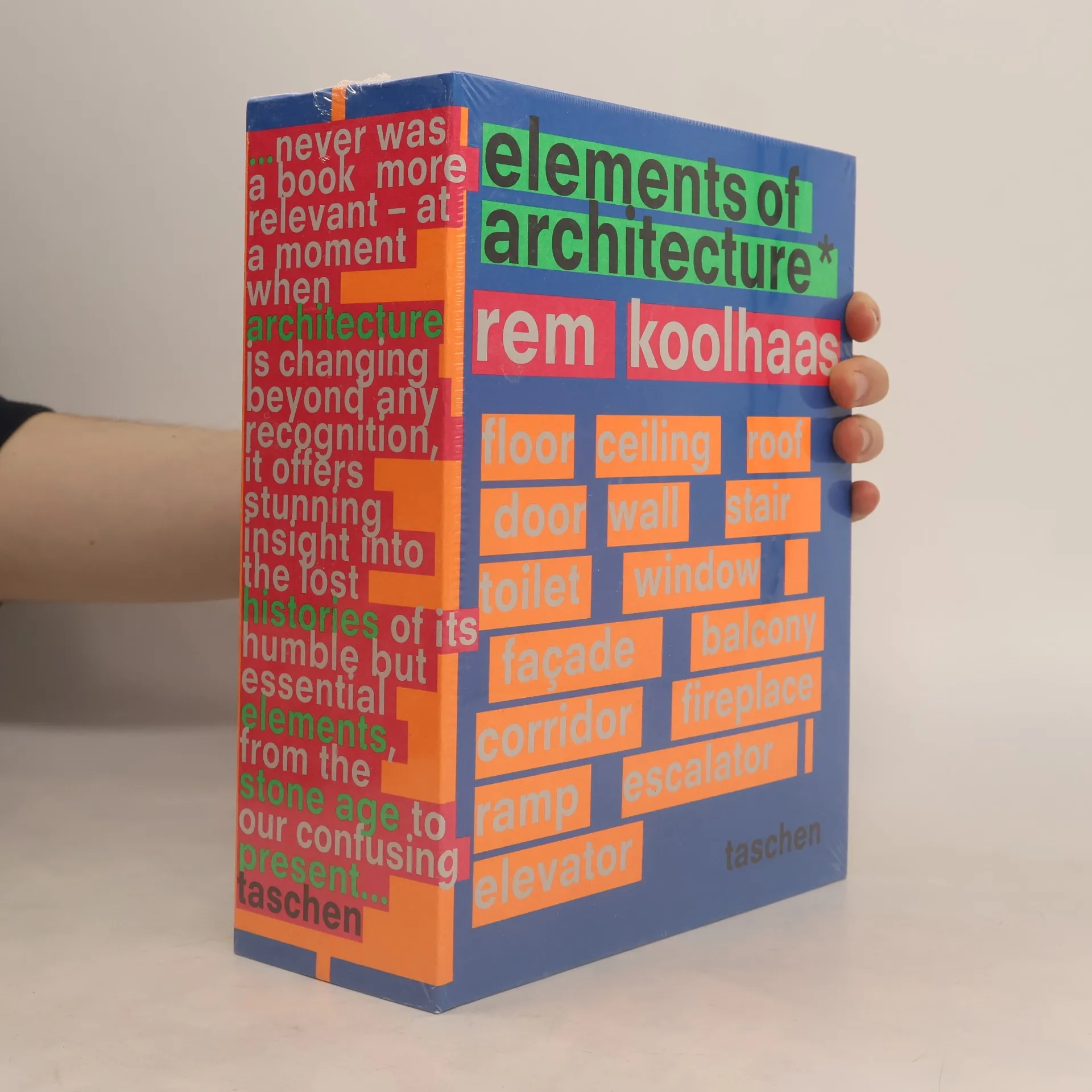
This collection is a look through the microscope at the real fundamentals of our buildings, revealing the essential design techniques used by any architect, anywhere, anytime. Conceived by Rem Koolhaas and made with the Harvard Graduate School of Design, it is a primordial toolkit to understanding how seemingly stable elements are actually in…
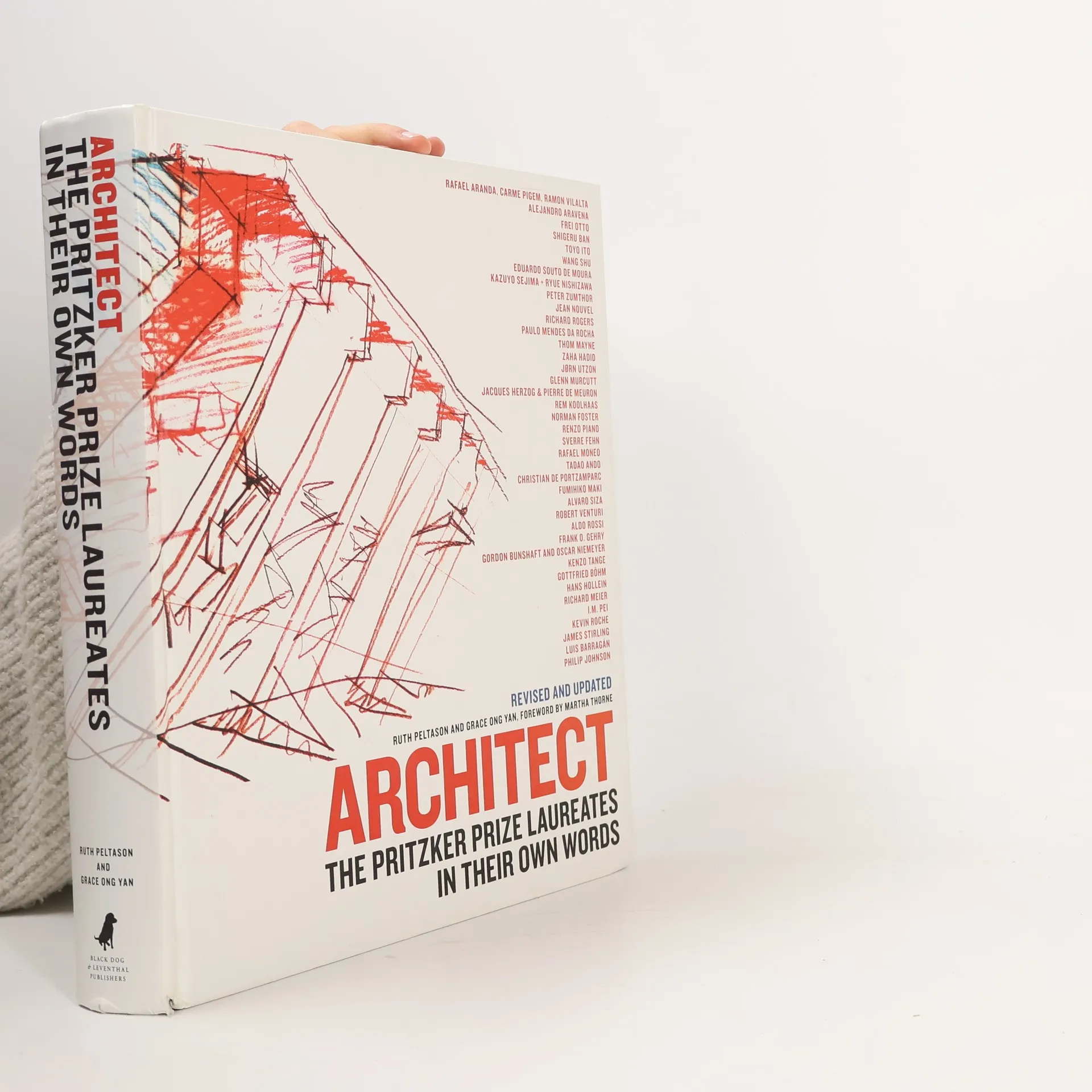
The Pritzker Prize Laureates in Their Own Words - Revised and Updated
464 Seiten
17 Lesestunden
In this completely revised and up-to-date edition, the world's most accomplished architects -- Gehry, Pei, Meier, Nouvel, Piano, and 37 more-express their views on creativity, inspiration, and legacy in this visually stunning, one-of-a-kind collection. The Pritzker Prize is the most prestigious international prize for architecture. Architect includes all 42 recipients of the Pritzker Prize, and captures in pictures and their own words their awe-inspiring achievements. Organized in reverse chronological order by laureate each chapter features four to six of the architect's major works, including museums, libraries, hotels, places of worship, and more. The text, culled from notebooks, interviews, articles, and speeches illuminates the architects' influences and inspirations, personal philosophy, and aspirations for his own work and the future of architecture. The book includes More than 1000 stunning photographs, blueprints, sketches, and CAD drawings. Architect offers an unprecedented view into the minds of some of the most creative thinkers, dreamers, and builders of the last three decades and reveals that buildings are political, emotional, and spiritual.
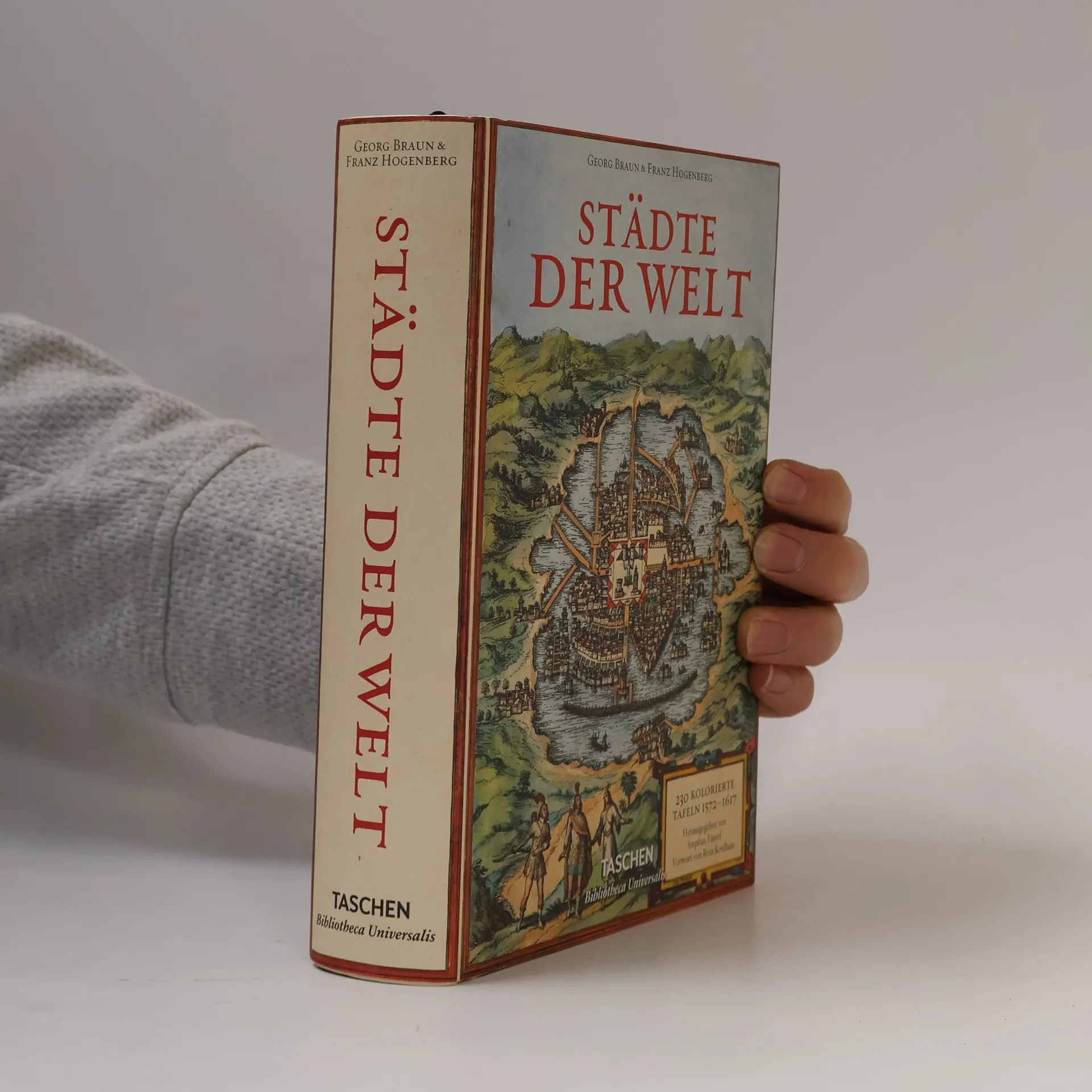
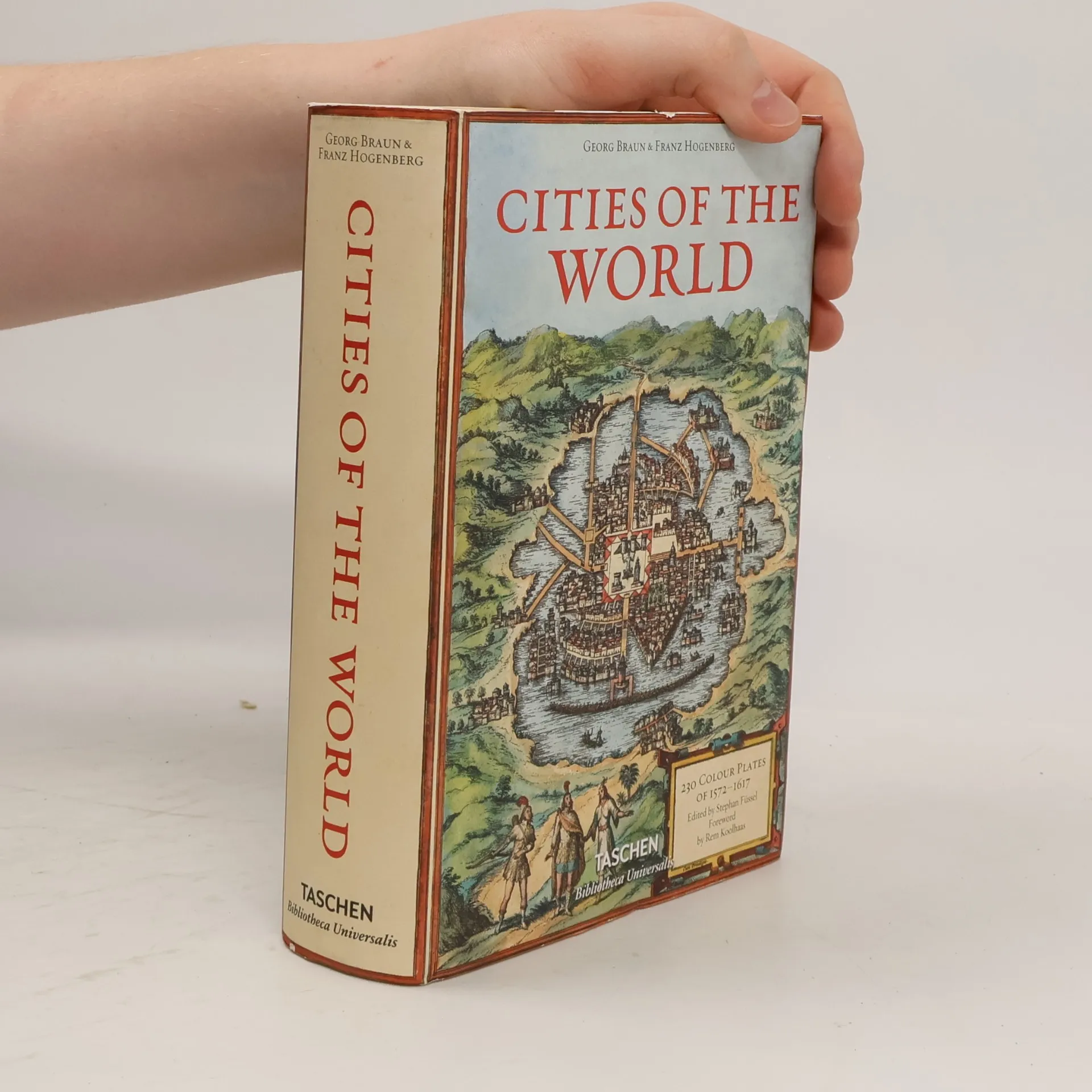
230 kolorierte Tafeln 1572-1617 – Herausgegeben von Stephan Füssel – Vorwort von Rem Koolhaas
744 Seiten
27 Lesestunden
Über vier Jahrzehnte nach der Erstveröffentlichung bringt TASCHEN eine Perle der urbanen Kartografie und historischen Dokumentation neu heraus. Die hochwertigen Reproduktionen versammeln die herausragendsten Farbtafeln aus Civitates orbis terrarum, einer Sammlung von Stadtplan-Stichen, die zwischen 1572 und 1617 entstanden. Mit Plänen, Vogelperspektiven und Karten aller großen europäischen Städte sowie bedeutenden urbanen Zentren in Asien, Afrika und Lateinamerika vermittelt dieses Meisterwerk einen umfassenden Überblick über das städtische Leben an der Schwelle zum 17. Jahrhundert. Herausgegeben von Georg Braun, einem Theologen und Verleger, stammen die Stiche größtenteils von Franz Hogenberg, wobei über 100 Künstler und Kartografen beteiligt waren. Diese trugen nicht nur Stadtansichten bei, sondern auch Illustrationen von Menschen in regionaler Tracht, Gerichtsszenen und topografische Details, die die wirtschaftliche Kraft und den politischen Einfluss jeder Stadt darstellen. Die Tafeln werden von Auszügen aus Brauns Originaltexten zur Geschichte und Bedeutung der urbanen Zentren begleitet. Zusätzliche Kommentare setzen jeden Stadtplan in einen kartografischen und kulturellen Kontext.
Discover the Civitates orbis terrarum, a vintage jewel in urban cartography.
Featuring town plans, bird's-eye views, maps and evocative city scenes across
Europe, Asia, Africa and Latin America, this is an unrivalled panorama of city
living, and mapping, at the turn of the 17th century.
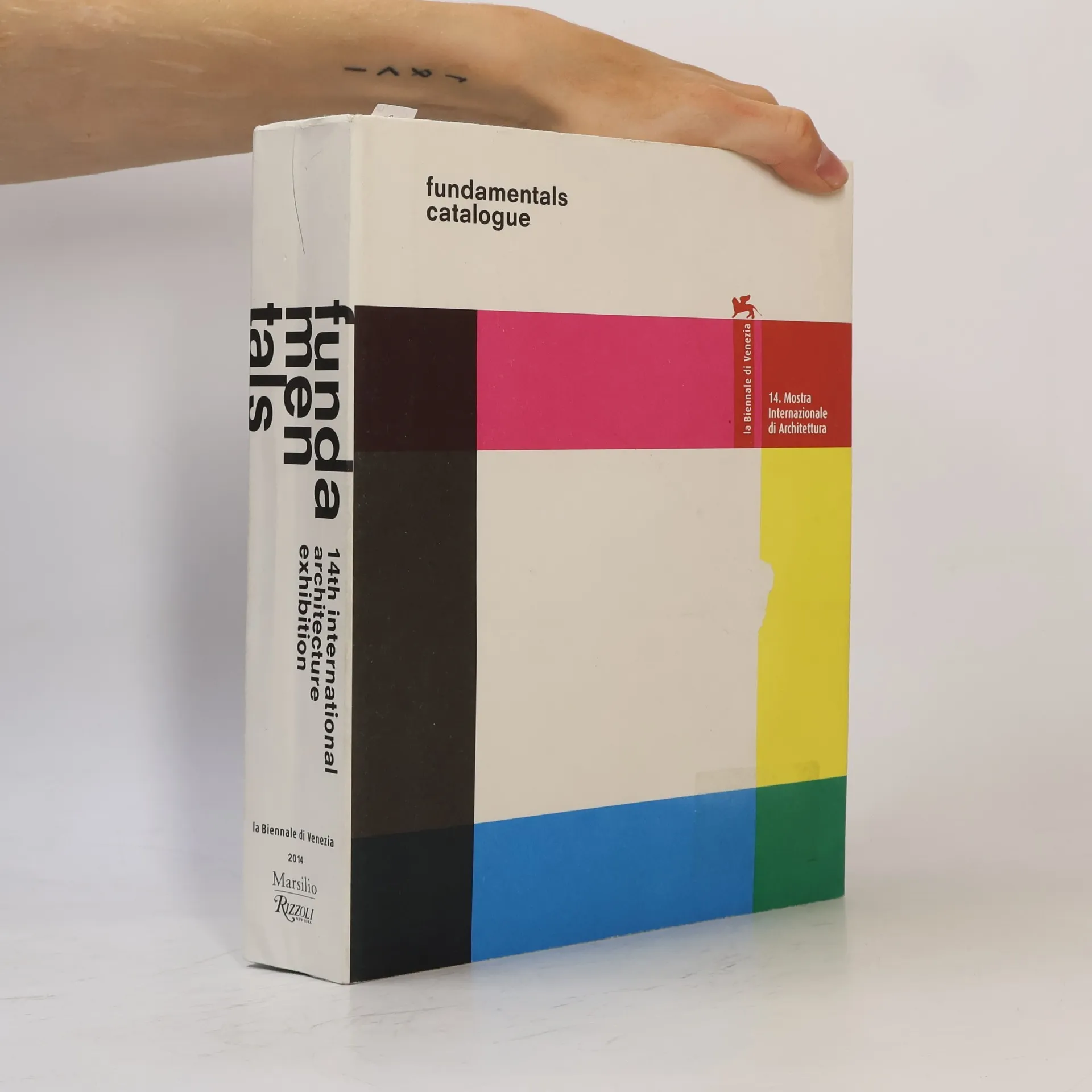
14th International Architecture Exhibition - Catalogue
348 Seiten
13 Lesestunden
The official Biennale catalogue–a global overview of architecture of the last one hundred years. The emphasis of the 2014 Biennale is on architectural history. Each country is asked to narrate its history over the last one hundred years in relation to the idea of modernity. Has national identity been sacrificed on the altar of modernity? This is the issue that the Biennale is called on to address.
Preservation is Overtaking Us brings together two lectures given by Rem Koolhaas at Columbia University's Graduate School of Architecture, Planning and Preservation, along with a response (framed as a supplement to the original lectures) by Jorge Otero-Pailos. In the first essay Koolhaas describes alternative strategies for preserving Beijing, China. The second talk marks the inaugural Paul Spencer Byard lecture, named in celebration of the longtime professor of Historic Preservation at GSAPP. These two lectures trace key moments of Koolhaas' thinking on preservation, including his practice's entry into China and the commission to redevelop the State Hermitage Museum in St. Petersburg, Russia. In a format well known to Koolhaas' readers, Otero-Pailos reworks the lectures into a working manifesto, using it to interrogate OMA's work from within the discipline of preservation.
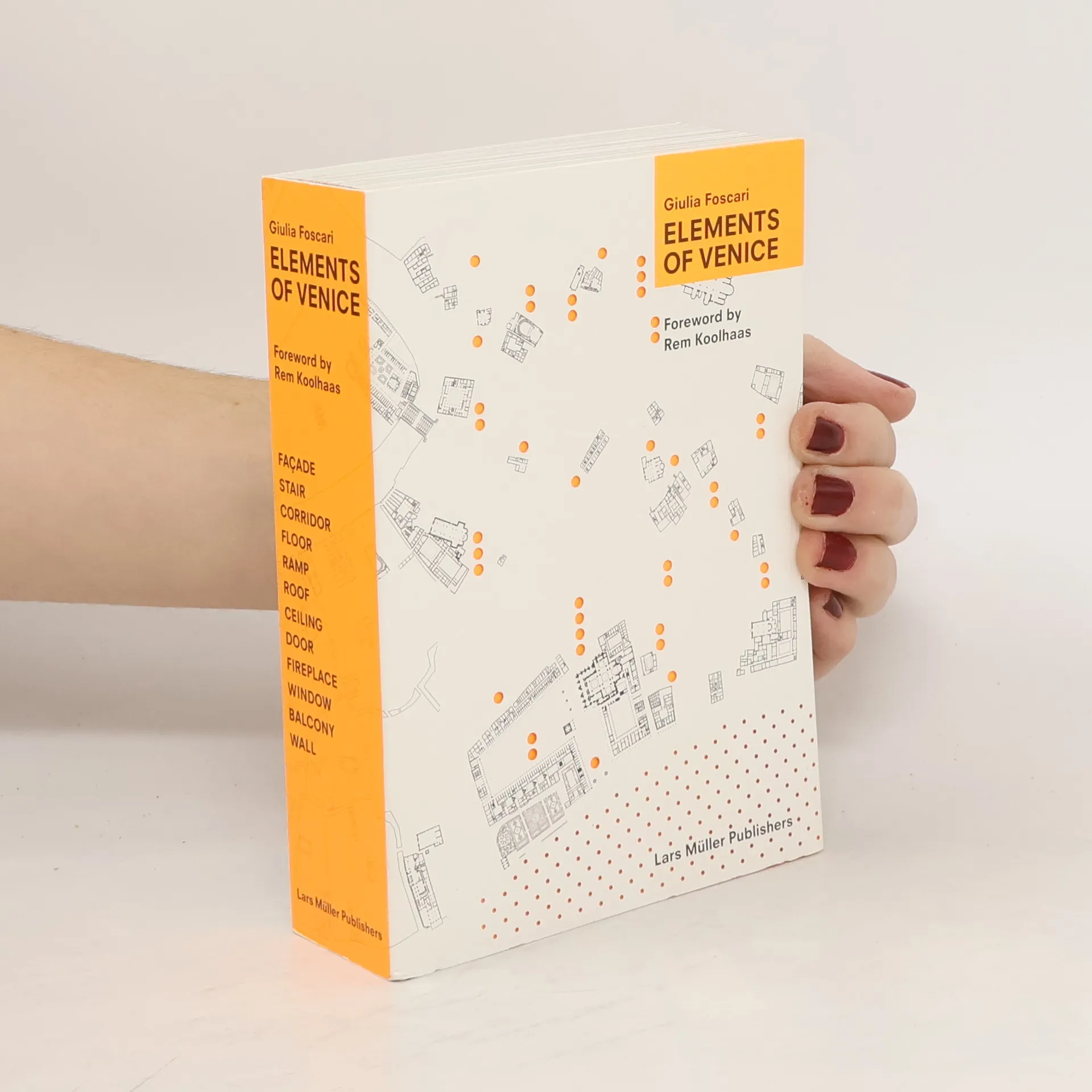
Der stets im Wandel begriffene Charakter Venedigs wird in „Elements of Venice“ anhand der Analyse einzelner Architekturelemente verdeutlicht. Dieser Band wurde als Forschungsprojekt parallel zu „Fundamentals“ – der Ausstellung zur 14. Architekturbiennale Venedig, kuratiert von Rem Koolhaas – entwickelt. Er ermöglicht Erkenntnisse über venezianische Fassaden, Treppen, Korridore, Böden, Dachschrägen, Decken, Türen, Herdstellen, Fenster, Balkone und Wände. Als 'Produkte nicht nur des Geistes, sondern auch gesellschaftlicher Organisationsformen' werden die einzelnen Elemente aus dem pittoresken Kontext Venedigs herausgelöst. Mit einer Kombination aus Zeichnungen, Fotografien, Gemälden, Collagen, Filmstills und Zitaten wird der Leser an eine radikal neue Sicht auf Venedig herangeführt. Der Guide ermöglicht es, die fundamentalen Veränderungen zu verstehen, die Venedig in den vergangenen Jahrhunderten geformt haben. Denn die Stadt, die – zumindest in architektonischer Hinsicht – als auf Ewigkeit 'eingefroren' erscheint, hat trotz des hemmenden Leitspruchs „Com’era, dov era“ (Wie es war, wo es war) – eine beispiellose städtebauliche Entwicklung durchlaufen.
Druhý svazek edice čtení o architektuře přináší pět textů jednoho z nejvlivnějších architektů současnosti, Rema Koolhaase. Byly napsány v rozmezí let 1993-2001, tedy před masovým rozšířením internetu, před teroristickým útokem na World Trade Center a před současnou finanční krizí. Archiktektonická a urbanistická realita, kterou popisují, ale trvá a představuje stále stejně nesnadný problém k řešení.
"In Junkspace (2001), architect Rem Koolhaas itemised in delirious detail how our cities are being overwhelmed. His celebrated jeremiad is here updated and twinned with Running Room, a fresh response from architectural critic Hal Foster. 'The manifesto is a modernist mode, one that looks to the future ... Junkspace makes no such claim: "Architecture disappeared in the twentieth century," states Koolhaas matter-of-factly. Junkspace does a harder thing: it "foretells" the present, which is to say that it calls on us to recognize what is already everywhere around us.' - Hal Foster Is there a future for architecture? If so, it might begin with the meditations--by turns elegant and frantic--of Rem Koolhaas and Hal Foster: 'even if there is no outside to Junkspace, there is still running room to be made in its cracks ... '"--Publisher's website
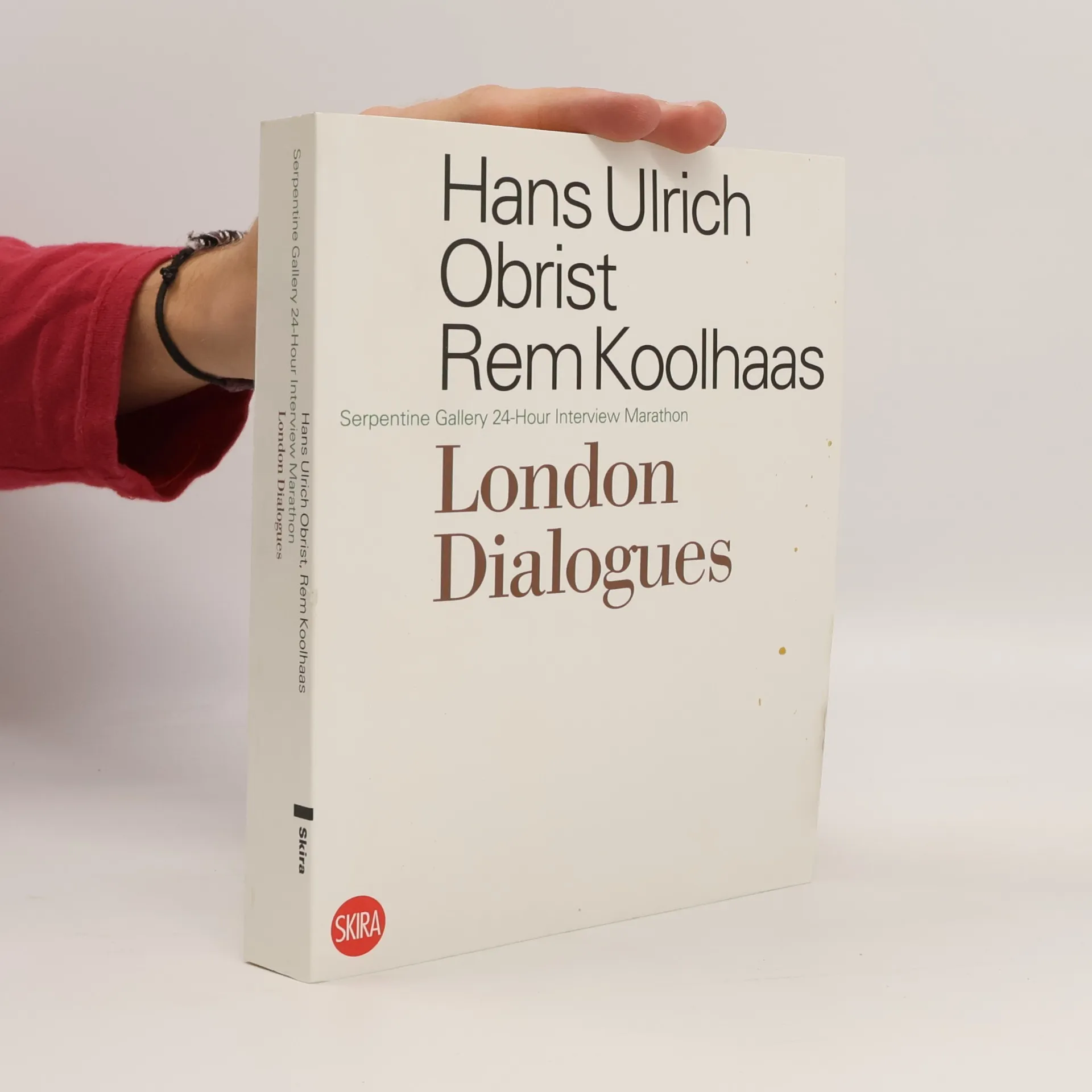
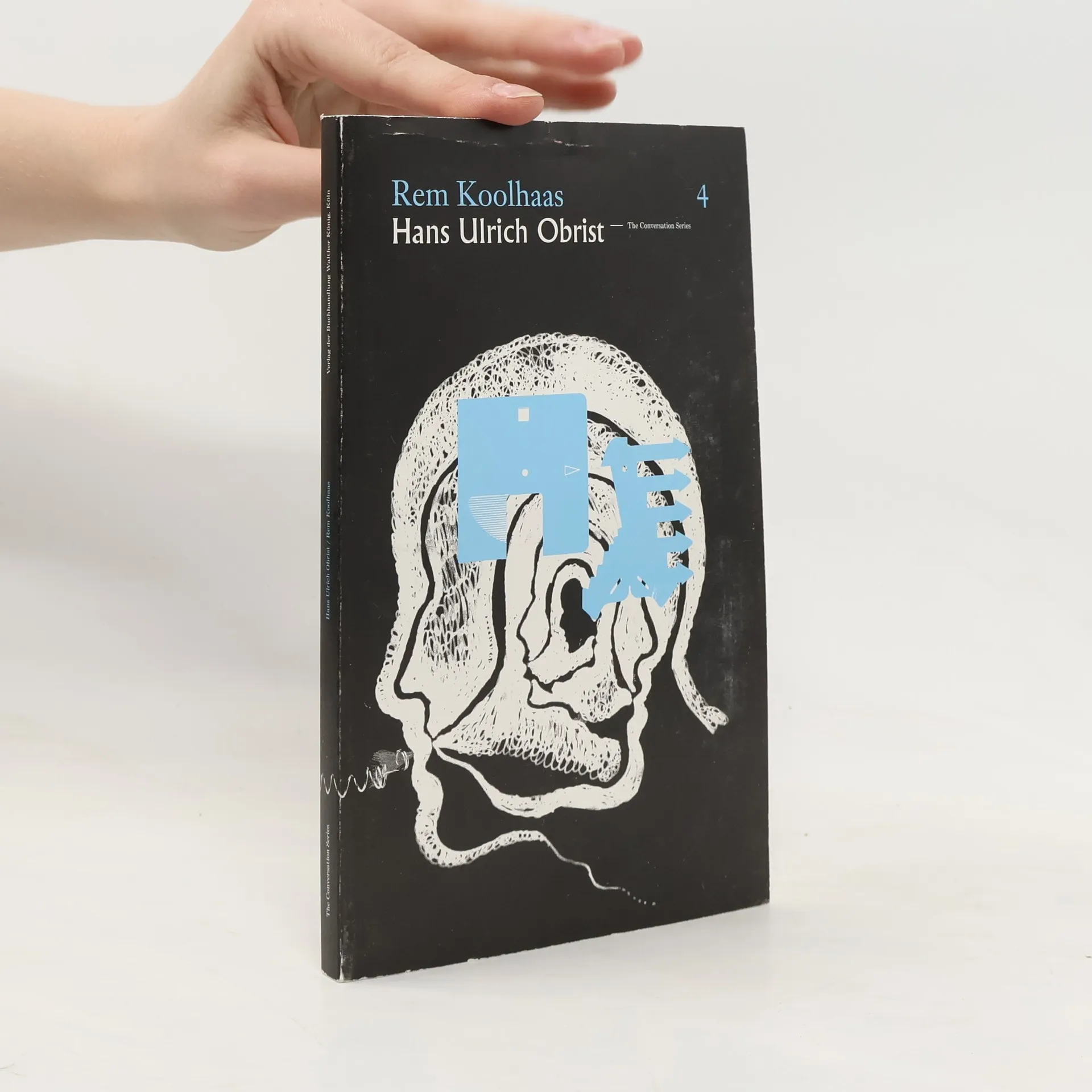
This volume inaugurates a new series of publications edited by three leading authors on the world's architectural and artistic scene: H.U.Obrist, Rem Koolhaas and Stefano Boeri. This series of dialogues conducted by Hans Ulrich Obrist and Rem Koolhaas is dedicated to the most topical subjects on the international scene. Protagonists of the British architectural, political, and artistic scene, including Brian Eno, Zaha Hadid, Doris Lessing, Damien Hirst, and Gilbert and George, amongst others, have been invited to speak about the near future.
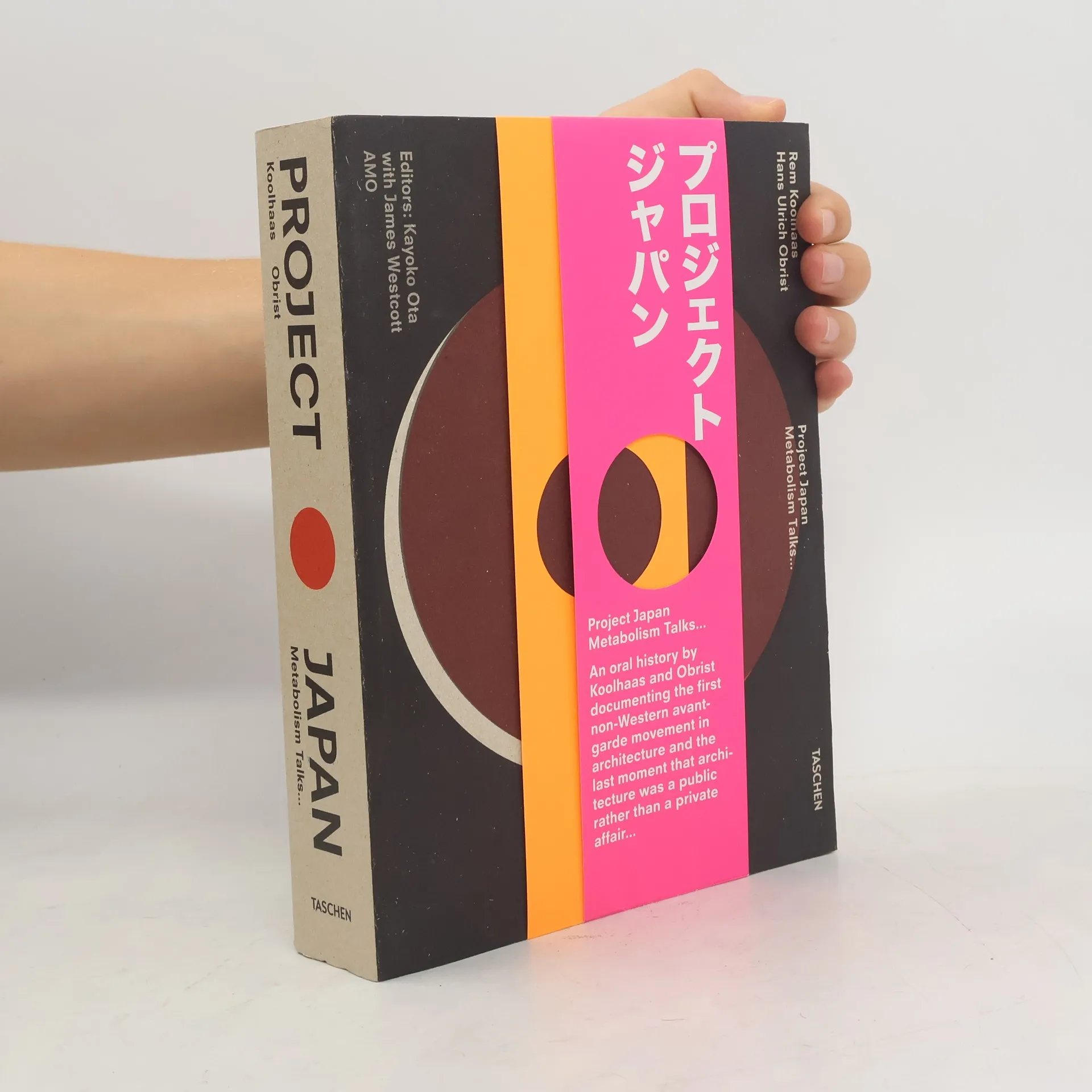
Eine Nation zog in den Krieg, eroberte einen Kontinent und wurde durch Atombomben zerstört. Die Sieger zwangen den Besiegten die Demokratie auf. Für eine Gruppe angehender Architekten, Künstler und Designer war diese schwere Zeit eine Inspirationsquelle. Unter der Leitung eines Visionärs arbeiteten sie zusammen, um ihren Traum zu verwirklichen, unterstützt von einer kreativen Bürokratie und einem aktivistischen Staat. Nach 15 Jahren der Inkubation überraschten sie die Welt mit einer neuen Architektur, dem Metabolismus, der eine radikale Umgestaltung des Landes zum Ziel hatte. Zeitungen und Medien machten die Architekten zu modernen Helden. Durch harte Arbeit und Disziplin wurde Japan zu einem leuchtenden Vorbild. Als die Ölkrise das Ende des Westens einläutete, verbreiteten sich die Architekten weltweit und definierten eine post-westliche Ästhetik. Interviews mit den überlebenden Mitgliedern der Metabolismus-Bewegung, die sich 1960 in Tokio formierte, bieten Einblicke in Japans Architekturgeschichte des 20. Jahrhunderts. Von der kolonialen Mandschurei bis zum zerstörten Japan nach dem Krieg zeigen sie die Gründung der Metabolisten, den Aufstieg Kisho Kurokawas und die Höhepunkte des Metabolismus. Das Ergebnis ist eine lebendige Dokumentation, die Architektur als öffentliche Angelegenheit darstellt.
In this traditional paperback, renowned critic and curator Hans Ulrich Obrist teams up with Dutch avant-garde architect and paradigm-shifting intellectual, Rem Koolhaas, for a discussion of Koolhaas's work in China, his designs for Prada, architecture as metaphor, and the development of urbanism in the slipstream of globalization.
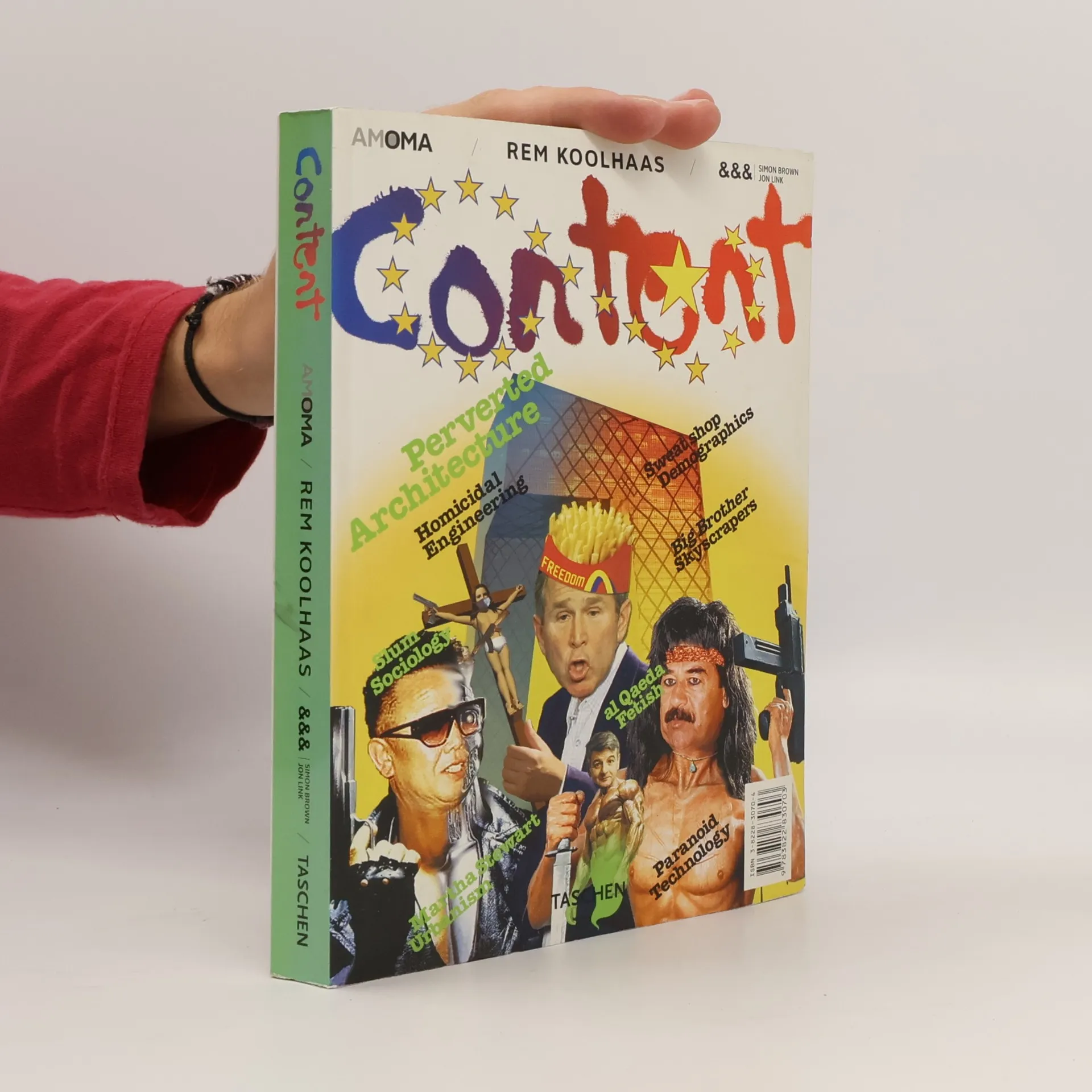
In einer Reise von West nach Ost, von der Westküste der USA über Europa nach Asien, orientiert sich dieser Katalog zur Berliner Austellung an den wichtigsten Stationen des Architekten Rem Koolhaas (Pritzker-Preisträger 2002). Anlass der Ausstellung Content ist die Fertigstellung mehrerer Bauten von Koolhaas/OMA in Europa (u. a. der Entwurf für die niederländische Botschaft in Berlin), Asien und den USA, die er neben Entwürfen für Privathäuser in diesem Band vorstellt. Für Koolhaas selbst ist Content „retro-aktives Manifest“ (Koolhaas), eine Rück- und Vorschau zugleich auf die Praxis und Theorie von Koolhaas/OMA/AMO.
In November, Berlin welcomed a striking addition to its contemporary architecture with the new Dutch Embassy designed by OMA/Rem Koolhaas, located on the River Spree in former East Berlin. Koolhaas, celebrated for projects like the Kunsthal in Rotterdam and the villa in Bordeaux, showcases his design prowess with this embassy. The design is influenced by the city's stringent planning regulations, which mandate that every corner of a city block be developed. Koolhaas ingeniously incorporates a freestanding cube for the embassy at one corner, while the other corners feature an L-shaped block of three residences for embassy staff. A continuous spiral route serves as the central organizing element, connecting various embassy departments and offering new perspectives of both the building and the city. This publication includes sketches, drawings, and models that highlight the design's foundations, along with Koolhaas's insights on the project's context. Notably, German photographer Candida Höfer contributes her large-scale color photographs, capturing the embassy's exterior and interior, while Parisian architecture critic François Chaslin provides an analytical text.
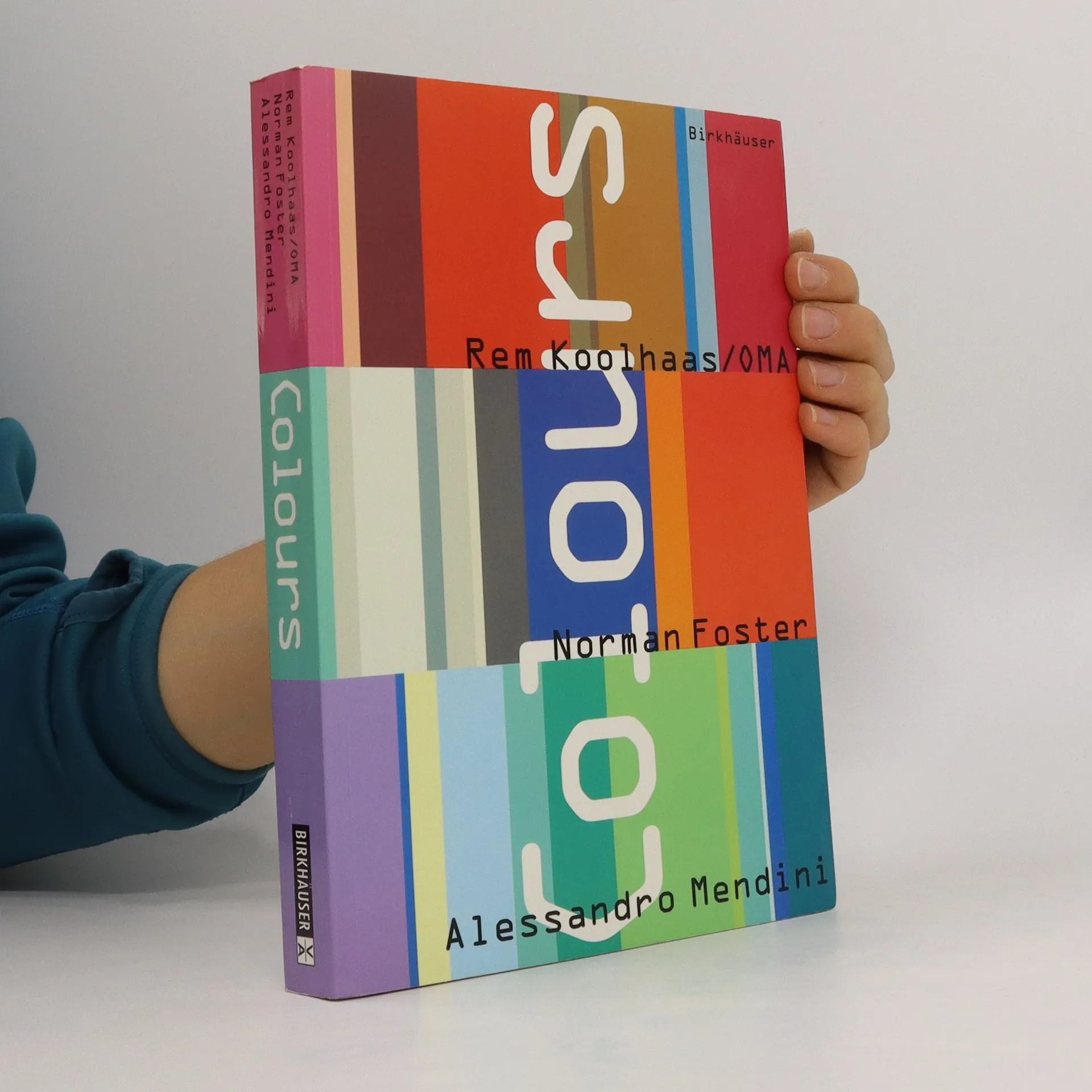
'The nature of colour should change - no longer just a thin layer of change, but something that genuinely alters perception' - this stipulation of Rem Koolhaas is echoed by the world famous architects and designers Alessandro Mendini and Norman Foster. In this volume, they present between them a total of 90 colours - each covering half a page - accompanied by comments on the background, the significance and the applications of the colours. Studies of colours from each office form the basis of this book, and were previously only available in extravagant individual editions. With this comprehensive and consistent presentation of the varying approaches to colour, we have a compendium which shows the wide use of colour in today's technologically advanced architecture with its modern, post-modern and deconstructive orientation. The range of examples of the colours in practice includes load-bearing structures, facades, interior design, furnishing and the entire spectrum of product design.
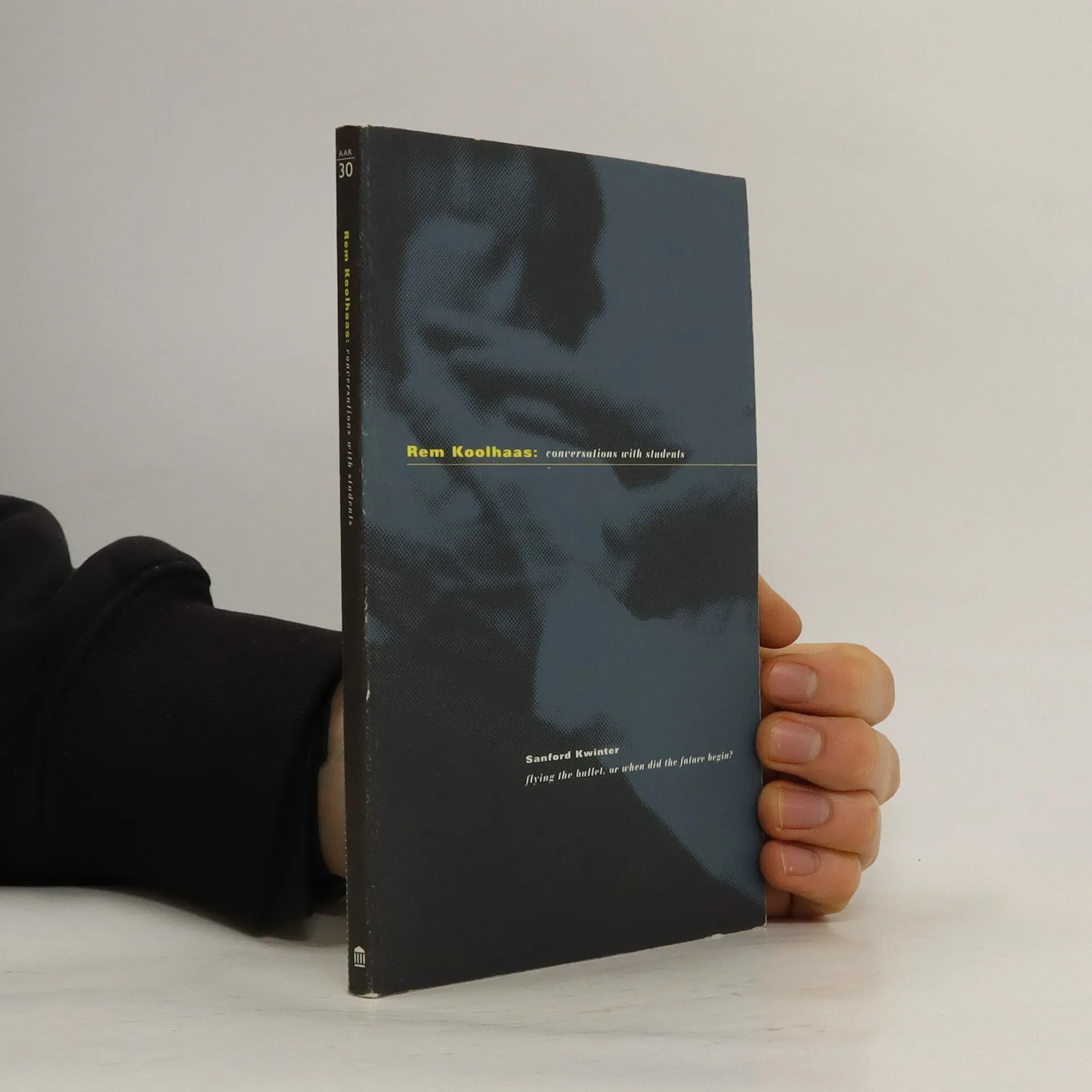
Explaining architecture to students requires a clarity and economy of expression that is not always associated with architects; perhaps this explains the popularity of our Conversations with Students series, which are succinct, informal introductions to the works of the world's greatest architects.
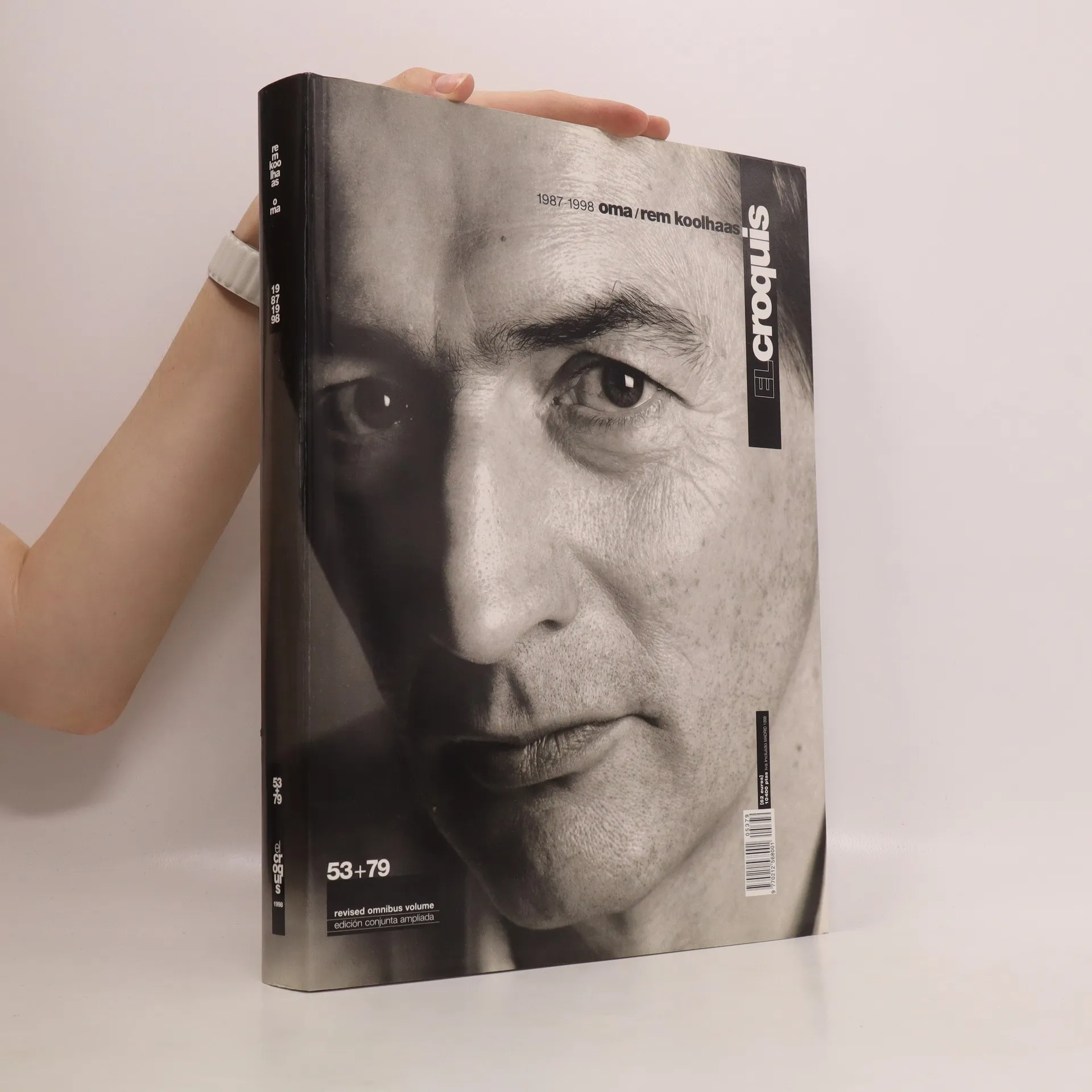
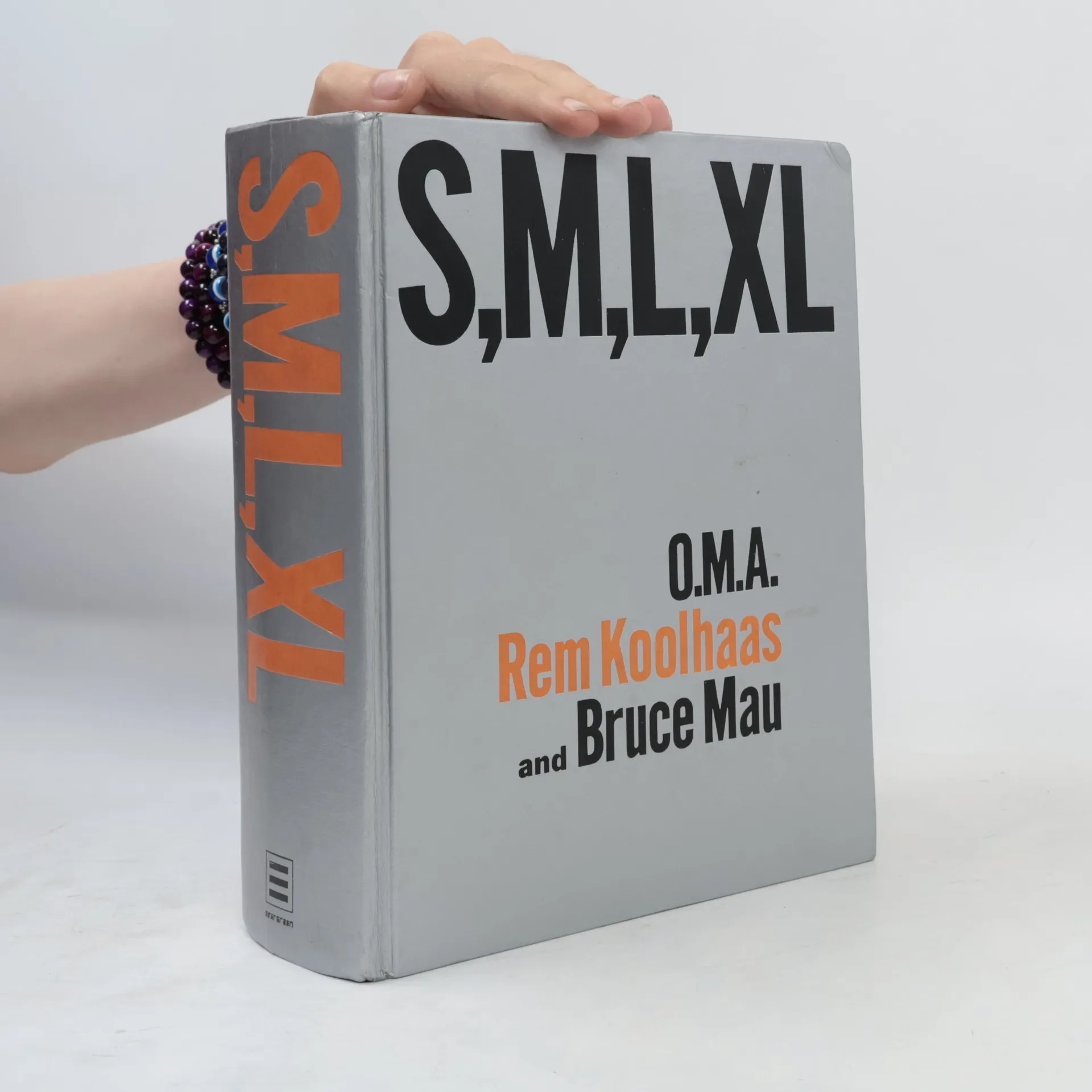
Originally published to great critical acclaim in 1966, this text combines a selection of design works produced by the Dutch firm, Office for Metropolitan Architecture (O.M.A.) and its founder, Rem Koolhaas.
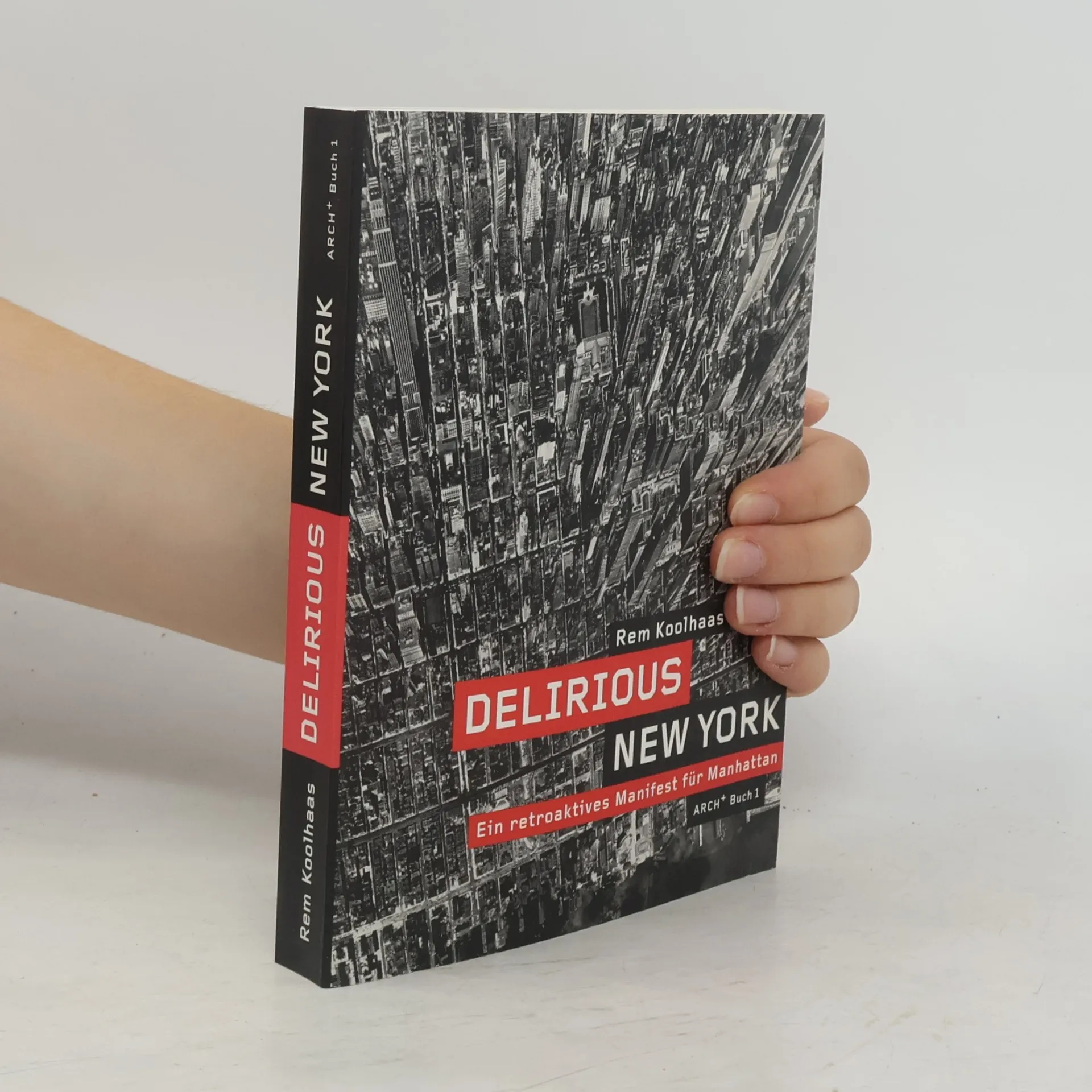
Der Klassiker von Rem Koolhaas! Manhattan ist der Schauplatz für das Endstadium der westlichen Zivilisation. Durch die Bevölkerungsexplosion und die Invasion von neuen Technologien wurde Manhattan von 1850 an ein mythisches Laboratorium für die Erfindung und Erprobung eines revolutionären Lebensstils: der Kultur des Staus.
Delirious New York, 1978 zuerst erschienen, ist eine polemische Erforschung dieses Manhattans: Es dokumentiert das symbiotische Verhältnis zwischen seiner sich ständig verändernden metropolitanen Kultur und der einzigartigen Architektur, die durch sie entstand – dennoch vertritt dieses Buch die Auffassung, daß nicht selten die Architektur die Kultur erzeugt.
Dieses Buch enthüllt die Beschaffenheit und den Zusammenhang der scheinbar beziehungslosen Episoden von Manhattans Urbanismus: Es interpretiert New York als das Produkt einer nie formulierten Bewegung, dem Manhattanismus, dessen wahres Programm so unerhört war, daß es, um verwirklicht zu werden, niemals offen ausgesprochen werden konnte.
Delirious New York ist das retroaktive Manifest für Manhattans Architektur. Es entwirft Theorien, Taktiken und Tricks, um die Sehnsüchte von Manhattans kollektivem Unterbewußtsein als Realitäten im Raster nachzuweisen.