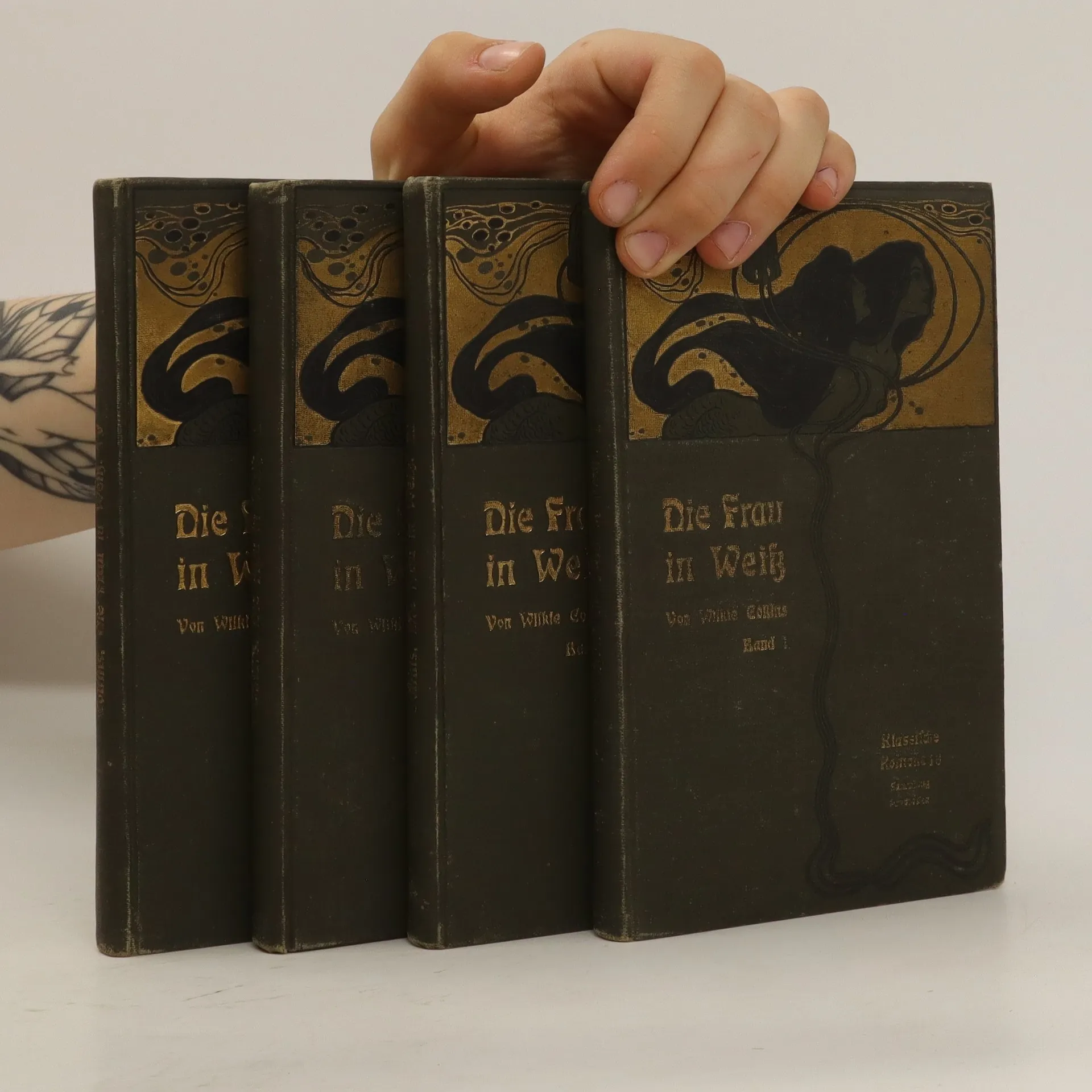
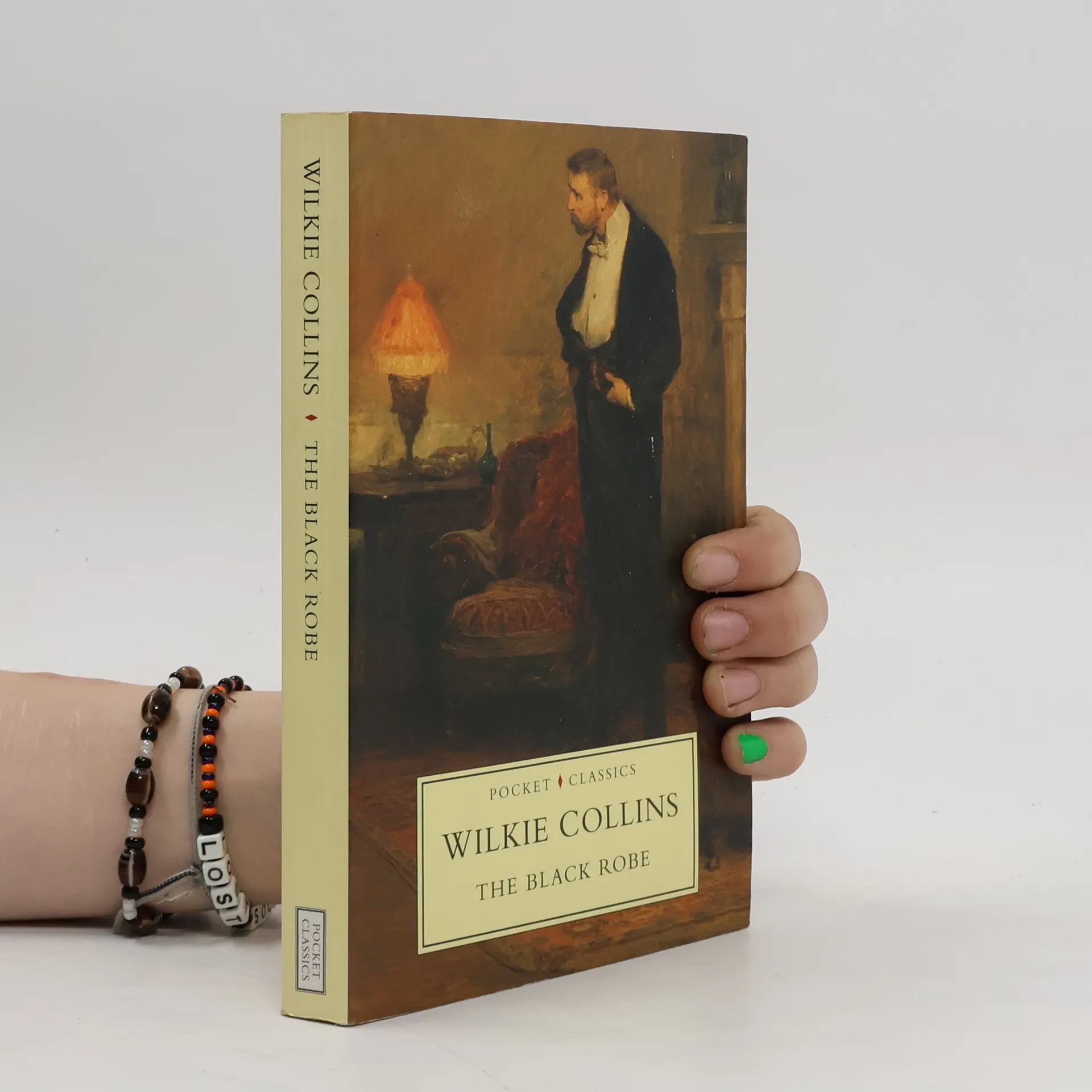
William Wilkie Collins, einst eine gefeierte und hochbezahlte Größe der viktorianischen Fiktion, erfährt derzeit eine bedeutende Wiederbelebung in kritischer und populärer Hinsicht. Er war ein Meistererzähler, berühmt für seine komplexen Handlungsstränge und fesselnden Charaktere, der oft Themen wie soziale Gerechtigkeit und verborgene Leben erforschte. Collins gilt insbesondere als Pionier des modernen Kriminalromans, eines Genres, das er mit unvergleichlichem Geschick prägte. Seine Werke fesseln die Leser weiterhin und bieten spannende Erzählungen, die mit einem scharfen Verständnis für menschliche Psychologie und gesellschaftliche Komplexitäten durchdrungen sind.
Als Schlüsselwerk der Mysterliteratur ist die Handlung schwer kurz zusammenzufassen. Diese viktorianische Fiktion handelt von dem Protagonisten, einem jungen Zeichenmeister, und seiner Liebe zu Laura Fairlie, einer wohlhabenden jungen Dame. Die folgende Geschichte dreht sich um die Misshandlung von Laura und ihre letztendliche Flucht. Der Autor geht auf die Charaktere ein und erzählt von ihren emotionalen Erfahrungen. Fesselndes Geheimnis!
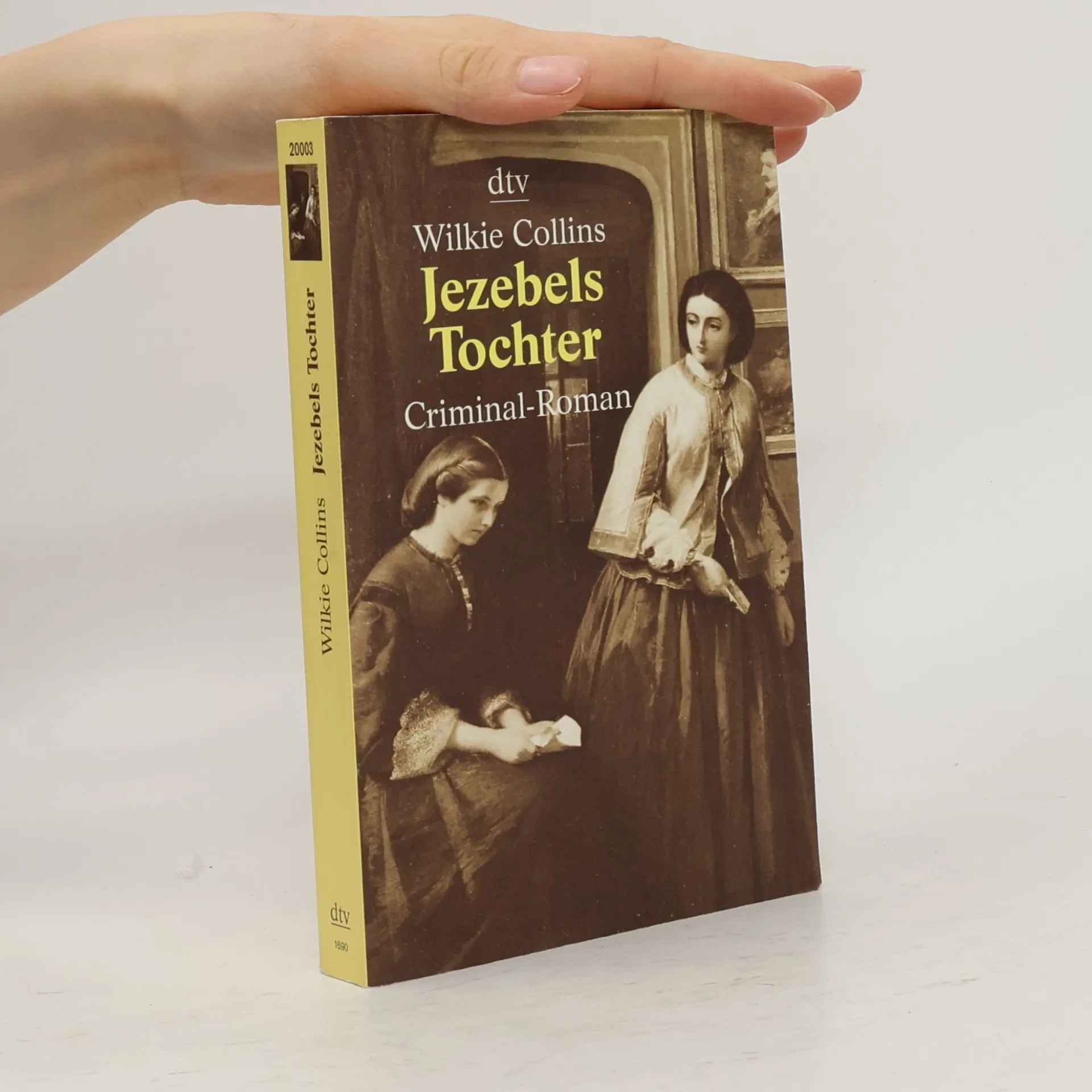
Charles Dickens und Wilkie Collins präsentieren mit „Nicht aus noch ein“ einen klassischen Kriminalroman, erstmals 1867 veröffentlicht. Diese Neuausgabe, herausgegeben von Karl-Maria Guth, wurde an die neue deutsche Rechtschreibung angepasst und erscheint im Verlag Henricus.
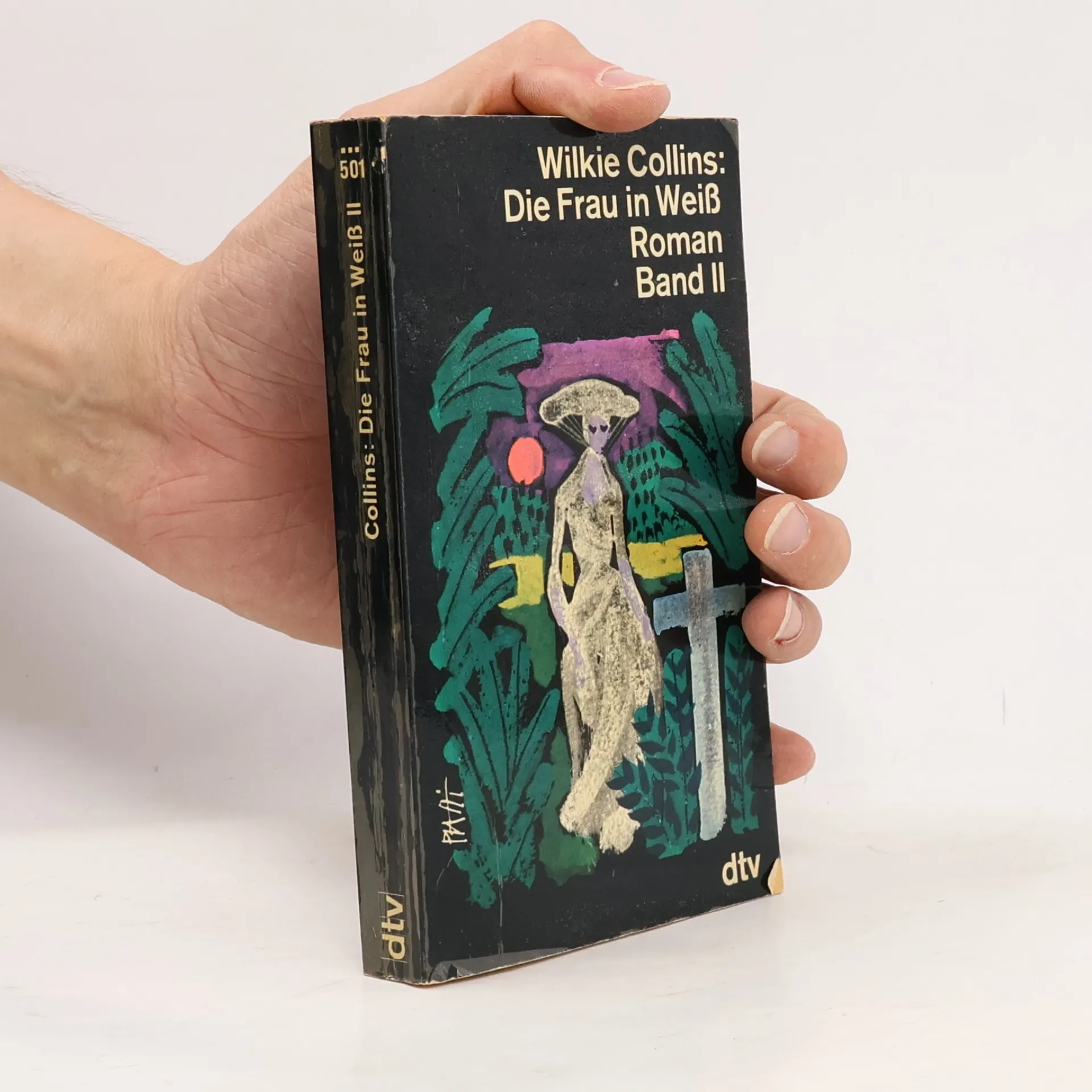
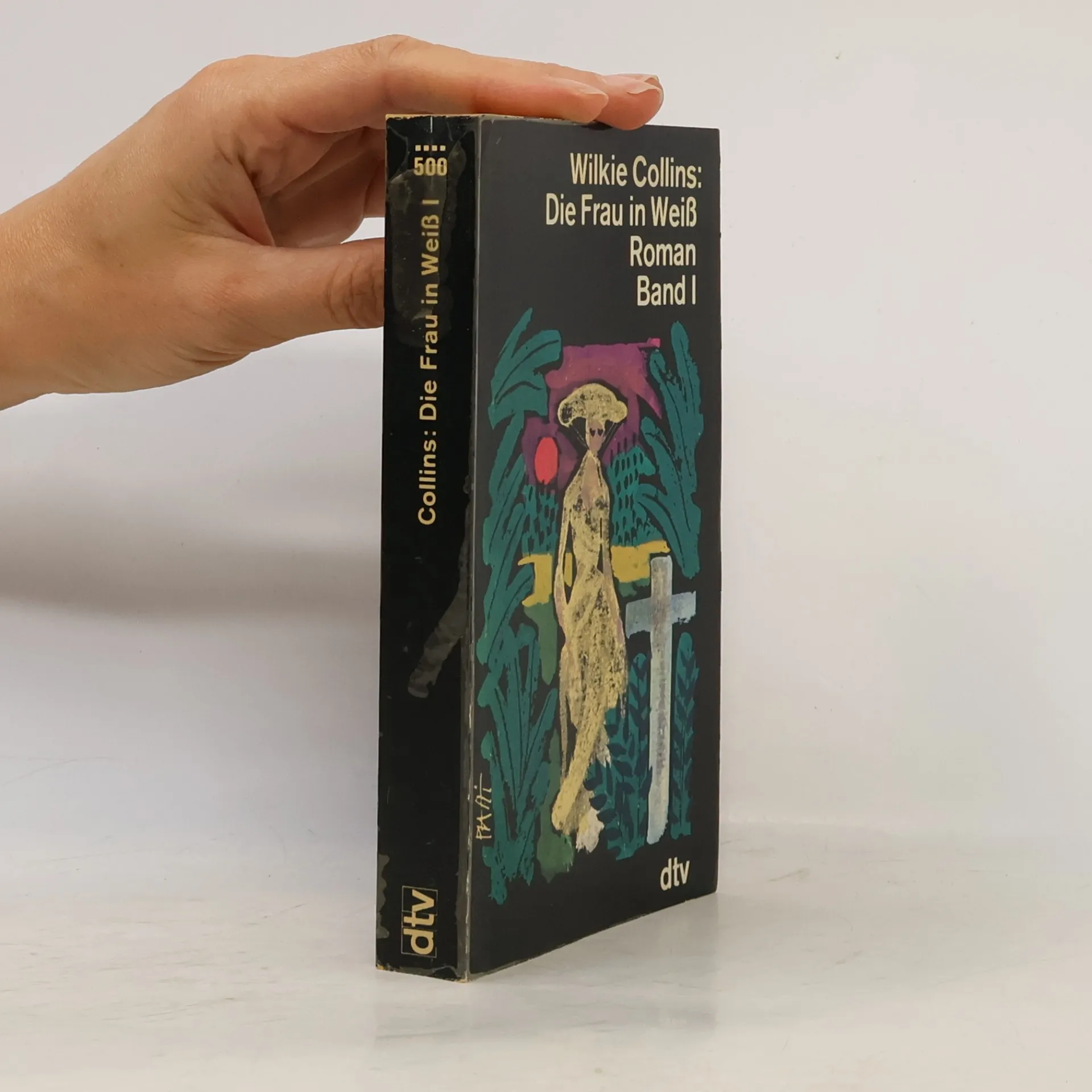
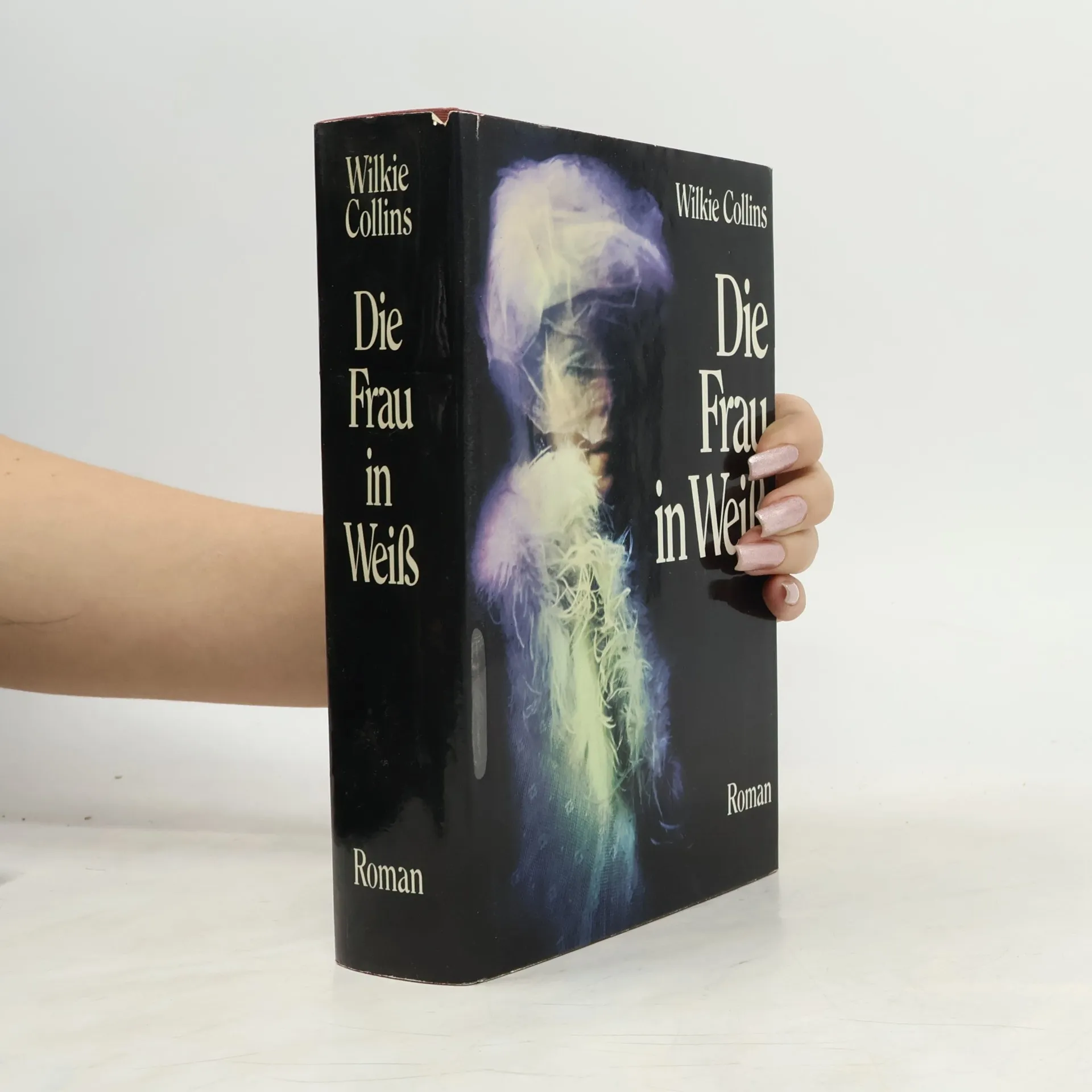
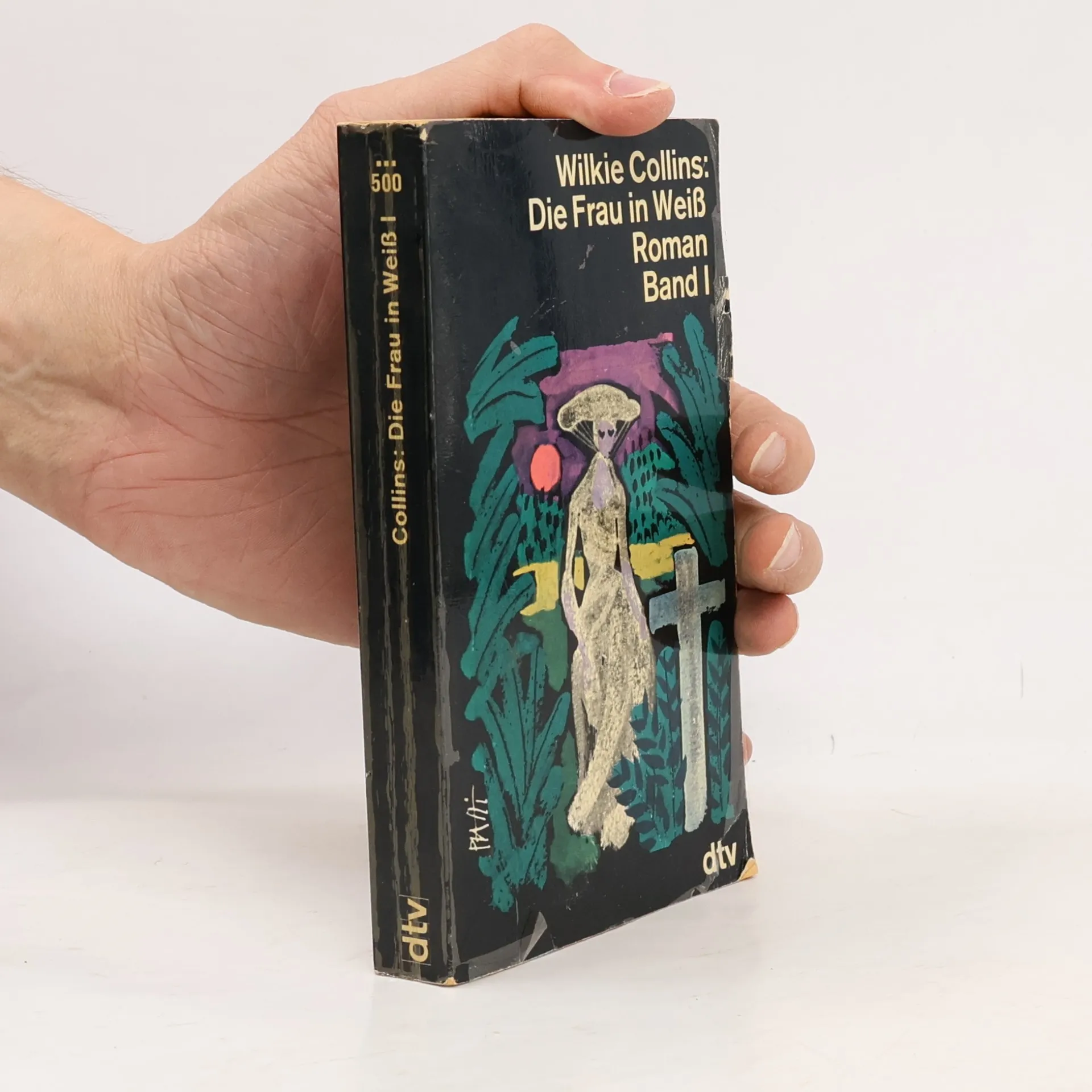
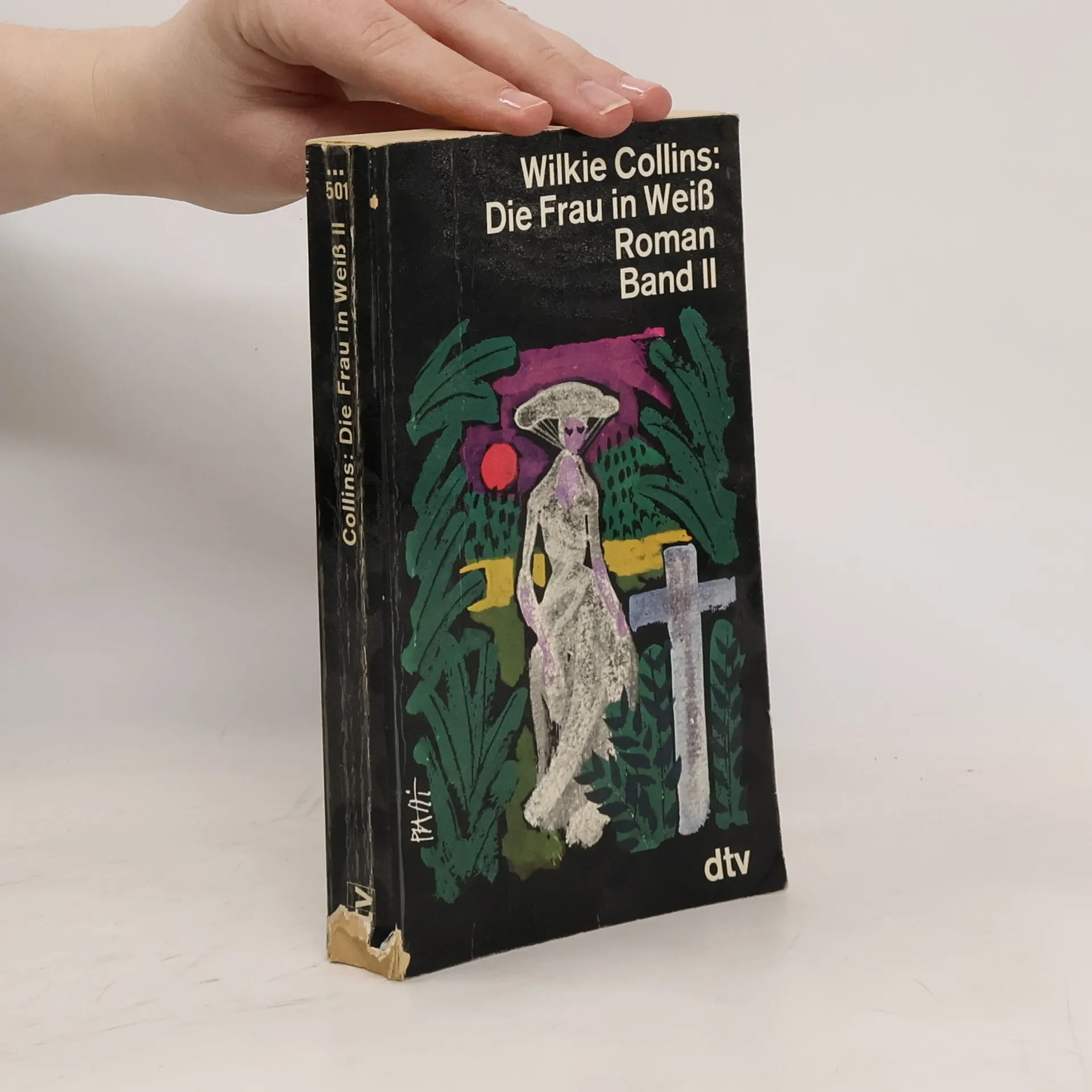
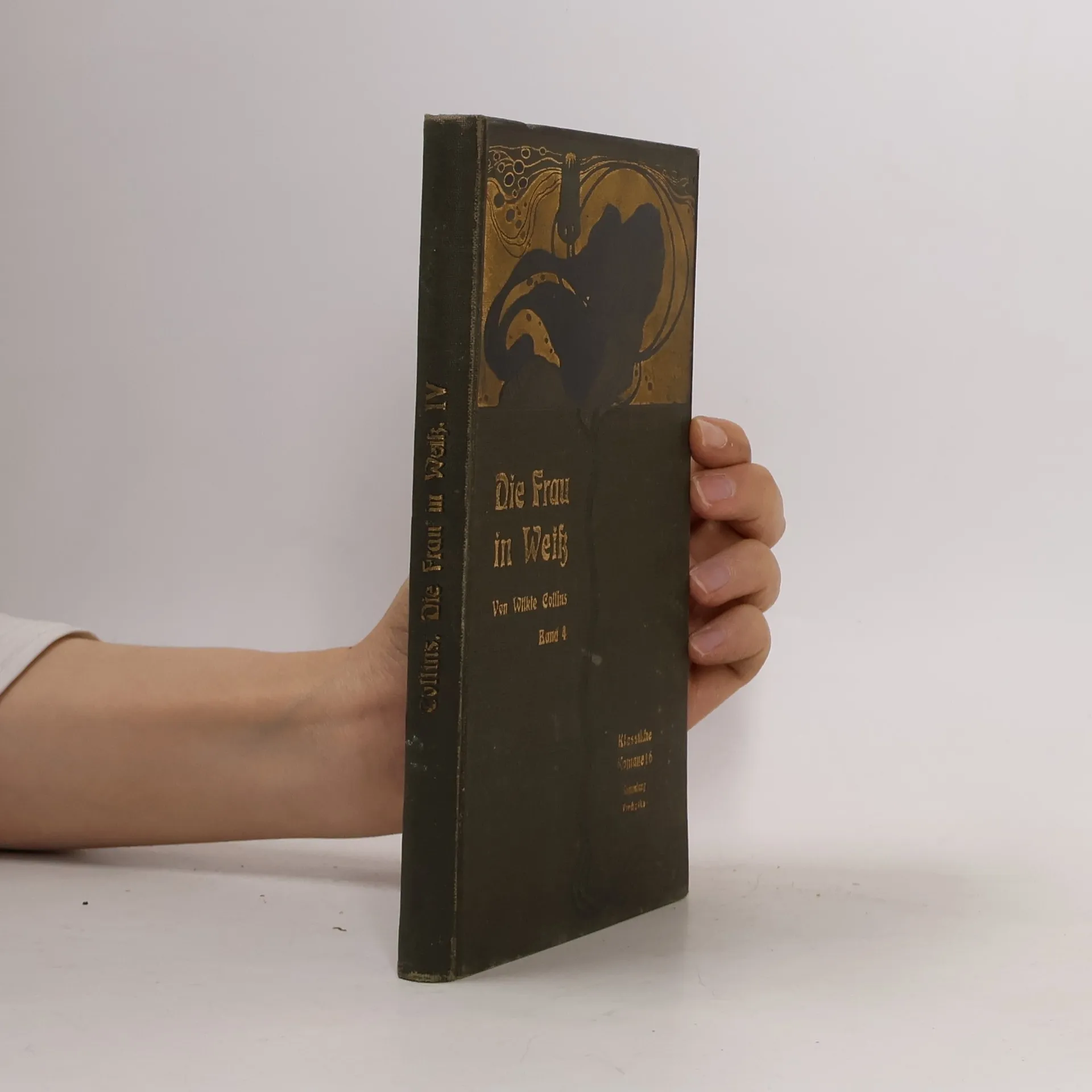
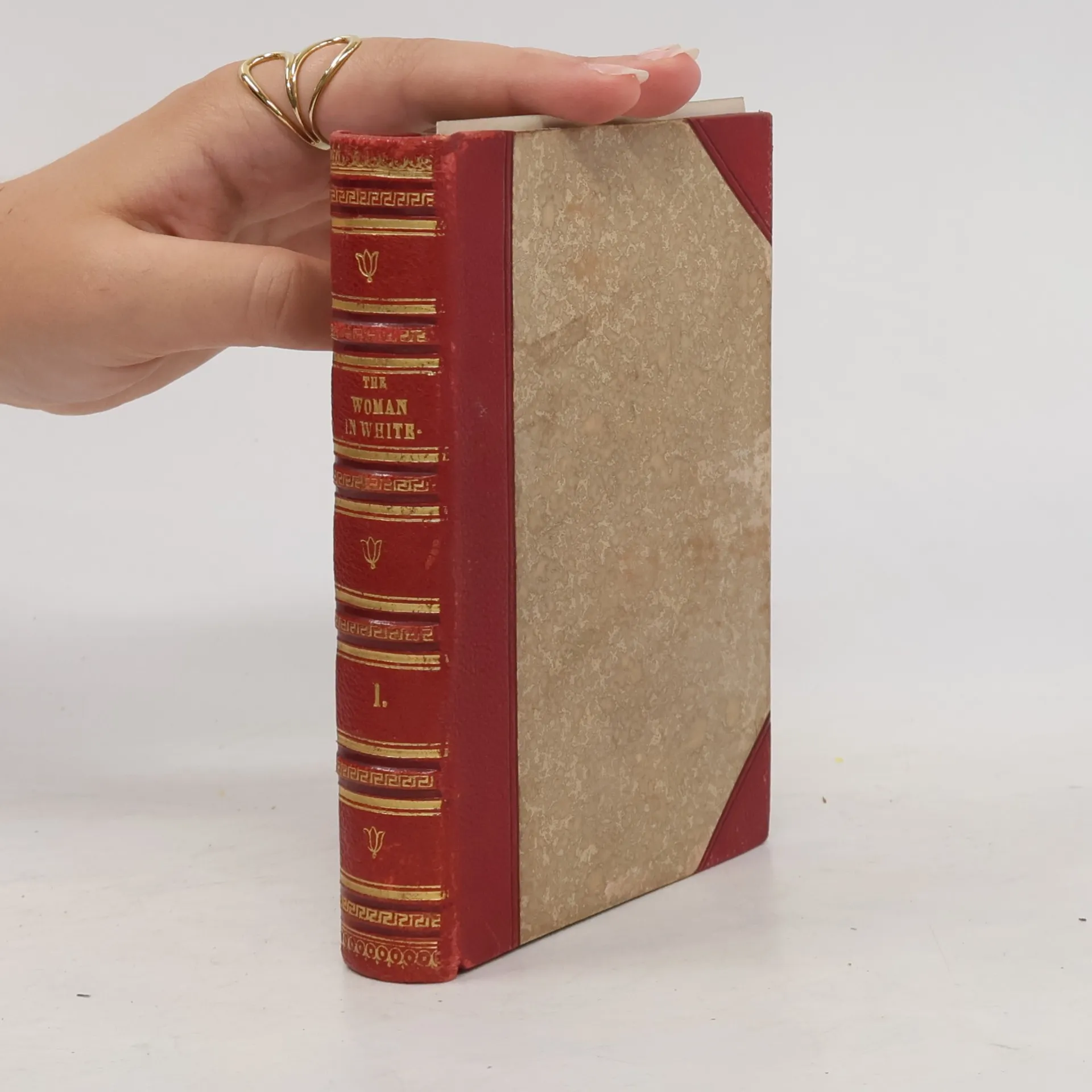
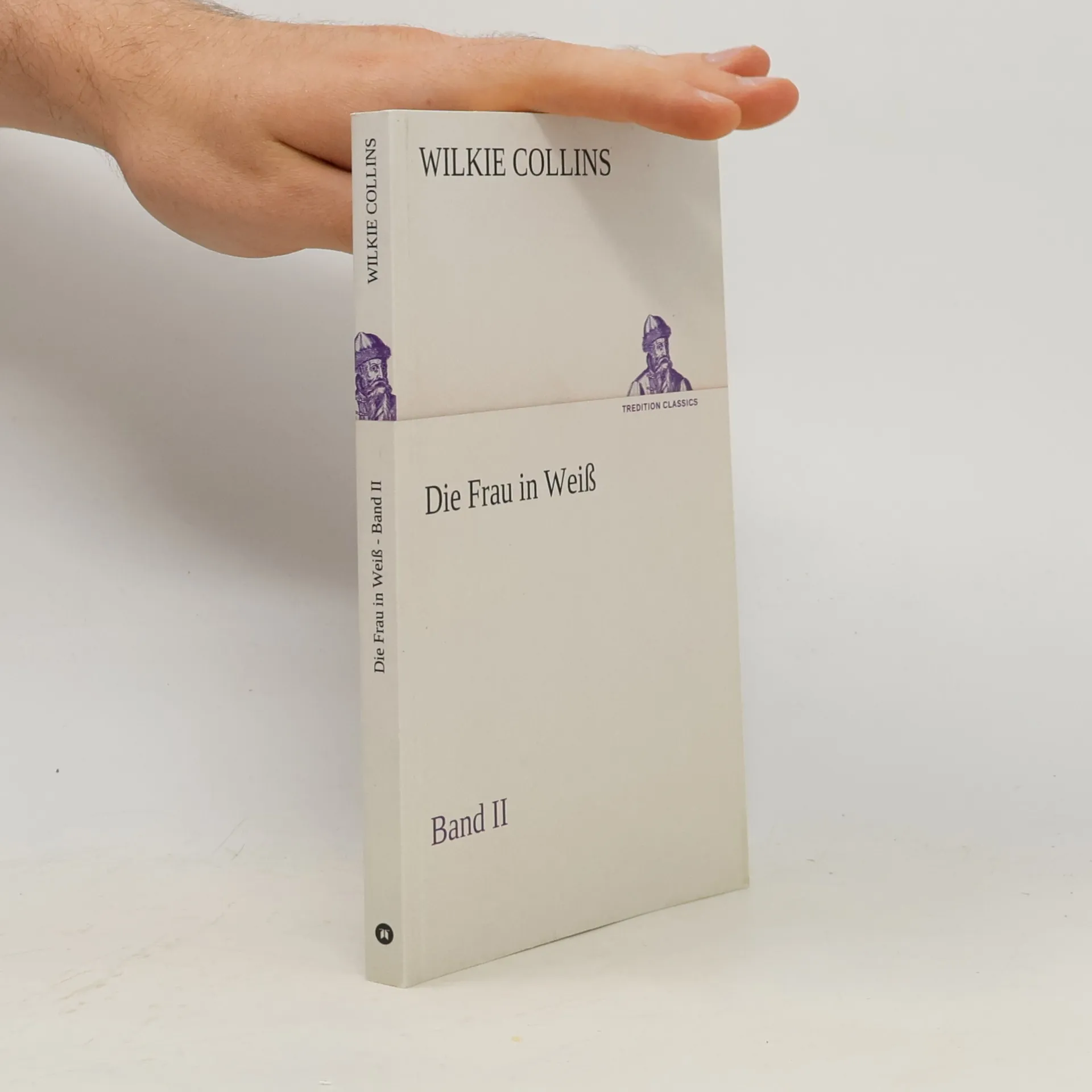
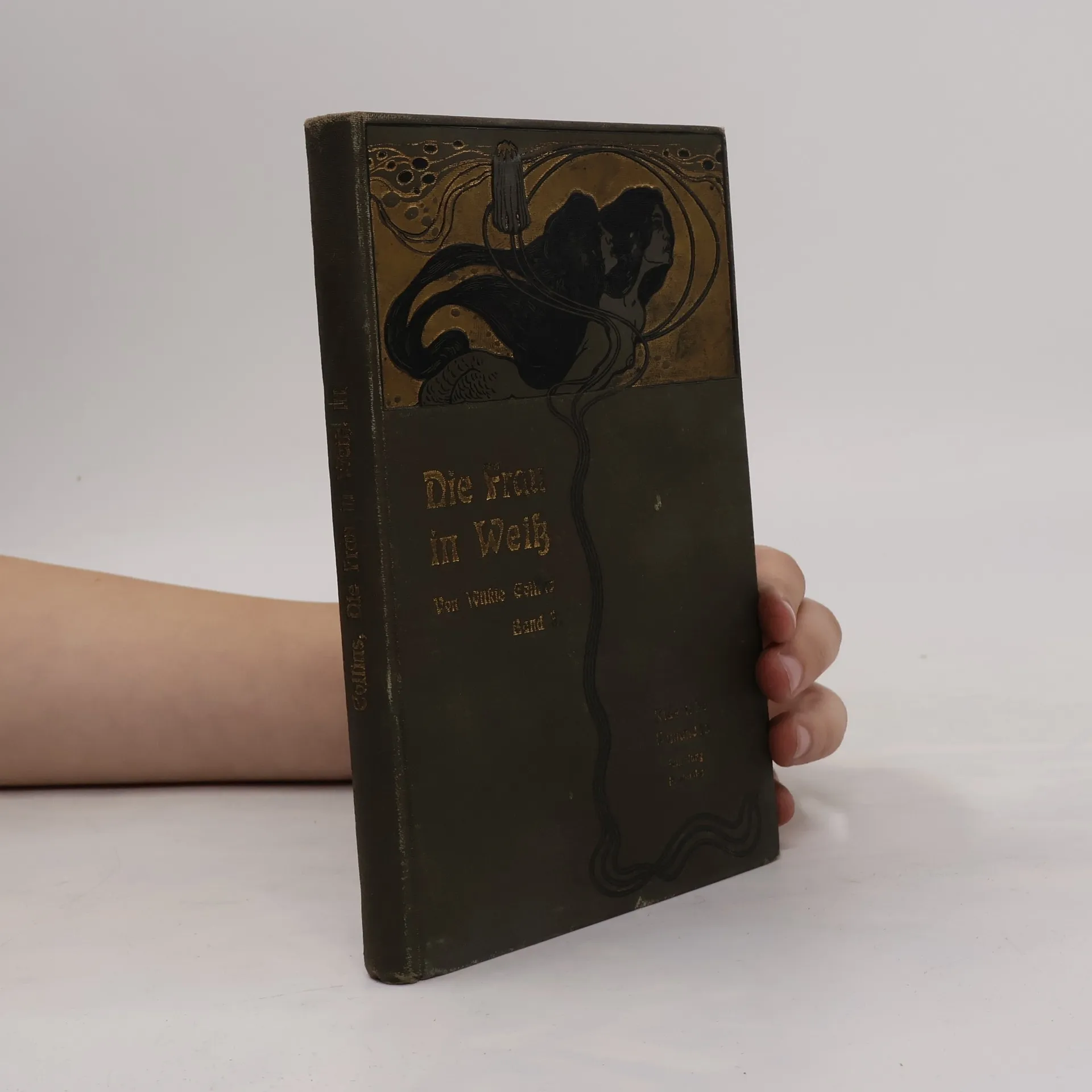
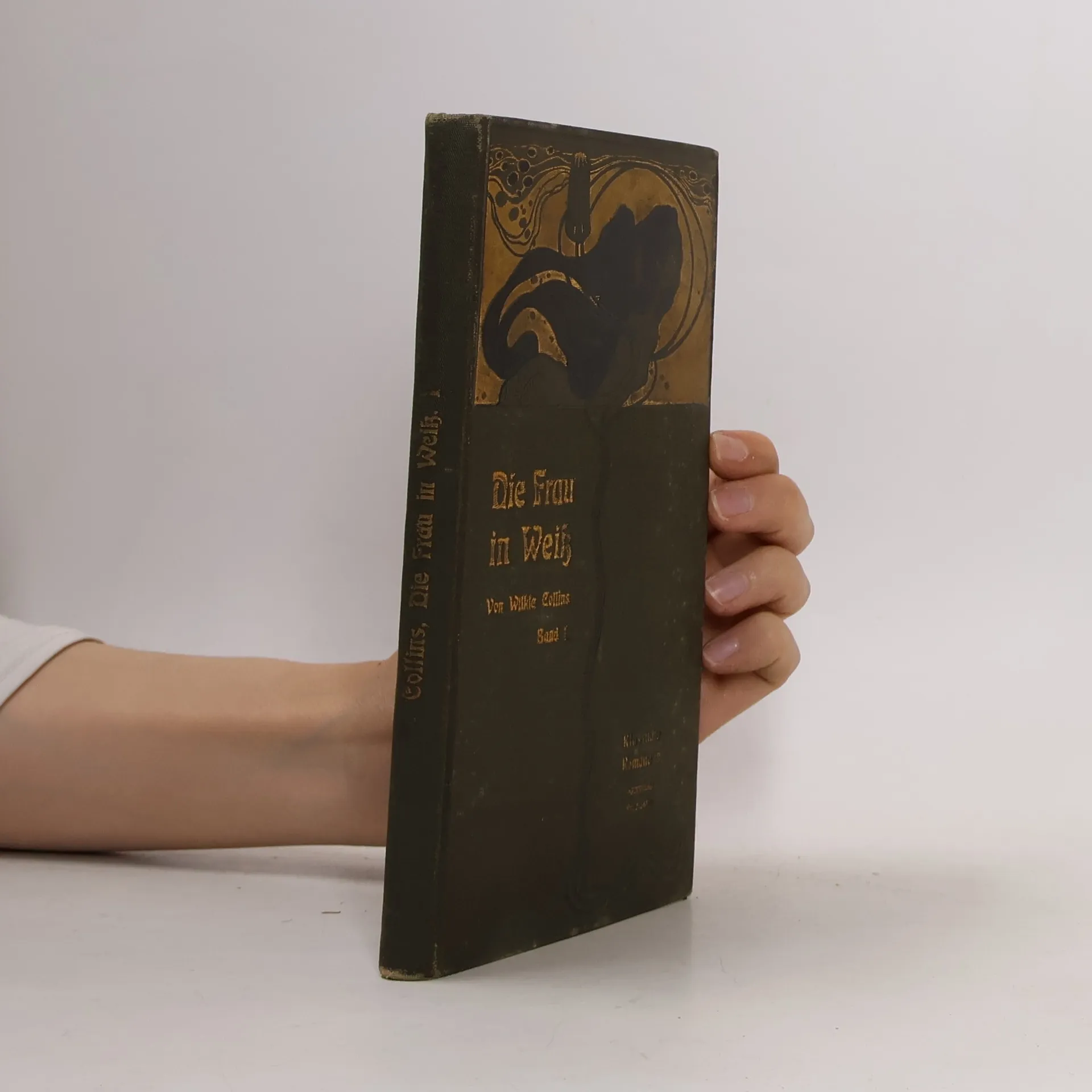
Wie die Inschrift auf seinem Grabstein verrät, wollte Wilkie Collins als der "Autor von Die Frau in Weiß" in Erinnerung bleiben, denn dieser Roman sicherte ihm zu Lebzeiten seinen Ruf. Der Roman beginnt mit einer unheimlichen nächtlichen Begegnung eines Zeichenlehrers mit einer geheimnisvollen Frau in Weiß und folgt dann seiner Liebe zu Laura Fairlie, einer jungen Frau, die von ihrem Ehemann, Sir Percival Glyde, und seinem finsteren Komplizen, Graf Fosco, fälschlicherweise in ein Irrenhaus eingesperrt wird.
Die Liebe des jungen englischen Kaufmannsohnes David Glenney droht am Veto seines Vaters zu scheitern, denn die Schwiegermutter in spe wird des Giftmords verdächtigt.- Klassiker von 1880
Die Geschichte untersucht Themen wie Einsamkeit und gesellschaftliche Zwänge und folgt vier Frauen, die mit Amelius Goldenheart verbunden sind, der aufgrund einer Affäre aus seiner utopischen Gemeinschaft verbannt wird. In London angekommen, sucht er Hilfe bei John Farnaby, dessen dunkle Vergangenheit die Situation kompliziert. Amelius verliebt sich in Farnabys Nichte, was ihn tiefer in eine Welt von Skandalen und moralischer Ambivalenz zieht. Die Erzählung kontrastiert die harten Realitäten der englischen Gesellschaft mit den Idealen der Utopie und veranschaulicht die Komplexität der Beziehungen zwischen Männern und Frauen im Kontext gesellschaftlicher Erwartungen.
Zwei Freunde, beide mit dem verhängnisvollen Namen Allan Armadale, sind unter dem Fluch ihrer Väter, Rivalen bis zum Mord. Die Handlung spielt 1832 in Wildbad, wo die Stadthonoratioren festlich auf die ersten Kurgäste warten. Unter ihnen ist der reiche, sterbenskranke Plantagenbesitzer Allan Armadale, der vor seinem Tod einen Brief für seinen Sohn beenden möchte. Darin warnt er vor seinem Namensvetter: „Lege Gebirge und Meere zwischen Dich und jenen anderen Armadale. Nie dürfen sich die beiden auf dieser Welt begegnen - nie, nie, nie!“ Doch bevor der Sohn den Brief lesen kann, kreuzen sich die Wege der beiden Armadales, und eine schöne Unbekannte mit rotem Schal löst mysteriöse Verwicklungen aus. Wilkie Collins schafft nicht nur eine spannende, brillant konstruierte Handlung, sondern fasziniert auch durch gekonnte Milieuschilderung und meisterhafte Charakterdarstellung: den grüblerischen Midwinter, den optimistischen Allan, die intrigante Lydia und die verliebte Majorstochter, die Allan den Kopf verdreht. Auch die Nebenfiguren, wie der schrullige Major, die alte Gaunerin Mutter Oldershaw und die gewitzten Anwälte, sind überzeugend ausgearbeitet. Spannung, Gruseleffekte, Liebe und Verstrickungen durchziehen die Handlung bis zur Lösung des Rätsels. Der Roman erschien 1866, sechs Jahre nach „Die Frau in Weiß“, und wurde ein Erfolg.
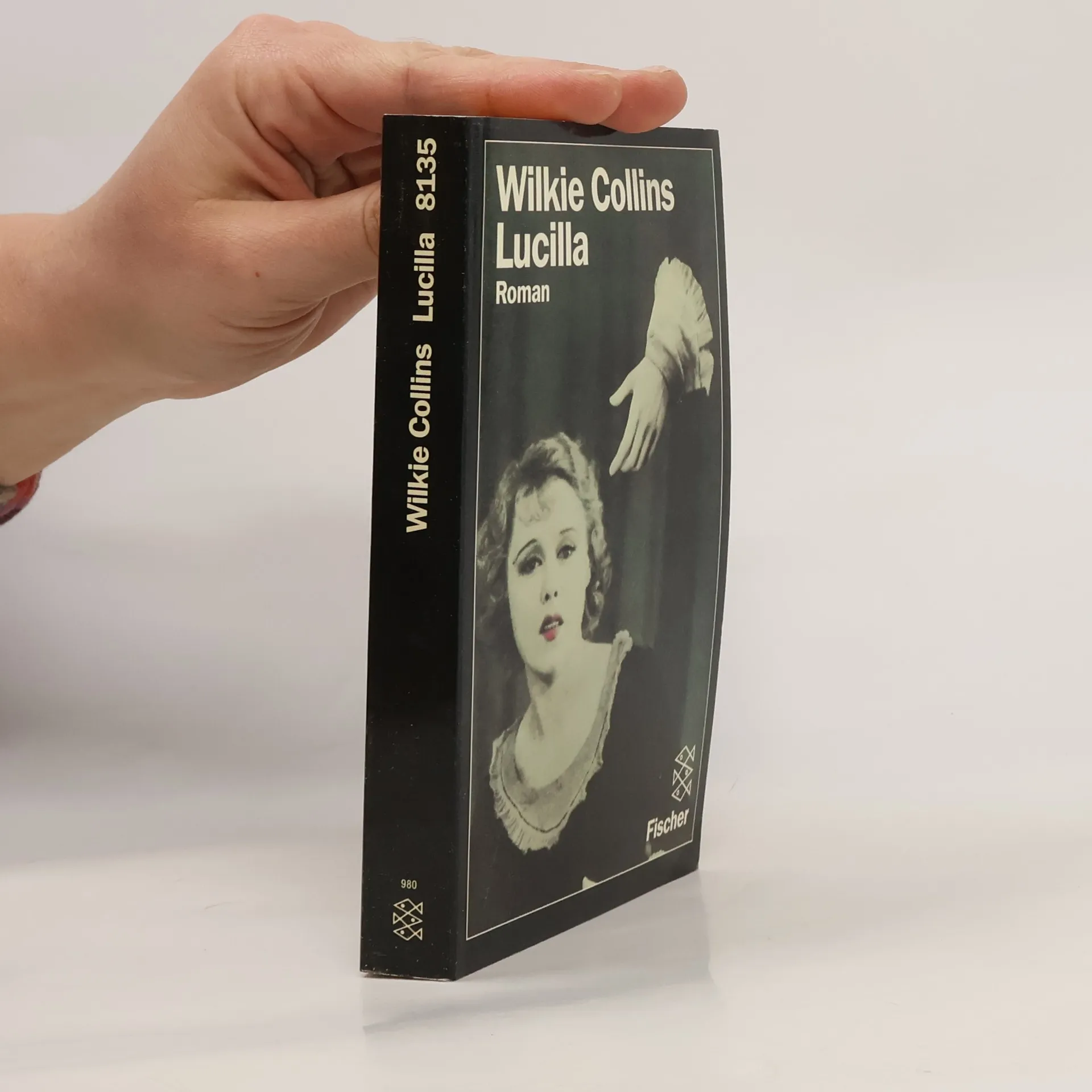
Wilkie Collins gilt als Begründer des modernen englischen Kriminalromans, vor allem durch sein Werk, das die Geschichte des jungen Zeichenlehrers Walter Hartright erzählt. Hartright, noch kein professioneller Detektiv, beobachtet und ermittelt, um der geheimnisvollen Frau in Weiß auf die Spur zu kommen. Laura, die junge Erbin von Limmeridge House, ist mit Sir Percival verlobt. Als Hartright sich in sie verliebt, muss er auf Wunsch von Lauras Onkel, Mr. Frederick Fairlie, seine Stelle aufgeben und das Haus verlassen. Kurz vor seiner Abreise erhält Laura ein anonymes Schreiben, das sie vor der Verbindung mit Sir Percival warnt. In dieser kritischen Situation begegnet Hartright erneut der Frau in Weiß. Die spannende Geschichte um die mysteriöse Erbschaft von Limmeridge zieht sich bis zur letzten Zeile. Collins präsentiert ein viktorianisches Liebespaar und nutzt eine moderne Erzählweise: Die Protagonisten enthüllen in raffinierten Briefen und Berichten nach und nach das Geheimnis. Der Roman erschien 1860 als Fortsetzungsgeschichte in Dickens' Zeitschrift und wurde sofort ein Bestseller. Die Fischer Taschenbuch-Ausgabe wurde von Arno Schmidt übersetzt.
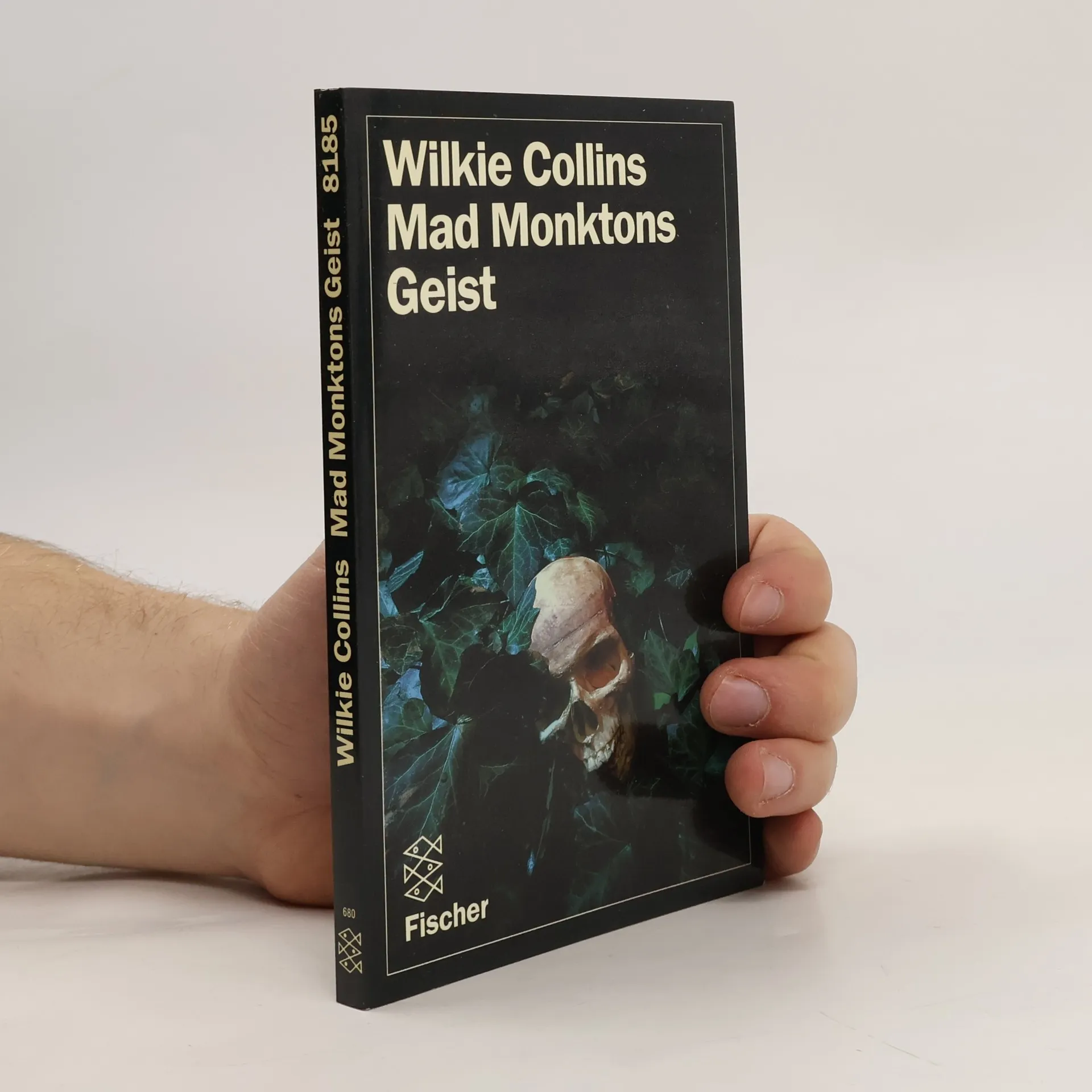
«Collins entdeckte das Geheimnis hinter unseren Haustüren» schrieb Henry James. Im ehemaligen Zentrum des schwarzen Esoterismus, Italien, sind zwei junge Menschen auf der Suche nach einer Leiche: Ist die Obsession, die den Herrn von Monkton quält, die Perversion eines Wahnsinnigen oder ein Fluch?
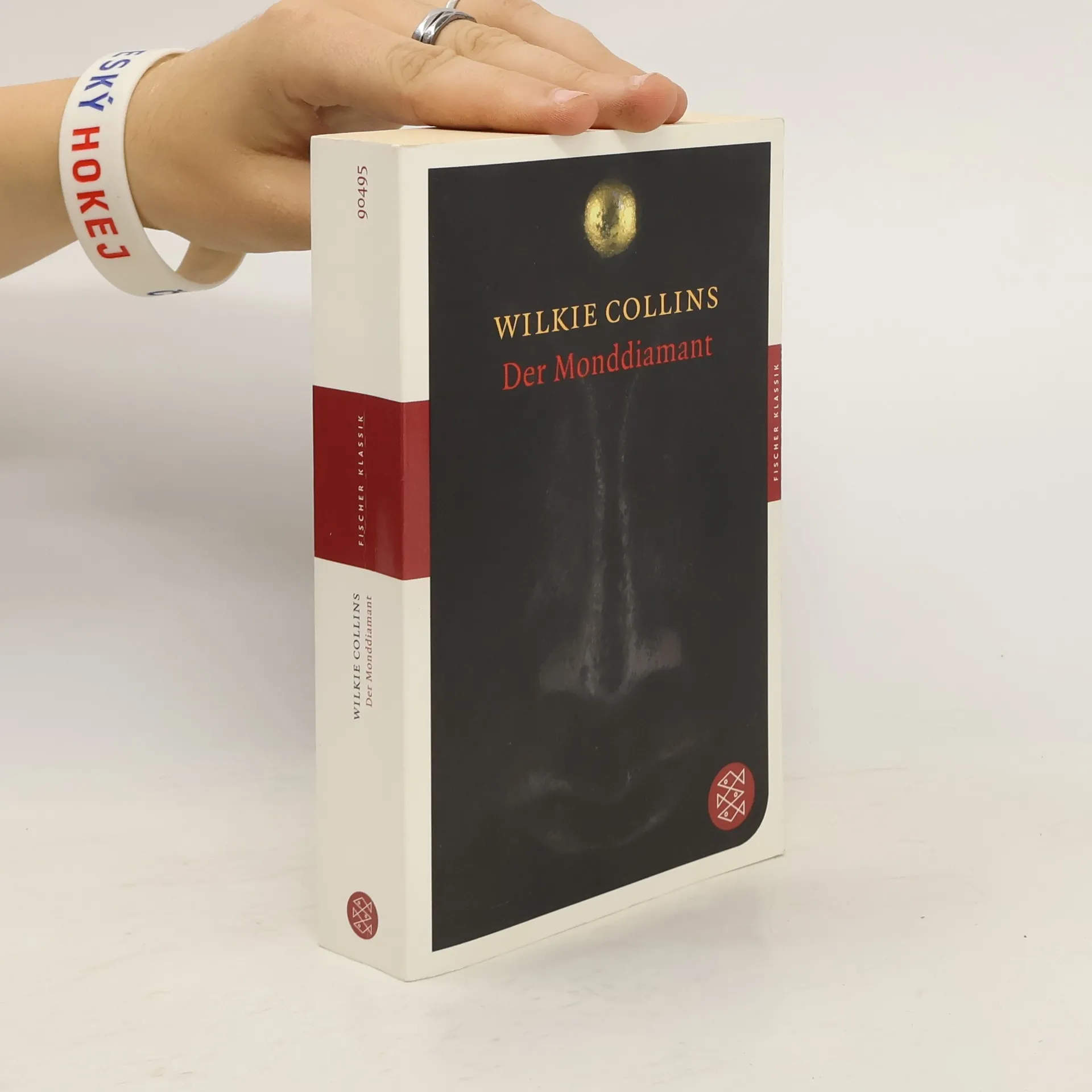
Die amüsanten Aufzeichnungen aller am 21. Juni 1848 auf dem Landschloss der Lady Verinder anwesenden Personen helfen schliesslich, das Verschwinden eines Diamanten aufzuklären.
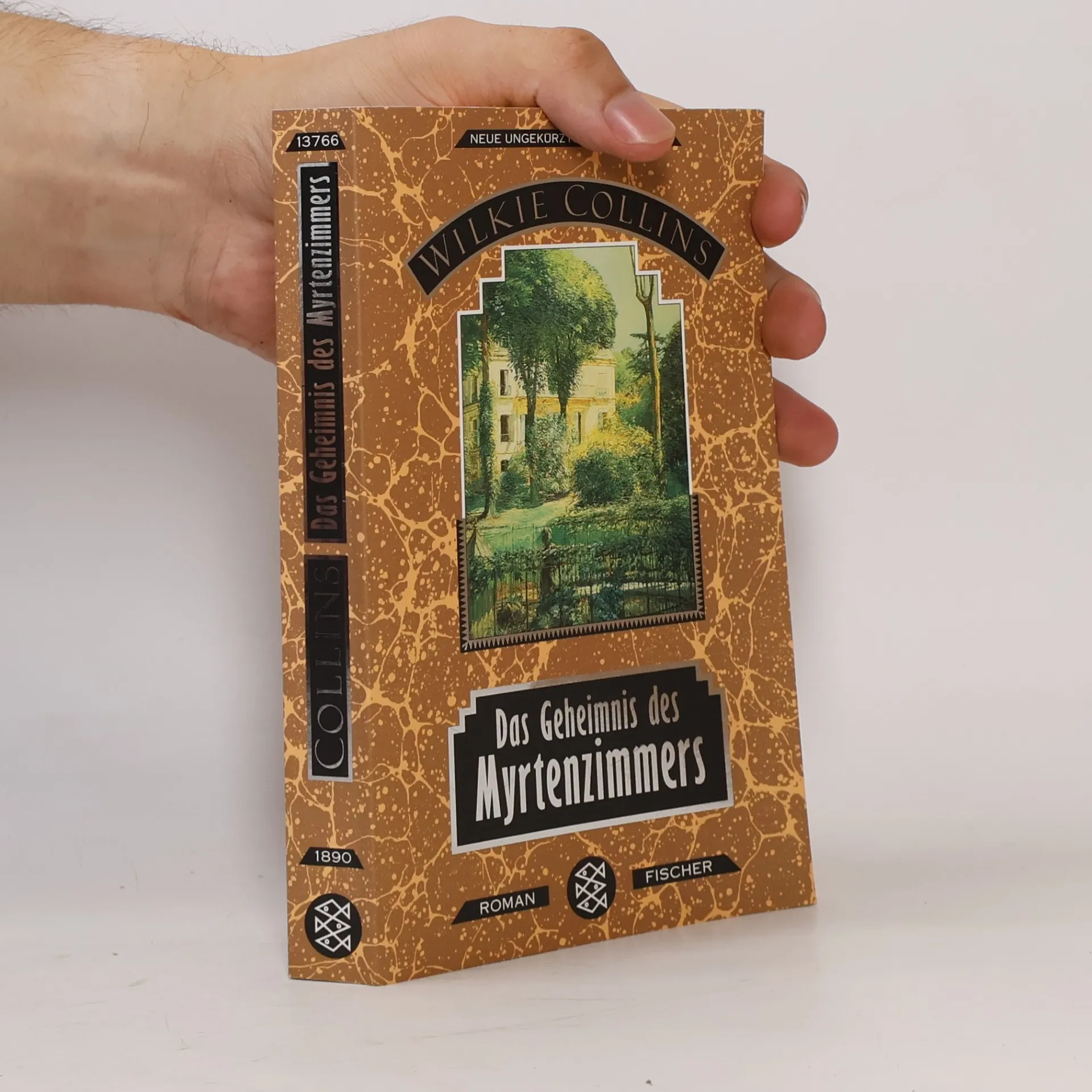
Im Porthgenna Tower stirbt Mrs. Treverton und verfasst einen geheimen Brief an ihren Mann, den sie ihrer Zofe Sarah anvertraut. Sarah kann den Brief nicht übergeben und versteckt ihn. Fünfzehn Jahre später heiraten Rosamund und Leonhard, doch bei der Geburt ihres Kindes kommt es zu mysteriösen Ereignissen, die mit dem Geheimnis im Myrtenzimmer verbunden sind.
Die junge Valeria sieht sich nach ihrer Hochzeit mit Eustace Woodville, der in Wahrheit Macallan heißt, mit einem schockierenden Vorwurf konfrontiert: Er soll seine erste Frau vergiftet haben. Entgegen ihrem anfänglichen Glauben an seine Unschuld beginnt sie, selbst Nachforschungen anzustellen. Dabei taucht sie in ein Netz aus Intrigen und Verdächtigungen ein, das ihre Welt auf den Kopf stellt und ihre Liebe auf die Probe stellt. Valerias Entschlossenheit, die Wahrheit zu finden, führt sie durch gefährliche und unerwartete Wendungen.
Poor Miss Finch ist ein unveranderter, hochwertiger Nachdruck der Originalausgabe aus dem Jahr 1872. Hansebooks ist Herausgeber von Literatur zu unterschiedlichen Themengebieten wie Forschung und Wissenschaft, Reisen und Expeditionen, Kochen und Ernahrung, Medizin und weiteren Genres.Der Schwerpunkt des Verlages liegt auf dem Erhalt historischer Literatur.Viele Werke historischer Schriftsteller und Wissenschaftler sind heute nur noch als Antiquitaten erhaltlich. Hansebooks verlegt diese Bucher neu und tragt damit zum Erhalt selten gewordener Literatur und historischem Wissen auch fur die Zukunft bei."
Im Mittelpunkt des historischen Konflikts um die missratene Franklin-Expedition steht das tragische Geschehen von 1845, als die Expedition auf der Suche nach der Nordwestpassage verschwand. Das Stück beleuchtet den Bericht von John Rae aus dem Jahr 1854, der erschütternde Augenzeugenberichte von Inuit über das Schicksal der Besatzung enthielt, einschließlich Beweisen für Kannibalismus als verzweifelte Überlebensstrategie. Diese dramatische Erzählung thematisiert Exploration, Überleben und die harten Realitäten, mit denen Menschen in extremen Umständen konfrontiert sind.
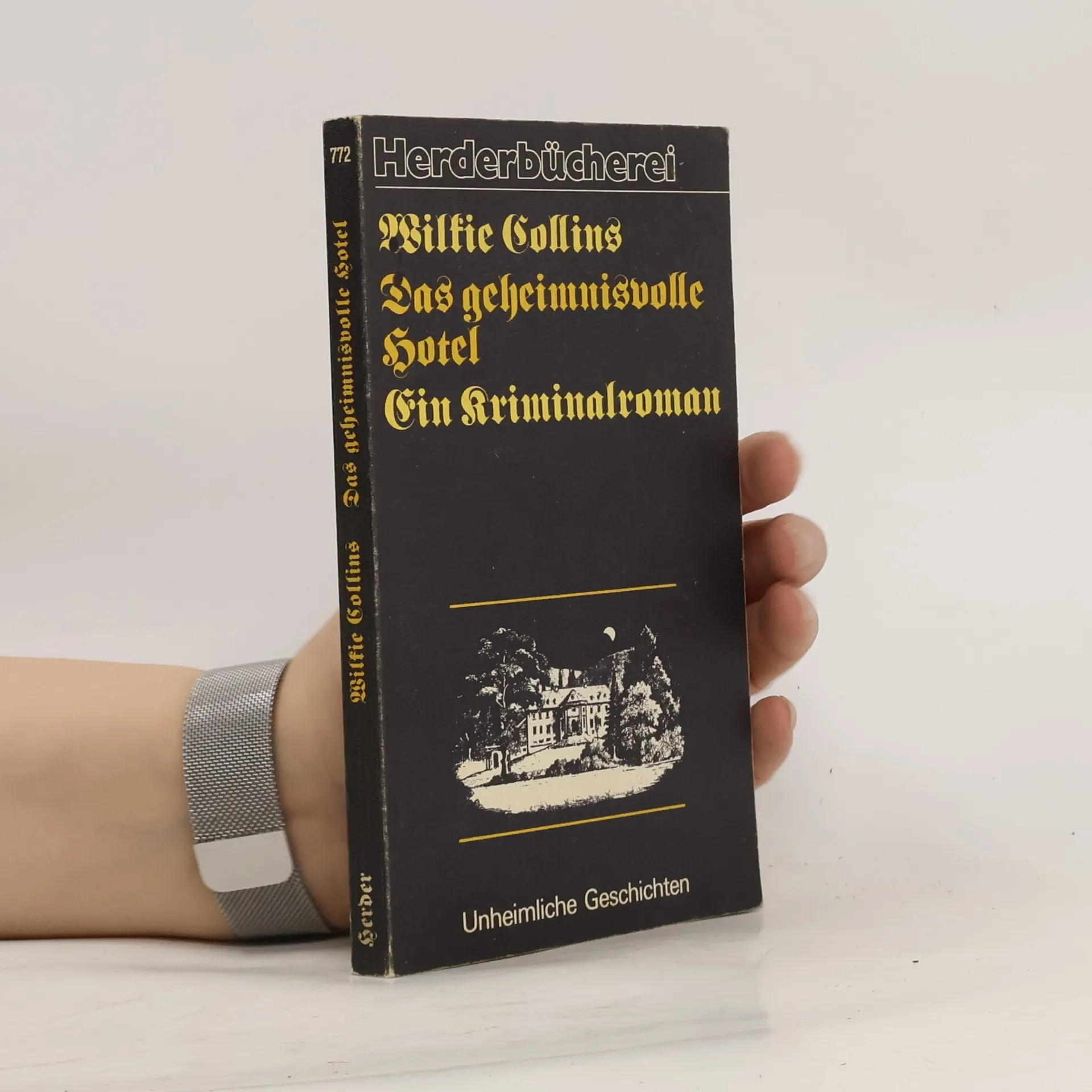
Kriminální příběh z prostředí viktoriánské společnosti. Případ tajemné vraždy je líčen tak poutavě, že mu neubralo nic na účinnosti ani téměř devadesát let, kdy román poprvé vyšel, ani konkurence moderních detektivek. Děj se točí kolem záhadného hotelu, kde se odehrávají podivné události a nečekaná setkání. Hlavní postavy se snaží odhalit pravdu, zatímco se potýkají s vlastním strachem a pochybnostmi. Collins mistrně zachycuje atmosféru doby a psychologii postav, což činí tento román nejen napínavým, ale i hlubokým zkoumáním lidské povahy. Tajemství, které hotel skrývá, se postupně odhaluje, a čtenář je vtahován do spletitého příběhu plného zvratů a nečekaných odhalení.
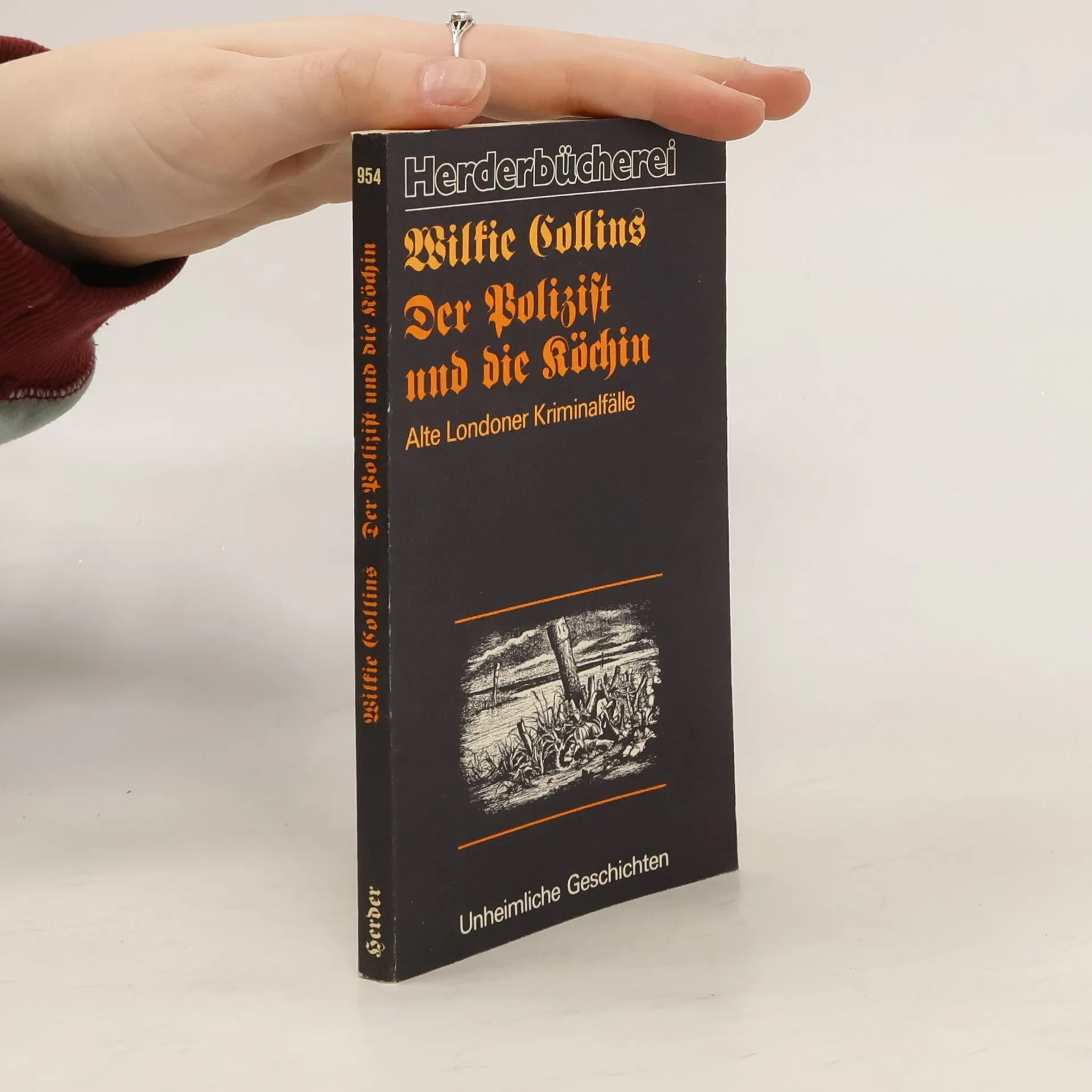
Ein sterbender Polizist erinnert sich daran, wie ein grausamer Mord vor vielen Jahren sein Leben für immer verändern sollte. Als John Zebedee nachts mit einem Messer getötet aufgefunden wird, wird unser Erzähler zur Untersuchung geschickt. Bald stellt er fest, dass das Gasthaus von Mrs. Crosscapel ein Ort dunkler Geheimnisse und begrabener Leidenschaften ist – Emotionen, die bald sogar sein eigenes Urteil trüben werden.
Der erste Kriminalroman mit einer Frau als Ermittlerin
292 Seiten
11 Lesestunden
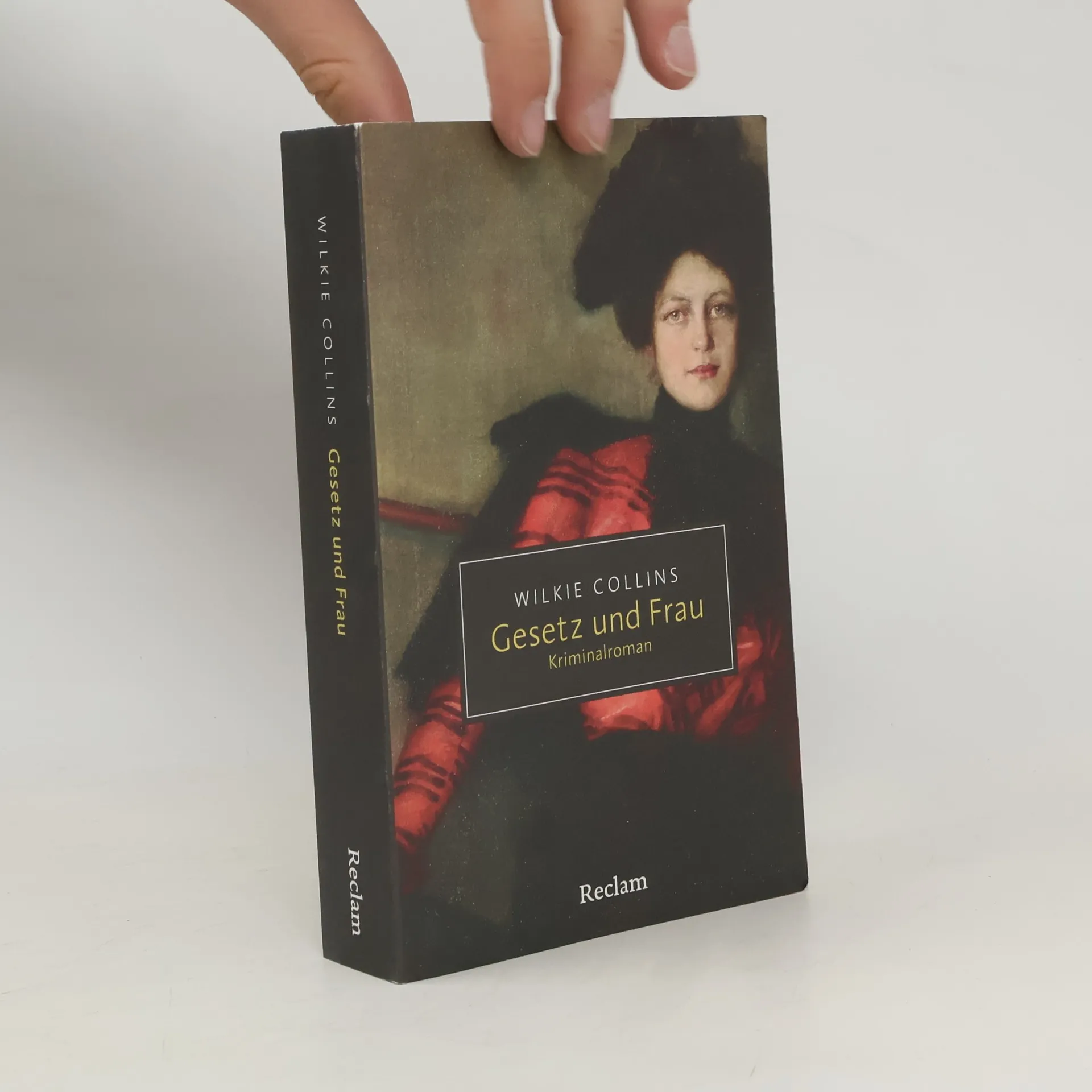
Der Roman präsentiert die erste weibliche Ermittlerin in der Kriminalliteratur und thematisiert die Herausforderungen, mit denen Frauen im rechtlichen und sozialen Kontext des 19. Jahrhunderts konfrontiert sind. Die Hauptfigur kämpft nicht nur gegen gesellschaftliche Vorurteile, sondern auch um Gerechtigkeit in einem von Männern dominierten Rechtssystem. Die Neuausgabe bietet eine moderne Anpassung der Sprache und ist Teil einer Reihe, die die bedeutende Rolle von Frauen in der Literatur hervorhebt. Die ansprechende Umschlaggestaltung ergänzt die zeitlose Thematik des Werkes.
Wilkie Collins: Fräulein oder Frau? Miss Or Mrs.? Erstdruck: 1872 in der Weihnachtsausgabe von Graphic. Hier in der deutschen Übersetzung von Dr. Emil Lehmann, Leipzig, Verlag von Ernst Julius Günther, 1872. Neuausgabe. Herausgegeben von Karl-Maria Guth. Berlin 2021. Der Text dieser Ausgabe wurde behutsam an die neue deutsche Rechtschreibung angepasst. Umschlaggestaltung von Thomas Schultz-Overhage unter Verwendung des Bildes: Charles Allston Collins, Wilkie Collins, 1853. Gesetzt aus der Minion Pro, 11 pt. Henricus - Edition Deutsche Klassik GmbH
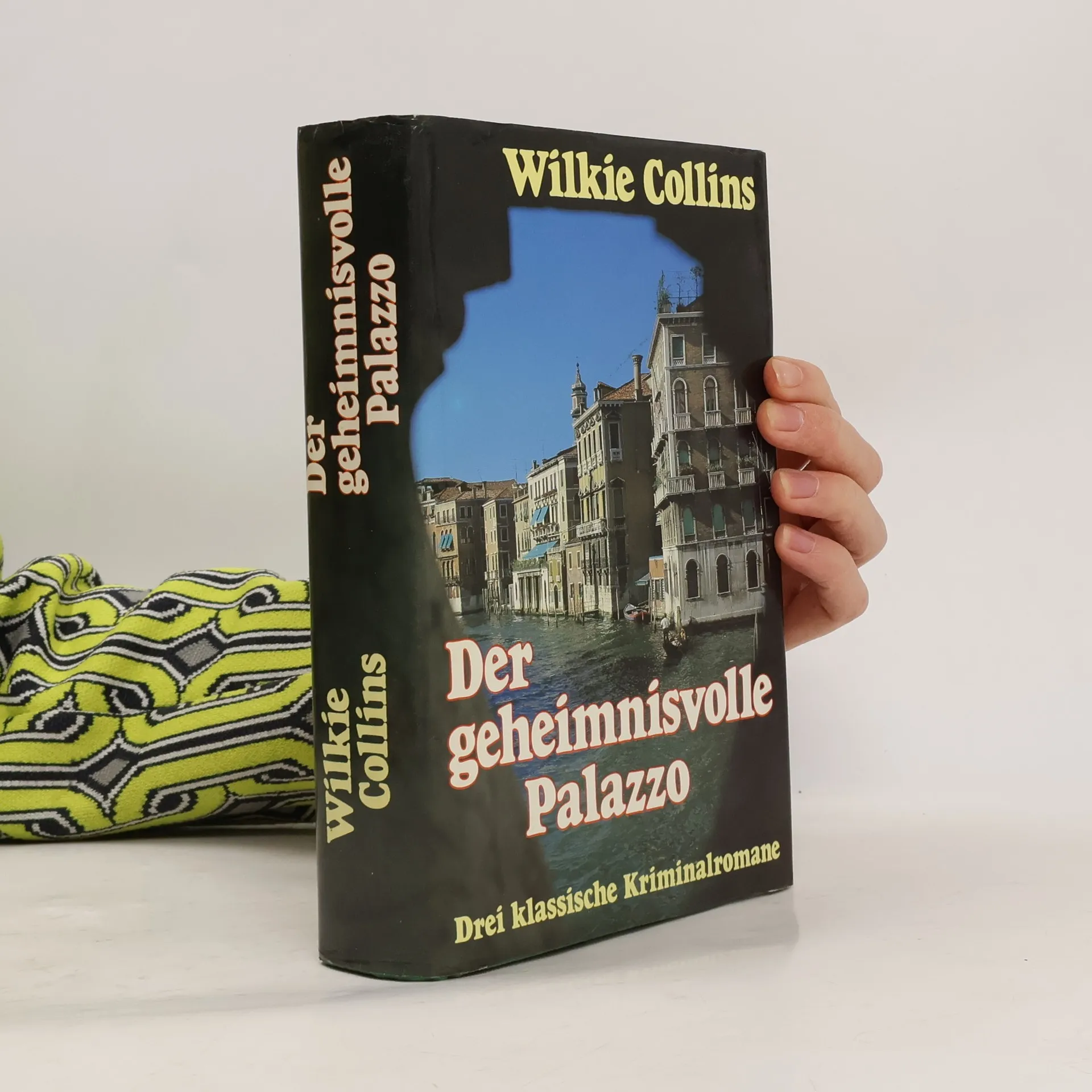
Parigi. Ein dunkler Palazzo, der als Gasthaus dient. Ein geheimnisvoller Raum, in dem müde Reisende untergebracht werden. Ein junger Engländer, der bei einem Mordversuch sein Leben riskiert, wegen eines schrecklichen Geheimnisses, das sich zwischen diesen unheimlichen Wänden verbirgt, wo der Schatten anderer Verbrechen spürbar ist. Mit Hilfe seines Mutes und der Polizei werden sie herausfinden, was sich hinter diesen Mauern verbirgt.
Zwei Jungen mit demselben Namen erleben im Erwachsenenleben gravierende Konsequenzen. Charles Dickens, ein wichtiger englischer Schriftsteller, kritisiert soziale Missstände in seinen prägnanten und humorvollen Romanen. Wilkie Collins, ein Pionier des Mystery Thrillers, war ein bekannter viktorianischer Autor und Dickens' Freund.
Die Heirat im Omnibus - Erster Band ist ein unveränderter, hochwertiger Nachdruck der Originalausgabe aus dem Jahr 1860. Hansebooks ist Herausgeber von Literatur zu unterschiedlichen Themengebieten wie Forschung und Wissenschaft, Reisen und Expeditionen, Kochen und Ernährung, Medizin und weiteren Genres. Der Schwerpunkt des Verlages liegt auf dem Erhalt historischer Literatur. Viele Werke historischer Schriftsteller und Wissenschaftler sind heute nur noch als Antiquitäten erhältlich. Hansebooks verlegt diese Bücher neu und trägt damit zum Erhalt selten gewordener Literatur und historischem Wissen auch für die Zukunft bei.
Wilkie Collins, 1824-1889, gilt als Begründer des englischen Sensationsromans und war eng mit Charles Dickens befreundet, dessen Zeitschrift viele seiner Romane veröffentlichte. „Der rote Schal“ wird von Kritikern, einschließlich T. S. Eliot, als eines von Collins' Hauptwerken angesehen. Die Handlung spielt 1832 in Wildbad, wo die Stadthonoratioren auf die ersten Kurgäste warten. Unter ihnen ist der reiche, sterbenskranke Allan Armadale, der vor seinem Tod einen Brief an seinen Sohn verfassen möchte, in dem er vor einem Namensvetter warnt: „Lege Gebirge und Meere zwischen Dich und jenen anderen Armadale.“ Bevor der Sohn den Brief erhält, kreuzen sich die Wege der beiden Armadales, und eine geheimnisvolle Unbekannte mit einem roten Schal löst eine Reihe von Verwicklungen aus. Collins bietet nicht nur eine spannende Handlung, sondern auch lebendige Milieuschilderungen und meisterhafte Charakterdarstellungen, darunter den nachdenklichen Midwinter, den optimistischen Allan und die intrigante Lydia. Auch die Nebenfiguren sind mit viel Geschick gezeichnet. Der Roman vereint Romantik, Abenteuer und Spannung auf eine Weise, die heutigen Krimi-Autoren als Lehrstück dienen könnte. Collins fesselt nicht nur durch geheimnisvolle Rätsel, sondern auch durch seinen trockenen Witz und die Darstellung von Menschen, die trotz widriger Umstände letztlich siegen.
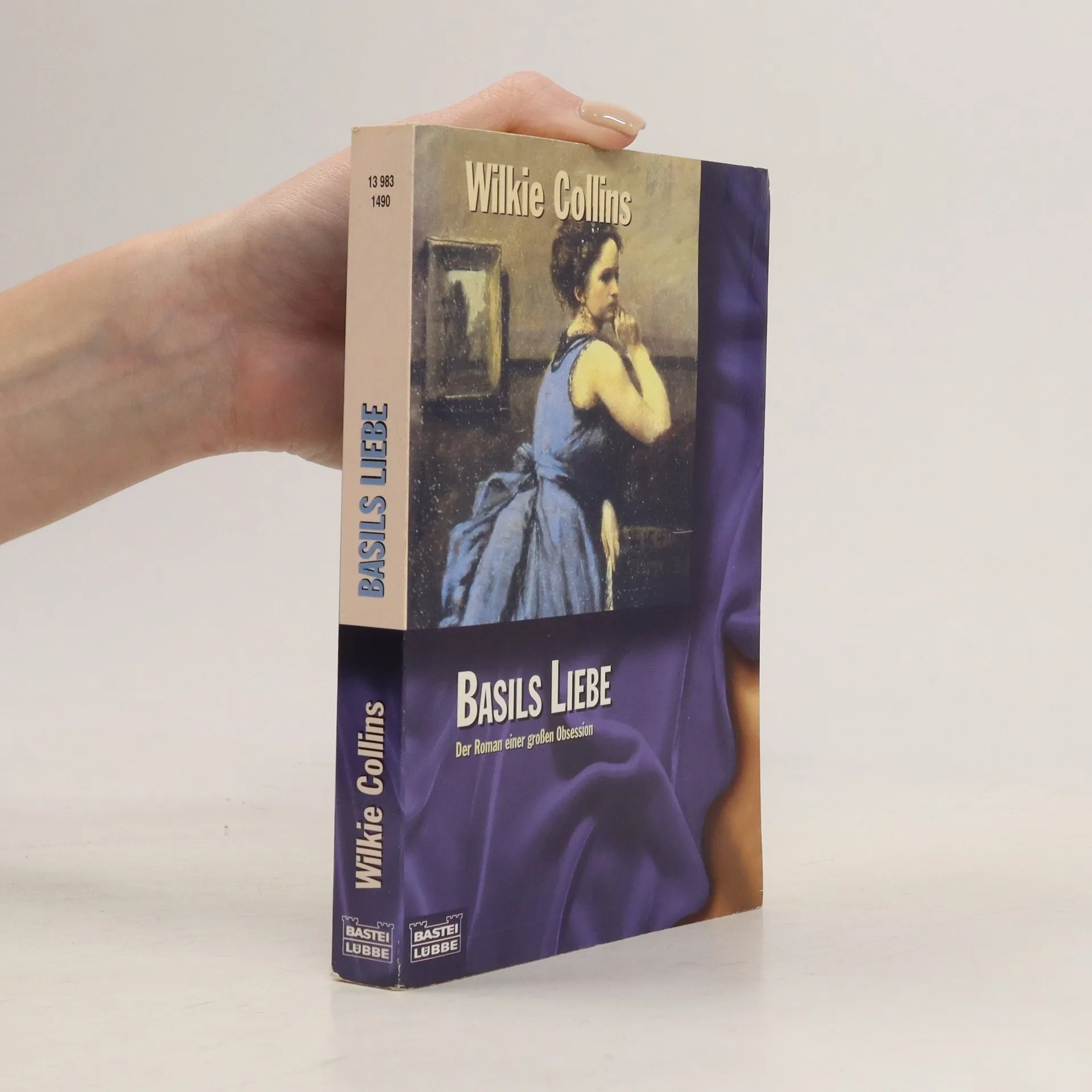
Basil stammt aus den sogenannten besseren Kreisen Londons. Seine Liebe zur Tochter eines Leinwebers hält er geheim. Auch die Trauung findet heimlich statt. Als Basil merkt, daß seine große Liebe ihn betrügt, wird er zum Verbrecher. Wilkie Collins (1824 - 89) ist als Autor von -Mondstein- und -Frau in Weiß- weltbekannt. Dieser Roman aber wurde aufgrund der erotischen Anspielungen lange Zeit totgeschwiegen.
Als der ältere Allan Armadale auf seinem Sterbebett ein schreckliches Geständnis ablegt, hat er keine Ahnung von den bevorstehenden Konsequenzen, denn das Geheimnis, das er offenbart, betrifft die geheimnisvolle Lydia Gwilt: feuerrothaarige Verführerin, Bigamistin, Laudanumabhängige und Ehemannmörderin. Ihre bösartigen Intrigen treiben die Handlung dieses packenden Melodramas voran: eine Geschichte von verwirrten Identitäten, vererbten Flüchen, romantischen Rivalitäten, Spionage, Geld – und Mord. Der Charakter von Lydia Gwilt schockierte zeitgenössische Kritiker, wobei ein Rezensent sie als „eine der härtesten weiblichen Bösewichte, deren Machenschaften und Begierden je die Fiktion verdunkelt haben“ beschrieb. Sie bleibt eine der rätselhaftesten und faszinierendsten Frauen der Literatur des neunzehnten Jahrhunderts und das dunkle Herz dieses sensationellsten der viktorianischen „Sensation Romane“.
Die Buchreihe TREDITION CLASSICS zielt darauf ab, bedeutende literarische Werke aus über zwei Jahrtausenden wieder zugänglich zu machen. Viele dieser Klassiker waren zuvor vergriffen oder nur antiquarisch erhältlich. Durch die Wiederveröffentlichung fördert der Verlag tredition die Bewahrung von Literatur und Kultur, sodass wichtige Texte nicht in Vergessenheit geraten. Diese Initiative ermöglicht es, eine Vielzahl von Meisterwerken aus verschiedenen Sprachen und Epochen einem breiten Publikum zugänglich zu machen.
This large print edition features easy-to-read text of Collins's classic work, making it accessible to a wider audience. The focus on readability enhances the experience of engaging with the timeless themes and intricate storytelling that define Collins's writing. Ideal for readers who appreciate classic literature but may struggle with smaller fonts, this edition ensures that the beauty of the prose is enjoyed without strain.
Collins to Fitzgerald: The Five Foot Shelf of Classics, Vol. XLI (in 51 Volumes)
518 Seiten
19 Lesestunden
This extensive 51-volume collection features seminal writings in literature, philosophy, history, and mythology, curated by Charles William Eliot, Harvard's longest-serving president. Known as "Dr. Eliot's Five Foot Shelf," it embodies his vision that a fundamental liberal education can be achieved through a carefully selected anthology. Originally published between 1909 and 1917 as the "Harvard Classics," the set aims to provide readers with a comprehensive foundation of essential texts that fit within a five-foot bookshelf.
The narrative revolves around Iris Henley, who marries the unstable Lord Harry Norland, defying her father's wishes. Their life together is marred by financial struggles and Harry's descent into insurance fraud, leading to a murder investigation. As Iris uncovers a conspiracy, she must confront the reality of her marriage. This unfinished work by Wilkie Collins, completed posthumously by Walter Besant, explores themes of love, desperation, and moral dilemmas, presented in a modern and accessible edition.
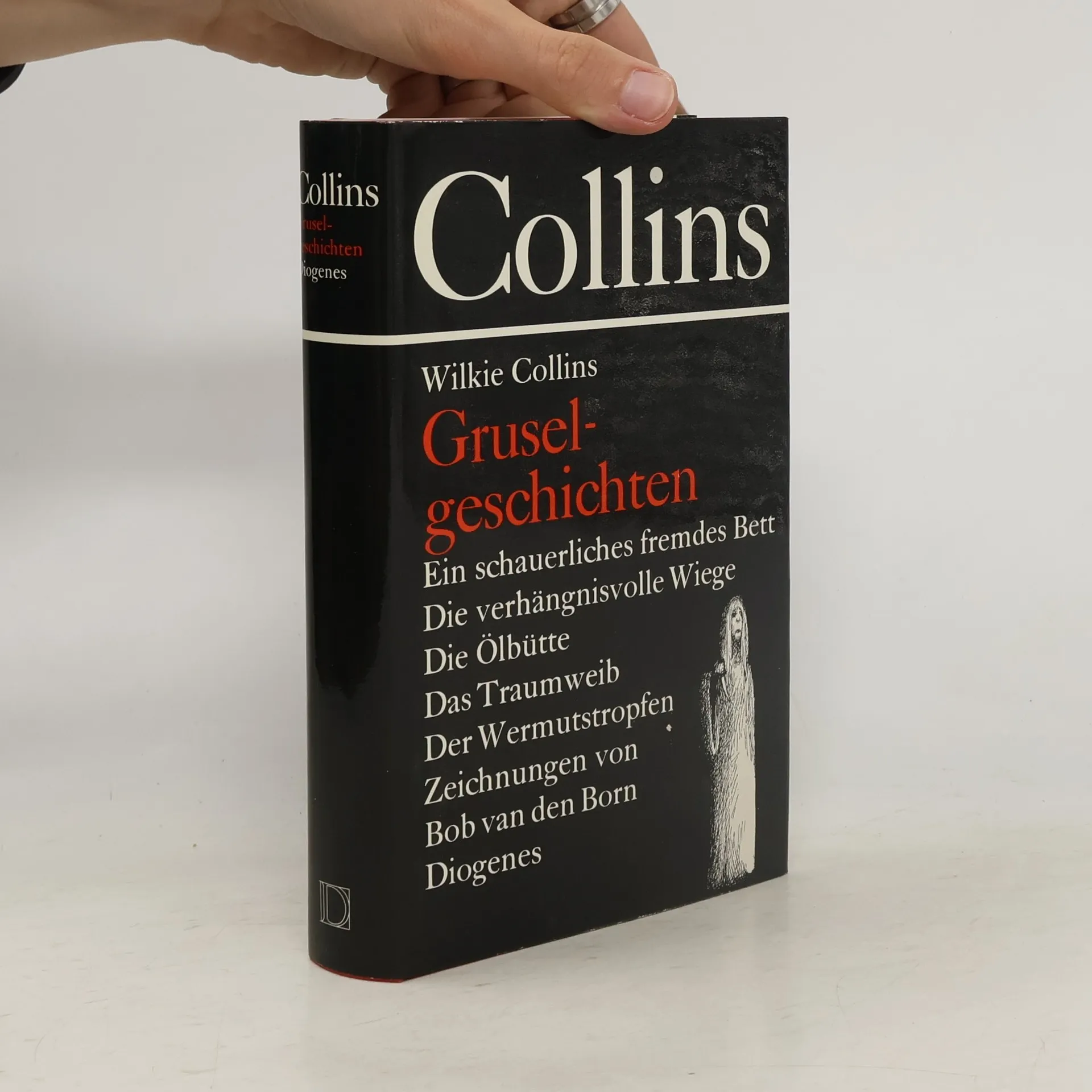
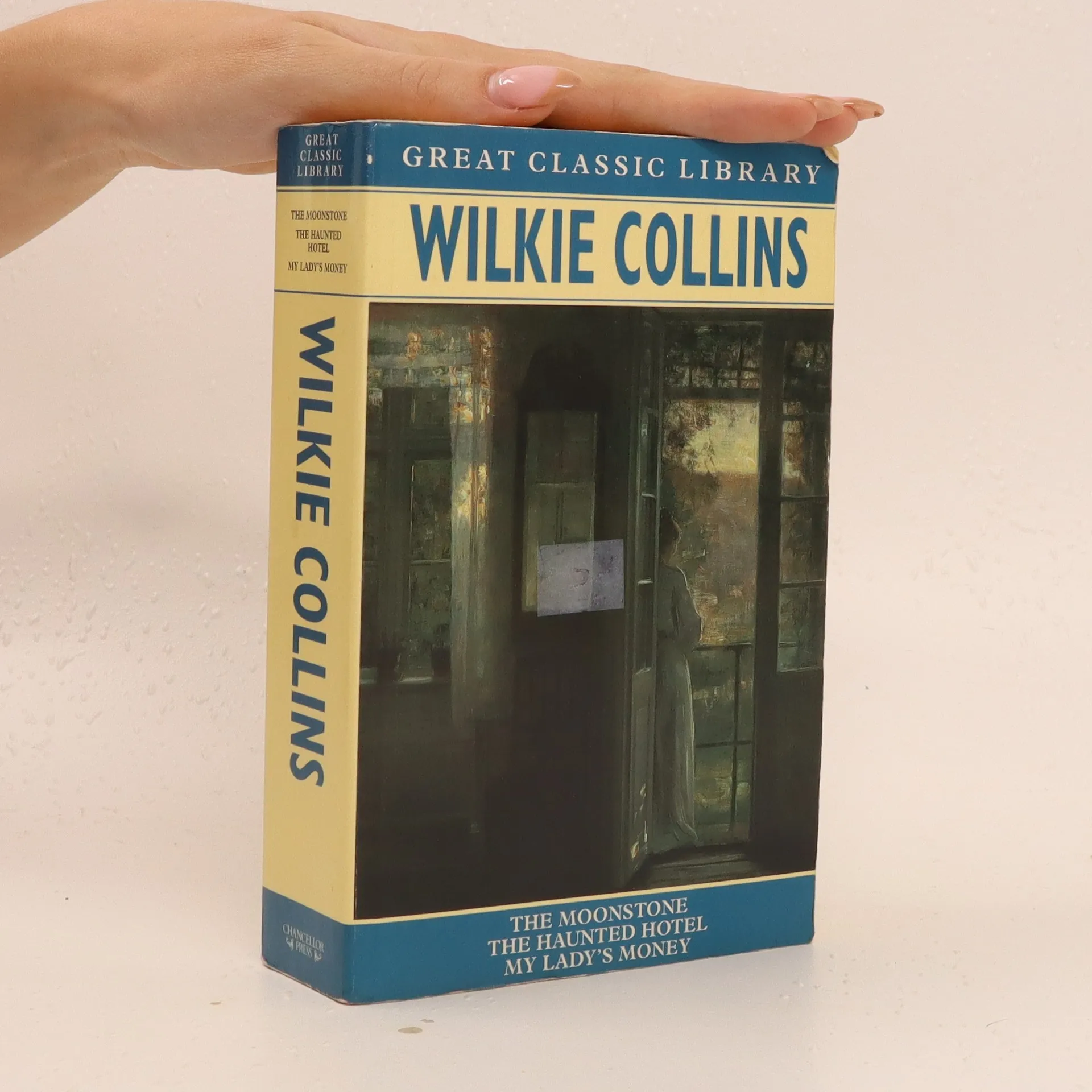
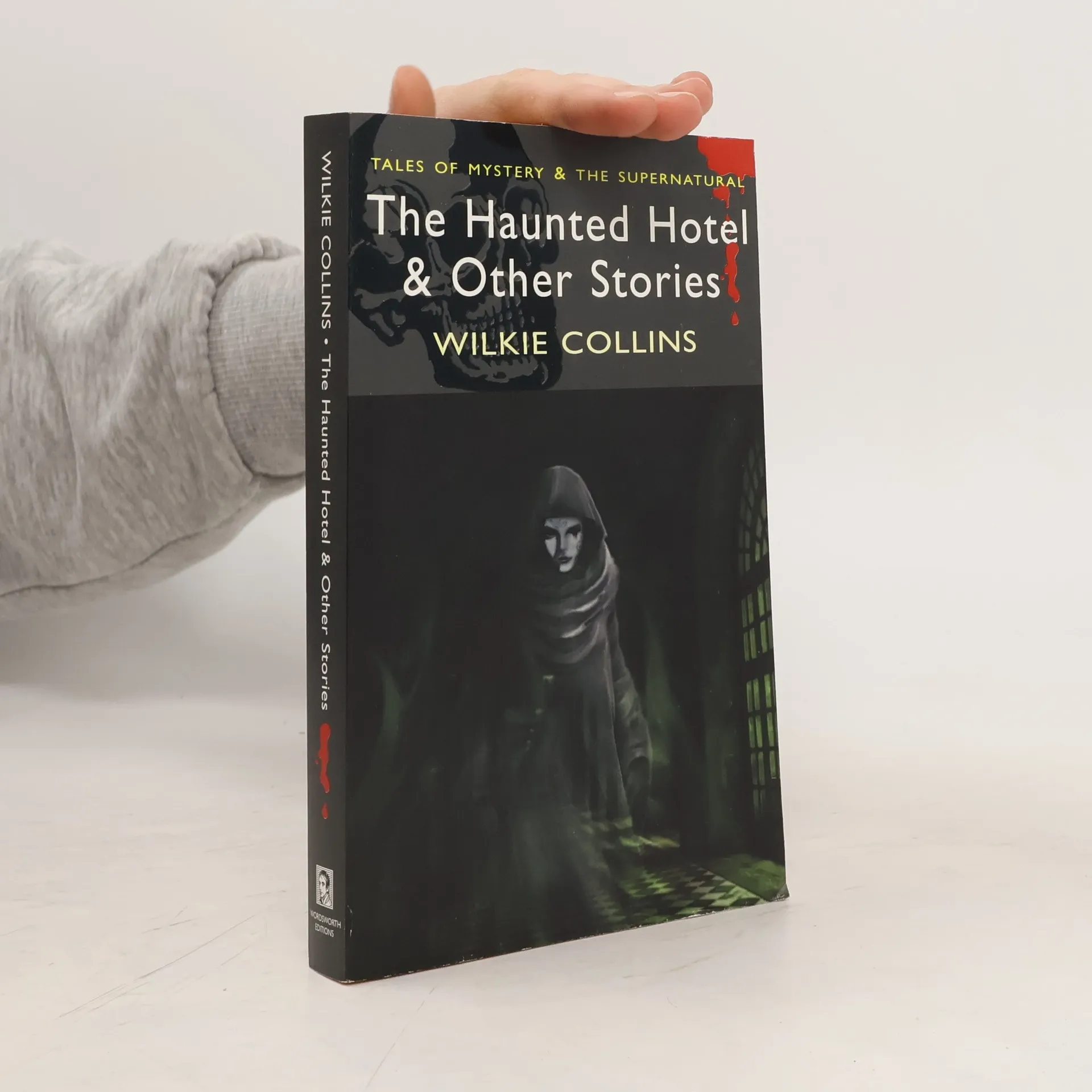
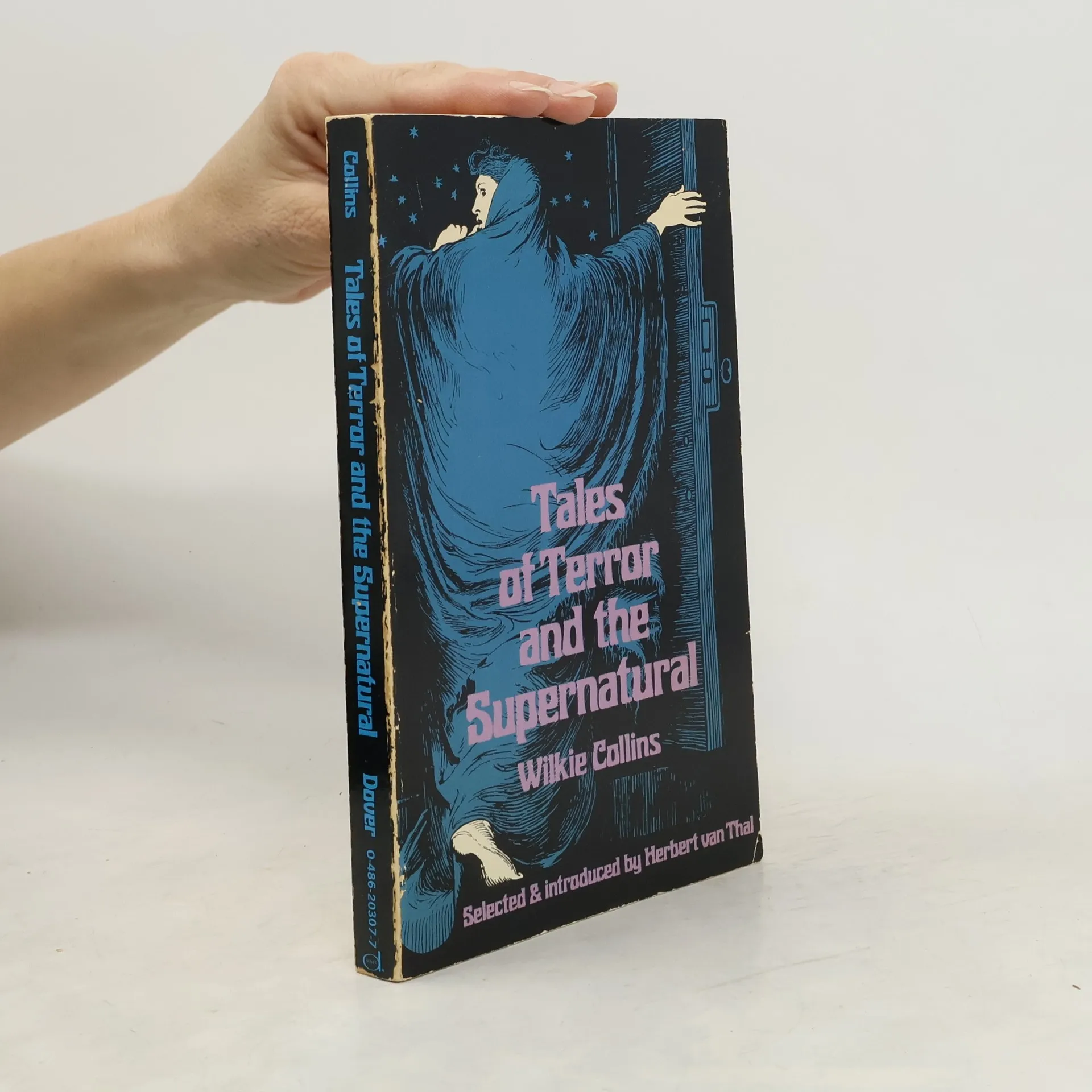
Volume 1-Contains one novel 'The Haunted Hotel', one novella 'Mad Monkton', three novelettes 'Mr Percy and the Prophet', 'The Biter Bit' and 'The Dead Alive' and eight short stories to chill
584 Seiten
21 Lesestunden
This comprehensive collection offers a deep dive into its subject matter, presenting a wealth of information and insights. It features a range of topics, meticulously curated to provide readers with both foundational knowledge and advanced perspectives. The volume is designed to engage a diverse audience, making it a valuable resource for both newcomers and seasoned enthusiasts. Each section is thoughtfully organized, ensuring clarity and accessibility while encouraging further exploration of the themes presented.
The book is a classical work that has played a significant role in human history, now republished by Alpha Editions to ensure its preservation for future generations. It has been carefully reformatted and retyped, providing a clear and readable text that enhances the reading experience. This modern edition aims to keep the essence of the original intact while making it accessible to contemporary audiences.
Renowned for creating iconic characters and compelling narratives, Dickens stands as a towering figure in Victorian literature. His journey from a factory worker to a celebrated author showcases his resilience and talent, despite limited formal education. Over two decades, he edited a weekly journal and produced a remarkable body of work, including 15 novels and numerous short stories, which continue to captivate readers today. Dickens's sharp social critique and vivid storytelling solidify his legacy as a literary genius.
Set against the backdrop of the French Revolution, the story revolves around a group of prisoners granted a final night with their loved ones before facing execution. While the majority embrace the moment with revelry and morbid curiosity, Duprat, one of the prisoners, chooses silence, hinting at deeper complexities. This intriguing premise unfolds in "Nine O' Clock," a mystery novel by Wilkie Collins that explores themes of mortality, human connection, and the psychological impact of impending death.
Wilkie Collins was born in London in 1824, the elder son of a successful painter, William Collins. He left school at 17, and after an unhappy spell as a clerk in a tea broker's office, during which he wrote his first, unpublished novel, he entered Lincoln's Inn as a law student in 1846. He considered a career as a painter, but after the publication, in 1848, of his life of his father, and a novel, Antonina, in 1850, his future as a writer was assured. His meeting with Dickens in 1851 was perhaps the turning-point of his career. The two became collaborators and lifelong friends. Collins contributed to Dickens's magazines Household Words and All the Year Round, and his two best-known novels, The Woman in White and The Moonstone, were first published in All the Year Round. Collins's private life was as complex and turbulent as his novels. He never married, but lived with a widow, Mrs. Caroline Graves, from 1858 until his death. He also had three children by a younger woman, Martha Rudd, whom he kept in a separate establishment. Collins suffered from 'rheumatic gout', a form of arthritis which made him an invalid in his later years, and he became addicted to the laudanum he took to ease the pain of the illness. He died in 1889.
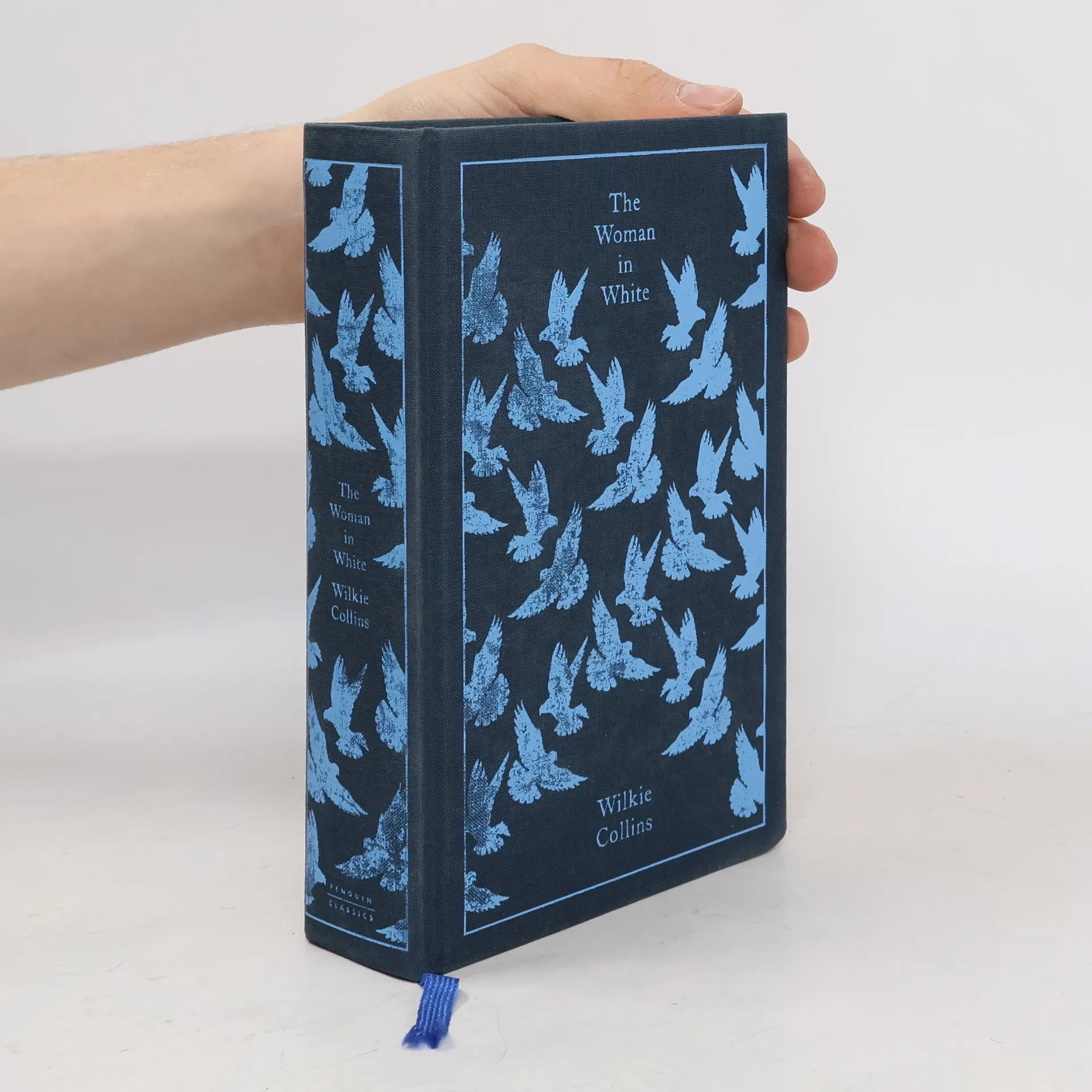
Part of Penguin's beautiful hardback Clothbound Classics series, designed by the award-winning Coralie Bickford-Smith, these delectable and collectible editions are bound in high-quality colourful, tactile cloth with foil stamped into the design. The Woman in White famously opens with Walter Hartright's eerie encounter on a moonlit London road. Engaged as a drawing master to the beautiful Laura Fairlie, Walter is drawn into the sinister intrigues of Sir Percival Glyde and his 'charming' friend Count Fosco, who has a taste for white mice, vanilla bonbons and poison. Pursuing questions of identity and insanity along the paths and corridors of English country houses and the madhouse, The Woman in White is the first and most influential of the Victorian genre that combined Gothic horror with psychological realism.
Known for pioneering the detective novel genre, the author gained recognition through works like The Moonstone. His early life in Italy and France enriched his linguistic skills, which complemented his literary career. Collins initially worked as a tea merchant before publishing his debut novel, Antonina, in 1850. His friendship with Charles Dickens greatly influenced his career, leading to collaborations and publications in Dickens's journals. Collins's contributions to literature include both novels and plays, showcasing his versatility as a writer.
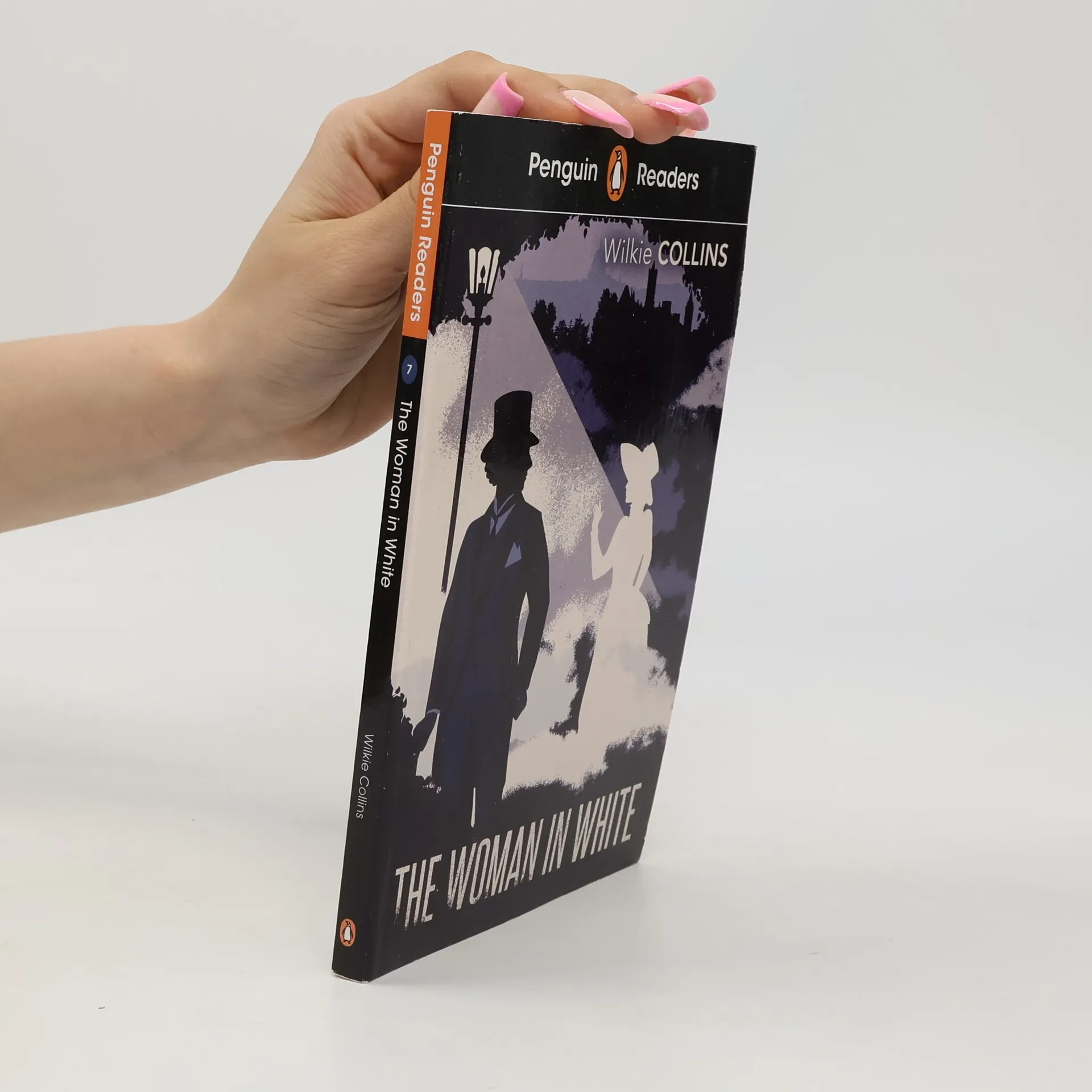
Penguin Readers is an ELT graded reader series for learners of English as a foreign language. With carefully adapted text, new illustrations and language learning exercises , the print edition also includes instructions to access supporting material online.Titles include popular classics, exciting contemporary fiction, and thought-provoking non-fiction, introducing language learners to bestselling authors and compelling content .The eight levels of Penguin Readers follow the Common European Framework of Reference for language learning ( CEFR ). Exercises at the back of each Reader help language learners to practise grammar, vocabulary, and key exam skills. Before, during and after-reading questions test readers' story comprehension and develop vocabulary.Visit the Penguin Readers websiteExclusively with the print edition, readers can unlock online resources including a digital book, audio edition, lesson plans and answer keys.One night when Walter Hartwright is walking home, he meets and helps the mysterious 'woman in white'. Soon after this meeting, Walter starts a job as a drawing teacher in the north of England and falls in love with his student, Laura Fairlie. But Laura is engaged to Sir Percival Glyde. Then Laura receives a letter warning her not to marry Glyde. Walter is sure that the letter comes from the woman in white...
At a party celebrating her eighteenth birthday, Rachel Verinder wears the stunning yellow diamond she unexpectedly inherited from her uncle, Colonel John Herncastle. She is not aware that the precious gem, known as the Moonstone, was plundered from a sacred Hindu shrine in southern India where her uncle had served with the British army fifty years earlier. But someone knows the secret of the Moonstone and will go to desperate measures to retrieve it. When it goes missing later that night, suspicions are raised and accusations fly. Could it be a trio of mysterious Indian jugglers seen near the house? Or a love-struck housemaid suddely behaving strangely? And there is Rachel herself, who becomes furious when her paramour, Franklin Blake, directs attempts to find it. As divergent accounts reveal more details, the diamond's recovery is complicated by unexpected twists and turns. Sifting through a compelling list of suspects, the indomitable Sergeant Cuff must find the truth about the Moonstone and its mysterious disappearance.
Lewis Romayne is a recluse, forced from his life of academic research by the dying call of an aunt in Paris. Subsequently involved in a duel, he returns a broken man, until he meets Stella Eyrecourt and marriage becomes a possibility. But a face from the past begins a battle for Romayne's soul.
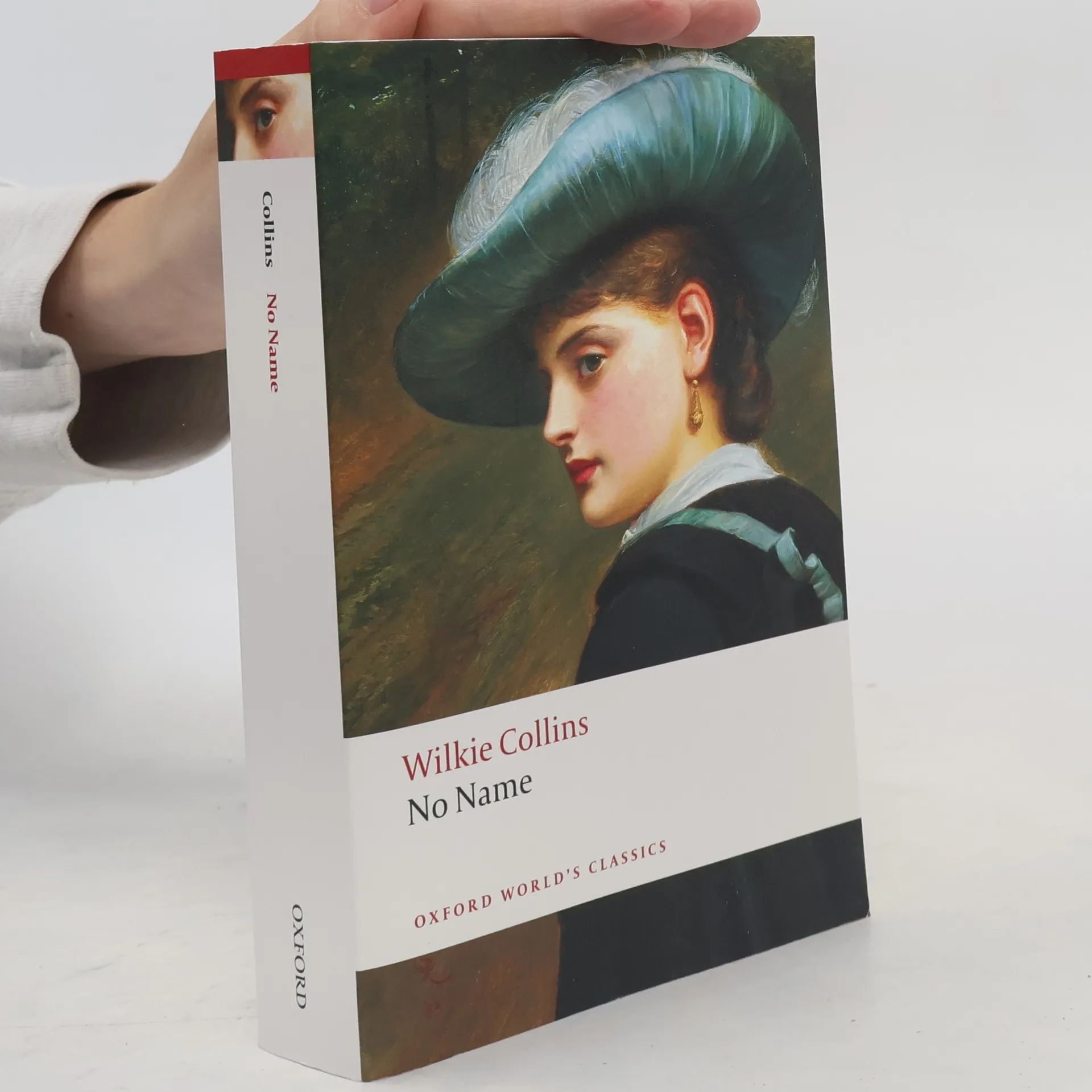
Magdalen Vanstone and her sister Norah confront the harsh realities of social stigma in Victorian England after discovering their parents were not married when they were born, leaving them disinherited and orphaned. Forced from their beloved Combe-Raven estate, they must navigate a challenging future. While Norah chooses a life of duty as a governess, Magdalen, the spirited younger sister, seeks to reclaim her inheritance through bold and reckless means. With her striking beauty and dramatic flair, she embarks on a quest for revenge, aided by the cunning Captain Wragge. This journey culminates in a dramatic choice: will she marry the man she despises to secure her future? Written in the early 1860s, this work faced criticism for its perceived immorality but is now celebrated for its profound social commentary, showcasing the author's literary prowess. The series has provided over a century of accessible literature, reflecting Oxford's dedication to scholarship with accurate texts, expert introductions, and helpful notes for deeper understanding.
First serialized in the 1850s and 1860s, these short stories range from humour to social criticism, from satirical bite to high drama. Many of the stories were written in collaboration by the two authors.
Gerard Roylake returns from years of banishment to take up his inheritance surrounded by strangers. A meeting with Cristel Toller brings back childhood memories, but also introduces him to a sinister man known only as The Lodger. Besotted with Cristel, he exerts a peculiar influence on everyone.
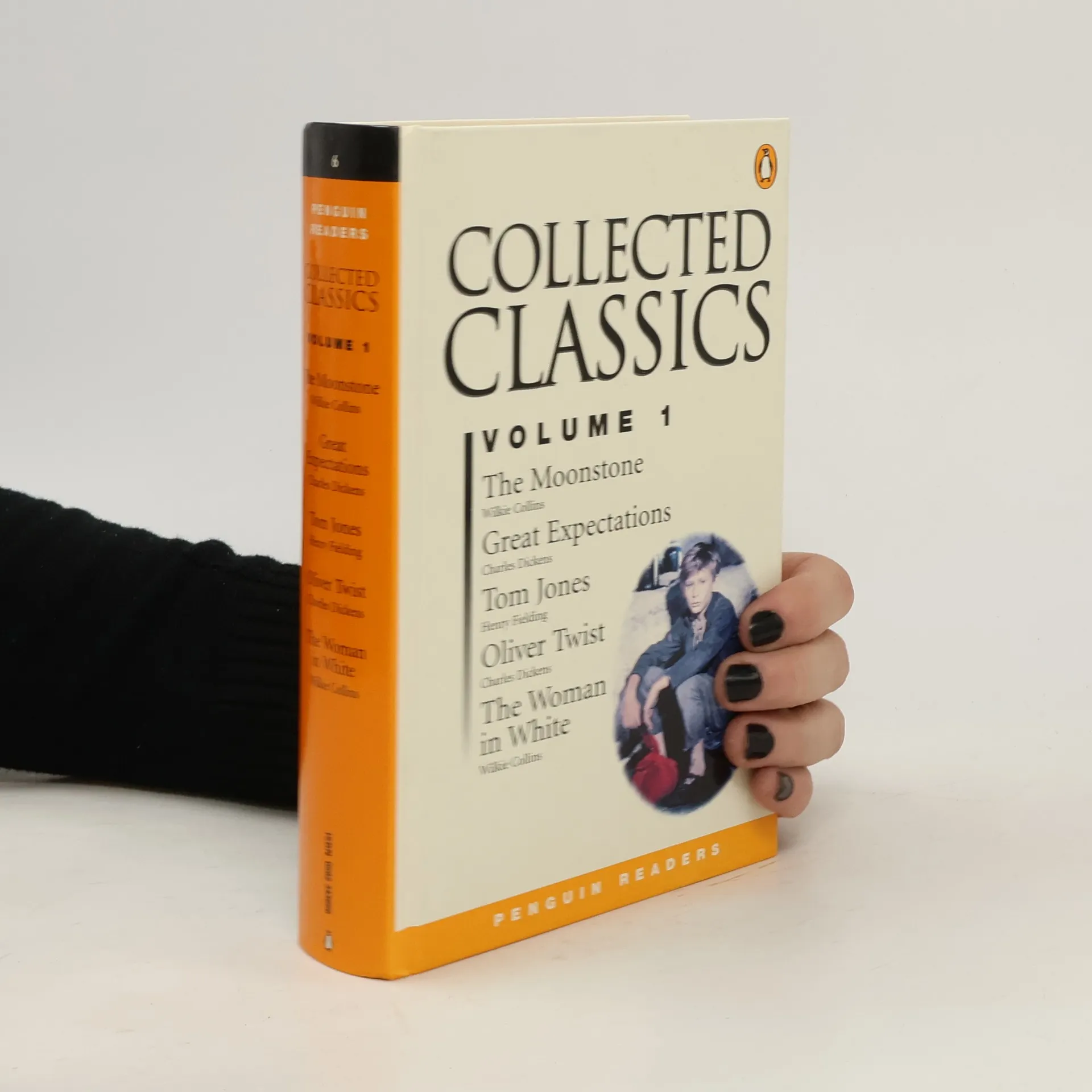
[Penguin Readers Level 6]Including:The MoonstoneOliver TwistA Tale of Two CitiesThe History of Tom Jones, a Foundling"Penguin Readers" is a series of simplified novels, film novelizations and original titles that introduce students at all levels to the pleasures of reading in English. Originally designed for teaching English as a foreign language, the series' combination of high interest level and low reading age makes it suitable for both English-speaking teenagers with limited reading skills and students of English as a second language. Many titles in the series also provide access to the pre-20th century literature strands of the National Curriculum English Orders. "Penguin Readers" are graded at seven levels of difficulty, from "Easystarts" with a 200-word vocabulary, to Level 6 (Advanced) with a 3000-word vocabulary. In addition, titles fall into one of three sub-categories: "Contemporary", "Classics" or "Originals". At the end of each book there is a section of enjoyable exercises focusing on vocabulary building, comprehension, discussion and writing. Some titles in the series are available with an accompanying audio cassette, or in a book and cassette pack. Additionally, selected titles have free accompanying "Penguin Readers Factsheets" which provide stimulating exercise material for students, as well as suggestions for teachers on how to exploit the Readers in class.
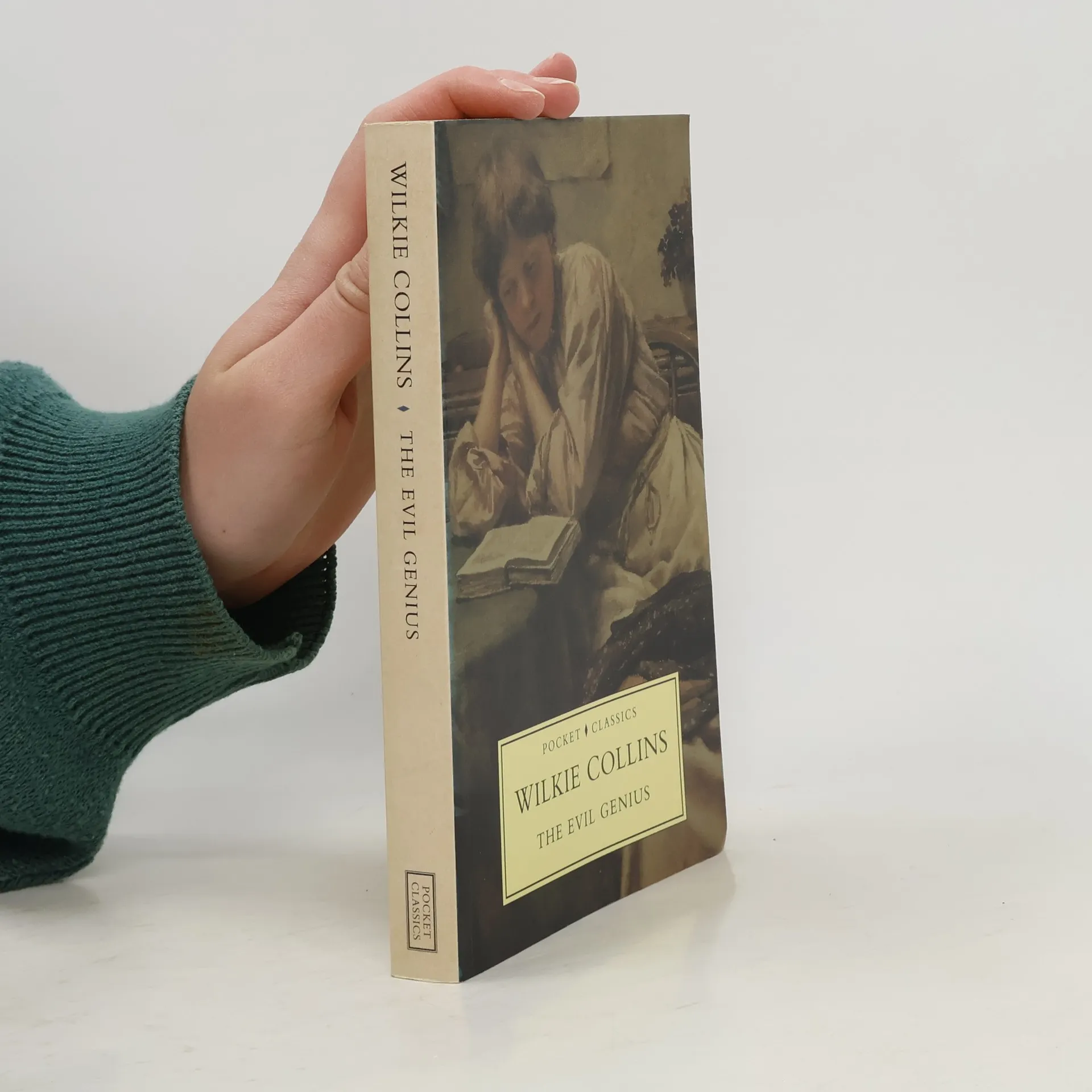
Collins' most financially successful novel, The Evil Genius, opens with a jury determining the fate of a sea captain whose ship allegedly facilitated a diamond theft. The story develops into a powerful novel of Victorian private life, including deception, adultery and divorce.
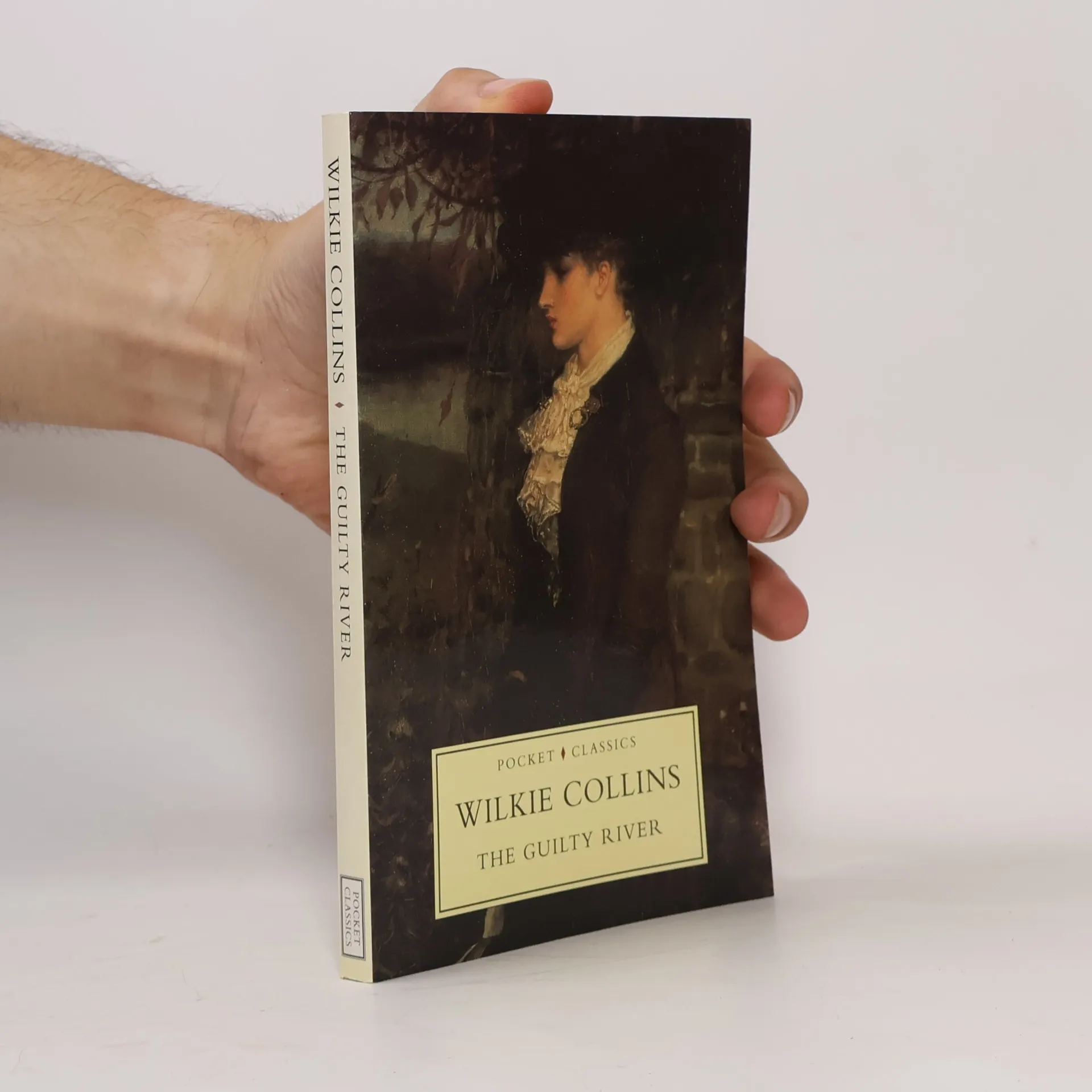
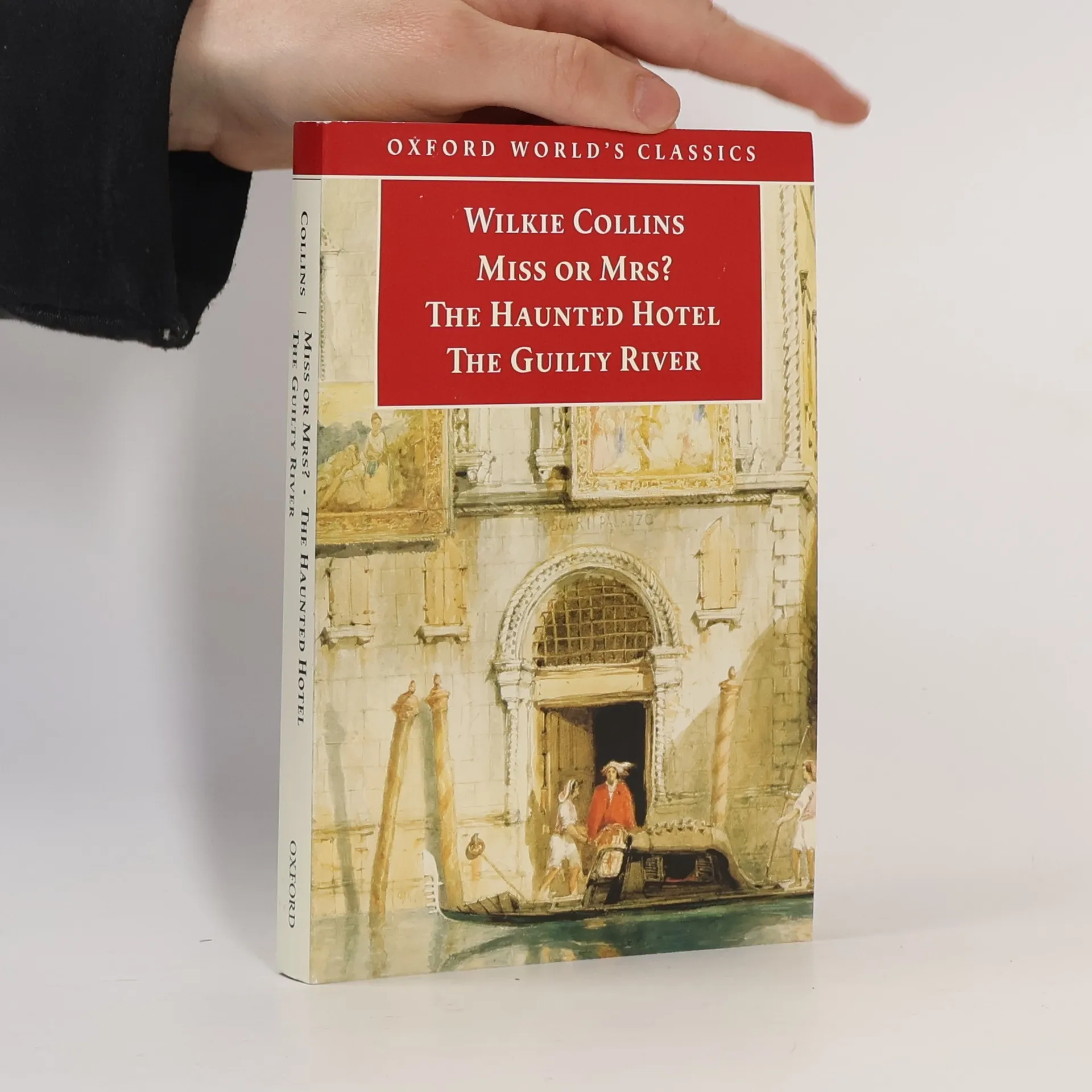
'…melodrama is perennial and […] the craving for it is perennial and must be satisfied.'T. S. Eliot ('Wilkie Collins and Dickens')Collins's ability to construct a gripping situation and to create an atmosphere of mystery and menace is fully evident in the three novellas reprinted here. All proceed through a series of dramatic scenes to a climax that in one case at least is literally explosive. The fast-paced 'Miss or Mrs?' (1871) opens on a yacht, features a remarkably unconventional heroine, and entails murder attempts, blackmail, clandestine marriage and commercial fraud. Dramatic and psychologically absorbing, the action of 'The Haunted Hotel' (1878) takes place in an ancient Venetian palazzo converted into a modern hotel that houses a grisly secret. Lastly, set in a beautiful water-mill, 'The Guilty River' (1886) depicts a group of alienated characters, whose relationships threaten to erupt in violence and murder. Varied in setting and tone, these stories demonstrate Collins's plot-making skill at its most succinct and intricate.Includes: Introduction, Textual Note, Bibliography, Chronology, Explanatory Notes, Appendix: Collins's prefaces
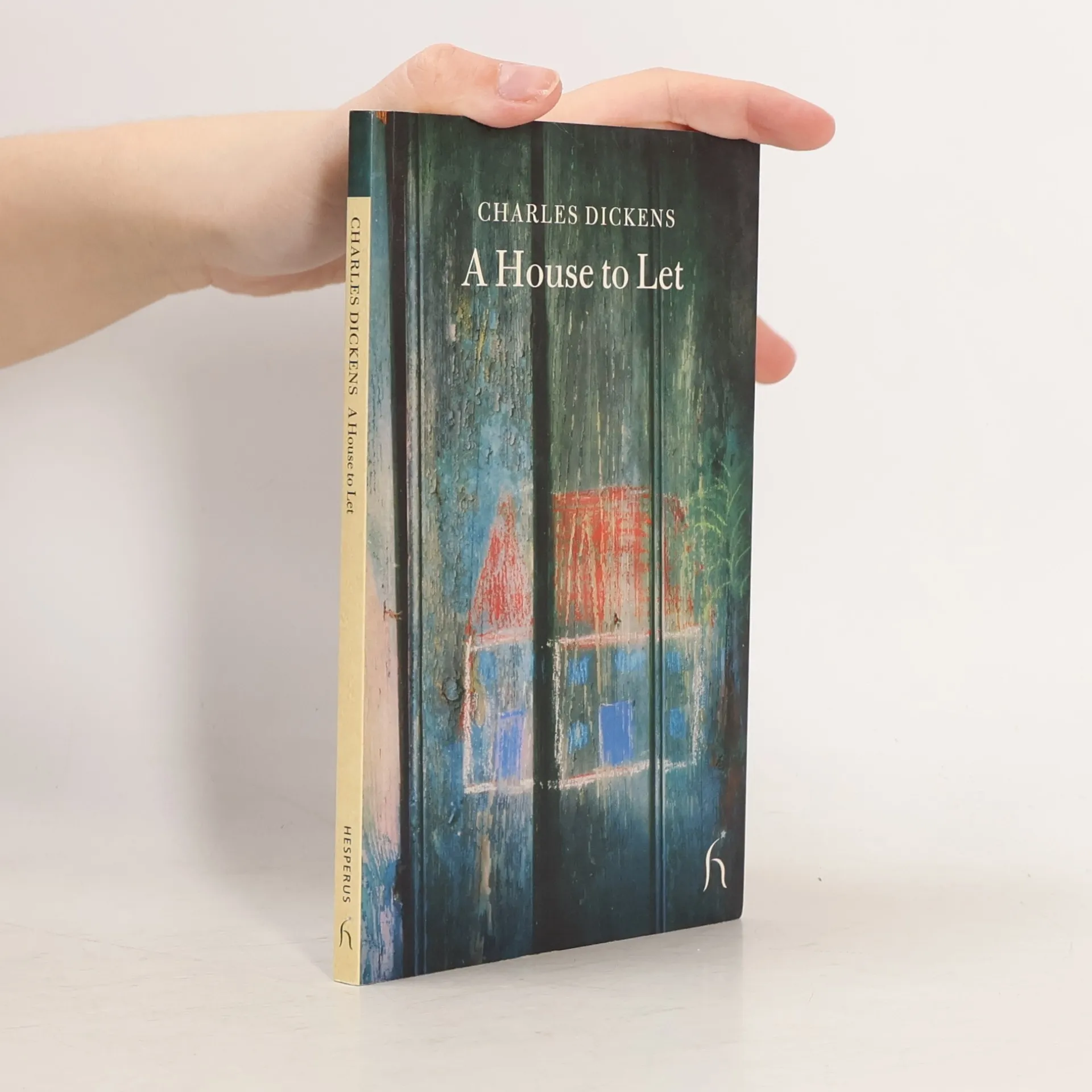
"Advised by her doctor to have a change of scene, the elderly Sophonisba moves from her home to take up lodgings in London. Immediately intrigued by the permanently vacant 'house to let' opposite, she charges Trottle - her trusted, yet philandering, servant - and long-time suitor Jabez Jarber, to unearth the secret behind its seeming desertedness. Rivals to the end, they each seek to outdo the other to satisfy the old lady's curiosity. Whilst Jarber turns his attentions to the histories of the house's former occupants, Trottle discovers a surprising link between the house to let and Sophonisba herself. However, it is only after repeated false starts - and by way of elaborate tales of lost men at sea, circus performers, and forged death certificates - that they happen upon the most unexpected truth." "Compiled by Charles Dickens and counting Elizabeth Gaskell and Wilkie Collins among its contributors, A House to Let is a composite tale of mystery and intrigue set amid the dark streets of Victorian London, and a remarkable testament to the storytelling powers of some of literature's finest writers."--Jacket
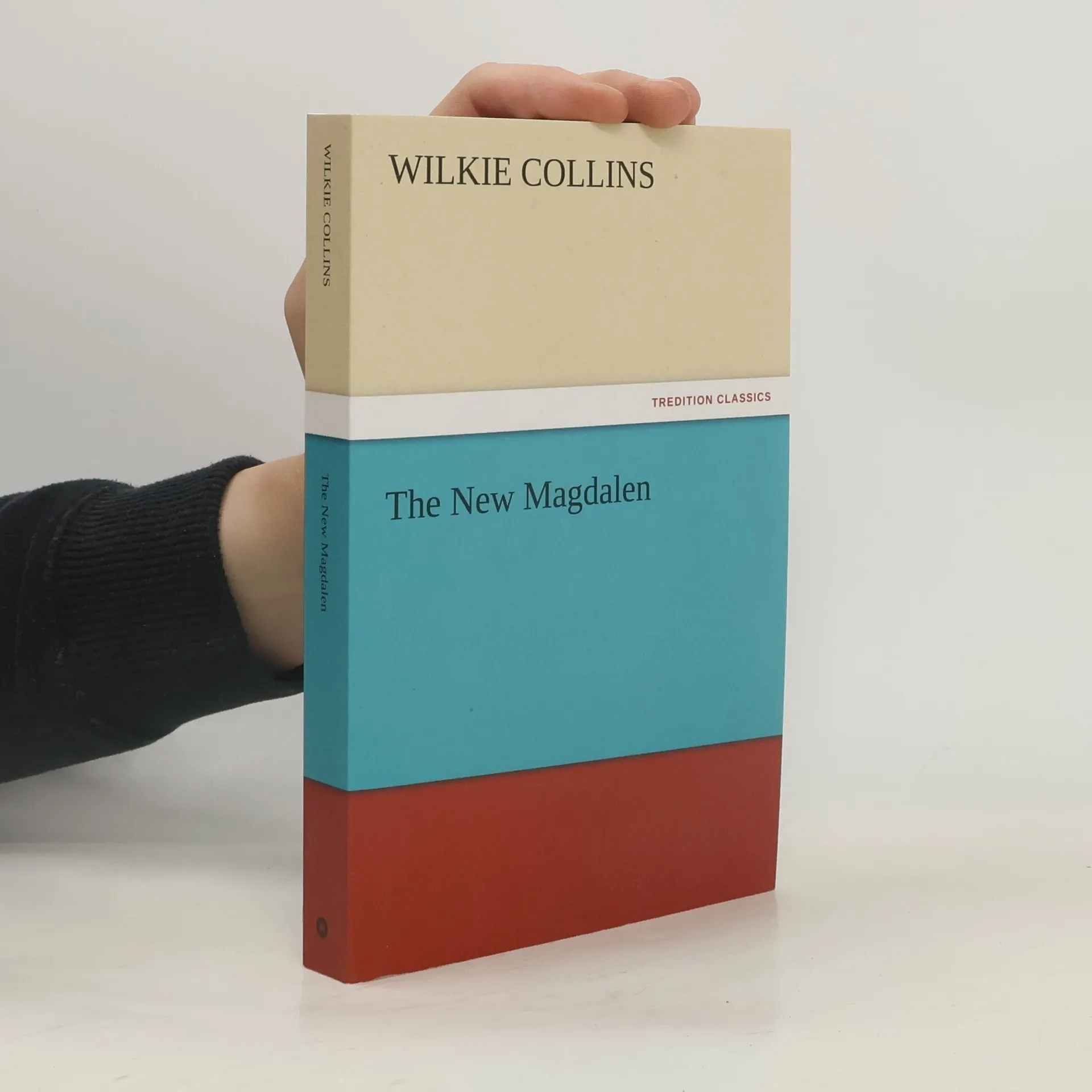
This book is part of the TREDITION CLASSICS series. The creators of this series are united by passion for literature and driven by the intention of making all public domain books available in printed format again - worldwide. At tredition we believe that a great book never goes out of style. Several mostly non-profit literature projects provide content to tredition. To support their good work, tredition donates a portion of the proceeds from each sold copy. As a reader of a TREDITION CLASSICS book, you support our mission to save many of the amazing works of world literature from oblivion.
Set against the backdrop of ancient Rome, this novel intricately weaves historical events with fictional characters, focusing on the interactions between the Roman ruler Honorius and the Gothic lord Alaric. Collins aims to capture the essence of the era, portraying the dramatic moments leading up to the Gothic invasion. The narrative is grounded in historical accuracy, reflecting the societal and cultural tensions of the time, while also exploring themes of power and conflict.
Have you ever heard of the fascination of terror?' This is a unique collection
of strang stories from the cunning pen of Wilkie Collins, author of The Woman
in White and The Moonstone. The Star attraction is the novella The Haunted
Hotel, a clever combination of detective and ghost story set in Venice, a city
of grim waterways, dark shadows and death. The action takes place in an
ancient palazzo coverted into a modern hote that houses a grisly secret. The
supernatural horror, relentless pace, tight narrative, and a doomed countess
characterise and distinguish this powerful tale. The other stories present
equally disturbing scenarios, which include ghosts, corpses that move, family
curses and perhaps the most unusual of all, the Devil's spectacles which bring
a clarity of vision that can lead to madness.
When a condemned woman asks the local Minister to take her daughter home, the childless man is touched and finds himself unable to refuse. Yet the prisoner is unrepentant of the murder of her husband. Will her vices be passed on to this seemingly sweet child?
Wilkie Collins' third novel tells the story of a deaf and dumb girl and the rebellious man she loves, gradually unravelling the secret of her origins through the ingenuity of a persistent stranger. The text includes explanatory notes.
Set against the backdrop of the infamous Boorn Brothers murder case, this 1874 novella delves into themes of guilt and the supernatural. Wilkie Collins weaves a gripping narrative that explores the eerie intersection of life and death, with a focus on the haunting presence of a ghost. The story gained renewed attention with a 2005 reprint featuring an analysis of the case by Rob Warden, and it was adapted for a 1953 radio broadcast, showcasing its enduring intrigue and relevance in the realm of suspense.