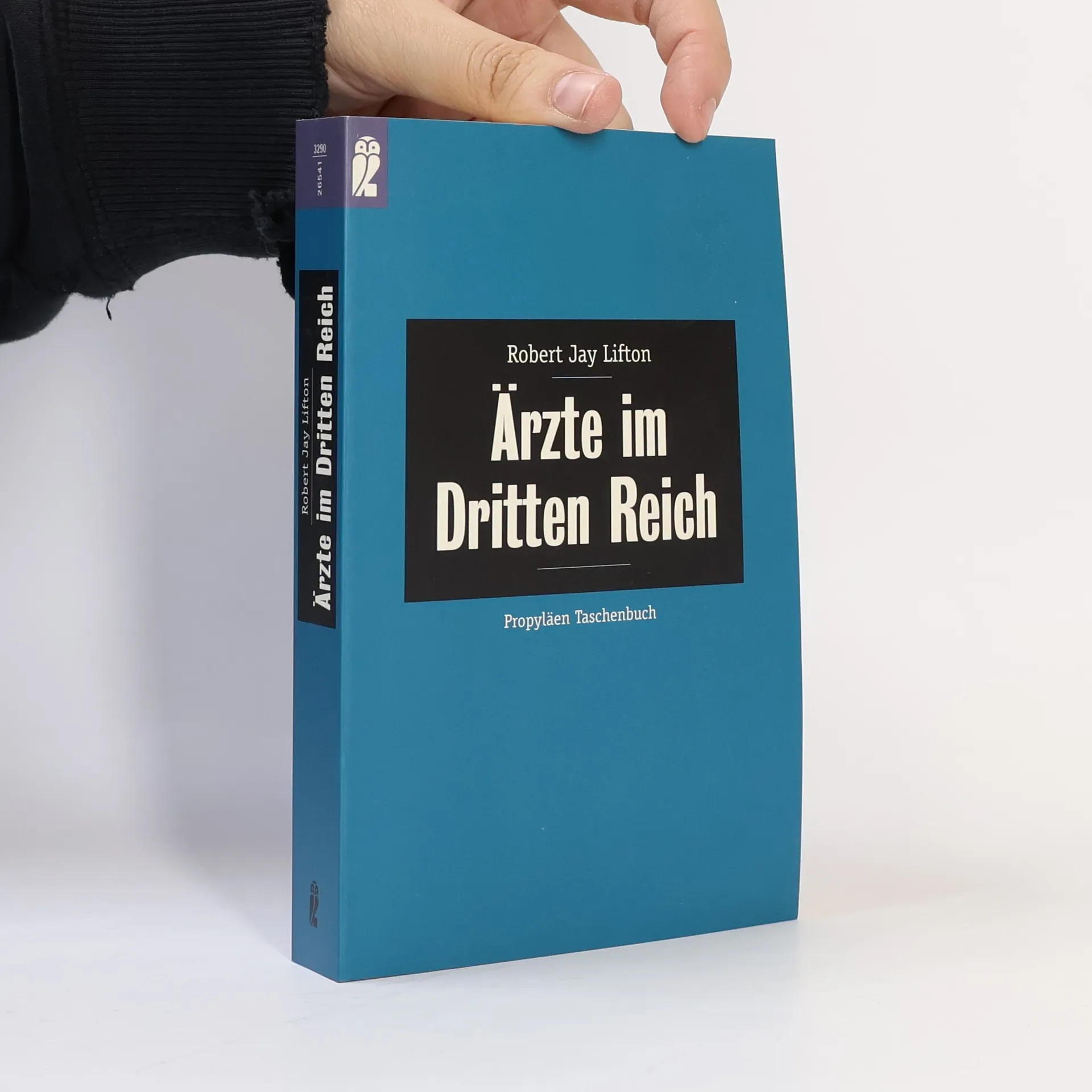
Lifton diskutiert, wieso gerade die zum Heilen berufenen Ärzte zu Mördern werden konnten. Seine psychologische Studie berücksichtigt bei der Suche nach Antworten auf diese Kernfrage Hunderte von Interviews und meist unzugängliche Prozessprotokolle, basiert aber vor allem auf dem direkten Dialog mit Tätern und solchen Opfern, die dem Tod entkommen konnten.
Robert Jay Lifton Bücher
16. Mai 1926
Robert Jay Lifton ist ein amerikanischer Psychiater und Autor, der für seine Studien über die psychologischen Ursachen und Folgen von Krieg und politischer Gewalt sowie für seine Theorie der Gedankenreform bekannt ist. Er war ein früher Verfechter psychohistorischer Techniken und erforschte in seinen einflussreichen Schriften die dunkleren Aspekte der menschlichen Psyche.

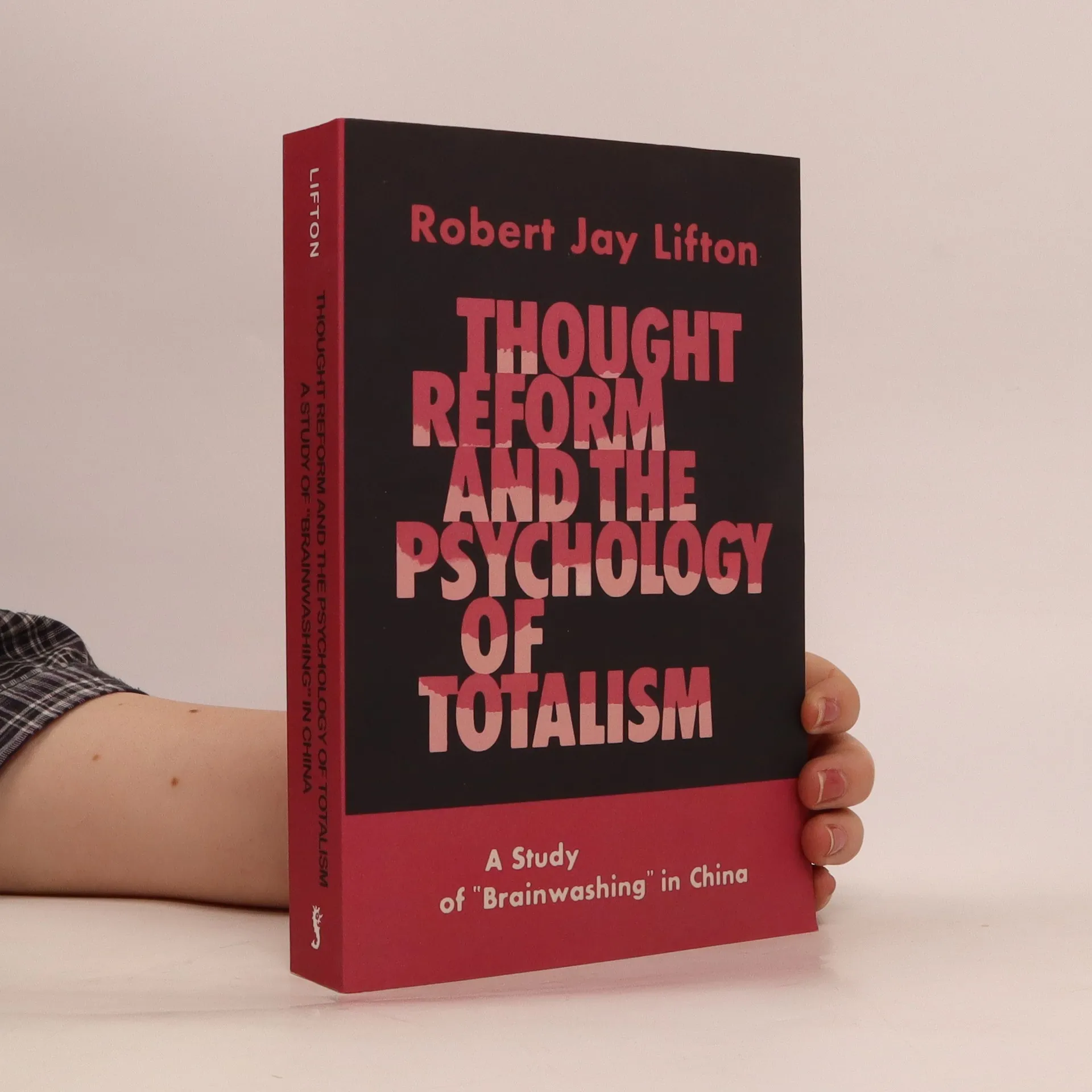


Die Psychologie des Völkermordes
- 358 Seiten
- 13 Lesestunden
Die Autoren beschäftigen sich mit der Frage, welche psychologischen Mechanismen bei einer nuklearen Bedrohung und im Holocaust des Nationalsozialismus zur Anwendung kommen oder kamen
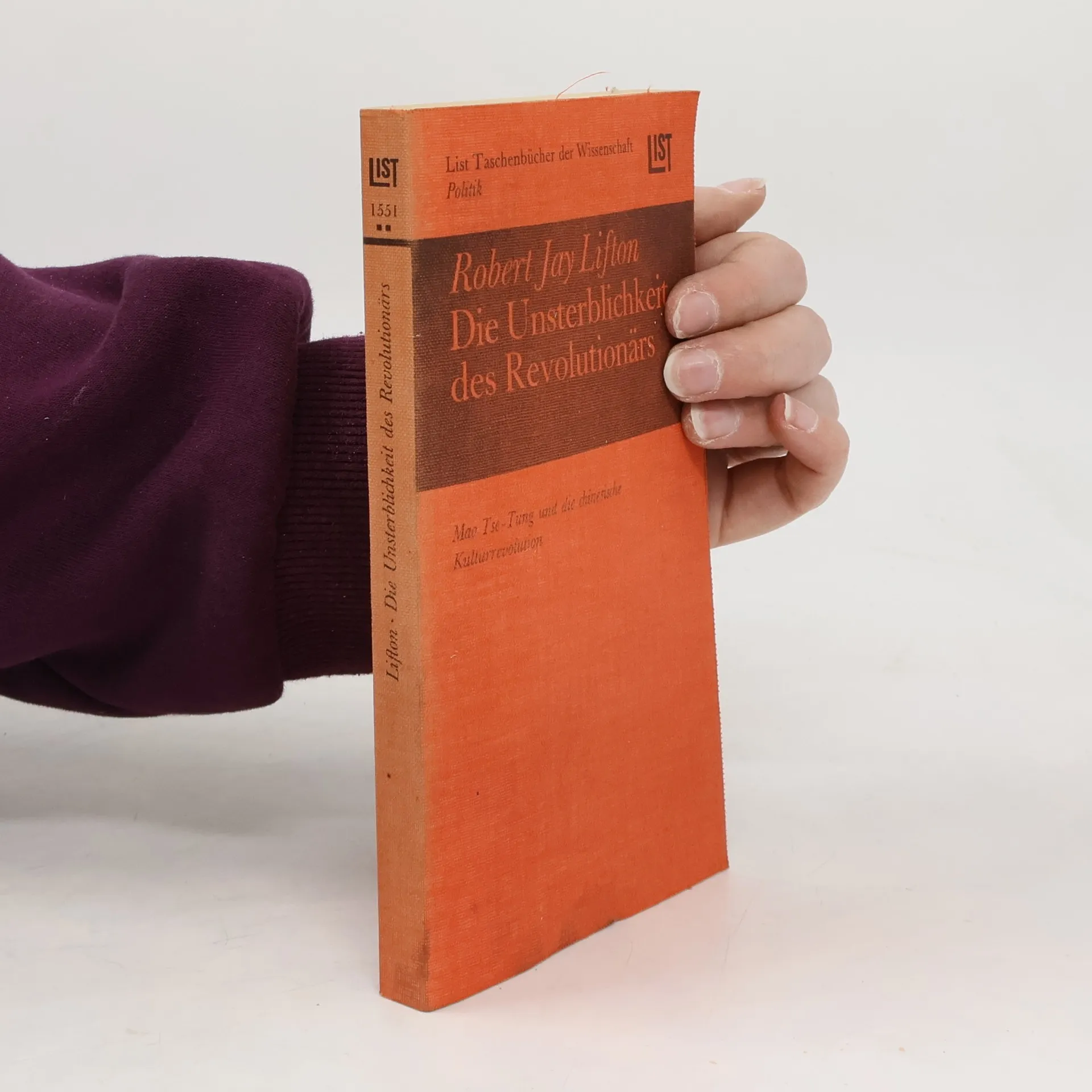
Propheten und Gurus, die den Weltuntergang verkünden, hat es immer gegeben. Seit jüngstem sind es jedoch wahnsinnige Terroristen, die die Zerstörung der Welt planen, um eben diese Welt zu erlösen. Der amerikanische Psychologe Robert Jay Lifton, international bekannt durch seine Studien über die Psychogramme der Nazi-Ärzte, zeigt in Gesprächen mit den Tätern, kriminalistischen Recherchen und psychologischen Analysen, warum sich aus religiösen Visionen Terrorakte entwickeln und wie diese Sekten als Staat im Staat organisiert sind.
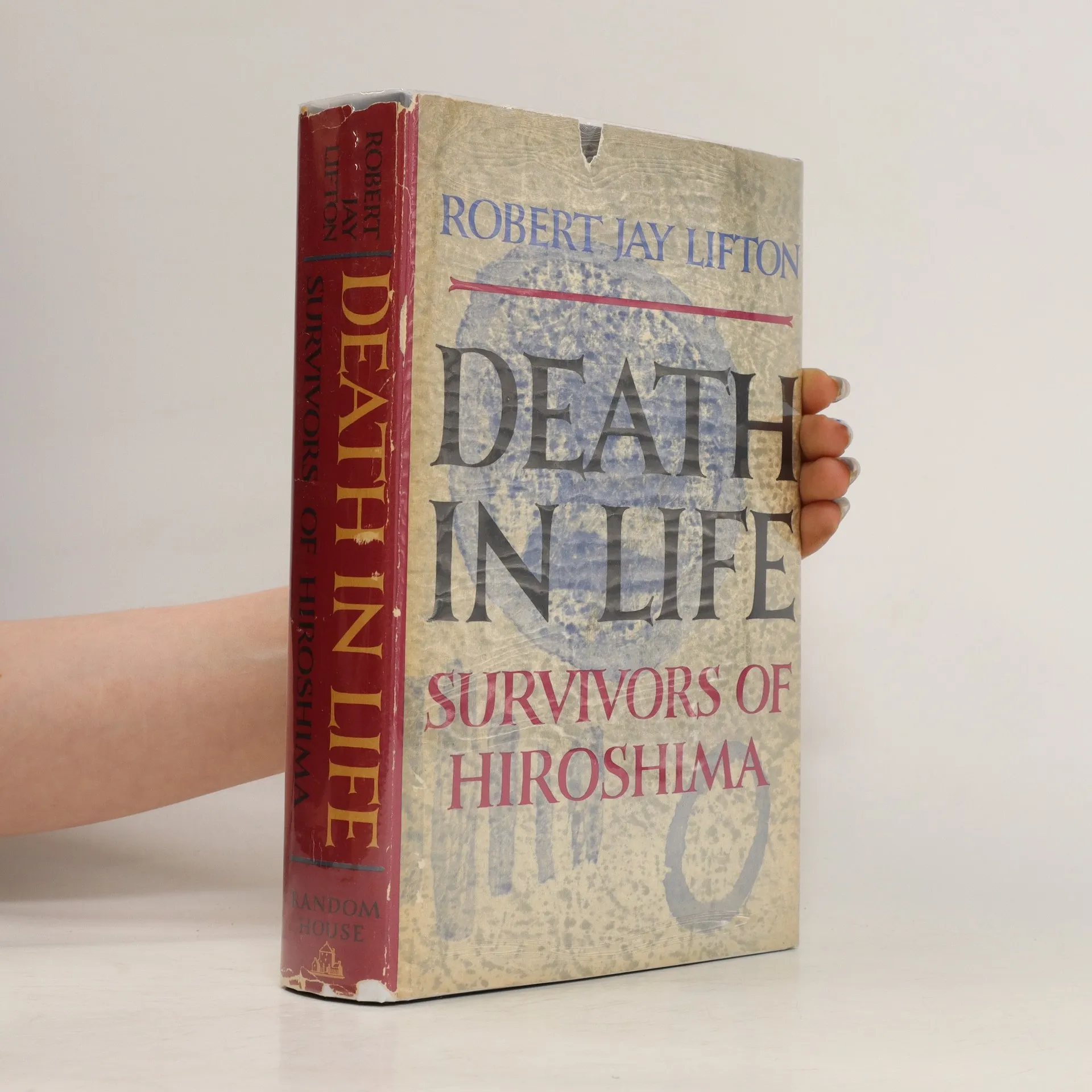
Die Unsterblichkeit des Revolutionärs
- 228 Seiten
- 8 Lesestunden
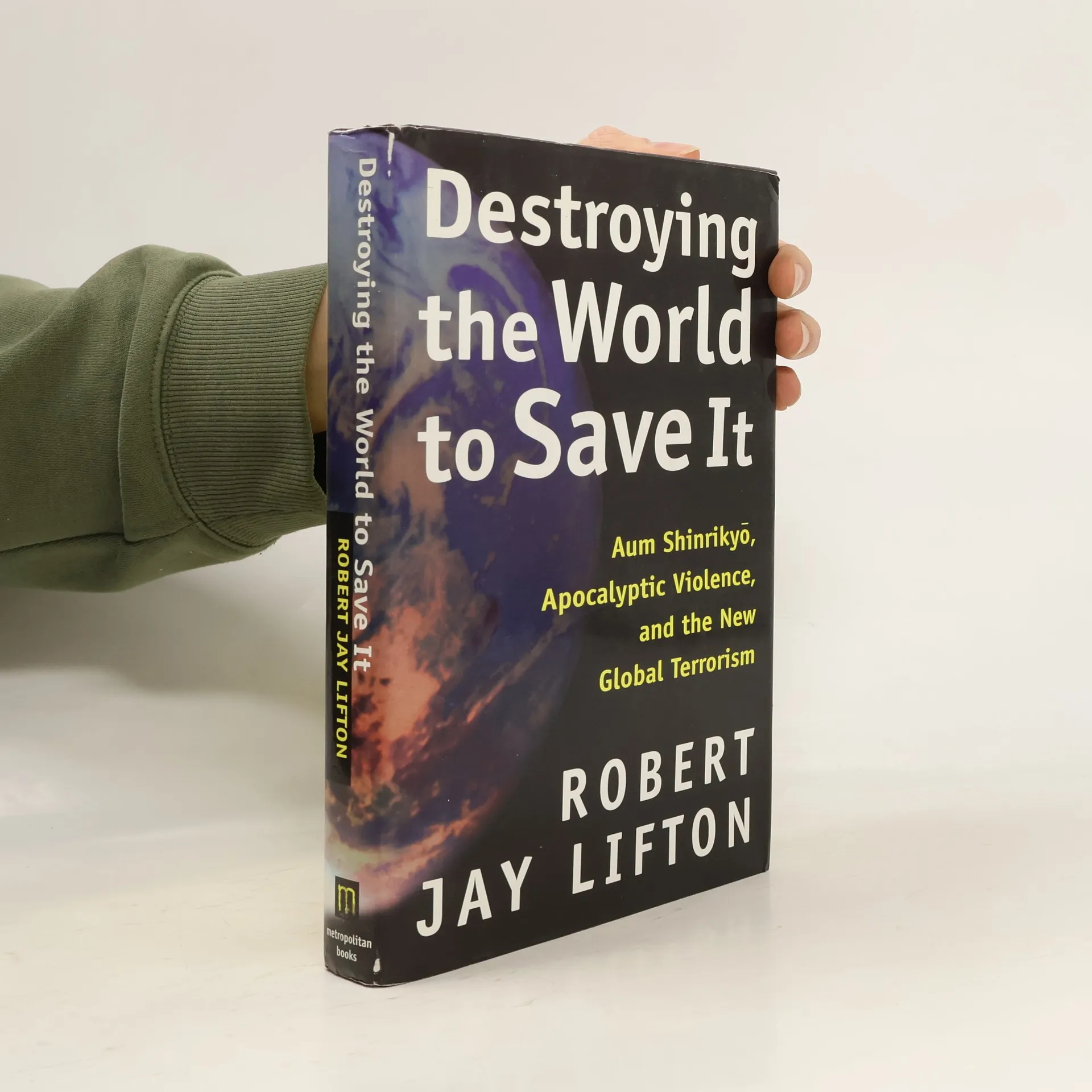
Destroying the World to Save It
Aum Shinrikyo, Apocalyptic Violence, and the New Global Terrorism
- 384 Seiten
- 14 Lesestunden
National Book Award winner and renowned psychiatrist Robert Jay Lifton reveals a world at risk from millennial cults intent on ending it all. Since the earliest moments of recorded history, prophets and gurus have foretold the world's end, but only in the nuclear age has it been possible for a megalomaniac guru with a world-ending vision to bring his prophecy to pass. Now Robert Jay Lifton offers a vivid and disturbing case in point in this chilling exploration of Aum Shinrikyo, the Japanese cult that released sarin nerve gas in the Tokyo subways. With unprecedented access to former Aum members, Lifton has produced a pathbreaking study of the inner life of a modern millennial cult. He shows how Aum's guru Shoko Asahara (charismatic spiritual leader, con man, madman) created a religion from a global stew of New Age thinking, ancient rituals, and apocalyptic science fiction, then recruited scientists as disciples and set them to producing weapons of mass destruction. Taking stock as well of Charles Manson, Heaven's Gate, and the Oklahoma City bombers, Lifton confronts the frightening possibility of a twenty-first century in which cults and terrorists may be able to bring about their own holocausts. Bold and compelling, Destroying the World to Save It charts the emergence of a new global threat of urgent concern to us all.
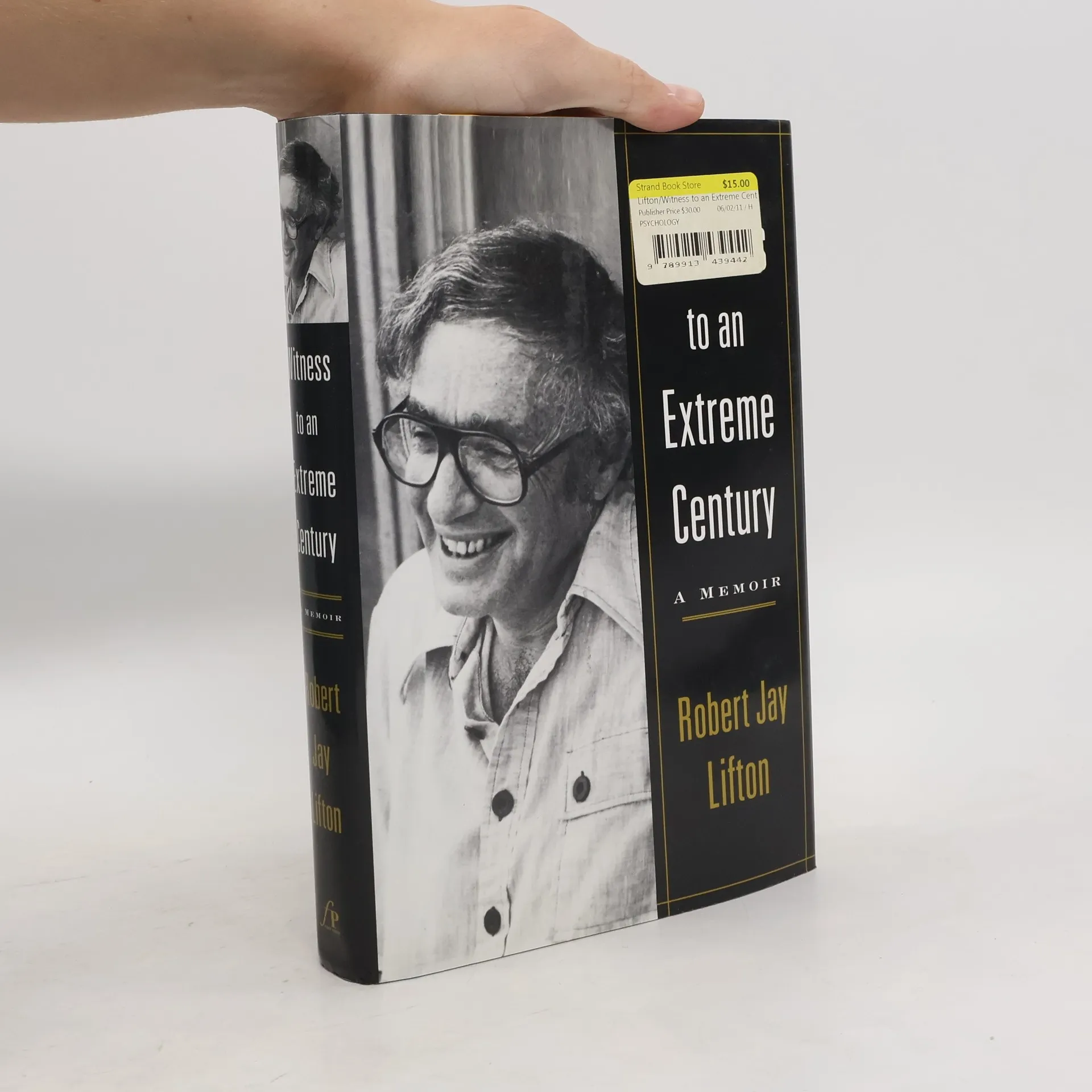
In the spring of 1954, Robert Jay Lifton, a young psychiatrist freshly returned from the Korean War, chose to remain in Hong Kong to pursue his fascination with interviewing individuals subjected to Chinese thought reform. This decision marked a pivotal shift in his life, leading him to explore the depths of the human psyche and laying the groundwork for his understanding of brainwashing. Lifton's research in Hong Kong initiated a lifelong inquiry into the darkest chapters of human history, where he served as a psychological witness to collective violence and trauma, while also highlighting our remarkable resilience. His memoir chronicles an adventurous life journey, from his "Jewish Huck Finn childhood" in Brooklyn to friendships with influential intellectuals and artists, including Erik Erikson and Kurt Vonnegut. Lifton's study of Hiroshima survivors revealed the human toll of nuclear weapons and the troubling allure of their power, which he termed nuclearism. Through interviews with Nazi doctors, he exposed the chilling transformation of healers into agents of destruction. He also pioneered "rap groups" for Vietnam veterans, shedding light on post-traumatic stress disorder and helping them derive valuable insights from their experiences. As a pioneer in psychohistory, Lifton became a passionate social activist, advocating for the truths of the Vietnam War and the perils of nuclear armament. With warmth, humor, and a sense
Surviving Our Catastrophes
Resilience and Renewal from Hiroshima to the COVID-19 Pandemic
- 192 Seiten
- 7 Lesestunden
Focusing on the psychological aftermath of catastrophe, this work by Robert Jay Lifton explores how individuals and communities can cope with the lasting impacts of the COVID-19 pandemic. Drawing parallels with historical survivors of Hiroshima and Nazi death camps, Lifton emphasizes the concept of "survivor power" and advocates for a deep reckoning with the pandemic's effects. He presents a hopeful vision for renewal, suggesting that meaningful lives can emerge from tragedy and that confronting our collective experiences is essential for moving forward.
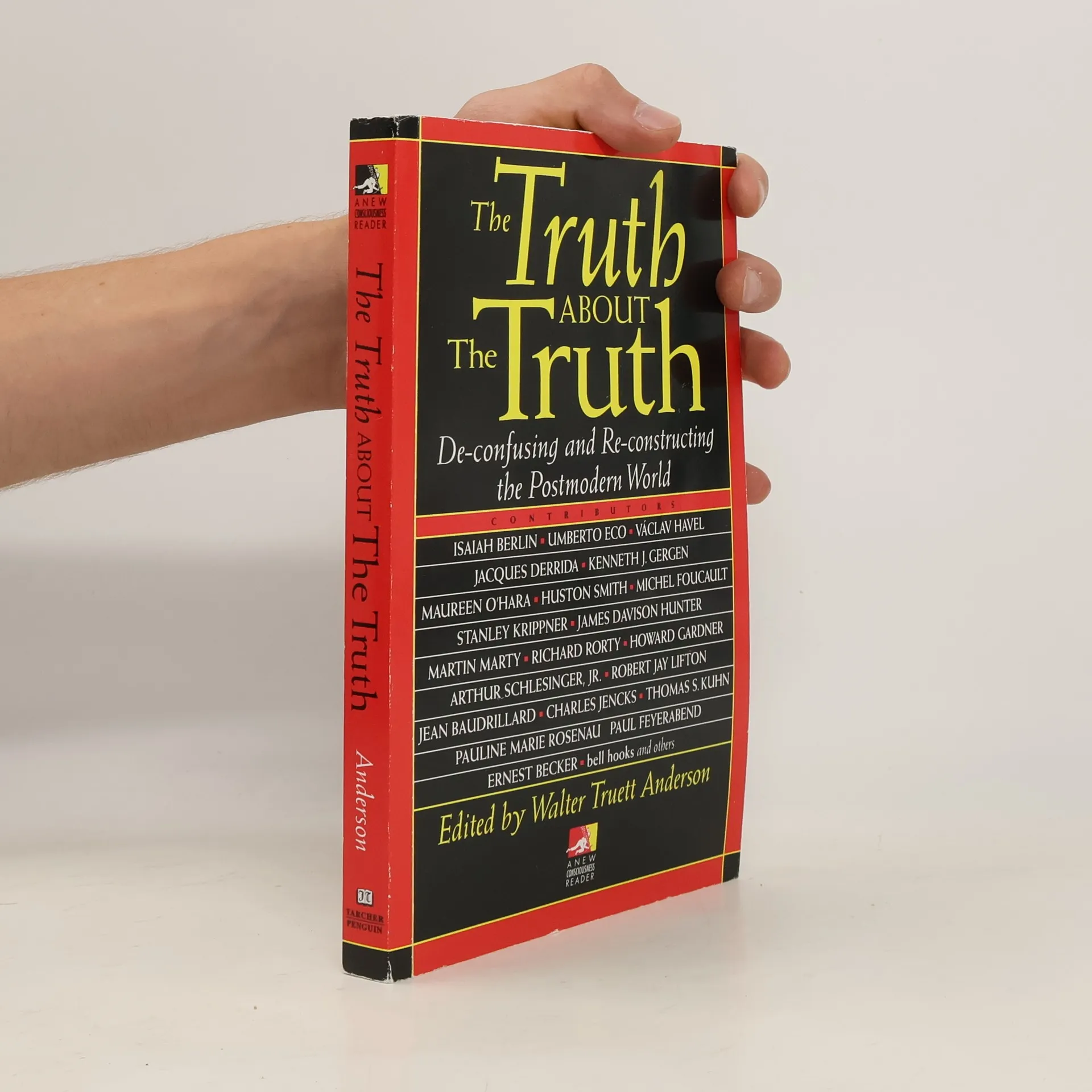
The Truth About the Truth
De-confusing and Re-constructing the Postmodern World
- 272 Seiten
- 10 Lesestunden
Includes essays and excerpts from the works of prominent modern thinkers such as Umberto Eco, Jacques Derrida, and Isaiah Berlin among others.
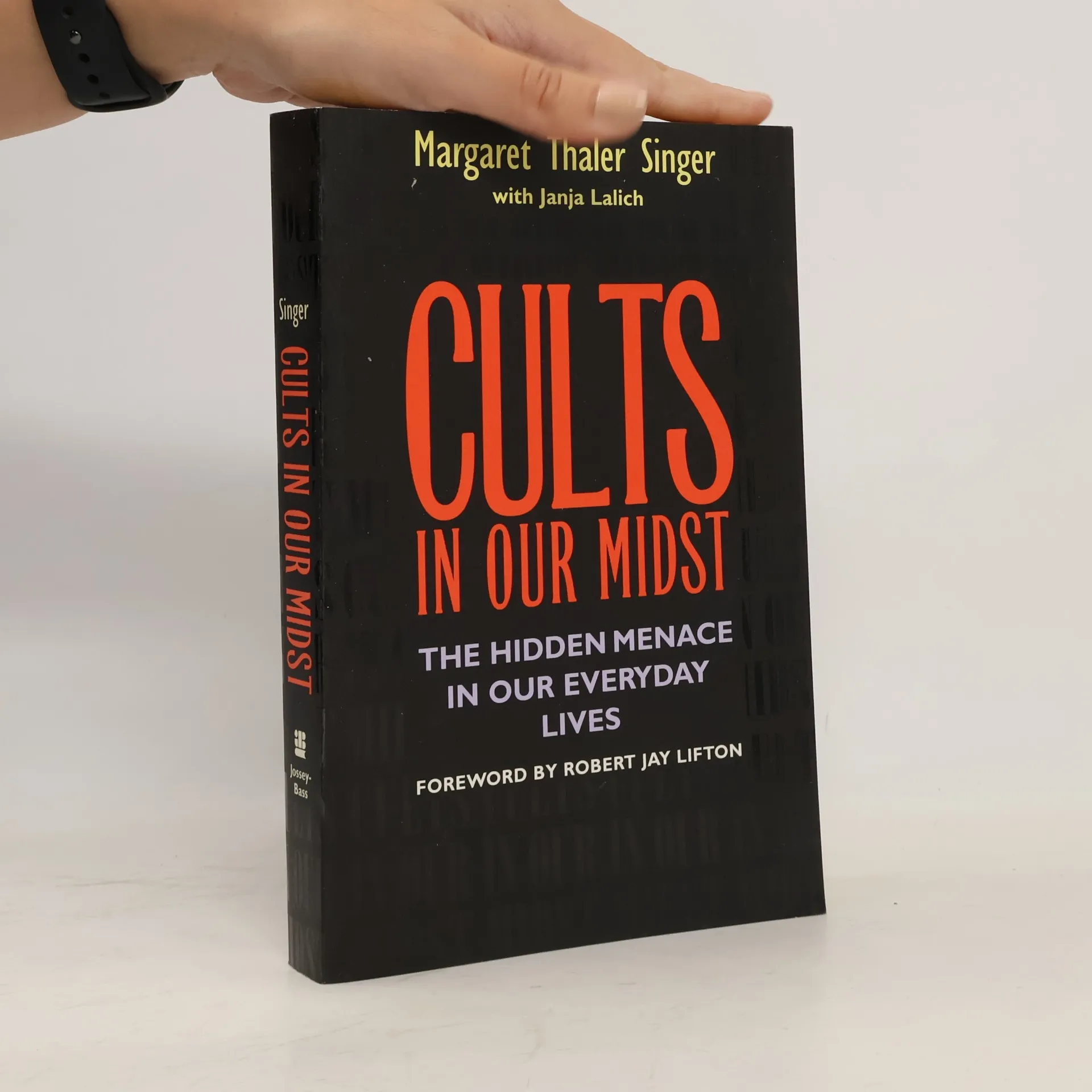
A definitive and shocking expose that reveals what cults are and how they work. With vital information on how to help people escape cult entrapments and recover from the experience, this book will be an invaluable resource to former cult members.
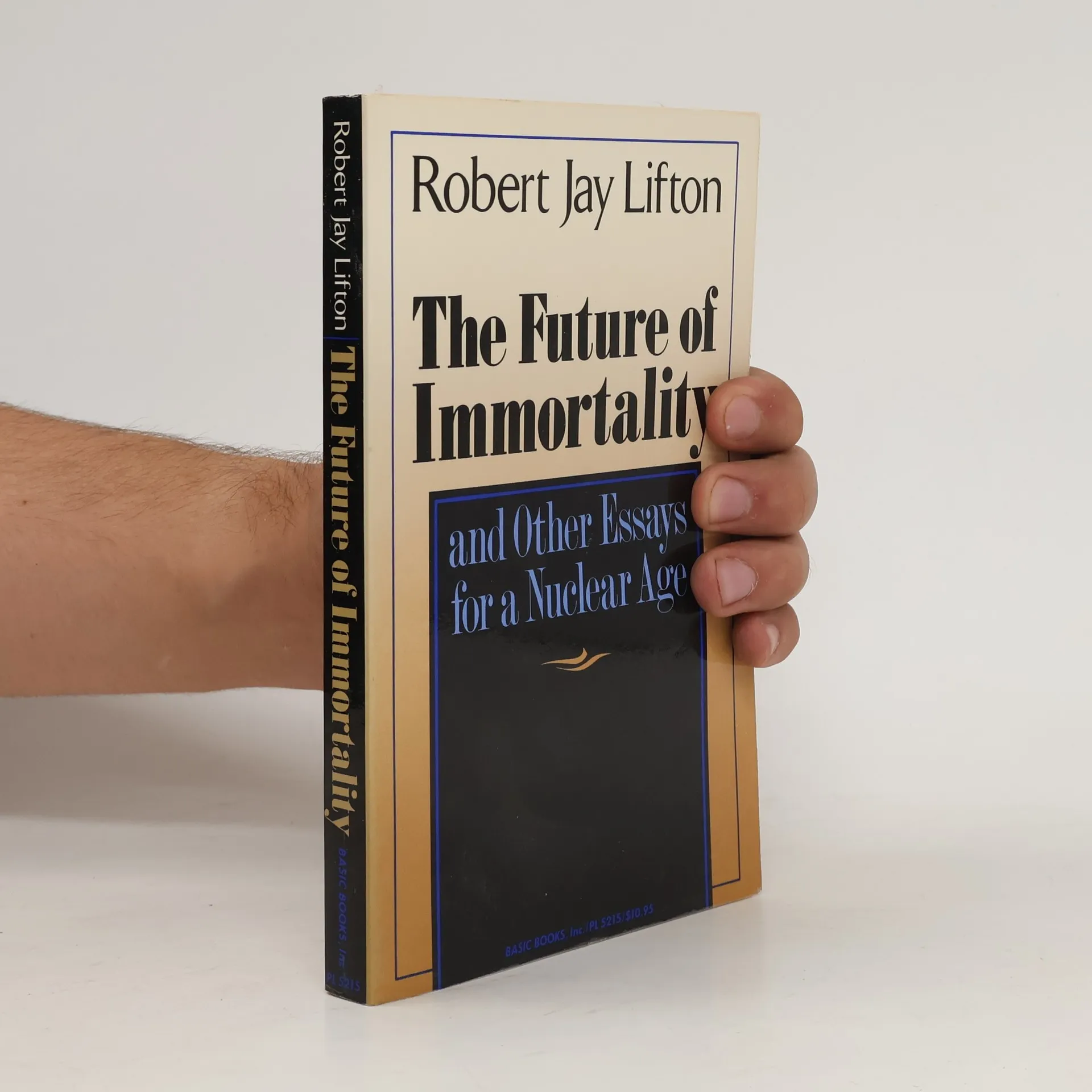
The future of immortality and other essays for a nuclear age
- 305 Seiten
- 11 Lesestunden
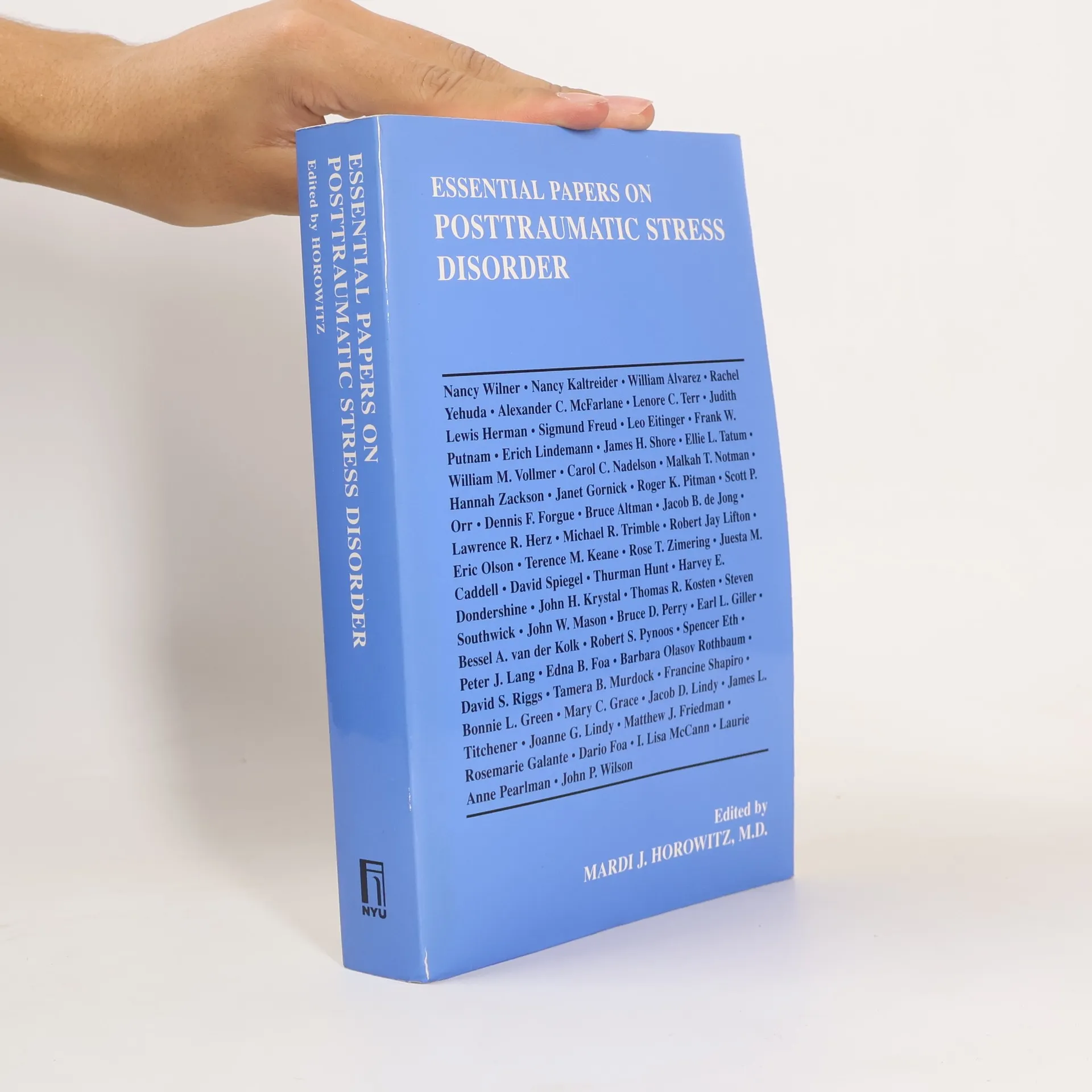
This collection presents key writings on understanding and treating Post Traumatic Stress Disorder (PTSD). Editor Mardi J. Horowitz introduces the evolution of our comprehension of PTSD, establishing the necessary conceptual framework and terminology. The essays that follow offer a comprehensive exploration of the disorder's complexities, addressing individual and cultural responses, as well as pre- and post-traumatic causative factors and the evolving nature of diagnostic categories. Organized into sections on diagnosis, etiology, and treatment, the collection features both classic and more controversial essays. Notable contributors include Freud, Lindemann, Eitinger, Nadelson, Notman, Zackson, Gornick, Green, Grace, Lindy, Titchener, Lindy, Terr, Galante, Foa, Rothbaum, Riggs, Murdock, Shore, Tatum, Vollmer, Pittman, Orr, Forgue, Altman, de Jong, Herz, Herman, Yehuda, McFarlane, Putnam, Lifton, Olson, Wilner, Kaltrider, Alvarez, Trimble, Epstein, Keane, Zinering, Caddell, Krystal, Kosten, Southwick, Mason, Perry, Giller, Spiegel, Hunt, Dondershire, van der Kolk, Lang, Pynoos, Eth, Friedman, Shapiro, Wilson, Lindy, McCann, and Pearlman. This anthology serves as an essential resource for those seeking to deepen their understanding of PTSD and its treatment.
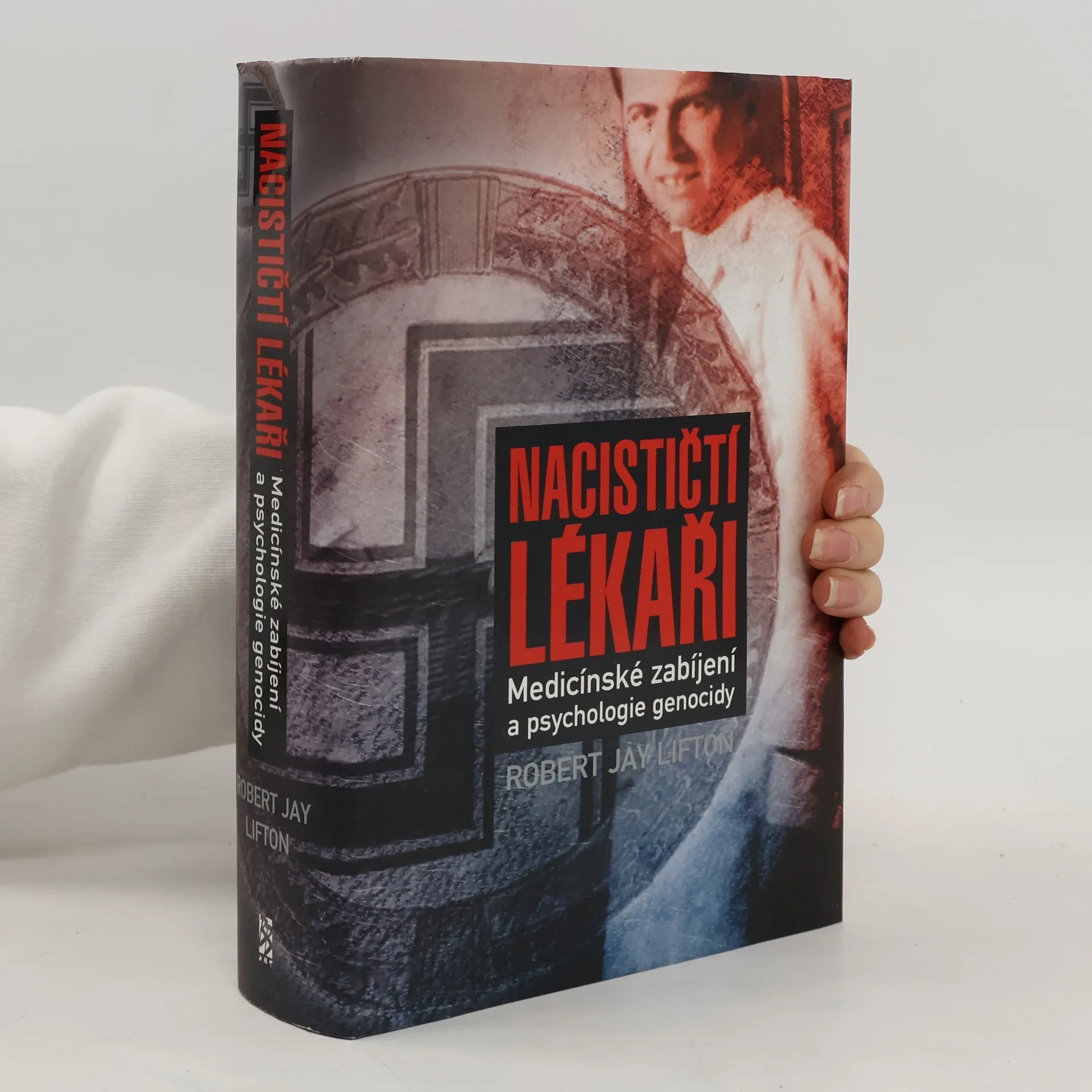
Nacističtí lékaři : medicínské zabíjení a psychologie genocidy
- 636 Seiten
- 23 Lesestunden
Medicínské zabíjení a psychologie genocidy Kniha významného newyorského profesora psychiatrie a psychologie je brilantním dílem o medicínské etice a zároveň záznamem hrůzných zločinů lékařů, kteří se aktivně podíleli na nacistické genocidě. Autor hovořil s mnoha medicínskými vrahy i jejich přeživšími obětmi a jedinečným způsobem analyzuje vliv totalitní ideologie na myšlení a skutky inteligentních a vzdělaných lidí, jejichž původním posláním bylo léčit a zachraňovat životy, nikoli je ničit. Nejsilnější a nejdůležitější kniha renomovaného psychiatra je brilantní analýzou a historií rozhodující role, kterou němečtí lékaři sehráli při nacistické genocidě. V předmluvě k novému vydání Lifton uvažuje i o medikalizovaném zabíjení v průběhu nedávných masových vražd a o tom, jak se obyčejní lidé dokáží ztotožnit s genocidou.