

Gratisversand in ganz Deutschland!
Bookbot

A. C. Grayling

    3. April 1949
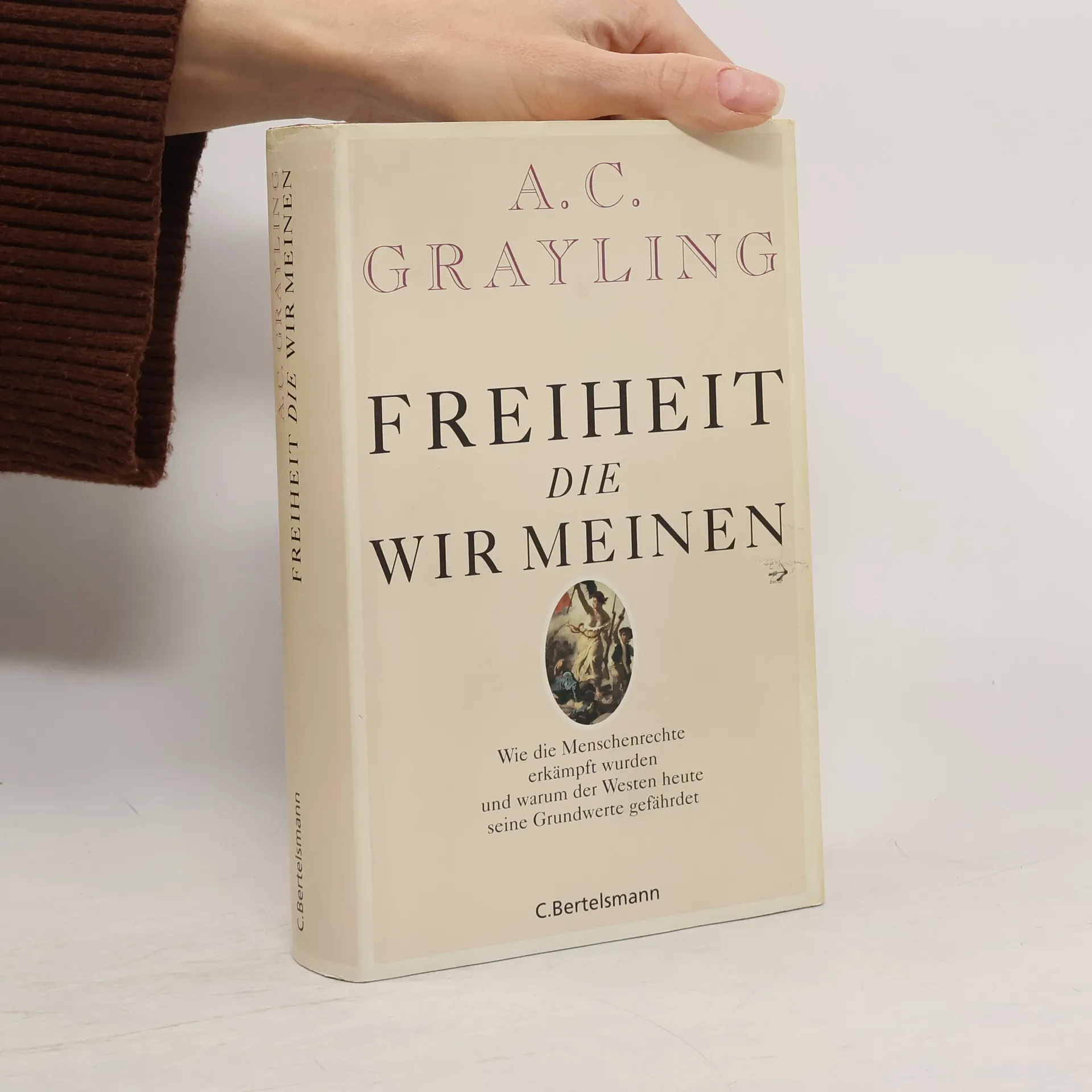
    Freiheit, die wir meinen
    Die Grenzen des Wissens
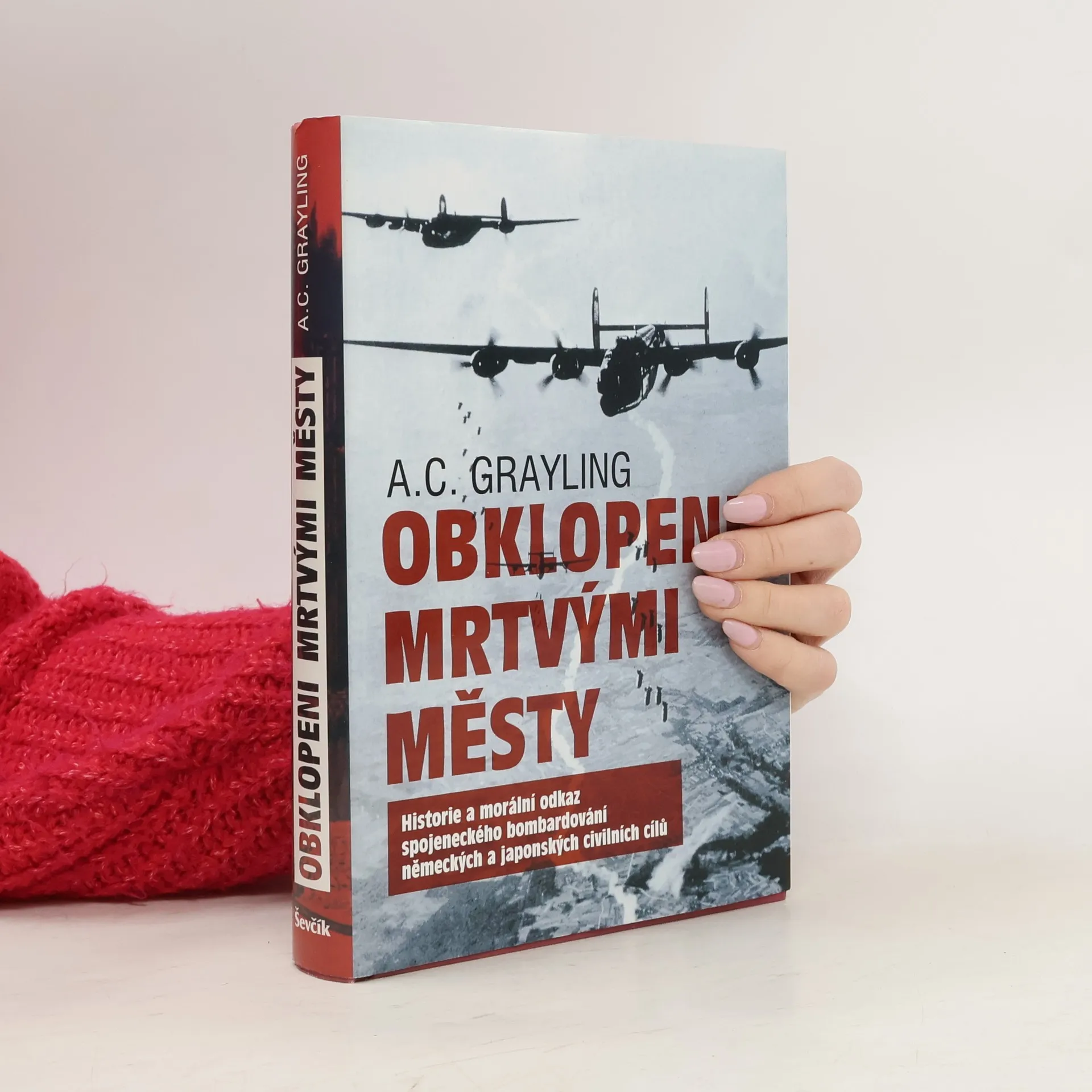
    Among the Dead Cities
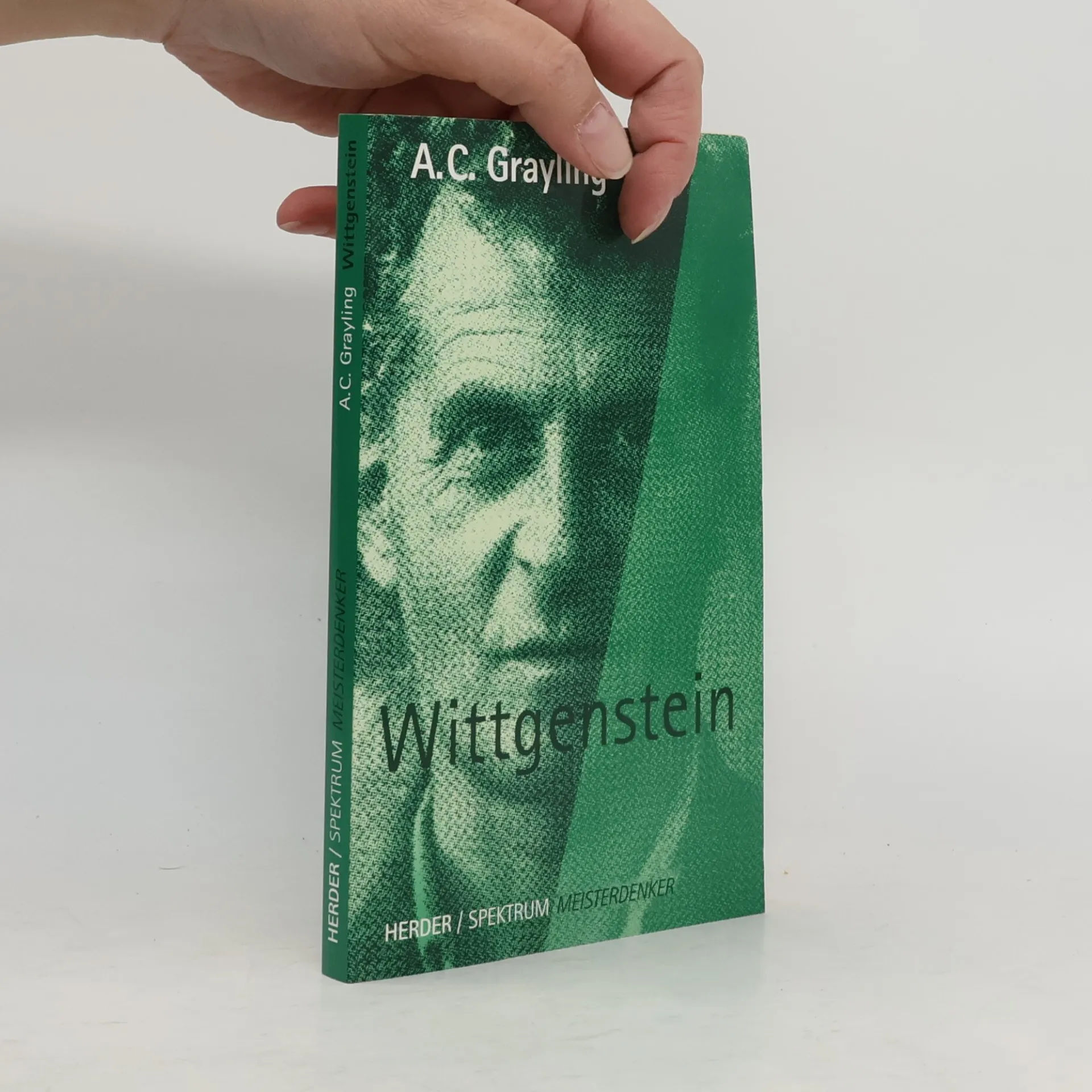
    Wittgenstein
    Die Grenzen des Wissens
    Freundschaft
    • 2024
    • 2023

      From the eminent philosopher and the author of The History of Philosophy, an answer to the big question: how should I live my life? How should I live my life? What values shall I live by? What sort of person should I be? What shall I aim for? In this summation of a lifetime thinking and writing about these great questions, A. C. Grayling explores with clarity and depth the ideas that each of us must use in answering them for ourselves. Drawing on the lives, experiences and works of a fantastically eclectic range of thinkers - taking in not only philosophers such as Confucius, Seneca and Nietzsche, but also authors from Shakespeare to Ursula LeGuin, and modern thinkers such as Martha Nussbaum and Bernard Williams - Philosophy and Life brings together wisdom from across eras and continents in a tour de force on the philosophy of how to live your life.

      Philosophy and Life
    • 2022

      Offering an accessible approach to philosophy, this work combines instruction with humor, making complex ideas relatable and enjoyable. It's designed to be practical, providing readers with insights they can apply in everyday life. Ideal as a thoughtful gift, it promises to engage and enlighten both newcomers and those familiar with philosophical concepts.

      The Art of Always Being Right: The 38 Ways to Win an Argument
    • 2022

      A lucid and inspiring consideration of the challenges we and our world now face, and a proposal for a way to overcome them.

      For the Good of the World
    • 2021

      Die Grenzen des Wissens

      Was wissen wir von dem, was wir nicht wissen? | Entdeckungen und Forschungen der letzten Jahre zeigen: Zunehmendes Wissen steigert unsere Unwissenheit.

      4,0(215)Abgeben

      In den letzten hundert Jahren hat die Menschheit bemerkenswerte Fortschritte im Verständnis des Universums, der Vergangenheit und der menschlichen Natur erzielt. Die Geschichte großer vorklassischer Zivilisationen und die menschliche Evolution wurden umfassend erforscht. Diese Entwicklungen sind aufregend, doch sie bringen auch eine paradoxe Erkenntnis mit sich: Zunehmendes Wissen offenbart, wie wenig wir tatsächlich wissen. Dies wirft Fragen auf: Was wissen wir? Was wissen wir, dass wir es nicht wissen? Und welche Herausforderungen begegnen uns im Forschungsprozess? Was sind die Grenzen des Wissens und wie können wir diese überwinden? Für Fans von Yuval Noah Harari und Hans Rosling bietet dieses fesselnde Werk einen Überblick über drei zentrale Bereiche menschlichen Wissens: Grundlagenphysik, Menschheitsgeschichte und Hirnforschung. A. C. Grayling wird als enthusiastischer Denker beschrieben, der Humor und Klarheit in komplexe Themen bringt. Er vermittelt, dass zum Verständnis der Welt sowohl das Bekannte als auch das Unbekannte wertgeschätzt werden müssen. Dieses Buch ist eine anregende Lektüre für alle, die sich für Geschichte und wissenschaftliche Entwicklungen interessieren und bietet liebevolle Einblicke in die Herausforderungen, die mit dem Streben nach Wissen verbunden sind.

      Die Grenzen des Wissens
    • 2020

      The Good State

      • 256 Seiten
      • 9 Lesestunden
      3,9(98)Abgeben

      As democracy shows signs of decay, how do we not only arrest its decline but build something better - a state which is democratic in the fullest sense?

      The Good State
    • 2019

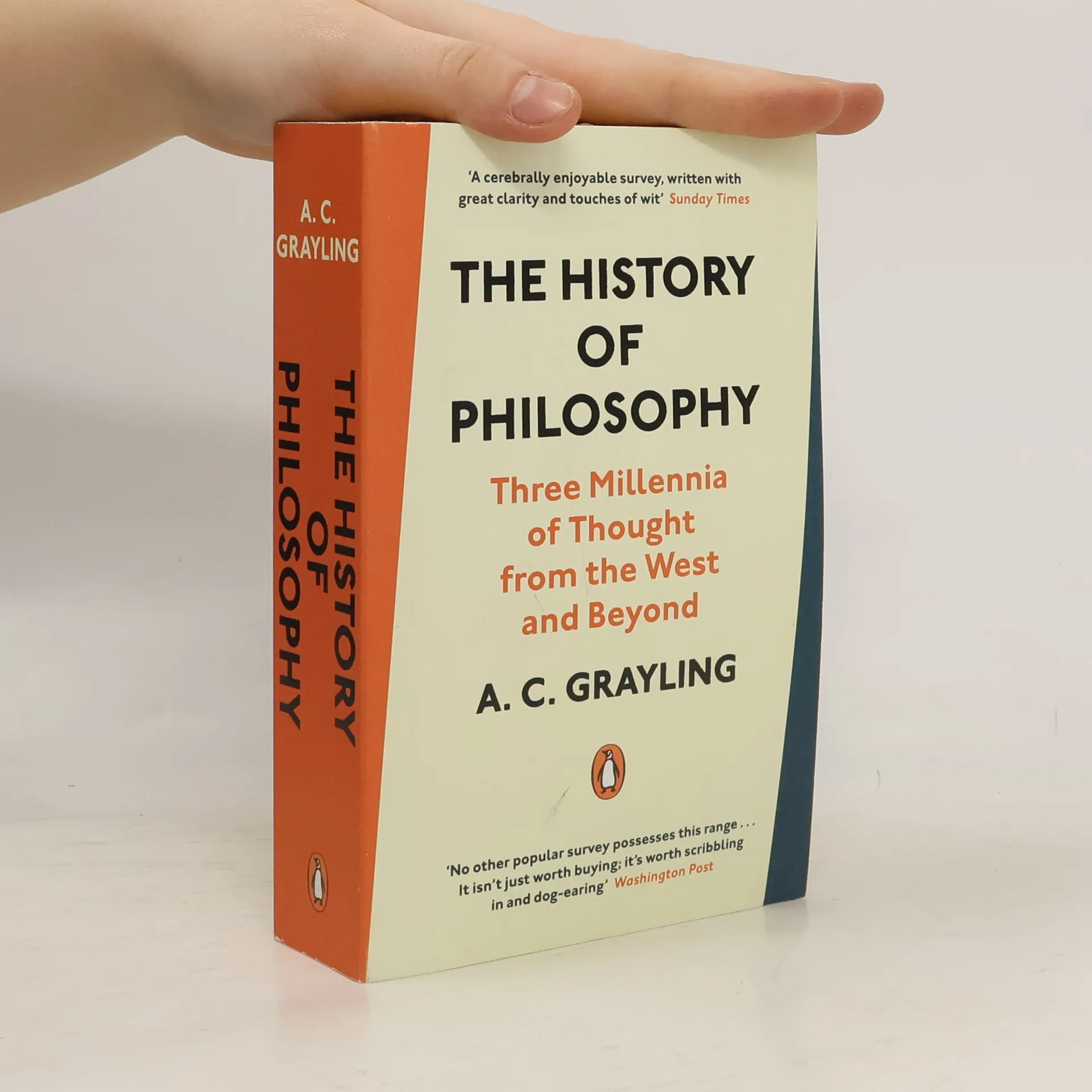
      The history of philosophy

      • 704 Seiten
      • 25 Lesestunden
      4,1(1030)Abgeben

      This is the first truly authoritative and accessible history of philosophy encompassing both Western and Eastern traditions. It narrates the epic tale of philosophy, exploring the ideas and teachings of some of humanity's most creative minds. Since Bertrand Russell's classic work in 1945, there has been no comprehensive single-volume history of this intellectual journey. A.C. Grayling guides readers from the worldviews before the age of the Buddha, Confucius, and Socrates, through the dominance of Christianity in Europe, the Renaissance, and Enlightenment, to thinkers like Mill, Nietzsche, and Sartre, and contemporary philosophy. The narrative also includes a comparative survey of significant philosophical traditions from India, China, and the Persian-Arabic world. Accessible for students and enlightening for philosophy enthusiasts, it addresses key areas such as epistemology, metaphysics, ethics, aesthetics, logic, the philosophy of mind, language, political philosophy, and historical debates, featuring both renowned and lesser-known thinkers. Grayling prompts reflection on what we have learned from this body of thought and the progress still to be made. This landmark work stands out for its remarkable range and accessibility, making it a significant contribution to the field.

      The history of philosophy
    • 2015

      Unser wichtigster Halt im Leben, ein hoher Wert, eine einzigartige Beziehung, ein grundlegendes Bedürfnis, eine Art Liebe: Was ist Freundschaft, und was bedeutet sie in unserem Leben? Wie hat sie sich über die Jahrhunderte verändert, von Platon bis Facebook?

      Freundschaft
    • 2015

      The Challenge of Things

      • 297 Seiten
      • 11 Lesestunden
      3,6(14)Abgeben

      A. C. Grayling's lucid and stimulating books, based on the idea that philosophy should engage with the world and make itself useful, invariably cause discussion. The Challenge of Things joins earlier collections such as The Reason of Things and Thinking of Answers, collecting Grayling's recent writings on the world in a time of war and conflict. In describing and exposing the dark side of things, he also explores ways out of the habits and prejudices of mind that would otherwise trap us forever in the deadly impasses of conflicts of all kinds. Whether he is writing about the First World War and its legacy, free speech, the advantages of an atheist prime minister or the role of science in the arts, his essays are always enlightening, enlivening, and hopeful.

      The Challenge of Things
    • 2014

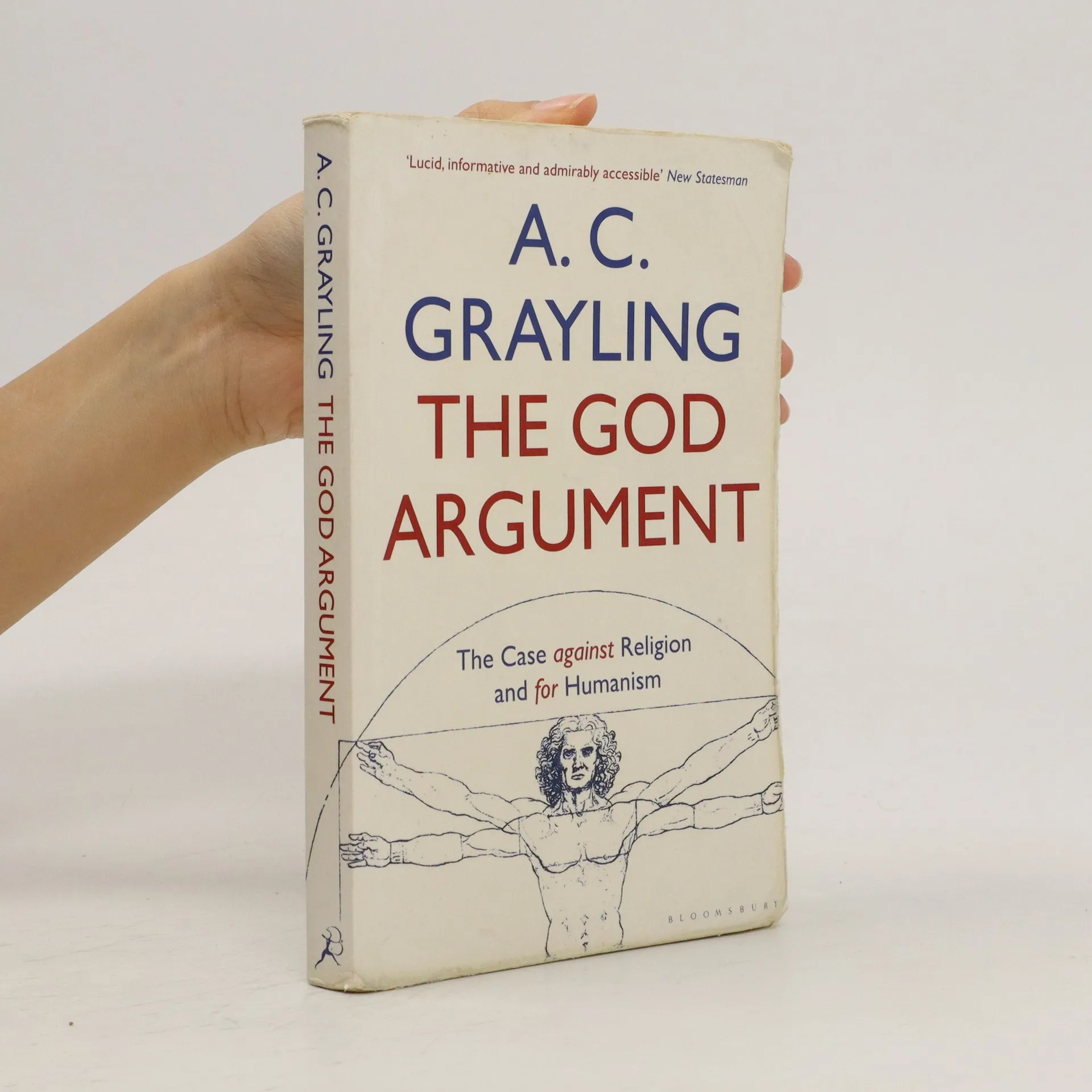
      The first book to deal with all the arguments against religion and, equally important, to put forward an alternative - humanism

      The God Argument