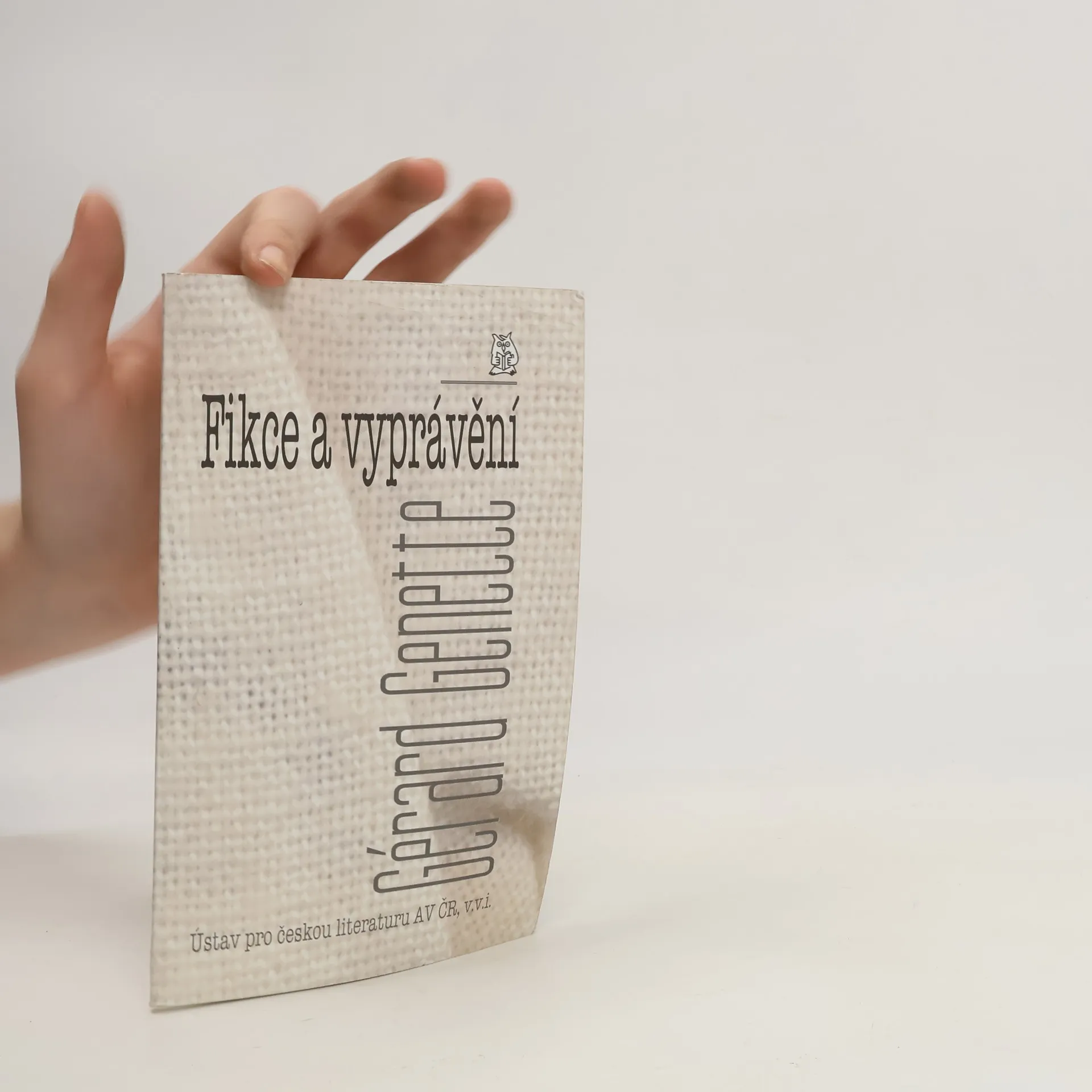
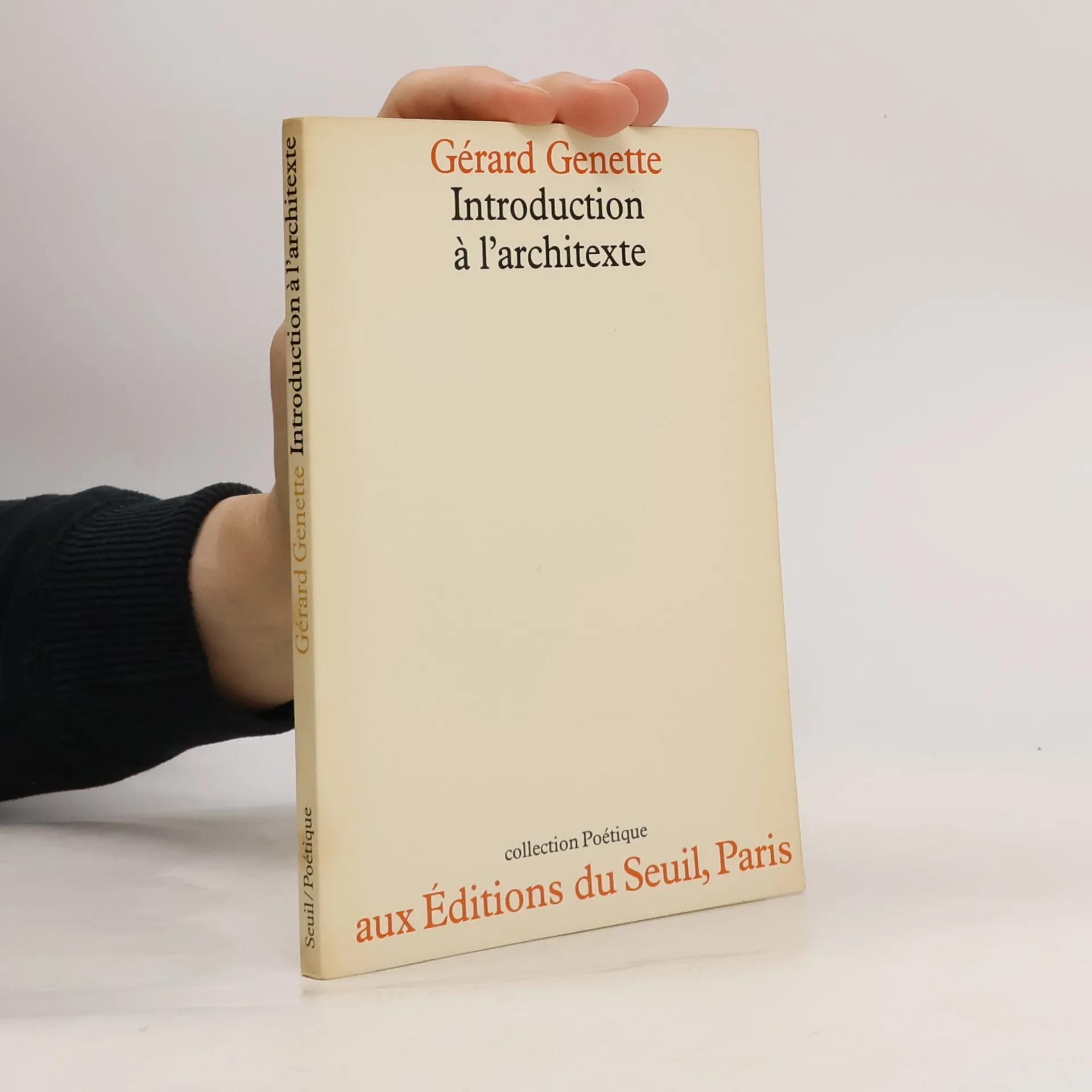
Fikce a vyprávění
- 96 Seiten
- 4 Lesestunden


Genette trug maßgeblich zur Wiederbelebung eines reichen Vokabulars rhetorischer Begriffe wie Trope und Metonymie in der Literaturkritik bei. Seine grundlegende Arbeit zur Erzähltheorie, insbesondere "Narrative Discourse: An Essay in Method", hat die Art und Weise, wie wir Geschichten analysieren, maßgeblich geprägt. Durch seine mehrteilige Reihe "Figures" und seine Trilogie zur textuellen Transzendenz schuf er kritische Rahmenbedingungen, die bis heute nachhallen. Obwohl seine Arbeit oft in Sekundäranalysen diskutiert und nicht isoliert untersucht wird, sind Konzepte wie 'Paratext' und 'Hypotext', die aus seiner Forschung hervorgegangen sind, zu verbreiteten Werkzeugen der literarischen Interpretation geworden.



Da un continuo scambio tra le suggestioni di una teoria generale delle forme letterarie (o poetica) e i dati concreti di una tradizionale, e spesso penetrante, analisi critica nascono i saggi di Figure III. Di questa doppia anima l'autore è ben conscio; la raccolta si apre, infatti, col breve scritto su Critica e poetica, che è una riaffermazione della pari e complementare dignità di entrambe. Ad esso fa seguito una ridiscussione dei rapporti tra Poetica e storia, classico tema della possibilità di una storia letteraria, visto da una specola non italiana (ma con risultati che suonano conferma a quelli di scuola italiana). Di questa collaborazione tra poetica, nella specie narratologica, e critica, Genette dà subito prova affrontando la Recherche proustiana, prima sinteticamente, con un magistrale saggio sulla Metonimia in Proust; poi analiticamente, smontando i meccanismi narrativi dell'opera. La lezione di metodo che ne risulta ha così un merito in più: quello di dimostrarsi, fin dalla sua formulazione, utile alla comprensione di un testo straordinariamente complesso, dal quale è lecito estrarre conclusioni generali sui rapporti tra storia, narrazione e racconto.
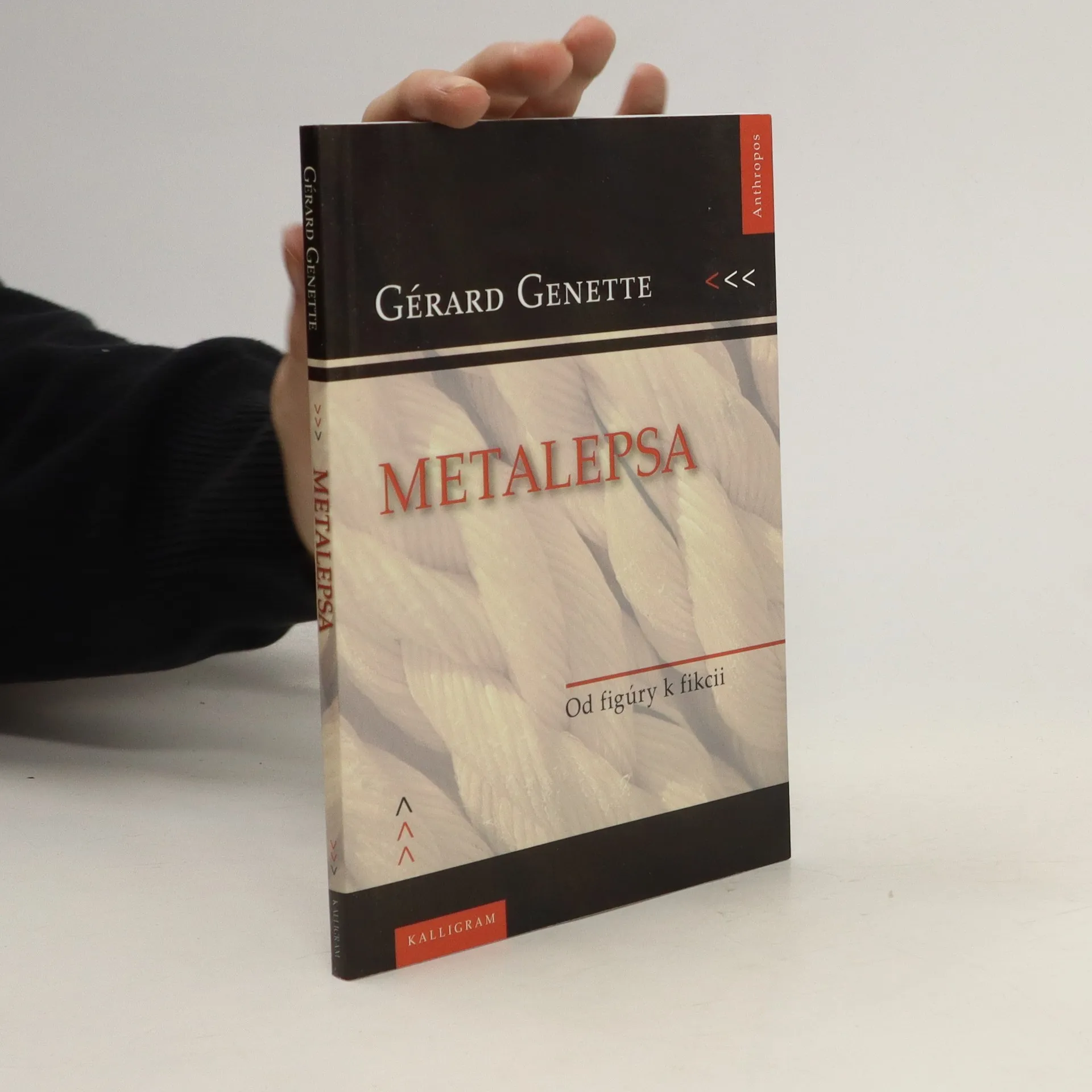
Autor známy svojimi štrukturalistickými teóriami o kritikovi a umelcovi sa v tejto knihe venuje problematike metalepsy v priestore fikcie a na príkladoch literárnych diel, píše o rozširovaní možností rozprávania, ako aj interpretácie sveta.
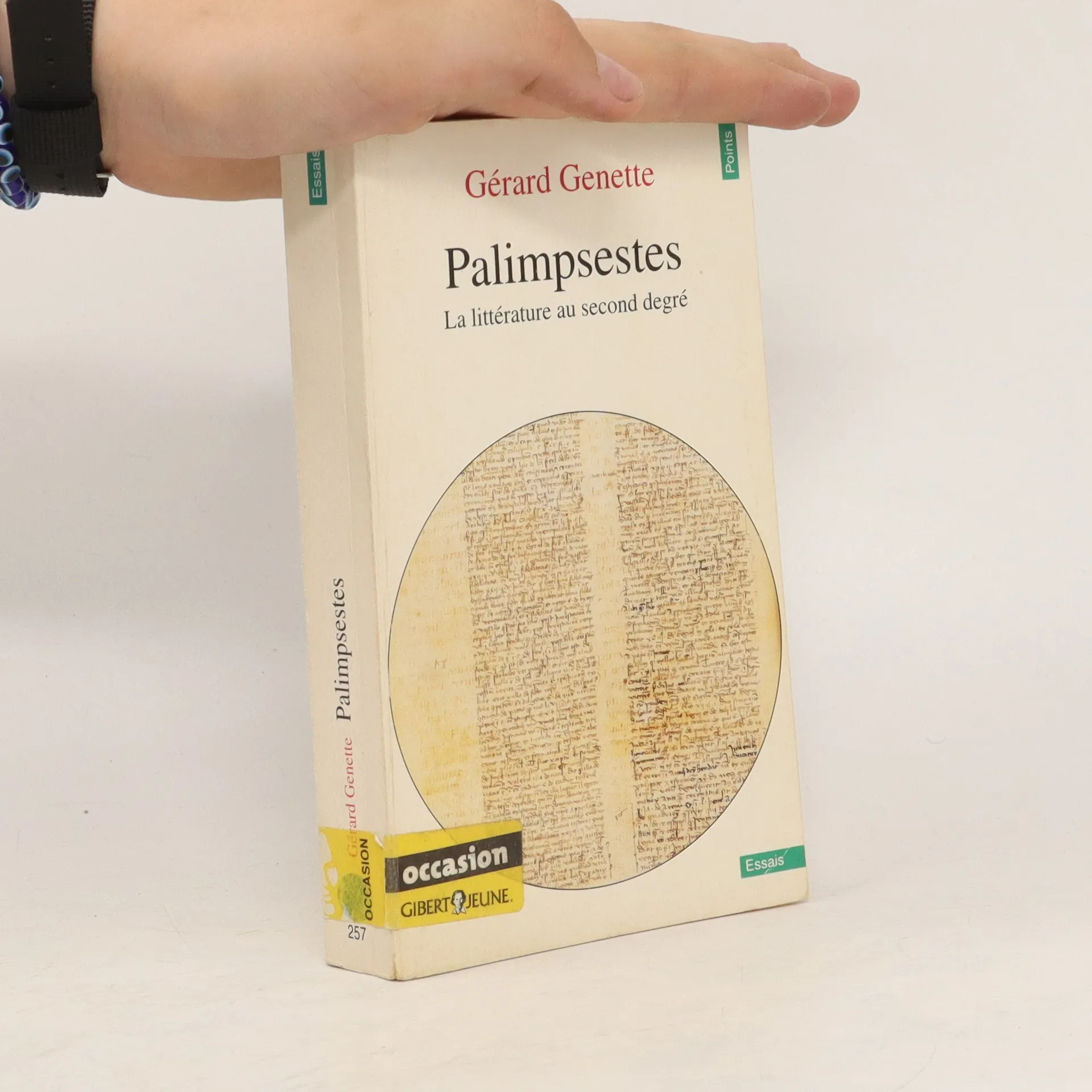
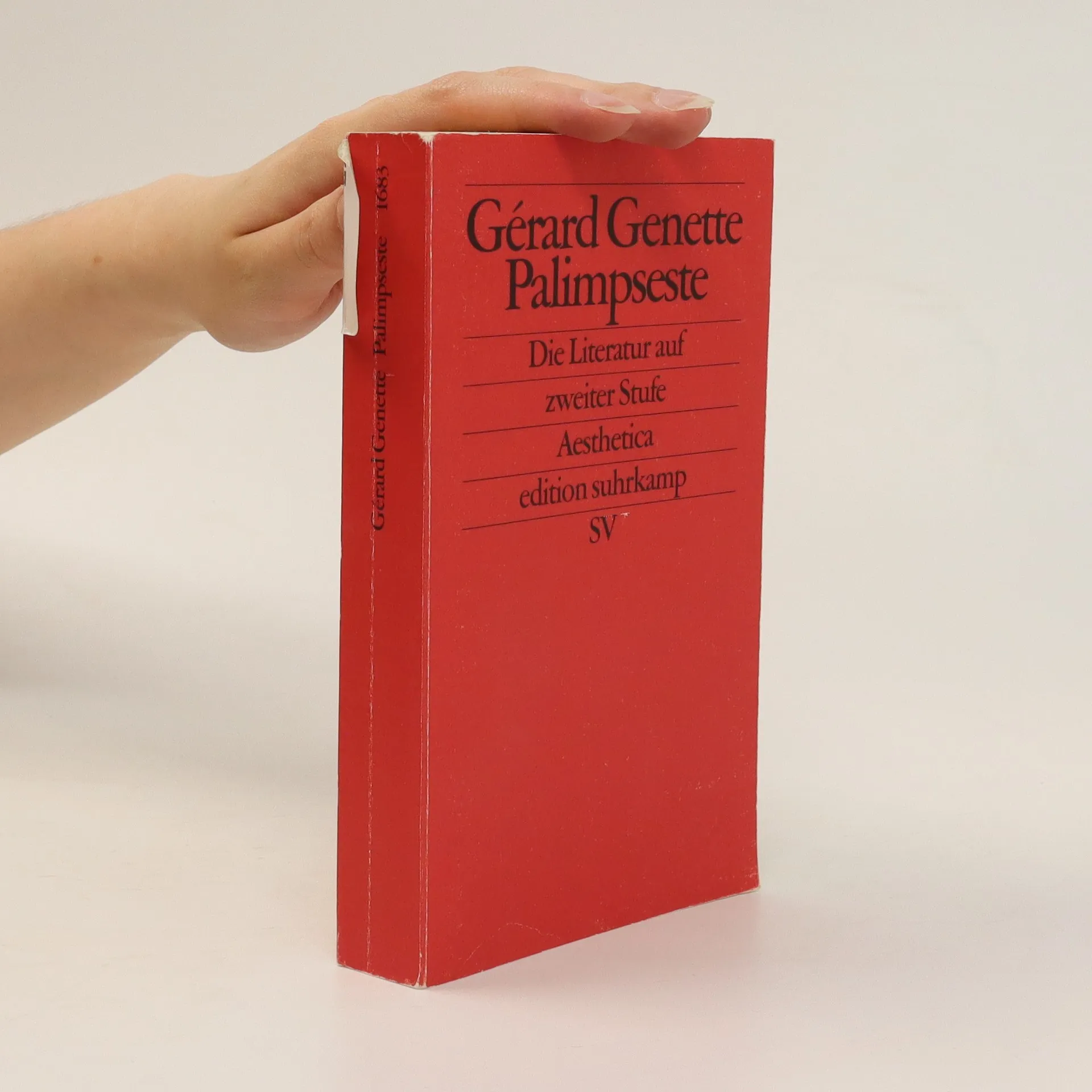
Gérard Genette ist einer der wichtigsten französischen Literaturtheoretiker, seine Bücher gehören zum Kanon der Literaturtheorie. So auch Palimpseste, das sich dem komplexen Spiel der Resonanz der Texte untereinander widmet.
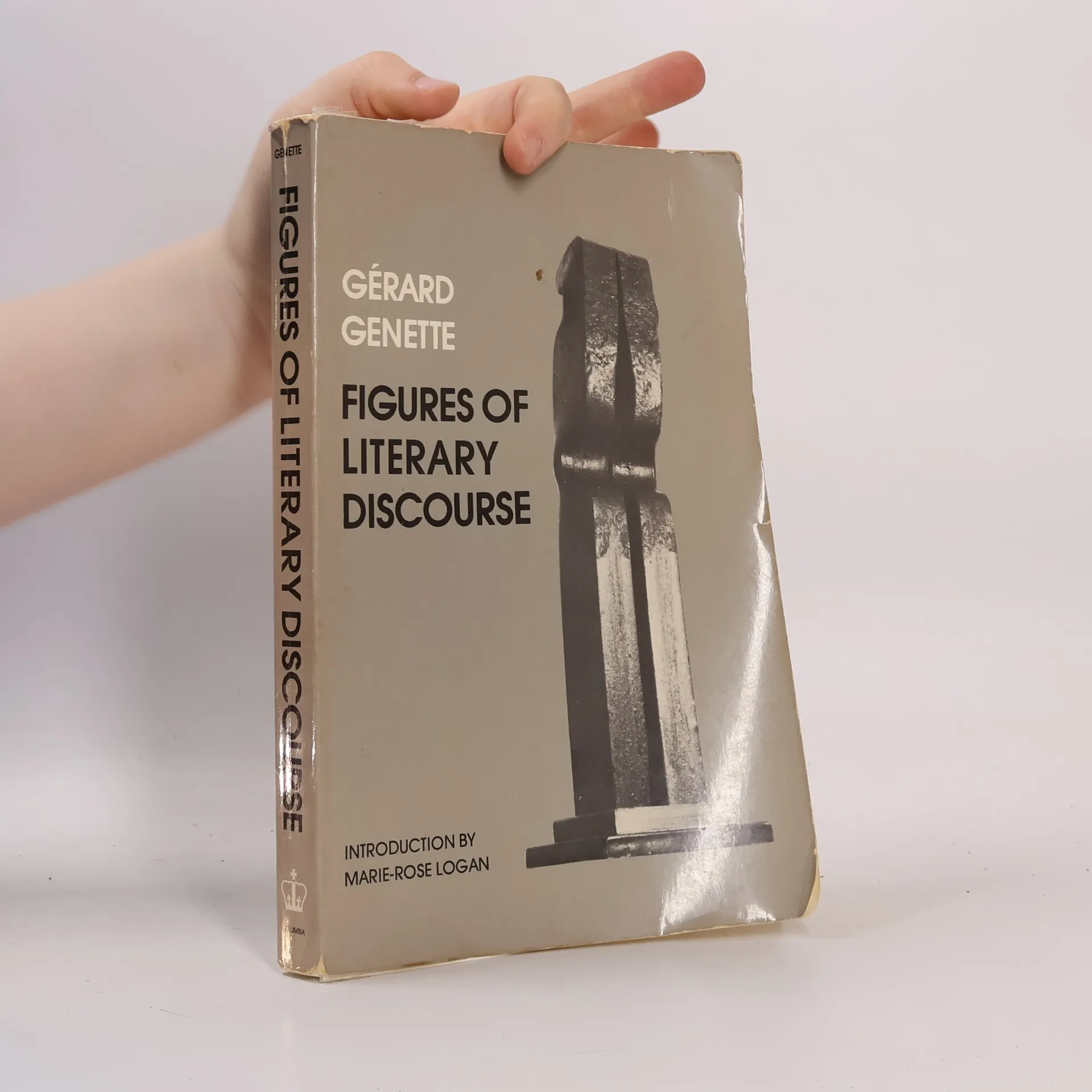
Theorie der Genres und der Werke, Status der Fiktion, Varianz der narrativen Regime, semiotische Funktion des Stils: Auf diesen verschiedenen, aber konvergierenden Wegen bemühen sich die hier versammelten poetischen Studien, die seit einigen Jahrzehnten als Literarität bezeichnete Dimension der Texte neu zu definieren – das heißt, die künstlerische Dimension der Texte, unabhängig von ihrem Präsentationsmodus oder ihrem Kriterium für die Einstufung als „Werke“ durch eine individuelle oder kollektive Lesestelle. Wo die rituelle Frage Was ist Literatur? sich auflöst und vielleicht in die folgende Frage übergeht: Was macht einen Text zu einem ästhetischen Objekt?
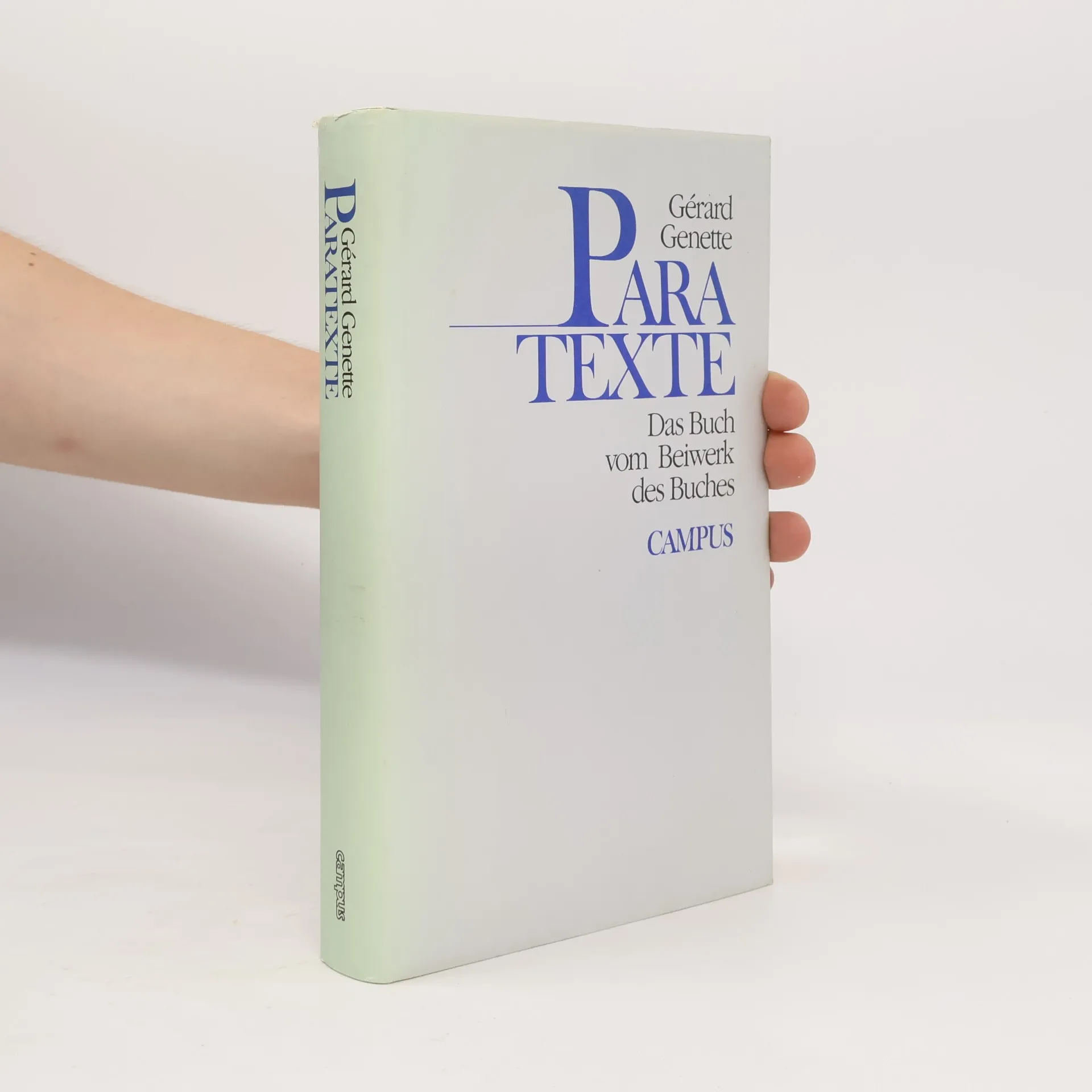
Genettes Interesse gilt den Elementen, die zwar zum Buch, nicht aber zum „Werk“ gehören. Seine Studie ist eine regelrechte Kulturgeschichte des Buches.
This work presents a systematic approach to the study of literature using extensive questioning. Many consider this to be structuralist poetics at its best.
Gerard Genette builds a systematic theory of narrative upon an anlaysis of the writings of Marcel Proust, particularly 'Remembrance of Things Past.'Adopting what is essentially a structuralist approach, the author identifies and names the basic constituents and techniques of narrative and illustrates them by referring to literary works in many languages.
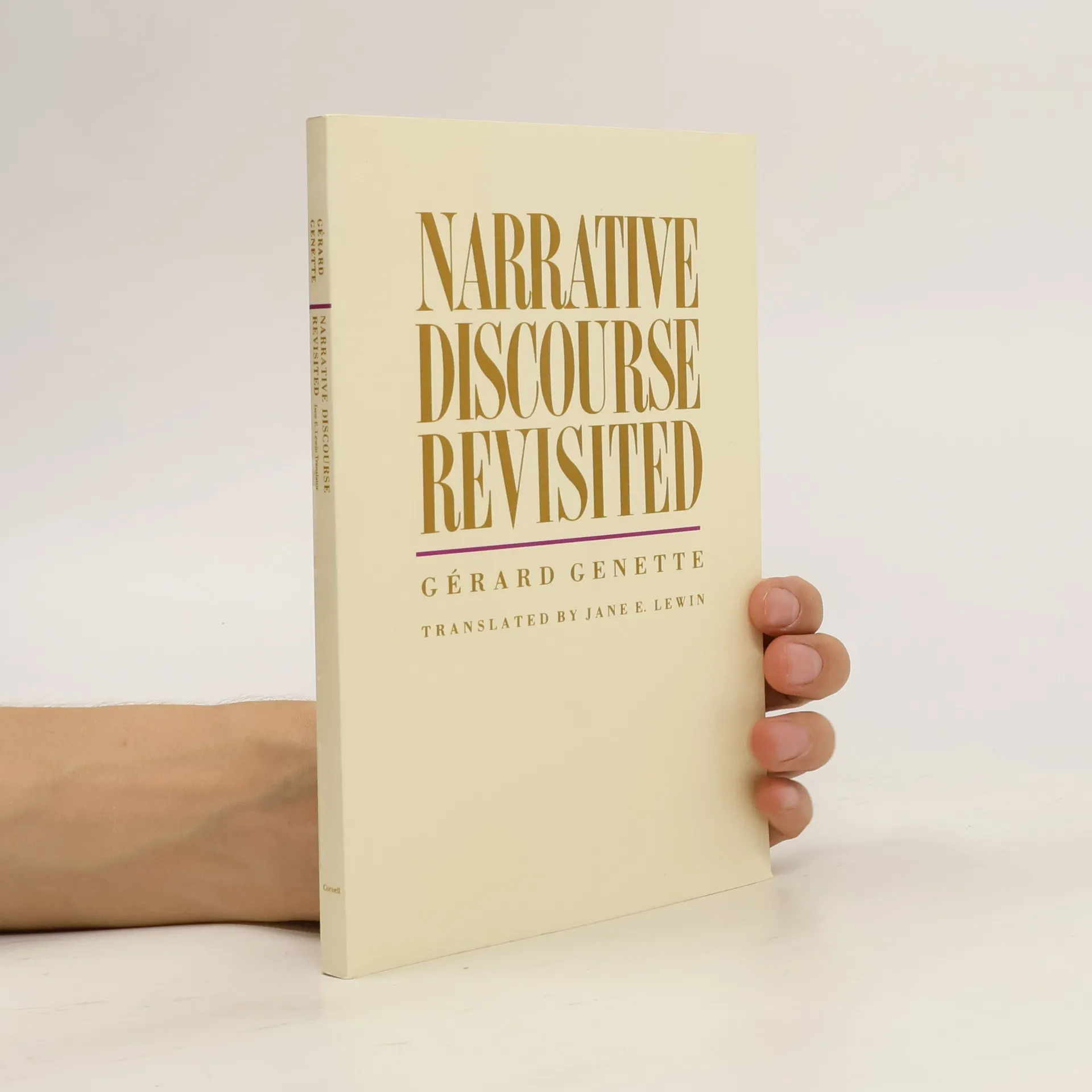
In Narrative Discourse Revisited Genette both answers critics of the earlier work and provides a better-defined, richer, and more systematic view of narrative form and functioning. This book not only clarifies some of the more complex issues in the study of narrative but also provides a vivid tableau of the development of narratology over the decade between the two works.
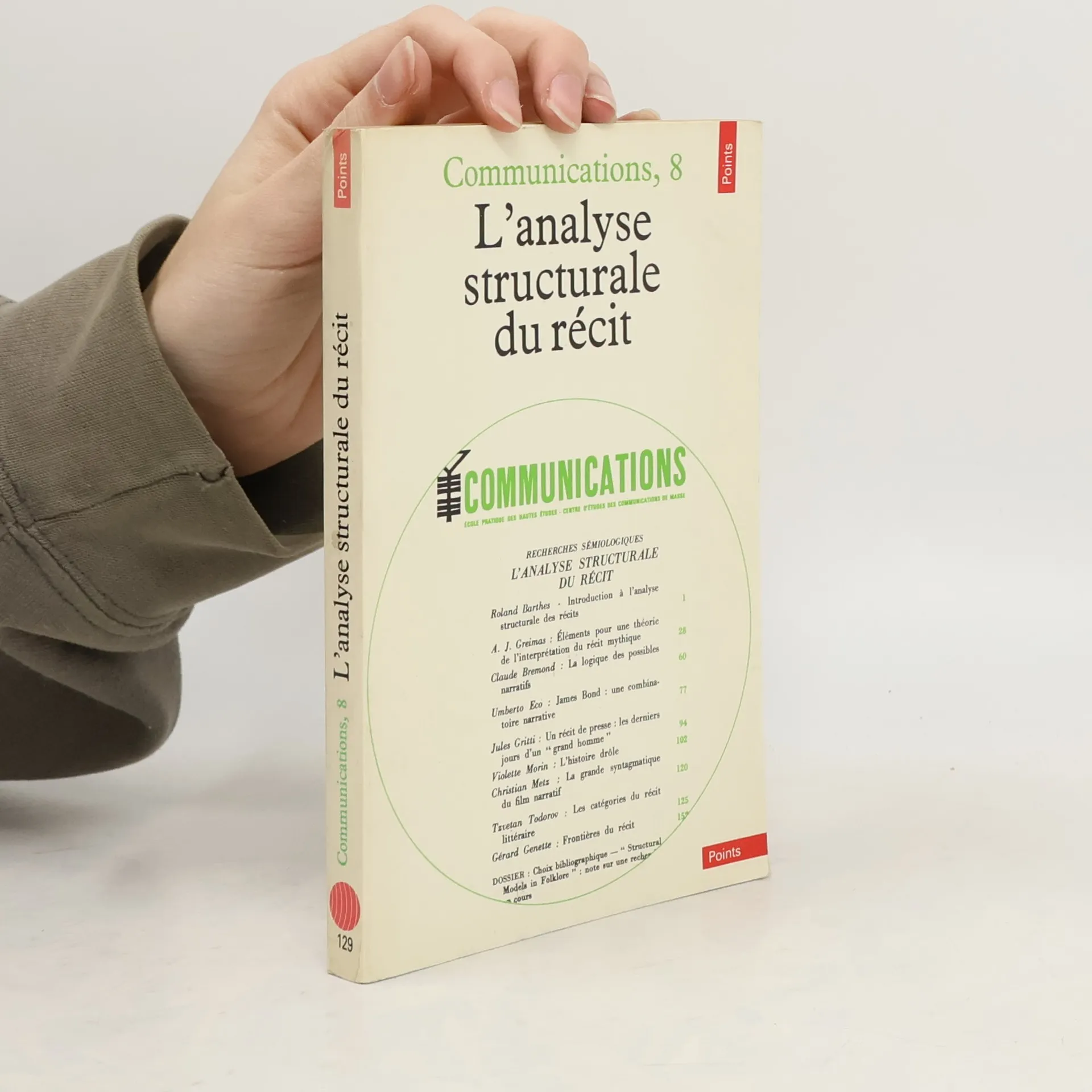
Rarement un numéro de revue aura fait date comme celui-ci. Dans les années 1960, sur la trace des formalistes russes et en particulier de Propp et de Jakobson, se développait le projet d’une analyse structurale du récit. Ce numéro de Communications publié en 1966 a marqué l’avènement d’une École française à laquelle les théoriciens du monde entier n’allaient plus cesser de se référer. Il y a là tout à la fois des textes fondamentaux, des exemples concrets et déjà l’exploration de cas limites. Il n’est pas exagéré de dire que tout ce qui s’est fait depuis dans ce champ se définit par rapport à ce qui est énoncé ici. Ont participé à ce numéro : R. Barthes, A. J. Greimas, C. Bremond, U. Eco, J. Gritti, V. Morin, Ch. Metz, T. Todorov, G. Genette.
In this essential theoretical essay, Gérard Genette asserts that the object of poetics is not the text, but the architext --the transcendent categories (literary genres, modes of enunciation, and types of discourse, among others) to which each individual text belongs. In seeking to link these categories in a system embracing the entire field of literature, Western poetics has divided literature into three kinds: dramatic, epic, and lyric. This division, generally accepted since the eighteenth century, has been wrongly attributed to Aristotle with great detriment to the development of poetics. Here Genette disassembles this burdensome triad by retracing its gradual construction and distinguishes among the architextual categories that this division has long obscured. In so doing, Genette lays a firm foundation for future theorists of literary forms.
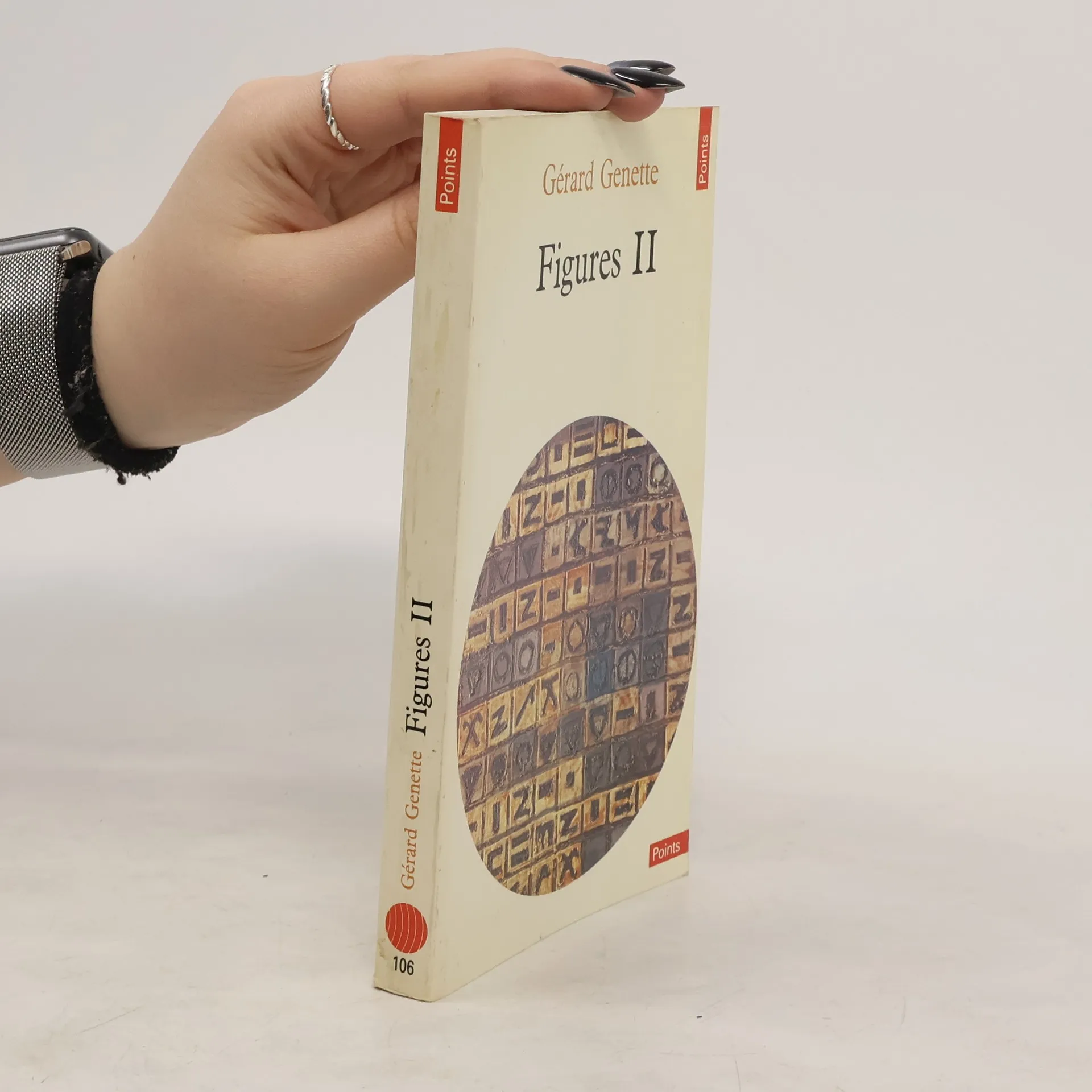
Les analyses de littérature amorcées dans Figures I se poursuivent ici dans deux directions principales, qui en quelques points se croisent ou se rejoignent : théorie du récit, poétique du langage. Certains de ces carrefours, ou repères, se nomment "Baroque", "Balzac", "Princesse de Clèves", " Stendhal ", "Recherche du temps perdu", d'autres : "espace du texte", "récit et discours", "arbitraire et motivation", "langage indirect". Critique et théories littéraires et leur articulation féconde : irréductibles et complémentaires, à la recherche d'une nouvelle poétique.
FIGUREs I rassemble dix-huit études et notes critiques écrites entre 1959 et 1965, explorant des thèmes variés tels que Proust, Robbe-Grillet, Borges, Flaubert et le structuralisme moderne. Ces analyses interrogent la nature et l’usage de la littérature, une parole à la fois offerte et retenue. ----- FIGURES II poursuit ces réflexions en se concentrant sur la théorie du récit et la poétique du langage, avec des points de convergence autour de concepts comme le Baroque, Balzac, et l’espace du texte. La critique littéraire et la théorie se confrontent et s’articulent, cherchant une nouvelle poétique, tout en demeurant irréductibles et complémentaires. ---- FIGURES III présente une suite rigoureuse d’études : Critique et poétique, Poétique et histoire, et une analyse de la rhétorique, notamment la métaphore et la métonymie chez Proust, se concluant par un essai sur le discours narratif appliqué à la Recherche du Temps perdu. L’approche souligne que la spécificité proustienne est à la fois universelle et singulière. Analyser cette œuvre implique de passer du particulier au général, un paradoxe inhérent à la poétique et à toute activité de connaissance, oscillant entre l’unicité des objets et la généralité de la science. Cette dynamique révèle que le général réside au cœur du singulier, rendant le connaissable profondément mystérieux.