

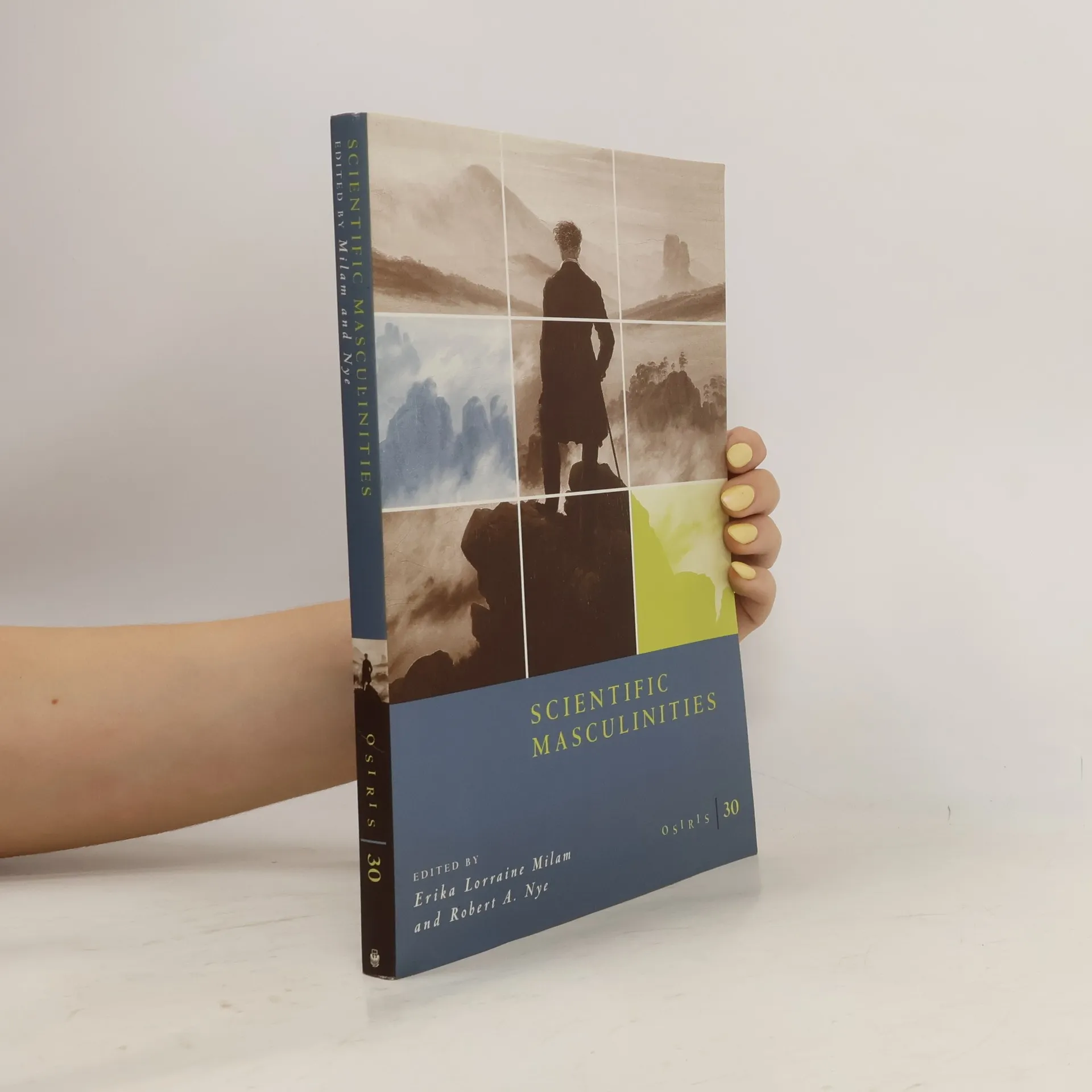
This volume of Osiris integrates gender analysis with the global history of science and medicine from the late Middle Ages to the present by focusing on masculinity. The premise is that social constructions of masculinity function simultaneously as foils for femininity and as methods of differentiating between “kinds” of men. In exploring scientific masculinities, the book asks: how has masculinity been defined, and what are the mechanisms by which it operates in science? The essays are divided into sections that emphasize the importance of gender to the practices of professionalization, the spaces in which scientific, technological, and medical labor is performed, and the ways that sex, gender, and sexual orientation are measured and serve as metaphors in society and culture.
Erika Lorraine Milam Bücher
Erika Lorraine Milam beschäftigt sich mit der komplexen Beziehung zwischen Geschlecht und Theorien der Evolutionsbiologie. Ihre Arbeit untersucht die Dynamik der weiblichen Partnerwahl und wie diese Prozesse die Evolution von Arten geprägt haben. Sie konzentriert sich auf die Wissenschaftsgeschichte und untersucht, wie diese Konzepte im Laufe der Zeit formuliert und verstanden wurden.
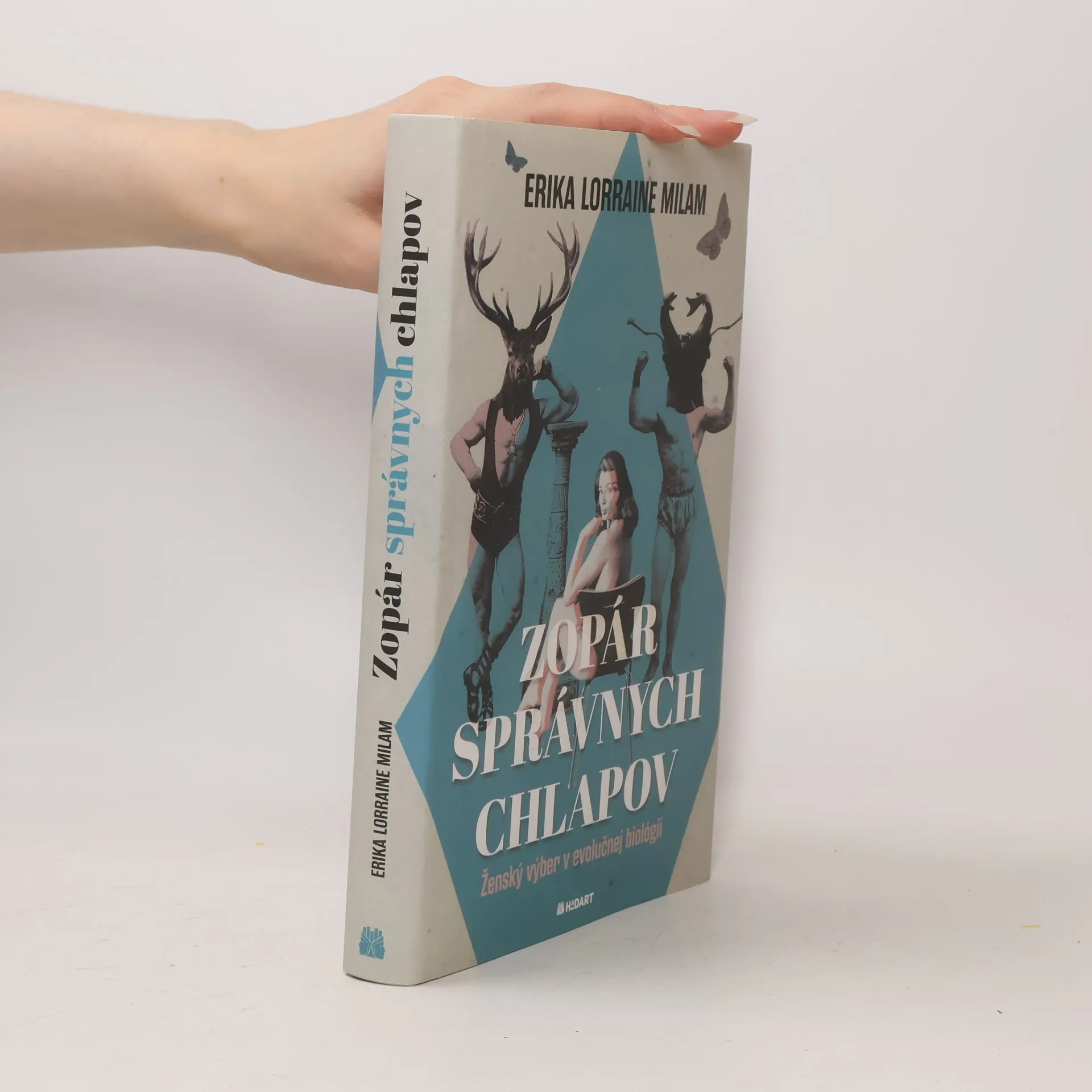
Zopár správnych chlapov
- 298 Seiten
- 11 Lesestunden
Ženský výber v evolučnej biológii. Prečo si samičky zvierat vyberajú istý typ samčekov? Ako vedci vysvetľujú ich voľbu a ako sa toto biologické dedičstvo prejavuje u ľudí? Nad týmito otázkami sa zamýšľa historička Erika Lorraine Milam, ktorá v knihe Zopár správnych chlapov analyzuje vedecké výskumy sexuálneho správania v súvislosti so ženským výberom. Výsledkom je fascinujúca sonda do bádania o sexuálnom výbere od čias Charlesa Darwina až po modernú sociobiológiu. Prináša odpoveď na otázku, ako naše sociálne a kultúrne predsudky ovplyvňovali výskum a či sú jeho výsledky podmienené rodovými kritériami. Ponorte sa do sveta dámskej volenky v evolučnej biológii.