
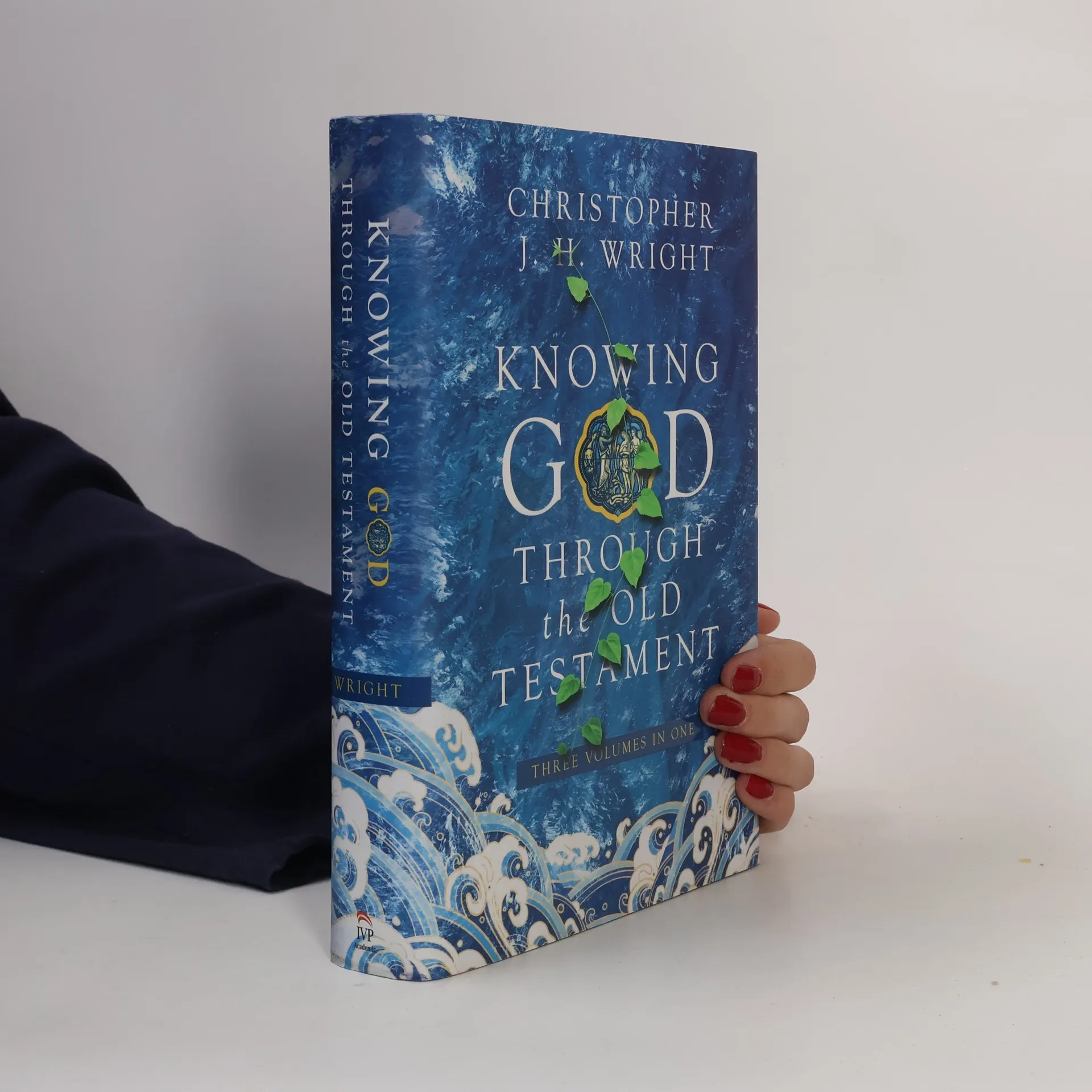
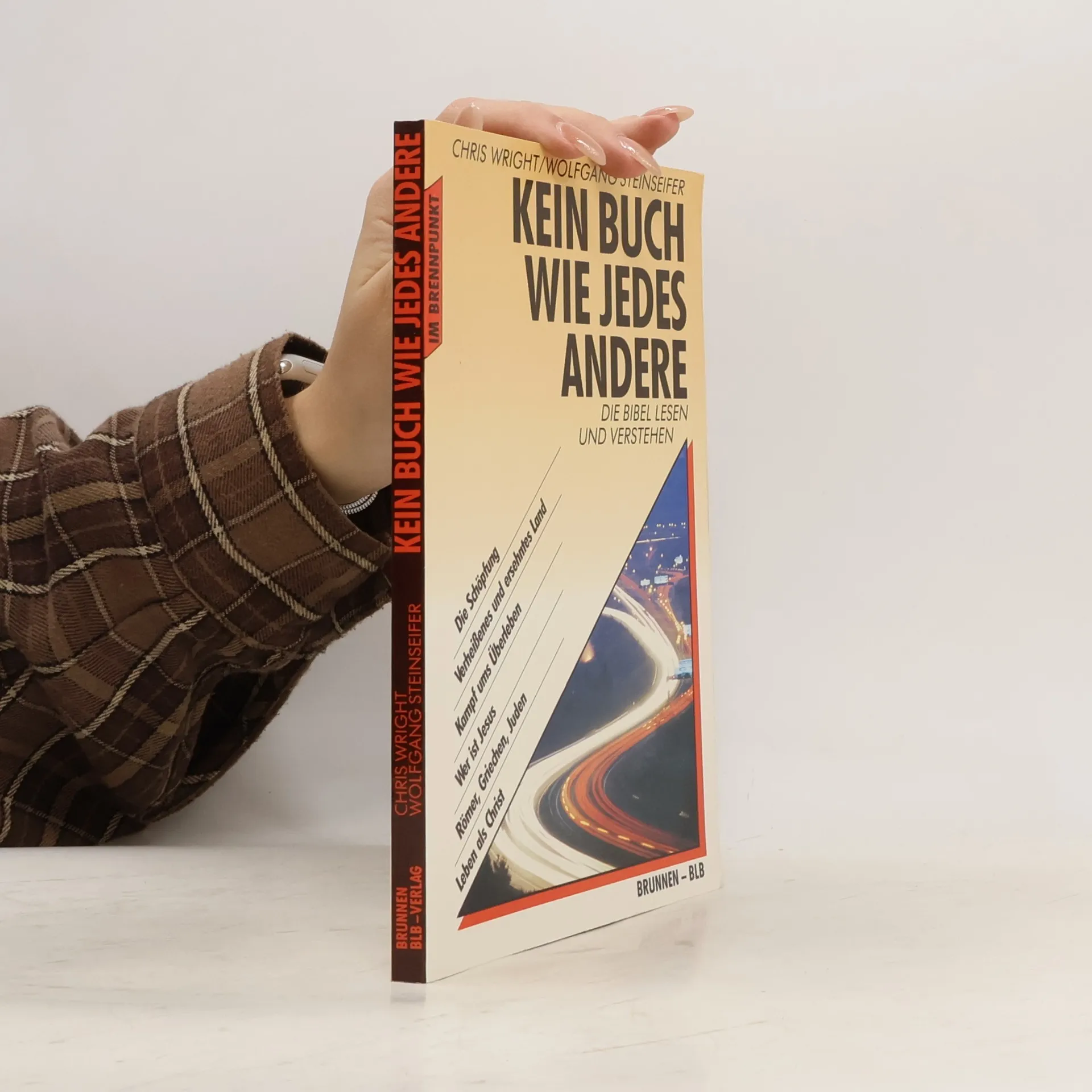
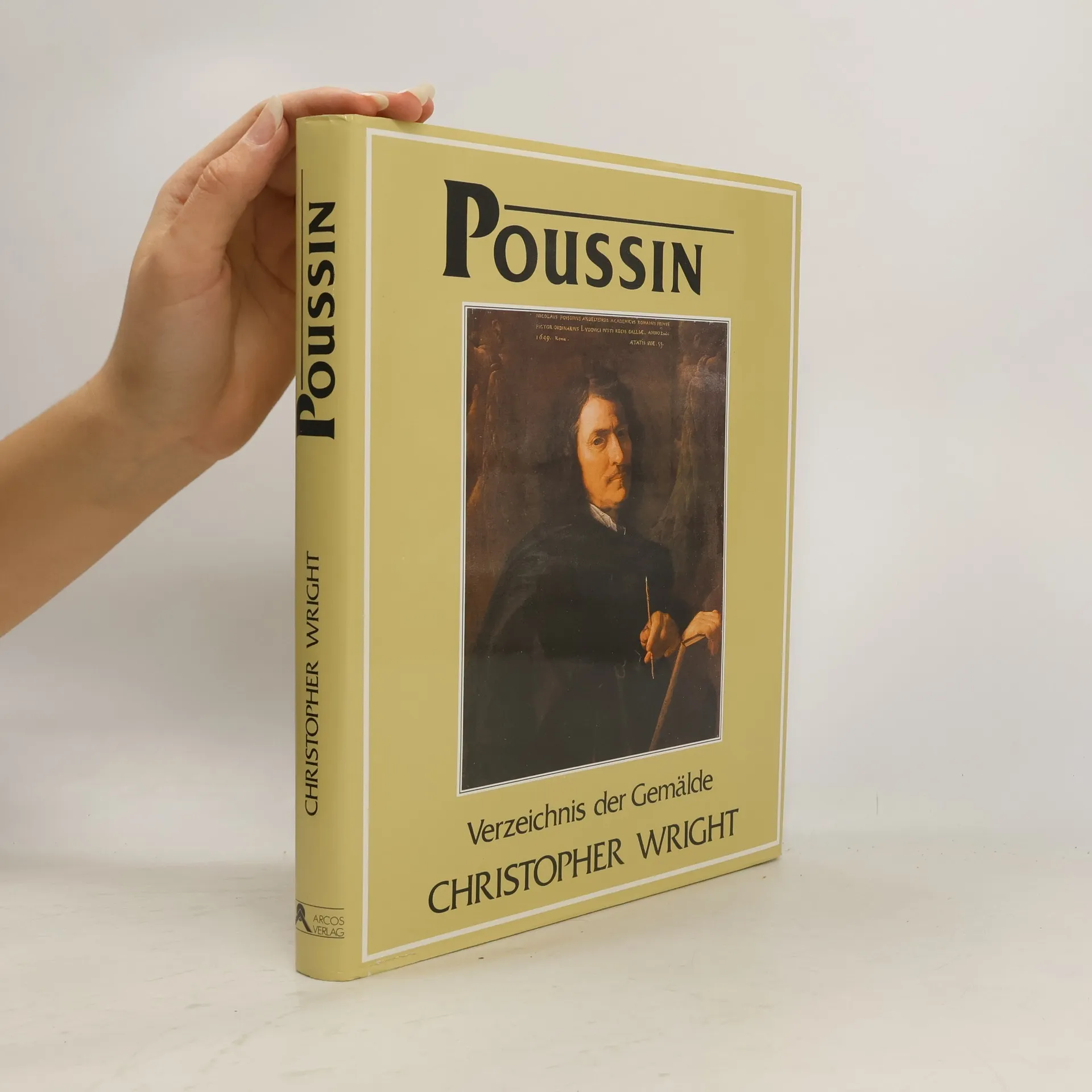
Kein Buch wie jedes andere
- 128 Seiten
- 5 Lesestunden
Christopher J.H. Wright ist ein angesehener Gelehrter des Alten Testaments, dessen Werk sich tief mit den theologischen und ethischen Fragen des alten Israel auseinandersetzt. Seine Analysen untersuchen, wie diese alte Weisheit in der modernen Welt Anklang findet und einzigartige Einblicke in Gottes Bund und seine Gerechtigkeit bietet. Wright zielt darauf ab, biblische Texte und ihre tiefere Bedeutung für zeitgenössische Leser zugänglich zu machen. Seine Schriften werden für ihre intellektuelle Tiefe und spirituelle Relevanz geschätzt.


Be equipped for following King Jesus in times of political idolatry.
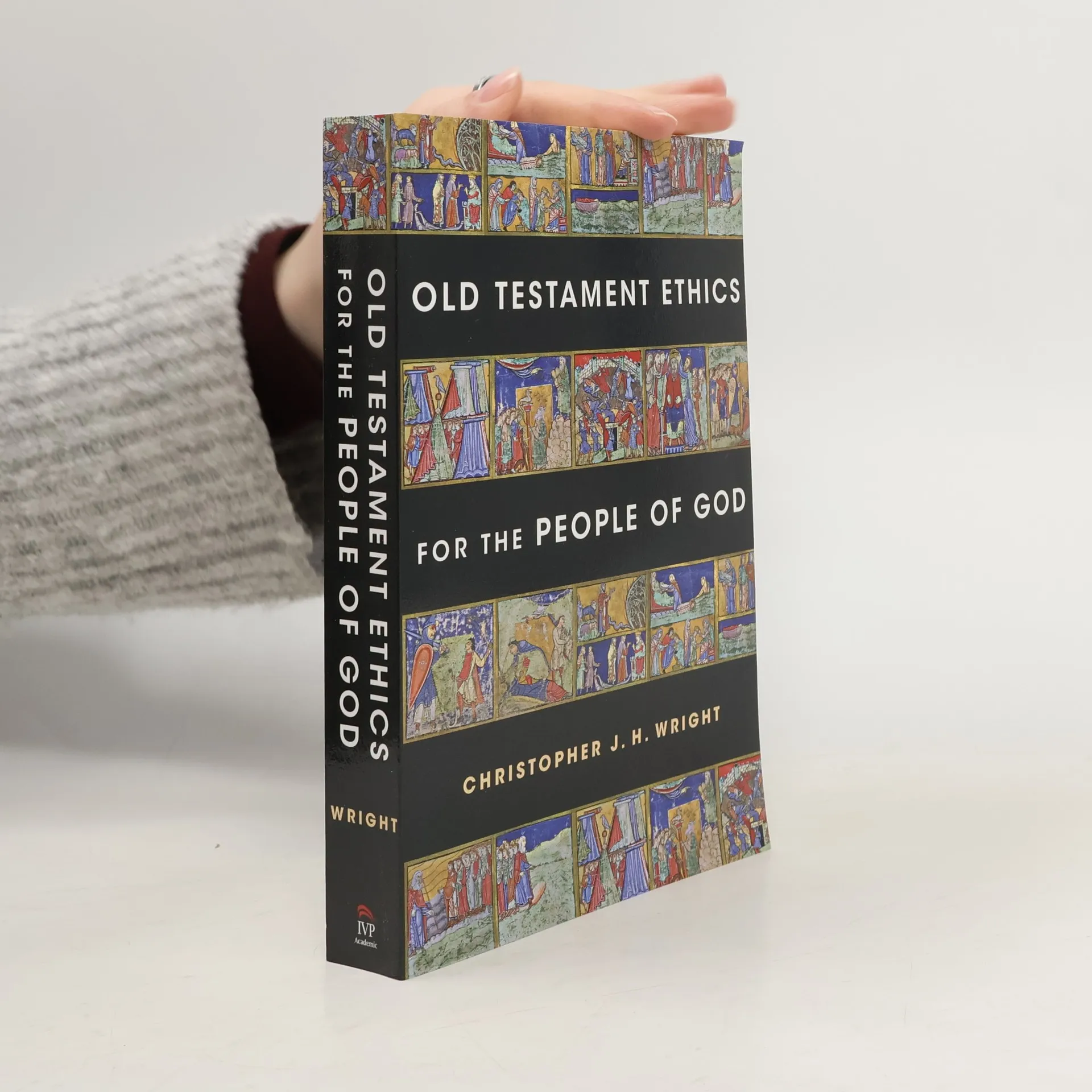
Nothing confuses Christian ethics quite like the Old Testament. Some faithful readers struggle through its pages and conclude that they must obey its moral laws but may disregard its ceremonial and civil laws. Others abandon its teaching altogether in favor of a strictly New Testament ethic. Neither option, argues Chris Wright, gives the Old Testament its due. In this innovative approach to Old Testament ethics--fully revised, updated and expanded since its first appearance in 1983 as Living as the People of God (An Eye for an Eye in North America) and including material from Walking in the Ways of the Lord--Wright examines a theological, social and economic framework for Old Testament ethics. Then he explores a variety of themes in relation to contemporary issues: economics, the land and the poor; politics and a world of nations; law and justice; society and culture; and the way of the individual. This fresh, illuminating study provides a clear basis for a biblical ethic that is faithful to the God of both Testaments.
The book explores the critical issue of inadequate funding for Christian ministries globally, delving into the various factors contributing to this challenge. It examines the responsibilities of different stakeholders, prompting readers to consider who should be accountable for addressing the financial shortfalls that hinder ministry efforts. Through insightful analysis, it aims to foster a deeper understanding of the complexities surrounding funding in the context of faith-based initiatives.
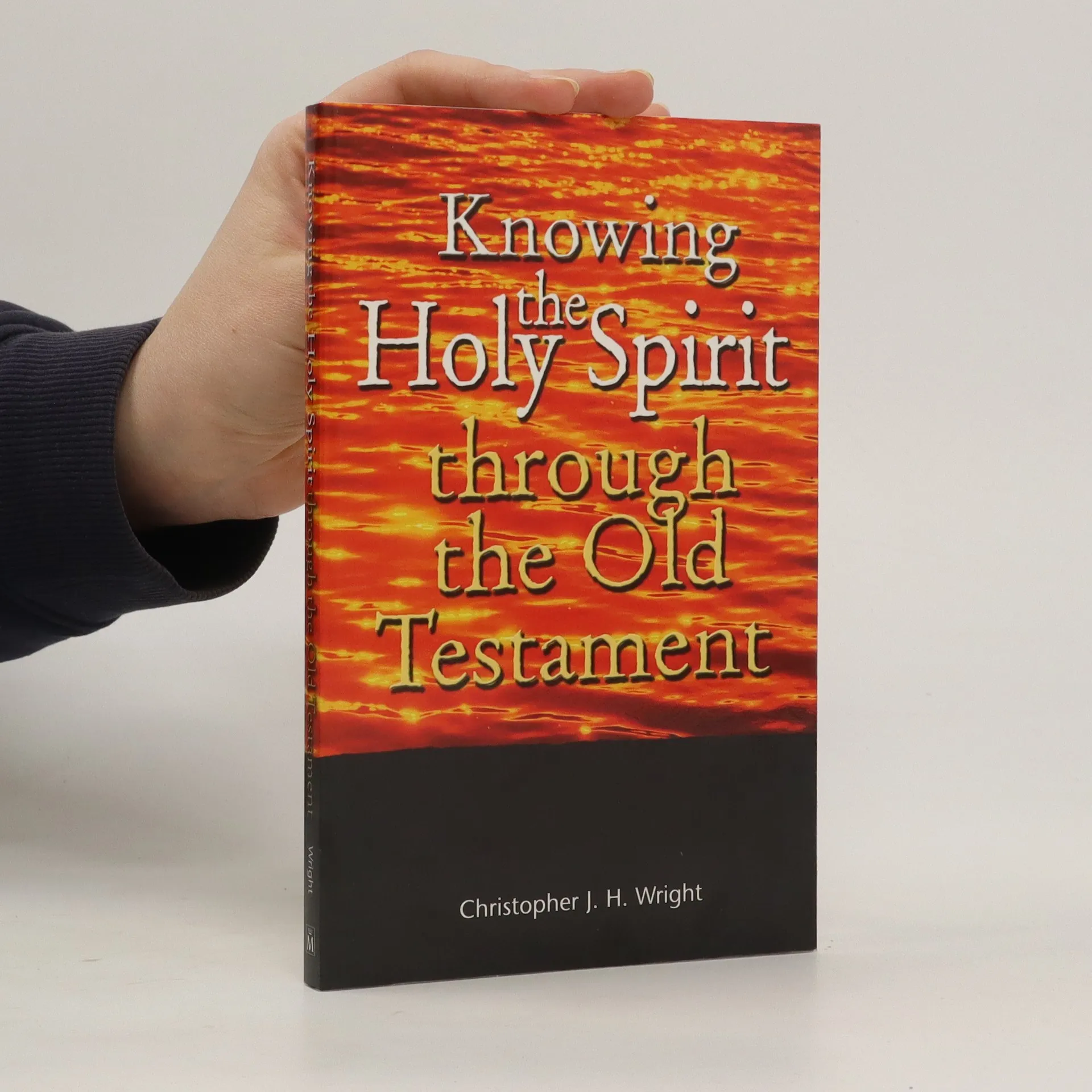
We first meet the Holy Spirit in the second verse of the Bible, hovering there, speaking the world into existence. Christopher Wright begins here and traces the Holy Spirit through the pages of the Old Testament. He shows that the Spirit is knowable, and that the Spirit empowers God's people and sustains the earth.
If we are honest, we have to admit that there are many things we don’t understand about God. We do not have final answers to the deep problems of life, and those who say they do are probably living in some degree of delusion. There are areas of mystery in our Christian faith that lie beyond the keenest scholarship or even the most profound spiritual exercises. For many people, these problems raise so many questions and uncertainties that faith itself becomes a struggle, and the very person and character of God are called into question. Chris Wright encourages us to face up to the limitations of our understanding and to acknowledge the pain and grief they can often cause. But at the same time, he wants us to be able to say, like the psalmist in Psalm 73: “But that’s all right. God is ultimately in charge and I can trust him to put things right. Meanwhile, I will stay near to my God, make him my refuge, and go on telling of his deeds.”
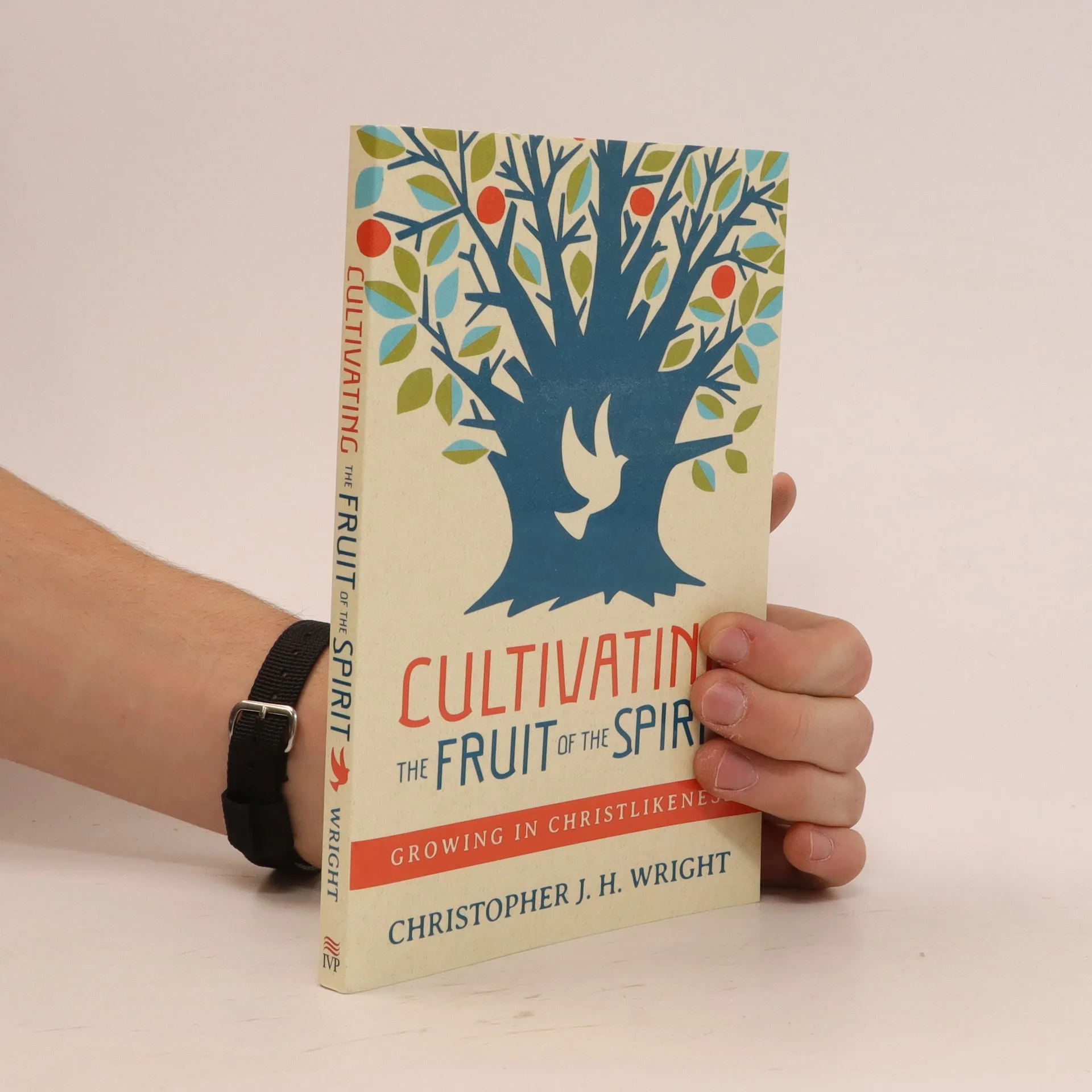
How should Christians live? Some Christians stress the importance of keeping all the rules, while others see the Christian faith as setting us free from religious burdens. Inviting us to live a life in step with the Spirit, Christopher Wright teaches us how to feed on the Word of God, grow in Christlikeness, and live a fruitful life.
Traces the development of painting in France during the 1600s and profiles the careers of the major French painters of the period