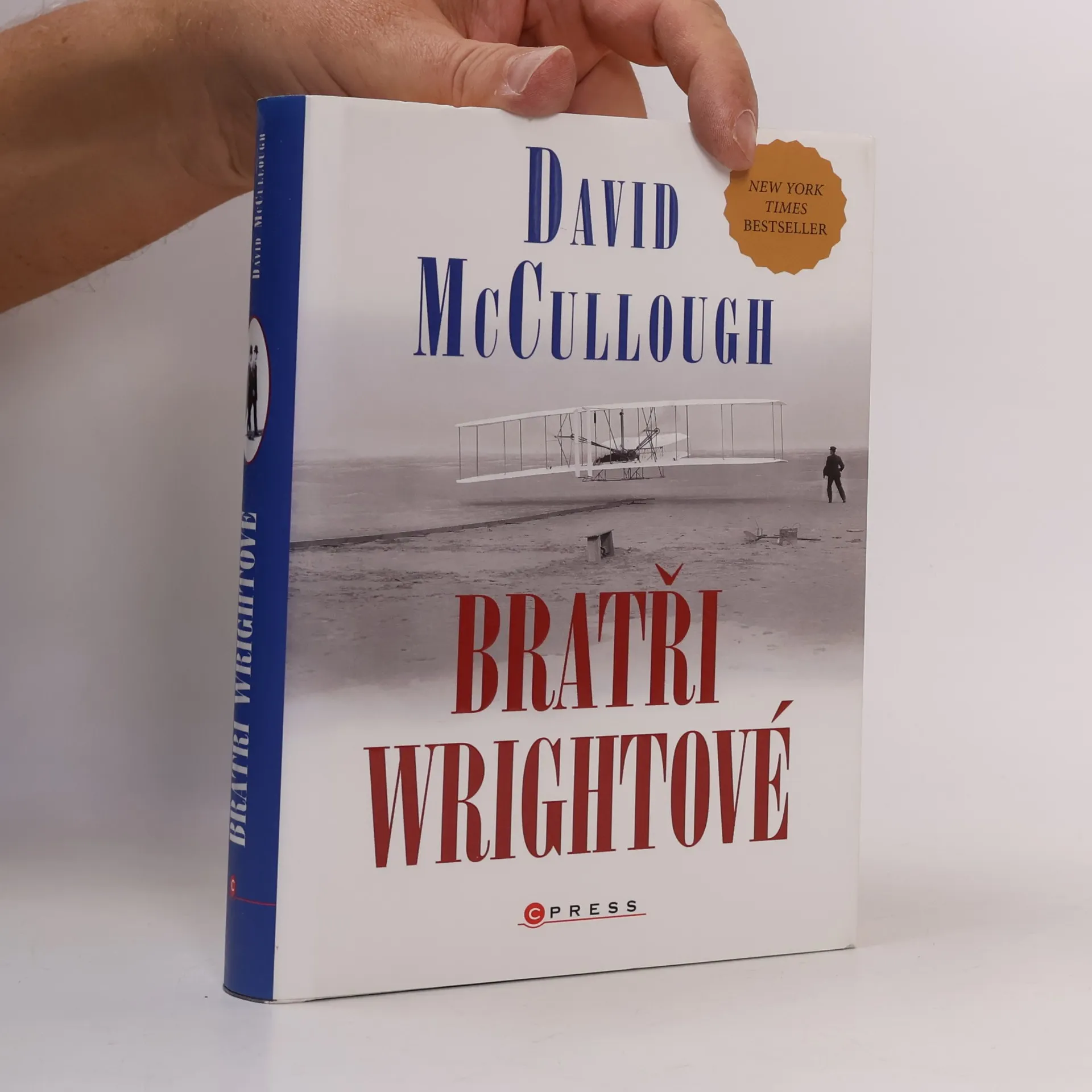
The incredible true story of the origin of human flight, by the Pulitzer Prize-winning author David McCullough. On a winter day in 1903, in the Outer Banks of North Carolina, two unknown brothers from Ohio changed history. But it would take the world some time to believe what had happened: the age of flight had begun, with the first heavier-than-air, powered machine carrying a pilot. Who were these men and how was it that they achieved what they did? David McCullough, two-time winner of the Pulitzer Prize, tells the surprising, profoundly human story of Wilbur and Orville Wright. Far more than a couple of unschooled Dayton bicycle mechanics who happened to hit on success, they were men of exceptional courage and determination, and of far-ranging intellectual interests and ceaseless curiosity, much of which they attributed to their upbringing. In this thrilling book, McCullough draws on the immense riches of the Wright Papers, including private diaries, notebooks, scrapbooks and more than a thousand letters from private family correspondence to tell the human side of the Wright Brothers' story, including the little-known contributions of their sister, Katharine, without whom things might well have gone differently for them.
David McCullough Reihenfolge der Bücher (Chronologisch)
David McCullough war ein gefeierter Historiker, dessen Werk die amerikanische Geschichte für unzählige Leser lebendig werden ließ. Seine tiefgründigen Recherchen konzentrierten sich auf Schlüsselpersonen und transformative Momente der nationalen Vergangenheit. McCullough besaß die einzigartige Gabe, fesselnde Geschichten zu erzählen, die das menschliche Element innerhalb großer historischer Ereignisse beleuchteten und die Vergangenheit unmittelbar und relevant erscheinen ließen.

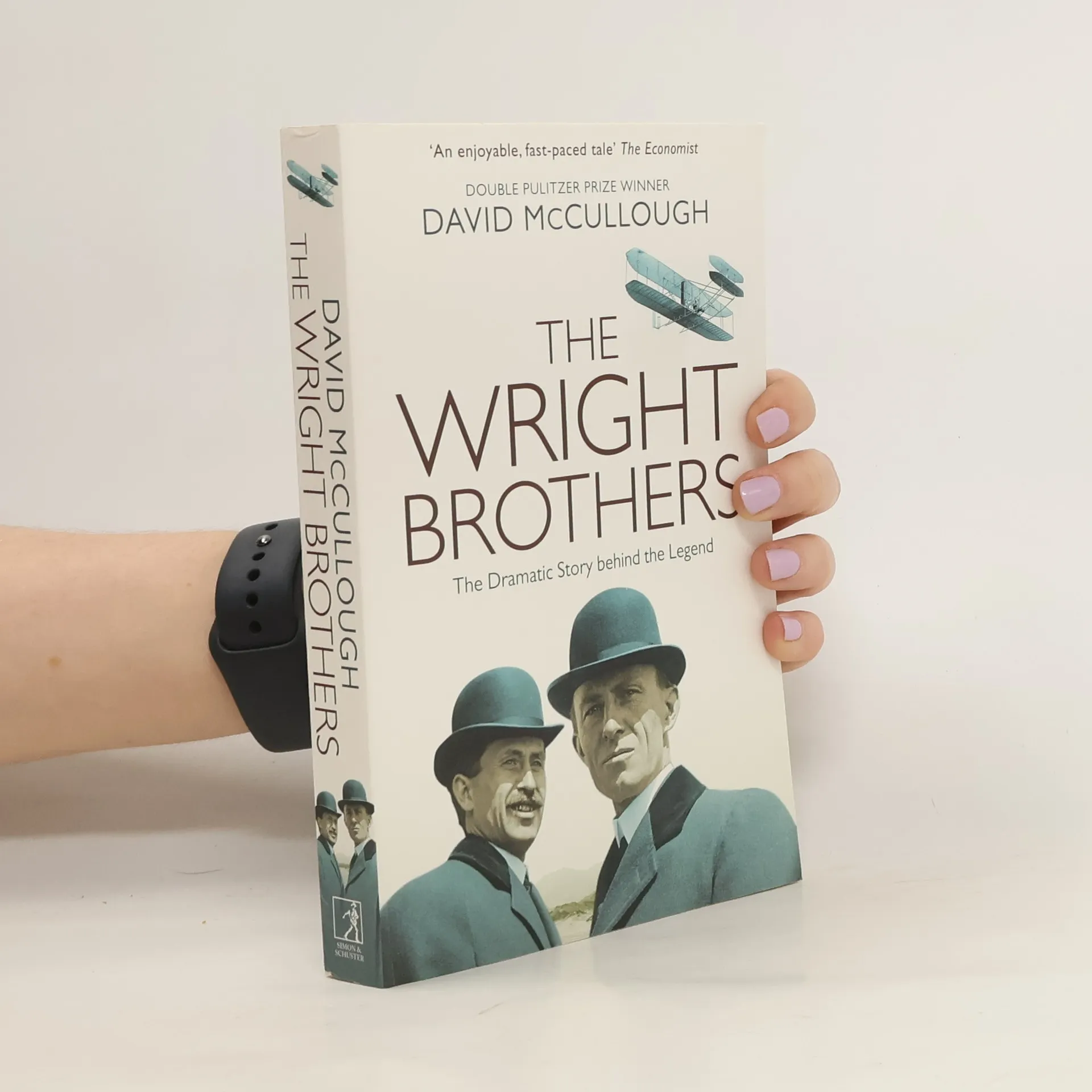
V roce 1903 se bratrům Wrightovým jako prvním na světě podařilo vzlétnout se strojem těžším než vzduch, a vykročit tak do nového věku letectví. Jejich dramatický příběh zachytil ve své napínavé knize David McCullough, dvojnásobný držitel Pulitzerovy ceny. Líčí, kdo vlastně byli Wilbur a Orville Wrightovi a jak ke svému objevu dospěli. Opírá se přitom o obrovské množství dokumentů, soukromých deníků, korespondence i alb, a vypráví tak hluboce lidský příběh o jednom velikém splněném snu.
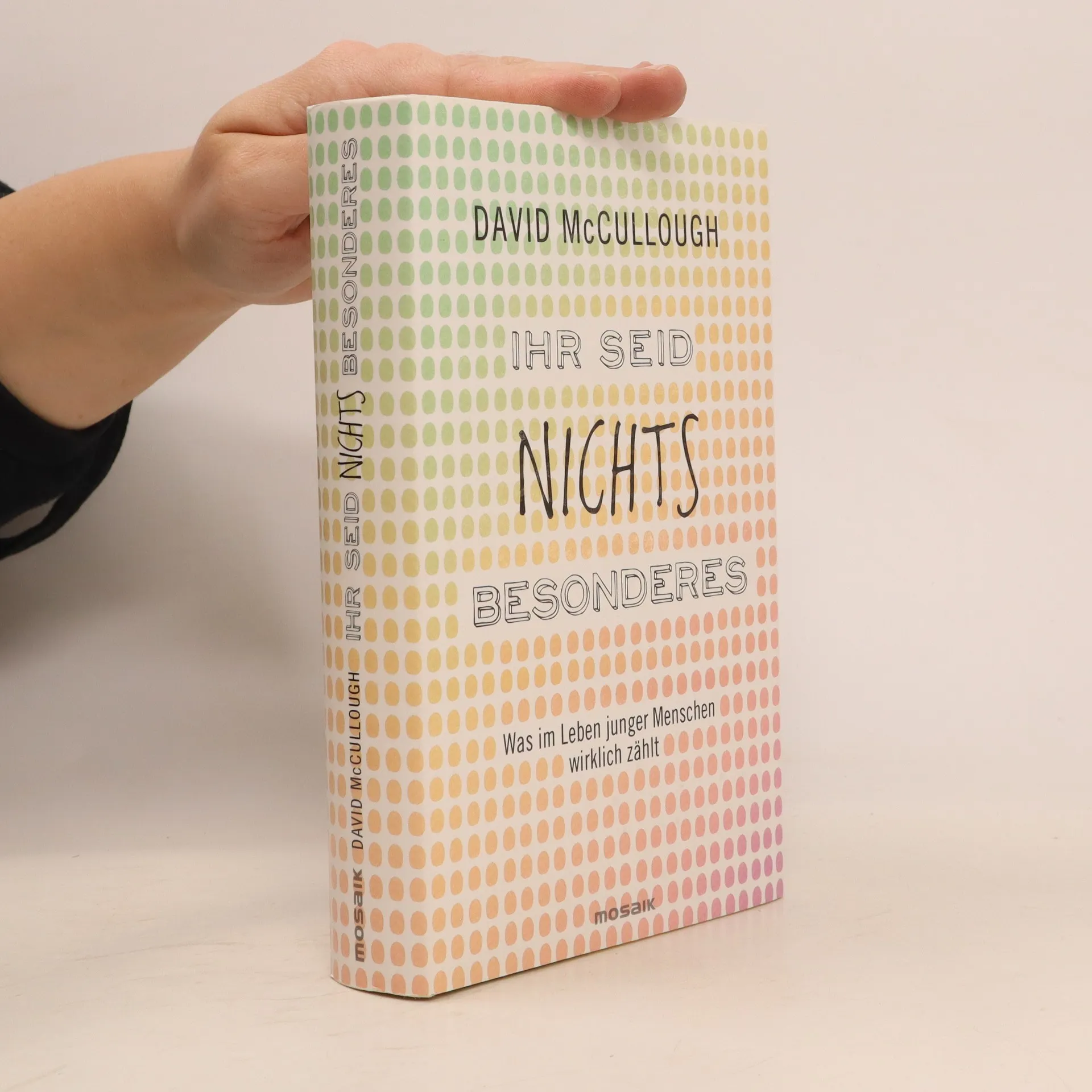
Warum Förderwahn und Verwöhnung mehr schaden als nützen Berühmt wurde David McCullough durch eine Rede vor Highschool-Absolventen, die mit dem provokanten Slogan »Ihr seid nichts Besonderes« zum YouTube-Hit wurde. Der bei den Schülern sehr beliebte Englischlehrer hat damit den Nerv der Zeit getroffen. Er macht deutlich, dass Kinder und Jugendliche heute überbehütet, verwöhnt und viel zu sehr auf oberflächlichen Erfolg getrimmt sind. Mit Herz und Humor nimmt er übereifrige Eltern, fragwürdige Erziehungsziele und ganz allgemein die Privilegien der heutigen Jugend ins Visier. Ein leidenschaftliches Plädoyer zur Zukunft unserer Kinder.
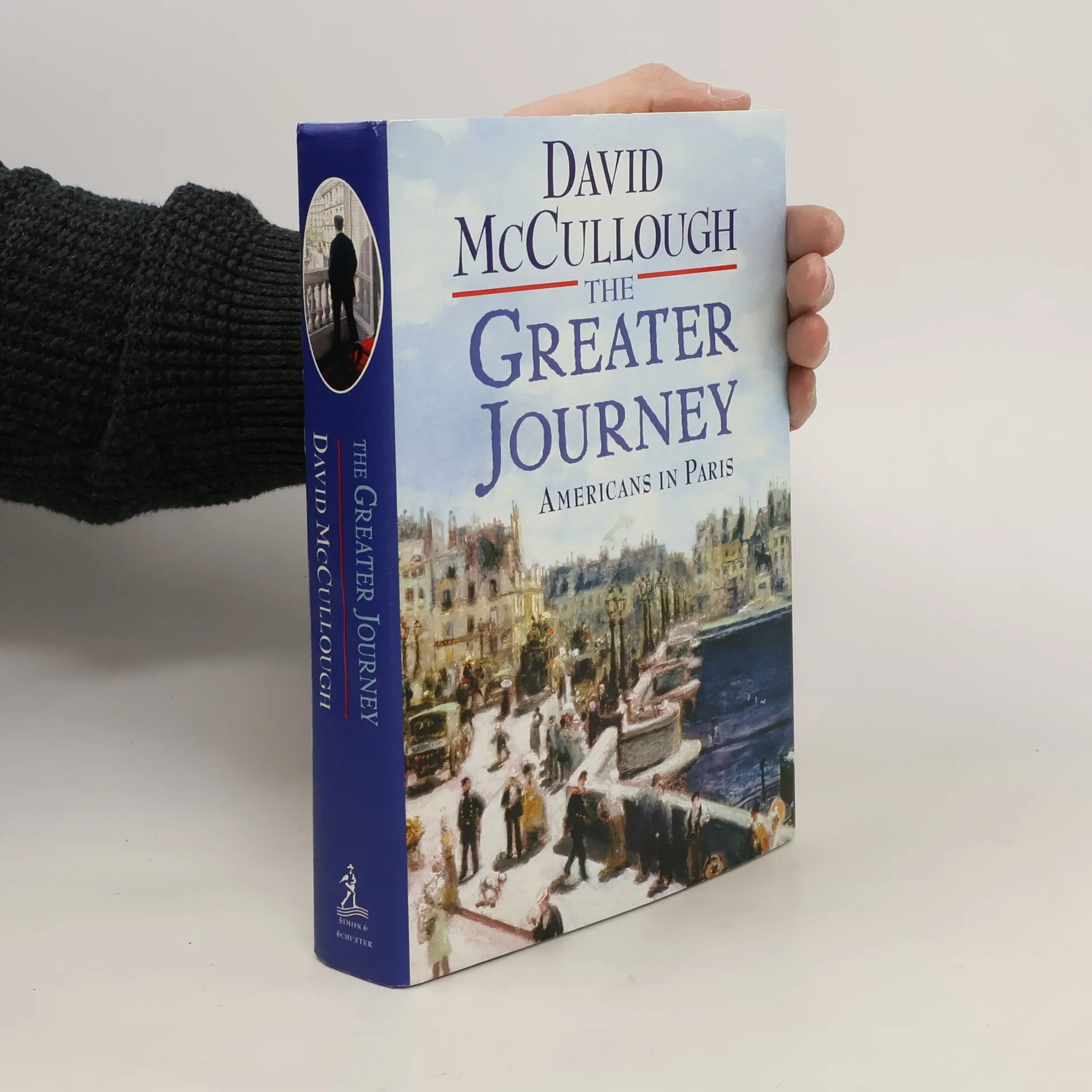
The Greater Journey
- 606 Seiten
- 22 Lesestunden
McCullough mixes famous and obscure names and delivers capsule biographies of everyone to produce a colorful parade of educated, Victorian-era American travelers and their life-changing experiences in Paris.
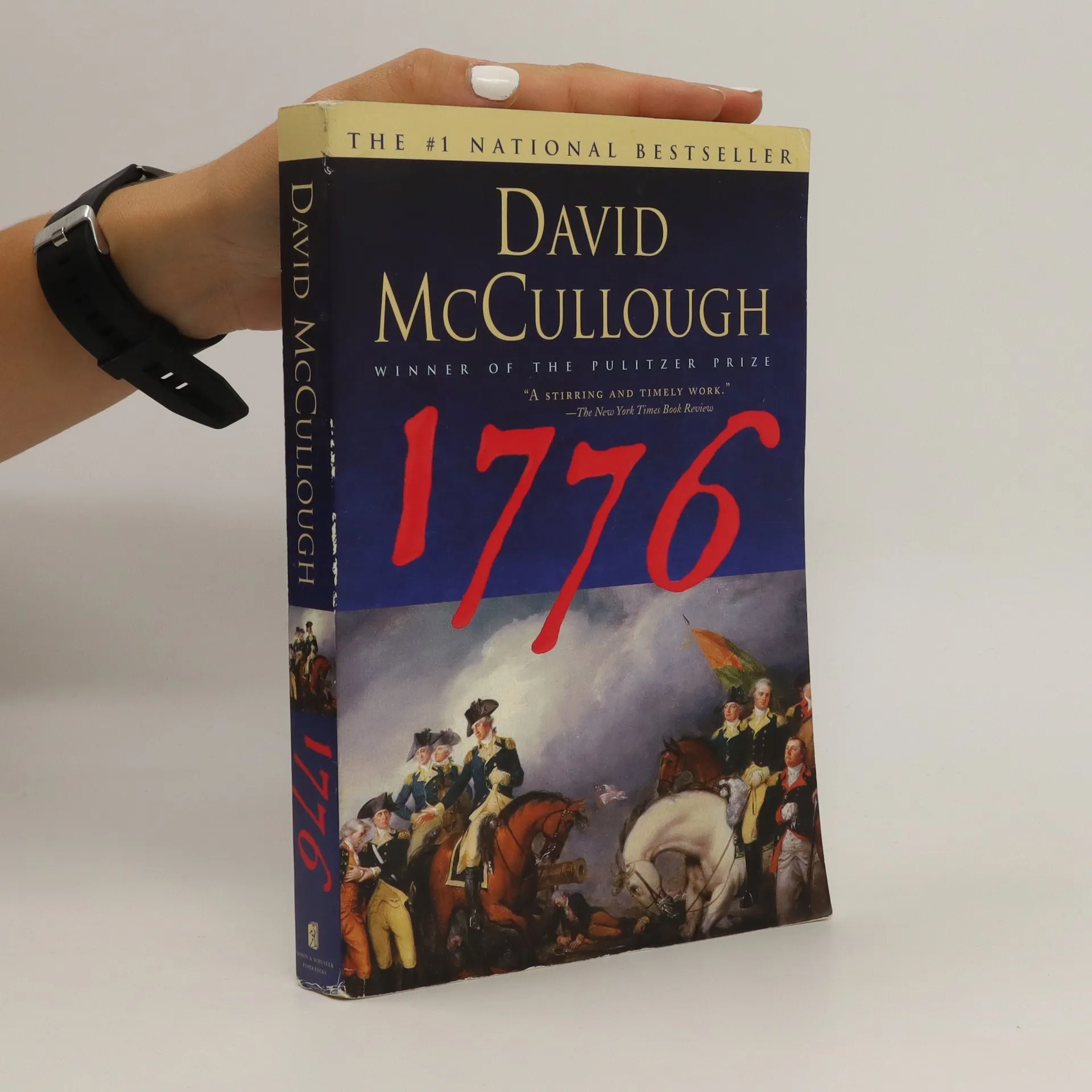
1776
- 386 Seiten
- 14 Lesestunden
Chronicles the American Revolution during the year 1776, examining the leadership of George Washington and British commander William Howe and the experiences of American and British troops.
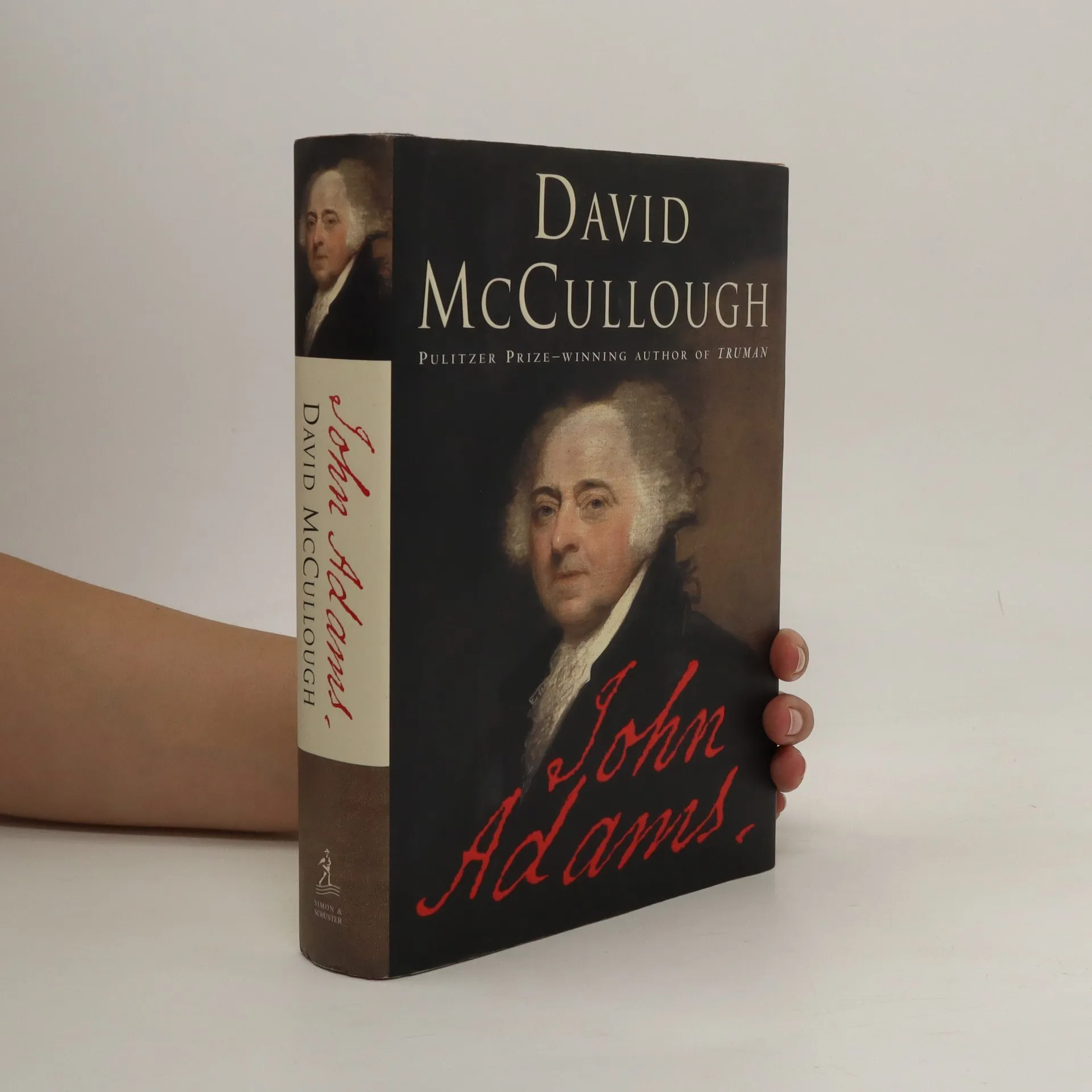
John Adams
- 751 Seiten
- 27 Lesestunden
Chronicles the life of America's second president, including his youth, his career as a Massachusetts farmer and lawyer, his marriage to Abigail, his rivalry with Thomas Jefferson, and his influence on the birth of the United States.
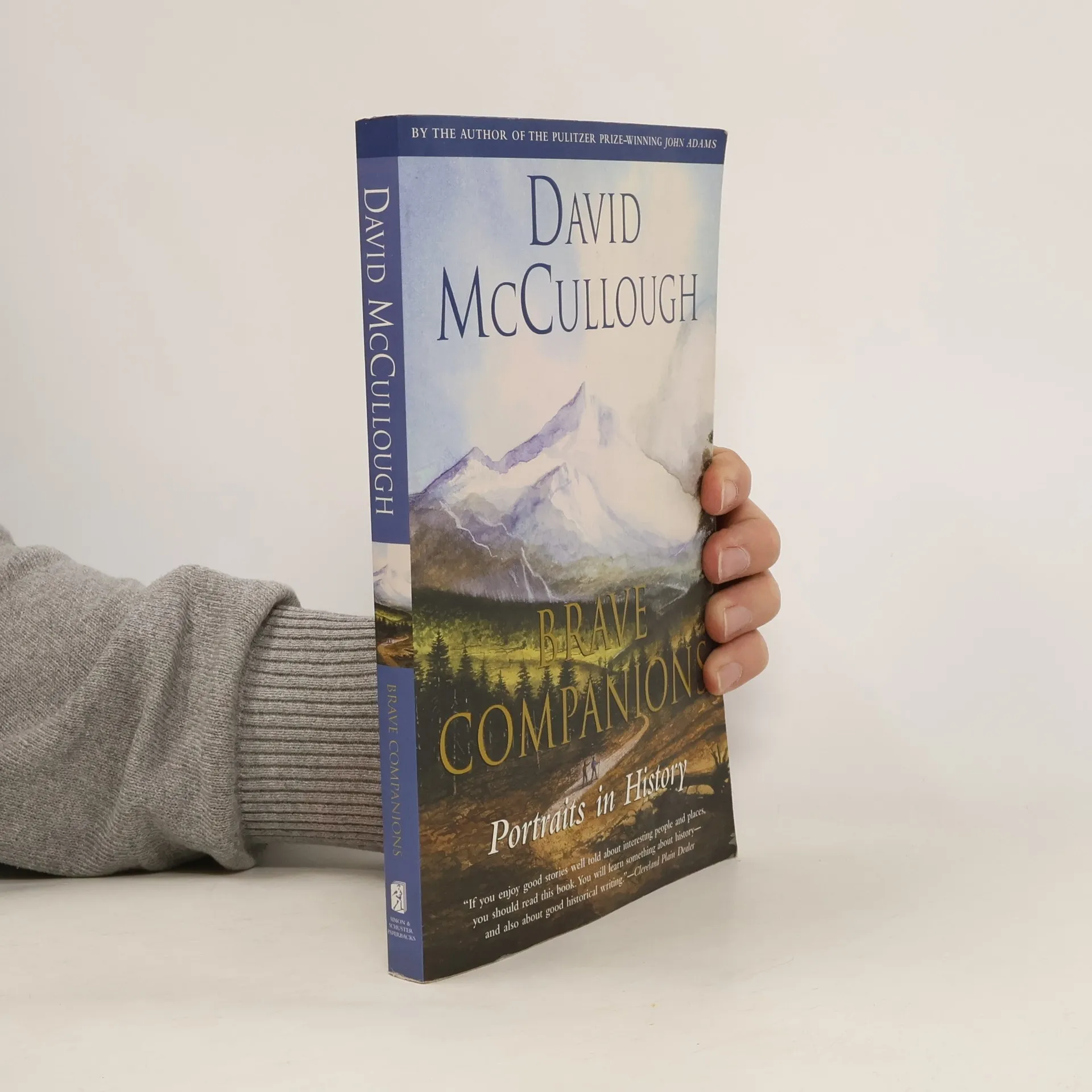
Brave Companions
- 256 Seiten
- 9 Lesestunden
A hardcover reissue of a classic David McCullough book, featuring some of history's most daring and accomplished figures.
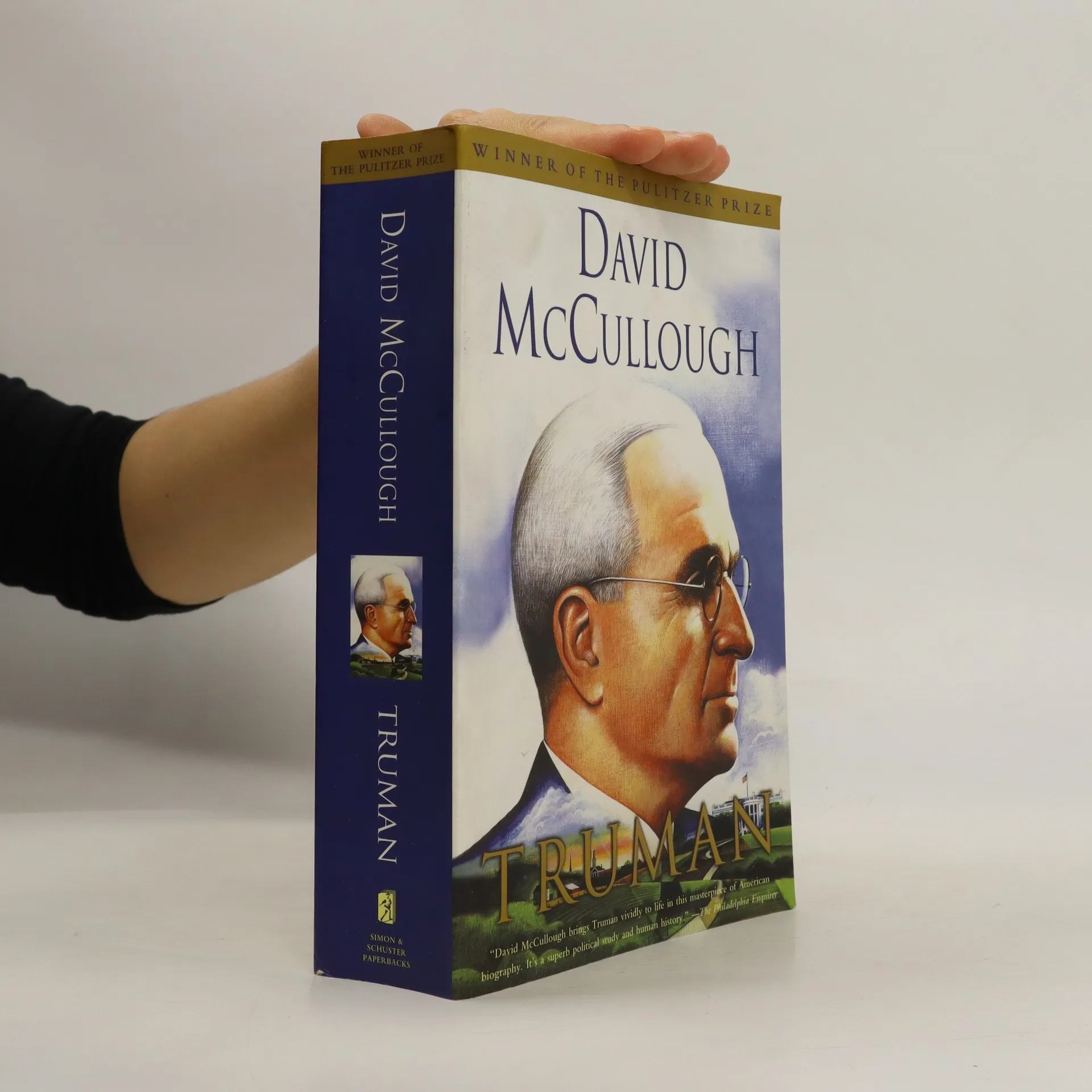
Truman
- 1120 Seiten
- 40 Lesestunden
The Pulitzer Prize–winning biography of Harry S. Truman, whose presidency included momentous events from the atomic bombing of Japan to the outbreak of the Cold War and the Korean War, told by America’s beloved and distinguished historian.The life of Harry S. Truman is one of the greatest of American stories, filled with vivid characters—Roosevelt, Churchill, Stalin, Eleanor Roosevelt, Bess Wallace Truman, George Marshall, Joe McCarthy, and Dean Acheson—and dramatic events. In this riveting biography, acclaimed historian David McCullough not only captures the man—a more complex, informed, and determined man than ever before imagined—but also the turbulent times in which he rose, boldly, to meet unprecedented challenges. The last president to serve as a living link between the nineteenth and the twentieth centuries, Truman’s story spans the raw world of the Missouri frontier, World War I, the powerful Pendergast machine of Kansas City, the legendary Whistle-Stop Campaign of 1948, and the decisions to drop the atomic bomb, confront Stalin at Potsdam, send troops to Korea, and fire General MacArthur. Drawing on newly discovered archival material and extensive interviews with Truman’s own family, friends, and Washington colleagues, McCullough tells the deeply moving story of the seemingly ordinary “man from Missouri” who was perhaps the most courageous president in our history.
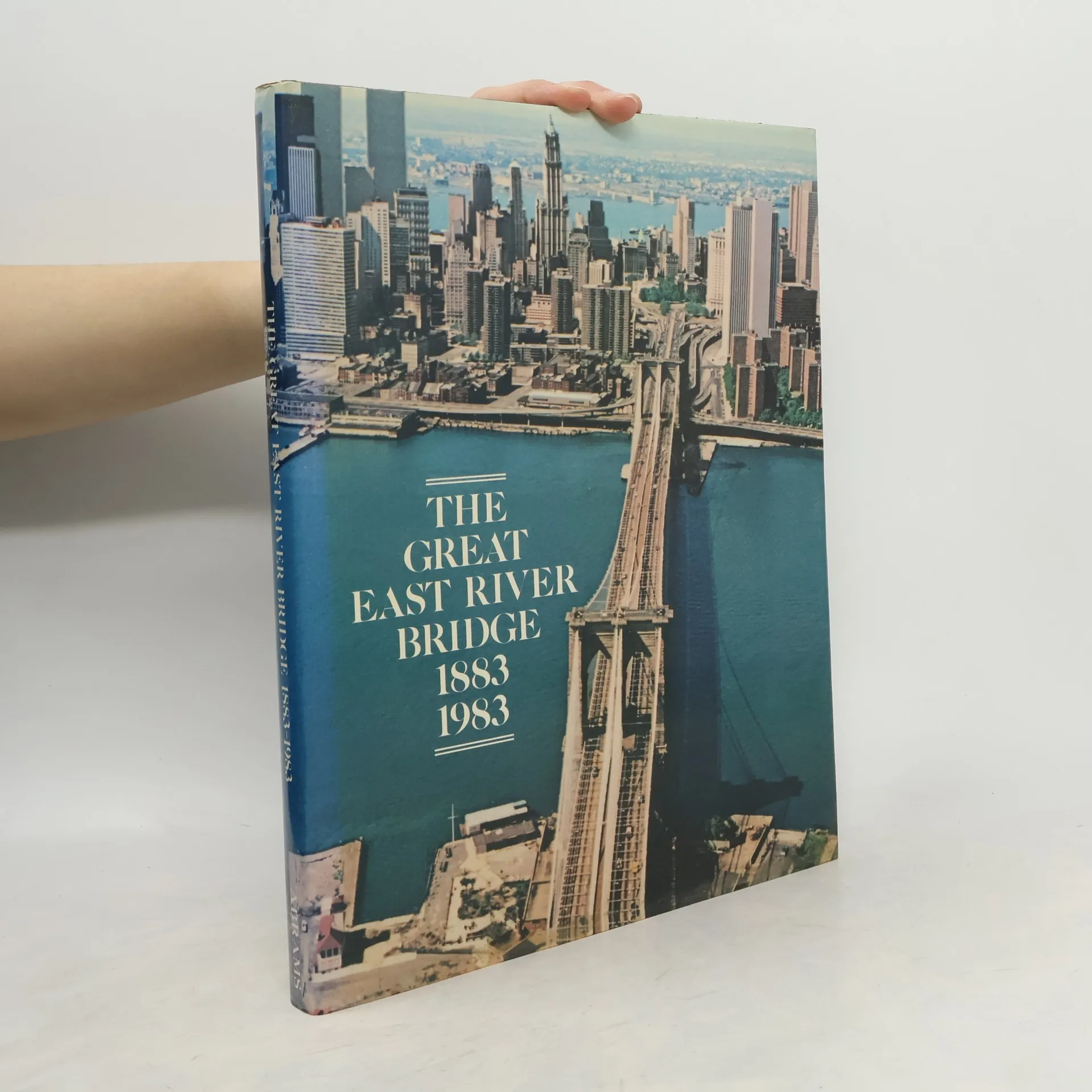
Published on the fortieth anniversary of its initial publication, this edition of the classic book contains a new Preface by David McCullough, “one of our most gifted living writers” (The Washington Post).Built to join the rapidly expanding cities of New York and Brooklyn, the Brooklyn Bridge was thought by many at the start to be an impossibility destined to fail if not from insurmountable technical problems then from political corruption. (It was the heyday of Boss Tweed in New York.) But the Brooklyn Bridge was at once the greatest engineering triumph of the age, a surpassing work of art, a proud American icon, and a story like no other in our history. Courage, chicanery, unprecedented ingenuity and plain blundering, heroes, rascals, all the best and worst in human nature played a part. At the center of the drama were the stricken chief engineer, Washington Roebling and his remarkable wife, Emily Warren Roebling, neither of whom ever gave up in the face of one heartbreaking setback after another. The Great Bridge is a sweeping narrative of a stupendous American achievement that rose up out of its era like a cathedral, a symbol of affirmation then and still in our time.
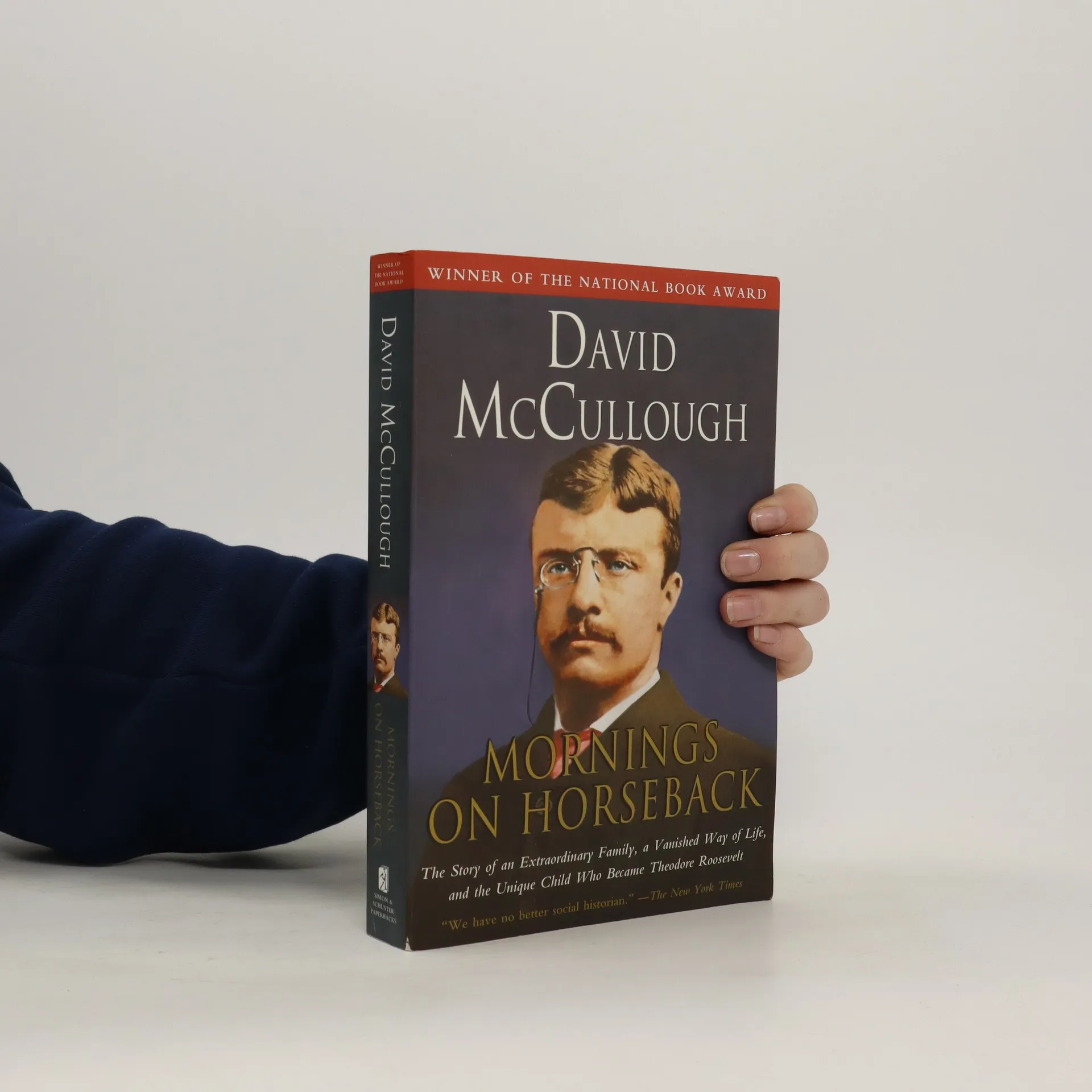
Mornings on Horseback
- 370 Seiten
- 13 Lesestunden
This biography of young Theodore Roosevelt covers his youth when he demanded a strenuous life despite his asthma, weak eyes, and patrician family.
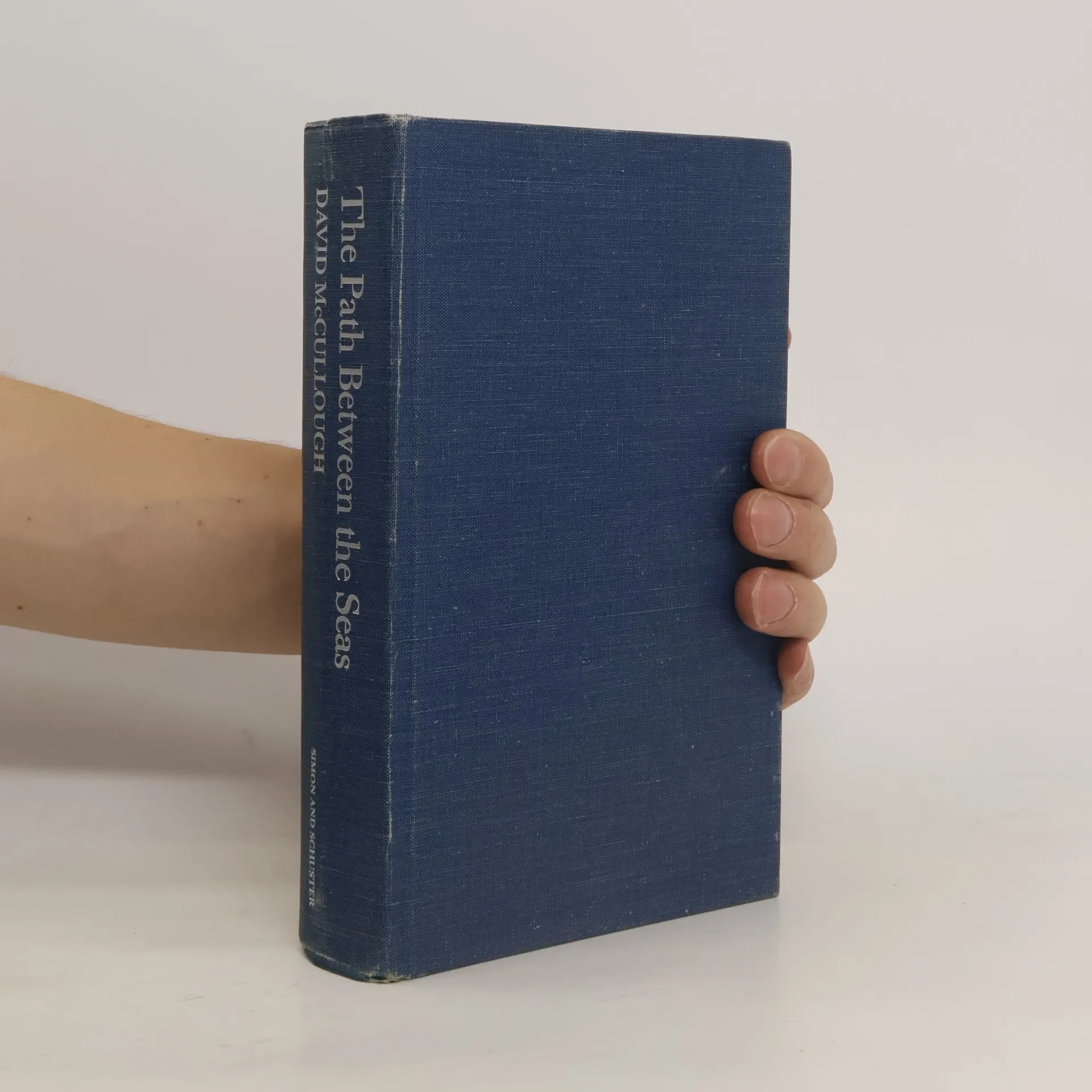
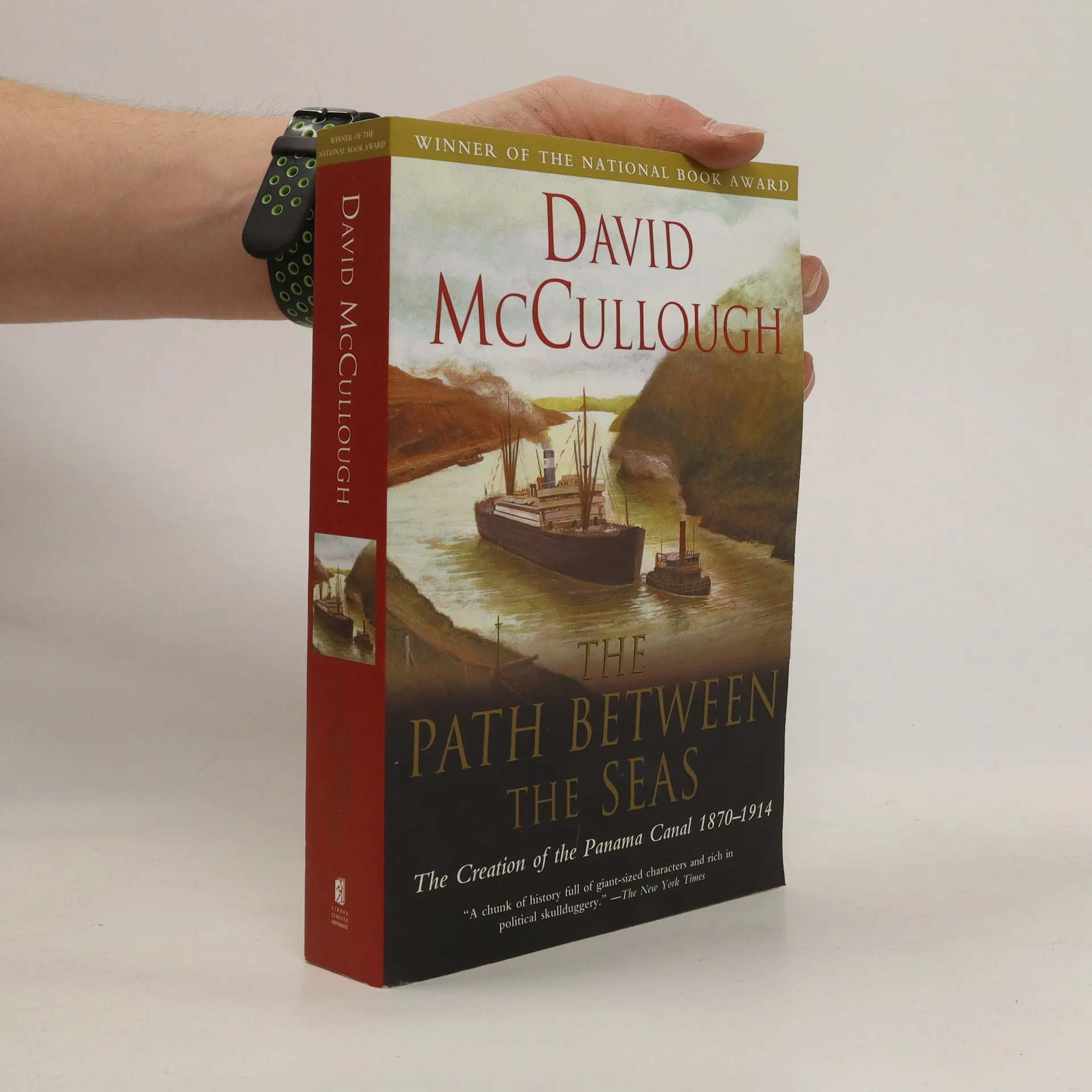
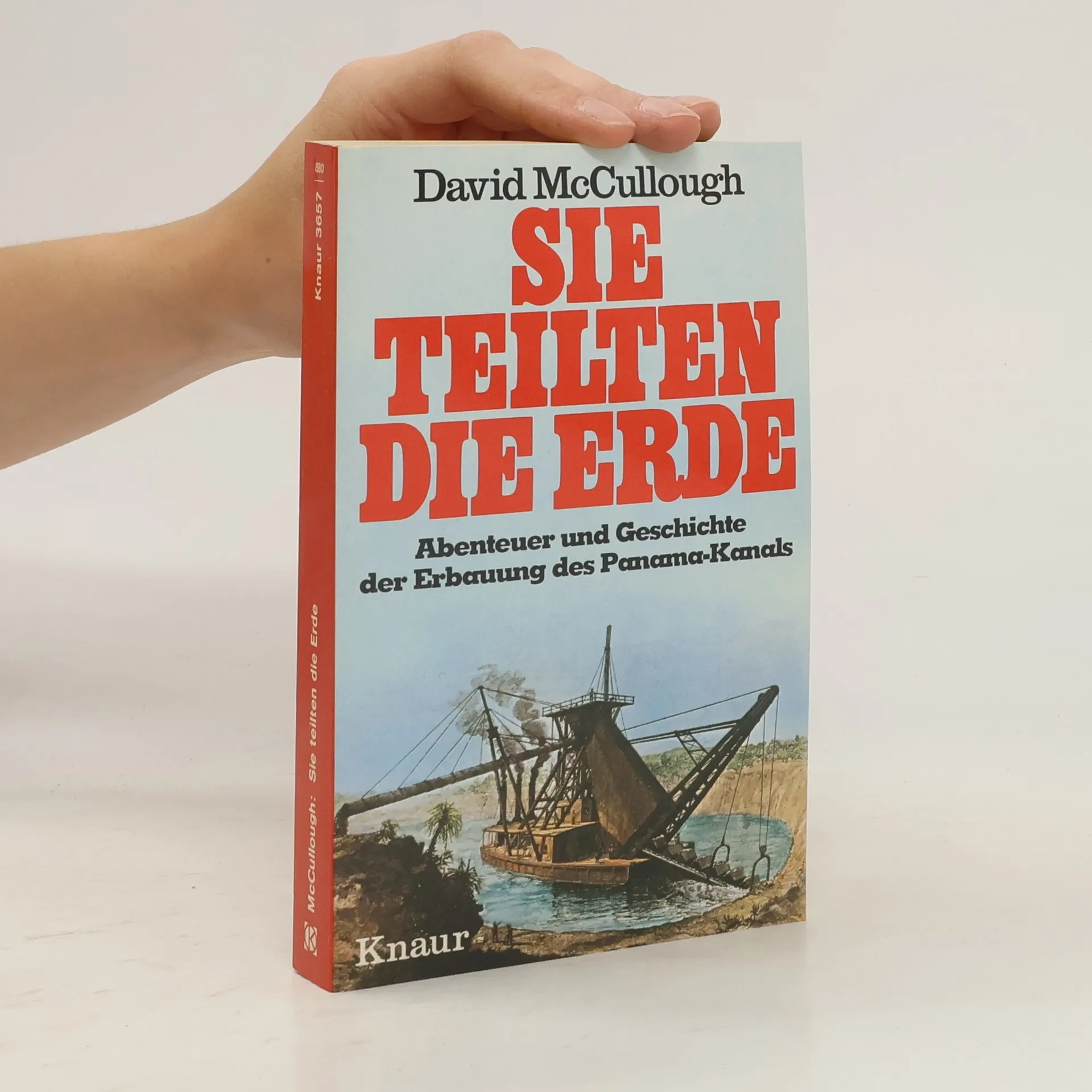
From the Pulitzer Prize-winning author of "Truman," here is the national bestselling epic chronicle of the creation of the Panama Canal. In "The Path Between the Seas," acclaimed historian David McCullough delivers a first-rate drama of the sweeping human undertaking that led to the creation of this grand enterprise. "The Path Between the Seas" tells the story of the men and women who fought against all odds to fulfill the 400-year-old dream of constructing an aquatic passageway between the Atlantic and Pacific oceans. It is a story of astonishing engineering feats, tremendous medical accomplishments, political power plays, heroic successes, and tragic failures. Applying his remarkable gift for writing lucid, lively exposition, McCullough weaves the many strands of the momentous event into a comprehensive and captivating tale. Winner of the National Book Award for history, the Francis Parkman Prize, the Samuel Eliot Morison Award, and the Cornelius Ryan Award (for the best book of the year on international affairs), "The Path Between the Seas" is a must-read for anyone interested in American history, the history of technology, international intrigue, and human drama. Copyright © Libri GmbH. All rights reserved.
Path Between The Seas
- 704 Seiten
- 25 Lesestunden
The National Book Award–winning epic chronicle of the creation of the Panama Canal, a first-rate drama of the bold and brilliant engineering feat that was filled with both tragedy and triumph, told by master historian David McCullough. From the Pulitzer Prize–winning author of Truman, here is the national bestselling epic chronicle of the creation of the Panama Canal. In The Path Between the Seas, acclaimed historian David McCullough delivers a first-rate drama of the sweeping human undertaking that led to the creation of this grand enterprise. The Path Between the Seas tells the story of the men and women who fought against all odds to fulfill the 400-year-old dream of constructing an aquatic passageway between the Atlantic and Pacific oceans. It is a story of astonishing engineering feats, tremendous medical accomplishments, political power plays, heroic successes, and tragic failures. Applying his remarkable gift for writing lucid, lively exposition, McCullough weaves the many strands of the momentous event into a comprehensive and captivating tale. Winner of the National Book Award for history, the Francis Parkman Prize, the Samuel Eliot Morison Award, and the Cornelius Ryan Award (for the best book of the year on international affairs), The Path Between the Seas is a must-read for anyone interested in American history, the history of technology, international intrigue, and human drama.