Civilization of the Middle Ages
- 624 Seiten
- 22 Lesestunden
Now revised and expanded, this edition of the splendidly detailed and lively history of the Middle Ages contains more than 30 percent new material.


Dieser Autor befasste sich mit den breiten Zügen der westlichen Geschichte und der akademischen Mediävistik in Europa und Nordamerika. Obwohl seine Bücher in Fachkreisen oft gemischte Kritiken erhielten, wurden sie häufig zu Bestsellern, gestützt auf seinen flüssigen, oft umgangssprachlichen Schreibstil und lebhafte Kritiken von Personen und Ideen. Trotz seiner intellektuellen Konservativität und Skepsis gegenüber methodischen Moden setzte er sich für eine stärkere Einbeziehung von Frauen und Minderheiten in traditionelle Geschichtsschreibungen ein. Seine Werke spiegelten oft seine anspruchsvolle Beziehung zur akademischen Welt und seine Sicht auf die Entwicklung des historischen Denkens wider.

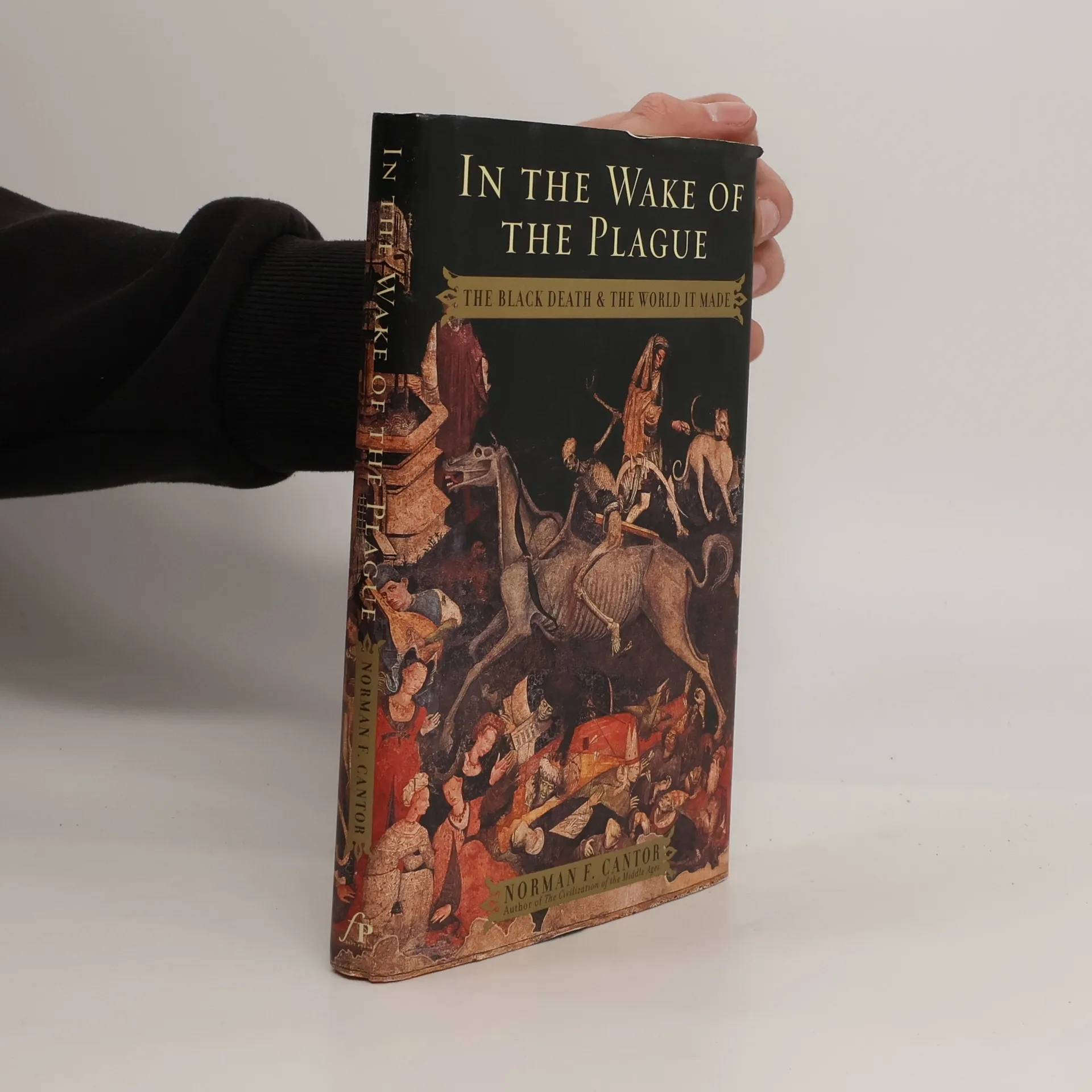
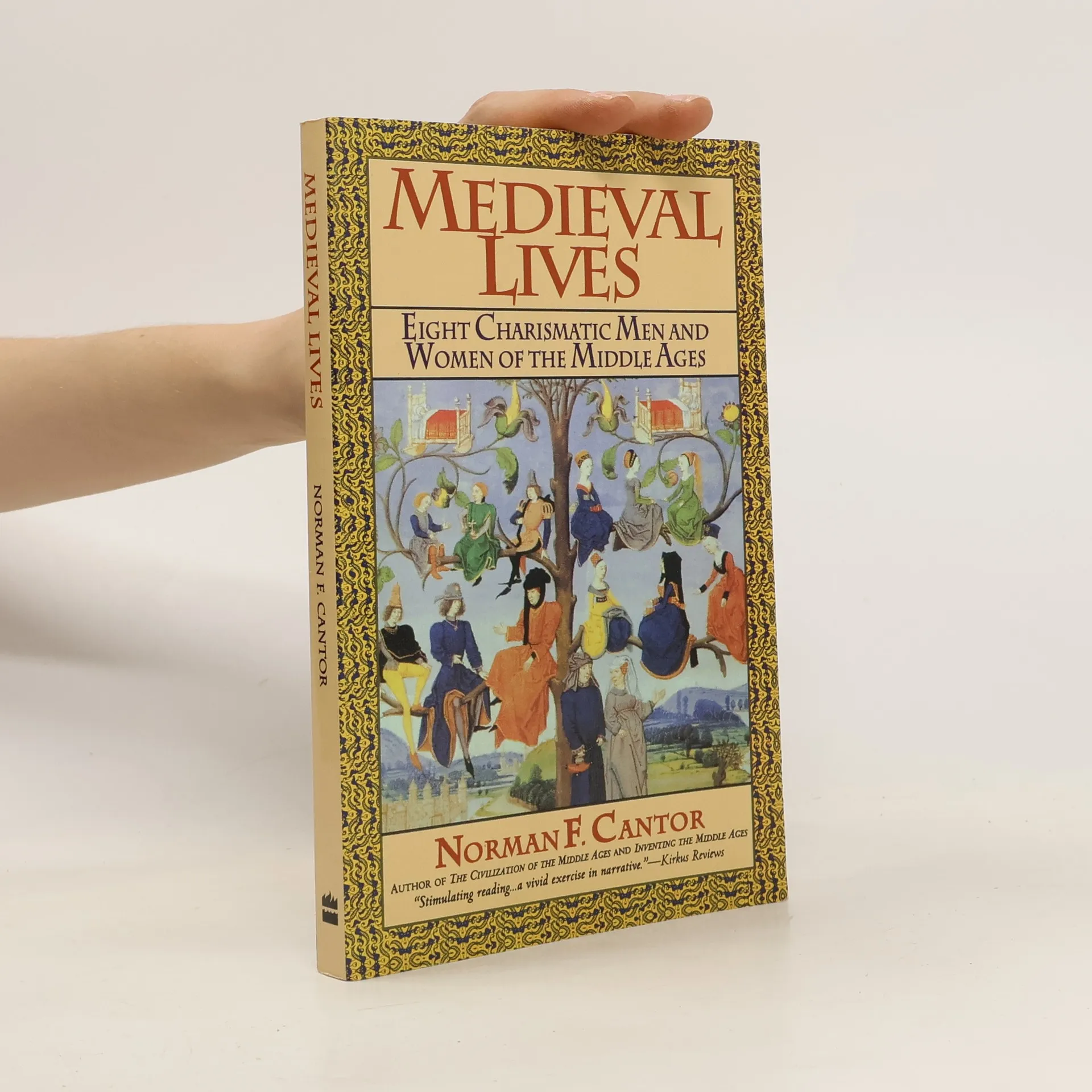
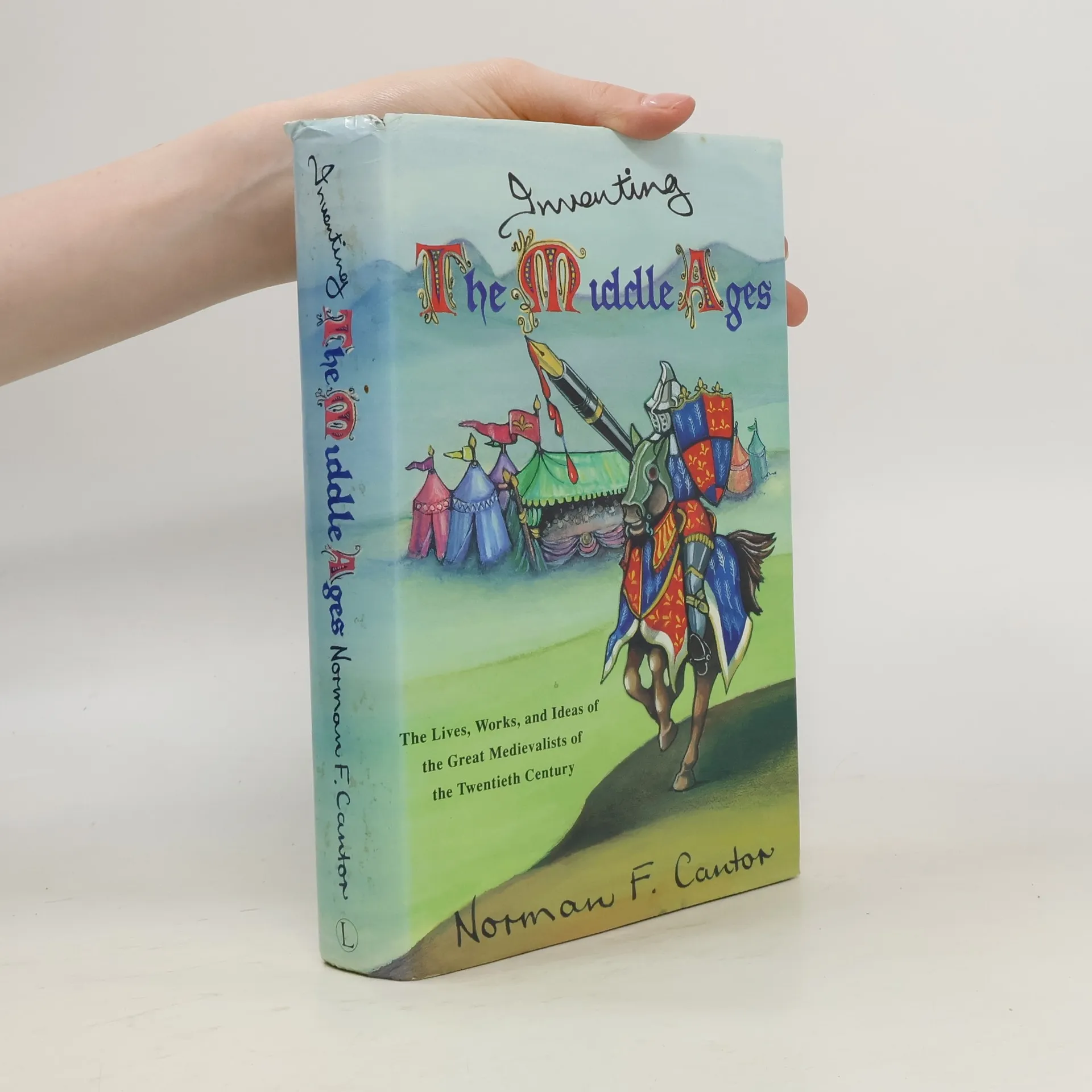
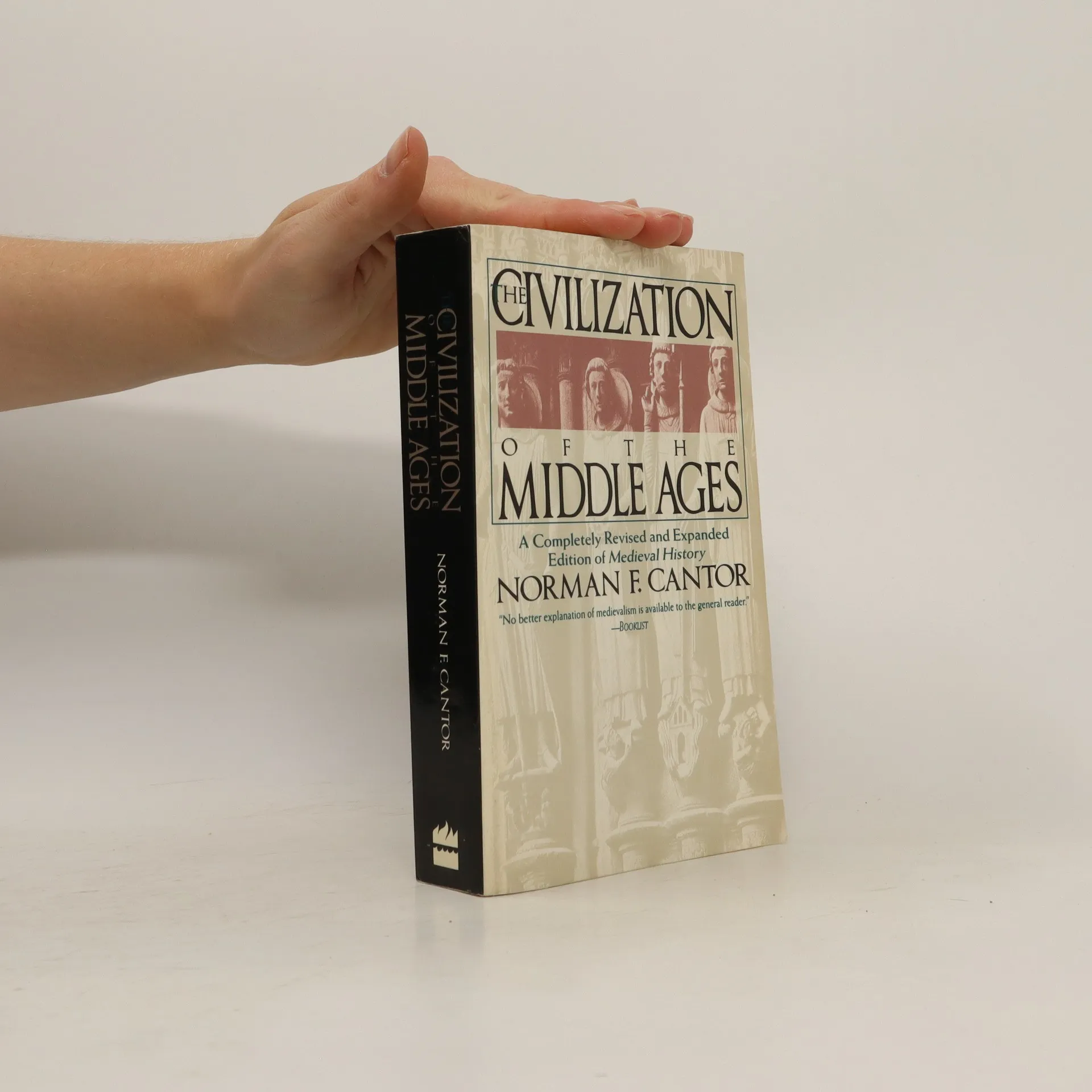
Now revised and expanded, this edition of the splendidly detailed and lively history of the Middle Ages contains more than 30 percent new material.
In this groundbreaking work, Norman Cantor reveals how our contemporary understanding of the Middle Ages—with its vivid imagery of wars, tournaments, plagues, saints, and knights—was shaped in the twentieth century. The medieval world was not merely uncovered through research; it had to be conceptually created. Cantor explores the lives and works of twenty prominent medievalists, illustrating how their personal experiences and emotional perspectives influenced their interpretations of the era. This scholarship is presented as a passionate and colorful endeavor, showcasing the dynamic personalities and creative intellects that offered fresh insights into the past. The book represents a revolution in academic methodology, paving the way for new approaches to teaching the humanities and historiography, appealing to both students and the general public. It distills an immense body of knowledge, allowing readers to grasp the essential connections between medieval civilization and twentieth-century culture while enjoying the process. This engaging, humorous, and informative read is essential for anyone interested in the past and future of Western civilization.
A fascinating look at life in the Middle Ages that focuses on eight extraordinary medieval men and women through realistically invented conversations between them and their counterparts.
Much of what we know about the Black Plague of the fourteenth century is misleading. While the gruesome symptoms are largely accurate, the true nature of the Plague and its historical impact remain clouded by myths. Norman Cantor, a leading historian of the Middle Ages, combines recent scientific findings and innovative historical research to retell the story of the Black Death in a compelling narrative. This work offers a microcosmic view of the Plague in England and beyond, highlighting the lives of various individuals from peasants to royalty. Notable figures include Princess Joan of England, en route to marry a Castilian prince; Thomas of Birmingham, an abbot managing his abbey like a CEO during this crisis; and John le Strange, a landowner witnessing the collapse of his family's legacy. Cantor argues that despite the devastation, the Plague led to some positive outcomes, such as the decline of old orders and the rise of scientific thought over church dogma, initiating an intellectual revolution. Additionally, the era saw a surge in art as people sought to protect themselves from the disease. Economically, the surviving peasants thrived, paving the way for independent farming. This narrative weaves together stories of resilience and transformation, presenting a captivating portrait of a world profoundly changed by the Black Death.
The Twilight of the Middle Ages and the Birth of the Modern Era
There may not be a more fascinating a historical period than the late fourteenth century in Europe. The Hundred Years' War ravaged the continent, yet gallantry, chivalry, and literary brilliance flourished in the courts of England and elsewhere. It was a world in transition, soon to be replaced by the Renaissance and the Age of Exploration -- and John of Gaunt was its central figure. In today's terms, John of Gaunt was a multibillionaire with a brand name equal to Rockefeller. He fought in the Hundred Years' War, sponsored Chaucer and proto-Protestant religious thinkers, and survived the dramatic Peasants' Revolt, during which his sumptuous London residence was burned to the ground. As head of the Lancastrian branch of the Plantagenet family, Gaunt was the unknowing father of the War of the Roses; after his death, his son usurped the crown from his nephew, Richard II. Gaunt's adventures represent the culture and mores of the Middle Ages as those of few others do, and his death is portrayed in The Last Knight as the end of that enthralling period.
This study contains almost 150 written texts in the form of short stories, essays, novels, biographies and memoirs to give the reader an insight into every aspect of Jewish life and experience. It includes contributions from many well-known Jews including Anne Frank, Philip Roth, and Franz Kafka.
An important, controversial account of the history of the Jewish people that is both scholarly and compulsively readable.