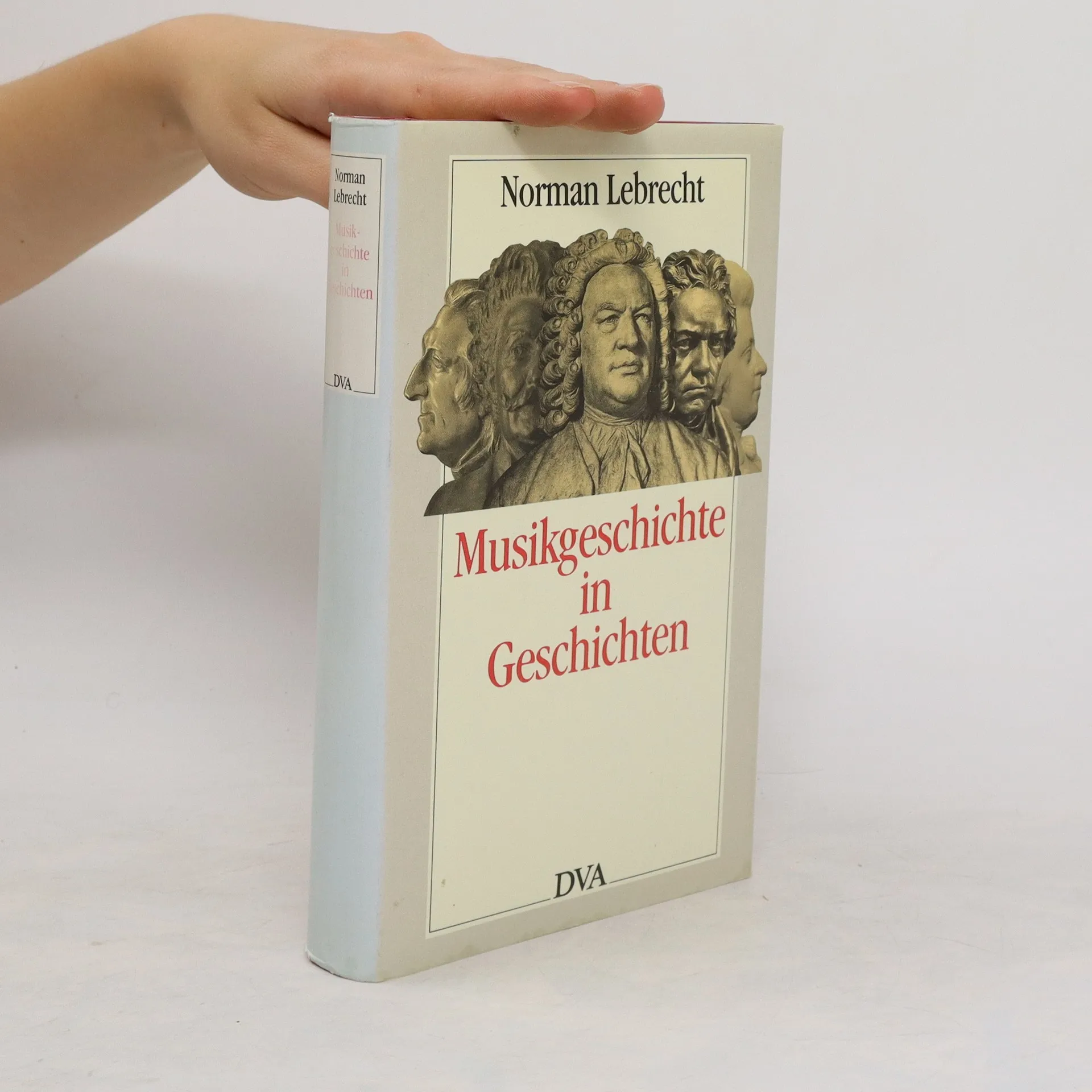
Musikgeschichte in Geschichten
- 439 Seiten
- 16 Lesestunden


Norman Lebrecht ist ein britischer Kommentator und Romanautor, dessen Werke sich mit Musik und Kulturangelegenheiten befassen. Seine Schriften zeichnen sich durch tiefen Einblick in die Welt der klassischen Musik und ihren gesellschaftlichen Kontext aus. Lebrecht erforscht die komplexen Beziehungen zwischen Kunst, Geschichte und der menschlichen Psyche, wobei sein stilistisches Geschick die Leser in tiefgründige künstlerische Diskussionen einbezieht. Durch seine Romane und Essays deckt er universelle Themen der menschlichen Existenz auf, oft vor dem reichen Hintergrund der Musikwelt.





In seinem fesselnden, häufig provozierenden Buch enthüllt Norman Lebrecht, einer der weltweit meistgelesenen Kulturjournalisten und Insider des Musikbusiness, die faszinierende Geschichte vom Aufstieg und Fall der Klassik-Tonträgerindustrie. Mit einer Fülle von denkwürdigen Begebenheiten über die Macher im Geschäft und unvergessliche Künstler wie Schnabel, Toscanini, Callas, Rattle und die Drei Tenören verschafft Lebrecht seinem Leser tiefen Einblick in die Branche: Er schildert, wie Plattenfirmen Stars gemacht und gebrochen haben, wie ein Profiteur des NS-Systems zusammen mit einer KZ-Überlebenden ein Plattenimperium aufbaute, wie fortschreitende Technologien, Machtkämpfe in Chefetagen, ein leichtgläubiges Publikum und skrupellose Ausbeutung die Musikkultur unseres modernen Lebens bestimmen. Abschließend präsentiert er seine kritische Beurteilung der 100 größten Aufnahmen aller Zeiten - und der 20 furchtbarsten.
Beethoven’s life and legacy in 100 recordings
In this highly original account of Mahler's life and work, Norman Lebrecht - renowned writer, critic and cultural commentator - explores the Mahler Effect, a phenomenon that reaches deep into unsuspecting lives, altering the self-perceptions of world leaders, finance chiefs and working musicians.
Two boys are growing up in wartime London. Martin is an only child, imprisoned in swottish loneliness. Then Dovidl enters his home, a refugee violinist from Warsaw. 'I am genius, ' says Dovidl. 'You have information. Together we make good team.' His arrival brings merriment and love, mischief and menace. Blood-brothers, they roam the ruined city, finding tragedy and triumph, sex and crime. It is the time of their lives, their finest hour. Then Dovidl disappears, on the afternoon of his international debut. Martin is broken-hearted, his father near-bankrupted, the police dumbfounded. Where has he gone? How can a genius escape his date with destiny? How could he betray a brother? Martin is condemned to forty years of humdrum half-life until, one wintry night, an unexpected musical clue sets him on the trail to an astonishing act of self-discovery, and renewal
Managers, Maestros and the Corporate Murder of Classical Music
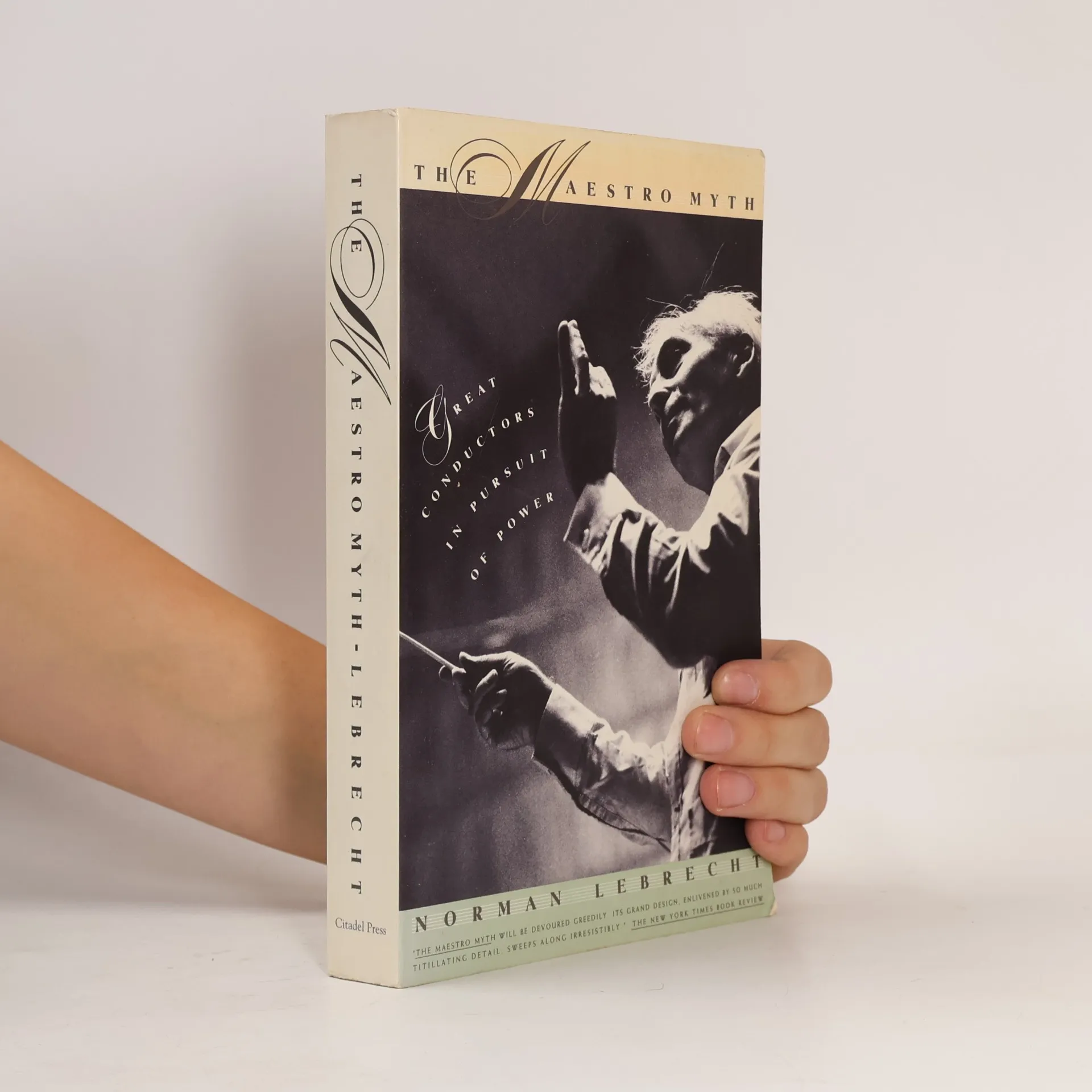
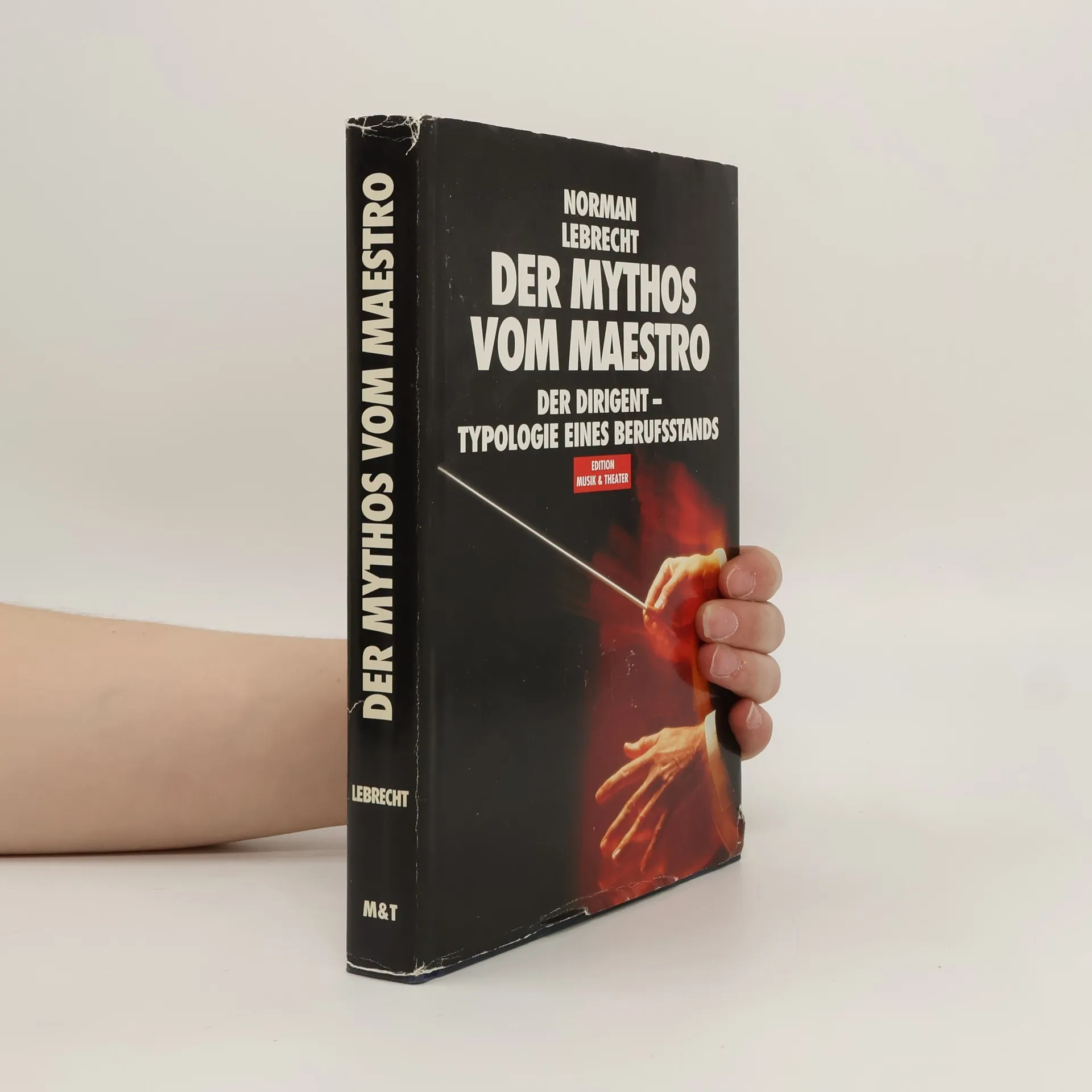
Examining the nature of the orchestra conductor, The Maestro Myth is a vigorous analysis of musical ambition and achievement. Acclaimed by critics, this refreshingly iconoclastic history of a profession which has all too often been the object of sycophantic reverence, is also a chronicle of individual endeavor and ambition. Photos.
Previous ed. published as: The companion to 20th-century music. c1992.
Admit it! You're a word lover! You love to play with words - literally - in crossword puzzles, board games, and word books. You love the sound of words, the music they make. You love to roll them around your tongue and feel the shape of them in your mouth. You even love to make up your own words. But most of all, you love to visit the far horizons of the English language, the outer edges of its vast vocabulary. You're on a continuing mission to explore strange new words, to discover new nouns, verbs, adjectives, and adverbs, to boldly speak what only the most erudite wordsmiths have spoke before. Well, you're in luck. Inside The Word Lover's Dictionary is an entire galaxy of more than six thousand of the most unusual, obscure, and preposterous words you'll ever discover. And incredible as it may seem, every one of them has been accepted as a formal or legitimate English word by at least one major dictionary.
Vo svojich dejinách hudobného biznisu Norman Lebrecht nazerá pod pokrievku a tvrdí, že za úpadok vážnej hudby sú zodpovedné nadnárodné korporácie, ktoré ju ovládajú. Bežní milovníci hudby sa vytrácajú z koncertov, orchestre čelia bankrotom, noví skladatelia a umelci nie sú schopní nájsťsi publikum – a napriek tomu hŕstka hviezd na tom mimoriadne bohatne. Keď hudba zmĺkne… je vyčerpávajúci pohľad do zákulisia obchodu s vážnou hudbou: od prvých majstrov sebaprezentácie, ako bol Liszt a Barnum, cez sily, ktoré stáli za Pavarottim, až k pochabostiam Bernsteina, je naplnený farbistými detailmi, poznatkami zvnútra a nevyhnutnými štatistickými údajmi. S pochopením a humorom Norman Lebrecht napísal záverečnú správu o vzostupe a páde vážnej hudby ako nezávislého umenia. Autor je jedným z najčítanejších komentátorov hudby, kultúry a kultúrnej politiky, pravidelne sa objavuje na BBC Radio 3 a prispieva do Daily Telegraph, Wall Street Journal, Bloomberg a i.
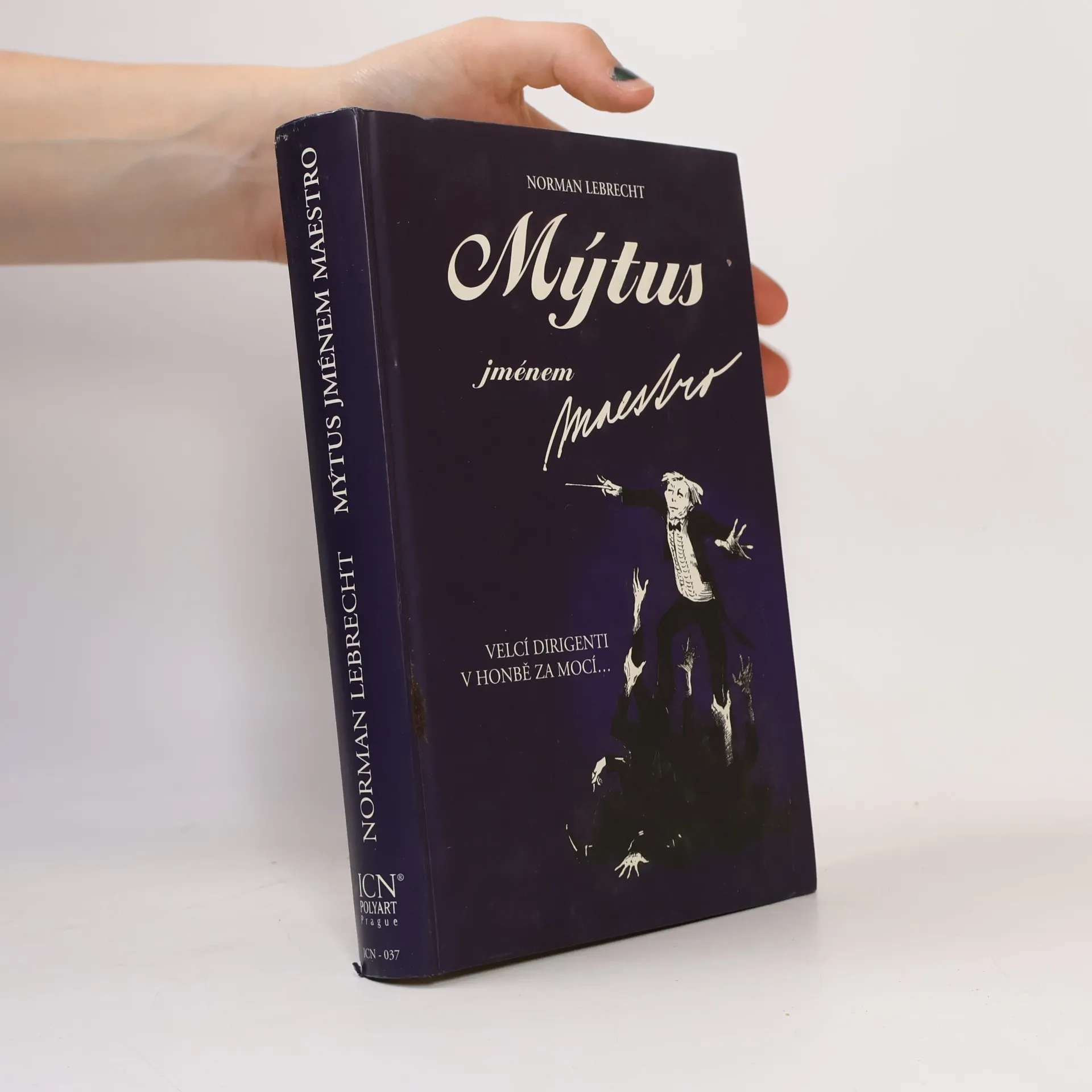
Málokterá kniha hudebního publicisty vzbudila ve světě v 90. letech takový rozruch jako The Maestro Myth Normana Lebrechta. V historii, literatuře a hudbě velmi vzdělaný redaktor Sunday Times a Opera News však vzbudil pozornost i dalšími svými knihami: Kdo zabil klasickou hudbu, Nezapomenutelný Mahler ... Obávaný kritik jako by svou knihou rýpl do vosího hnízda. Jeho názory a reflexe na dirigentské osobnosti, na svět hudebního byznysu, na minulost a hlavně současnost hudební interpretace jdou skutečně na dřeň problémů.
avagy rekviem a komolyzenéért
Kritische schets van de vercommercialisering van de klassieke muziek in de jaren '90.