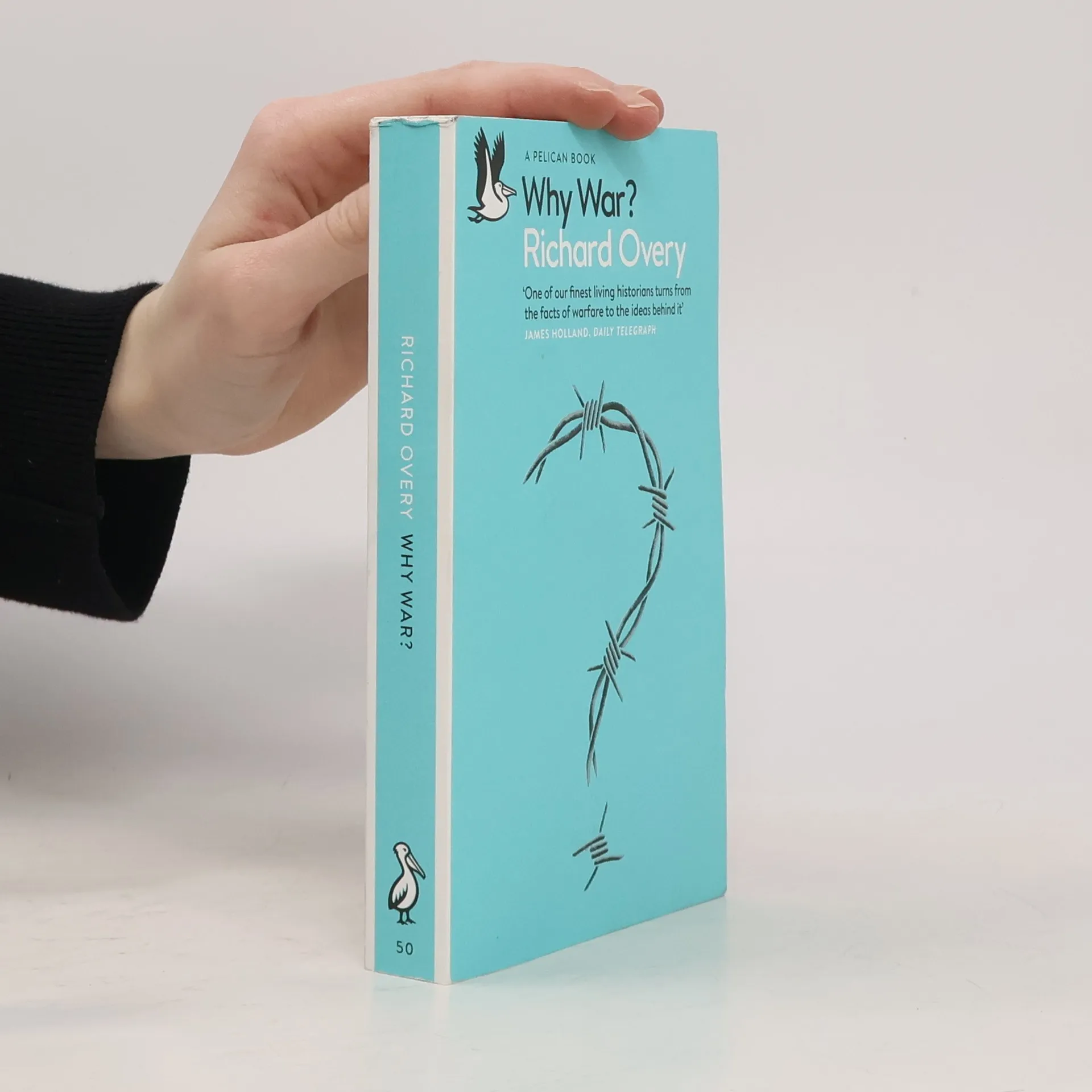
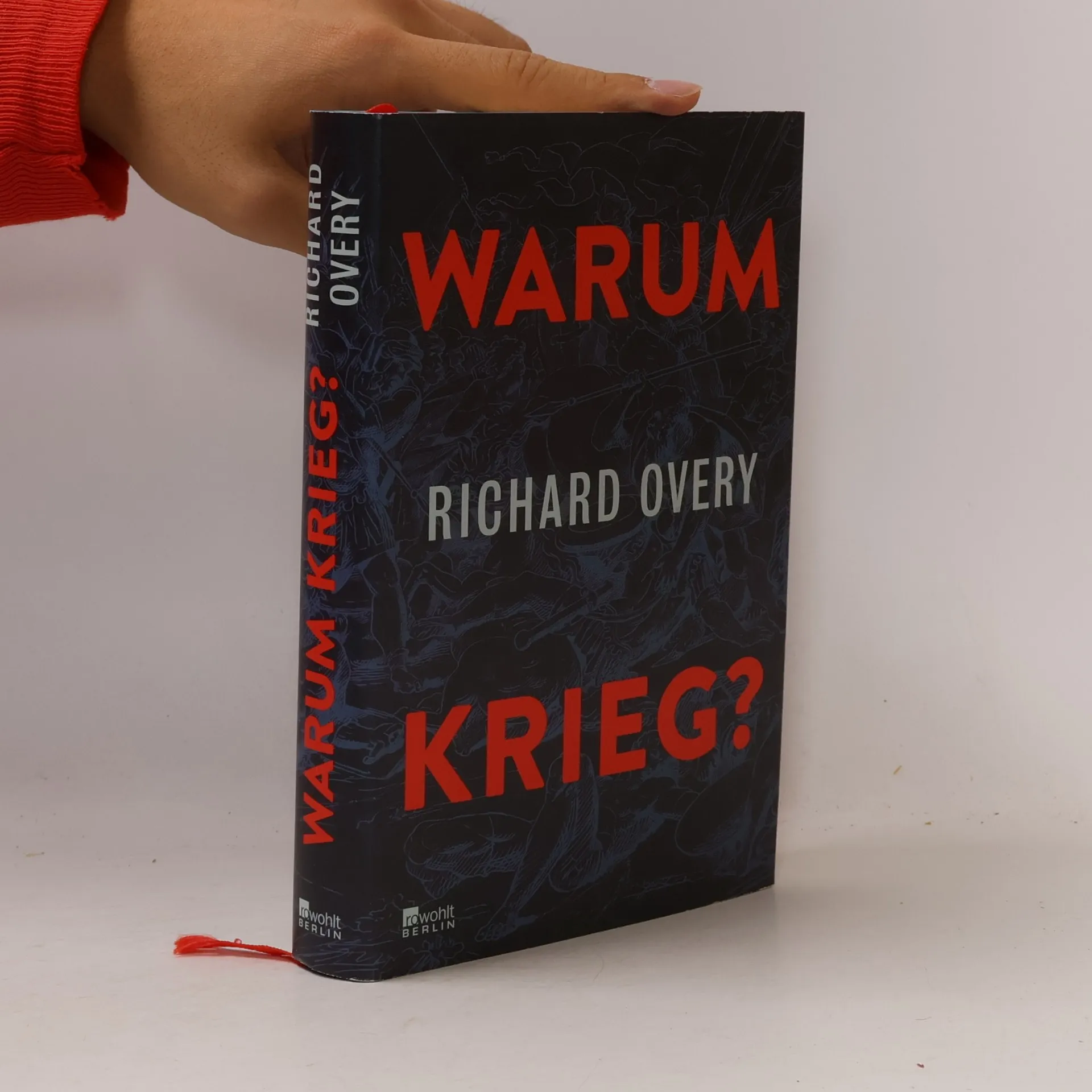
Pelican Books - 50: Why War?
- 400 Seiten
- 14 Lesestunden


Richard Overy ist ein britischer Historiker, dessen umfangreiches Werk sich auf die Geschichte des Zweiten Weltkriegs und des Dritten Reiches konzentriert. Seine Schriften werden für ihre Fähigkeit gelobt, Mythen zu entkräften und originelle, wichtige Perspektiven auf entscheidende Momente des 20. Jahrhunderts zu bieten. Overy's Analysen gelten als wegweisend in der historischen Forschung und vermitteln den Lesern tiefe Einblicke in komplexe Ereignisse. Sein geschichtlicher Ansatz zeichnet sich durch Genauigkeit und die Verpflichtung zu objektiver Interpretation aus.



The narrative delves into the devastating impact of air raids on Japan during the final months of World War II, highlighting the moral implications of targeting civilians and the normalization of mass destruction. Richard Overy challenges the notion that bombing directly led to Japan's surrender, placing it within a broader context of Japan's complex cultural stance on surrender. By interweaving the strategies of firebombing and atomic attacks with Japan's internal struggles to end the war, the book offers a thought-provoking reevaluation of this pivotal moment in history.
Richard Overy untersucht die vielfältigen Ursachen von Kriegen, von der menschlichen Natur über ökonomische Interessen bis hin zu Religion und Ideologie. Er analysiert historische Konflikte, von der Steinzeit bis zur Gegenwart, und beleuchtet, wie verschiedene Faktoren, wie Machtstreben und aktuelle Konflikte, zusammenwirken.
Why has war been a consistent presence throughout the human past? A leading historian explains through rich examples and keen insight.
"A thought-provoking and original reassessment of World War II, from Britain's leading military historian. Richard Overy sets out in Blood and Ruins to recast the way in which we view the Second World War and its origins and aftermath. As one of Britain's most decorated and respected World War II historians, he argues that this was the 'last imperial war,' with almost a century-long lead-up of global imperial expansion, which reached its peak in the territorial ambitions of Italy, Germany and Japan in the 1930s and early 1940s, before descending into the largest and costliest war in human history and the end, after 1945, of all territorial empires. Overy also argues for a more global perspective on the war, one that looks broader than the typical focus on military conflict between the Allied and Axis states. Above all, Overy explains the bitter cost for those involved in fighting, and the exceptional level of crime and atrocity that marked the war and its protracted aftermath--which extended far beyond 1945. Blood and Ruins is a masterpiece, a new and definitive look at the ultimate struggle over the future of the global order, which will compel us to view the war in novel and unfamiliar ways. Thought-provoking, original and challenging, Blood and Ruins sets out to understand the war anew".-- Provided by publisher
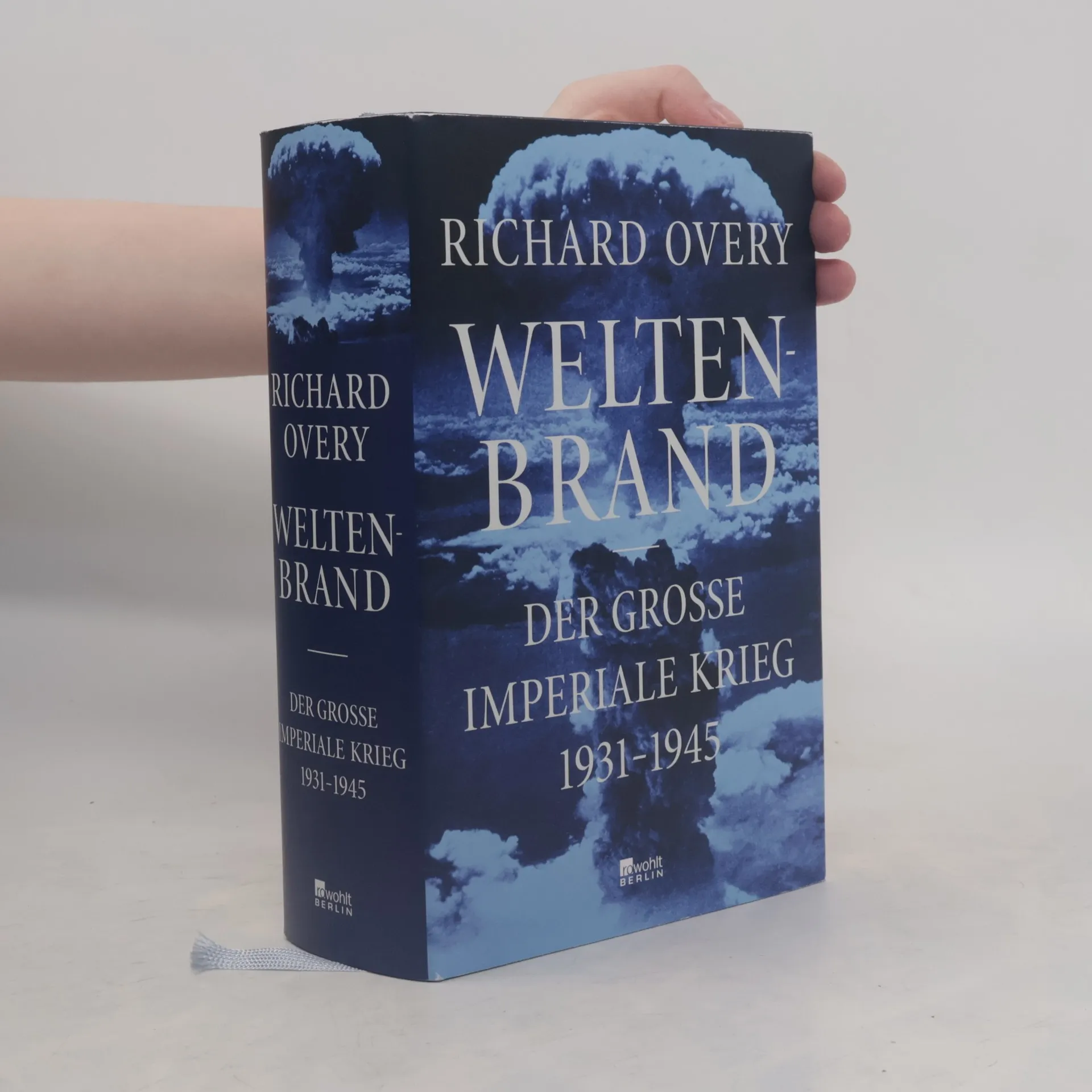
Richard Overy zeichnet ein umfassendes, neues Bild des Zweiten Weltkriegs – als das letzte Aufbäumen des Imperialismus. Er zeigt ihn als den alles Vorangegangene übertreffenden imperialistischen Krieg – in dem Achsenmächte ebenso wie Alliierte danach strebten, Imperien zu festigen, zu verteidigen, zu erweitern oder auch erst zu schaffen. Ein weltumspannendes, zeitlich weit ausgreifendes Geschehen und eine Perspektive, in der etwa der Krieg im Pazifik stärker als bisher üblich in den Blick gerät; beginnend bereits 1931 mit dem Einfall des Japanischen Kaiserreichs in die Mandschurei, der die Richtung vorgab für das exzessive Expansionsstreben Italiens und Nazideutschlands. Overy schildert die Ereignisse, die in die Katastrophe führten, ebenso wie die Folgen für die neue Weltordnung nach 1945; er zeigt die geopolitisch-strategische wie die menschliche Dimension dieses Krieges, mit dem das imperialistische Zeitalter sein Ende finden sollte. Das Opus magnum eines der bedeutendsten Historiker des Zweiten Weltkriegs, das Ergebnis jahrzehntelanger Forschung – und eine Neubewertung dieses zerstörerischsten aller Kriege, die uns auch unsere Gegenwart mit anderen Augen sehen lässt.
This book offers a fresh perspective on World War II, challenging conventional narratives and providing a deep analysis of the conflict's complexities. The author, a prominent military historian from Britain, explores key events, strategies, and the implications of decisions made during the war. With a focus on critical reassessments, it invites readers to reconsider widely held beliefs and understand the war's lasting impact on modern society and military thought.
The book explores the evolution of a significant topic over five editions, providing updated insights and research. It delves into key themes, presenting a comprehensive analysis that reflects current trends and developments. Readers can expect to find a wealth of information, including case studies and expert opinions, which enhance understanding of the subject matter. The author’s engaging writing style makes complex concepts accessible, appealing to both newcomers and seasoned enthusiasts alike.
Richard Overy sets out in Blood and Ruins to recast the way in which we view the Second World War and its origins and aftermath. He argues that this was the 'great imperial war', a violent end to almost a century of global imperial expansion which reached its peak in the 1930s and early 1940s, before descending into the largest and costliest war in human history and the end, after 1945, of all territorial empires. How war on a huge scale was fought, paid for and morally justified forms the heart of this new account. Above all, Overy explains the bitter cost for those involved in fighting, and the exceptional level of crime and atrocity that marked these imperial projects, the war and its aftermath. This war was as deadly for civilians as it was for the military, a war to the death over the future of the global order. Blood and Ruins is a masterpiece from of one of the most renowned historians of the Second World War, which will compel us to view the war in novel and unfamiliar ways. Thought-provoking, original and challenging, Blood and Ruins sets out to understand the war anew.
nan
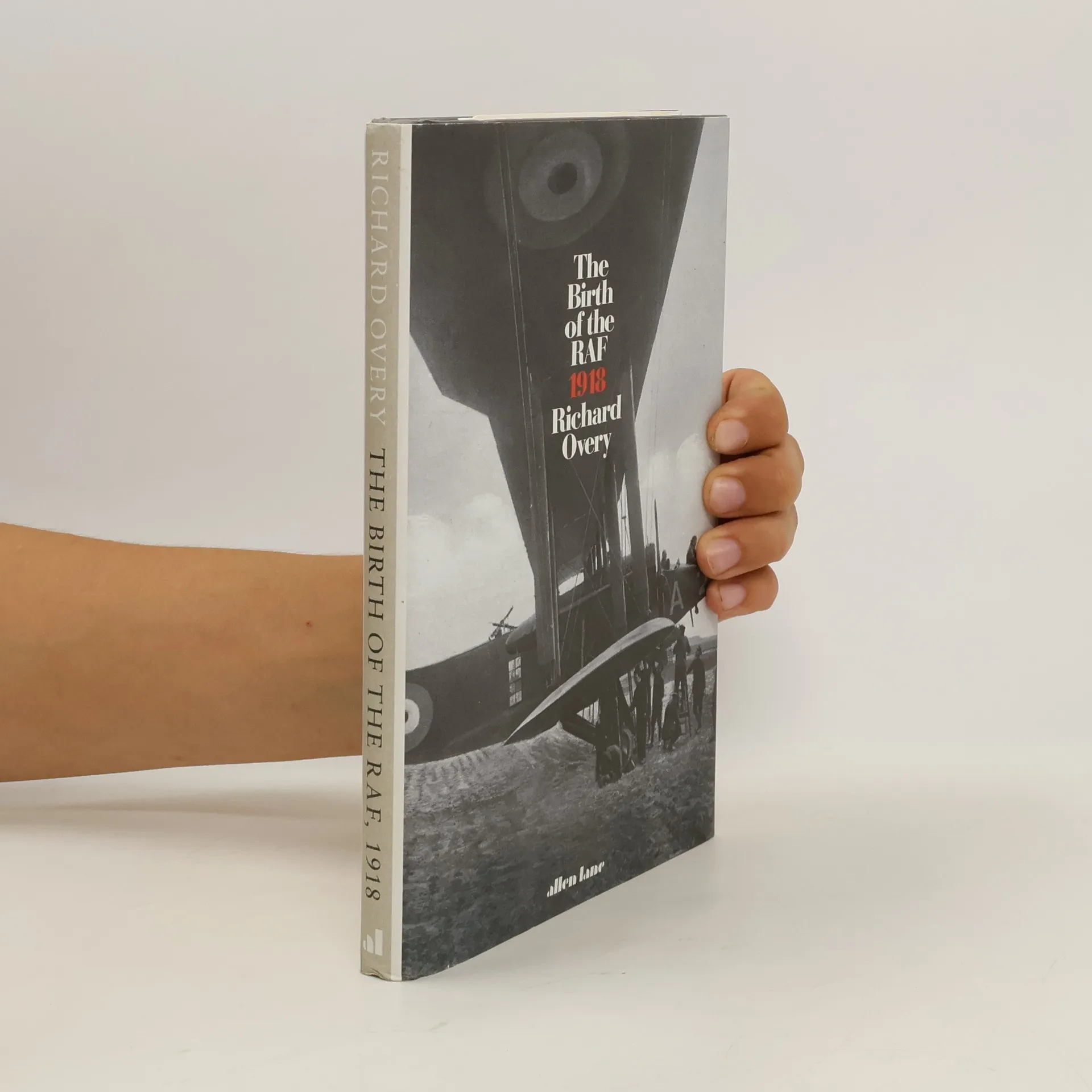
A short account of the birth of the RAF for the centenary of its founding. The dizzying pace of technological change in the early 20th century meant that it took only a little over ten years from the first flight by the Wright Brothers to the clash of fighter planes in the Great War. A period of terrible, rapid experiment followed to gain a brief technological edge. By the end of the war the British had lost an extraordinary 36,000 aircraft and 16,600 airmen.The RAF was created in 1918 as a revolutionary response to this new form of warfare - a highly contentious decision (resisted fiercely by both the army and navy, who had until then controlled all aircraft) but one which had the most profound impact, for good and ill, on the future of warfare. Richard Overy's superb new book shows how this happened, against the backdrop of the first bombing raids against London and the constant emergency of the Western Front. The RAF's origins were as much political as military and throughout the 1920s still provoked bitter criticism
Über keine andere Zeit der deutschen Geschichte ist so viel geschrieben worden wie über die Jahre von 1933 bis 1945. Erstmals versammelt dieser Band 100 Objekte, die die Schrecken und auch den Alltag der NS-Zeit porträtieren, und macht damit die Geschichte des »Dritten Reiches« auf eine neue Art zugänglich. Vorgestellt werden Gegenstände des Alltags, wie eine Hitler-Spielzeugfigur, ebenso wie Objekte, die die Schrecken des nationalsozialistischen Terrorregimes symbolisieren, so etwa der Judenstern oder ein Zyklon B-Behälter. 100 fesselnde Geschichten ergeben ein großes Panorama der NS-Zeit. Aus dem Inhalt: die Enigma-Chiffriermaschine, Eva Brauns Lippenstiftetui, Görings letztes Telegramm, Heinrich Hoffmanns Leica, der Katalog der Großen Deutschen Kunstausstellung, die KZ-Winkel, eine Sammelbüchse des Winterhilfswerks, ein Schutzhaftbefehl, das Torhaus in Auschwitz-Birkenau und vieles mehr.
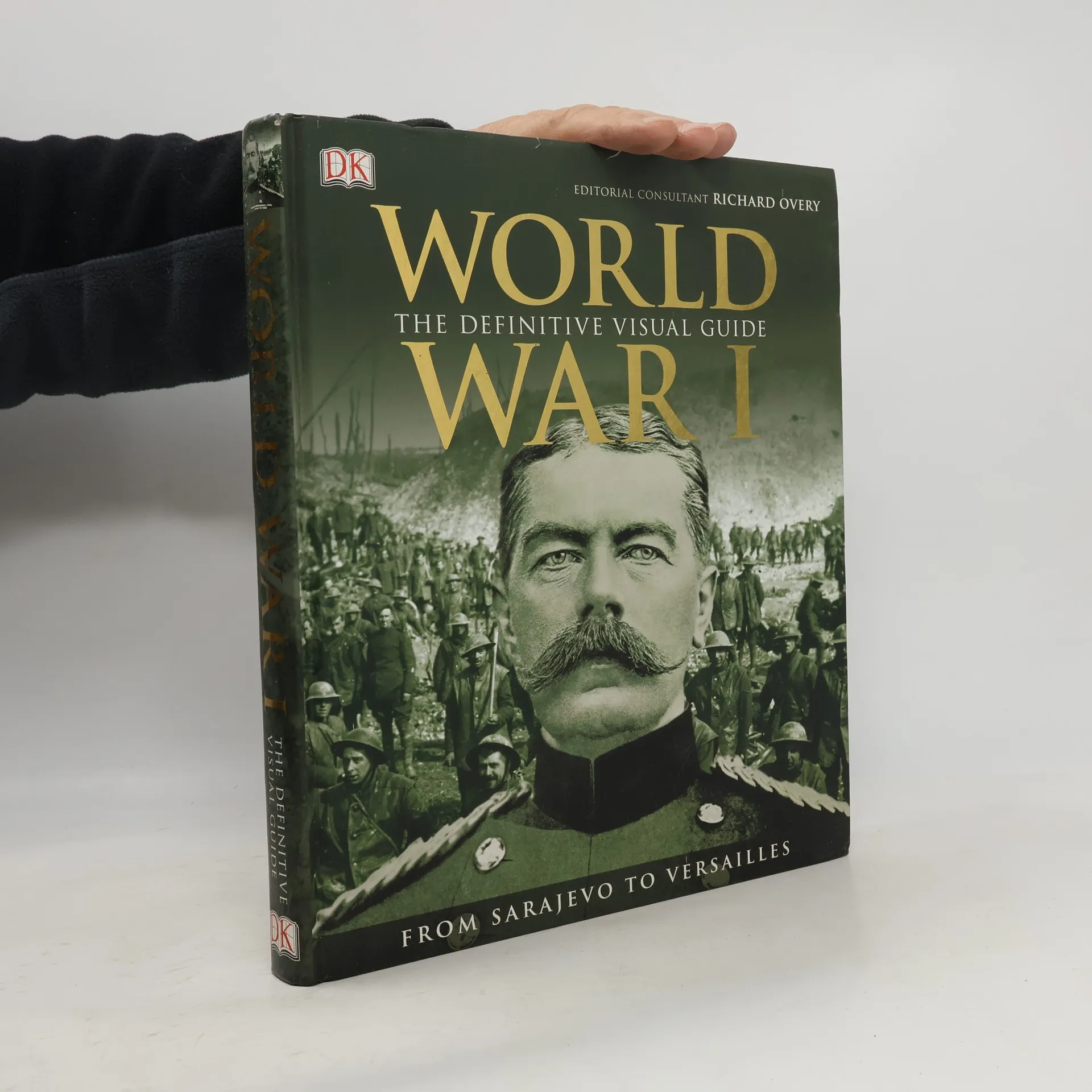
The definitive visual history of the people, politics and events of World War IWorld War I: The Definitive Visual Guide is a fascinating portrait of a world at war, vividly portraying the conflicts of the Great War on land, sea and in the skies. This history book will tell you everything you ever wanted to know about the First World War. You will uncover the details of the Great War's titanic battles such as Gallipoli, the Somme and Verdun that left an indelible mark on the collective memories of countries and that claimed a generation of young men. Discover how local fears and hatreds escalated into one vast conflict that was fought out to the bitter end. Find out about key battles, political and economic forces, individual leaders and technological advances that influenced the course of the First World War. Timelines show you the war unfolding across countries, providing an overview of developments in all the theatres of war.Packed with images, maps, portraits, key artefacts and unforgettable first person accounts, World War I: The Definitive Visual Guide is an uniquely accessible military history of one of the world's most devastating conflicts.
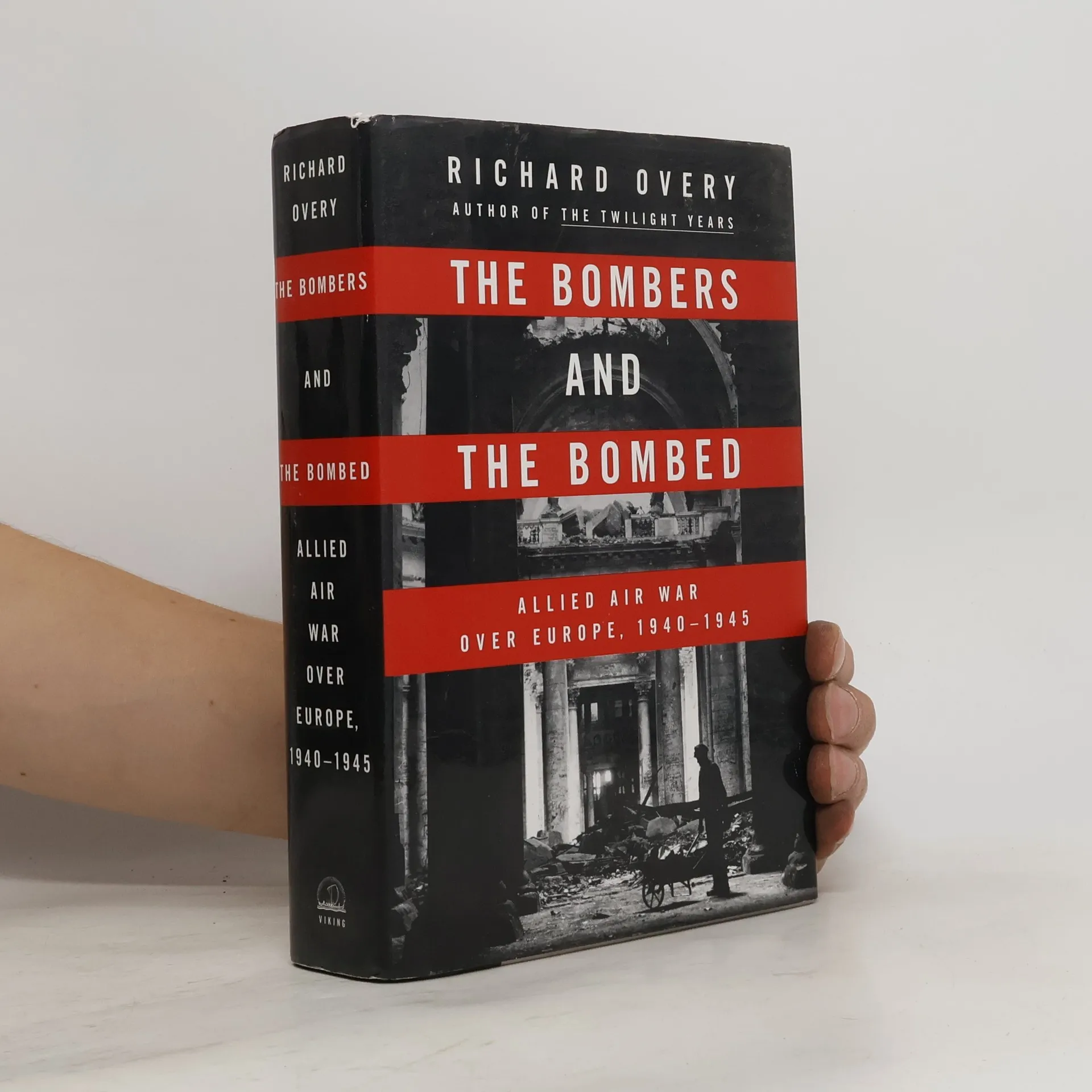
Allied Air War Over Europe 1940-1945
A history of the Allied bombing campaigns of World War II questions the morality of British and American attacks on occupied European cities while offering insight into the course of the civilian front line of the Allied air war as it was shaped by political strategies.
Nichts hat die Zerstörungskraft des Zweiten Weltkriegs so sehr ins kollektive Gedächtnis eingebrannt wie der Bombenkrieg: Mit nie dagewesener Gewalt vernichtete er Dutzende Städte in ganz Europa, 600 000 Menschen starben, Millionen verloren alles; die Ruinen von Coventry oder Dresden wurden zu Symbolen einer technischen, menschengemachten Apokalypse. In der ersten umfassenden Darstellung erzählt Richard Overy die Geschichte dieses Krieges. Er schildert die Anfänge der neuen Strategie des «Moral Bombing», ihre Entwicklung wie schließlich ihr Scheitern, und er deckt zahlreiche Mythen und Irrtümer auf, die bis heute kursieren. Erstmals entsteht ein internationales Gesamtbild, von der Offensive gegen das Ruhrgebiet bis zu den «Baedeker-Angriffen», die unschätzbares historisches Erbe auslöschten, von den deutschen Bomben auf Stalingrad bis zu wenig bekannten Schauplätzen wie Rom oder Bulgarien. Overy zeigt, warum der Luftkrieg trotz Ineffektivität und mörderischer Kosten ausgeweitet wurde, welche Rolle Hermann Göring oder General Harris dabei spielten. Aber auch die kulturellen und menschlichen Verheerungen treten vor Augen, die Not und Hoffnung in den Luftschutzkellern wie bei den Piloten. Richard Overy zeichnet ein monumentales Panorama Europas in dunkler Zeit – das Standardwerk über den Bombenkrieg.
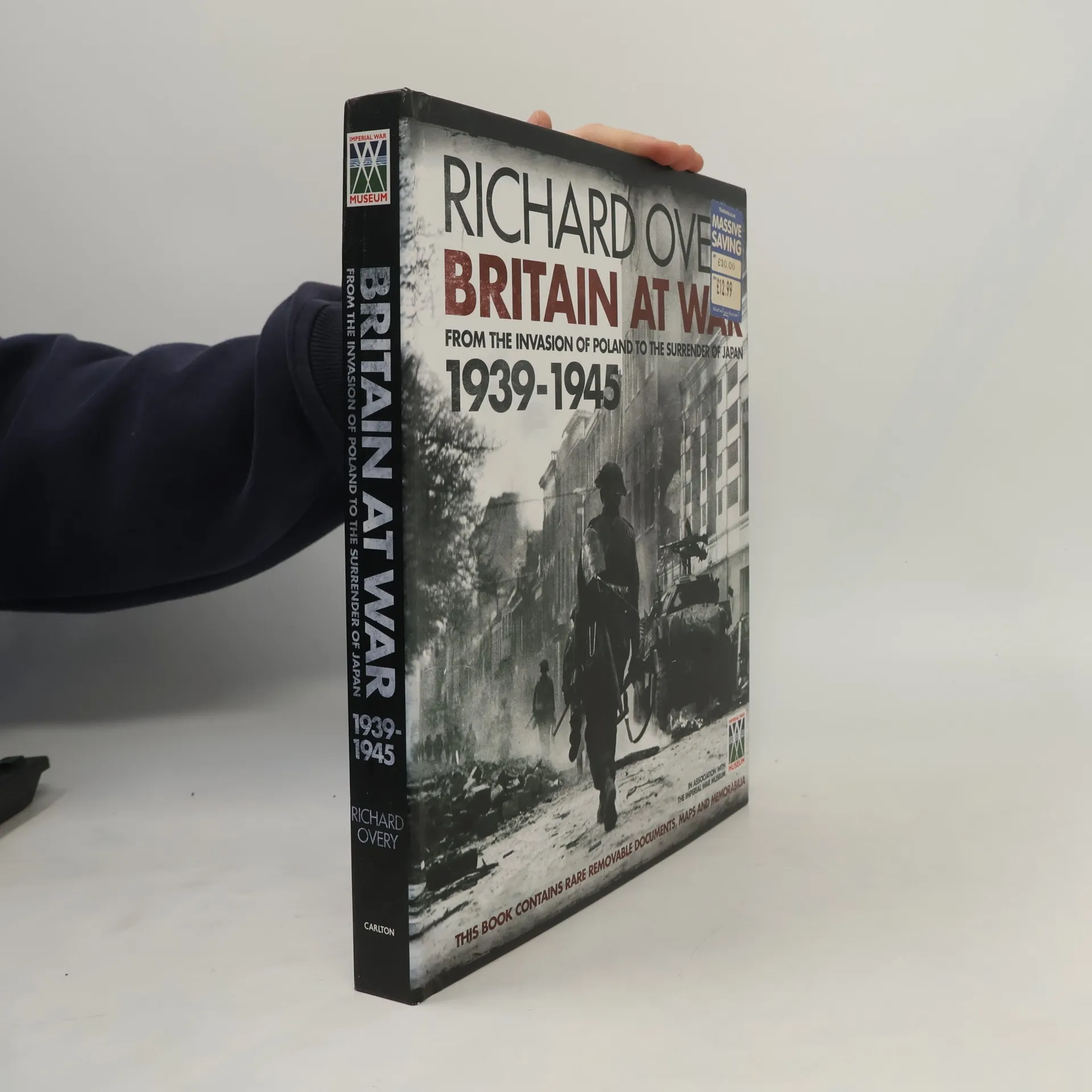
From The Invasion Of Poland To The Surrender Of Japan
Endorsed by, and including rare facsimile memorabilia from, the Imperial War Museum, one of the world's biggest museums specializing in 20th-century military conflictWritten by leading historian Richard Overy, Britain at War transports the reader right back into the heart of the action. Each key event is presented concisely, with maps, photographs, and documents bringing the epic story to life as never before. Every theater involving British troops is covered, from the first two years of the global conflagration in which Britain and her Commonwealth allies, stood alone against the might of [Nazi] Germany and her Axis allies fascist Italy and [Imperial Japan], to the later years when allied alongside the United States and Russia, they continued the long, hard, but ultimately victorious fight for the freedom of Europe, Africa, and Asia. Special items include: Order No. 1 (the German order to invade Poland which led to the British declaration of war against Germany); the letters home of a British officer in Africa telling of his harrowing involvement in the battles of Gazala and Tobruk; and Montgomery's orders for El Alamein.
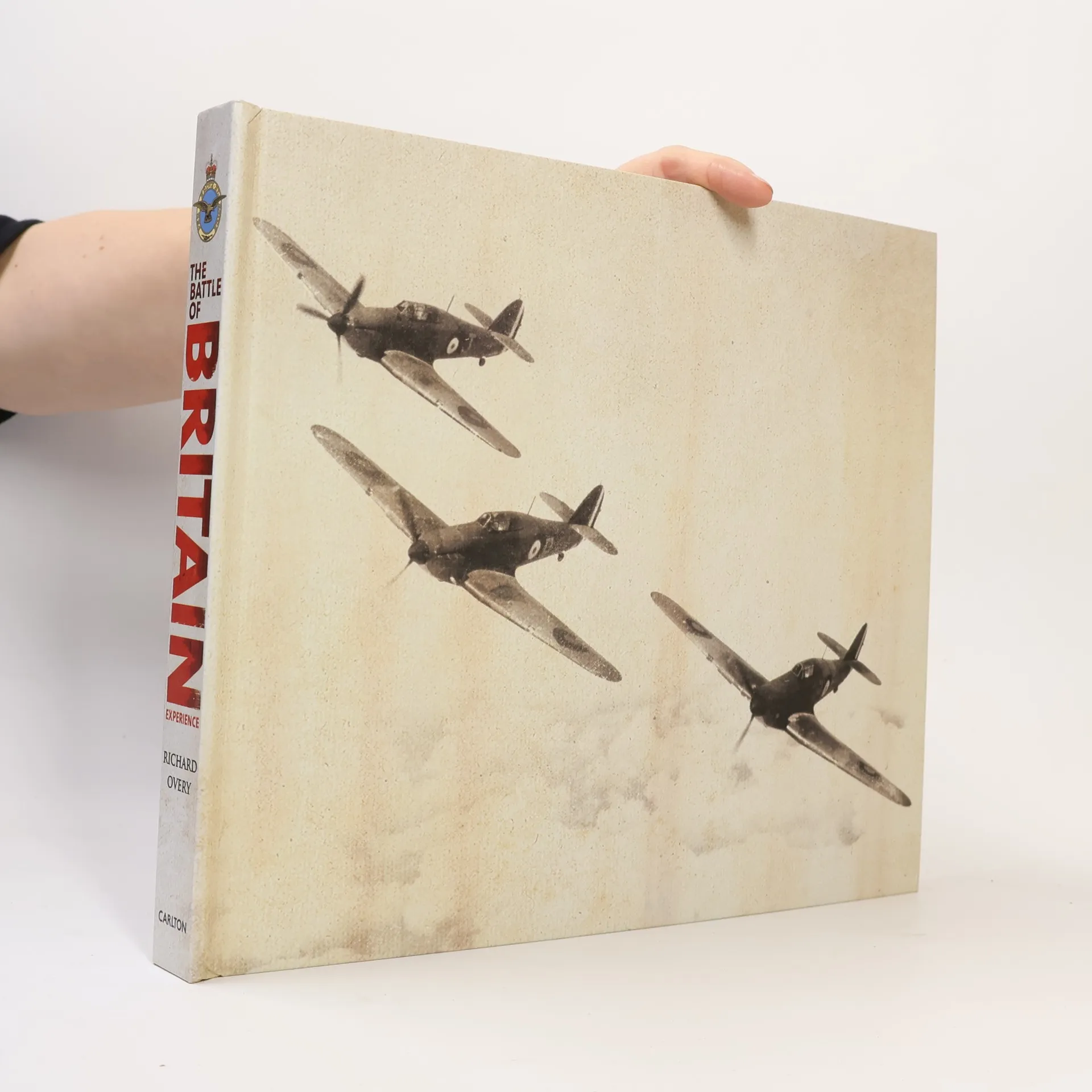
On 18 June 1940 Churchill declared in the Commons - 'The Battle of France is over...the Battle for Britain is about to begin'. With the fall of France, Great Britain was Hitler's last remaining stepping-stone to European domination. In July Hitler told his commanders to prepare for the invasion of England. To do this they would have to destroy the RAF - Britain's last line of defence. As such the Battle of Britain was without doubt one of, if not the, most important victories in British history. At the end of it Hitler cancelled all plans to invade England and the Allies maintained a European stronghold from which to launch the eventual operation to recapture mainland Europe. This book is the story of that the machines which took to the air; the tactics employed by each side; gripping accounts of the action; the people who took part from the Commanders, to the pilots to ground crew and plotters. Fascinating facsimile documents brings this great battle to life as never before. Documents to provisionally Churchill's notes for his famous 'never in the field of human conflict was so much owed by so many to so few'; the order and plans for Germany's invasion of Great Britain - Operation 'Sealion; and, log books of pilots who flew in the Battle.
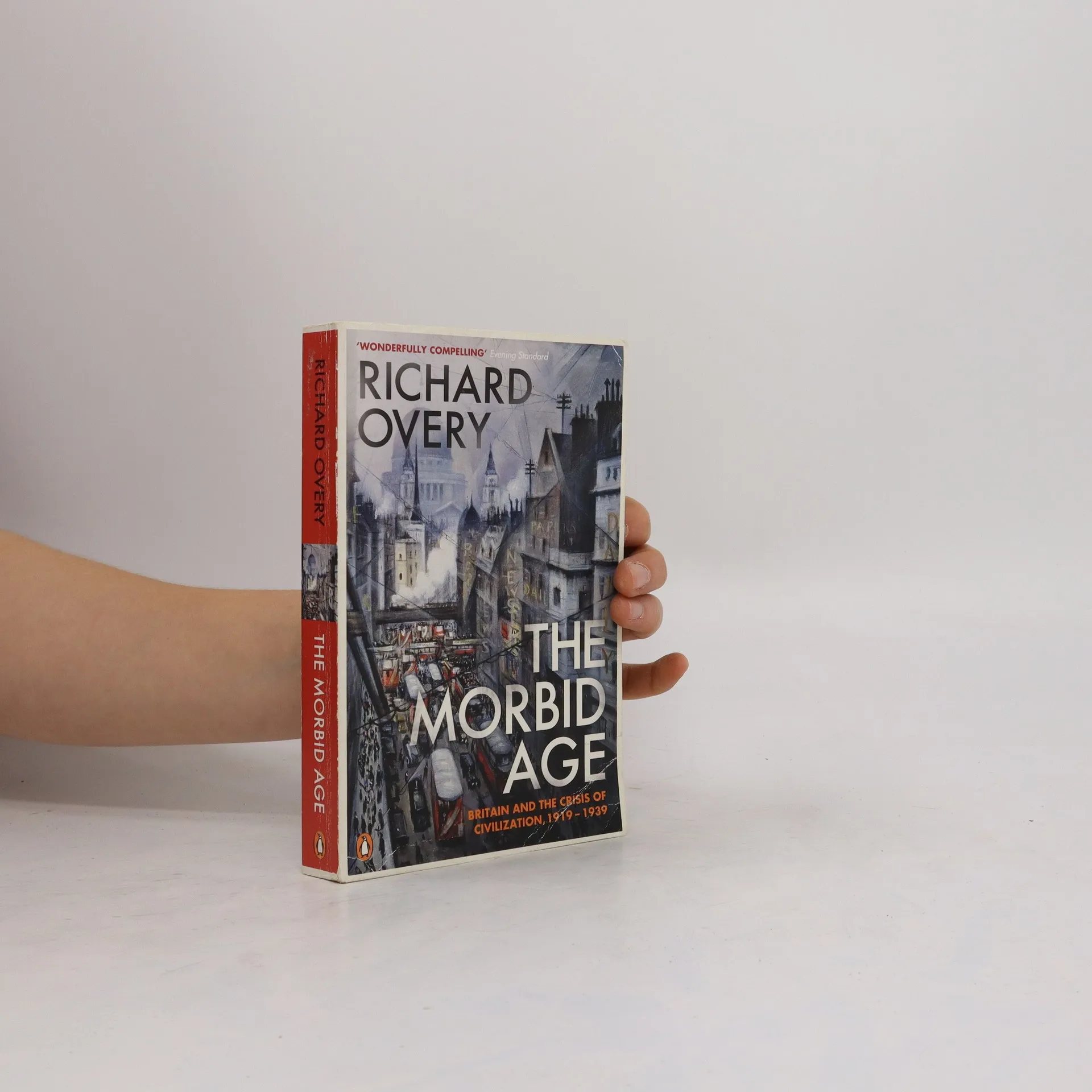
'The Morbid Age' opens a window onto this creative but anxious era, the golden age of the public intellectual and scientist: Arnold Toynbee, Aldous and Julian Huxley, H.G. Wells, Marie Stopes and a host of others.
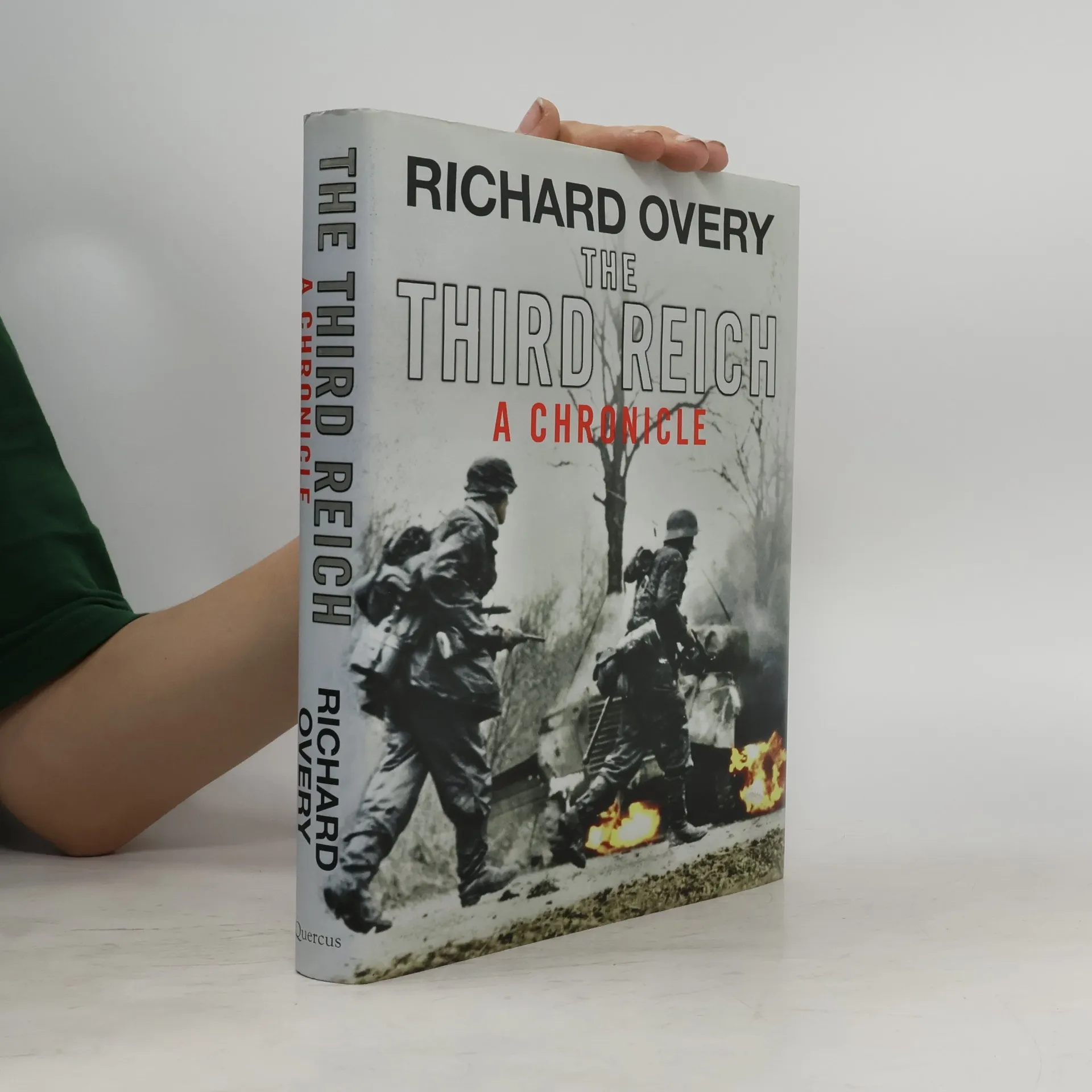
The Third Reich was the twelve-year period (1933 to 1945) during which the Nazi Party held untrammelled power in Germany. Defined by the messianic, iconic figure of Adolf Hitler, self-proclaimed
Cette seconde partie de l'ensemble consacré aux années 1943-1945 de la Seconde Guerre mondiale analyse la longue lutte des Alliés pour la victoire, contre les puissances de l'Axe qui paraissent longtemps invincibles. L'ouvrage débute avec les premiers débarquements alliés sur le continent européen et s'achève avec l'explosion des bombes atomiques sur Hiroshima et Nagasaki, relatant page après page tous les extraordinaires faits d'armes qui mettent un terme à près de six longues années de guerre. La Seconde Guerre mondiale, Volume 2 : 1943-1945 est illustré de plus de 200 photographies et de 20 documents rares reproduits en fac-similés. Parmi ceux-ci : un poignant appel à l'aide lancé par les marines, lors de la bataille de Tarawa, le message d'Eisenhower " en cas d'échec " rédigé à la veille du débarquement en Normandie, le journal intime d'un sergent du régiment du royal Hampshire, couvrant son action lors du débarquement, puis durant la bataille de Normandie et l'opération Market Garden, les lettres du général Macarthur à son épouse, durant la bataille pour la reconquête des philippines et signées " sir boss ".
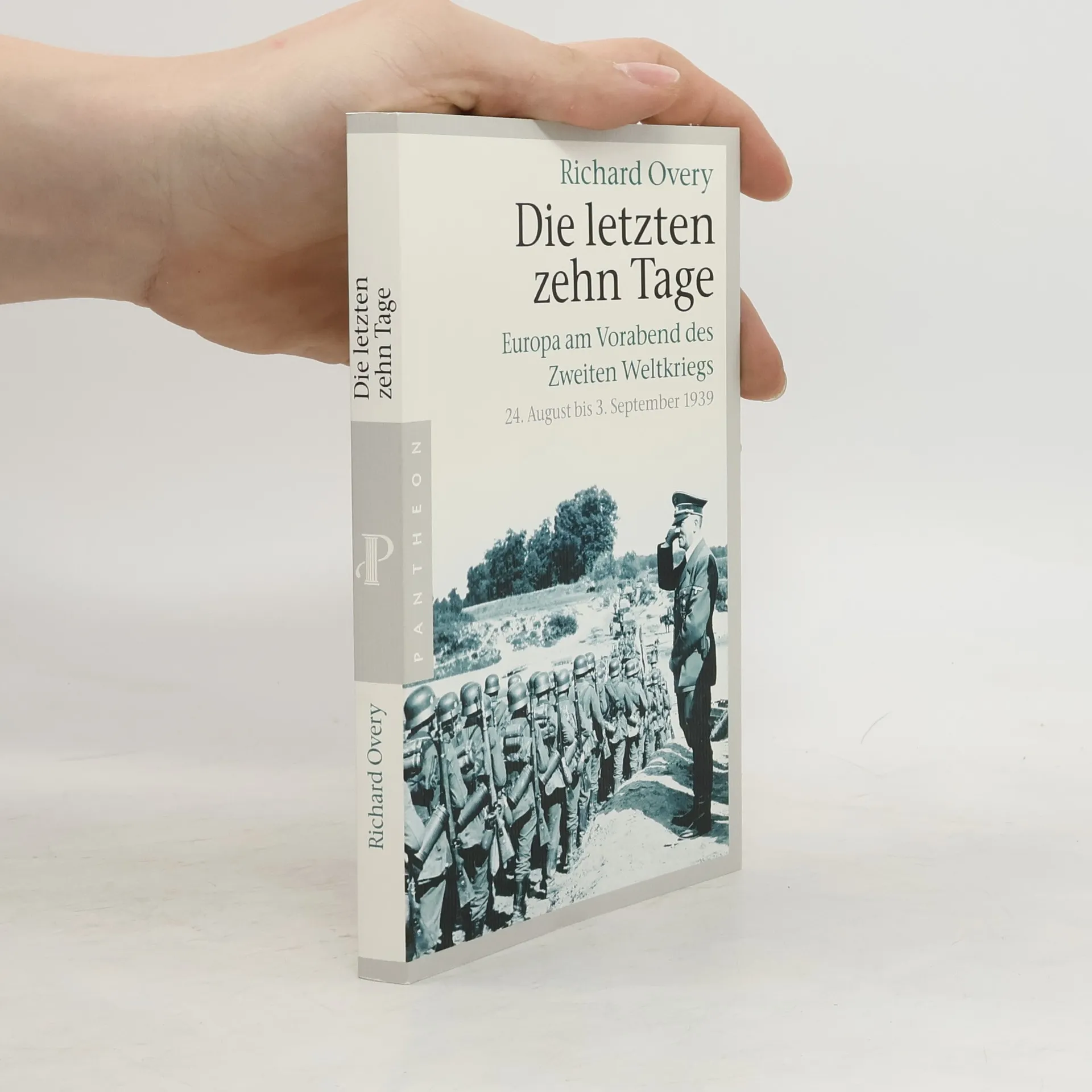
Europa am Vorabend des Zweiten Weltkriegs - 24. August bis 3. September 1939 -
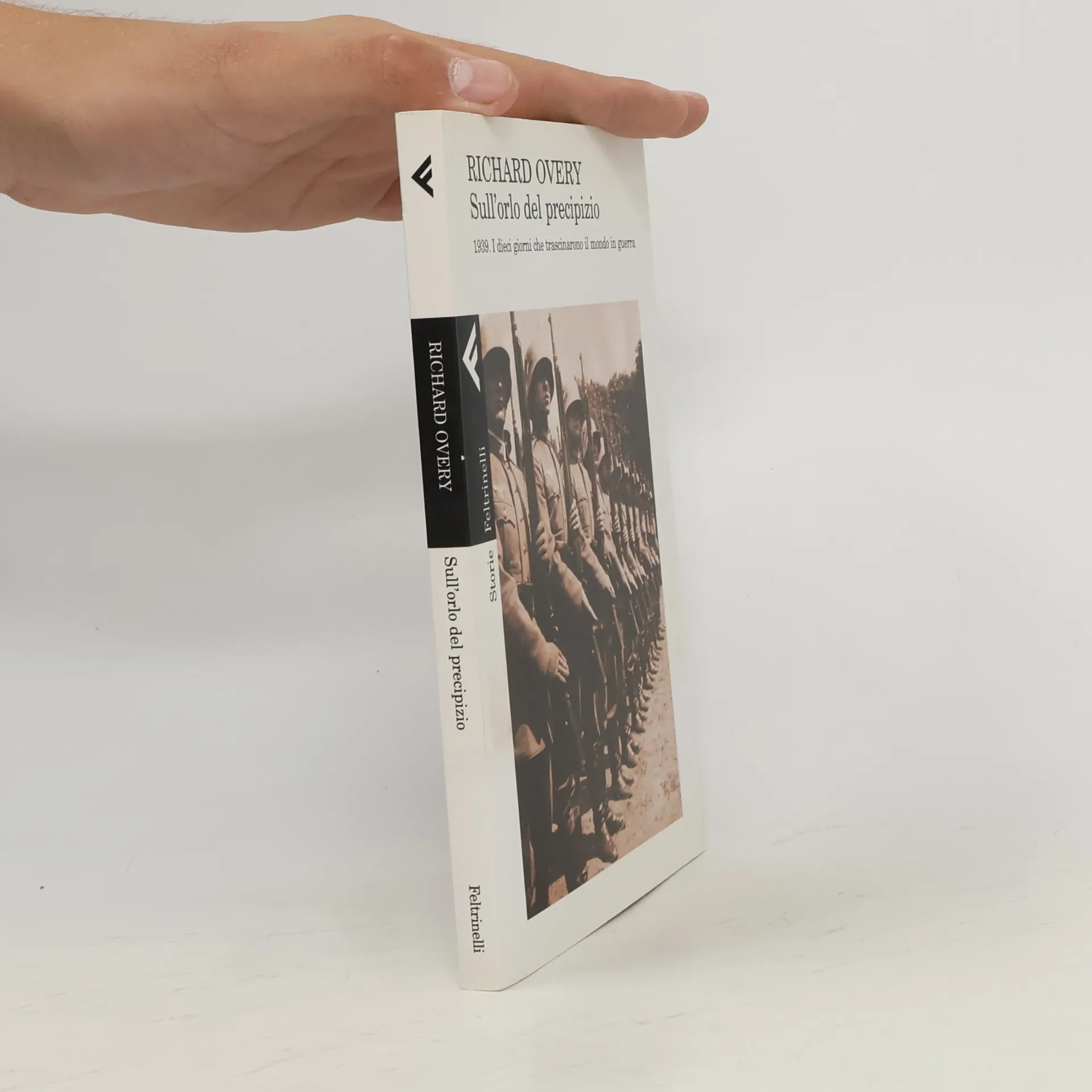
Europa schwebt im Zustand zwischen Krieg und Frieden – was geschah in den letzten Tagen vor dem Ausbruch des Zweiten Weltkriegs? Richard Overy, ein führender britischer Historiker, beleuchtet die dramatischen Entwicklungen im Spätsommer 1939, als das Schicksal der Welt am seidenen Faden hing. Er schildert die atemlosen zehn Tage vor dem deutschen Überfall auf Polen und berichtet von diplomatischen Manövern, unmöglichen Ultimaten und folgenreichen Fehleinschätzungen. Ende August 1939 erlebten die Menschen in Europa ihren letzten Sommer in Friedenszeiten, während die Stimmung unter Politikern und Diplomaten angespannt war. Ein Jahr zuvor war mit dem Münchner Abkommen ein Krieg gerade noch abgewendet worden, und im März 1939 hatte Hitler die Rest-Tschechei annektiert, was seine geringen Friedensabsichten offenbarte. Am 1. September marschierten deutsche Truppen in Polen ein. Overy gewährt Einblicke hinter die Bürotüren der Regierenden in Berlin, Paris, London und Moskau und zeigt, dass sich auf der politischen Bühne ein nervenzerreißendes Drama abspielte. Drei Tage lang schwebte Europa in einem Niemandsland zwischen Krieg und Frieden, bis Frankreich und England am 3. September Deutschland den Krieg erklärten. Ein atemberaubender Blick auf die letzten Tage vor Kriegsbeginn von einem der führenden Historiker zur Geschichte des Zweiten Weltkriegs.
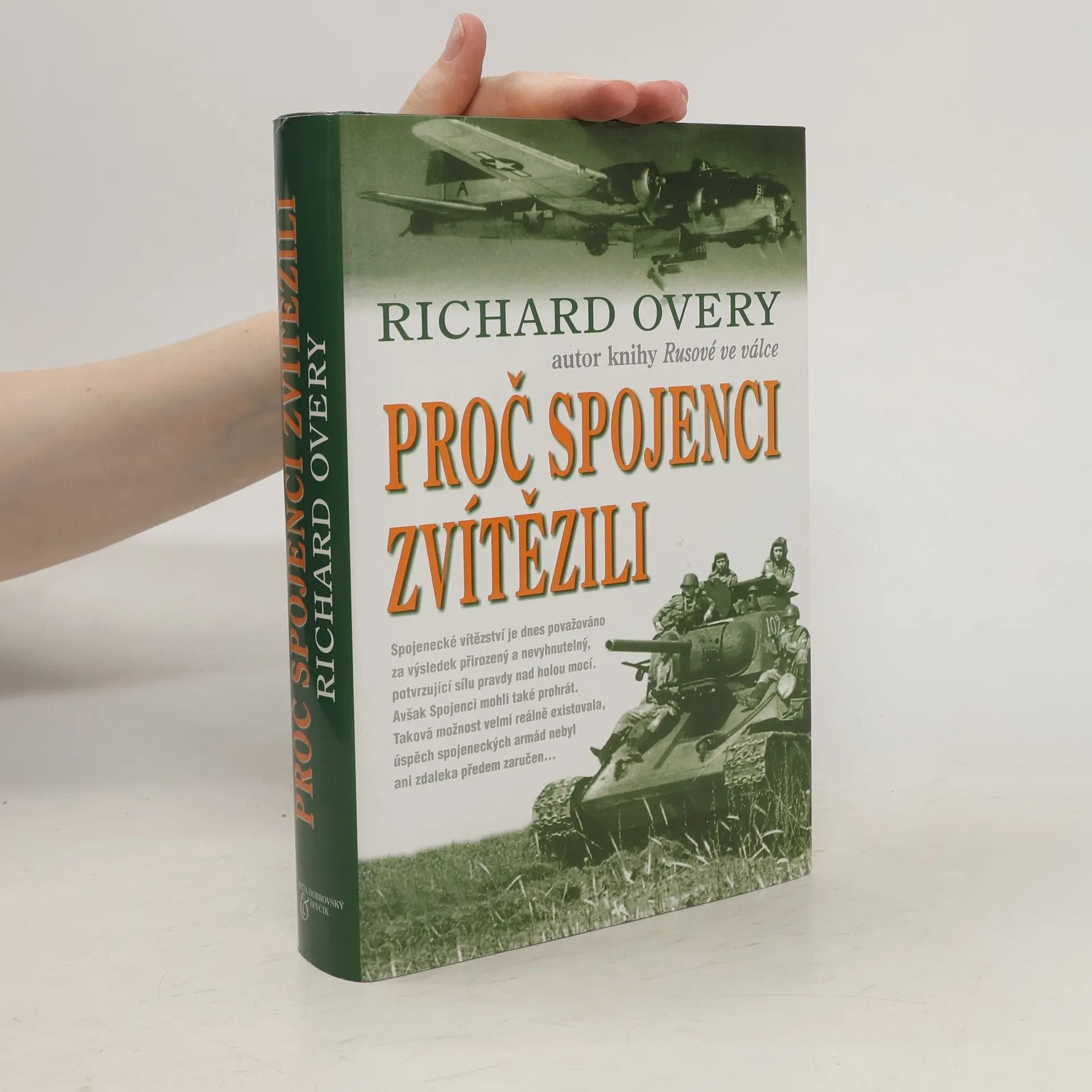
Jak je možné, že spojenci v druhé světové válce nakonec zvítězili. Zásluhu na tom má především Rudá armáda, která se dokázala postavit Hitlerově armádě na odpor a postupně i vyrobit účinné zbraně a techniku, díky níž hnala ze svého území Němce zpátky na jejich území.
Hitler a Stalin. Více než půl století po jejich smrti stále leží na moderním světě tmavý stín jejich diktátorství. Oba aktivně vystupovali v největší a nejnákladnější válce lidských dějin. Nicméně milióny Němců a Rusů je nadšeně podporovaly a obdivovaly. V této hluboké analýze dvou režimů a dvou národů hledá renomovaný britský historik odpovědi na otázky - Jak je možné vytvořit diktátorský režim, jak funguje a jaká jsou pouta, která vážou diktátora a národ tak pevně dohromady? Overy podává pozoruhodnou a sugestivní zprávu o rozdílných způsobech, jimiž se Stalin a Hitler dostali k moci a zneužili svůj národ.
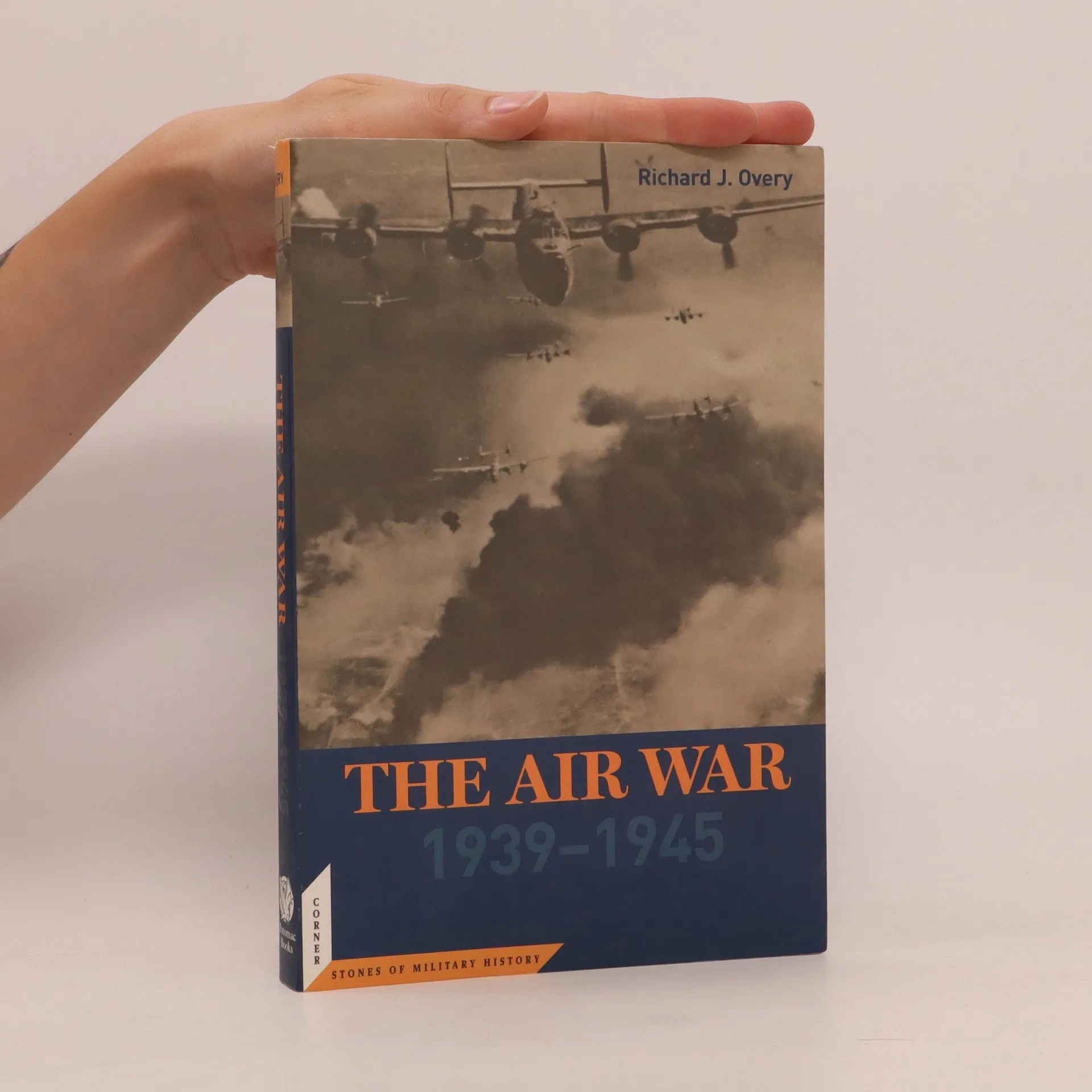
Originally published in 1980 and still the best one-volume aerial history of World War II, Richard Overy's classic work remains profound and highly origi-nal.
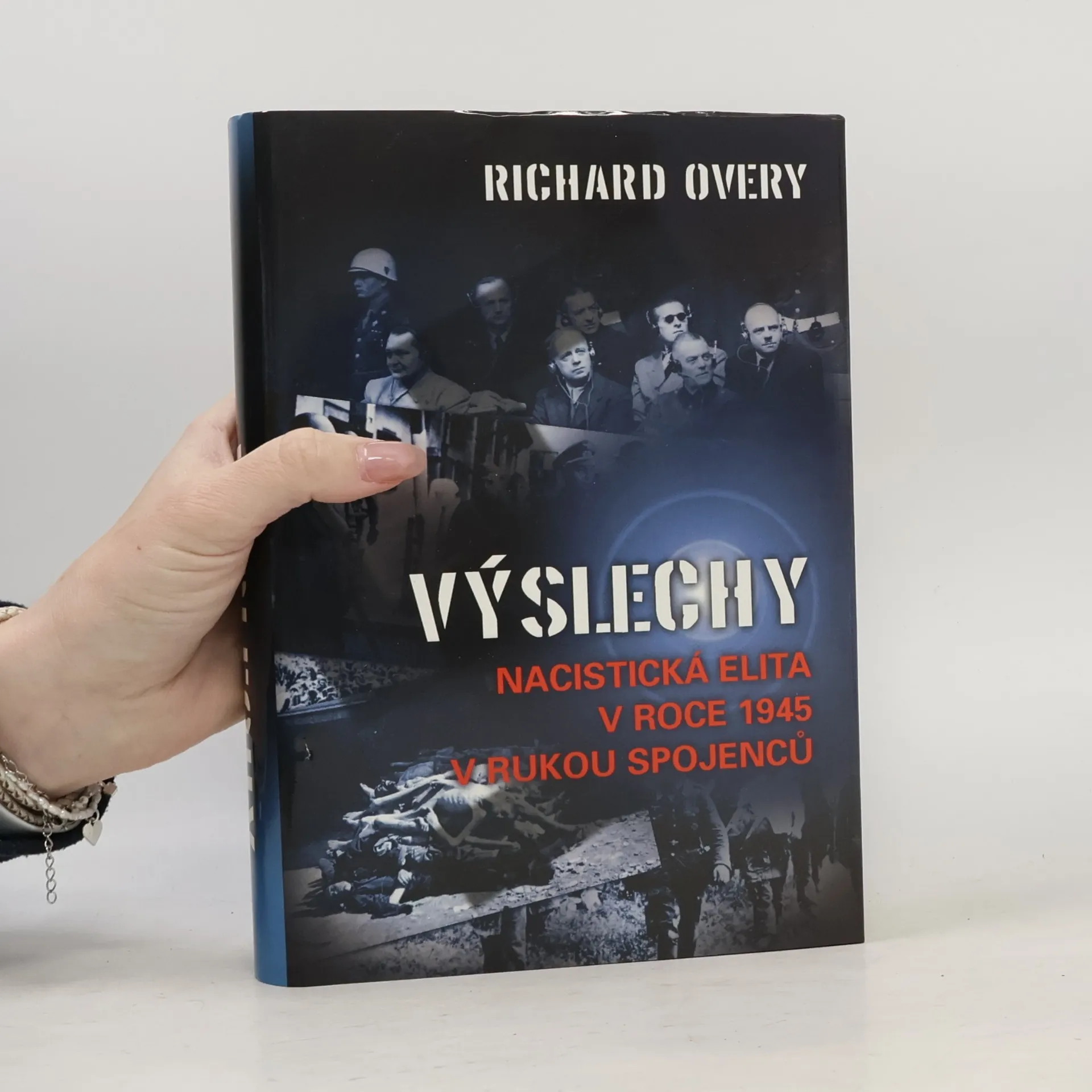
V roce 1945 zbývala z Evropy rozlehlá fyzická i morální pustina. V troskách poraženého Německa se britská, americká a sovětská vojska zblízka seznamovala s hrůzami systému, proti němuž až dosud válčila. Tentokrát nedošlo s Němci k žádnému jednání jako v roce 1918. Čelni představitelé Hitlerovy Říše byli zajímáni jako váleční zločinci a vězněni v provizorních táborech. Kniha Výslechy je příběhem těchto vězňů a toho, jak se oni i jejich věznitelé vyrovnávali s realitou nejkrvavější války v lidských dějinách....
An analytical study of the dictatorships of Hitler and Stalin discusses their public images in comparison with their private personalities, their ascents to power, their creations of extermination camps and the Soviet Gulag, and the massive wars that marked their rules. Reprint. History.
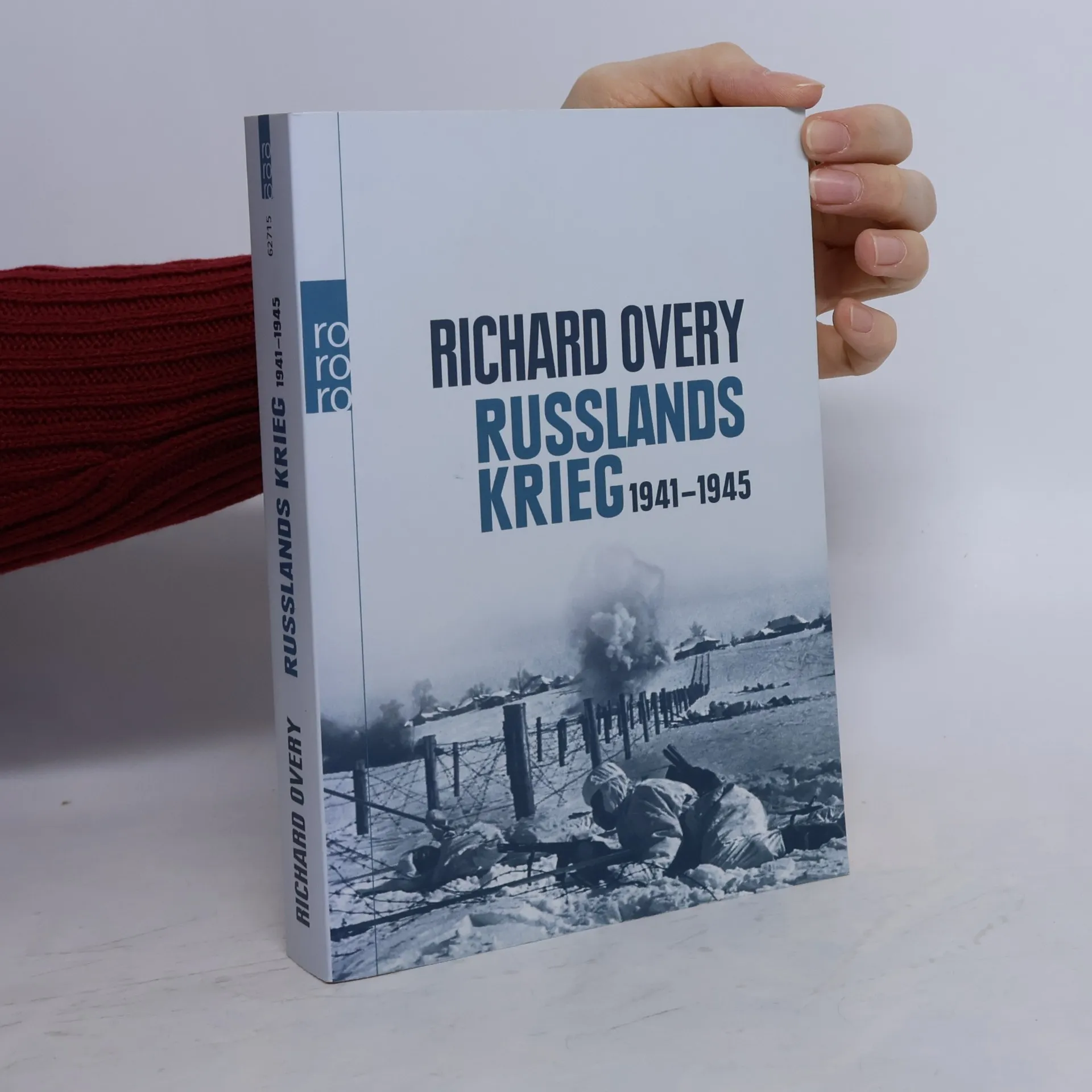
Když v červnu 1941 vpadl wehrmacht do Sovětského svazu, narazil na protivníka, který na tuto situaci nebyl připraven. Na podzim již Hitlerovy jednotky stály před Moskvou a jejich vítězství bylo jen otázkou času.Jak se Rudé armádě podařilo otočit kartu a stát se hybnou silou při rozbití Třetí říše? A jaké následky měla válka na stalinským terorem decimované sovětské obyvatelstvo? Britský historik Richard Overy zde předkládá jedinečná fakta o válečném dění na ruské půdě. Úchvatně a přesně vypovídá o událostech jakými bylo obléhání Leningradu, Stalingradu či bitva u Kurska, boje v ulicích Berlína nebo konference na Jaltě a v Postupimi. Pro pochopení nezměrného úsilí a obětí vynaložených k porážce německé převahy Overy připomíná též předválečné události i následky této války na Východě, počítané mezi nejkrutější v lidských dějinách.
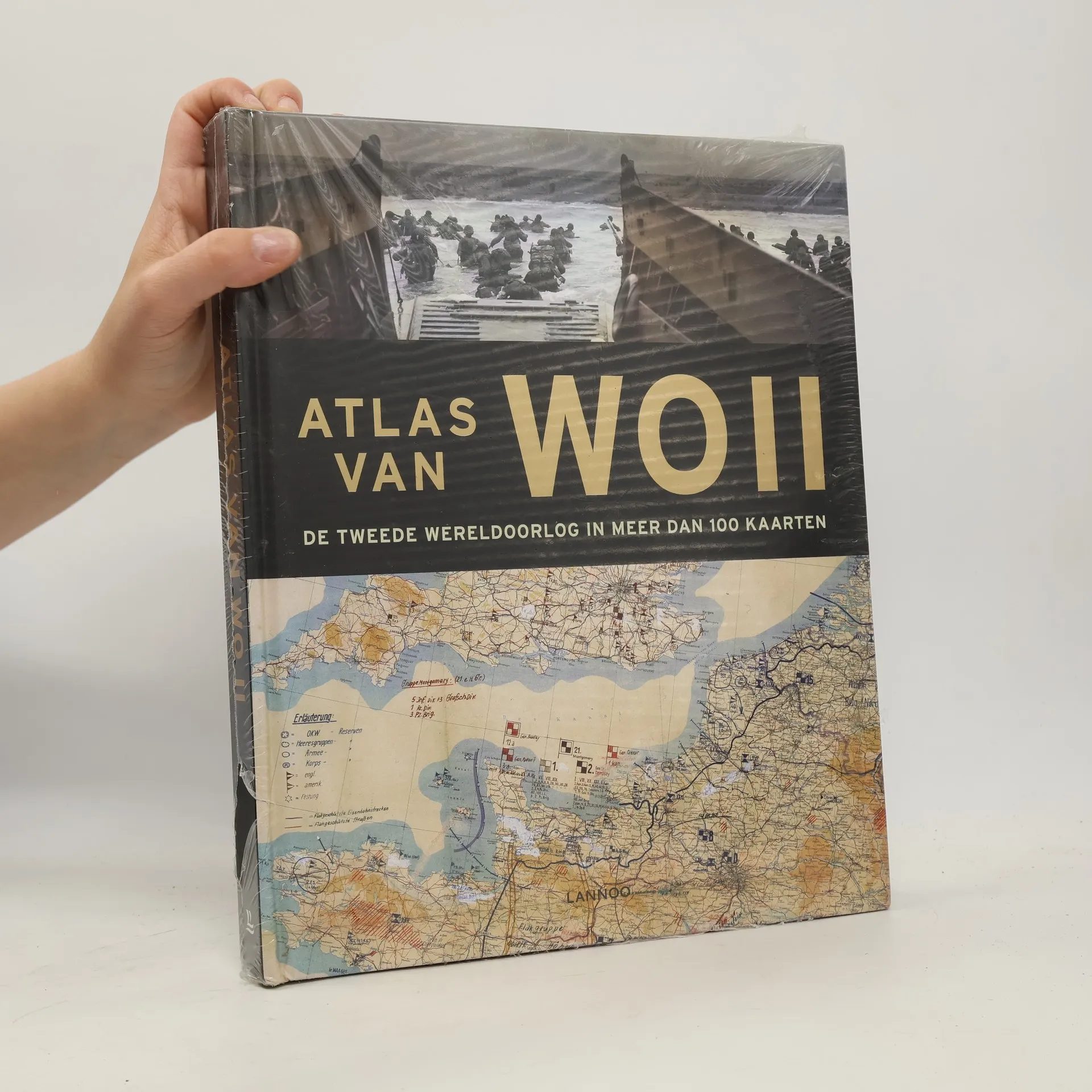
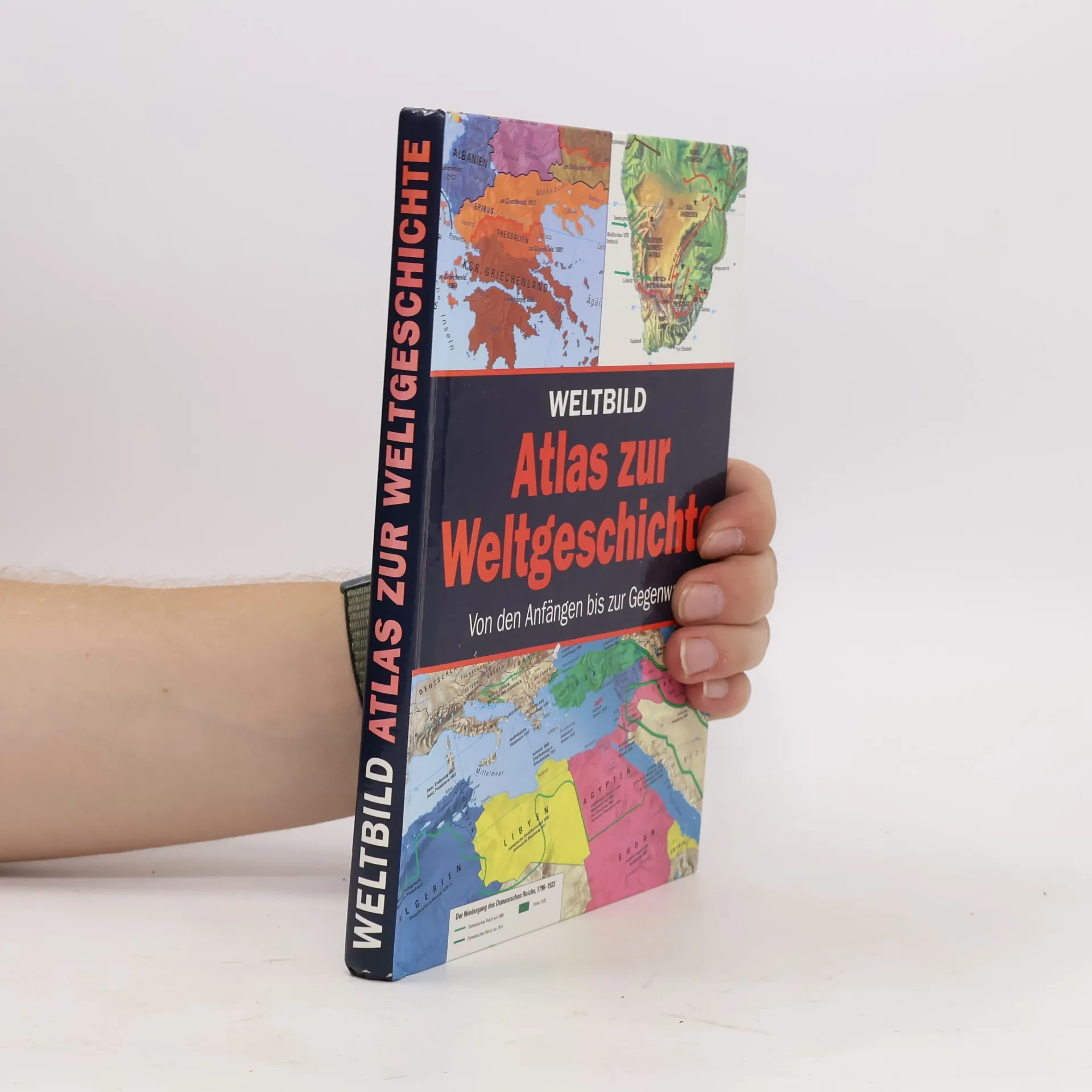
Hrsg. Barraclough, Geoffrey ; Stone, Norman. Dt. Übers. u. Bearb. u. a. Helbich, Wolfgang J. ; Barth, Christian M. ; Kirchberger, Günther ( Dt. Ausgabe von 'The Times Atlas of World History'). 600 farb. Ktn. u. Illustr. 360 S. 3. A.
Sir Jeremy Isaacs hat zahlreiche Auszeichnungen für seine Dokumentararbeit erhalten, darunter den Desmond Davis Award der Royal Television Society, einen Emmy und den Ritterschlag von Königin Elizabeth II. Seine monumentale Serie ist die definitive visuelle Geschichte des Zweiten Weltkriegs, die sich durch umfangreiche visuelle Dokumentation von Achsenmächten und Alliierten auszeichnet. Der Krieg wird durch kraftvolle Bilder verstanden, da die Nazis ihre Gräueltaten in überraschenden Farbaufnahmen dokumentierten. Die Serie nutzt diese Ressourcen vollständig und bietet eine außergewöhnliche visuelle Erzählung des größten Ereignisses des 20. Jahrhunderts. Wichtige Höhepunkte sind "Ein neues Deutschland 1933-39", das Hitlers Aufstieg zeigt; "Wirbelwind", das frühe britische Verluste darstellt; "Stalingrad", das eine entscheidende Niederlage für Deutschland markiert; und "Im Inneren des Reiches", das Einblicke in das Leben im nationalsozialistischen Deutschland bietet. Zudem enthält die Serie "Morgen", eine unromantisierte Darstellung der Invasion in der Normandie, und "Völkermord", eine Einführung in den Holocaust. Während der Fokus auf Europa liegt, werden auch das Kriegsjapan und das Manhattan-Projekt in "Die Bombe" behandelt. Diese Serie ist eine unverzichtbare Ressource für Historiker und Studenten, die sicherstellt, dass keine ernsthafte Sammlung ohne sie vollständig ist. Selten ist Film so entscheidend für das Verständnis
Nach der Kapitulation des Dritten Reiches im Mai 1945 fielen den alliierten Siegermächten führende Köpfe der NS-Elite in die Hände, darunter Hermann Göring, Albert Speer und Rudolf Heß. Zur Vorbereitung der Nürnberger Prozesse wurden sie intensiven Verhören unterzogen. Der britische Historiker Richard Overy hat die Protokolle dieser Verhöre in Londoner Archiven wiederentdeckt. Sie bieten einzigartige Einblicke in das Innenleben der NS-Diktatur.
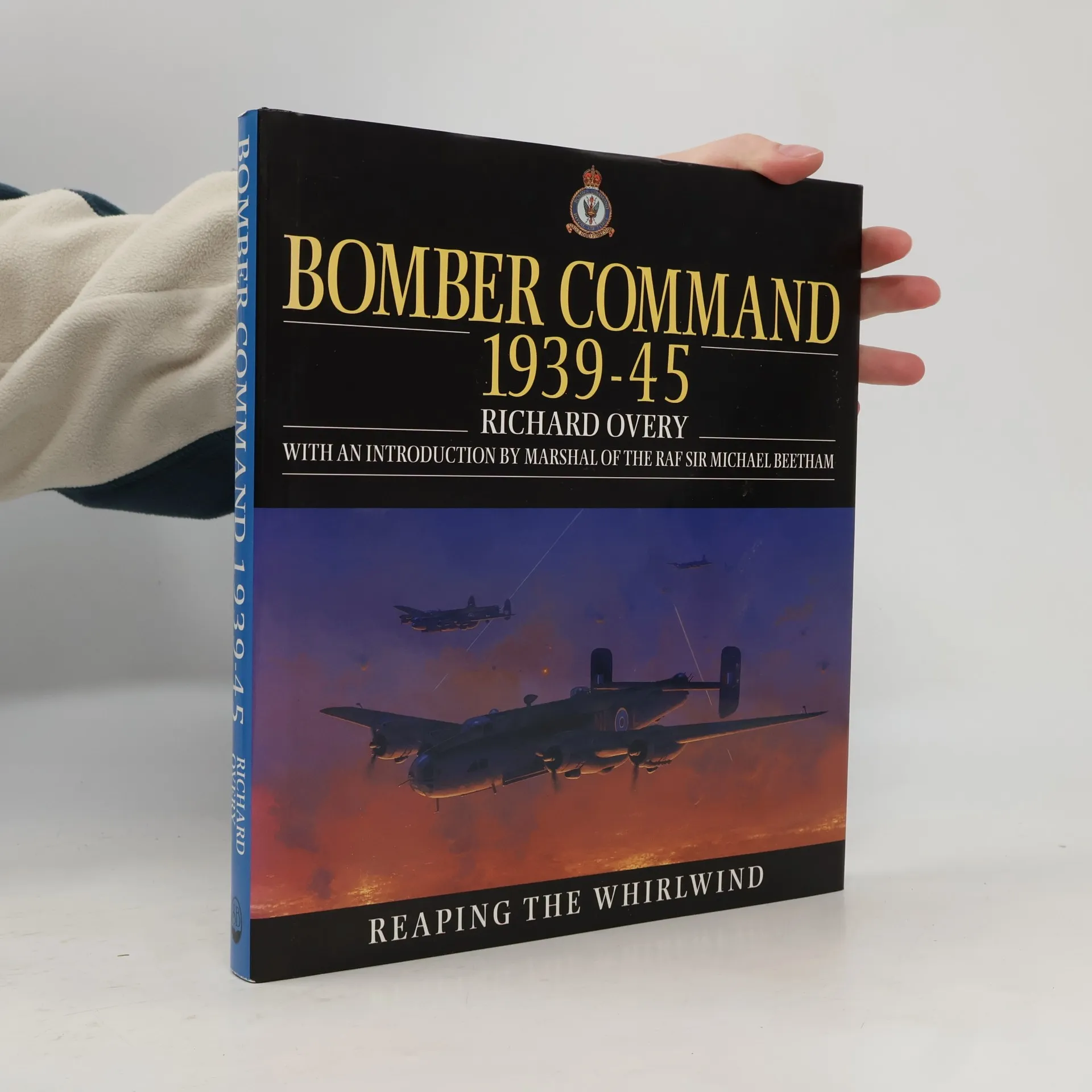
Bomber Command, 1939-1945. Reaping the Whirlwind [Hardcover] Overy, Richard
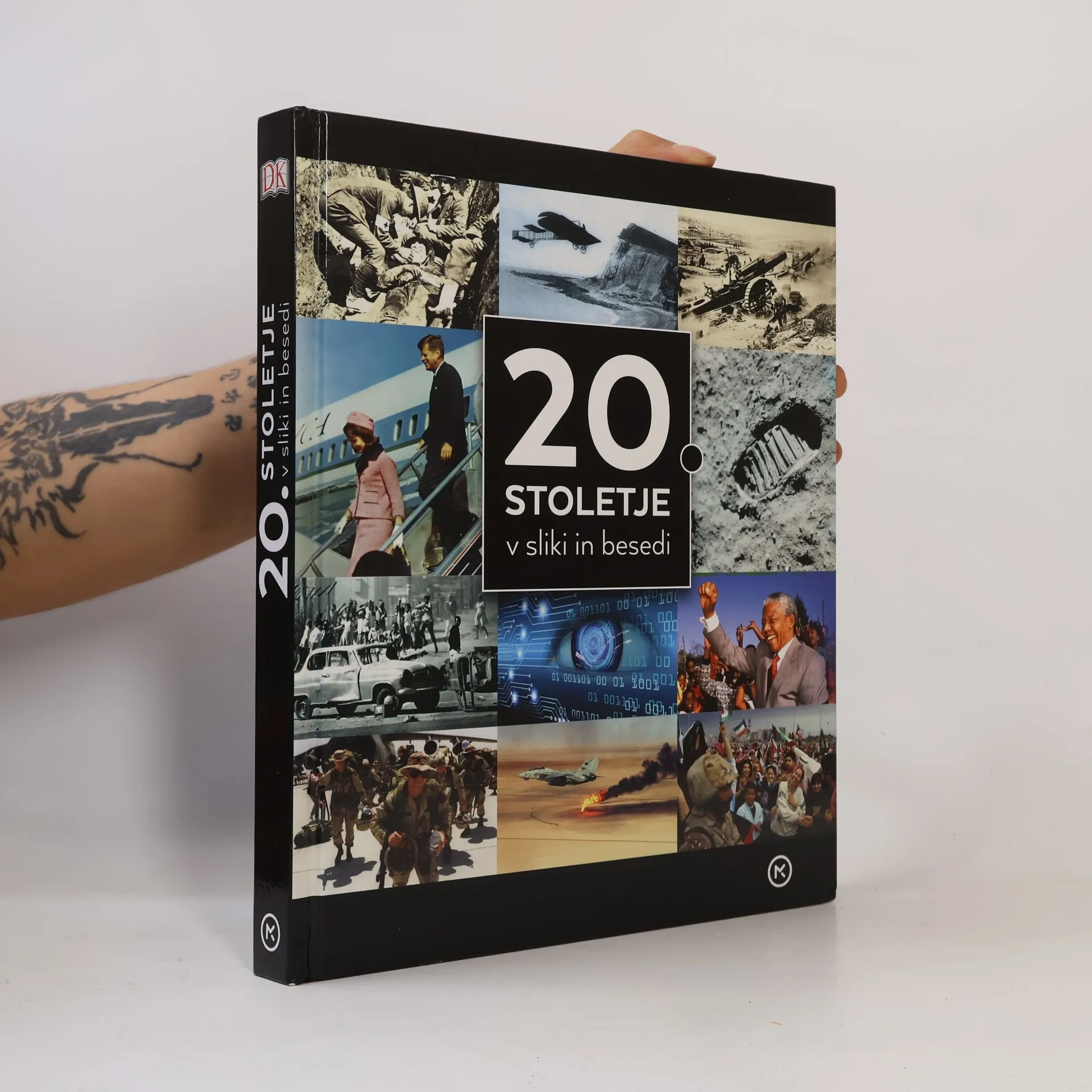
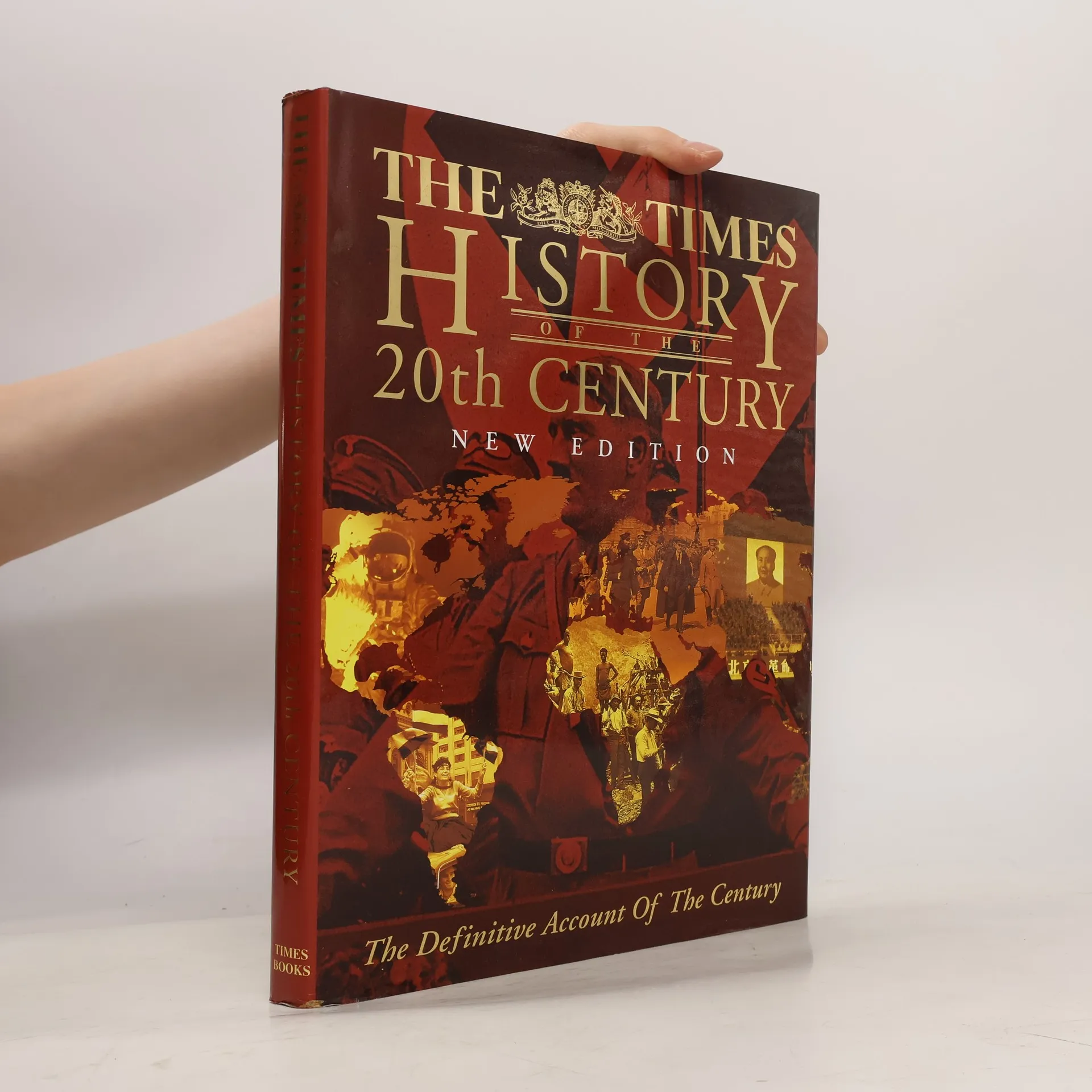
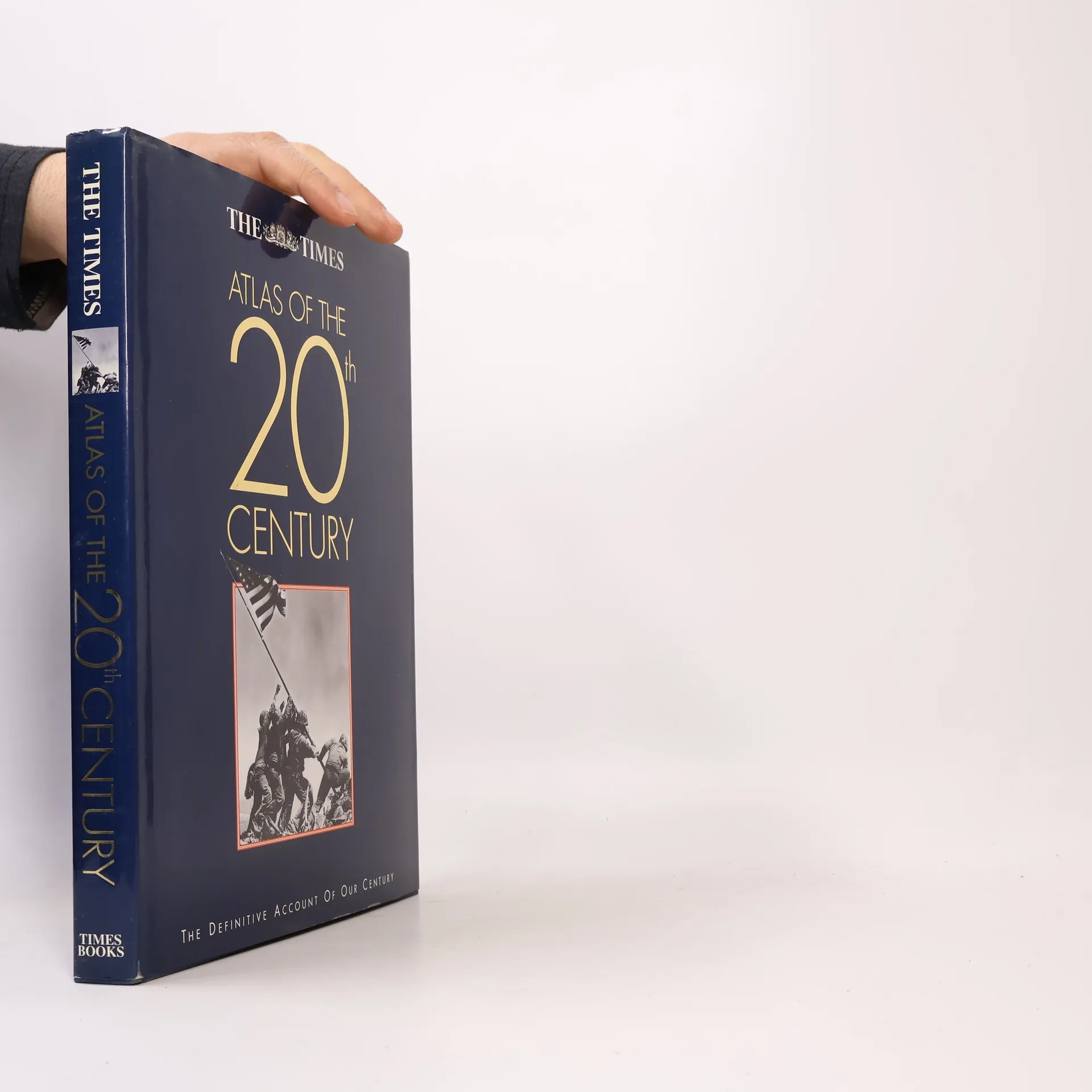
The Times History of the 20th Century is a major treatment of this turbulent century. Its richly interwoven tapestry of text, maps and photographs brings the century's main themes and underlying stories into sharp and arresting focus. Richard Overy's compelling and analytical text takes the world from the pomp of Europe's imperial heyday and the cataclysm of the First World War through the Great Depression, the Second World War and the Cold War to the uncertainties of today. Special attention is paid to the themes and challenges which have faced humanity throughout the century: the environment, health, science, leisure and technology. With over 300 colour maps and hundreds of photographs, it is both a visual feast and a work of substantial scholarship.
Hrsg. von Barraclough, Geoffrey Zahlr. Ktn.-Skizz, Abb. u. Übers. VIII, 184 S.
This work covers every major event of the 20th century from the pomp of the imperial world of 1900 to the uncertain stumblings of today's New World.
1941 - 1945
«Eine Gesamtschau des Krieges im Osten, die ihresgleichen sucht.» The Times Im Herbst 1941 standen Hitlers Truppen vor Moskau, der Sieg über die Sowjetunion schien nur eine Frage der Zeit zu sein. Wie gelang es der Roten Armee, das Blatt zu wenden und so den Untergang des Dritten Reiches einzuleiten? Und welche Auswirkungen hatten Besatzung und Kämpfe auf die sowjetische Bevölkerung? Richard Overy erzählt ebenso mitreißend wie fundiert die Geschichte eines Krieges, der zu den grausamsten der Menschheitsgeschichte zählt.
This revised edition offers a thorough examination of the Nazi economy, presenting key insights into its structure, policies, and impact. It delves into how economic strategies were intertwined with the regime's political goals, providing a nuanced understanding of the economic factors that supported Nazi Germany. The updated content reflects recent scholarship, enhancing the reader's grasp of this critical aspect of history.
Richard Overy, geboren 1947 in London, zählt zu den bedeutendsten Zeithistorikern unserer Tage. Er lehrt Geschichte an der University of Exeter und lebt in London. Mehrere seiner Bücher, darunter «Russlands Krieg» (2003) und «Die Diktatoren» (2005), gelten als Standardwerke. «Weltenbrand», Overys große Geschichte des Zweiten Weltkriegs, wurde zum «New York Times»-Bestseller; das Buch stand auf der Shortlist des Gilder Lehrman Prize und wurde mit der Duke of Wellington Medal for Military History ausgezeichnet.