Verrückte Wolken. Zen-Meister, Zen-Rebellen
- 255 Seiten
- 9 Lesestunden


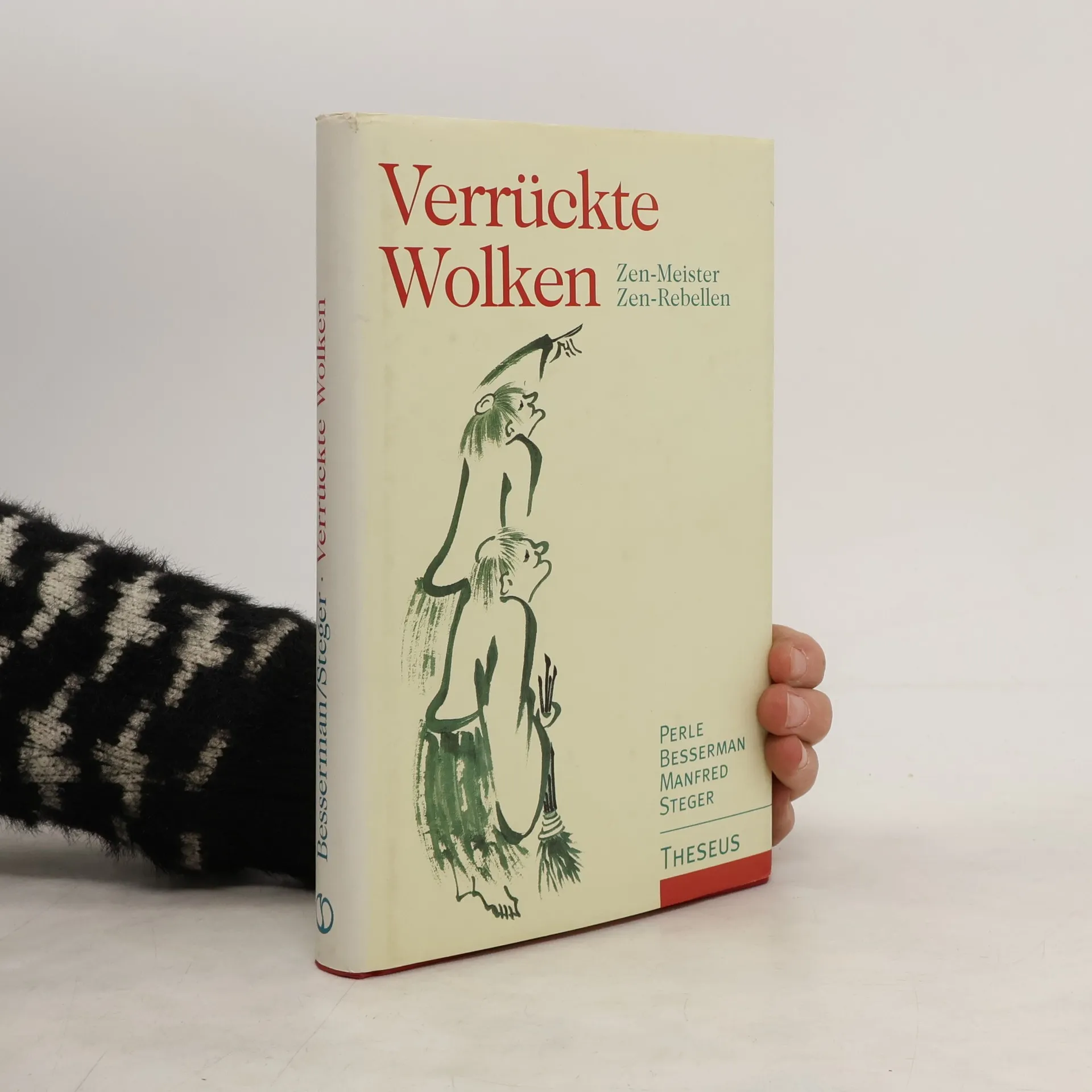
P’Chang attained the level of an enlightened Zen master in the 8th century, yet remained a layperson with a wife, daughter, and son. He inherited wealth from his father, which he lost in the Shao River. Together with his daughter, he traveled and sold bamboo instruments, while his wife and son worked as tenant farmers. P’Chang expressed his thoughts on the complexity and simplicity of existence, while his wife emphasized the ease of learning. He told his daughter Ling-čao that his reflections were neither easy nor difficult, and that he followed his basic needs. In his final years, he lived with his daughter in a cave, preparing for death. He asked her to tell him when the sun was at its zenith, and upon that moment, he discovered his daughter had died in his place. After seven days of mourning, he passed away in the presence of his friend Ju Ti, who recorded the stories of P’Chang and his family. Following the deaths of his daughter and son, Mrs. P’Chang retreated to the mountains as a hermit. P’Chang lived outside Confucian traditions, preferring to write poetry over preaching, leaving behind many koans and dialogues with Zen masters.
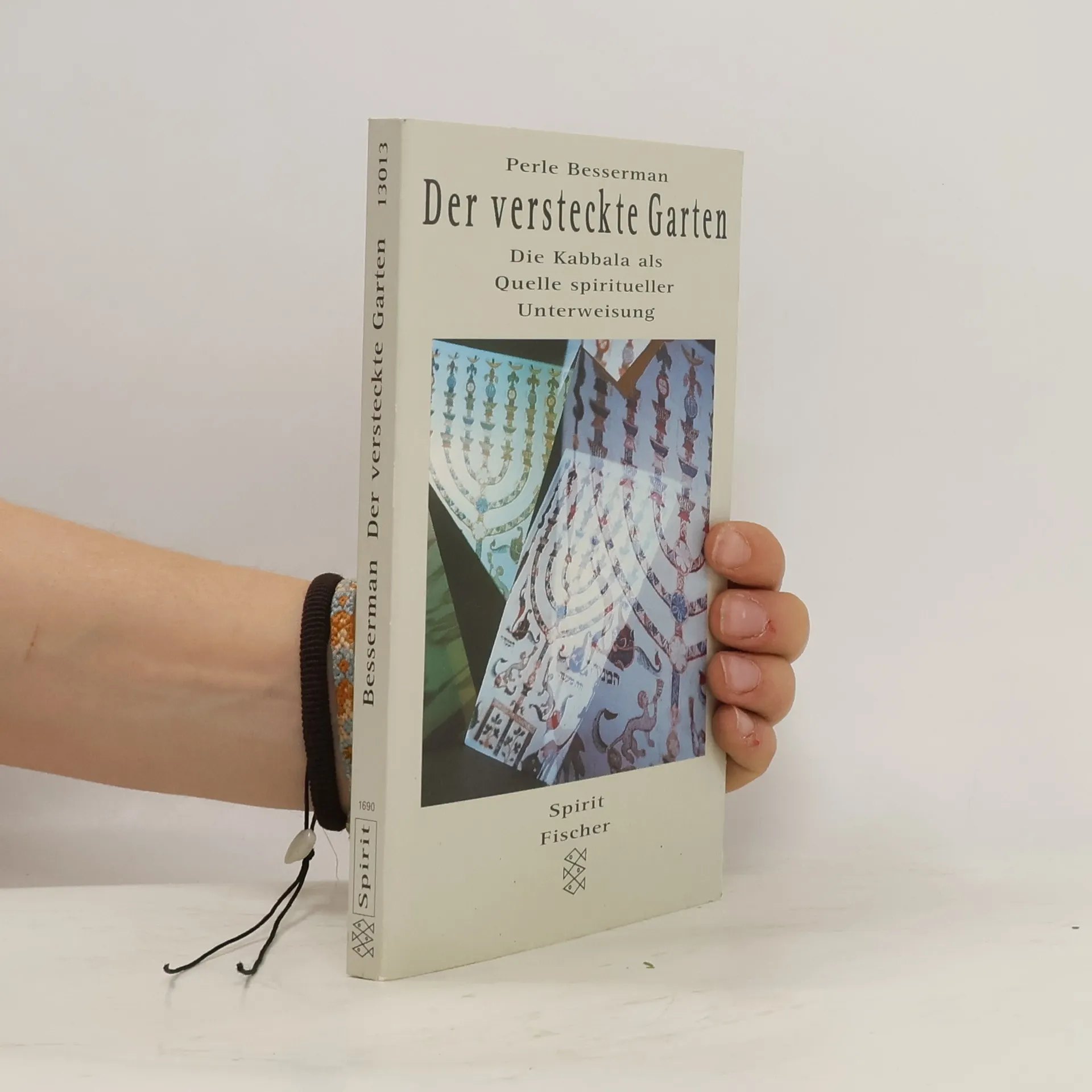
Jewish mystics from biblical times to the present have explored the hidden secrets of the Torah in quest of a single goal: to lose the self in the Infinite "No-thingness" (Ein Sof) and be at one with God. In language accessible to the layperson, this Shambhala Guide provides a detailed introduction to the complex world of Kabbalah and Jewish mysticism. With an extensive background in meditation practice, Perle Besserman emphasizes Kabbalah's spiritual disciplines, grounded in righteous living, devotional practices, and meditation. She discusses the Kabbalistic universe, including the four worlds and ten sefirot; Jewish meditation techniques and instructions for beginning meditation; mystics and teachers from Rabbi Akiva and the Baal Shem Tov to Aryeh Kaplan; the often uneasy relationship between Kabbalah and mainstream Judaism; and incorporating the ancient wisdom of Jewish mysticism to life in the world of today.
Many Zen Buddhist practitioners have come to question some of Japanese Zen's less democratic aspects -- from the strict, male-dominated hierarchies to the racial overtones. At the same time, modern American Buddhists often find it difficult to integrate zazen (seated Zen meditation) with lives of family, work, and social engagement. This book offers a fascinating guide to overcoming both these dilemmas. A study of how one Zen group returned to an ancient Chinese tradition of community meditation practice without a leader or hierarchy, this book also outlines an authentic, grassroots approach, urging people from all walks of life to come together in meditation and the study of dharma. Grassroots Zen focuses on the challenge of truly becoming one with the moment in our frantically paced society; of finding a space for the passing self; and of achieving balance between Zen practice and daily life, as well as individuality in community. A thoughtful and absorbing work, Grassroots Zen is an important book for those seeking a practice that is truly of the people, by the people, and for the people.
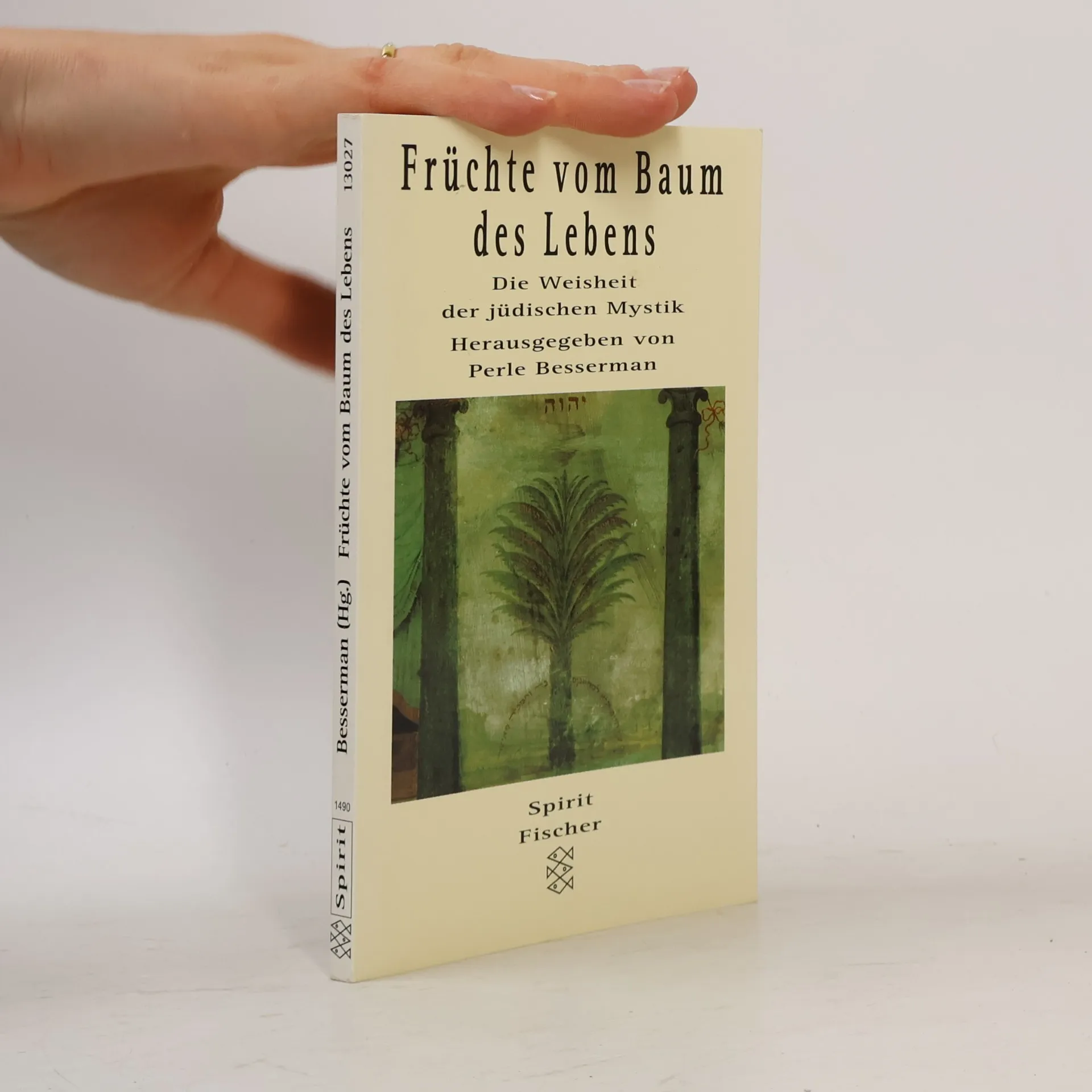
A comprehensive explanation and history of the secret tradition of Jewish mysticism - its methods, schools, and practitioners.