Graham Harman Reihenfolge der Bücher (Chronologisch)
9. Mai 1968
Graham Harman ist ein zeitgenössischer Metaphysiker, der versucht, die linguistische Wende der westlichen Philosophie umzukehren. Seine Ideen bezeichnet er als objektorientierte Ontologie. Sein Werk konzentriert sich auf die Realität von Objekten, unabhängig von menschlicher Wahrnehmung. Harman gilt als wichtige Figur der spekulativen Realismusbewegung.


Object-Oriented Ontology
- 304 Seiten
- 11 Lesestunden
What is reality, really? Are humans more special or important than the non-human objects we perceive? How does this change the way we understand the world? We humans tend to believe that things are only real in as much as we perceive them, an idea reinforced by modern philosophy, which privileges us as special, radically different in kind from all other objects. But as Graham Harman, one of the theory's leading exponents, shows, Object-Oriented Ontology rejects the idea of human specialness: the world, he states, is clearly not the world as manifest to humans. At the heart of this philosophy is the idea that objects - whether real, fictional, natural, artificial, human or non-human - are mutually autonomous. In this brilliant new introduction, Graham Harman lays out the history, ideas and impact of Object-Oriented Ontology, taking in everything from art and literature, politics and natural science along the way. Graham Harman is Distinguished Professor of Philosophy at SCI-Arc, Los Angeles. A key figure in the contemporary speculative realism movement in philosophy and for his development of the field of object-oriented ontology, he was named by Art Review magazine as one of the 100 most influential figures in international art.
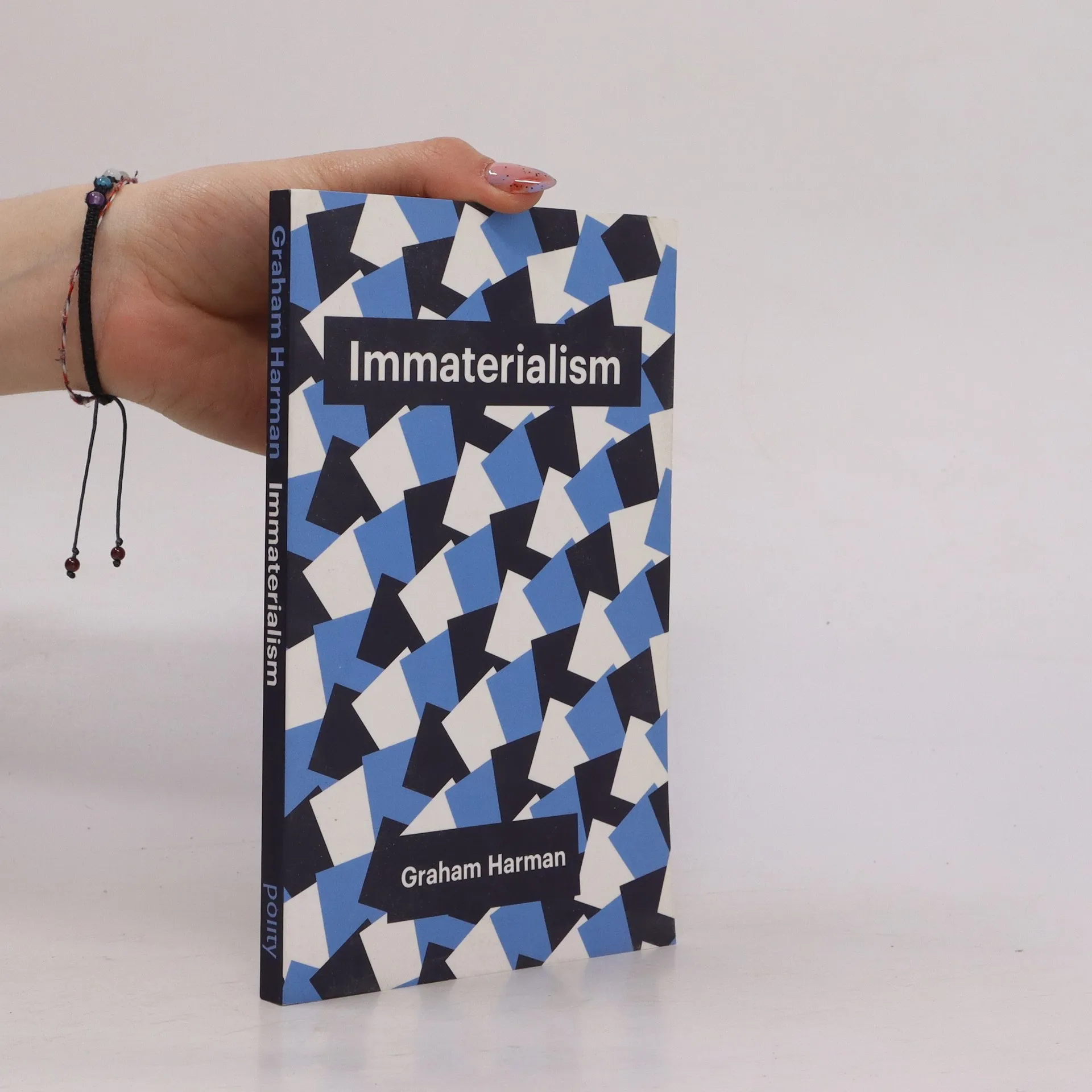
Immaterialism
- 140 Seiten
- 5 Lesestunden
In this book the founder of object-oriented philosophy develops his approach in order to shed light on the nature and status of objects in social life. While it is often assumed that an interest in objects amounts to a form of materialism, Harman rejects this view and develops instead an immaterialist method. By examining the work of leading contemporary thinkers such as Bruno Latour and Levi Bryant, he develops a forceful critique of actor-network theory
Die Rache der Oberfläche
- 36 Seiten
- 2 Lesestunden
Persönlich haben sich Martin Heidegger und Marshall McLuhan nie getroffen, hätten aber einiges miteinander zu diskutieren gehabt. Denn sowohl Heidegger als auch McLuhan waren Theoretiker einer Tiefe, eines verborgenen Mediums des Hintergrunds, das unter den oberflächlichen Erscheinungen liegt. Die imaginäre Begegnung wird noch interessanter, wenn sich Clement Greenberg in das Gespräch einschaltet und für die Leinwand als ein Geschöpf des Hintergrunds plädiert. Mit dem Essay „Rückschlag der Werkzeuge auf das Bewusstsein“ von Vilém Flusser
'Die Geschichte der Philosophie hat bereits zahlreiche Theorien über individuelle Objekte hervorgebracht. Angefangen mit der ersten Substanz des Aristoteles, liefern uns diese Theorien Leibnizianische Monaden, die Ansichten Husserls und seiner Rivalen und Heideggers vierfaches ›Ding‹. Trotz meiner Bewunderung für diese ehrwürdigen Vorfahren zielt dieses Buch nicht auf eine Synthese ab, sondern auf eine neue Metaphysik, die über alle Objekte Aussagen zu treffen vermag, sowie über die wahrnehmbaren und kausalen Relationen, in die sie verstrickt werden. Während ich die nachkantische Besessenheit mit einer einzigen relationalen Kluft zwischen Menschen und Objekten ablehne, behaupte ich, dass die Interaktion zwischen Baumwolle und Feuer auf derselben Grundlage beruht wie menschliche Interaktionen sowohl mit Baumwolle wie mit Feuer.'
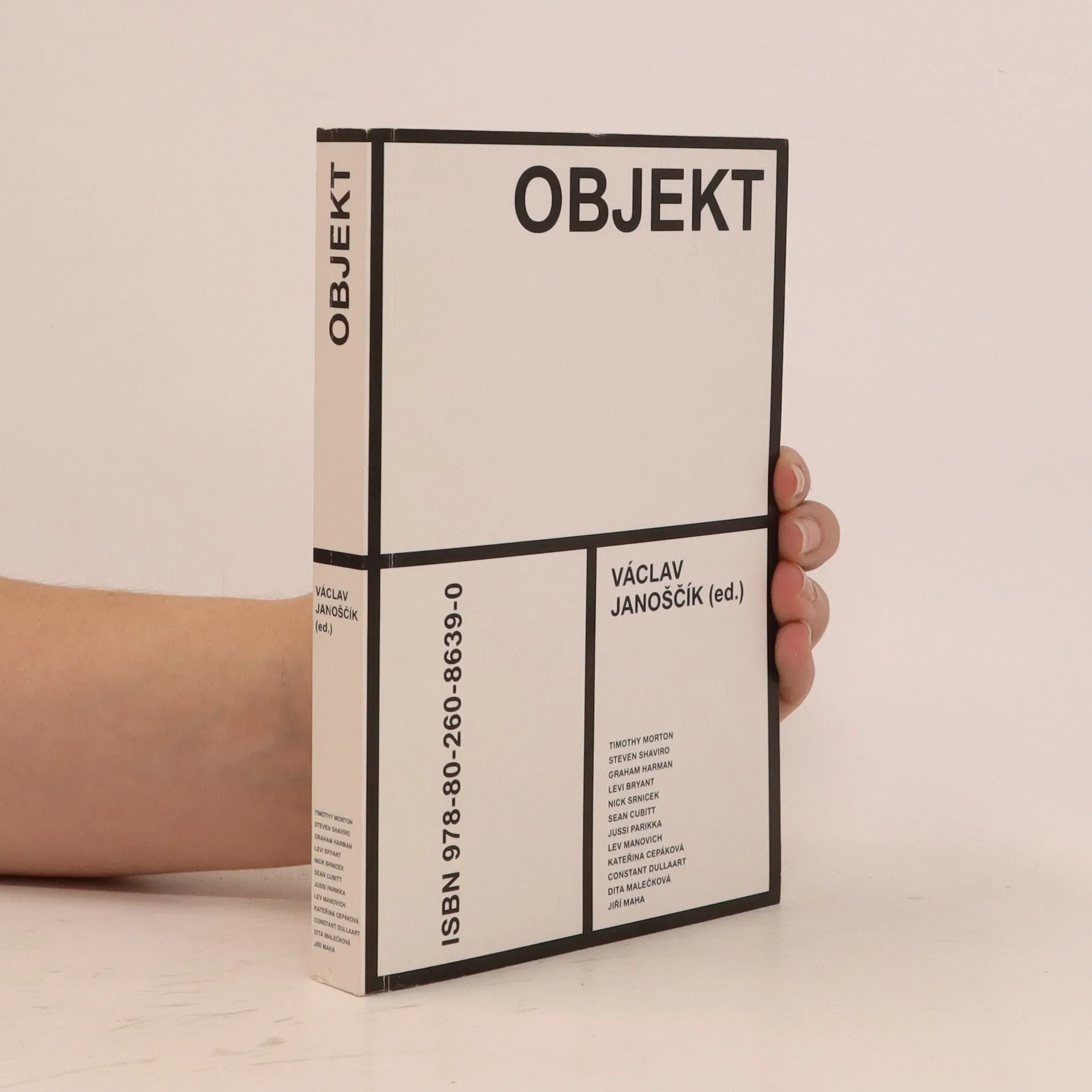
Jedná se o první a zásadní publikaci, která se zabývá aktuálním tématem post - internetového umění. Náš svět je světem objektů a možná si to uvědomujeme více než kdy dřív. Právě v éře globálního oteplování, umělé inteligence, masově vyráběných a neustále inovovaných či individualizovaných výrobků jsme konfrontováni s tím, že nejen lidé existují, jednají a mají práva. Také objekty, naše planeta, živočišné druhy, počítačové aplikace i nám blízké každodenní předměty se hlásí o své slovo. Kniha s charakteristickým názvem Objekt se snaží z pozic filosofie a teorie médií shrnout různé pohledy na tuto explozi objektů. Snaží se objektům propůjčit hlas. Kniha tak představuje první soubor textů z proudu spekulativního realismu, objektově orientované ontologie, akceleracionismu a nového materialismu dostupný v českém překladu.
As Holderlin was to Martin Heidegger and Mallarme to Jacques Derrida, so is H.P. Lovecraft to the Speculative Realist philosophers.
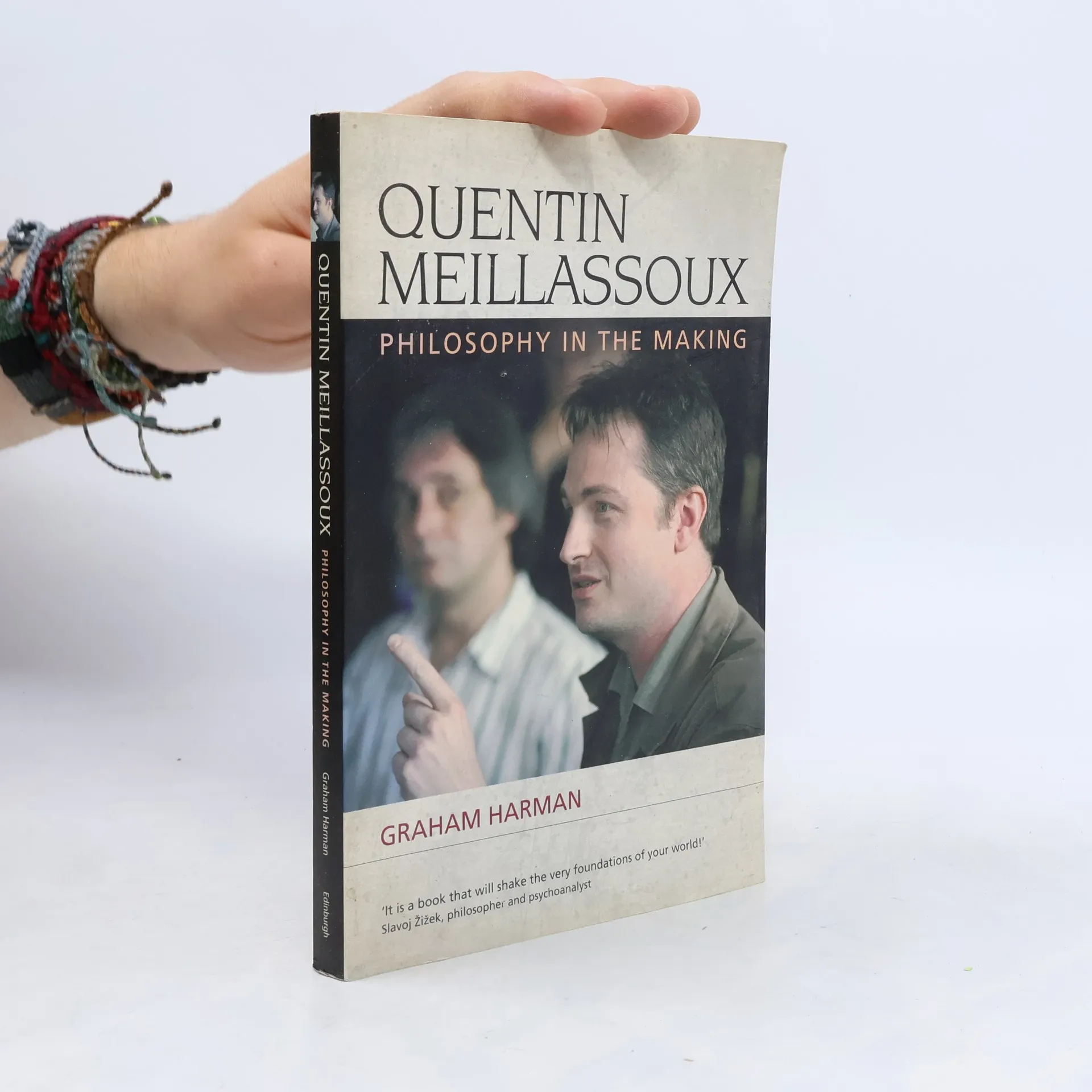
Quentin Meillassoux's entry into the philosophical scene marks the beginning of a new epoch: the end of the transcendental approach and the return to realist ontology. Harman's beautifully written and argued book provides not just an introduction to Meillassoux, but much more: one authentic philosopher writing about another - a rare true encounter. It is not only for those who want to understand Meillassoux, but also for those who want to witness a radical shift in the entire field of philosophy. It is a book that will shake the very foundations of your world!Slavoj Zizek, philosopher and psychoanalystAn in-depth study of the emerging French philosopher Quentin MeillassouxQuentin Meillassoux has been described as the most rapidly prominent French philosopher in the Anglophone world since Jacques Derrida in the 1960's. With the publication of After Finitude (2006), this daring prot�g� of Alain Badiou became one of the world's most visible younger thinkers.In this book, his fellow Speculative Realist, Graham Harman, assesses Meillassoux's publications in English so far. Also included are an insightful interview with Meillassoux and first-time translations of excerpts from L'Inexistence divine (The Divine Inexistence), his famous but still unpublished major book.
Prince of Networks: Bruno Latour and Metaphysics
- 258 Seiten
- 10 Lesestunden
Focusing on Bruno Latour's philosophical contributions, this book presents an in-depth analysis of four key works that reveal his unique metaphysical ideas. Graham Harman positions Latour as a pivotal figure in contemporary philosophy, emphasizing concepts like actants and translation. The text critiques the relational emphasis in Latour's Actor-Network Theory while exploring its intersections with Harman's object-oriented philosophy. This engaging dialogue promises to influence modern philosophical discourse, offering fresh perspectives beyond traditional frameworks.
Tool-being
- 256 Seiten
- 9 Lesestunden
Martin Heidegger (1889–1976) influenced the work of such diverse thinkers as Sartre and Derrida. In Tool-Being, Graham Harman departs from the prevailing linguistic approach to analytic and continental philosophy in favor of Heideggerian object-oriented research into the secret contours of objects. Written in a colorful style, it will be of interest to anyone open to new trends in present-day philosophy.